Ian Hitchcock / Getty Images
Public Domain / Wikimedia Commons
Majid Saeedi / Getty Images News via Getty Images
Public Domain / Wikimedia Commons
Stocktrek Images / Stocktrek Images via Getty Images
2022 Getty Images / Getty Images News via Getty Images
Pool / Getty Images News via Getty Images
Israel Defense Forces / Wikimedia Commons
Public Domain / Wikimedia Commons
Unknown author / Wikimedia Commons
Public Domain / Wikimedia Commons
Handout / Getty Images
nickalbi / iStock Editorial via Getty Images
Steve Evans / Wikimedia Commons
Public Domain / Wikimedia Commons
Public Domain / Wikimedia Commons
Đức Thịnh / Wikimedia Commons
PRT Meymaneh / Wikimedia Commons
bodrumsurf / iStock Editorial via Getty Images
Public Domain / Wikimedia Commons
Public Domain / Wikimedia Commons
johan_h / iStock via Getty Images
Public Domain / WIkimedia Commons
Public Domain / Wikimedia Commons
Glowimages / Glowimages via Getty Images
Khustup / Wikimedia Commons
Public Domain / Wikimedia Commons
PhotosByByron / iStock Editorial via Getty Images
Alpha2412 / Wikimedia Commons
Public Domain / Wikimedia Commons
Public Domain / Wikimedia Commons
Public Domain / Wikimedia Commons
Aleksandr Golubev / iStock via Getty Images
Andreas Rentz / Getty Images
Public Domain / Wikimedia Commons
Nzpn / iStock via Getty Images
34 Countries With Huge Military Firearm Stockpiles
You might assume the countries with the world's biggest armed forces would automatically have the most firearms for each person serving. The numbers do not work quite that neatly. Some relatively small countries have military firearm inventories many times larger than their active forces, while several of the world's biggest militaries rank much lower.
There are plenty of reasons for that gap. National inventories can include firearms intended for reserve forces, training, replacements, mobilization, and long-term storage. Weapons can also remain in government stockpiles for decades, meaning the size of an arsenal does not necessarily tell you how many firearms are currently being issued or used.
There is also an important catch with the numbers. The most comprehensive globally comparable military-firearms estimates available from the Small Arms Survey date to 2017, while the World Bank's armed-forces personnel series used for this comparison ends in 2020. That means the ratios below are best viewed as a historical snapshot rather than a current 2026 inventory. Wars, personnel changes, transfers, purchases, and the disposal of older weapons may have changed the picture considerably since then.
What These Numbers Actually Show
For each country, we divided the Small Arms Survey's estimated 2017 military-owned firearm inventory by the World Bank's 2020 count of active-duty armed forces personnel. The World Bank definition can also include paramilitary forces when their organization and role allow them to support or replace regular military forces. The resulting number is useful for comparing the size of national stockpiles with active forces, but it is not a measure of combat strength, readiness, or the number of firearms assigned to each person.
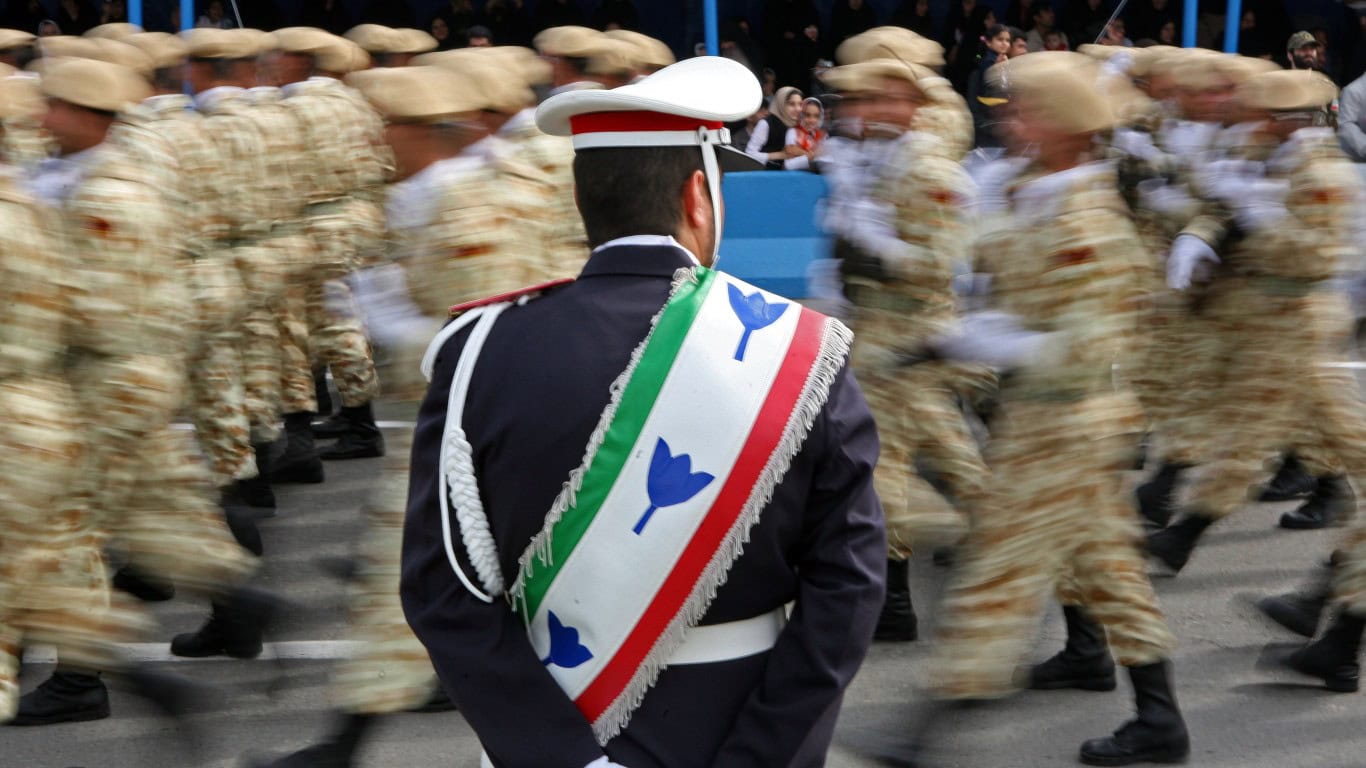
34. Iran
Iran opens the list at a derived 5.1 firearms for every active-duty service member in the comparison. Even at the low end of this ranking, the estimated stockpile was more than five times the size of the active force counted three years later, which is why the source years matter.
Estimated military-owned firearms (2017): 3,333,550
Active-duty armed forces personnel (2020): 650,000
Derived firearms-to-personnel ratio: 5.1 to 1
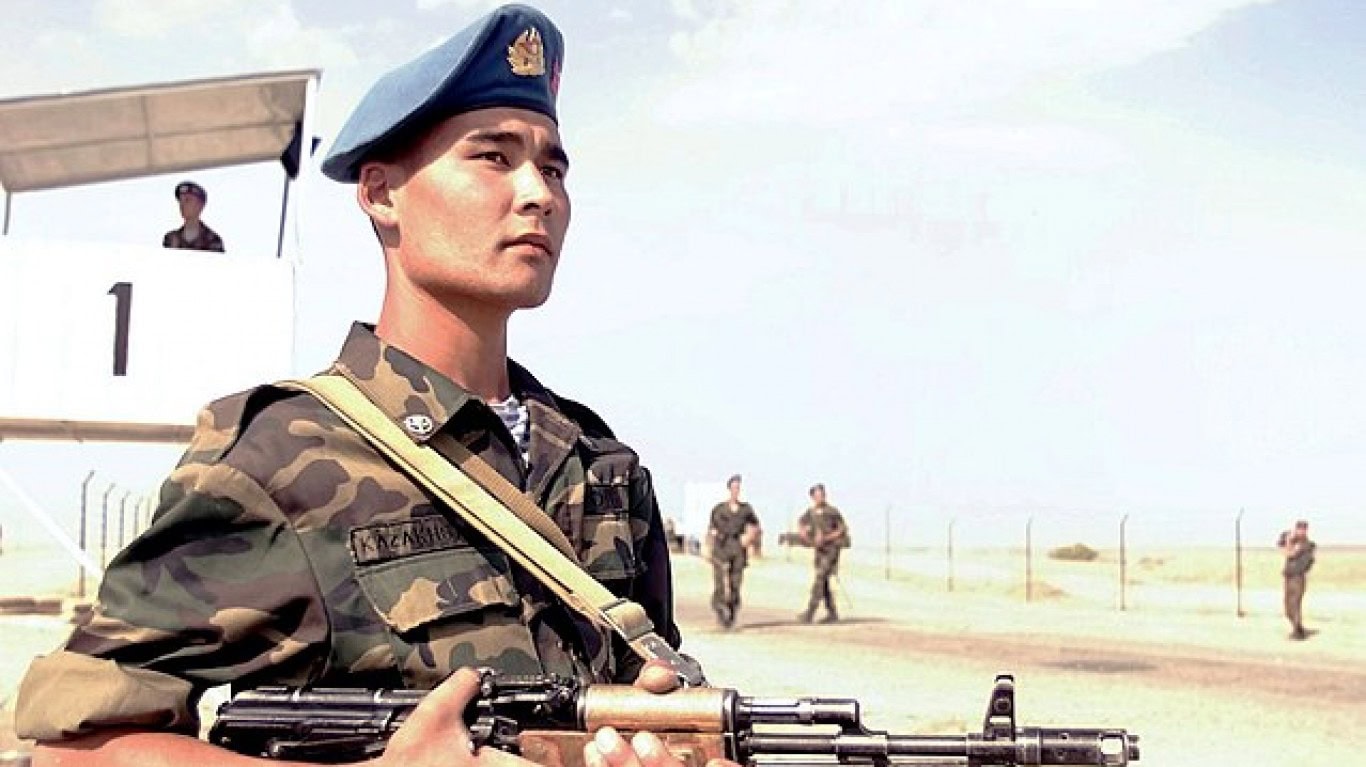
33. Kazakhstan
Kazakhstan lands just above Iran at 5.3. The number is best read as a snapshot of the relationship between a 2017 stockpile estimate and a 2020 personnel count, not as a live inventory of what the country has on hand today.
Estimated military-owned firearms (2017): 375,690
Active-duty armed forces personnel (2020): 71,000
Derived firearms-to-personnel ratio: 5.3 to 1
32. Mozambique
Mozambique is the first of two countries that round to 5.5 firearms per active service member. Its estimated stockpile was far smaller in absolute terms than those of the biggest countries on this list, showing why a per-person ranking can look very different from a ranking by total inventory.
Estimated military-owned firearms (2017): 60,000
Active-duty armed forces personnel (2020): 11,000
Derived firearms-to-personnel ratio: 5.5 to 1
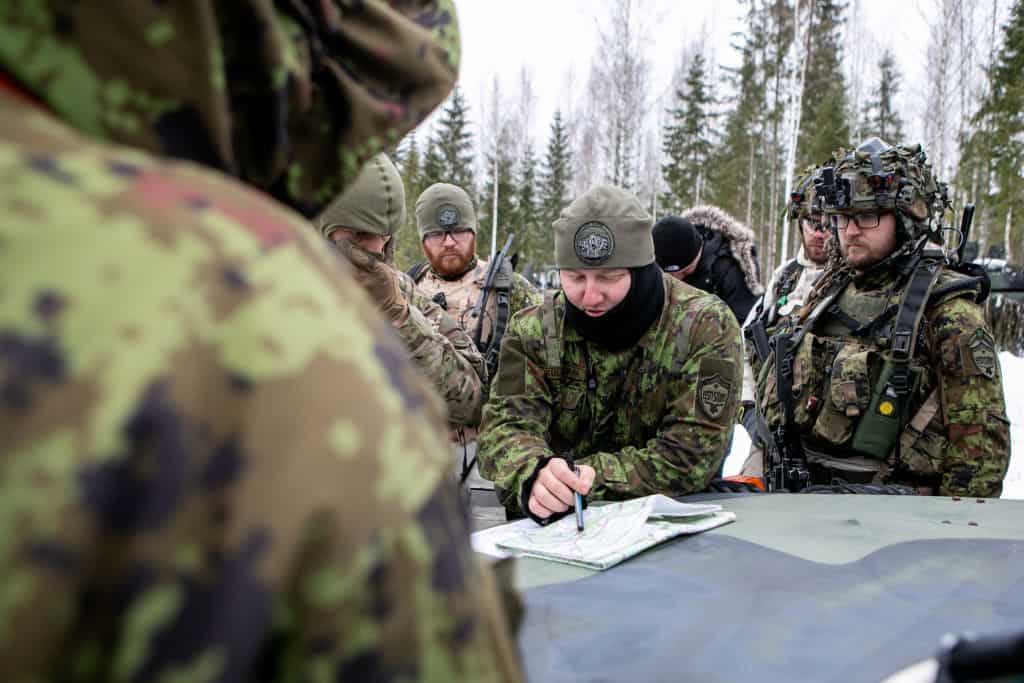
31. Estonia
Estonia also rounds to 5.5, but its slightly higher unrounded ratio puts it ahead of Mozambique. With only 38,760 estimated military-owned firearms in the 2017 dataset, Estonia is a good example of how a relatively small inventory can still produce a high ratio when the active force is small.
Estimated military-owned firearms (2017): 38,760
Active-duty armed forces personnel (2020): 7,000
Derived firearms-to-personnel ratio: 5.5 to 1
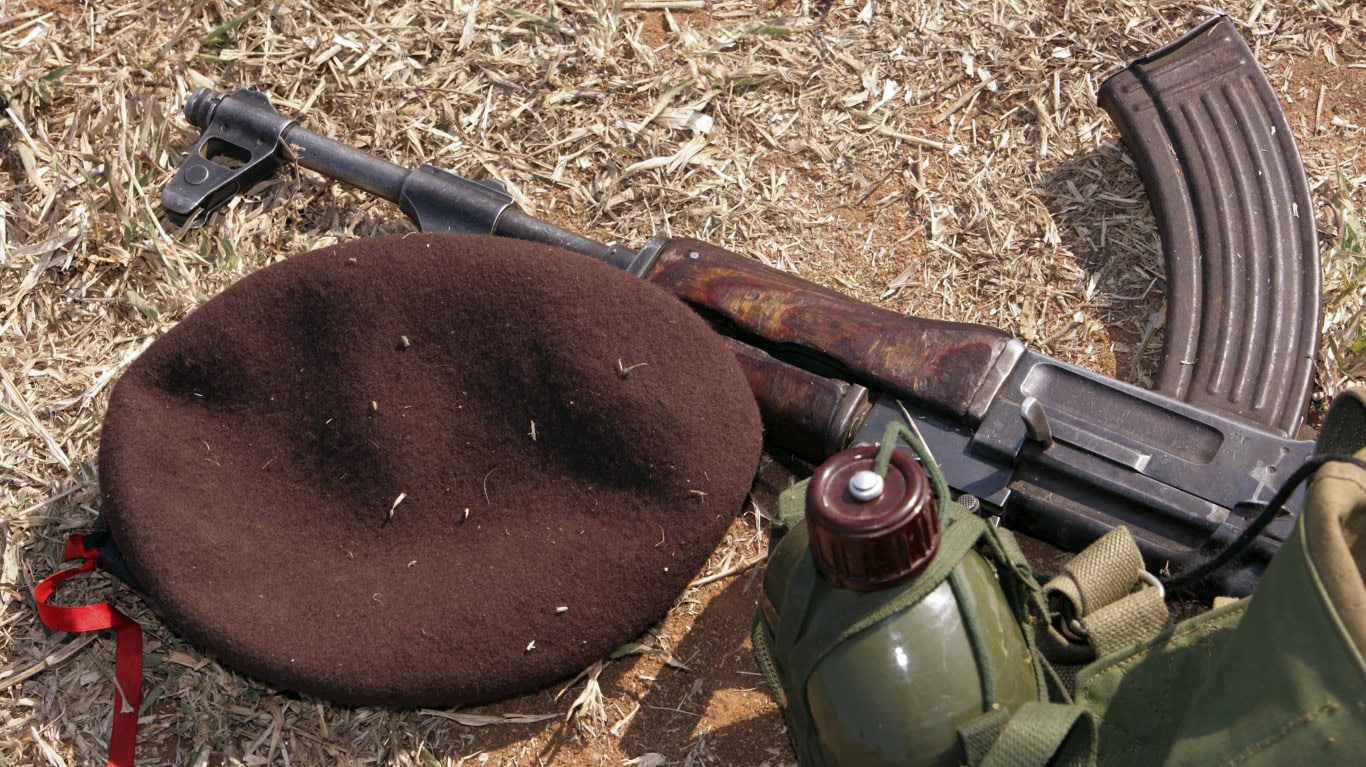
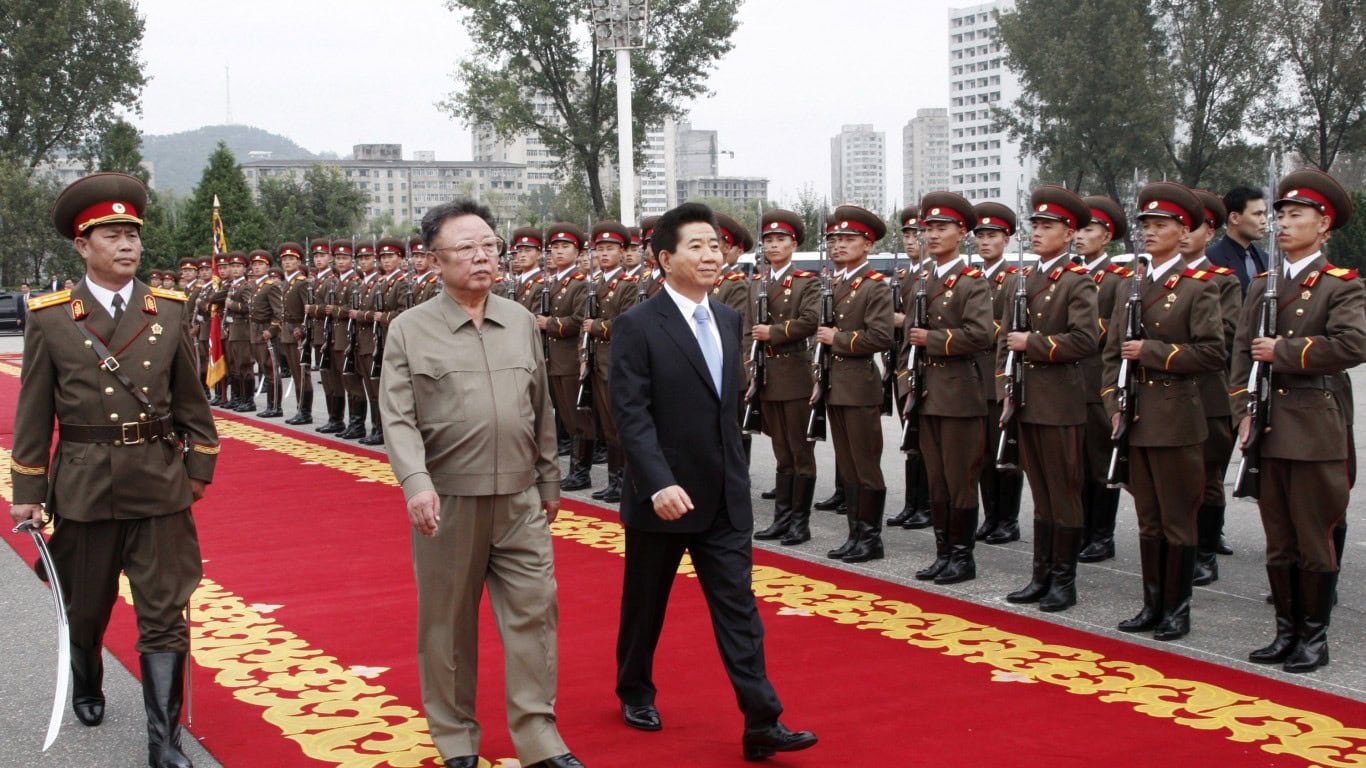
30. North Korea
North Korea's estimated stockpile was one of the largest in the entire Small Arms Survey dataset, so it is no surprise to see the country here. The 5.7 ratio, however, is built on a difficult-to-verify 2017 arms estimate and a 2020 personnel figure, making false precision especially worth avoiding.
Estimated military-owned firearms (2017): 8,363,100
Active-duty armed forces personnel (2020): 1,469,000
Derived firearms-to-personnel ratio: 5.7 to 1
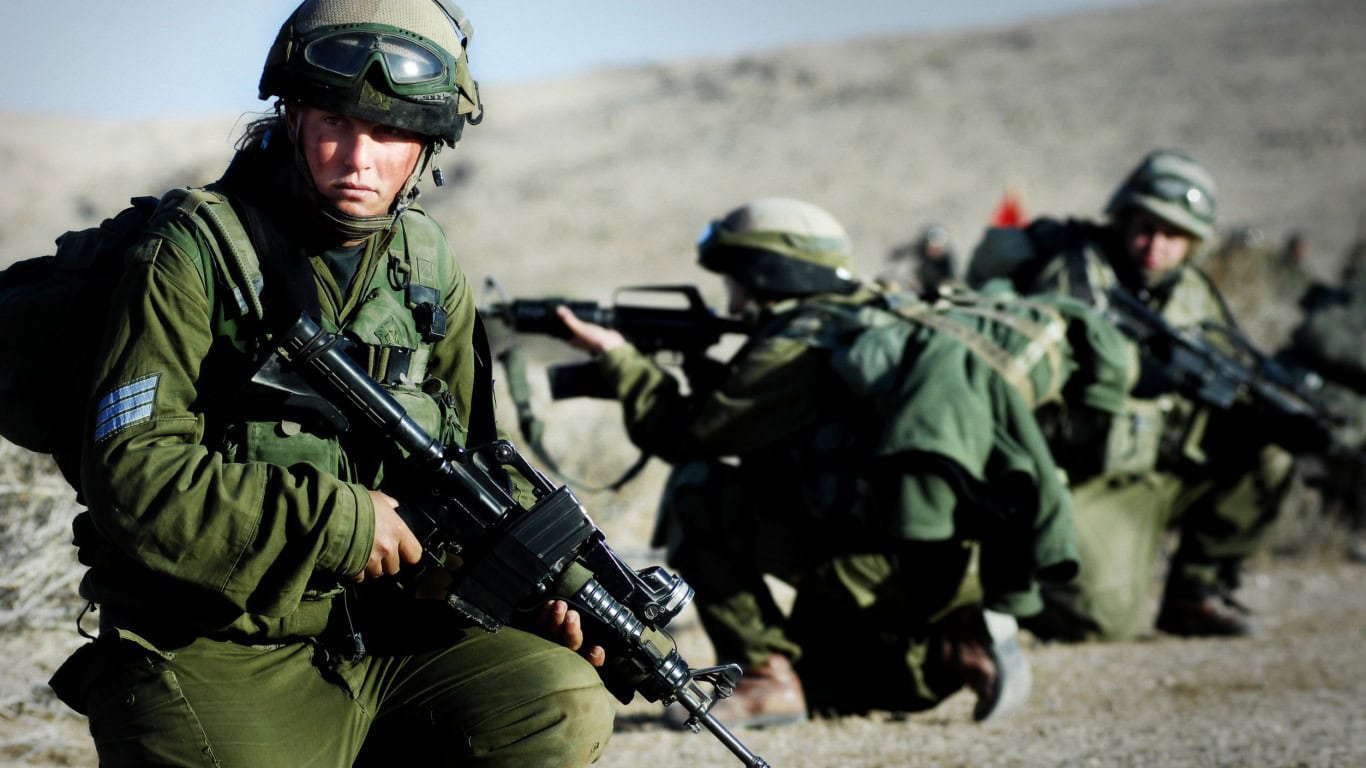
29. Israel
Israel also comes in at 5.7 in the historical comparison. Because the personnel figure is from 2020 and the size of the country's mobilized forces has changed substantially since then, this is another number that should not be read as a current 2026 ratio.
Estimated military-owned firearms (2017): 1,016,900
Active-duty armed forces personnel (2020): 178,000
Derived firearms-to-personnel ratio: 5.7 to 1
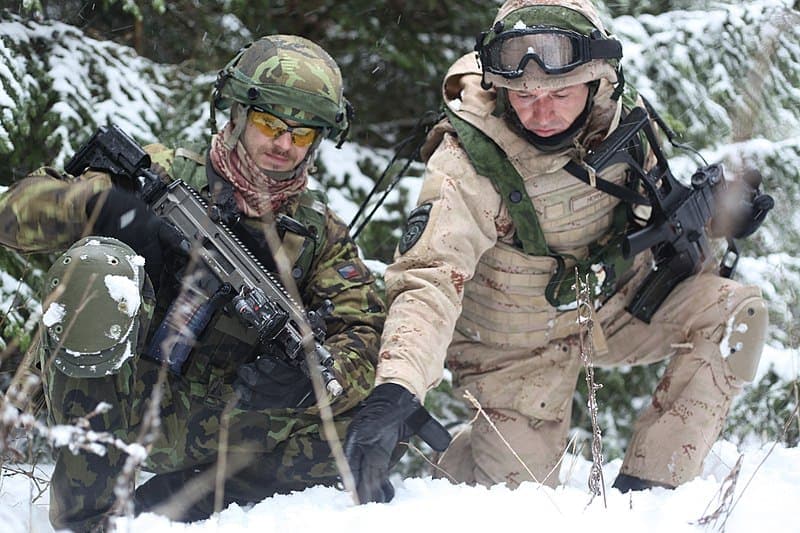
28. Czechia
Czechia's figures work out to about 5.8 estimated military firearms per active-duty service member. That does not mean nearly six weapons were assigned to every person serving, since national inventories can also include equipment held for reserves, training, replacement, and storage.
Estimated military-owned firearms (2017): 157,233
Active-duty armed forces personnel (2020): 27,000
Derived firearms-to-personnel ratio: 5.8 to 1
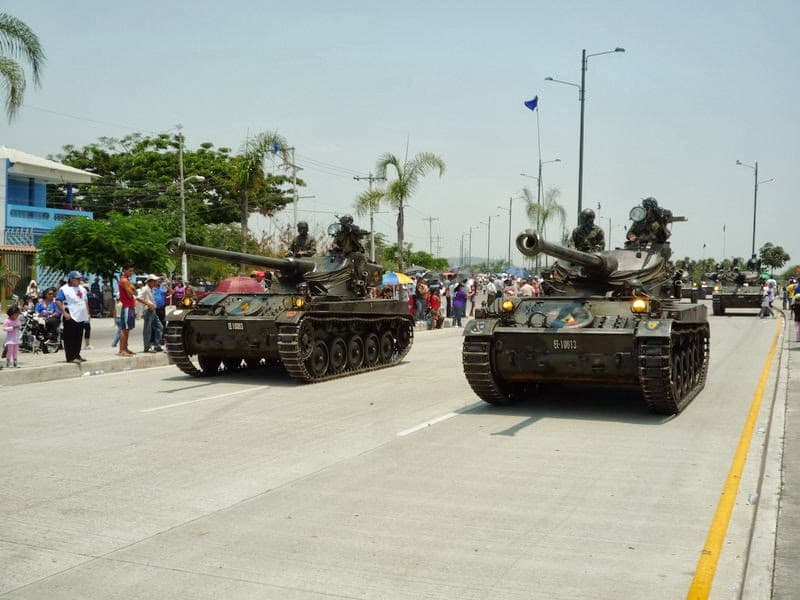
27. Ecuador
Ecuador reaches 6.0 in the source calculation. Its estimated military firearm inventory was a little over a quarter-million in 2017, compared with 42,000 active-duty armed forces personnel in the 2020 World Bank series.
Estimated military-owned firearms (2017): 253,668
Active-duty armed forces personnel (2020): 42,000
Derived firearms-to-personnel ratio: 6.0 to 1
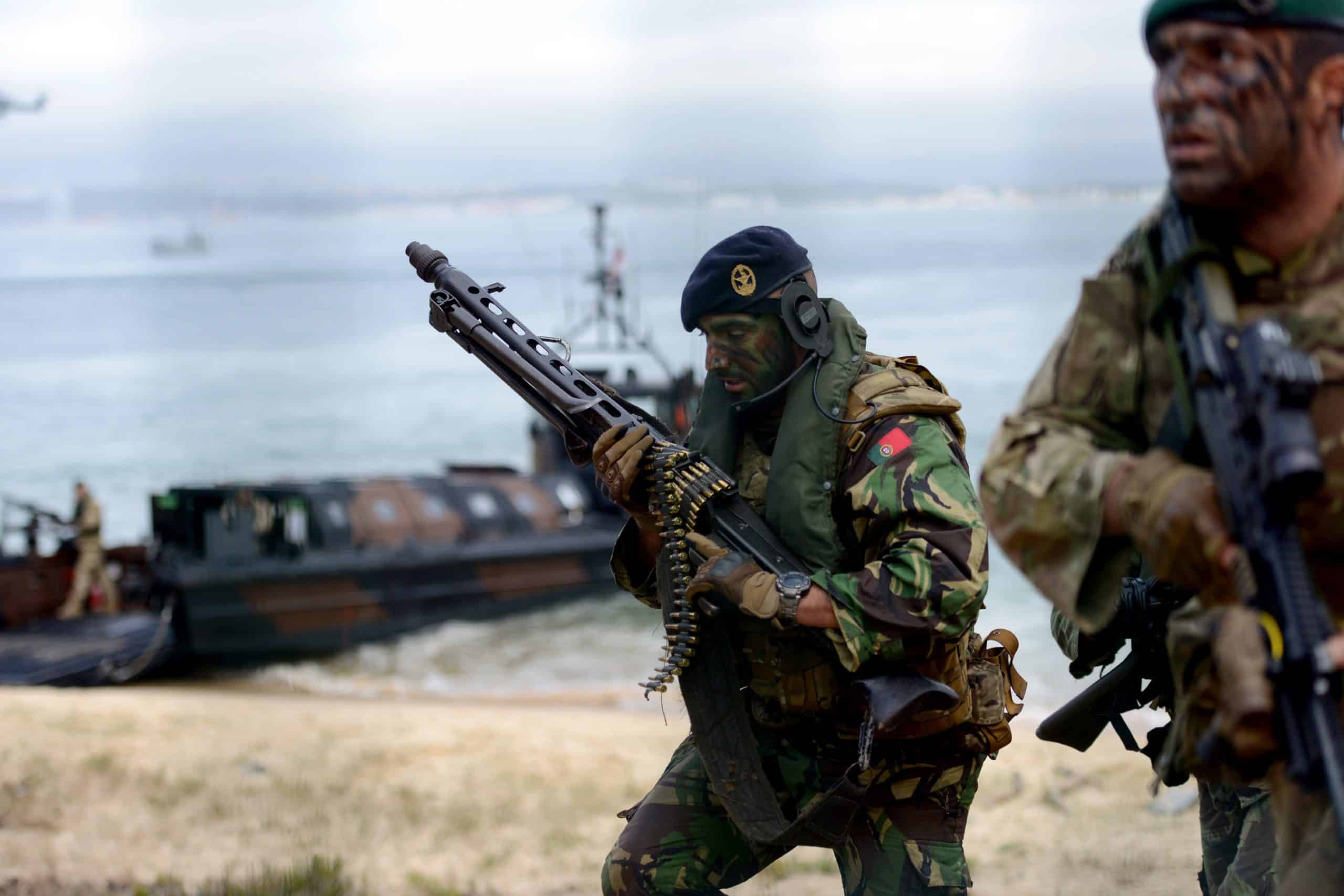
26. Portugal
Portugal's historical ratio comes to 6.4. As with the rest of the list, the figure is useful for comparing the size of an estimated arsenal with an active force, but it says little by itself about readiness, quality, or how much equipment could actually be fielded.
Estimated military-owned firearms (2017): 333,640
Active-duty armed forces personnel (2020): 52,000
Derived firearms-to-personnel ratio: 6.4 to 1
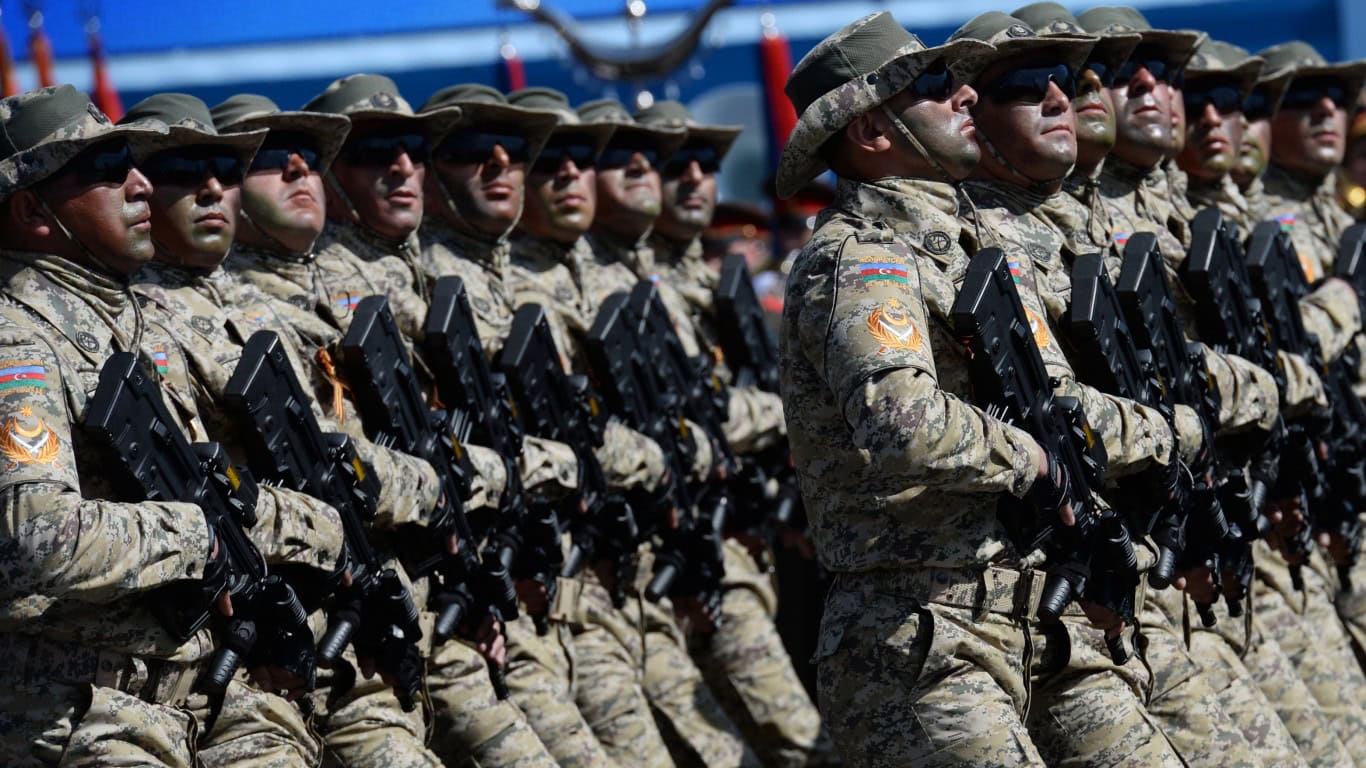
25. Azerbaijan
Azerbaijan is one of three countries that round to 6.6. Its estimated 2017 military firearm holdings topped half a million, while the 2020 personnel figure used for this comparison was 82,000.
Estimated military-owned firearms (2017): 537,920
Active-duty armed forces personnel (2020): 82,000
Derived firearms-to-personnel ratio: 6.6 to 1
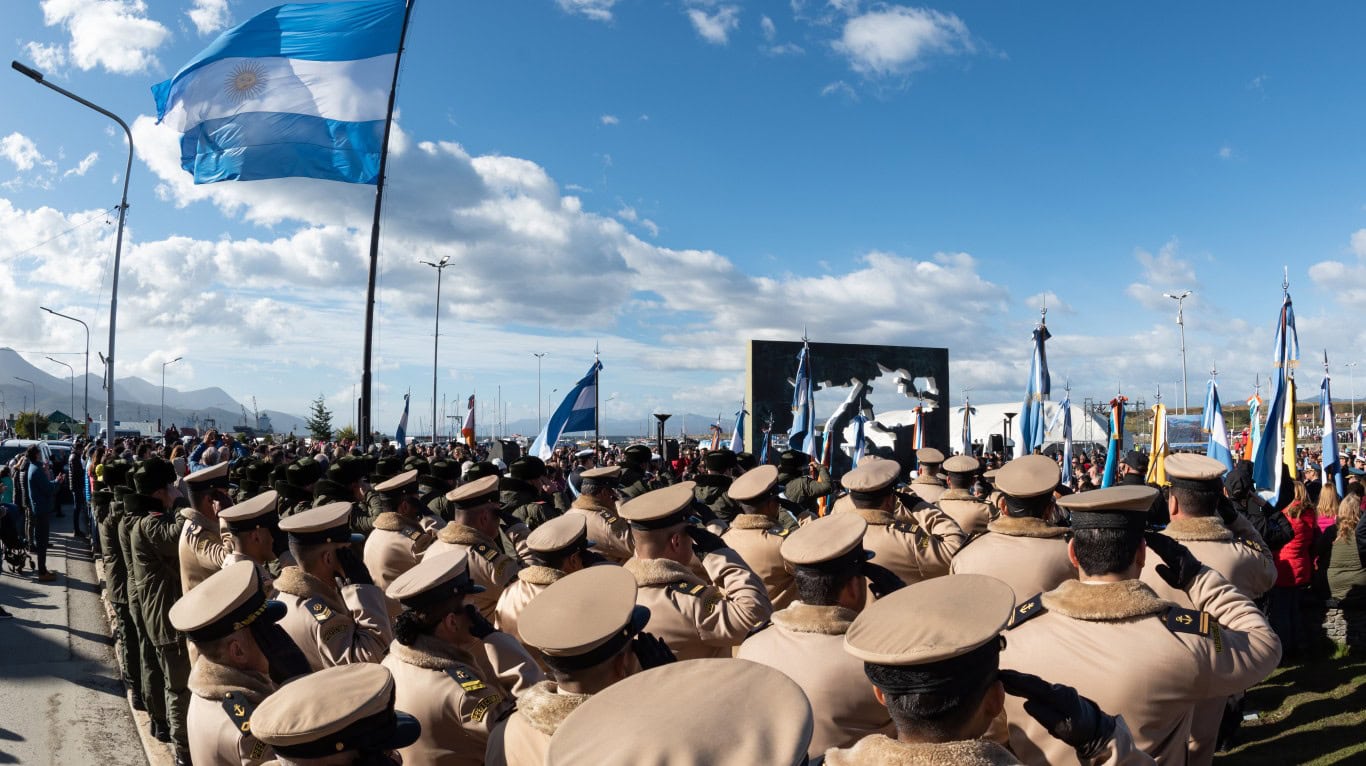
24. Argentina
Argentina also rounds to 6.6, with a slightly higher raw ratio than Azerbaijan. The country had an estimated 679,770 military-owned firearms in the Small Arms Survey dataset, one of the larger totals in South America.
Estimated military-owned firearms (2017): 679,770
Active-duty armed forces personnel (2020): 103,000
Derived firearms-to-personnel ratio: 6.6 to 1
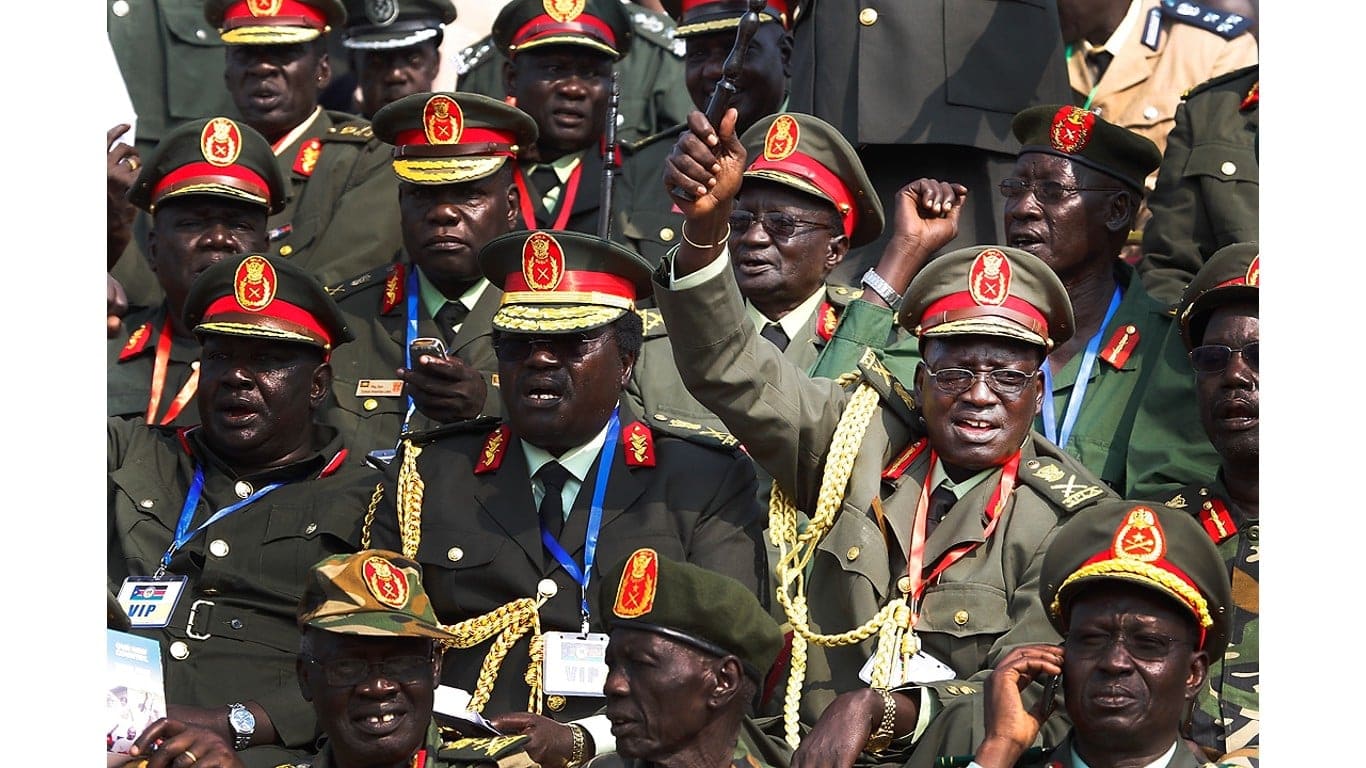
23. South Sudan
South Sudan is the third country to round to 6.6, and its unrounded figure puts it just ahead of Argentina. The ratio looks striking, but the underlying stockpile number is an estimate, which matters in countries where complete public inventory records are difficult to obtain.
Estimated military-owned firearms (2017): 351,500
Active-duty armed forces personnel (2020): 53,000
Derived firearms-to-personnel ratio: 6.6 to 1
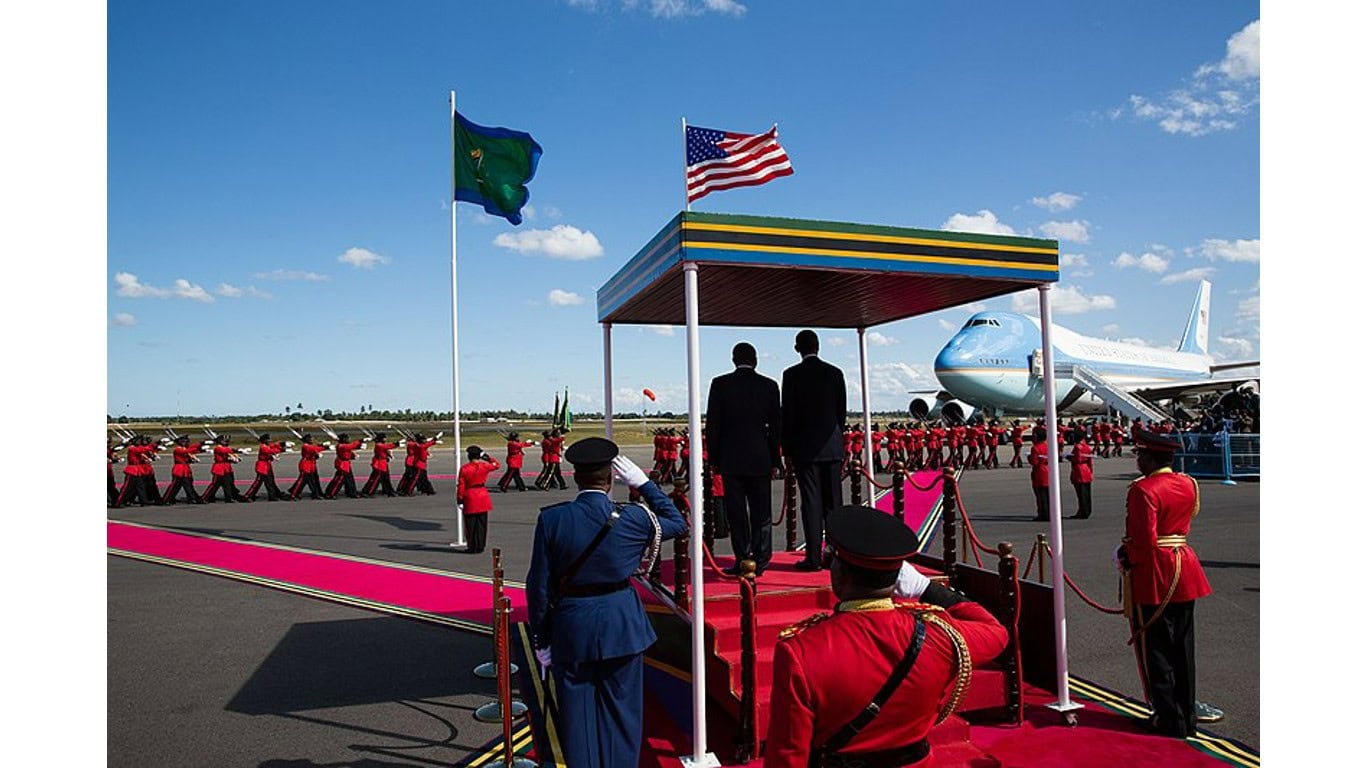
22. Tanzania
Tanzania comes in at 6.8 based on the two source datasets. Its estimated stockpile of 190,050 firearms was compared with 28,000 active-duty personnel, again making this a historical inventory-to-personnel measure rather than a count of weapons in current use.
Estimated military-owned firearms (2017): 190,050
Active-duty armed forces personnel (2020): 28,000
Derived firearms-to-personnel ratio: 6.8 to 1
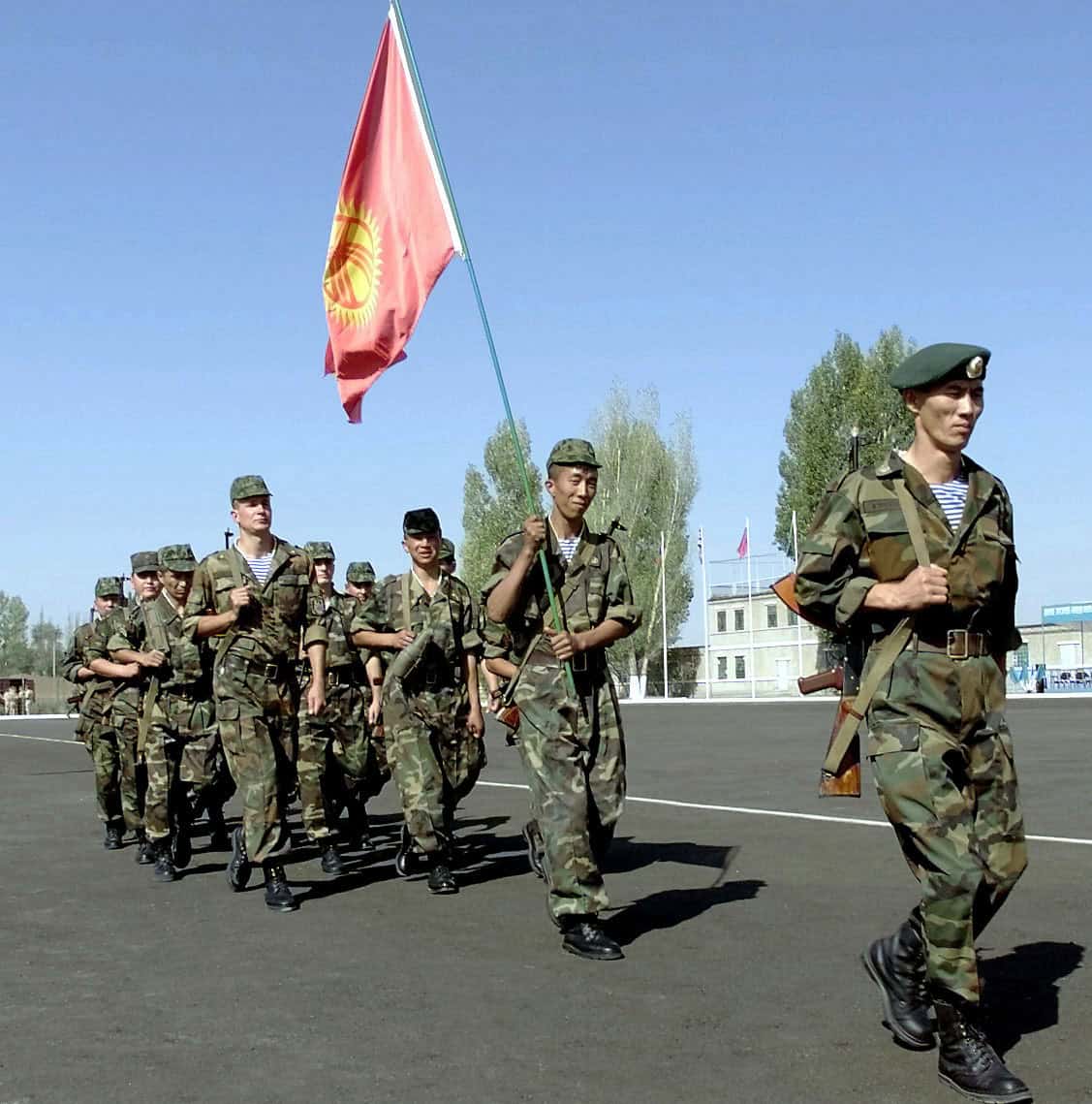
21. Kyrgyzstan
Kyrgyzstan, listed as the Kyrgyz Republic in the World Bank data, reaches 6.9. Its place on the list comes from a relatively modest estimated stockpile paired with a small active-duty force, not from having one of the world's largest arsenals overall.
Estimated military-owned firearms (2017): 145,010
Active-duty armed forces personnel (2020): 21,000
Derived firearms-to-personnel ratio: 6.9 to 1
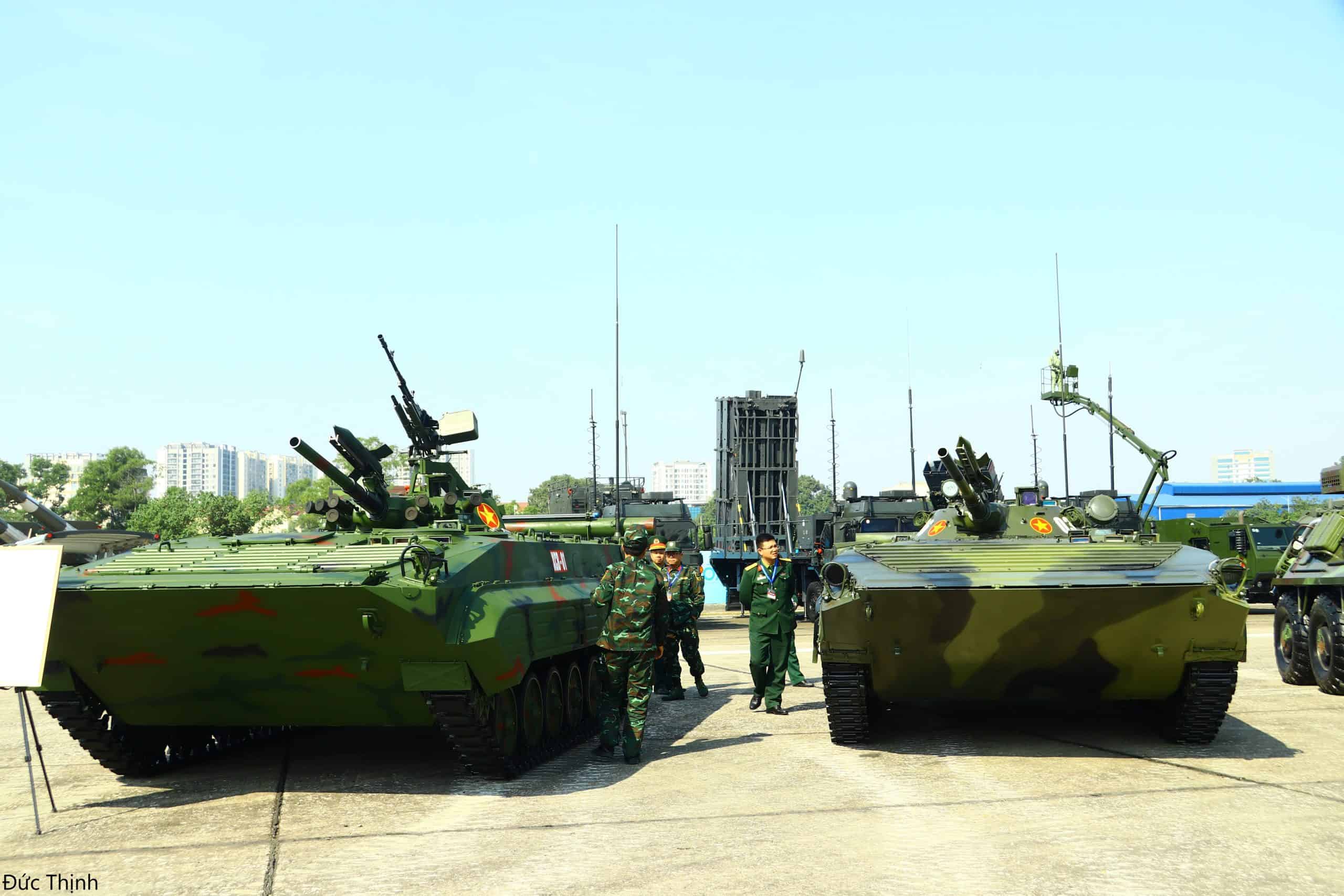
20. Vietnam
Vietnam is where the absolute numbers start getting much bigger. The Small Arms Survey estimated nearly 3.83 million military-owned firearms in 2017, compared with 522,000 active-duty personnel in 2020, producing a derived ratio of 7.3.
Estimated military-owned firearms (2017): 3,829,200
Active-duty armed forces personnel (2020): 522,000
Derived firearms-to-personnel ratio: 7.3 to 1
19. Norway
Norway comes in at 7.5. The country is another reminder that this ranking is not a list of the world's biggest militaries, since a smaller active force can produce a high ratio even when the total stockpile is comparatively modest.
Estimated military-owned firearms (2017): 188,646
Active-duty armed forces personnel (2020): 25,000
Derived firearms-to-personnel ratio: 7.5 to 1
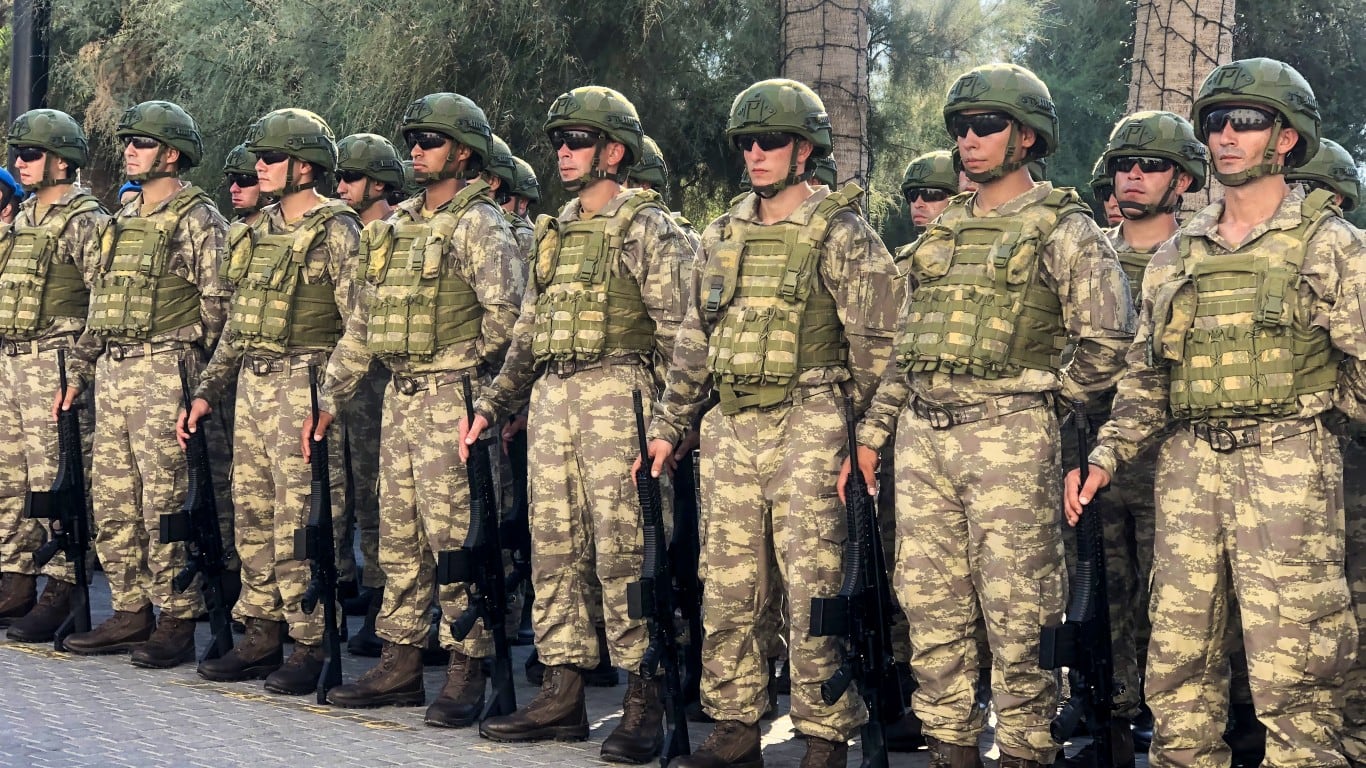
18. Cyprus
Cyprus reaches 7.6 with an estimated 99,000 military firearms and 13,000 active-duty personnel in the source years. That combination pushes it well up the ranking despite an inventory that is tiny next to those of China, Russia, or North Korea.
Estimated military-owned firearms (2017): 99,000
Active-duty armed forces personnel (2020): 13,000
Derived firearms-to-personnel ratio: 7.6 to 1
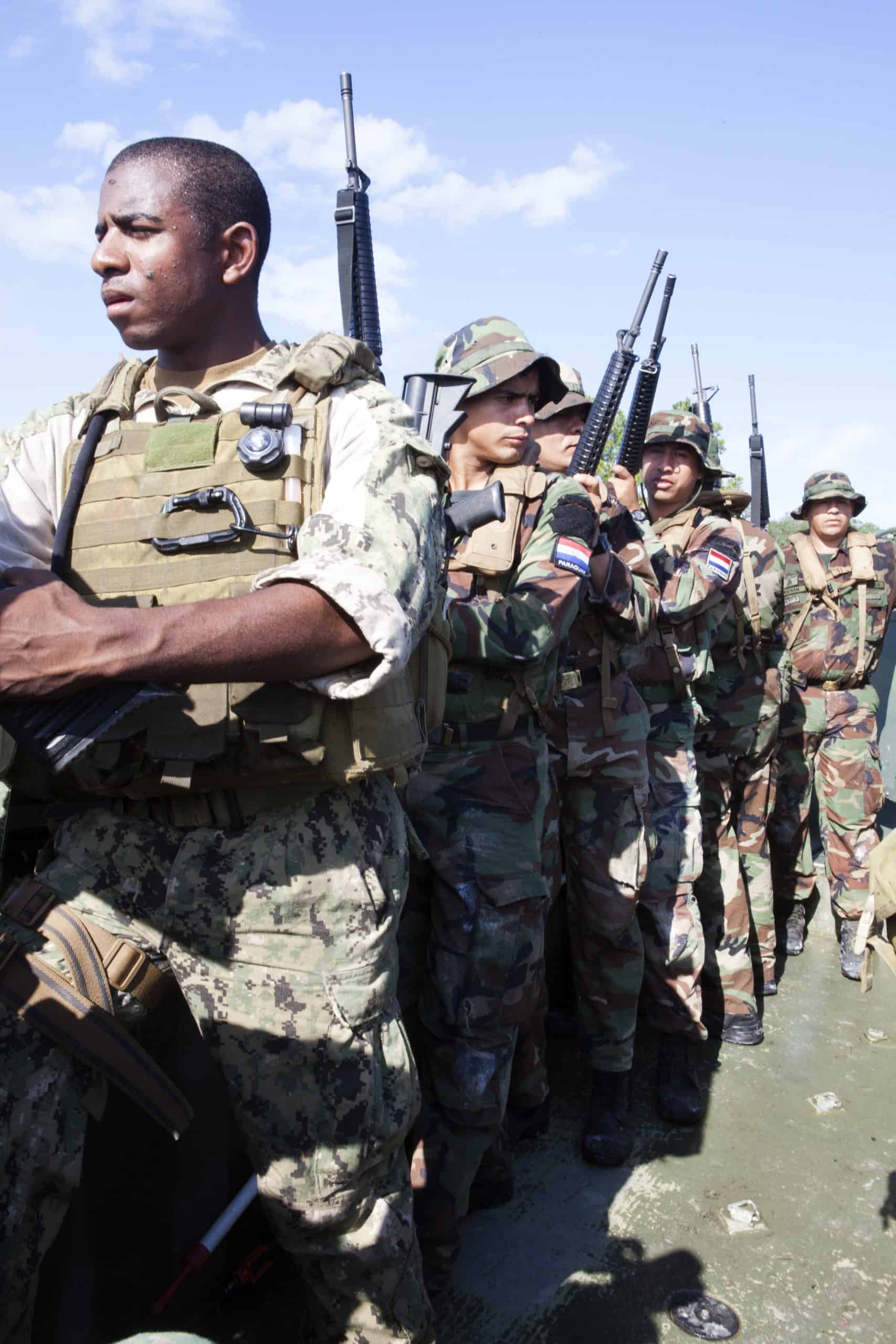
17. Paraguay
Paraguay is the first country to clear eight firearms per active service member, at 8.1. The ratio comes from an estimated 235,780 military-owned firearms in 2017 and 29,000 active-duty personnel in 2020.
Estimated military-owned firearms (2017): 235,780
Active-duty armed forces personnel (2020): 29,000
Derived firearms-to-personnel ratio: 8.1 to 1
16. Denmark
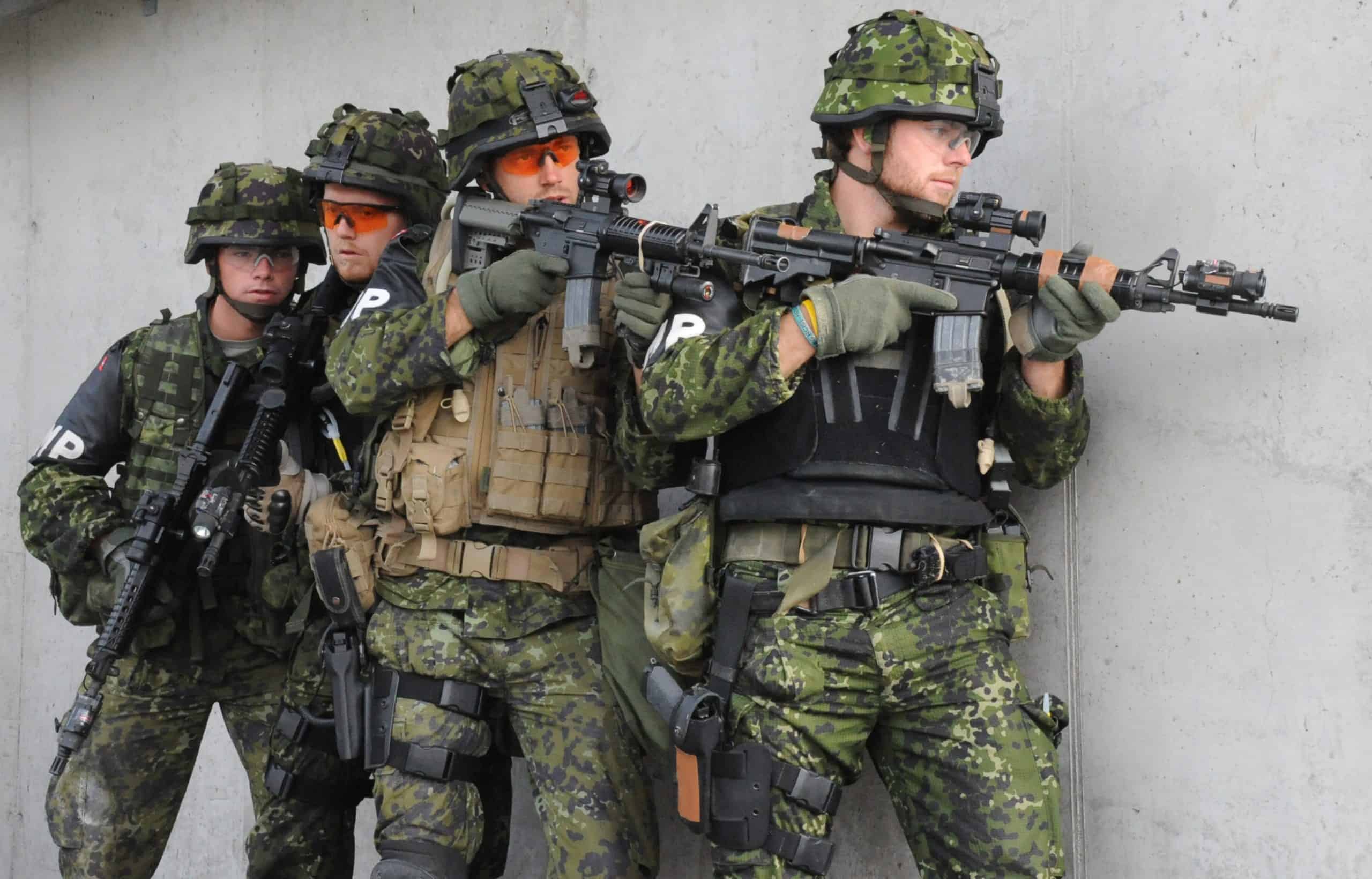
Denmark follows at 8.3. Its estimated stockpile was only about half the size of Paraguay's, but Denmark's smaller 2020 active force pushes its firearms-to-personnel ratio slightly higher.
Estimated military-owned firearms (2017): 124,120
Active-duty armed forces personnel (2020): 15,000
Derived firearms-to-personnel ratio: 8.3 to 1
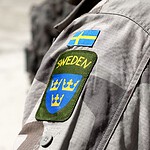
15. Sweden
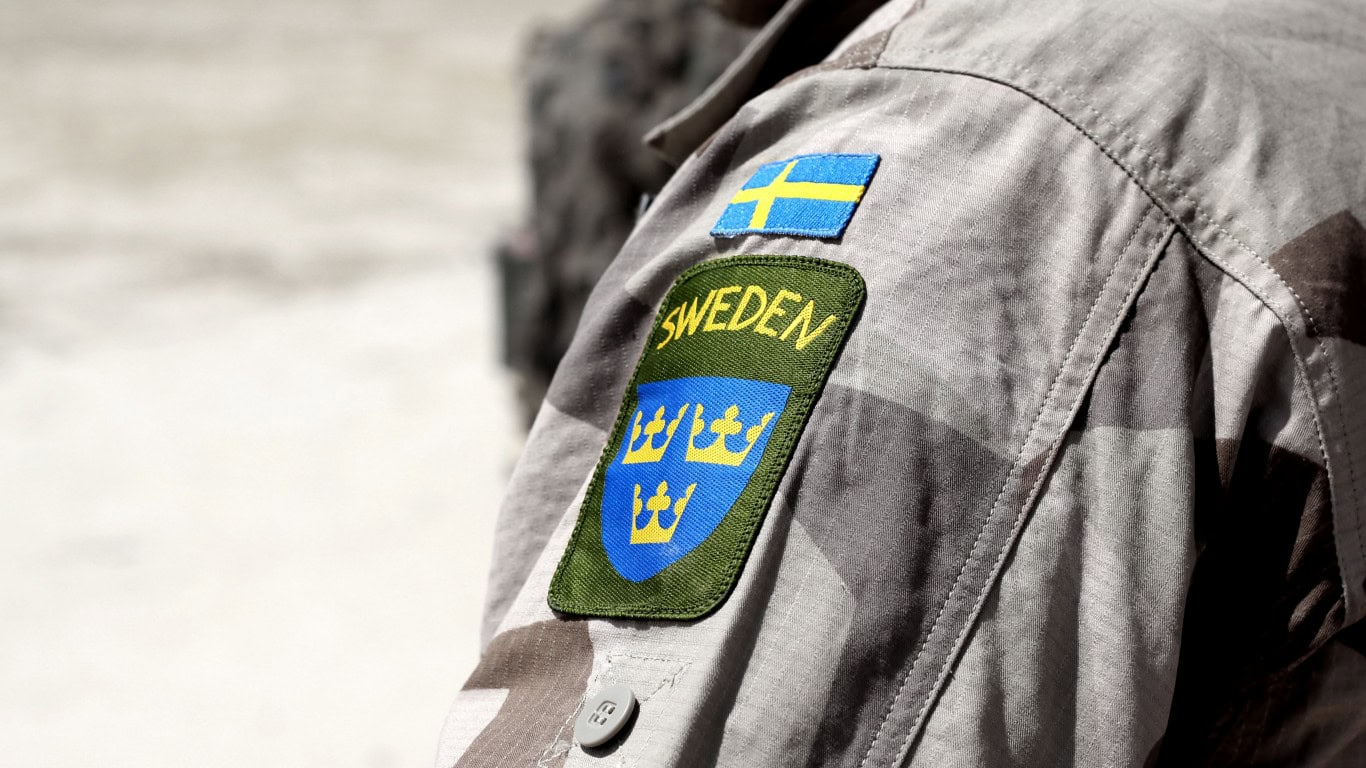
Sweden reaches 9.3 in the historical comparison. The source figures pair an estimated 139,180 military-owned firearms with 15,000 active-duty personnel, putting the country just short of a 10-to-1 ratio.
Estimated military-owned firearms (2017): 139,180
Active-duty armed forces personnel (2020): 15,000
Derived firearms-to-personnel ratio: 9.3 to 1
14. Singapore
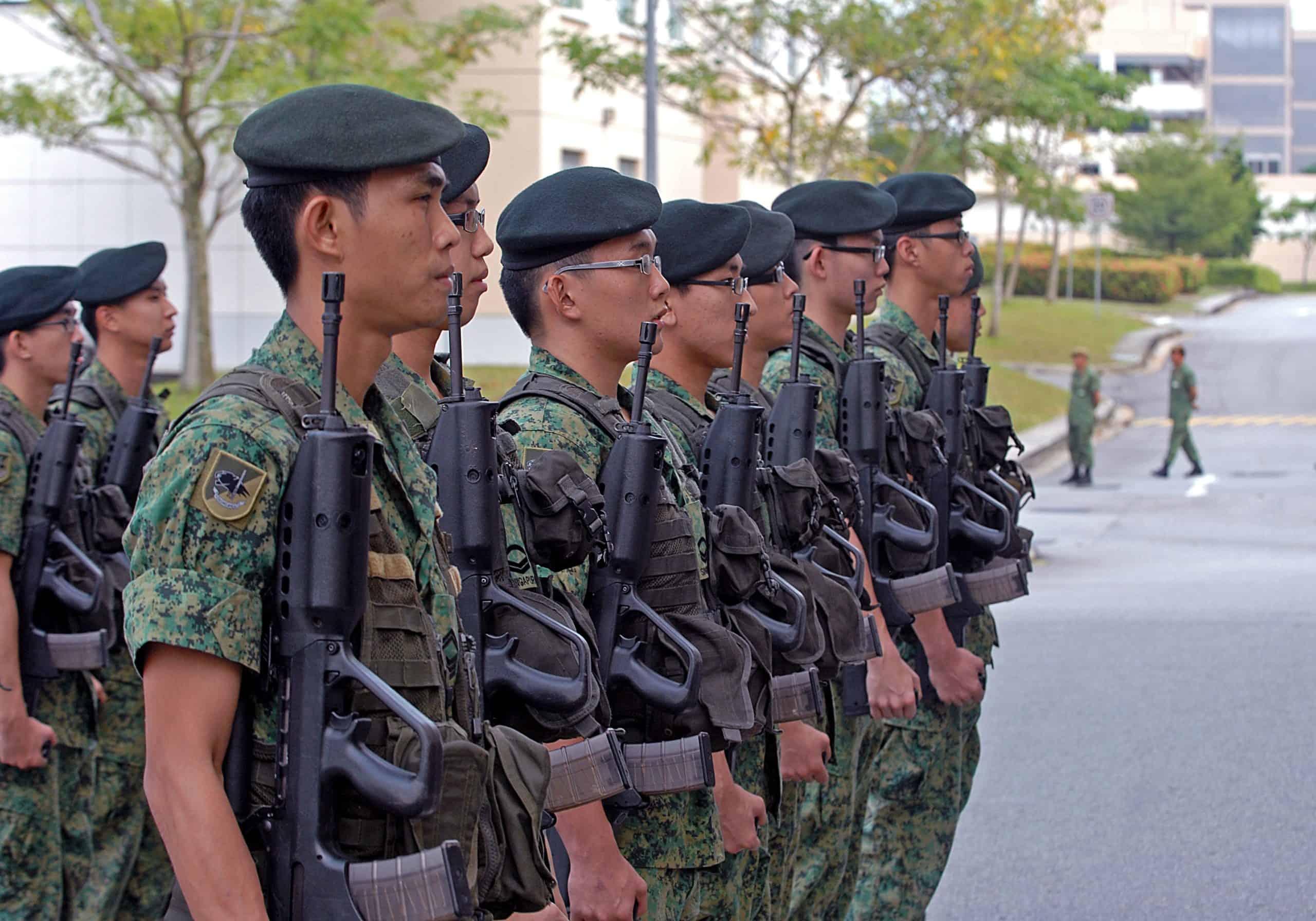
Singapore is the last country below the double-digit mark, at 9.7. Its estimated 574,140 military firearms were compared with 59,000 active-duty personnel, a useful example of how stockpile size and force size interact in this ranking.
Estimated military-owned firearms (2017): 574,140
Active-duty armed forces personnel (2020): 59,000
Derived firearms-to-personnel ratio: 9.7 to 1
13. Austria
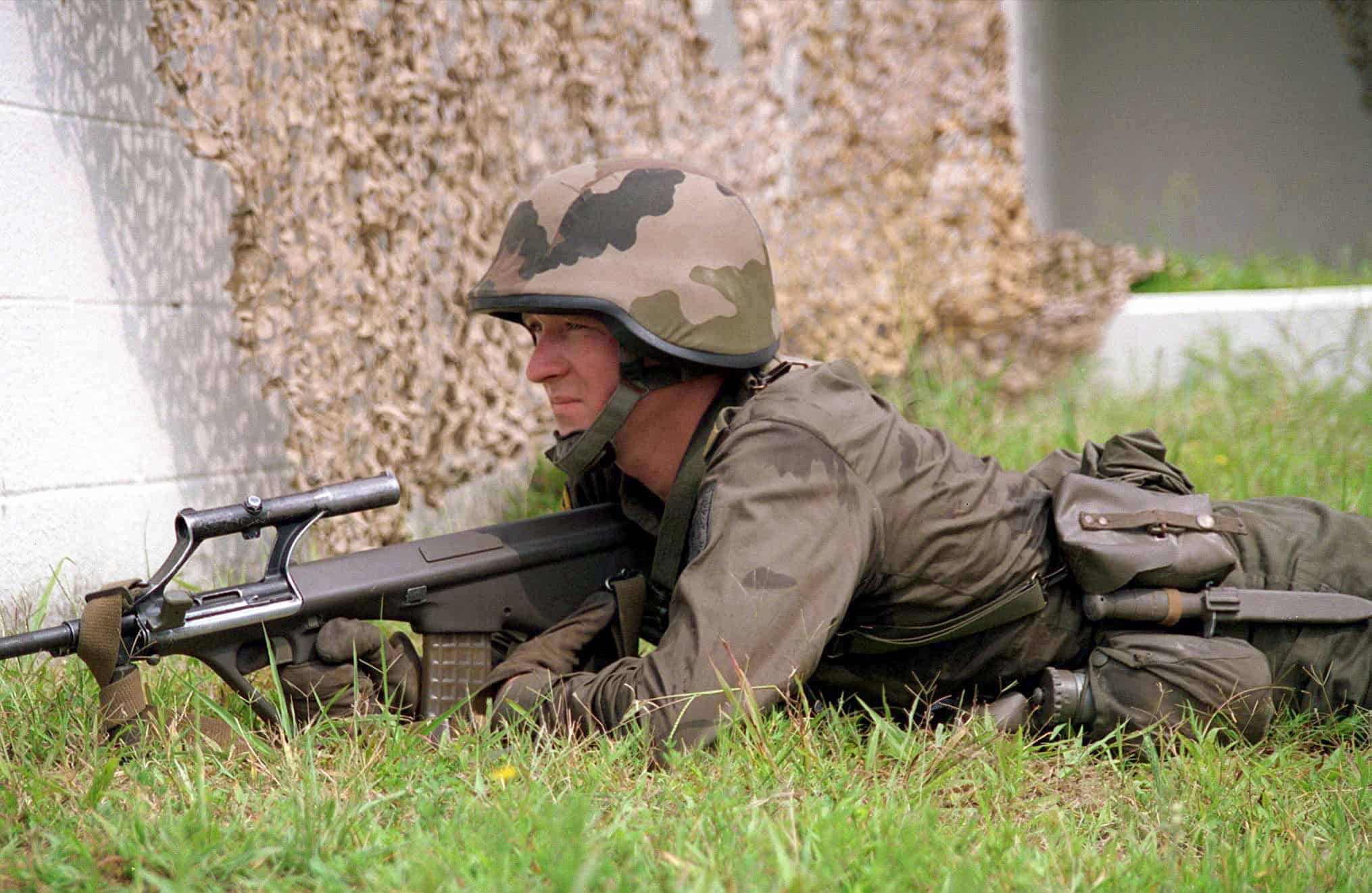
Austria crosses into double digits at 10.5. That eye-catching ratio reflects an estimated 240,880 military-owned firearms and a 2020 active-duty force of 23,000, but it still should not be read as a current weapons-per-person assignment.
Estimated military-owned firearms (2017): 240,880
Active-duty armed forces personnel (2020): 23,000
Derived firearms-to-personnel ratio: 10.5 to 1
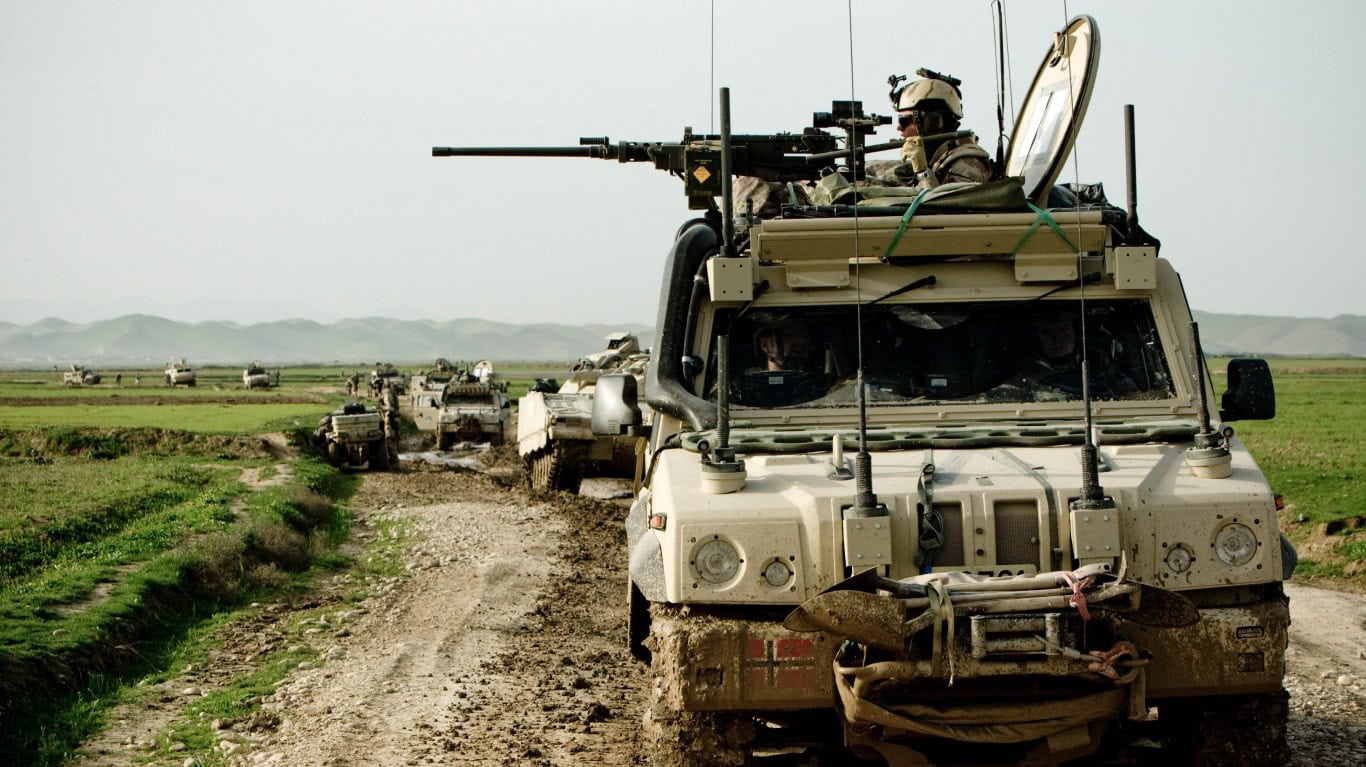
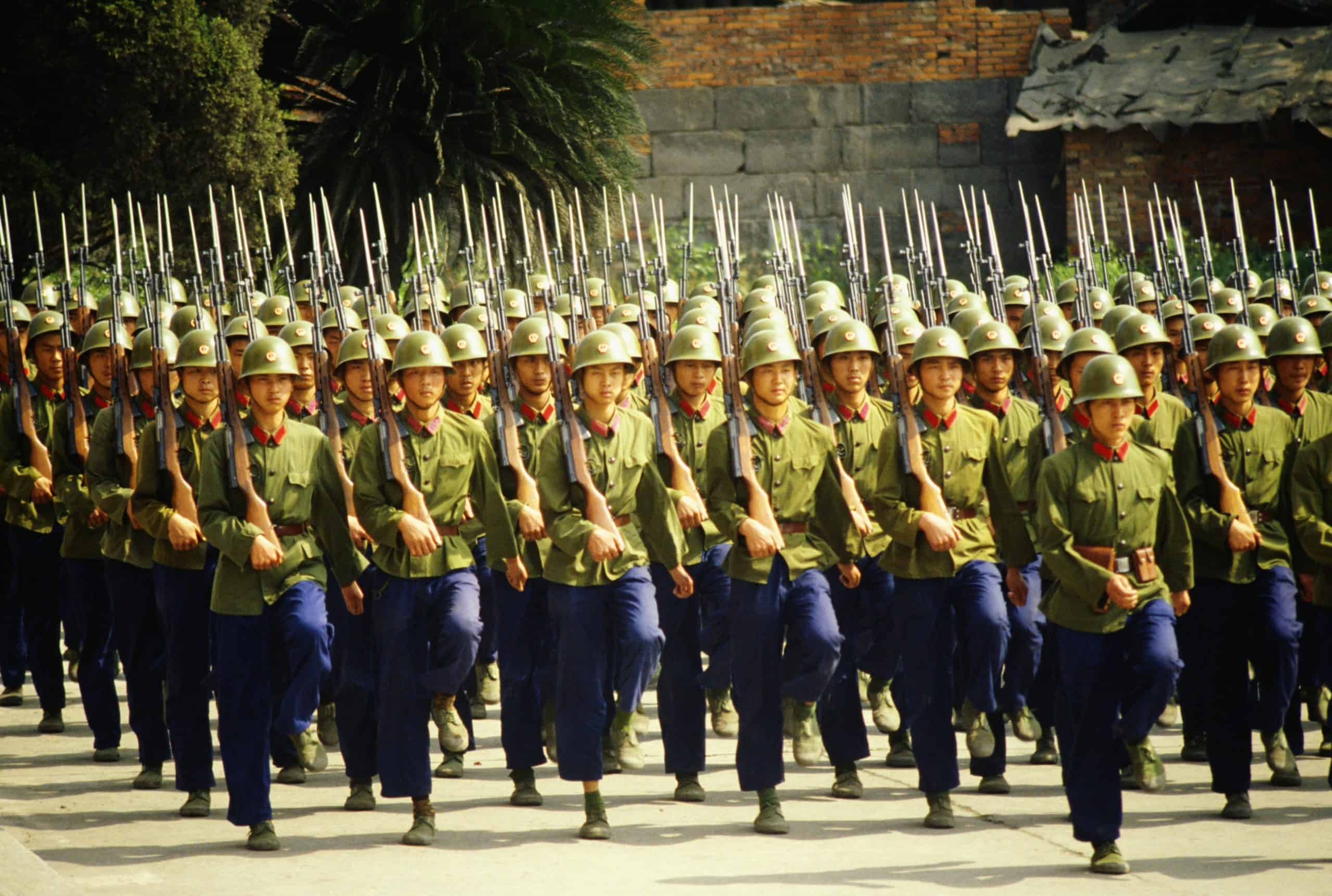
12. China
China's absolute total is on a completely different scale from most countries here. The Small Arms Survey estimated about 27.5 million military-owned firearms in 2017, second only to Russia in that dataset, while the World Bank reported 2.535 million active-duty personnel in 2020.
Estimated military-owned firearms (2017): 27,466,400
Active-duty armed forces personnel (2020): 2,535,000
Derived firearms-to-personnel ratio: 10.8 to 1
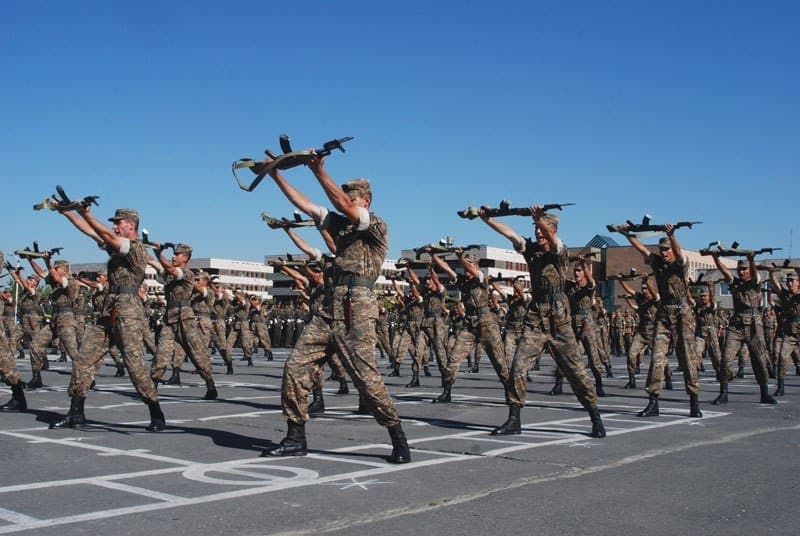
11. Armenia
Armenia also rounds to 10.8, almost exactly matching China's ratio despite having a fraction of China's total inventory. That contrast is exactly why ranking by firearms per active service member produces a very different picture from ranking countries by sheer stockpile size.
Estimated military-owned firearms (2017): 509,240
Active-duty armed forces personnel (2020): 47,000
Derived firearms-to-personnel ratio: 10.8 to 1
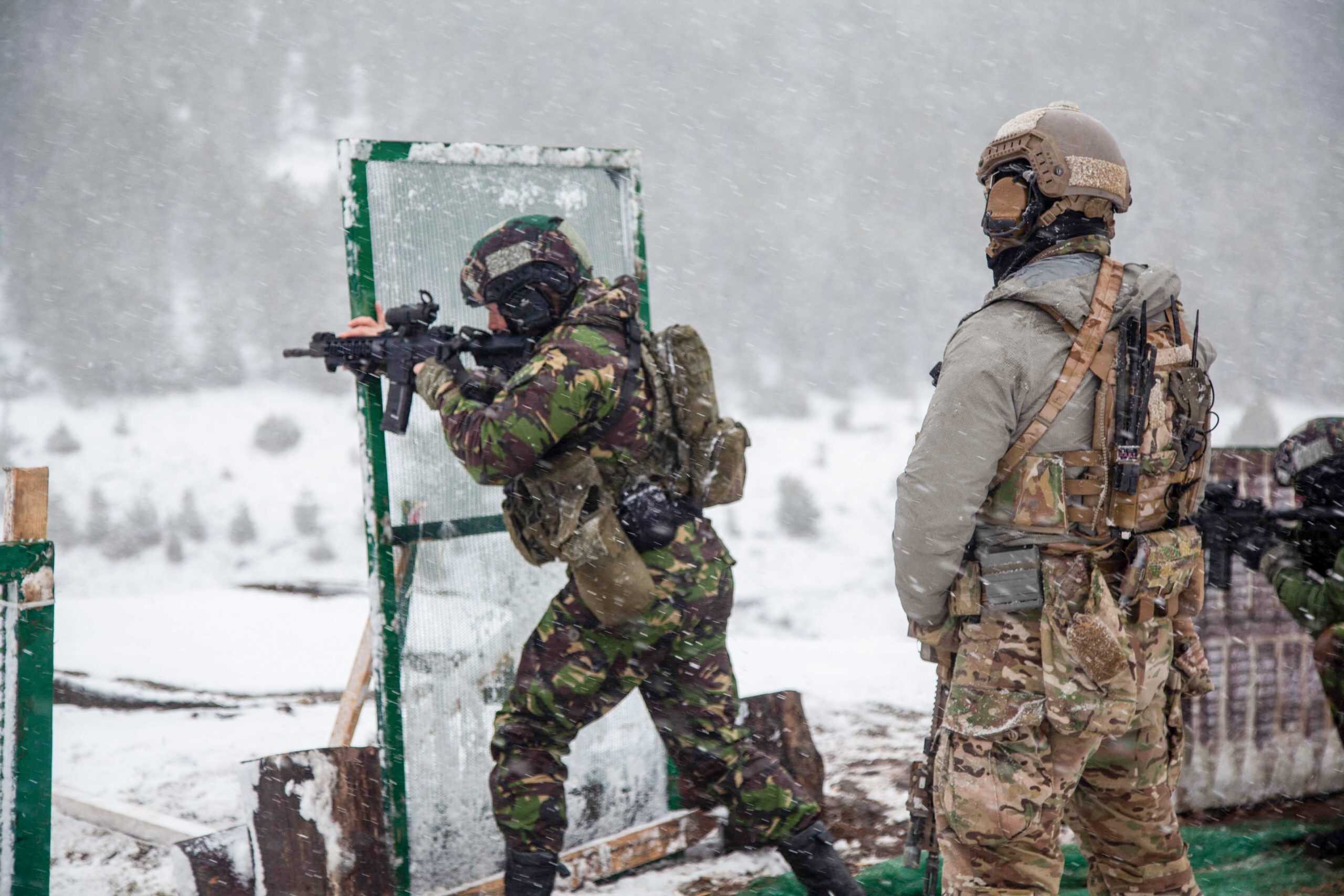
10. Serbia
Serbia reaches 12.0, with an estimated 384,422 military-owned firearms compared with 32,000 active-duty personnel. By this point in the ranking, the estimated inventory is a dozen times the size of the active force used in the calculation.
Estimated military-owned firearms (2017): 384,422
Active-duty armed forces personnel (2020): 32,000
Derived firearms-to-personnel ratio: 12.0 to 1
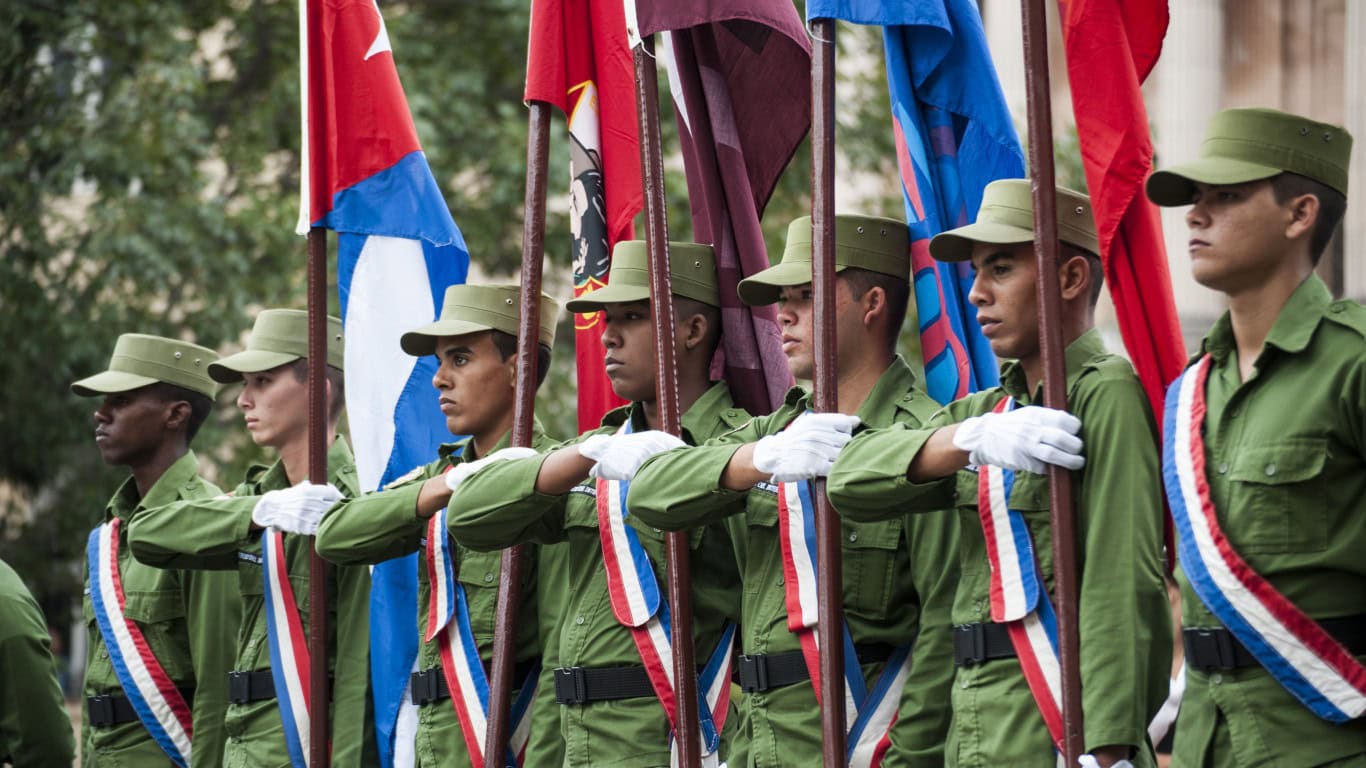
9. Cuba
Cuba comes in at 12.6. Its estimated military firearm stockpile was close to one million in 2017, while the World Bank's 2020 series listed 76,000 active-duty armed forces personnel.
Estimated military-owned firearms (2017): 958,100
Active-duty armed forces personnel (2020): 76,000
Derived firearms-to-personnel ratio: 12.6 to 1
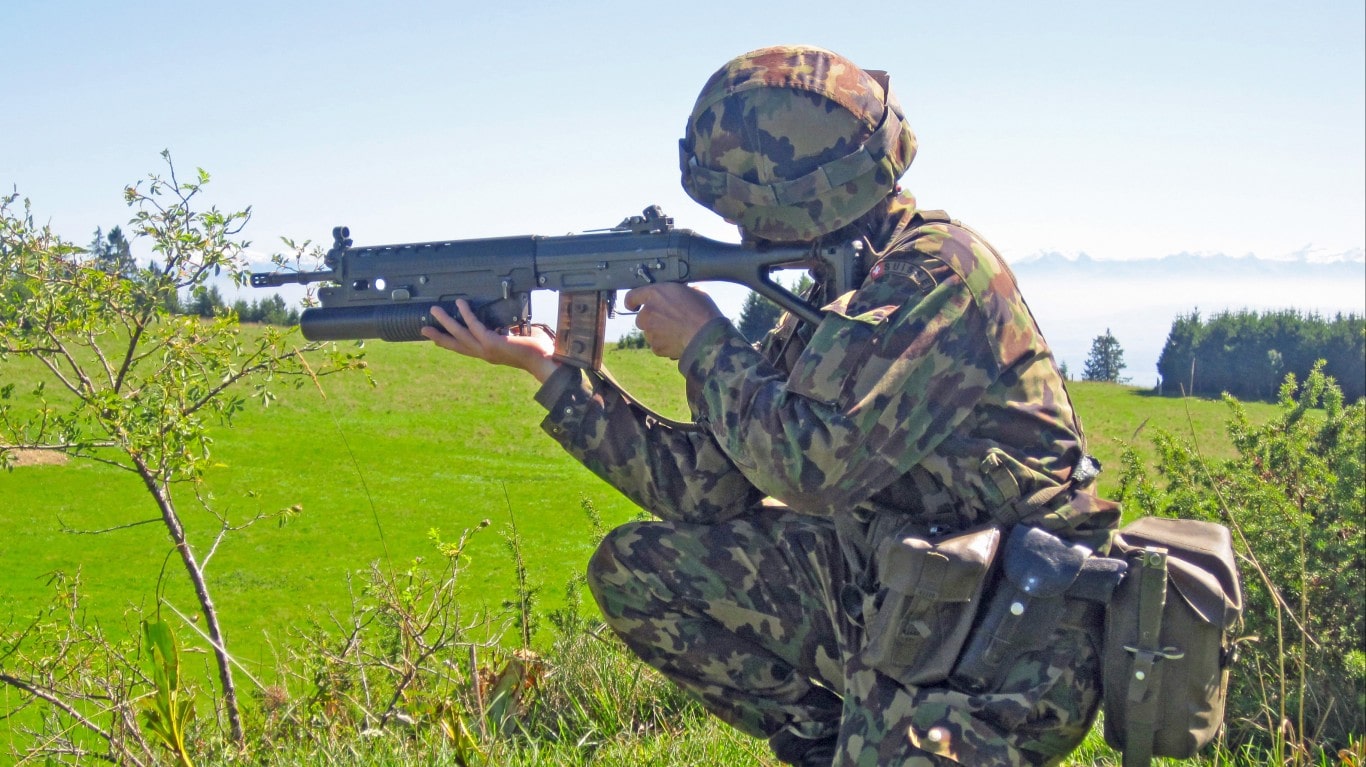
8. Switzerland
Switzerland jumps to 16.2, a sizable gap from Cuba. The country's estimated stockpile was 324,484 firearms, but its active-duty force in the World Bank data was only 20,000, which drives the ratio sharply upward.
Estimated military-owned firearms (2017): 324,484
Active-duty armed forces personnel (2020): 20,000
Derived firearms-to-personnel ratio: 16.2 to 1
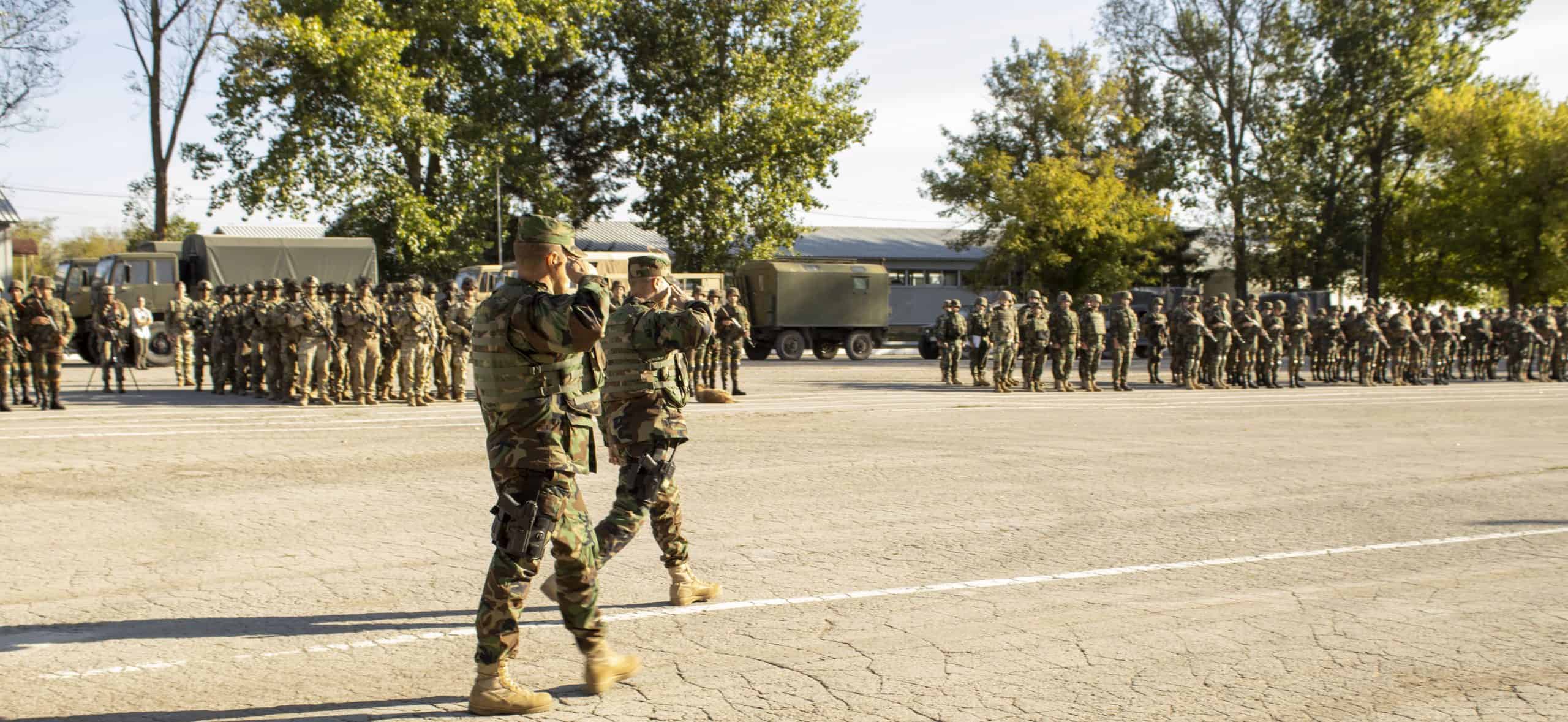
7. Moldova
Moldova edges Switzerland at 16.4 despite having fewer than 100,000 estimated military firearms. The reason is the denominator: the 2020 World Bank series listed only 6,000 active-duty personnel, showing just how sensitive this ranking is to force size.
Estimated military-owned firearms (2017): 98,600
Active-duty armed forces personnel (2020): 6,000
Derived firearms-to-personnel ratio: 16.4 to 1
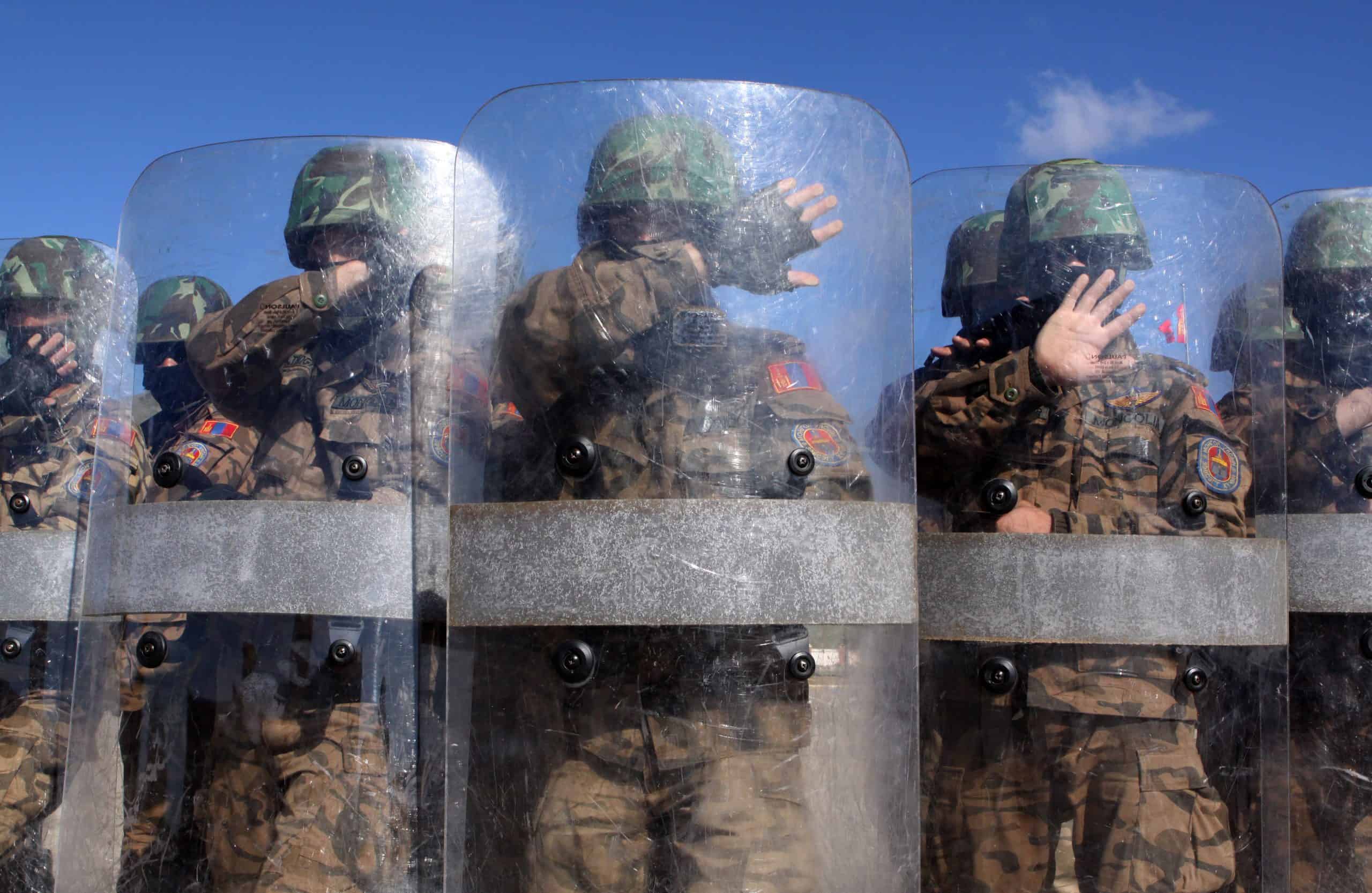
6. Mongolia
Mongolia reaches 18.0 with an estimated 323,400 military-owned firearms and 18,000 active-duty personnel. It is another case where a stockpile that looks moderate in global terms becomes much more striking when measured against a comparatively small active force.
Estimated military-owned firearms (2017): 323,400
Active-duty armed forces personnel (2020): 18,000
Derived firearms-to-personnel ratio: 18.0 to 1
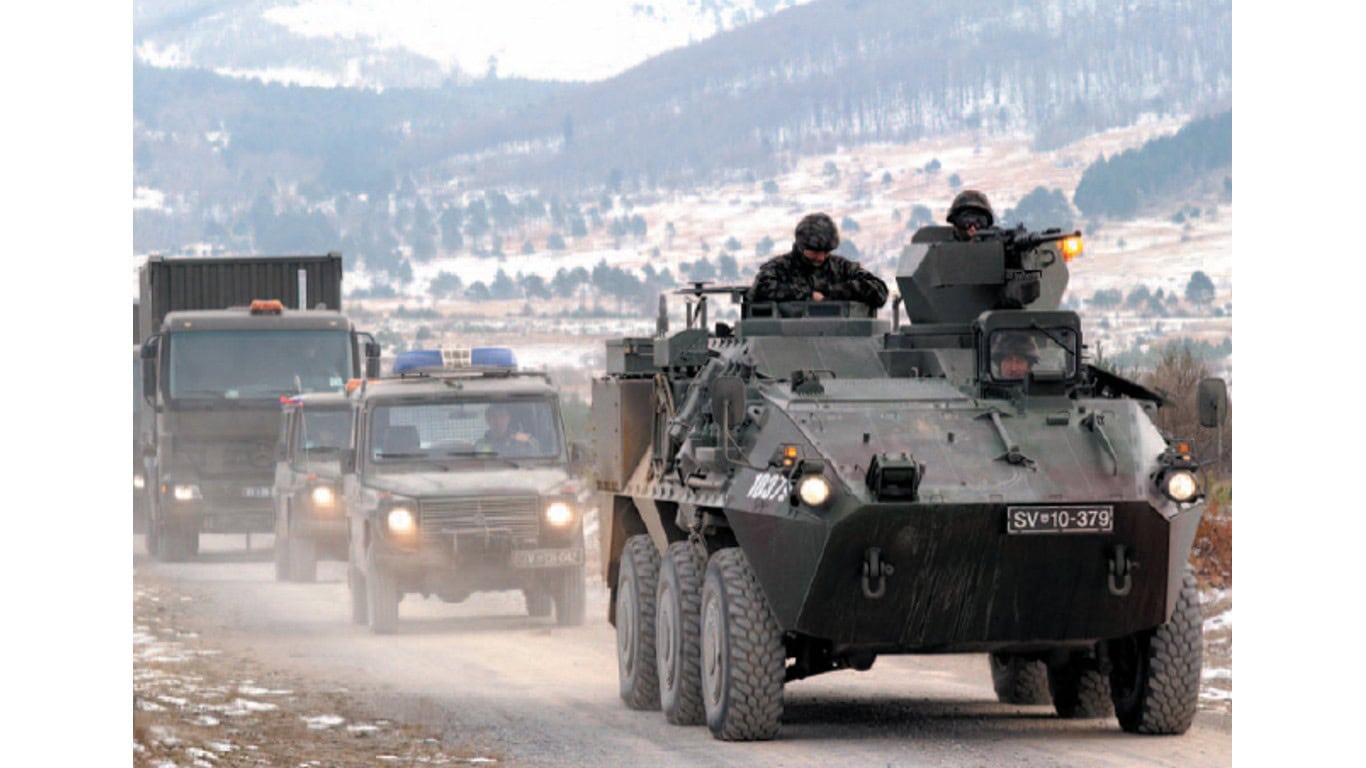
5. Slovenia
Slovenia moves even higher at 18.8. Its estimated stockpile was 131,686 firearms, but with only 7,000 active-duty personnel in the 2020 data, the inventory-to-personnel ratio approaches 19 to 1.
Estimated military-owned firearms (2017): 131,686
Active-duty armed forces personnel (2020): 7,000
Derived firearms-to-personnel ratio: 18.8 to 1
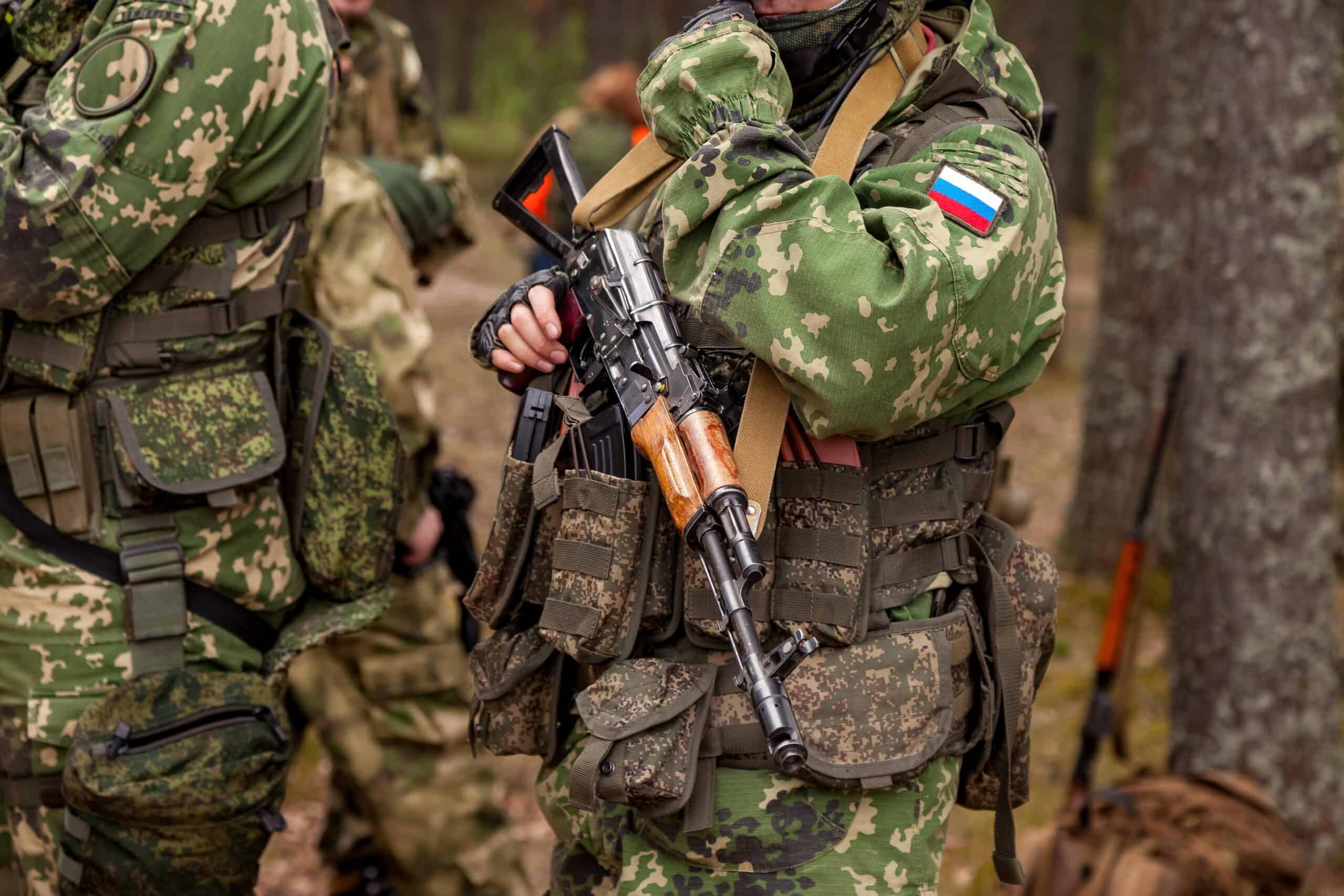
4. Russia
Russia had the largest estimated military firearm stockpile in the Small Arms Survey's 2017 dataset, at more than 30 million. Dividing that figure by the 2020 active-duty count produces a ratio of 20.8, but years of war, mobilization, procurement, losses, and transfers since then make this especially unsuitable as a current figure.
Estimated military-owned firearms (2017): 30,272,900
Active-duty armed forces personnel (2020): 1,454,000
Derived firearms-to-personnel ratio: 20.8 to 1
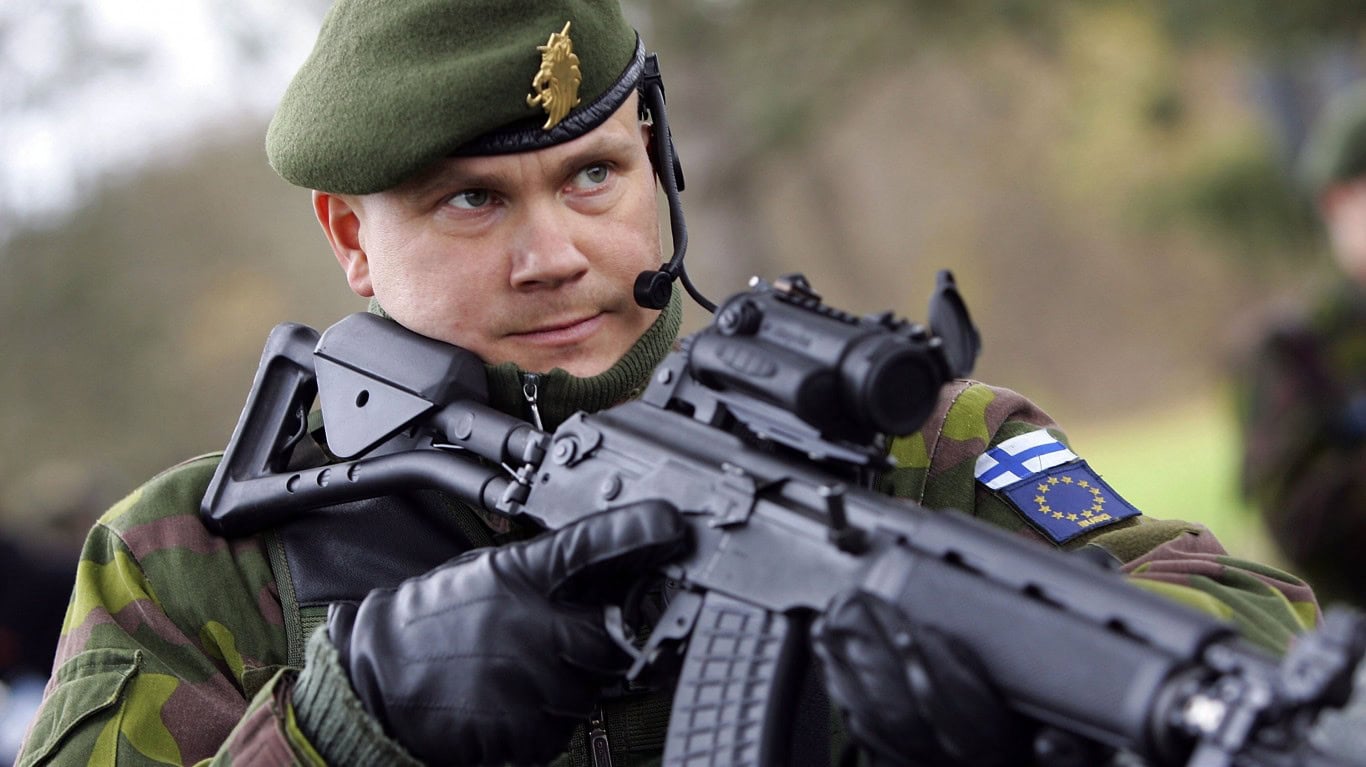
3. Finland
Finland reaches 21.6 despite an estimated stockpile far smaller than Russia's. The source comparison uses 475,030 military-owned firearms and a 2020 active-duty force of 22,000, which illustrates again how strongly a small active force can affect the ranking.
Estimated military-owned firearms (2017): 475,030
Active-duty armed forces personnel (2020): 22,000
Derived firearms-to-personnel ratio: 21.6 to 1
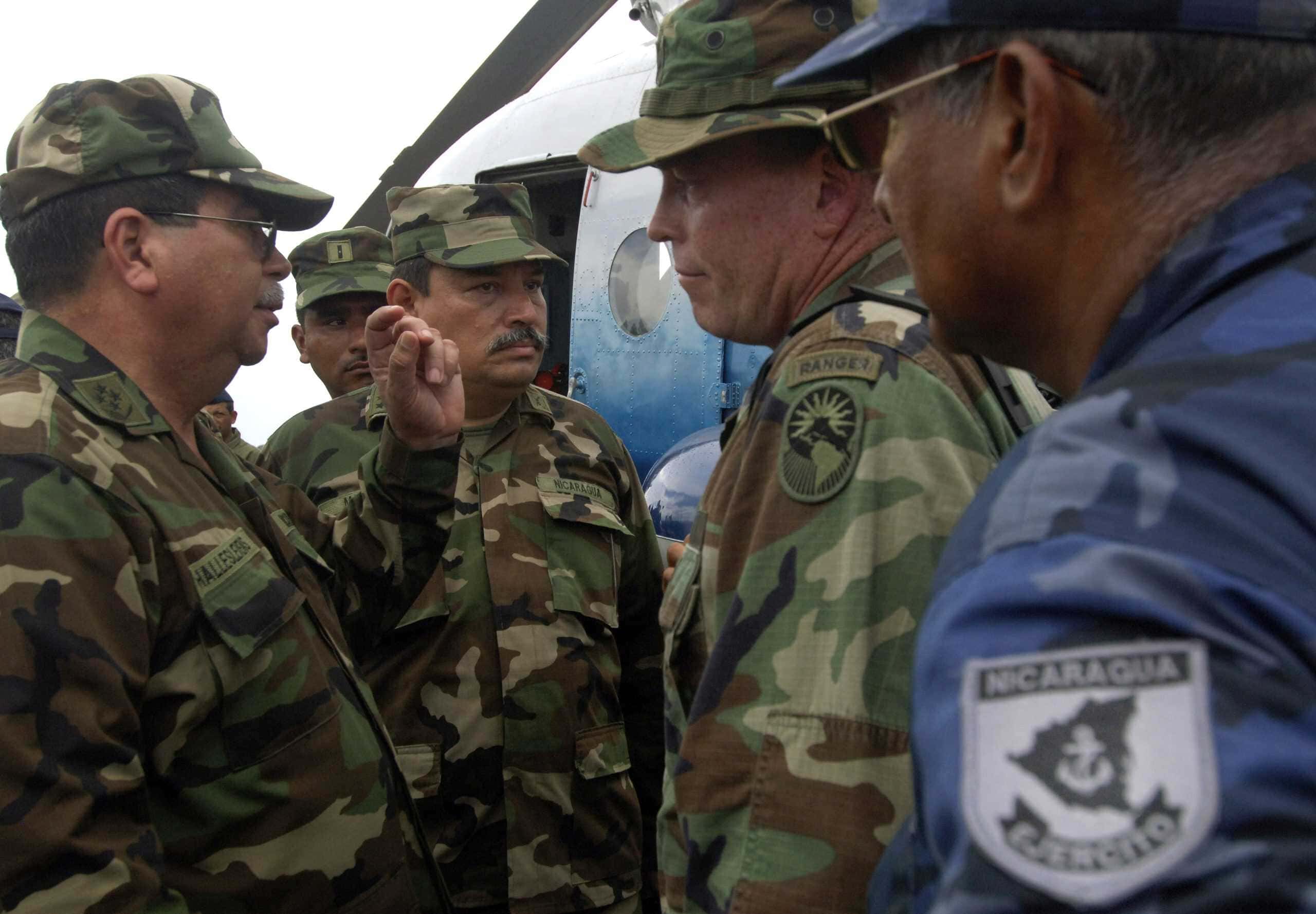
2. Nicaragua
Nicaragua comes in at 21.8, just ahead of Finland. Its estimated stockpile was 261,800 firearms in 2017, while the World Bank series listed 12,000 active-duty personnel in 2020.
Estimated military-owned firearms (2017): 261,800
Active-duty armed forces personnel (2020): 12,000
Derived firearms-to-personnel ratio: 21.8 to 1
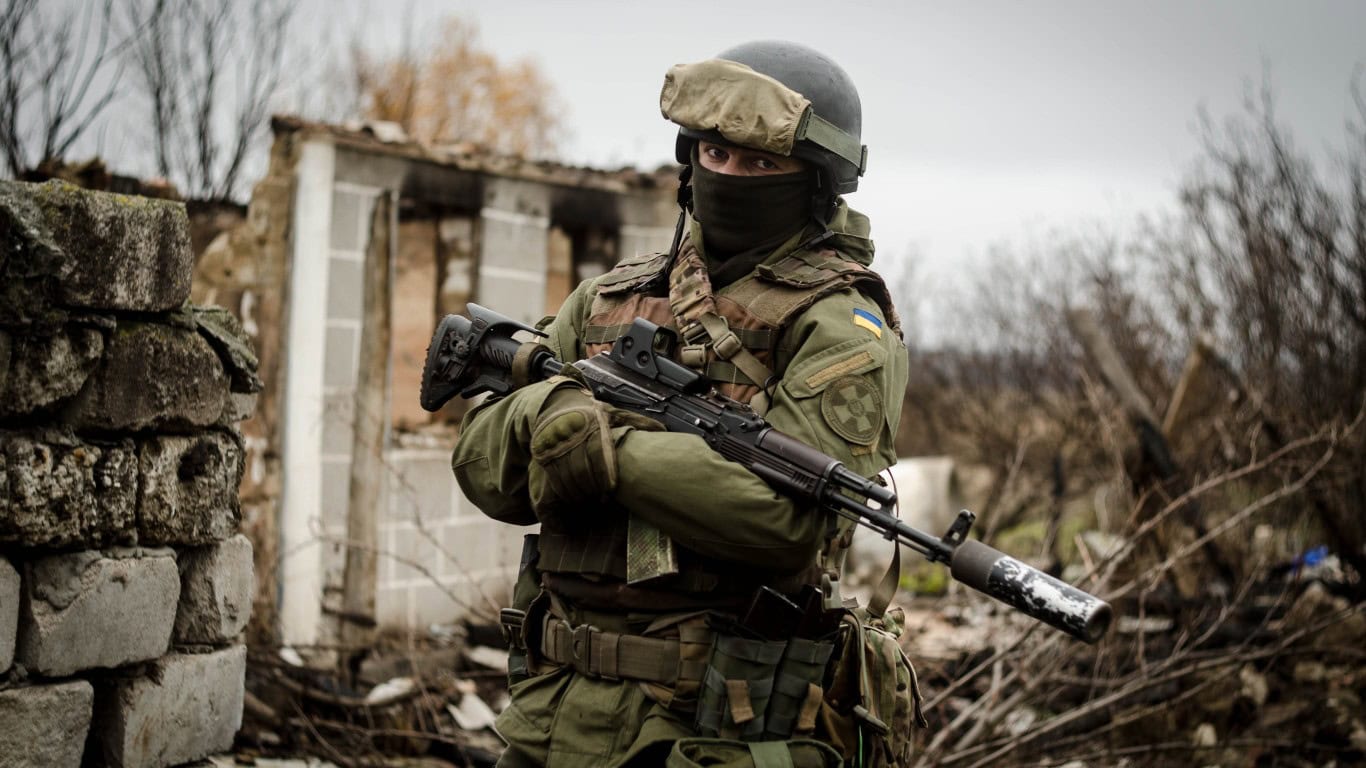
1. Ukraine
Ukraine tops this historical ranking at 22.1, but it is also the clearest example of why the list cannot be treated as current. The denominator is a 2020 active-duty force estimate from before Russia's full-scale invasion in 2022, while Ukraine's military has changed dramatically since then.
Estimated military-owned firearms (2017): 6,600,000
Active-duty armed forces personnel (2020): 298,000
Derived firearms-to-personnel ratio: 22.1 to 1