Courtesy of Paramount Pictures
Courtesy of Warner Bros.
Courtesy of Paramount Pictures
Courtesy of Warner Bros.
Courtesy of October Films
Courtesy of Stage 6 Films

Courtesy of Fox Searchlight Pictures

Courtesy of Universal Pictures
Courtesy of Universal Pictures
Courtesy of Warner Bros.
Courtesy of Libra Films
Courtesy of Paramount Pictures
Courtesy of Newmarket Films
Courtesy of Metro-Goldwyn-Mayer (MGM)
Courtesy of Paramount Pictures
Courtesy of THINKFilm


15 Movies That Leave You With More Questions Than Answers
Some movies roll their credits and leave you feeling like you've just witnessed something extraordinary. Others leave you staring at the screen, wondering what on earth you just watched. Then there are films that somehow manage to do both.
Not every great movie follows a straightforward story. Some directors deliberately scramble timelines, introduce unreliable narrators, or build entire worlds around mysteries they have no intention of explaining. Christopher Nolan has practically made a career out of it, while filmmakers like David Lynch and Terrence Malick take unconventional storytelling in completely different directions.
Of course, confusing doesn't necessarily mean bad. Some of cinema's most celebrated films are also among its most difficult to understand. From elaborate time-travel puzzles to surreal nightmares that practically demand a second viewing, these 15 movies leave audiences with plenty to think about, even if they don't always provide satisfying answers.
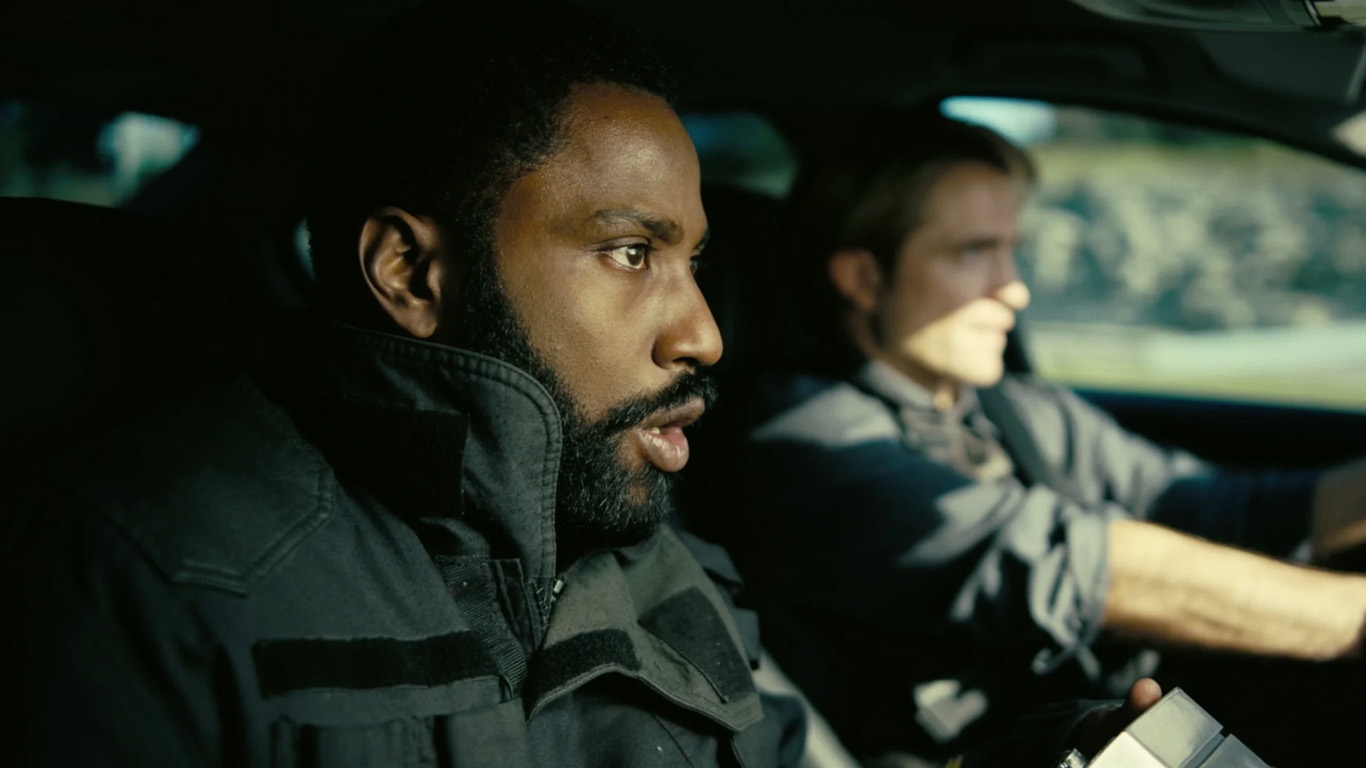
Tenet (2020)
Directed by: Christopher Nolan
Starring: John David Washington, Robert Pattinson, Elizabeth Debicki
Christopher Nolan apparently decided ordinary time travel wasn't complicated enough. In "Tenet," an unnamed operative known as the Protagonist becomes involved in an international espionage mission involving technology capable of reversing the direction in which objects and people experience time. The process, called inversion, produces some spectacular action sequences and an increasingly complicated threat to the world's future.
The problem is keeping track of who is moving forward, who is moving backward, and how their actions influence events that have already happened. Nolan provides explanations, but they're often delivered while something else demands your attention. The result is a technically ambitious thriller that can feel more like a physics exam than a night at the movies. Even repeat viewings may leave audiences working through the mechanics.
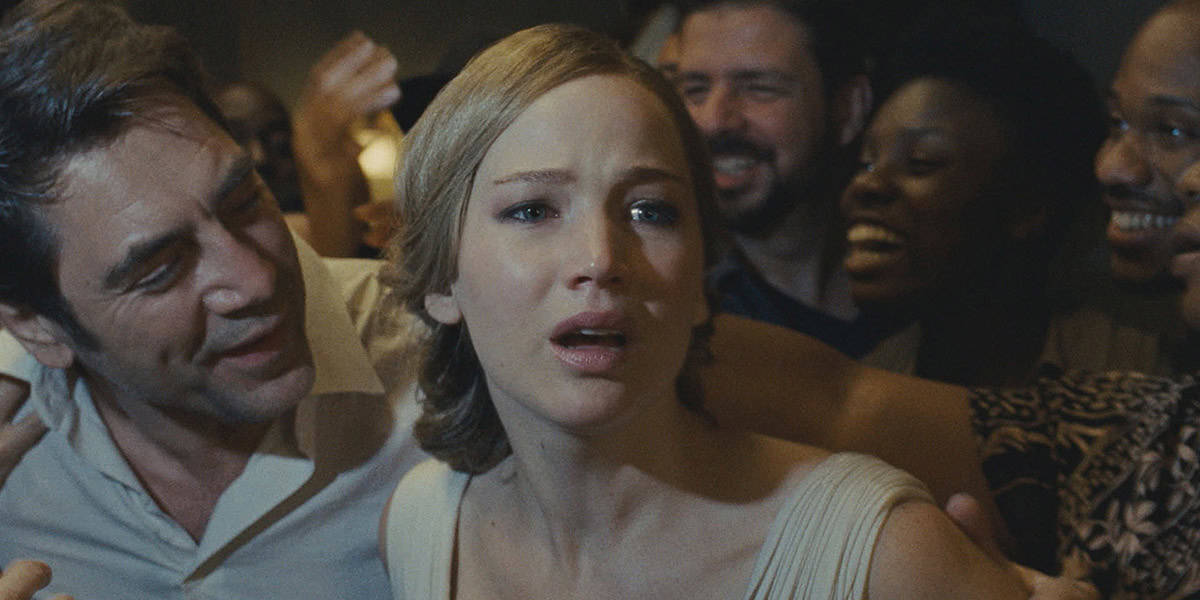
mother! (2017)
Directed by: Darren Aronofsky
Starring: Jennifer Lawrence, Javier Bardem, Ed Harris
Imagine spending your days restoring a beautiful country home, only to have your husband invite a growing parade of strangers inside without considering how you feel about it. That's essentially how Darren Aronofsky's "mother!" begins. Jennifer Lawrence plays a woman whose peaceful existence gradually collapses as her poet husband welcomes increasingly disruptive guests into their home.
Things eventually become so chaotic that the film abandons almost any resemblance to ordinary domestic reality. That's intentional. Aronofsky builds an elaborate allegory drawing heavily from biblical stories, creation, humanity's relationship with nature, and environmental destruction. Understanding those references helps explain what happens, but doesn't necessarily make the experience any less exhausting. For viewers expecting a conventional psychological thriller, "mother!" can feel like watching someone's worst nightmare unfold without an obvious way to wake up.
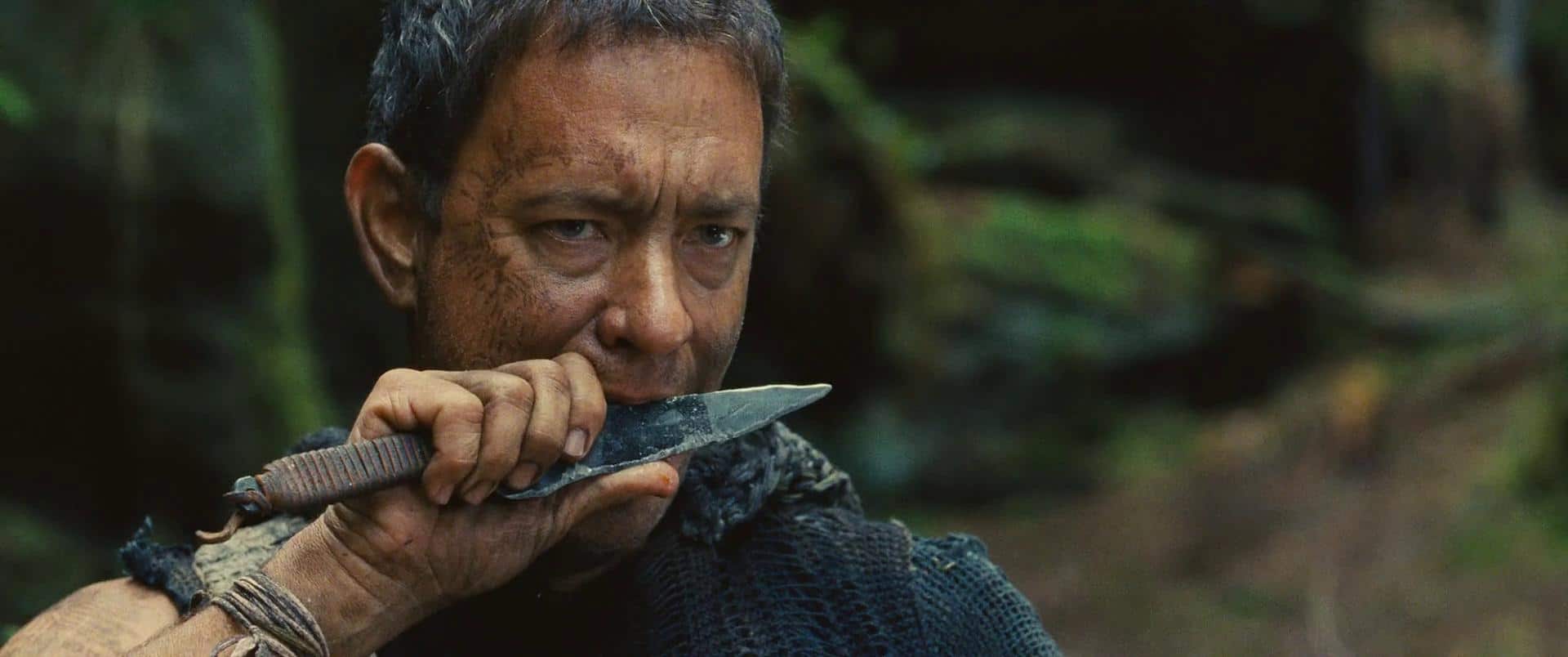
Cloud Atlas (2012)
Directed by: Tom Tykwer, Lana Wachowski, Lilly Wachowski
Starring: Tom Hanks, Halle Berry, Hugh Grant
Adapted from David Mitchell's novel, "Cloud Atlas" follows six interconnected stories spanning centuries, from the 19th century to a distant post-apocalyptic future. The same actors repeatedly appear as different characters, reinforcing the film's themes of reincarnation, moral choices, and the consequences of actions across generations.
That sounds ambitious enough, but instead of telling the stories individually, the movie constantly moves between them. Just when you've figured out who's who in one timeline, you're suddenly somewhere else, watching familiar faces play completely different people. There's a larger message about human connection running throughout the nearly three-hour experience, and some of the individual stories are genuinely compelling. Still, keeping track of six narratives simultaneously requires considerable patience. "Cloud Atlas" is the kind of movie that practically begs you to take notes.
Lost Highway (1997)
Directed by: David Lynch
Starring: Bill Pullman, Patricia Arquette, Balthazar Getty
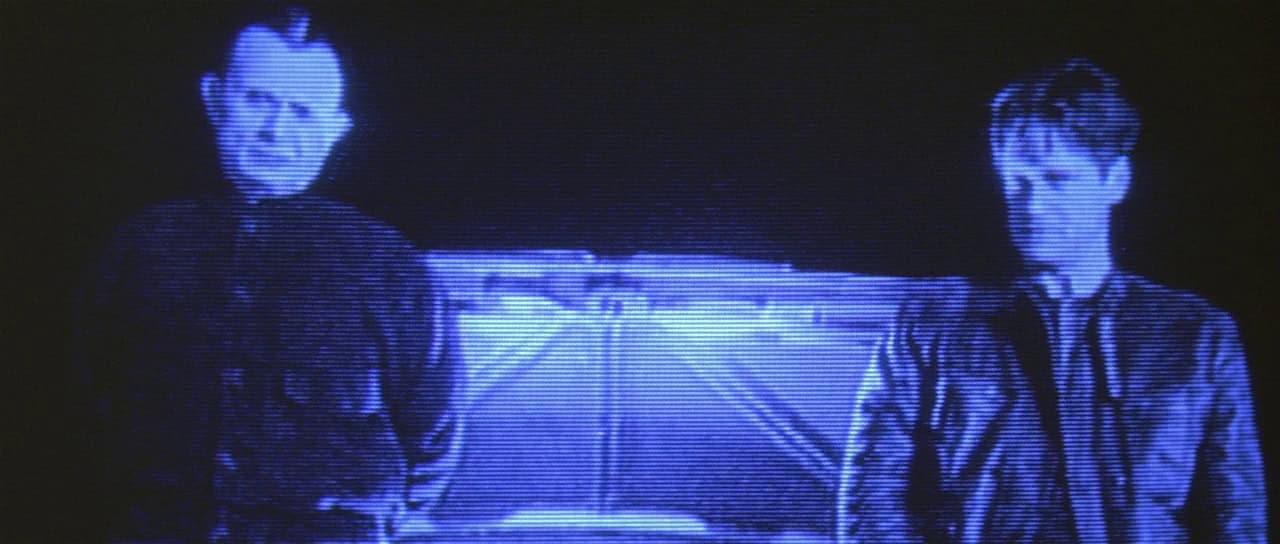
David Lynch has never been particularly interested in making audiences comfortable, and "Lost Highway" certainly doesn't change that. The film begins with jazz musician Fred Madison and his wife receiving disturbing videotapes showing someone recording their home. Following a horrifying turn of events, Fred finds himself imprisoned, only for the story to shift toward a young mechanic named Pete Dayton.
From there, reality becomes increasingly difficult to pin down. Characters appear to transform, identities overlap, and familiar faces reappear in seemingly unrelated circumstances. Lynch fills the film with unsettling imagery, psychological tension, and mysteries that resist straightforward explanations. Interpretations involving guilt, fractured identity, and psychological escape offer possible ways into the story, but the filmmaker doesn't provide a convenient answer key. If you finish "Lost Highway" convinced you missed something important, you're certainly not alone.
Predestination (2014)
Directed by: Michael Spierig, Peter Spierig
Starring: Ethan Hawke, Sarah Snook, Noah Taylor
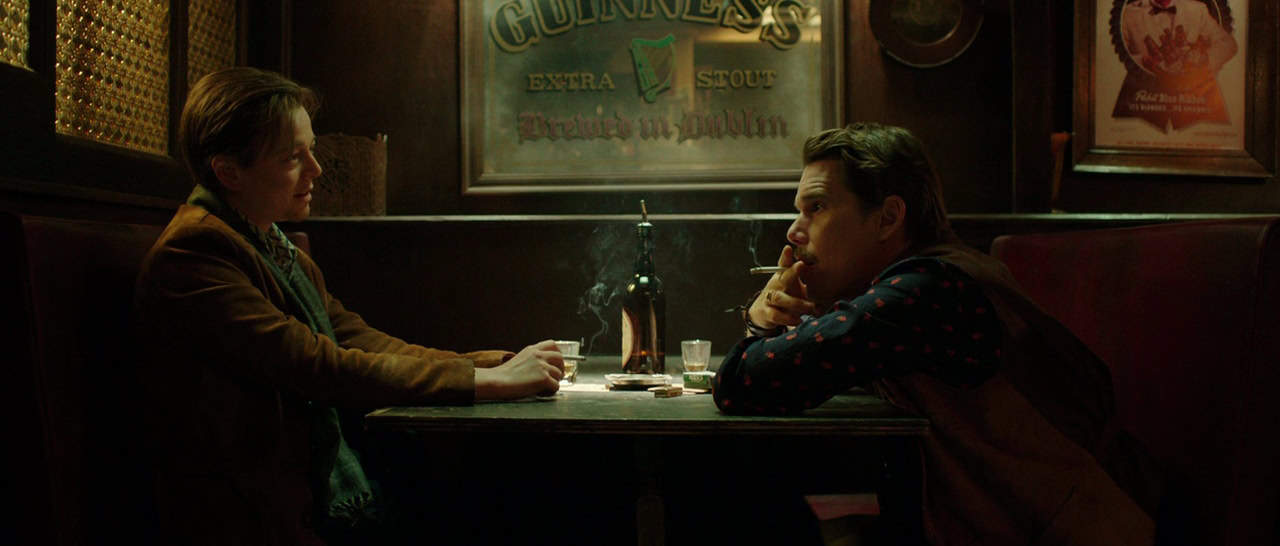
Time travel is confusing enough without building an entire story around a paradox. That's exactly what the Spierig brothers do in "Predestination." Ethan Hawke plays a temporal agent tasked with preventing crimes before they occur. His final assignment involves pursuing a mysterious bomber, but the investigation becomes intertwined with a stranger's extraordinary personal history.
The less you know before watching, the better. What begins as a relatively straightforward science-fiction mystery gradually develops into an elaborate puzzle involving identity, fate, and the consequences of interfering with time. The film draws inspiration from Robert A. Heinlein's short story "All You Zombies" and makes unusually bold use of the bootstrap paradox, in which events appear to cause themselves. Its central revelation provides a framework for understanding the story, although wrapping your head around the implications is another matter entirely.
The Tree of Life (2011)
Directed by: Terrence Malick
Starring: Brad Pitt, Sean Penn, Jessica Chastain
At its heart, "The Tree of Life" tells a fairly intimate story about a boy growing up in 1950s Texas, navigating a complicated relationship with his demanding father and affectionate mother. Years later, the adult Jack reflects on his childhood, family, grief, and the meaning of existence. That description makes the film sound considerably more conventional than it actually is.
Terrence Malick interrupts the family drama with sweeping sequences depicting the origins of the universe, the development of life on Earth, and humanity's place within creation. Dialogue sometimes gives way to whispered reflections and extraordinarily beautiful images that don't follow a traditional narrative structure. It's a deeply personal, philosophical film that won the Palme d'Or at Cannes, but viewers expecting a straightforward family drama might wonder why they're suddenly watching dinosaurs. Malick is more interested in raising enormous questions than providing simple answers.
12 Monkeys (1995)
Directed by: Terry Gilliam
Starring: Bruce Willis, Madeleine Stowe, Brad Pitt
Following a devastating viral outbreak that forces humanity's survivors underground, prisoner James Cole is sent from the future into the 1990s to gather information about the disease's origins. Unfortunately, convincing people that you've traveled through time to investigate a global catastrophe isn't particularly easy. Cole finds himself confined to a psychiatric hospital, where he encounters an eccentric patient and a skeptical psychiatrist.
Director Terry Gilliam turns the premise into a disorienting thriller that constantly questions memory, fate, and whether Cole's experiences can be trusted. His recurring visions suggest that certain events may already be inevitable, while the audience struggles to determine how the pieces fit together. Unlike some deliberately unresolved films, "12 Monkeys" eventually provides substantial answers. Getting there, however, means navigating a maze of time jumps, contradictory impressions, and characters who aren't always sure what year they're supposed to be living in.
Mulholland Drive (2001)
Directed by: David Lynch
Starring: Naomi Watts, Laura Harring, Justin Theroux
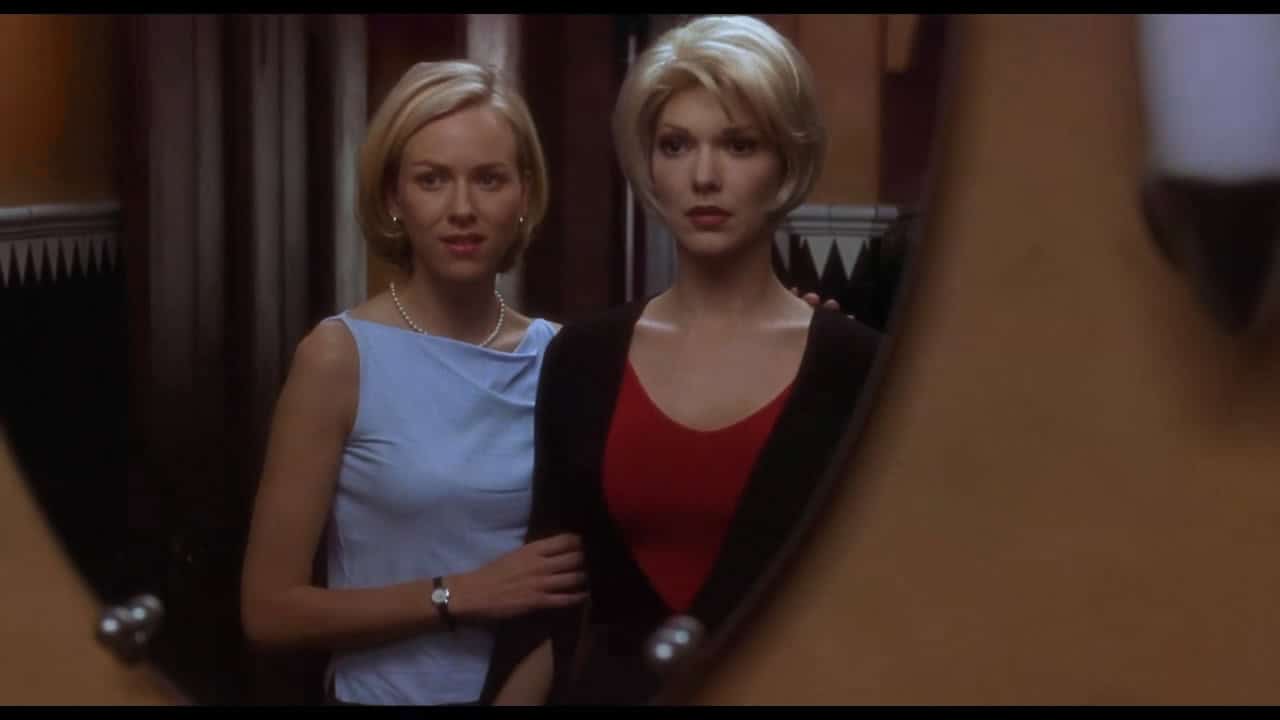
A young aspiring actress named Betty arrives in Los Angeles and discovers an unfamiliar woman hiding in her aunt's apartment. The stranger has lost her memory following a car accident, and the two begin searching for clues about her identity. Meanwhile, a Hollywood director encounters increasingly bizarre obstacles surrounding his latest production. So far, it sounds like an unconventional but manageable mystery.
Then David Lynch begins pulling the story apart. Identities become uncertain, the narrative takes disturbing turns, and scenes that initially seemed unrelated acquire possible new meanings. Dreams, desires, Hollywood ambition, and shattered illusions all contribute to a film that rewards interpretation without settling every question. "Mulholland Drive" is widely celebrated as a modern cinematic masterpiece, but appreciating its artistry doesn't necessarily mean understanding everything that happens. For many viewers, the movie becomes an entirely different experience the second time around.
Inception (2010)
Directed by: Christopher Nolan
Starring: Leonardo DiCaprio, Joseph Gordon-Levitt, Elliot Page
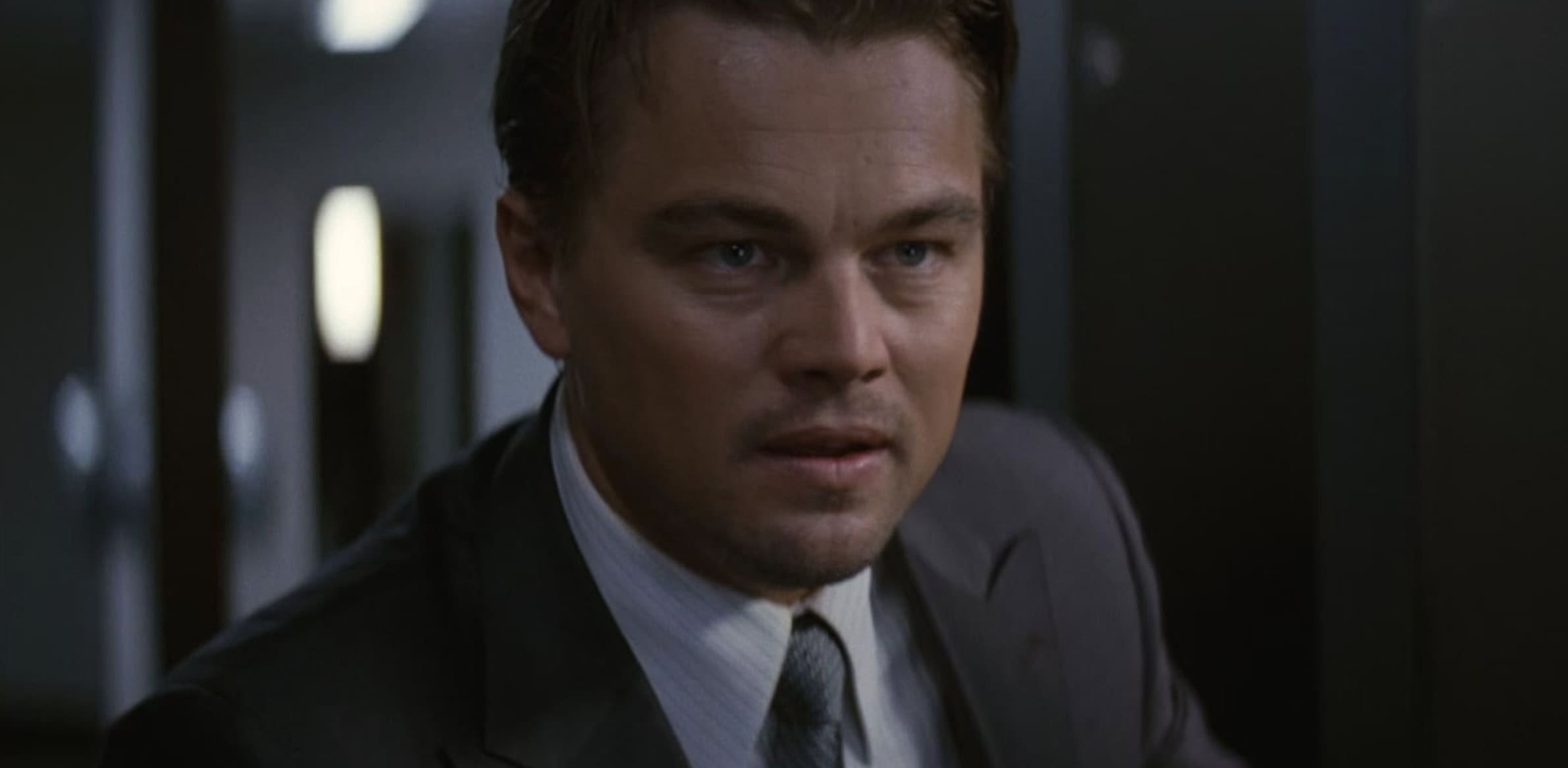
Dom Cobb makes his living stealing valuable information by entering other people's dreams. When he's offered a chance to return to his family, he accepts a seemingly impossible assignment: instead of stealing an idea, he must plant one inside a target's subconscious. His team constructs an elaborate operation involving multiple levels of shared dreaming, with each level operating under different rules governing time.
Christopher Nolan explains much of the complicated machinery along the way, but the film still demands considerable attention. Dreams unfold inside other dreams, characters manipulate imagined environments, and events occurring at different levels must be carefully synchronized. The emotional stakes remain surprisingly accessible despite all the narrative gymnastics. Then comes that famous final shot, which invites audiences to question how much certainty they really have about what they've witnessed. "Inception" provides an answer to its central mission while leaving one particularly memorable question hanging.
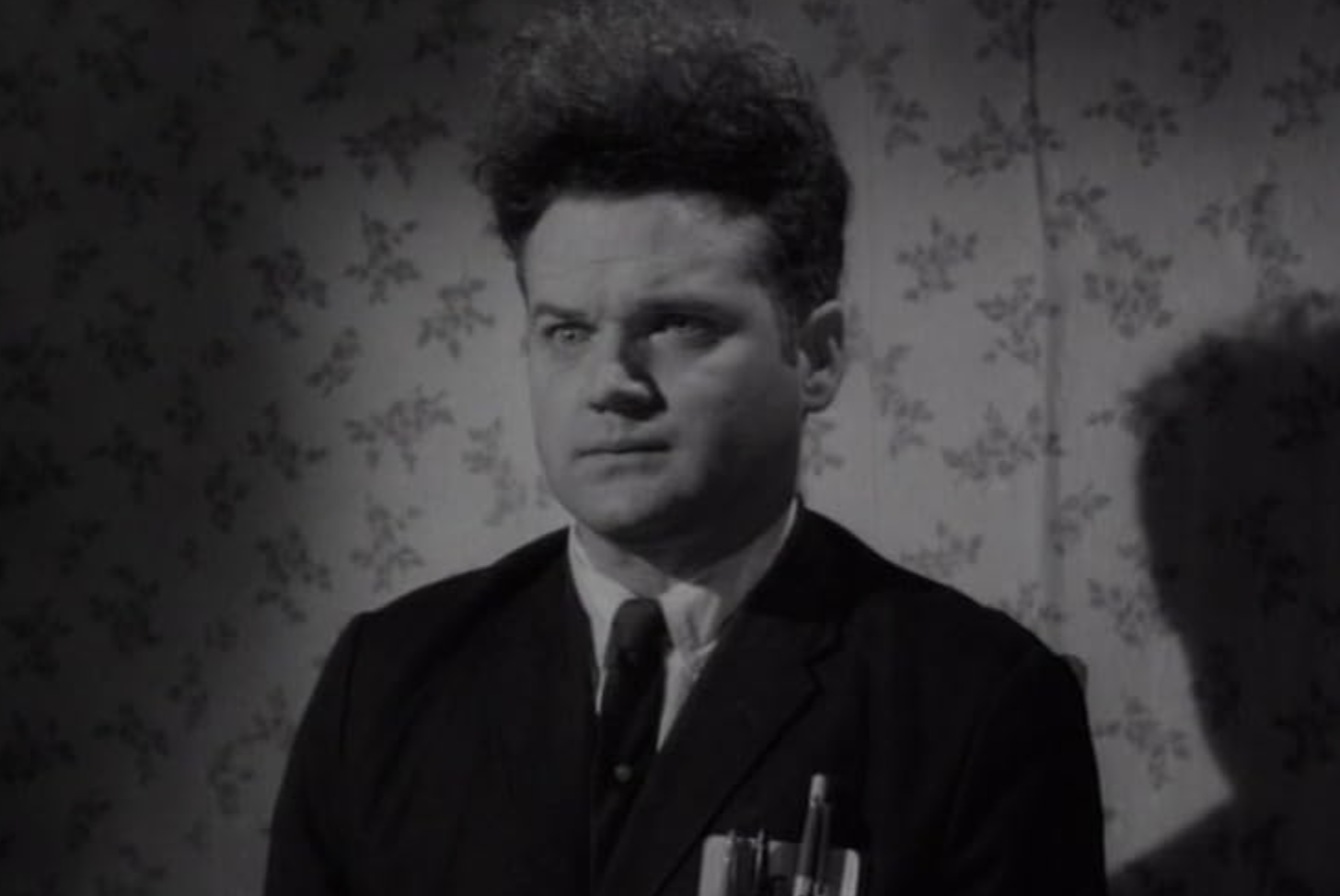
Eraserhead (1977)
Directed by: David Lynch
Starring: Jack Nance, Charlotte Stewart, Allen Joseph
David Lynch's debut feature introduces Henry Spencer, an awkward young man living in a bleak industrial environment. After learning that his girlfriend has given birth, Henry finds himself confronting the responsibilities of parenthood. Unfortunately, the baby is a disturbing, apparently inhuman creature, and Henry's already unsettling world begins to unravel around him.
Shot in stark black and white, "Eraserhead" operates according to the unsettling logic of a nightmare. Strange noises, grotesque imagery, surreal encounters, and inexplicable events gradually overwhelm anything resembling an ordinary family drama. Interpretations often focus on fears surrounding fatherhood, intimacy, and personal responsibility, but Lynch never supplied a definitive explanation for every disturbing image. The film helped establish his reputation for surreal filmmaking and remains a cult classic. It's also the sort of movie that can make viewers question whether understanding the plot is even the point.
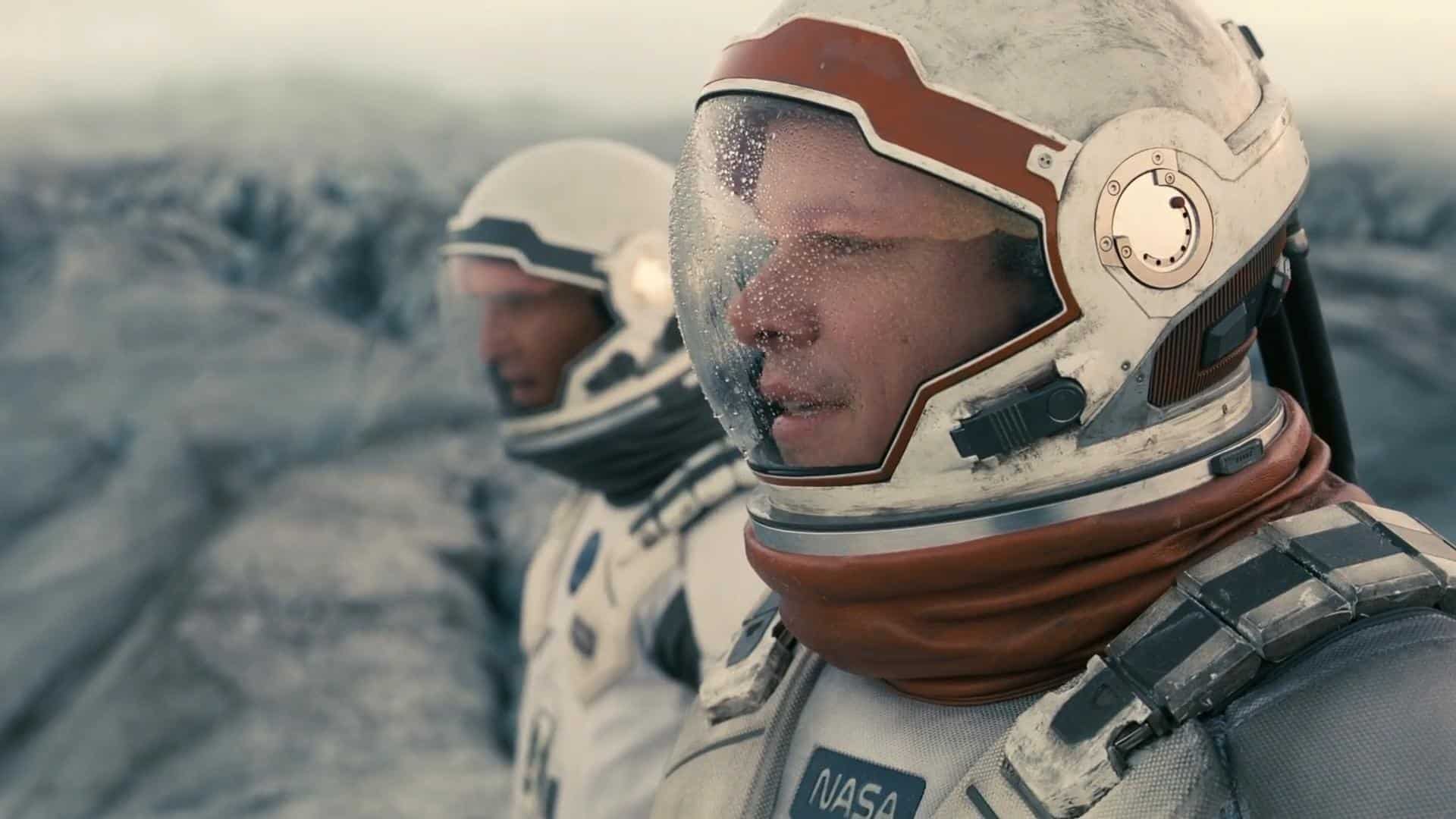
Interstellar (2014)
Directed by: Christopher Nolan
Starring: Matthew McConaughey, Anne Hathaway, Jessica Chastain, Matt Damon
Earth is slowly becoming uninhabitable as crop failures and massive dust storms threaten humanity's future. Cooper, a former NASA pilot turned farmer, joins a desperate mission to explore potentially habitable worlds beyond a wormhole near Saturn. What follows is an extraordinary journey through space, with the crew confronting unfamiliar planets, extreme gravitational conditions, and the consequences of relativistic time dilation.
"Interstellar" benefits from scientific consultation by physicist Kip Thorne, and some of its most unusual concepts are grounded in real theoretical physics. Others venture into far more speculative territory. The film's treatment of gravity, time, and higher dimensions becomes especially challenging during its final act, when the story shifts into decidedly unconventional territory. Nolan still manages to anchor the spectacle in an emotional story about a father and daughter. Whether that emotional payoff makes the increasingly elaborate scientific concepts more satisfying is something viewers continue to debate.
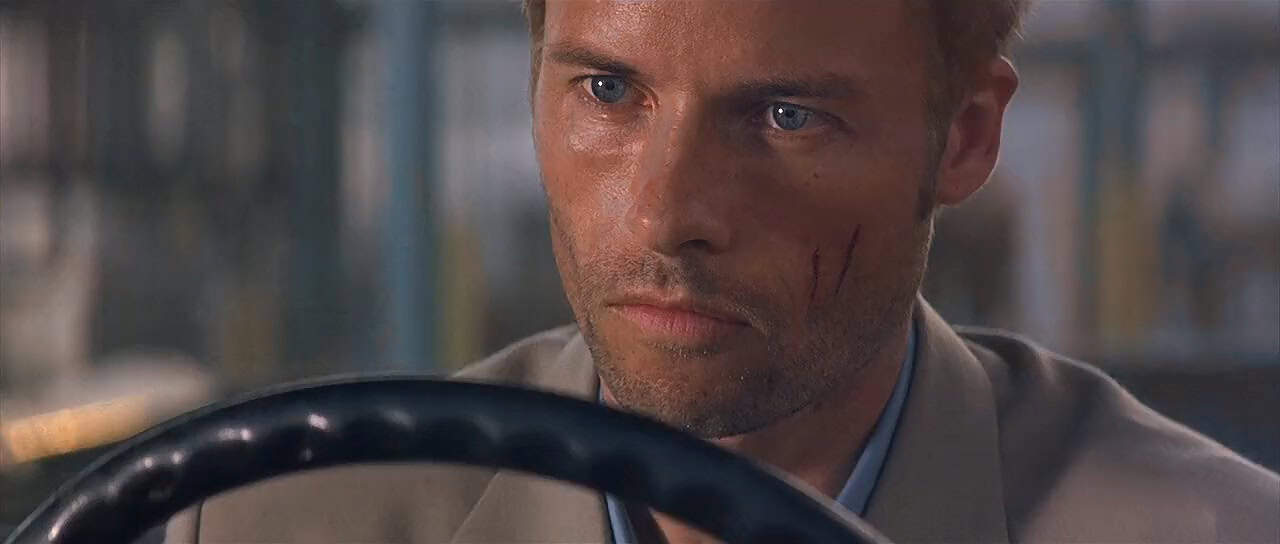
Memento (2000)
Directed by: Christopher Nolan
Starring: Guy Pearce, Carrie-Anne Moss, Joe Pantoliano
Leonard Shelby is determined to find the man he believes murdered his wife. Unfortunately, a traumatic injury has left him unable to form new long-term memories. He relies on photographs, handwritten notes, and tattoos to keep track of clues and maintain some sense of purpose. That would be complicated enough in a conventional thriller, but Christopher Nolan has something much more demanding in mind.
"Memento" unfolds through two interwoven narrative sequences, one moving forward chronologically and the other revealing events in reverse order. The structure places viewers in a position similar to Leonard's, constantly trying to reconstruct what happened moments earlier. Just when a familiar scene seems to make sense, another revelation can change its meaning. The film does provide important answers, but it also forces audiences to consider how much they can trust the perspective they've been following. It's an exceptionally clever mystery that makes confusion part of the experience.
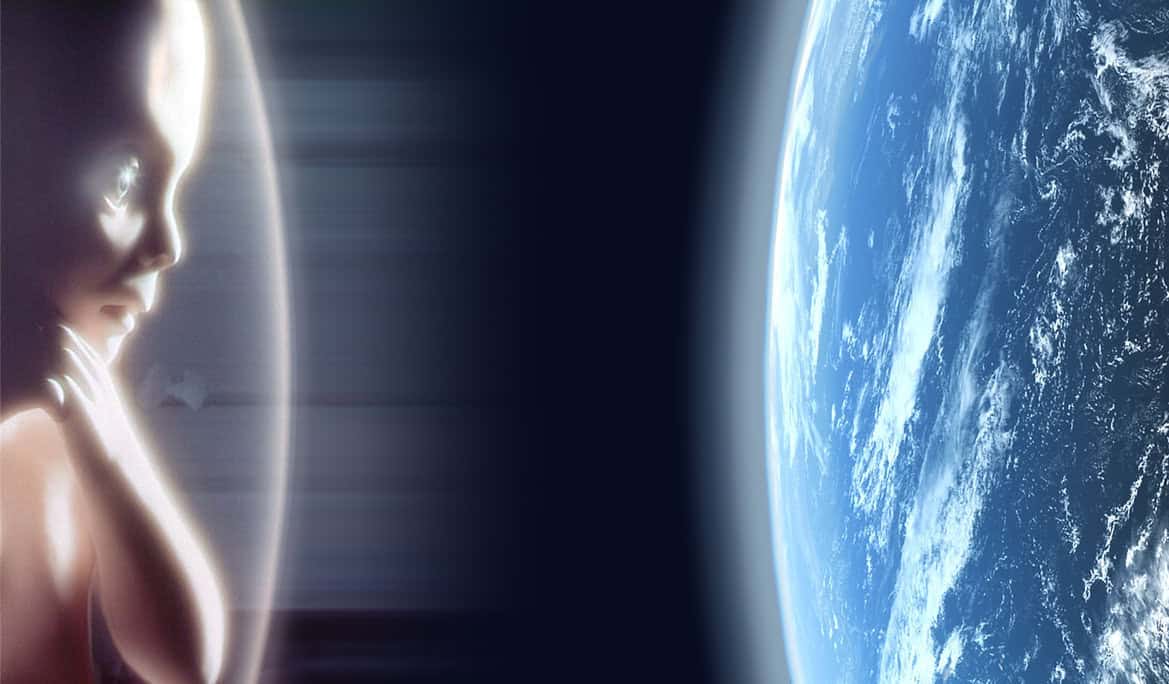
2001: A Space Odyssey (1968)
Directed by: Stanley Kubrick
Starring: Keir Dullea, Gary Lockwood, William Sylvester
Stanley Kubrick's science-fiction landmark begins millions of years before modern civilization, when a mysterious black monolith appears among humanity's distant ancestors. The story eventually moves into the space age, where another monolith discovered beneath the Moon's surface leads to a mission toward Jupiter. Aboard the spacecraft Discovery One, astronauts David Bowman and Frank Poole must contend with HAL 9000, an advanced computer whose behavior becomes increasingly dangerous.
Although the central conflict involving HAL is relatively straightforward, the film's larger mysteries are anything but. Kubrick uses extended visual sequences, minimal dialogue, and abstract imagery to explore human evolution, technology, and the possibility of intelligence beyond Earth. The final portion becomes an extraordinary journey that offers little conventional explanation of what audiences are seeing. More than half a century later, "2001: A Space Odyssey" remains a landmark achievement in cinema, even if its ending continues to inspire competing interpretations.
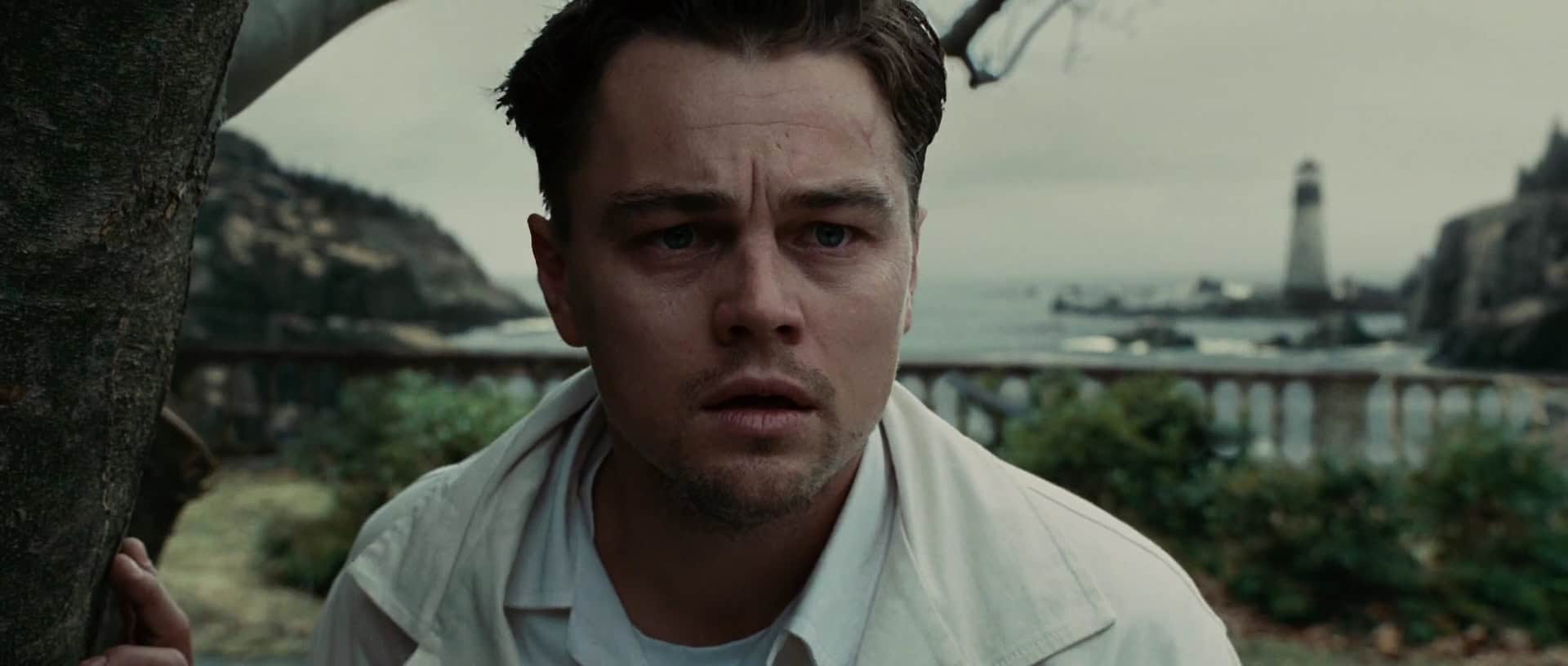
Shutter Island (2010)
Directed by: Martin Scorsese
Starring: Leonardo DiCaprio, Mark Ruffalo, Ben Kingsley
U.S. Marshal Teddy Daniels and his partner arrive at Ashecliffe Hospital, a psychiatric facility on a remote Massachusetts island, to investigate the mysterious disappearance of a patient. Their inquiry quickly becomes complicated by suspicious staff members, disturbing discoveries, and Teddy's own traumatic memories. As a powerful storm isolates the island, the investigation begins to challenge almost everything the marshal believes about his surroundings.
Martin Scorsese builds the film around uncertainty, encouraging audiences to question which characters can be trusted and whether Teddy's suspicions are justified. Strange encounters and conflicting accounts gradually undermine the viewer's confidence in the story. Unlike several movies on this list, "Shutter Island" eventually offers a substantial explanation for its central mystery. Still, the emotional implications of its final moments leave room for interpretation. It's the rare thriller that can become even more interesting once you already know how it ends.
Primer (2004)
Directed by: Shane Carruth
Starring: Shane Carruth, David Sullivan, Casey Gooden
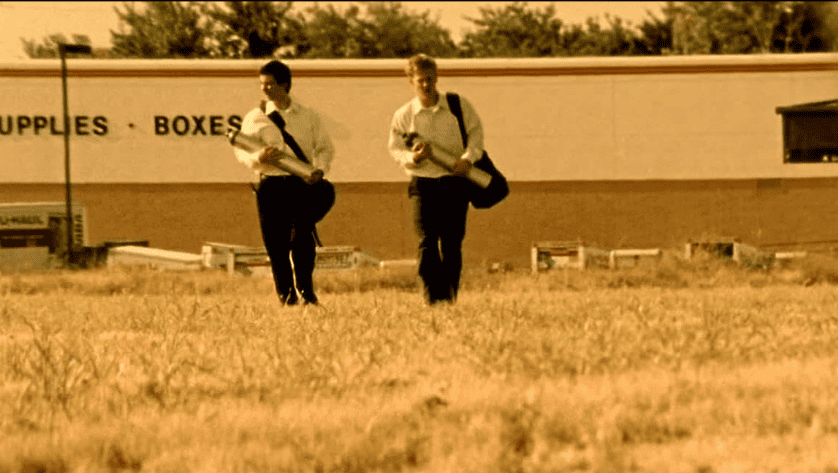
Two engineers working on an experimental project accidentally discover a process that appears to make time travel possible. Initially, Aaron and Abe approach their discovery with the enthusiasm of scientists who have stumbled onto something extraordinary. They begin conducting increasingly ambitious experiments, but their efforts soon become tangled in secrecy, conflicting motivations, and the consequences of interfering with events that have already occurred.
Made on an exceptionally small budget, Shane Carruth's "Primer" doesn't bother simplifying its technical dialogue or explaining every development for the audience's benefit. Characters speak like engineers, timelines become increasingly tangled, and the film's overlapping events can be extraordinarily difficult to reconstruct. That complexity is central to its appeal, but it also makes "Primer" one of the most demanding time-travel films ever made. Even dedicated science-fiction fans may find themselves looking for a timeline diagram afterward. If ever a movie deserved an instruction manual, this might be it.