
Some movies are easy to follow from the first scene to the final credits. Others feel like they were designed to send viewers straight to the internet looking for explanations. Confusing films can be brilliant, frustrating, fascinating, or all three at once, especially when they bend time, hide key details, blur reality, or refuse to give audiences a simple answer.
Sometimes that confusion is the entire point. Directors use nonlinear timelines, dream logic, unreliable narrators, and abstract imagery to make viewers question what they are seeing. In the best cases, the mystery adds to the experience and makes the movie more rewarding on a second watch. In the worst cases, the story becomes so tangled that even patient viewers may feel lost.
These 15 films all became known, at least in part, for leaving audiences with more questions than answers. Some are celebrated masterpieces. Others are divisive cult favorites. But whether they are mind-bending, messy, or deliberately mysterious, each one has earned a place among the movies that made viewers ask, “Wait, what just happened?”
Shutter Island (2010)
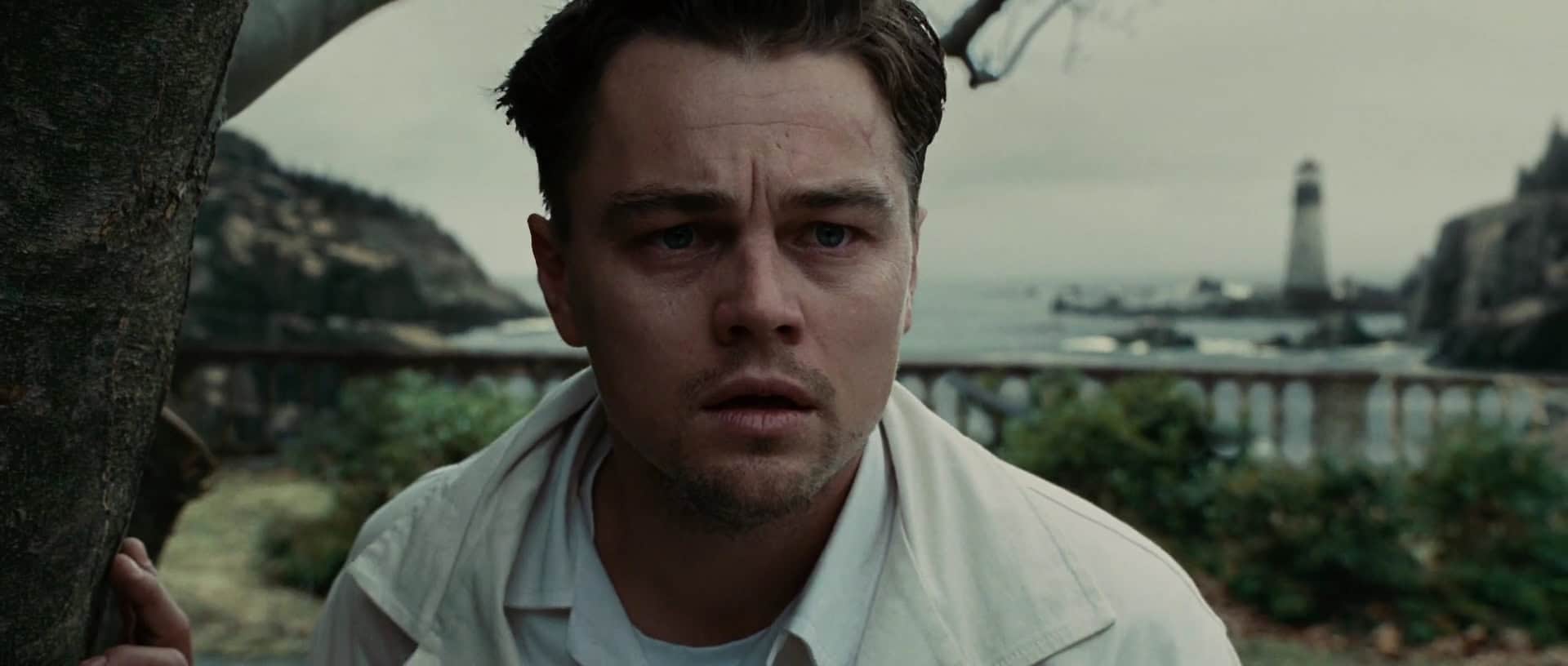
After a brilliant female murderer escapes from Ashecliffe Hospital, a labyrinth-like insane asylum on a remote island, U.S. Marshal Teddy Daniels and his partner are called in to solve the case. Things quickly become unclear. Not only did the woman seem to escape from a locked room, but the marshals glean hints of other terrible crimes committed inside the asylum. As they get further into the investigation, Daniels realizes he must confront his fears if he wants to escape the island.
The rare puzzler from the famed Scorsese, “Shutter Island” uses massive star power and its creepy, unsettling atmosphere to tell a story of madness, perspective, and denial of reality. Like all films that investigate the fine line between reality and delusion, “Shutter Island” operates on ambiguity and unreliable narrators. While it works as a true mystery, for many viewers, the multiple avenues of plotting create a bewildering atmosphere. Though it clears up much confusion by the film’s finale, it can easily turn viewers off in the interim.
Inception (2010)
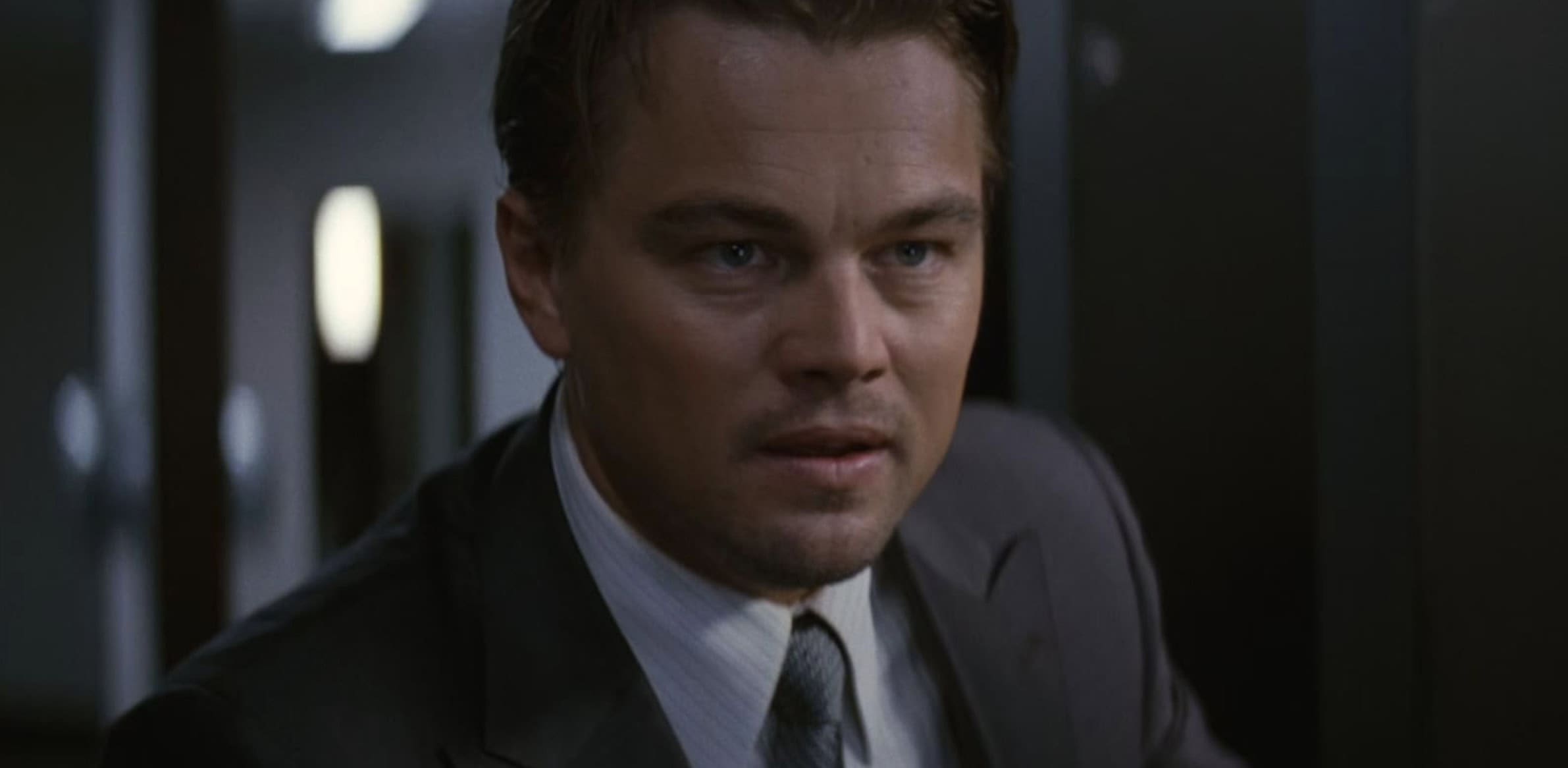
The film follows Dom Cobb, a thief with the unique ability to enter people’s dreams and steal their secrets from deep in their subconscious. While this skill has made Cobb a big name in the world of corporate espionage, it has also taken from him everything he has ever loved. When he’s tasked with doing the opposite of his usual work, planting a seed in someone’s mind, he’s given a chance at redemption. The problem is, however, that a mysterious antagonist anticipates his every move.
A film by the usual suspect of confusing movies, director Christopher Nolan, “Inception” takes the time travel trope and transforms it into the work of dreams. The film provides moments of visual inspiration and a pace that keeps tight, steady, and compelling. At the same time, however, it seems that every moment in the film acts like a trick. The viewer can never be sure if what they are seeing is a product of waking life or dreams. While this provides a refreshing, if not stunning, take on the dimension-hopping movie trope, it gets confusing pretty easily. To be fair, however, much like “Memento,” “Inception” remains one of the more accessible cerebral-shaking Nolan offerings.
Tenet (2020)
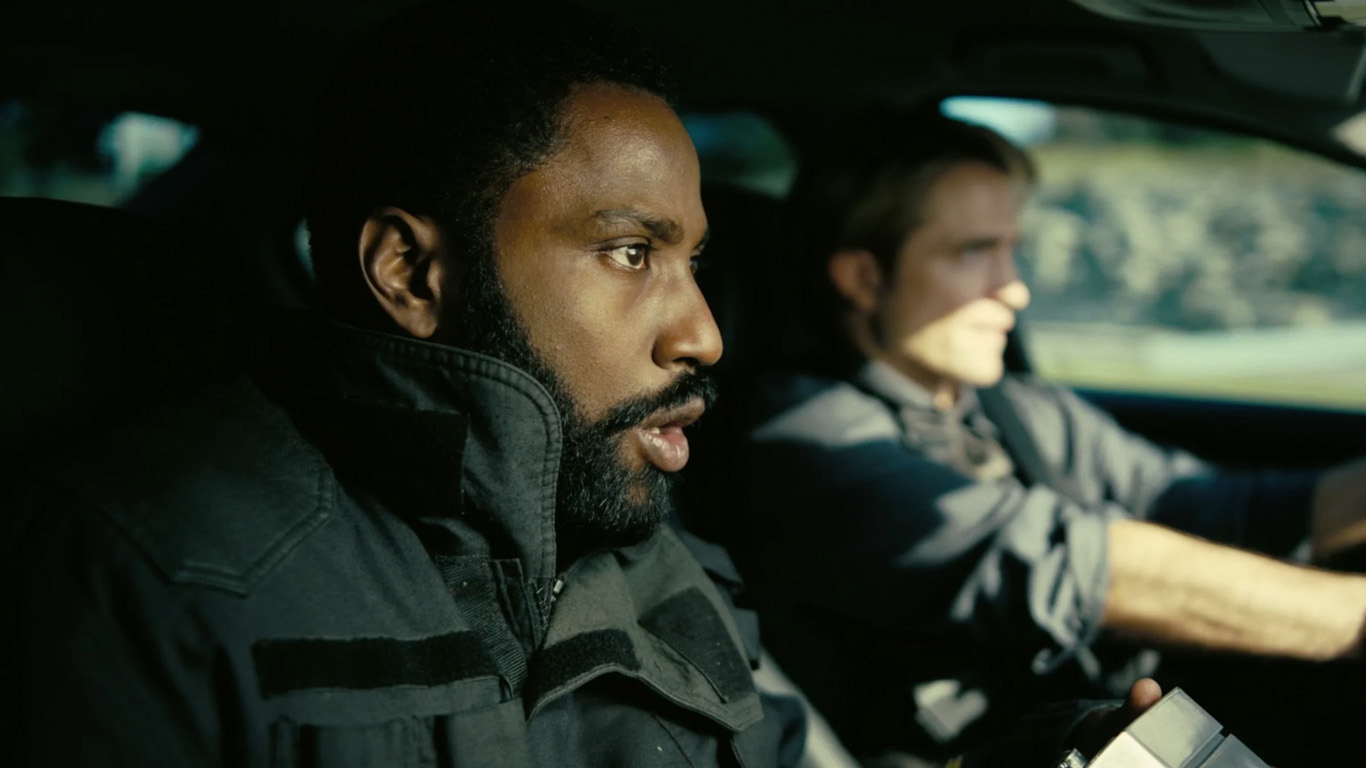
“Tenet” follows a former CIA agent known only as the Protagonist after he is recruited by a secret organization trying to stop a threat that reaches across time itself. Instead of simple time travel, the movie introduces the idea of inverted objects and people moving backward through time, which makes even basic action scenes feel like puzzles. The Protagonist has to trace the source of dangerous technology, decode the plans of a ruthless arms dealer, and understand a war that has not fully happened yet. The result is a spy thriller where the rules are explained quickly, the stakes are enormous, and viewers often have to work hard just to understand which direction time is moving.
Christopher Nolan has earned a reputation for making visually ambitious films that ask audiences to keep track of complicated structures, and “Tenet” may be one of his most demanding. The movie has huge set pieces, impressive practical effects, and a relentless pace, but it also layers exposition, reversed action, and multiple timelines until the story becomes difficult to untangle on a first watch. Some viewers admire the challenge, while others find the plot mechanics more exhausting than exciting. Either way, “Tenet” stands out as one of the clearest examples of a modern blockbuster that left many people walking out of the theater still trying to piece together what they had just seen.
12 Monkeys (1995)

James Cole, a prisoner in the 2030s, is recruited by the elite to travel back to the 1990s. Once there, he’s tasked with collecting clues about a coming plague that will destroy much of the world’s population. Along the way, he meets Jeffrey, a manic member of an insane asylum, and Dr. Kathryn Railly, one of his medical gatekeepers.
A film by the delightfully bizarre director Terry Gilliam, “12 Monkeys” provides a refreshing take on the time travel and disaster movie tropes. It’s a strange film, populated by even stranger characters and set pieces that boggle the imagination with their archaic absurdity. While it’s less confusing than some of the other movies on this list, the viewer must brave much of the bewildering plot before the climax provides some sense of disentanglement.
The confusion comes partly from the way the film treats time as something that may already be fixed. Cole is not simply moving through history to change it. He is also trying to understand memories, visions, and clues that may connect to events he has already witnessed. The movie asks viewers to sort through paranoia, mental illness, scientific desperation, and possible predestination all at once. By the end, “12 Monkeys” feels less like a straightforward rescue mission and more like a tragic loop, which is exactly what makes it so memorable and so disorienting.
Eraserhead (1977)
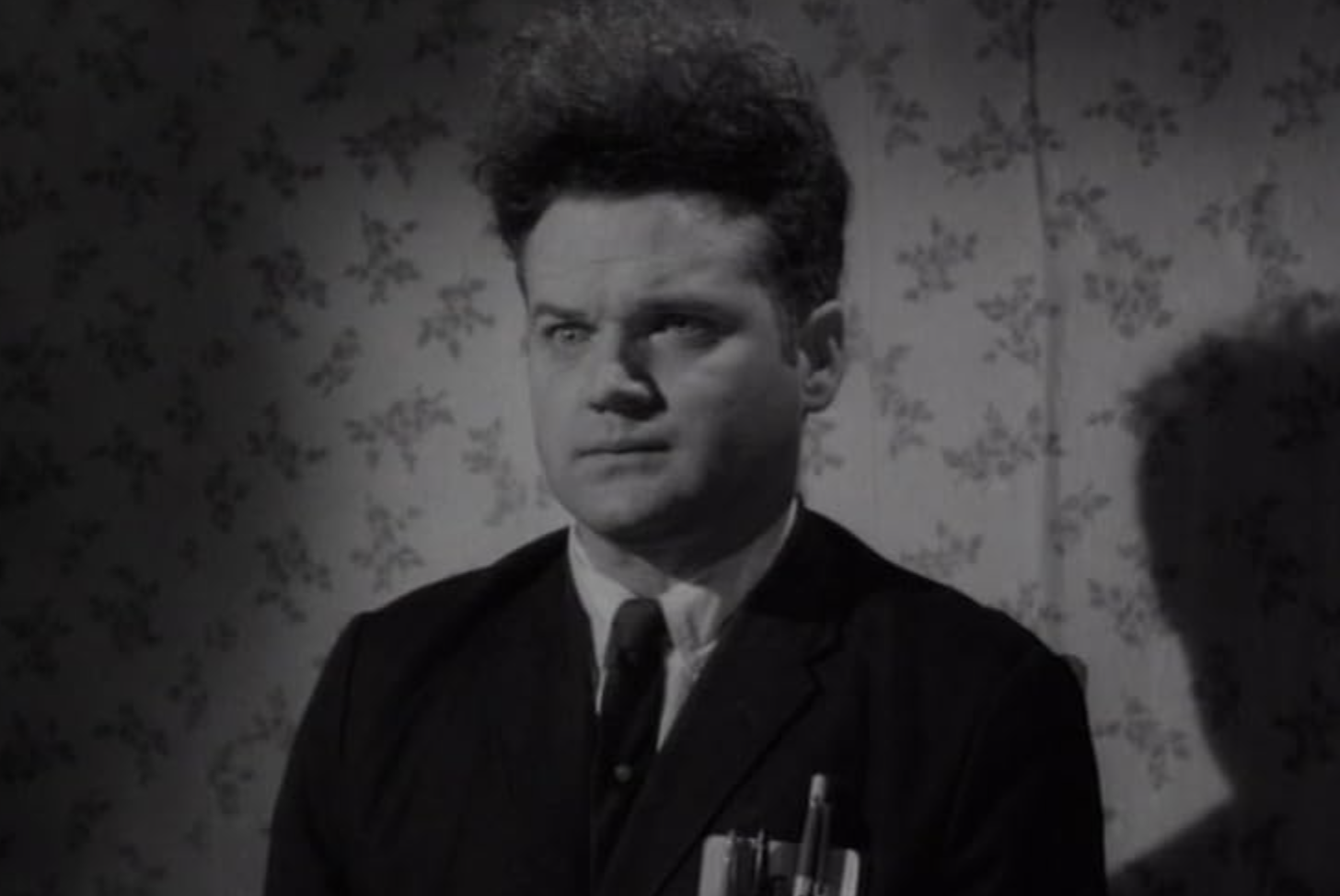
“Eraserhead” opens with Henry, who lives in a dreadful apartment amidst a city filled with industrial murk. Soon, he discovers that a past fling with Mary X left her pregnant, so he marries her and moves her into his apartment. Upon giving birth, however, the baby comes out not as a human but as some kind of lizard-like mutant. The stress and strangeness of the situation cause Henry to start experiencing increasingly bizarre visions.
The first feature-length film from Lynch, “Eraserhead” is a nightmare of epic proportions. It has a plot, in a way, but it’s the type of plot found less in conventional films than in fever dreams. Shot in stark black and white, the film seeks to confuse and bewilder. It’s like the best arthouse experimental film you’ve ever seen as it imprints images in the mind that linger for a long time afterward. The plot makes no sense, the climax gives no resolution, and the viewer is left in a daze upon finishing the film. It’s a great experimental movie that helped establish Lynch as a pioneer in surreal cinema, to be sure, but it’s not the type of movie one can get a good grasp on.
Primer (2004)
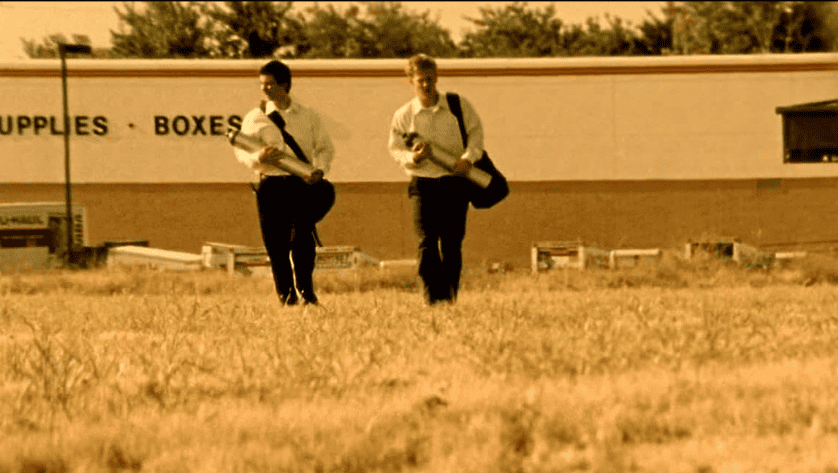
“Primer” follows Aaron and Abe, two engineers and entrepreneurs building some type of error-checking technology in Aaron’s garage. Soon, the pair accidentally create what appears to be a time machine. It seems to work, so they build a bigger version, capable of holding a human being. This quickly leads to trouble, however, and the pair find themselves swept up into the dark consequences of messing with spacetime.
The debut feature of director Carruth (who also stars), “Primer” provides a pretty accurate depiction of what time travel may look like if ever discovered/invented. The problem is that the film’s version of time travel remains utterly confusing, bewildering, and riddled with technical jargon. While utterly compelling considering the film’s small budget, it quickly earned the reputation of being a nearly impossible film to understand. By design, it only makes the minimum amount of sense. This helps place the viewer in the character’s mindset but provides little in the way of clarity. It’s so confusing there are multiple graphs out there to help people make sense of the film’s time travel science.
Memento (2000)
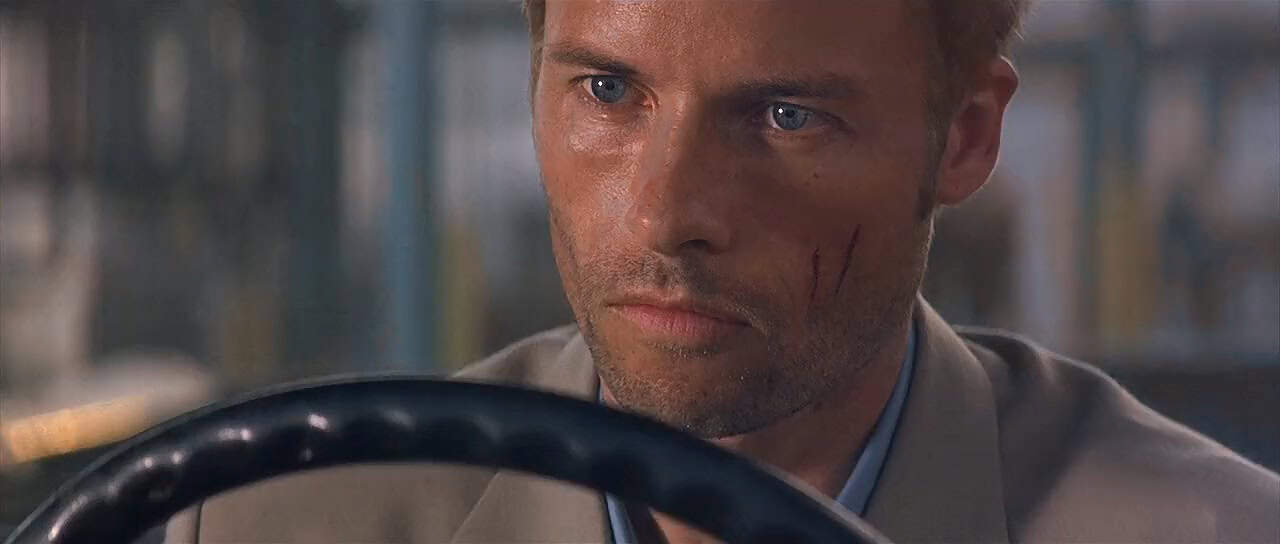
The film opens with Leonard, who’s on a mission to track down the man who raped and murdered his wife. The problem is that Leonard has some type of brain condition that makes him unable to form new memories. Though he can remember everything before his accident perfectly, he can’t remember anything in the present. As such, he relies on countless little notes he leaves for himself, tattoos on his body, and the questionable help of a man named Teddy.
Though “Memento” helped establish director Christopher Nolan’s star power, it also kicked off his reputation for making head-scratching thrillers. While the film is surely compelling, it rests on a purposely unstable foundation. Plot points emerge like echoes, and the narrative functions more like fragments of memory than a linear cohesive plot. While in some respects it works, as it injects the viewer into Leonard’s bewildered state of mind, it fails to provide enough neutral perspective to ever get a good grasp of what’s happening. To be sure, however, it’s the most relatable of Nolan’s confusing film oeuvre.
Interstellar (2014)
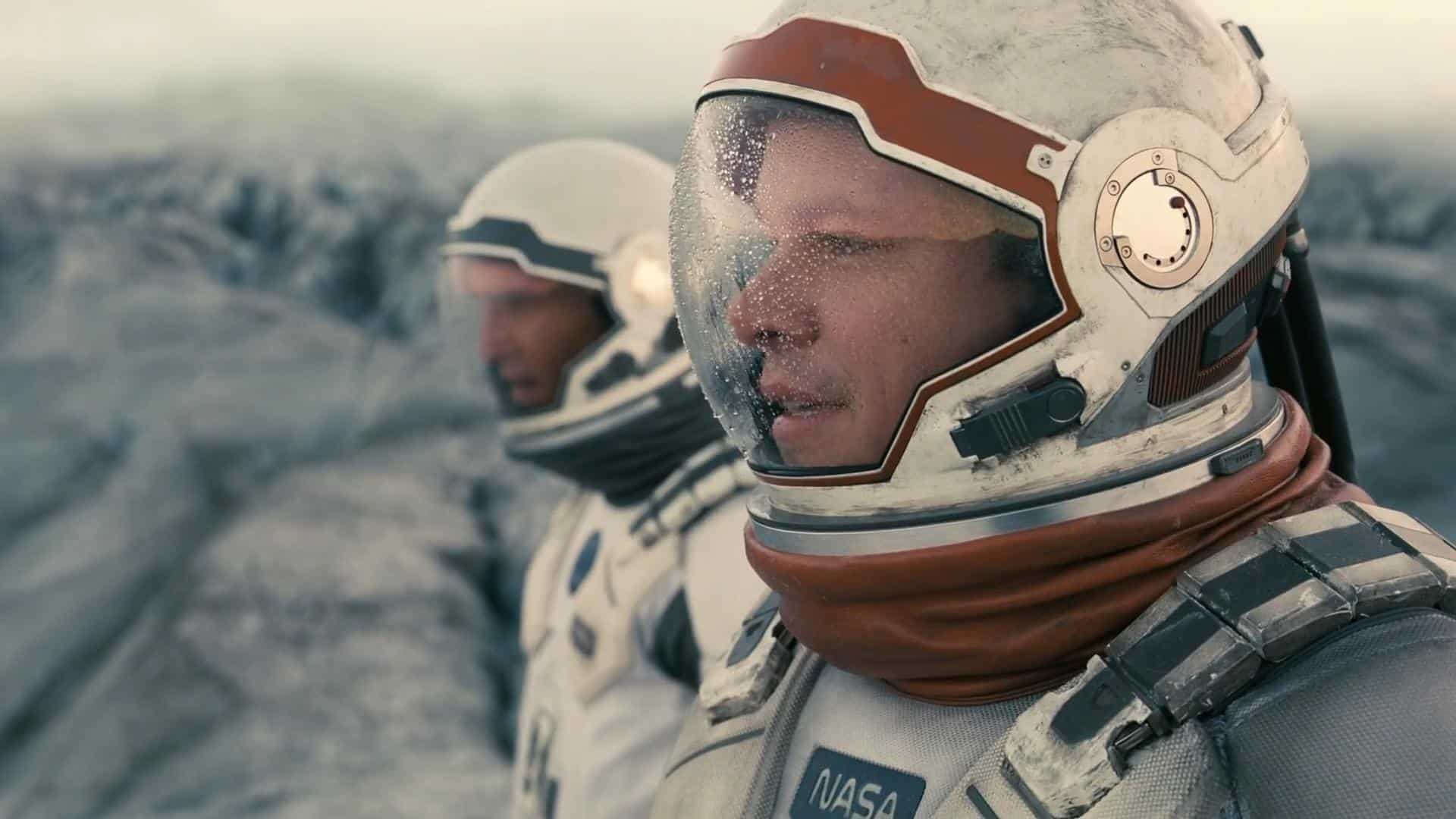
Earth in the future has been ravaged by a global blight of crops and the ensuing second dust bowl. This renders the planet practically uninhabitable. A genius scientist named Professor Brand seeks to save the remaining members of mankind by transporting them through a wormhole to a new planet. First, however, Brand sends a former NASA pilot named Cooper and a team of researchers through the wormhole to find which of the three known planets will work best for mankind’s future.
Director Christopher Nolan has made his career exploring the confines of existence and time, and his space offering “Interstellar” is no different. It combines highfalutin physics knowledge with the trope of all disaster movies: saving mankind before it’s destroyed. While it seems to find moments of balance between accessibility and elitist obscurity, “Interstellar” provides touching messages about connection, love, and existence. At the same time, however, much of the physics knowledge and jargon will go over the audience’s heads.
2001: A Space Odyssey (1968)
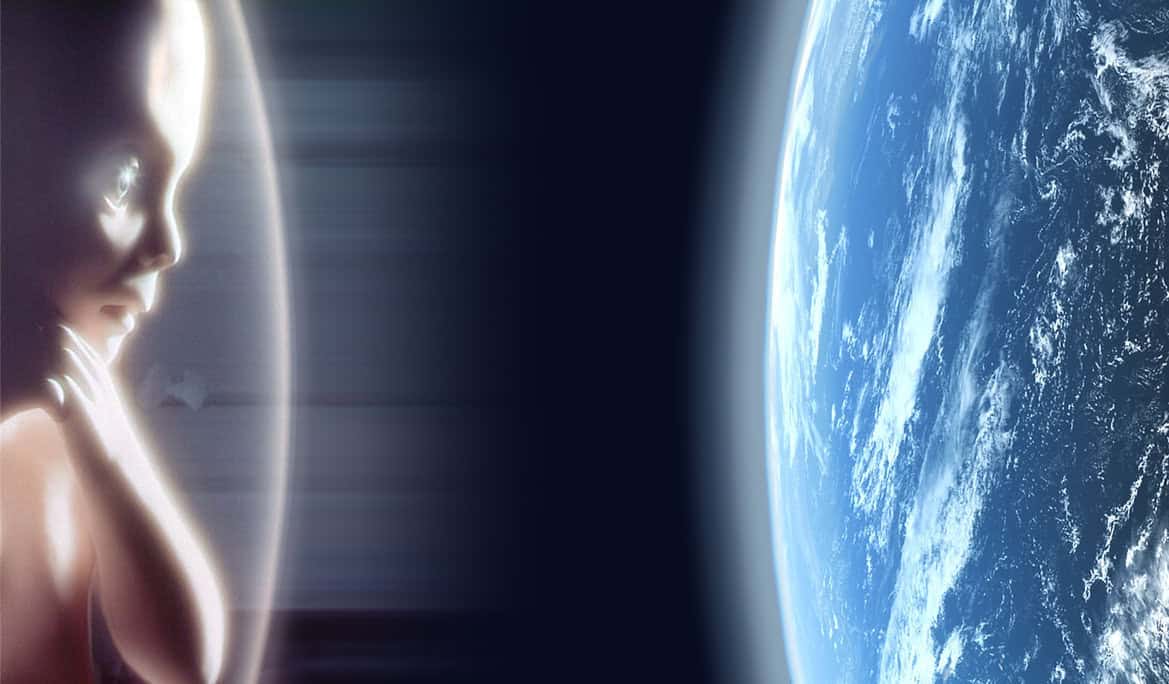
The discovery of a mysterious black monolith on the moon’s surface leads Dr. Dave Bowman and a team of astronauts to figure out what’s going on. Along the way, however, their spaceship’s computer system, HAL, begins to go awry, leading the team on a mind-bending quest between past and future.
Many consider this classic movie by Kubrick as one of the best movies ever made. It’s a beautiful, haunting exploration of man’s past and the nature of existence itself. While there is a sense of a plot, at other times, the movie transforms more into a modern myth than a conventional story. It can be confusing, to be sure, and may require multiple viewings. At the same time, however, it remains the type of film any film buff should see.
That is why “2001” continues to divide casual viewers, even though it is widely regarded as one of the most important science-fiction films ever made. It is slow, quiet, and often more interested in mood and symbolism than in dialogue or explanation. The famous final section, with its surreal voyage through space and time, offers unforgettable images but very few direct answers. Viewers can interpret the monolith as alien intelligence, evolutionary force, divine symbol, or something else entirely. The movie does not rush to clarify itself, which is part of its power and part of why so many first-time viewers finish it feeling baffled.
The Tree of Life (2011)

The film follows Jack, one of three brothers growing up in a small town in Texas. Though Jack gets along with his mother, he has a contentious relationship with his father. After reaching adulthood, Jack struggles to fit the pieces of his past and present as he attempts to make sense of his childhood while grappling with large, existential issues.
One of the rare post-millennium offerings from Malick, “The Tree of Life” is a beautiful, transcendental meditation on childhood, family, and the existential issues that face every person. While visually delightful and thematically philosophical, the problem is the film works less as a film with a plot than as a series of awe-inspiring images and sensations. By design, it’s abstract and seeks to provide visual answers or at least queries to the big questions that elude the capabilities of words. For this reason, the film succeeds in providing refreshing takes on existence while failing to anchor to any sense of plot or cause and effect.
Lost Highway (1997)
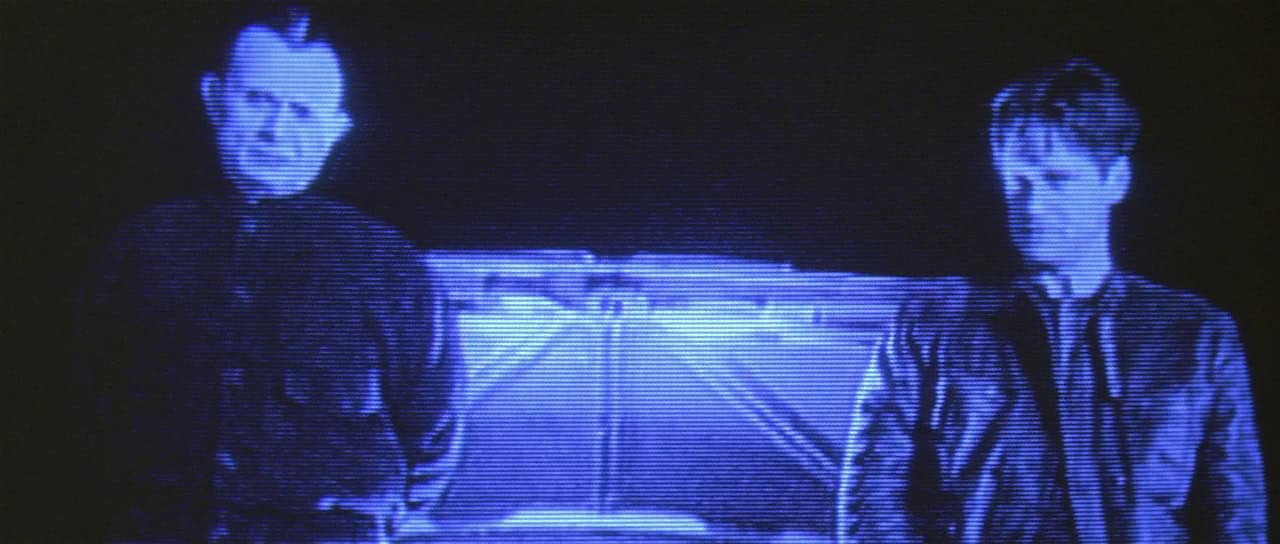
“Lost Highway” hovers around two intersecting stories. The first one regards a jazz musician tortured over the idea of his wife having an affair. The other follows a young mechanic lured into a maze of deceit by a temptress who is cheating on her gangster boyfriend.
Leave it to Lynch to confuse and bewilder. It’s his specialty, and he excels in the position. As such, “Lost Highway” isn’t so much a movie as a hallucinatory journey between disparate lives and conflicts, only connected by the fact that the same person plays the lead actress in both stories. While there are plenty of exciting and disturbing images in the film, it fails to follow any conventional plot or sense of action and subsequent resolution. It’s of the art-house variety, to be sure, which makes for a haunting watch. By proxy, however, the surreal journey leaves little room for a conventional plot.
Cloud Atlas (2012)

Based on the hit novel by David Mitchell, “Cloud Atlas” follows the stories of a group of characters as they reincarnate through different lifetimes. As the movie progresses, it becomes clear that no matter how far in the past or future, all the characters remain connected in a vague, spiritual way.
While there are moments in “Cloud Atlas” that are beautiful, if not breathtaking, it gets confusing very quickly. The stories jump timelines so quickly and without preparation that the film requires your utmost attention to take it all in. There are so many little moments, stories, and conflicts that taking your eyes off the screen for a second will sow confusion. If there was ever a movie in need of some kind of legend or roadmap, it’s “Cloud Atlas.” While the costumes and effects are awe-inspiring, there’s simply too much packed into this movie without rhyme or reason for it to make much sense.
Mother! (2017)
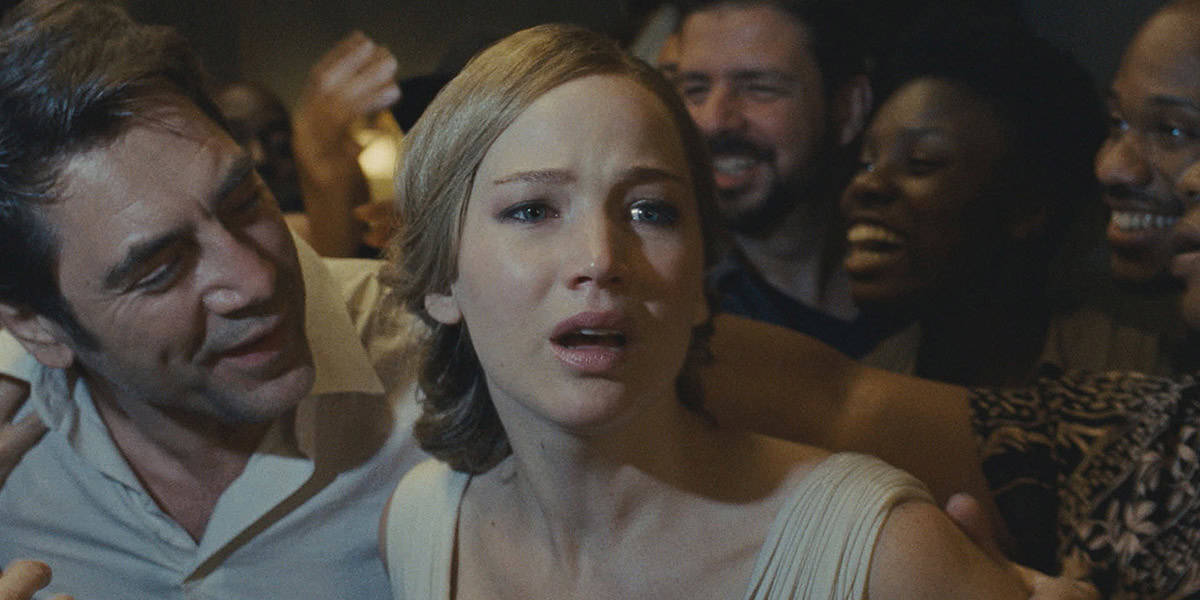
“Mother!” opens with a young woman who spends her days renovating a Victorian home in the countryside where she lives with her writer husband. Soon, a stranger knocks at the door and becomes a permanent, if unwanted, guest in their home. Not long after, the stranger’s family arrives and makes themselves comfortable. The woman becomes increasingly distraught when terror strikes the home, and she’s left wondering why her husband pays attention to the increasing number of guests but not her.
The film functions more on the wavelength of dreams than conventional stories. No doubt, it’s a striking and compelling, if not horrifying, film but it leaves more room for interpretation than clear understanding. While a single viewing gives the sense that it’s an allegory for the Bible and the story of creation, the clarity stops there. Instead, viewers are treated to a rollercoaster of movement, violence, and parable. It’s an impressive experiment in storytelling, but simultaneously it fails to tell much of a story at all.
Mulholland Drive (2001)
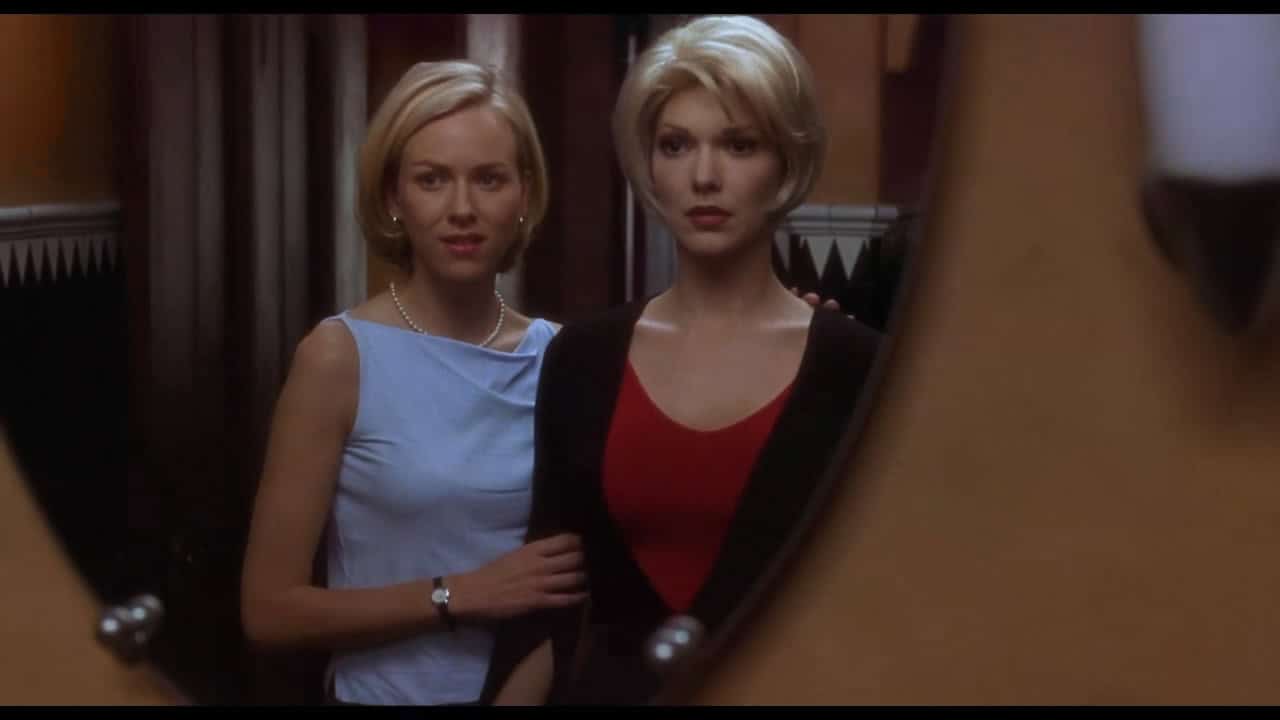
While “Mulholland Drive” provides viewers with plenty of strange, indelible images, it is another one of the movies with plots that make no sense. The film follows a brunette woman after a car crash gives her amnesia. She wanders the streets of Los Angeles in a daze before finding refuge in the apartment of Betty, a cornfed blonde woman who came to LA to pursue her acting dreams. Together, the pair attempt to solve the mystery of the brunette woman’s true identity.
No stranger to the confusing and creepy, director David Lynch pulls out all the stops to make “Mulholland Drive” less of a film than a pastiche of striking visuals. While this doesn’t make the movie bad, per se, it requires an analyst’s mind to fully get to the heart of it. The movie moves less through the plot than in the manner of dreams. That is, it operates through fragments of images, sound, and conflict. It’s a disturbing yet transcendental film, eschewing a linear story for a cavalcade of carefully chosen moments seemingly unrelated to one another. It’s confusing, but there is something there. “Mulholland Drive,” however, may take multiple viewings to get a handle on.
Predestination (2014)
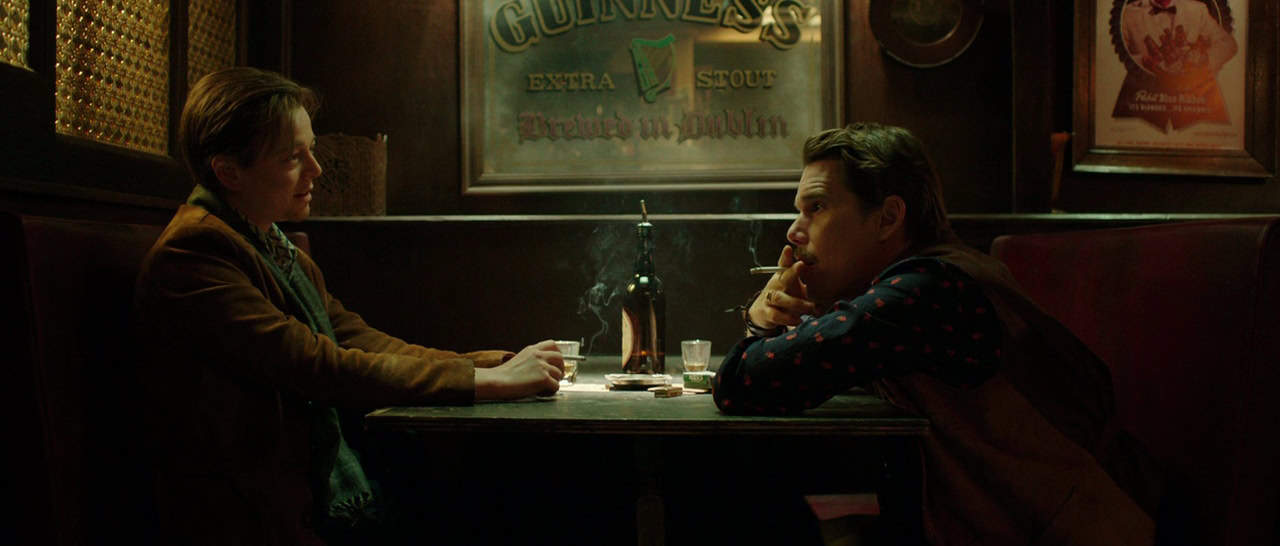
The film follows a special investigator with a specialty in temporal crime-solving. That is, he can move back and forth through time to stop criminals before they commit their heinous deeds. For his final assignment, the agent must travel through time to stop a mysterious criminal from committing an act that kills thousands of people.
Despite bombing at the box office, critics and audiences alike loved this film. It has all the hallmarks of a great cop-crime drama, with the added injection of time travel madness. At the same time, however, the constant jumps in time and by proxy, the character’s motivations and stations in life, make for a confusing whodunit. Ultimately, the film centers around the idea of a paradox. While this makes for an interesting and refreshing thematic approach, paradoxes by nature are confusing and unsolvable. As such, the film may take multiple viewings to get a proper sense of what’s happening.
What makes “Predestination” especially hard to process is the way it keeps folding its story back onto itself. The film is built around identity, causality, and the possibility that a person can be trapped inside a loop they helped create. As more details are revealed, earlier scenes take on new meaning, but they also become more unsettling. Instead of using time travel only as a plot device, the movie turns it into a question about whether anyone in the story truly has free will. That makes the ending memorable, but it also leaves many viewers mentally retracing the entire film to understand how all the pieces fit together.