Quick Take
- Many famous directors have drawn ideas from non-traditional sources, like pulp novels or personal memories.
- Tarantino drew inspiration from Hong Kong cinema, stating, “John Woo was a major hero to me.”
- Victorian gothic literature is inspiration to Guillermo del Toro.
- Christopher Nolan has frequently mentioned his love for Jorge Luis Borges’ writing.
Great filmmakers are often celebrated for their originality, but behind nearly every specific personal style or unforgettable scene lies unexpected inspiration. Many famous directors have drawn ideas from sources outside the traditional, from obscure foreign films and pulp novels to childhood memories, comic books, and even nightmares. These influences don’t diminish their creativity; instead, they reveal how innovation often comes from remixing the familiar in unique, new ways.
In this article, we explore the surprising sources that inspired some of the world’s most famous directors. We uncover the books, movies, artworks, and experiences they’ve openly credited with affecting their work. By taking a look at these creative connections, you’ll gain a deeper appreciation for how cinematic choices are made. Get ready to be reminded that inspiration can come from almost anywhere!
To put this list together, 247 Tempo reviewed several sources, including IMDb, The Guardian, IGN, and other news and film commentary sites.
Wes Anderson

A comic strip, specifically “Peanuts,” was the inspiration for Wes Anderson’s storytelling. Far Out Magazine notes that he weaves themes from the classic comic strip into a large number of his films.
Darren Aronofsky

Aronofsky pulls from multiple inspirations; Jean-Luc Godard remains one of his top motivators, specifically with his film Breathless (1960). This innovative director recognizes the power of movies to transport viewers completely. He’s long been a highly capable independent filmmaker.
Quentin Tarantino
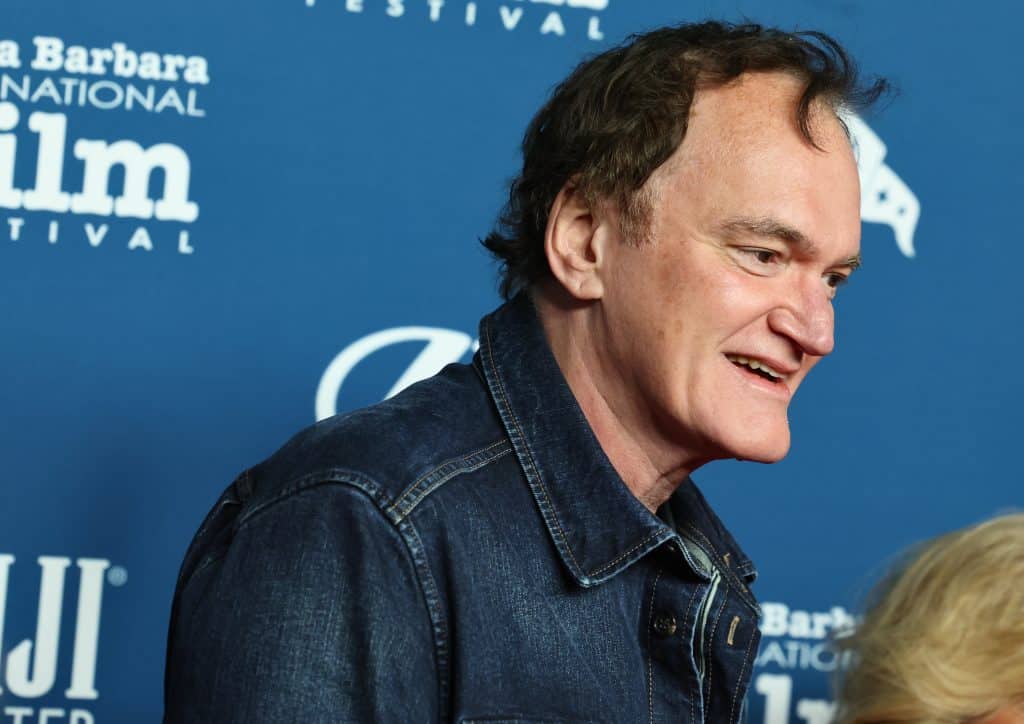
Quentin Tarantino is highly revered, with series like Kill Bill only increasing his fanbase. His inspiration? Hong Kong cinema. He has been quoted in Far Out Magazine, saying, “John Woo was a major hero to me at the time, I was just so influenced by Hong Kong cinema. To this day, I still think it’s the most invigorating cinema that’s made in the world.”
Julia Ducournau

Julia Ducournau doesn’t shy away from a divided audience, stating, “If cinema were a world of statutes, of ready-made answers where we try to elicit agreement, it would be a dead art form. I therefore think that it’s important that it should bubble, and I think that’s why we make films.” She has long been inspired by David Lynch’s The Elephant Man (1980), which humanizes a man who others view as a monster.
Cheryl Dunye

Jim McBride’s David Holzman’s Diary (1967) has been one of the most influential films for Cheryl Dunye. The Film Stage quotes her, saying, “David Holzman’s Diary was one of the turning points, when I realized that Jim McBride was fooling us all, and why.”
Christopher Nolan
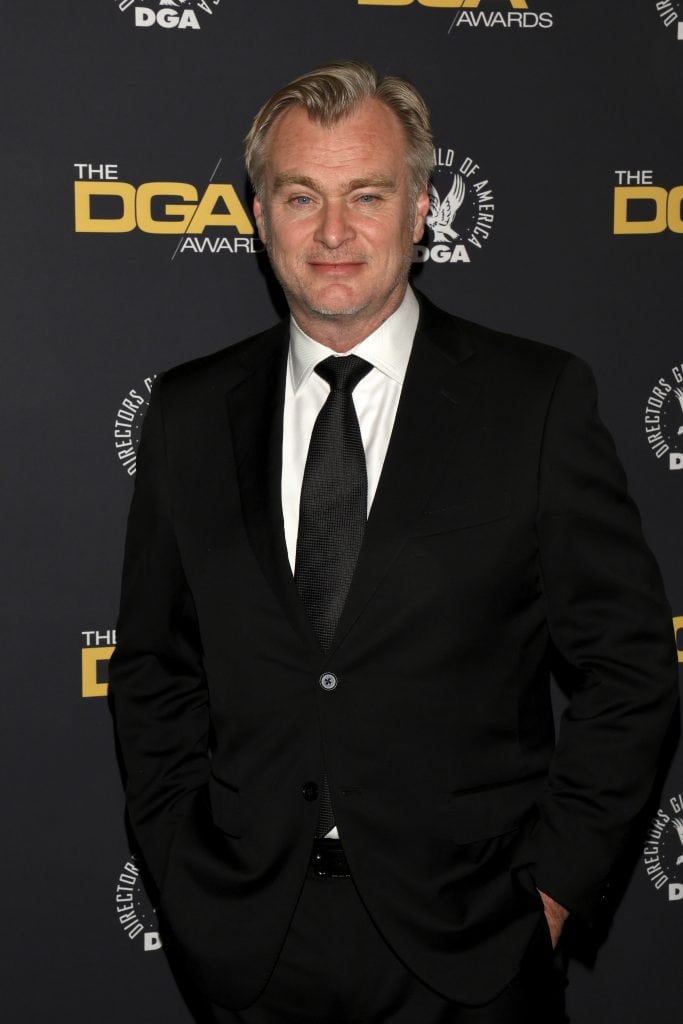
It’s ultimately Jorge Luis Borges’ writing style that inspired Christopher Nolan to create the intricate narratives and maze-like formations of his own work.
Marco Berger

Having grown up in a heteronormative environment, Marco Berger was drawn to create films that highlight repressed desires. The Guardian quotes him, “My films blur boundaries, making some masculine viewers question if they could be gay. That thought alone unsettles many.”
Hayao Miyazaki

He’s one to scoff at AI, because for Hayao Miyazaki, traditional animation has significantly more meaning. It’s the effort humans put forth that makes hand-drawn animation stand out to him more than anything quickly produced by artificial intelligence.
Kevin Macdonald

Footage restored from the past has been a massive influence on Kevin Macdonald, who used exactly that to put together his documentary, One to One: John & Yoko (2024).
Sofia Coppola

When Sofia Coppola debuted The Virgin Suicides (1999), she was heavily influenced by Jeffrey Eugenides’ book, which has inviting prose alongside a somber mood. The Guardian quoted her as she explained her fascination. “It felt like Jeffrey Eugenides, the writer, really understood the experience of being a teenager: the longing, the melancholy, the mystery between boys and girls.”
Baz Luhrmann

Australian director Baz Luhrmann has noted that Italian opera and Bollywood are some of his strongest influences. He’s drawn to theatrical styles, which in turn seep into his films.
Seth Rogen

Seth Rogen only needed to look around at the larger-than-life figures in Hollywood to draw inspiration for his series, The Studio (2025). It’s meant to be satirical and lighthearted, examining some of the industry’s realities.
Guillermo del Toro

Victorian gothic literature draws Guillermo del Toro in, and it’s evident in his film, Crimson Peak (2015), which combines romance and horror. Kelly Robson, Canadian author, has commented extensively on del Toro’s style, stating that he “Loves all gothic romances. Especially mentions Uncle Silas: A Tale of Bartram-Haugh by Joseph Sheridan Le Fanu.”
Ryan Coogler

Ryan Coogler’s influences are many and stem from his interests. His cultural background has played a major role in his style, curating his one-of-a-kind storytelling. IGN quoted him stating, “My favorite thing ever made is Rod Serling’s The Twilight Zone. And my favorite episode of that is an episode called ‘The Last Rites of Jeff Myrtlebank.’”
Uberto Pasolini

Not one to shy away from a radicalized adaptation, Uberto Pasolini created The Return (2024). Instead of inviting fantasy into this retelling, he focused on the range of human emotion and the reality of life post-war.
Jordan Peele

Jordan Peele has managed to weave social commentary into his horror films like Get Out (2017). He has noted that Rod Serling is a major influence. He is clearly reverent of his work, telling the Los Angeles Times, “We’ve tried really hard to stick to that essence and not just copy what Rod did, but copy his instincts, which were to be bold and original and provocative.”
Osgood Perkins

Osgood Perkins was highly specific when he explained what influenced Longlegs (2024). In an interview with Letterboxd, he stated, “If we’re talking about horror movies, it’s not going to be a horror movie.” He notes Silence of the Lambs (1991), A Woman Under the Influence (1974), Bob Dylan, and The Omen (1976).
Greta Gerwig

May Alcott’s Little Women inspired Greta Gerwig, who adapted the novel, honoring its original feel while subtly infusing it with her response to the classic story.
Sean Baker

Sean Baker doesn’t shy away from controversy; rather, he’s drawn to it. Exploitation films have influenced him to focus on the underrepresented, as he has highlighted characters who are usually cast aside and forgotten.
Gerard Johnstone

JOE.ie, a channel on YouTube, shared an interview with director Gerard Johnstone on his influences for the film, M3GAN (2022). Johnstone states, “There are a couple of shots in the film that are directly inspired by Robocop.”