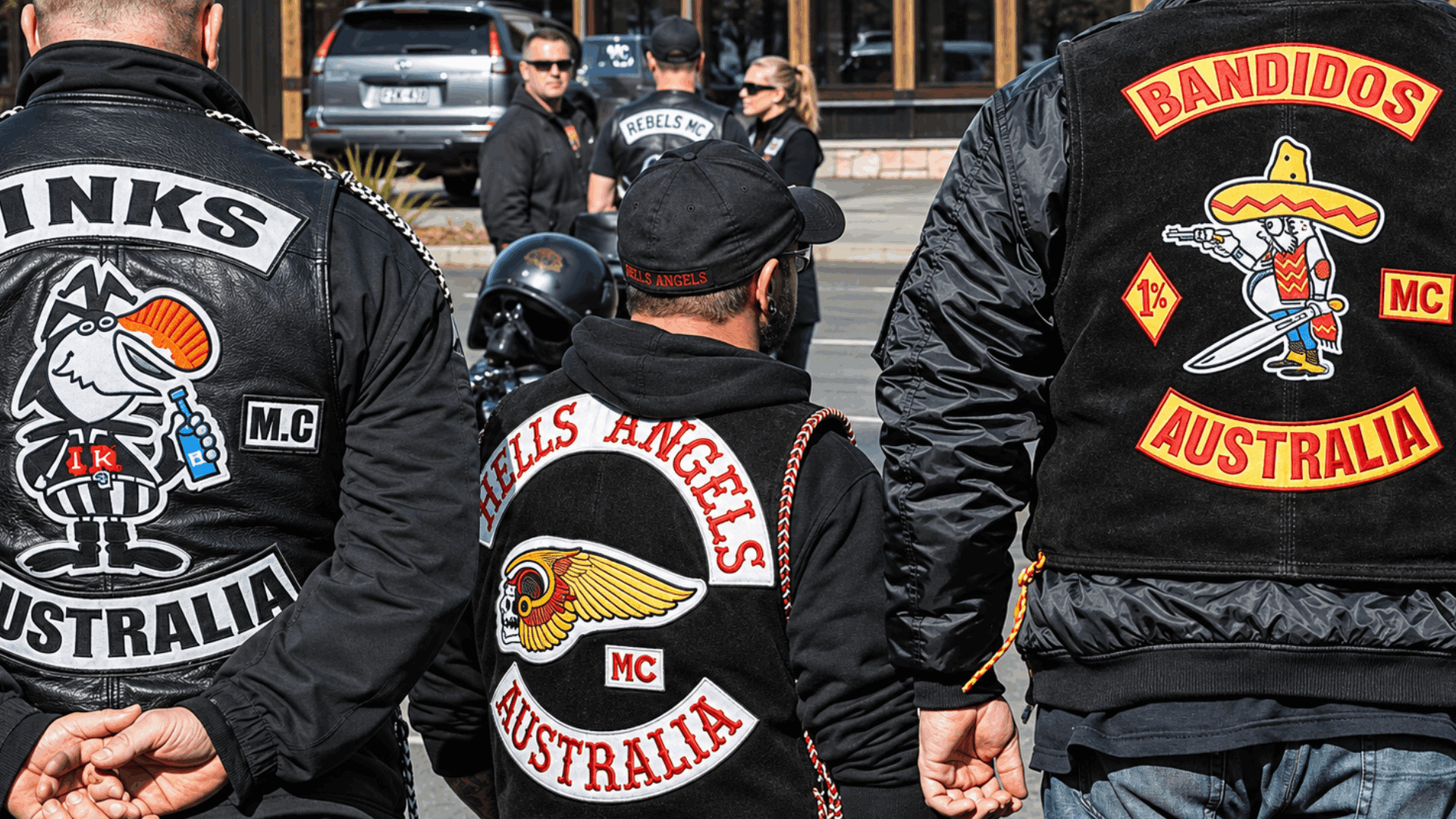
outlaw MC clubs
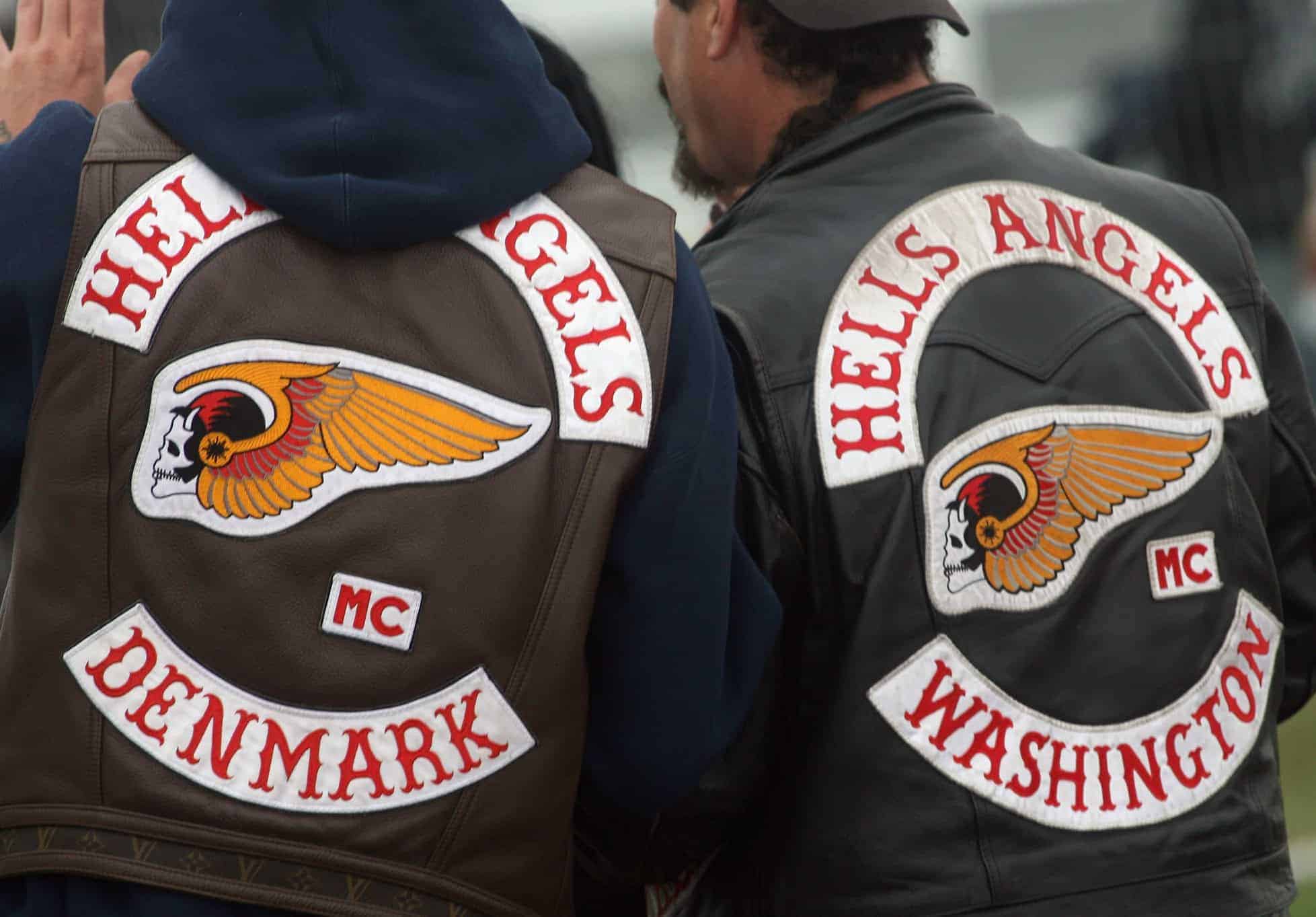
Getty Images / Getty Images News via Getty Images
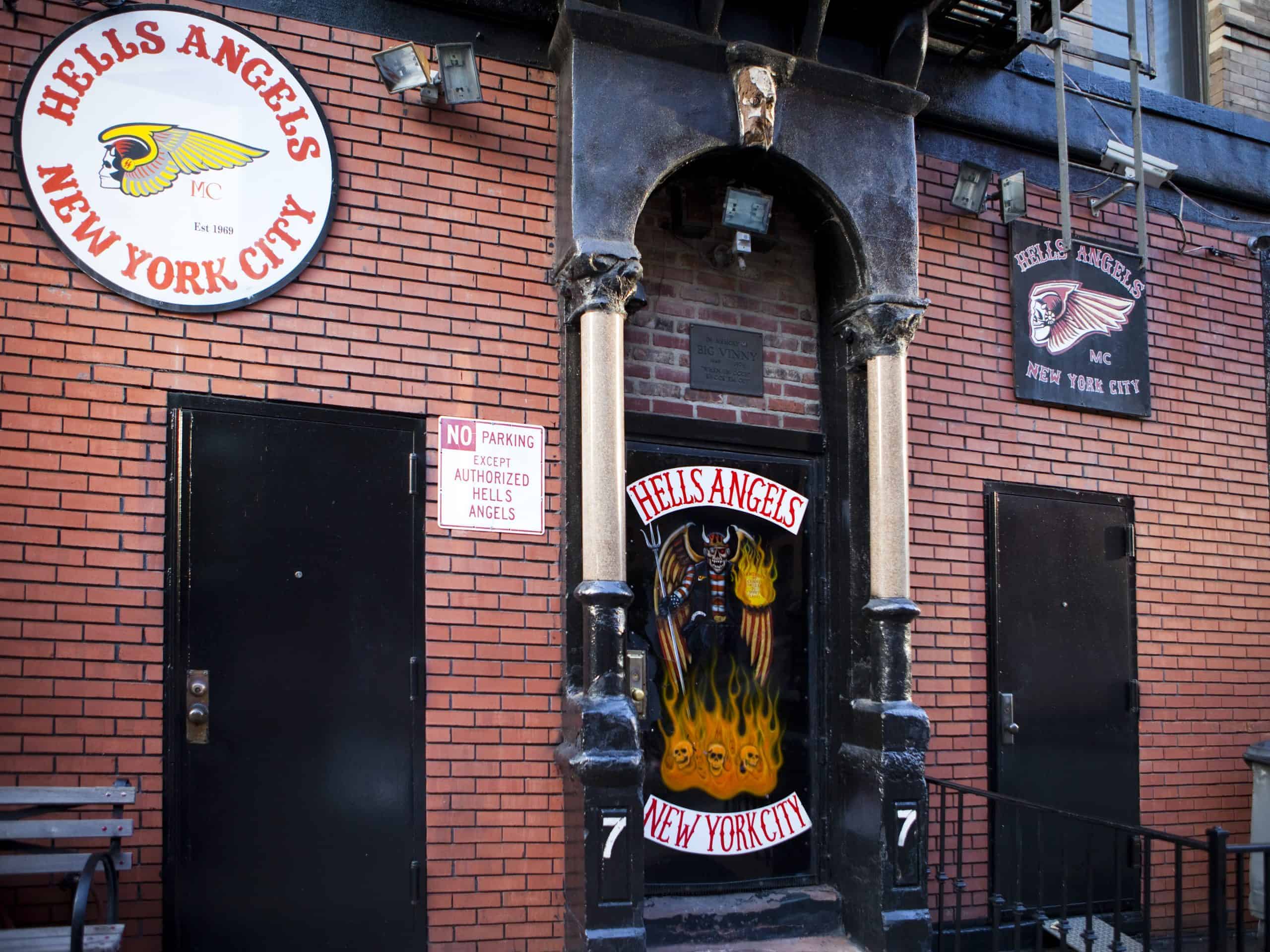
Huw Jones Photography / Lonely Planet RF via Getty Images
breakermaximus / Shutterstock.com
Outlaws MC

Getty Images / Getty Images News via Getty Images
1% MC Clubs
macondo / Shutterstock.com
M-Production / Shutterstock.com

ezphoto / Shutterstock.com
1% MC Clubs
1% MC Clubs
Michael Ciaglo / Getty Images News via Getty Images
Free_styler / Shutterstock.com
biker world
Bukhta Yurii / Shutterstock.com
biker world
Rainer Fuhrmann / Shutterstock.com
biker world
1% MCers
wikimedia







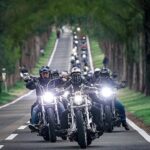
10 Outlaw Motorcycle Clubs and Their Controversial Histories
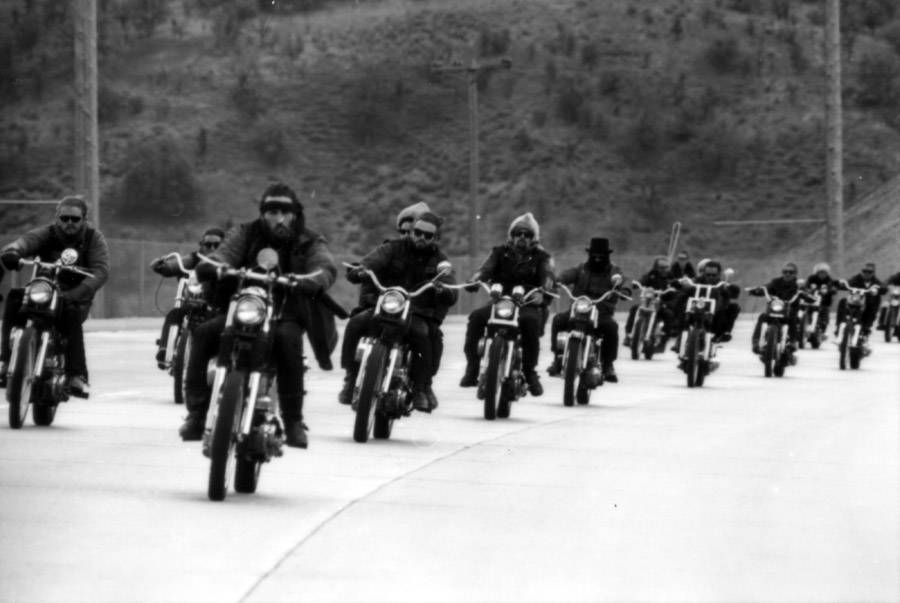
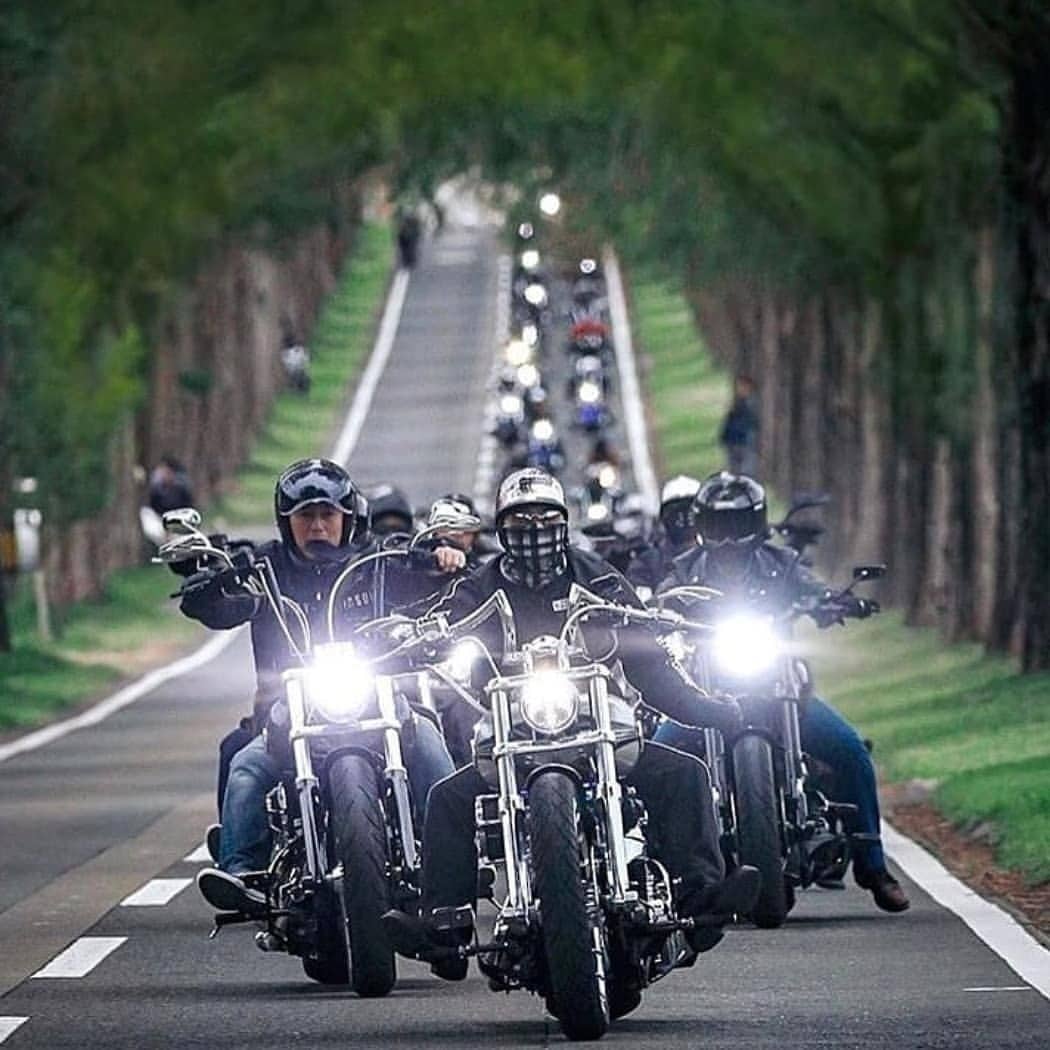
Few subcultures have captured Hollywood's imagination quite like outlaw motorcycle clubs. From "Easy Rider" to "Sons of Anarchy," popular culture has often portrayed outlaw bikers as fiercely independent individuals who value loyalty, brotherhood, and life outside conventional society. The reality, however, is considerably more complicated.
Although outlaw motorcycle culture has roots in clubs that operated outside mainstream motorcycling organizations, the U.S. Department of Justice uses the term outlaw motorcycle gang to describe organizations whose members use their clubs to facilitate criminal activity. That distinction is important, particularly because the overwhelming majority of motorcycle enthusiasts have no connection to organized crime.
Some of these organizations have been around for nearly a century, while others have emerged relatively recently or have been dissolved by authorities. From internationally recognized American motorcycle clubs to lesser-known European organizations, here's a closer look at their histories and the controversies surrounding them.
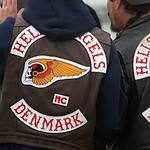
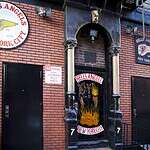
Hells Angels Motorcycle Club
Perhaps no motorcycle club is more recognizable than the Hells Angels. Established in Southern California in 1948, the organization emerged during a period when motorcycles were becoming increasingly popular among returning military veterans. Its association with Harley-Davidson motorcycles and distinctive red-and-white colors eventually became recognizable around the world.
The club expanded internationally during the following decades, establishing a presence across Europe, Australia, Canada, and other regions. It also became the subject of numerous books, documentaries, and movies, including journalist Hunter S. Thompson's famous 1967 account of his experiences with the organization.
Hells Angels (continued)
While the Hells Angels present themselves as a motorcycle organization built around shared interests and camaraderie, law enforcement agencies have documented extensive criminal activity involving certain members and chapters. The U.S. Department of Justice classifies the organization as an outlaw motorcycle gang.
In June 2024, three members received life sentences following federal convictions involving racketeering and murder. In June 2026, two additional Hells Angels members received federal prison sentences after pleading guilty to attempted murder in aid of racketeering. These cases demonstrate the considerable difference between the club's public image and the criminal conduct established in court.
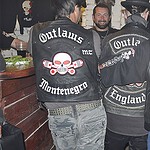
Outlaws Motorcycle Club
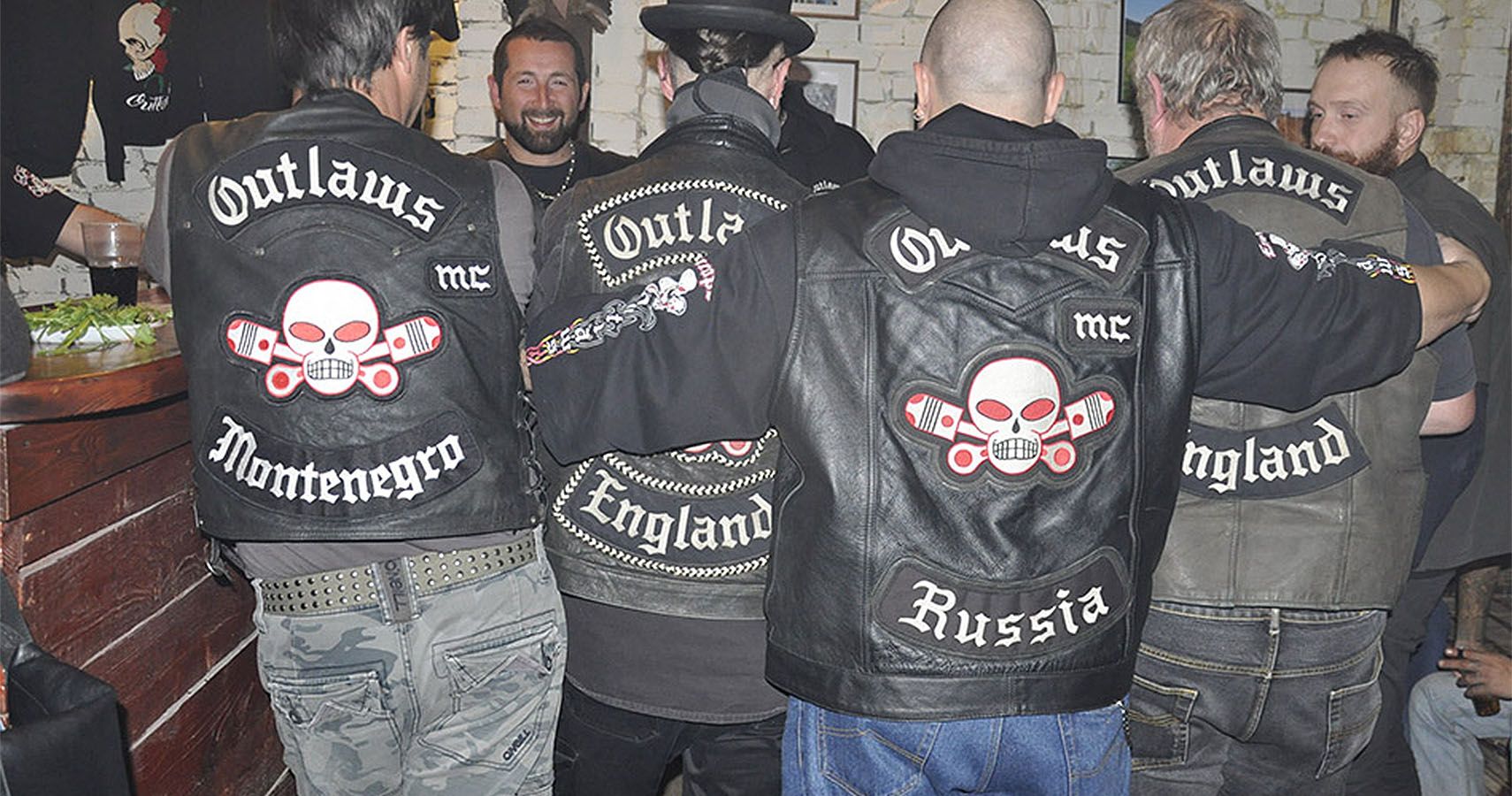
Believe it or not, the Outlaws Motorcycle Club predates the Hells Angels by more than a decade. The organization traces its history to 1935, when a group of motorcycle enthusiasts established a club in McCook, Illinois, just outside Chicago.
According to the organization's history, its activities were limited during World War II before members became more active in the postwar motorcycle scene. The club eventually expanded well beyond the Chicago area, establishing chapters throughout the United States and overseas. Also known as the American Outlaws Association, it remains one of the longest-established organizations associated with outlaw motorcycle culture.
Outlaws Motorcycle Club (continued)
The Outlaws have a longstanding rivalry with the Hells Angels, and disputes involving members of the two organizations have resulted in criminal investigations and prosecutions over the years. Federal authorities have also associated Outlaws members with racketeering, drug trafficking, extortion, and other offenses.
One of the organization's most significant legal cases involved former international president Harry Joseph Bowman, who received a life sentence following convictions on federal racketeering and other serious criminal charges. His convictions were upheld on appeal in 2002. The federal courthouse in Tampa has also been the setting for several major criminal trials involving members of the organization.
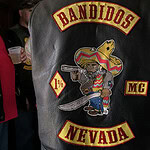
Bandidos Motorcycle Club
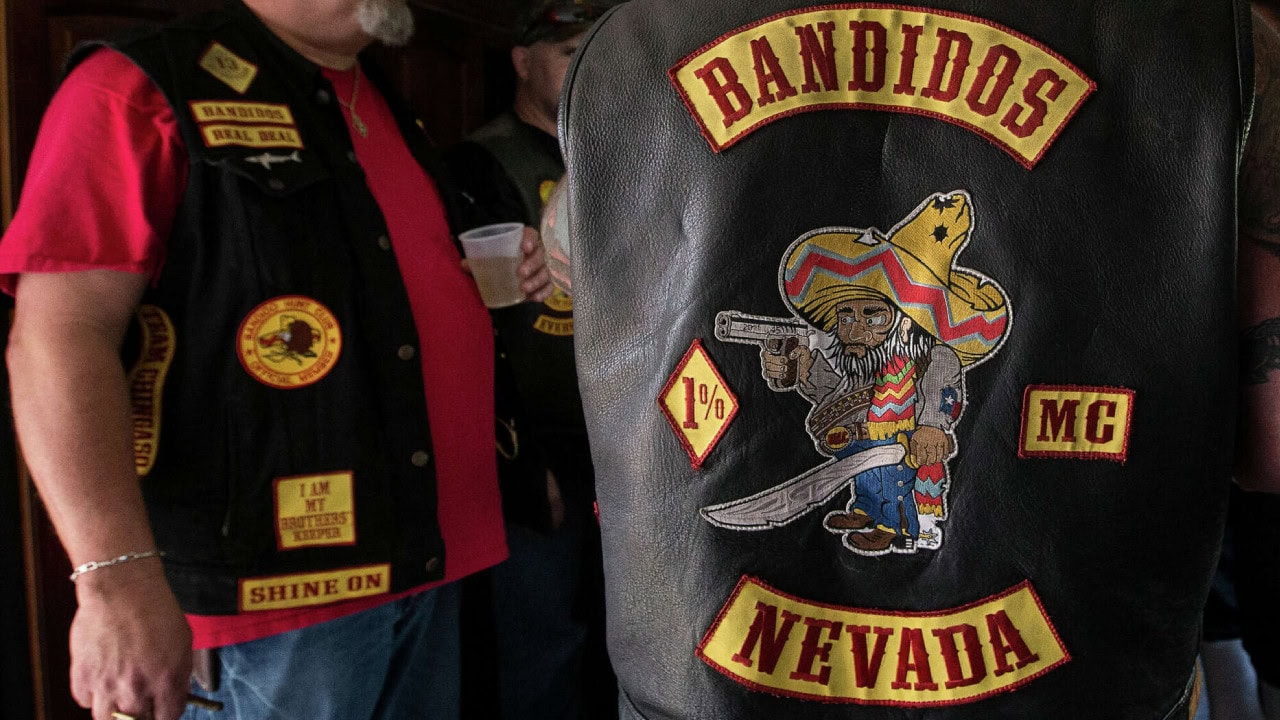
Founded in San Leon, Texas, in 1966, the Bandidos eventually developed into an international motorcycle organization with a presence extending well beyond its American origins. Its distinctive red-and-gold colors have become familiar throughout the outlaw motorcycle community.
The Bandidos are among the organizations associated with the one-percenter designation. The expression is commonly traced to a disputed statement attributed to the American Motorcyclist Association following a 1947 motorcycle gathering in Hollister, California. Although the association has denied making the famous statement about 99% of motorcyclists being law-abiding, the terminology became deeply embedded in biker culture.
Bandidos Motorcycle Club (continued)
The Bandidos have been the subject of numerous organized crime investigations, particularly in Texas. In 2018, the organization's former national president and national vice president received life sentences following federal convictions involving racketeering and other serious offenses.
In February 2025, federal prosecutors announced another indictment involving 14 members and associates of the organization. The allegations included racketeering, violent crimes, and narcotics distribution. While those charges represent allegations rather than convictions, the earlier cases establish why the organization has remained a significant concern for American law enforcement agencies.
Pagan's Motorcycle Club
While several of America's best-known outlaw motorcycle clubs originated in California or the Midwest, the Pagans emerged on the East Coast. According to the New Jersey State Commission of Investigation, the organization was established in Prince George's County, Maryland, in 1959 by a relatively small group of motorcycle enthusiasts.
During the 1960s, the organization adopted a more formal structure and expanded into neighboring states. It subsequently became particularly prominent throughout the Mid-Atlantic region, where its presence contributed to longstanding tensions with other outlaw motorcycle organizations, including the Hells Angels.
Pagan's Motorcycle Club (continued)
A 2020 investigation by New Jersey authorities documented a substantial expansion of the Pagans and an accompanying increase in violent incidents. Investigators noted that some victims had no connection whatsoever to motorcycle clubs, highlighting the broader public safety consequences of these disputes.
The organization has continued to attract federal law enforcement attention. In October 2026, two former Pagans members were convicted in federal court in Missouri for offenses connected to violent assaults targeting members of rival motorcycle clubs. Several other individuals associated with the organization received federal prison sentences in related proceedings during 2026.
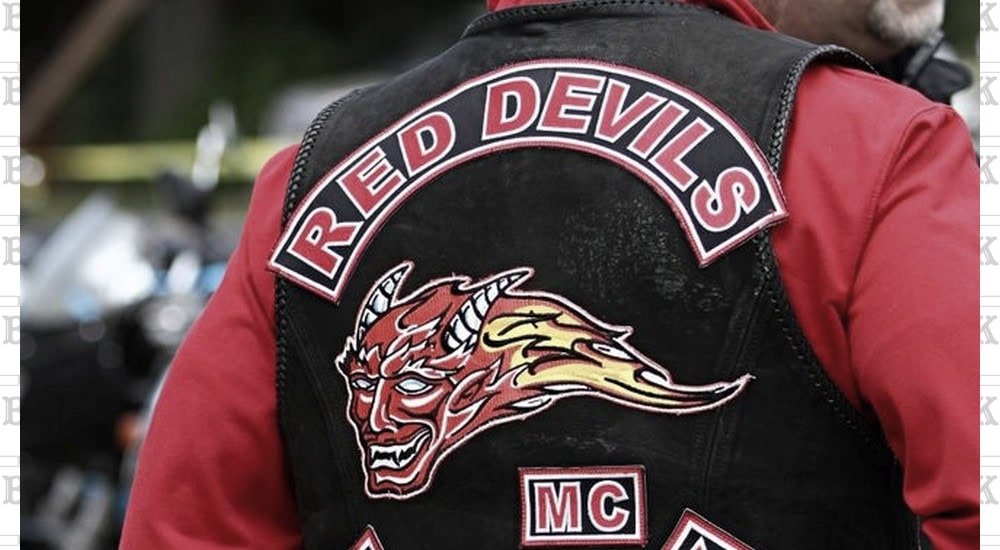
Red Devils Motorcycle Club
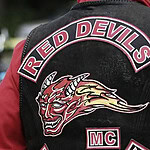
Not every motorcycle organization associated with outlaw biker culture operates independently of the larger international clubs. Some maintain formal affiliations with more established organizations. The Red Devils Motorcycle Club, established in Sweden in 2001, is a prominent example.
Academic research examining Swedish motorcycle clubs identifies the Red Devils as an organization affiliated with the Hells Angels. The group subsequently developed an international presence. Despite the shared name, it should not be confused with an older Canadian motorcycle organization also known as the Red Devils.
Red Devils Motorcycle Club (continued)
The Red Devils' association with the Hells Angels has attracted considerable attention from law enforcement agencies. In Germany, authorities prohibited certain local Red Devils organizations as part of broader enforcement actions involving outlaw motorcycle clubs.
In October 2024, the U.S. Department of Justice announced federal charges against 16 members of the Hells Angels and Red Devils in North Carolina. Prosecutors alleged that the defendants participated in a criminal enterprise responsible for serious violent offenses. The department identified the Red Devils as the principal nationwide support club of the Hells Angels in the United States.
Chicanos Motorcycle Club
Despite its distinctly American-sounding name, the Chicanos Motorcycle Club originated in Germany during the early 2000s. German government records identify the organization as a support club associated with the Bandidos, illustrating how American outlaw motorcycle culture developed an extensive following overseas.
The Chicanos have been associated with motorcycle club activity in several European countries. However, reliable information concerning their current international membership and the number of active chapters is relatively limited. Much of the available documentation concerns historical law enforcement investigations in Germany.
Chicanos Motorcycle Club (continued)
German authorities have taken several significant legal actions against local Chicanos organizations. Government records show that the Barnim chapter was banned in August 2009. Additional prohibitions followed in 2012, affecting chapters in Aachen, Alsdorf, and Duren.
Germany subsequently strengthened its laws governing the public display of insignia associated with prohibited organizations. These measures demonstrate how governments outside the United States have approached outlaw motorcycle clubs through association laws and organizational restrictions, in addition to conventional criminal prosecutions. Restrictions against particular chapters should not automatically be interpreted as worldwide bans.
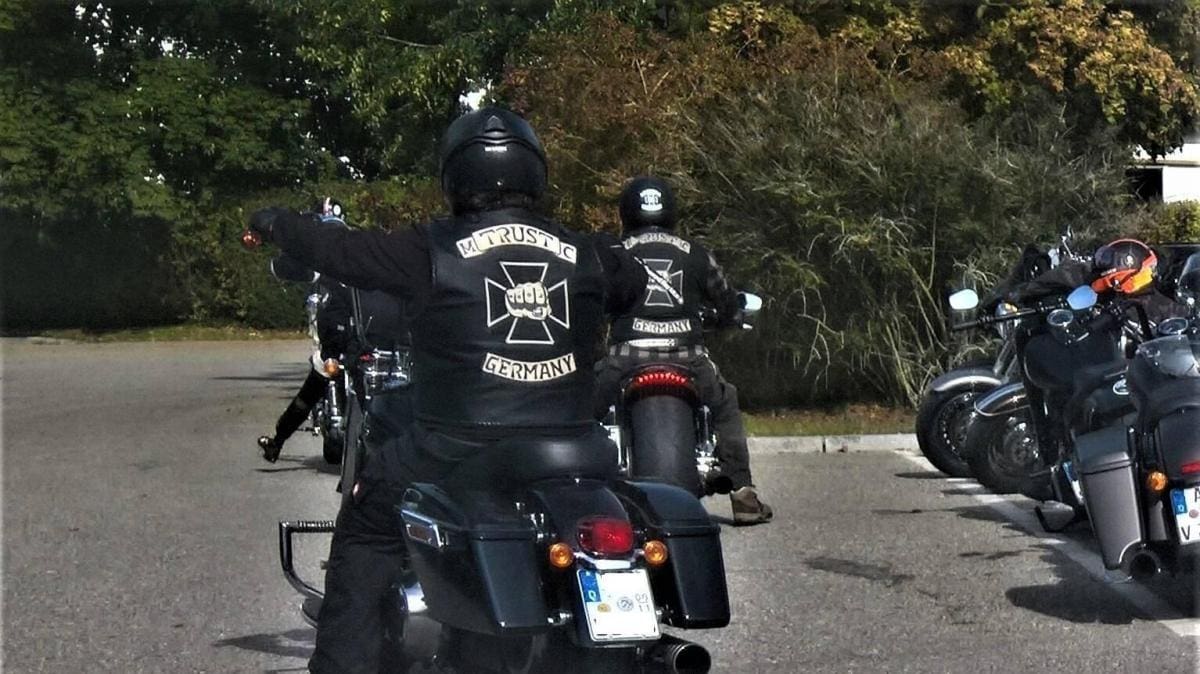
Trust Motorcycle Club
Germany has developed a substantial motorcycle club culture of its own. Among its more established organizations is Trust Motorcycle Club, which was formed in 1984 through the consolidation of several existing motorcycle clubs.
The organization developed a particularly strong presence in Bavaria. According to information provided by the Bavarian government in 2024, Trust MC had approximately 230 members distributed across 38 chapters within Bavaria at the end of 2023. Although those figures represent a historical estimate rather than a current membership count, they illustrate the organization's regional significance.
Trust Motorcycle Club (continued)
Bavarian authorities categorize Trust MC within the broader outlaw motorcycle gang environment. However, that designation should not be confused with a criminal conviction against the entire organization or its individual members.
In a 2024 parliamentary response concerning potential connections to right-wing extremist groups, Bavaria's Interior Ministry reported that it had no evidence of structural cooperation between Trust MC and such organizations. Authorities acknowledged isolated offenses involving individual members but found no systematic infiltration by right-wing extremists. The distinction is an important one when discussing organizations whose activities receive law enforcement scrutiny.
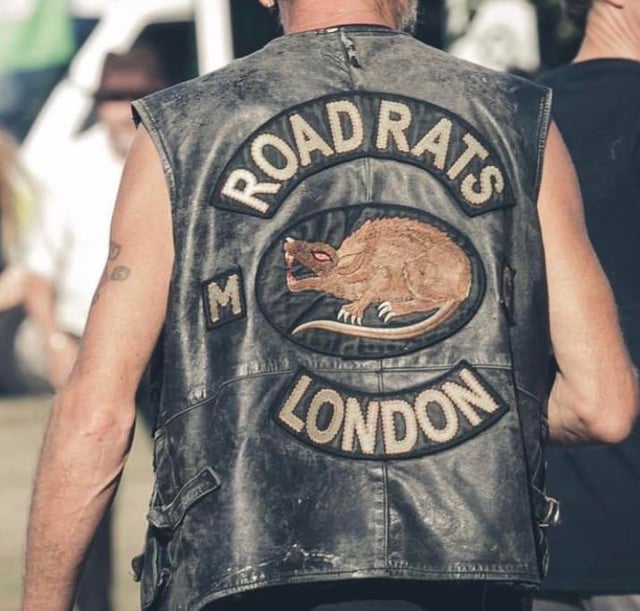
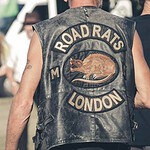
Road Rats Motorcycle Club
Although outlaw motorcycle culture is frequently associated with the United States, Britain developed its own distinctive biker scene during the latter half of the 20th century. Among the organizations that emerged during this period was the Road Rats Motorcycle Club, which traces its history to London in the 1960s.
Unlike the enormous international organizations featured elsewhere on this list, the Road Rats historically maintained a considerably more localized identity. Their history reflects the development of British motorcycle culture during an era when motorcycles, rock music, and various youth subcultures were becoming increasingly intertwined.
Road Rats Motorcycle Club (continued)
Historical research into Britain's motorcycle subculture documents a turbulent relationship between the Road Rats and several other motorcycle organizations, including the Hells Angels. Disputes and violent confrontations involving rival clubs contributed to the group's reputation during the 1970s and 1980s.
Reliable contemporary information regarding the organization's membership and activities is considerably more difficult to establish. British corporate records show that a company registered under the Road Rats Motorcycle Club London name was dissolved in 2010, although that does not necessarily establish that the motorcycle club itself ceased operating.
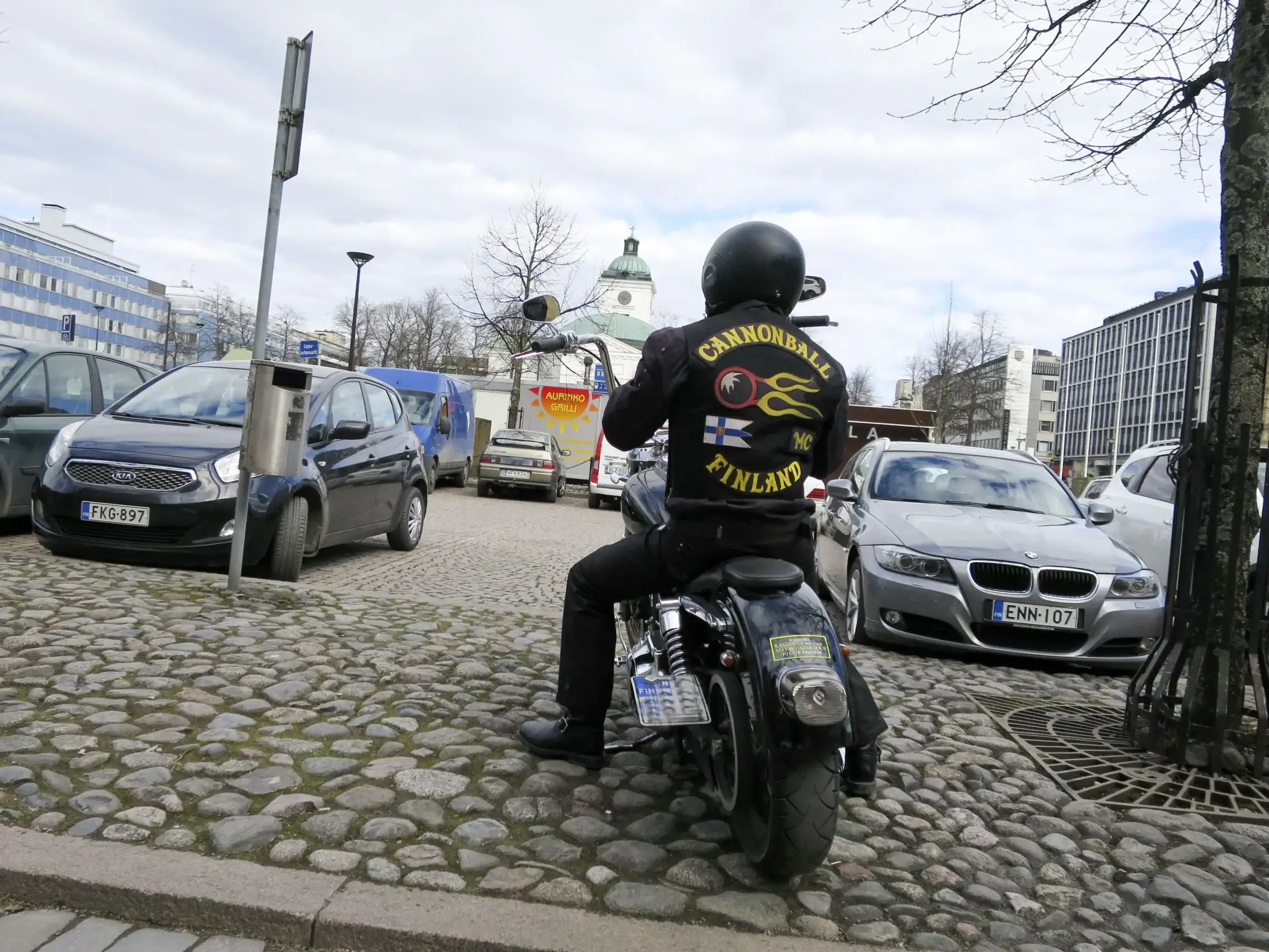
Cannonball Motorcycle Club
Established in Helsinki in 1991, Cannonball Motorcycle Club became one of Finland's best-known homegrown outlaw motorcycle organizations. Unlike many European clubs that originated as international chapters of American organizations, Cannonball developed its own identity within Finland.
During its early years, the organization maintained an affiliation with the Hells Angels before becoming independent in 1996. Over the following decades, Finnish authorities investigated members in connection with aggravated assaults, narcotics offenses, and financial crimes. Internal disagreements and organizational changes also complicated its history.
Cannonball Motorcycle Club (continued)
Cannonball's history took a particularly significant turn in June 2022, when a Finnish district court ordered the organization and its affiliated group, Squad 32, dissolved. The ruling made Cannonball the first motorcycle gang in Finland to be abolished through a court order.
The decision became legally binding in January 2023 after Finland's Supreme Court declined to hear an appeal. Later that year, Finnish authorities announced investigations into suspected criminal activity involving former Cannonball members. The case demonstrates one of the challenges authorities face when dissolving criminal organizations: legally abolishing a group does not necessarily end the activities of its former members.
Aryan Nations Sadistic Souls
Unlike several of the other organizations featured here, Sadistic Souls was explicitly associated with white supremacist extremism. Emerging in the United States during the early 2010s, the organization became affiliated with Aryan Nations, a neo-Nazi movement with a lengthy history of promoting racial hatred.
The Anti-Defamation League identified Sadistic Souls as a relatively small white supremacist motorcycle gang that historically operated primarily in the Midwest. Its ideological affiliations distinguished it from motorcycle organizations whose identities were primarily centered on motorcycling, club loyalty, and opposition to mainstream social conventions.
Aryan Nations Sadistic Souls (continued)
The Anti-Defamation League now categorizes Sadistic Souls as a legacy organization, indicating that the group is no longer considered active. Although symbols associated with defunct extremist organizations can remain in circulation, their appearance does not necessarily establish the continued existence of the original group.
The organization's history illustrates how extremist movements have sometimes adopted elements of motorcycle culture to establish a collective identity. However, its explicitly racist ideology should not be viewed as representative of motorcycle enthusiasts generally, or automatically attributed to members of unrelated motorcycle clubs.