1% MC Clubs

Getty Images / Getty Images News via Getty Images
1% MC Clubs

ezphoto / Shutterstock.com
1% MC Clubs

macondo / Shutterstock.com
1% MC Clubs

Rainer Fuhrmann / Shutterstock.com
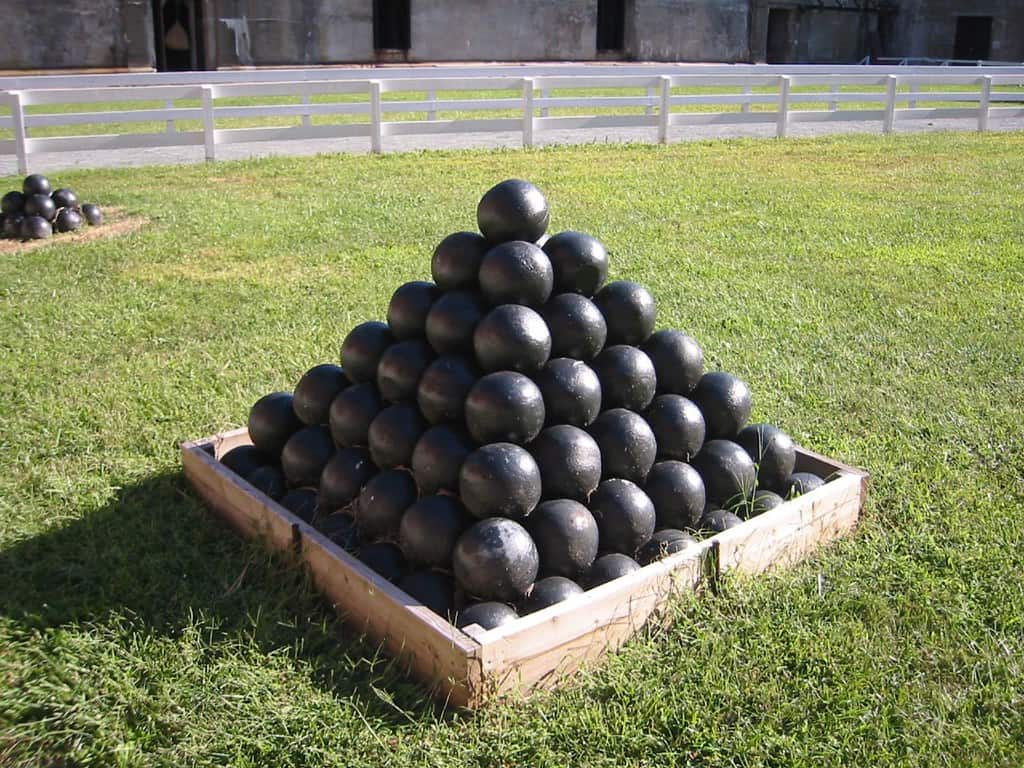
"Cannon ball pyramid" by WorldIslandInfo.com is licensed under BY 2.0.

Getty Images / Getty Images News via Getty Images

Huw Jones Photography / Lonely Planet RF via Getty Images

jashlock / E+ via Getty Images
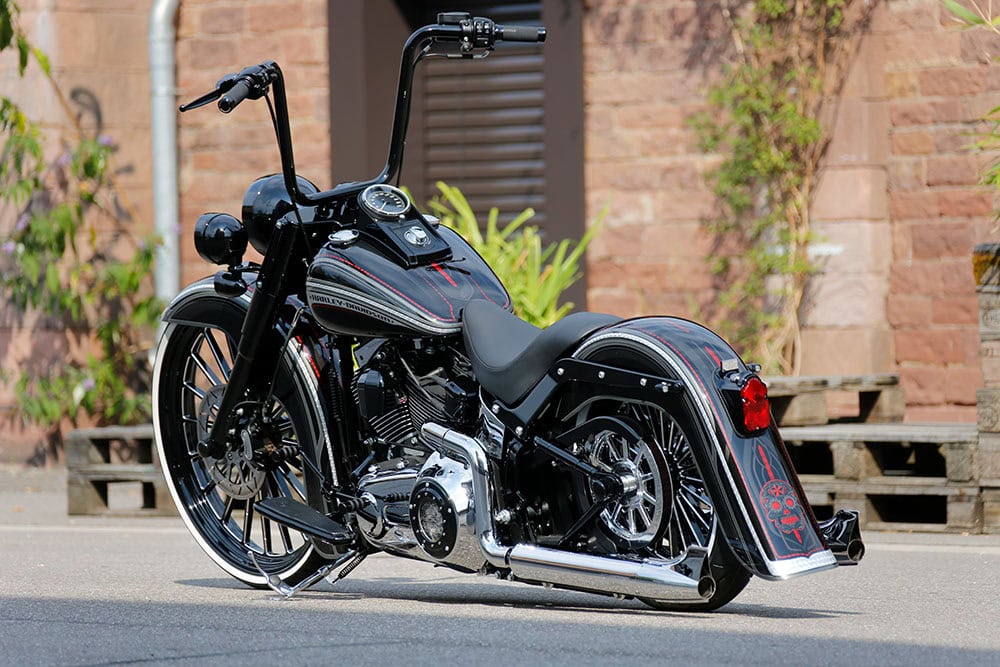
1% MC Clubs

breakermaximus / Shutterstock.com
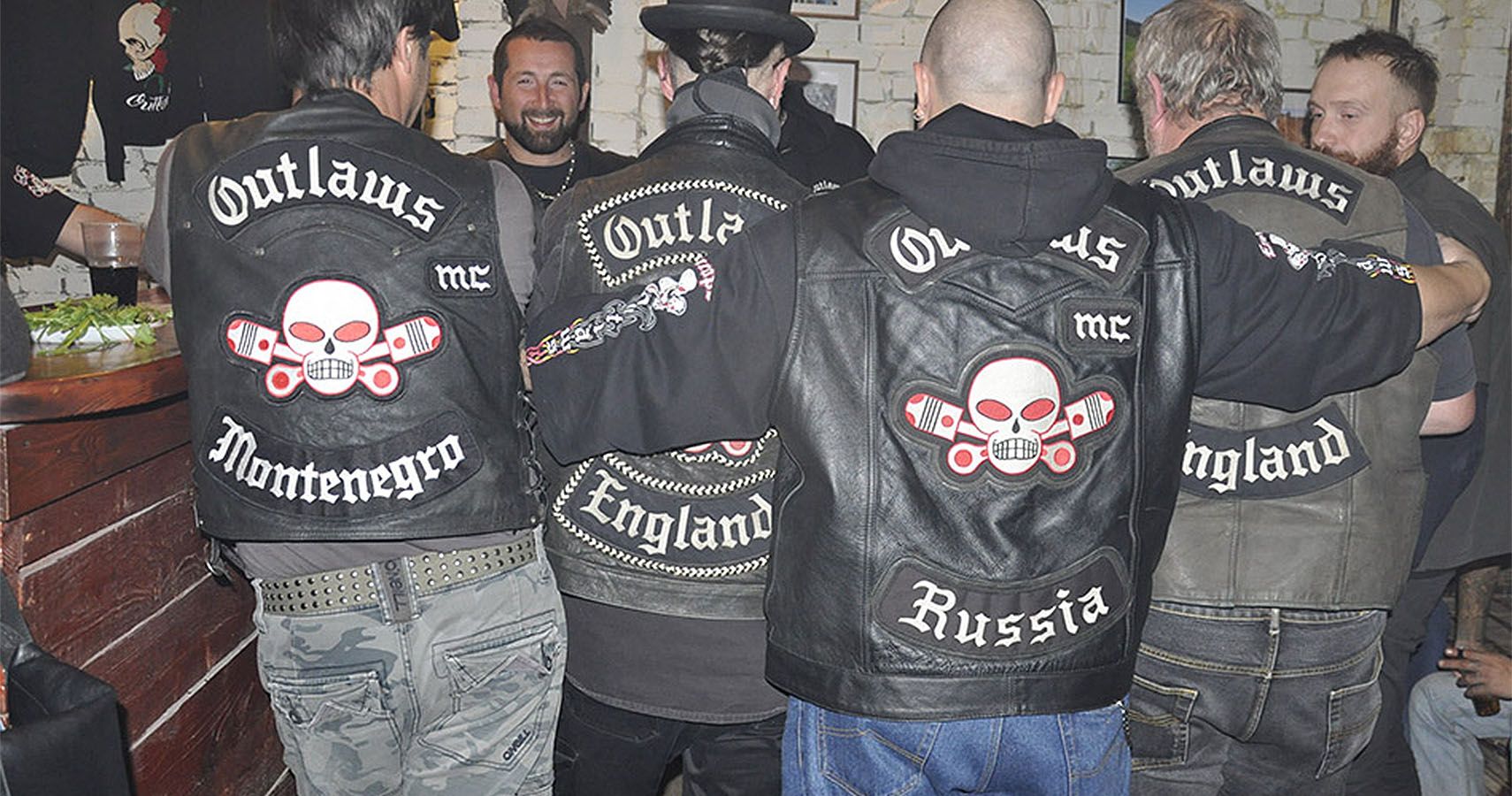
Outlaws MC

Free_styler / Shutterstock.com
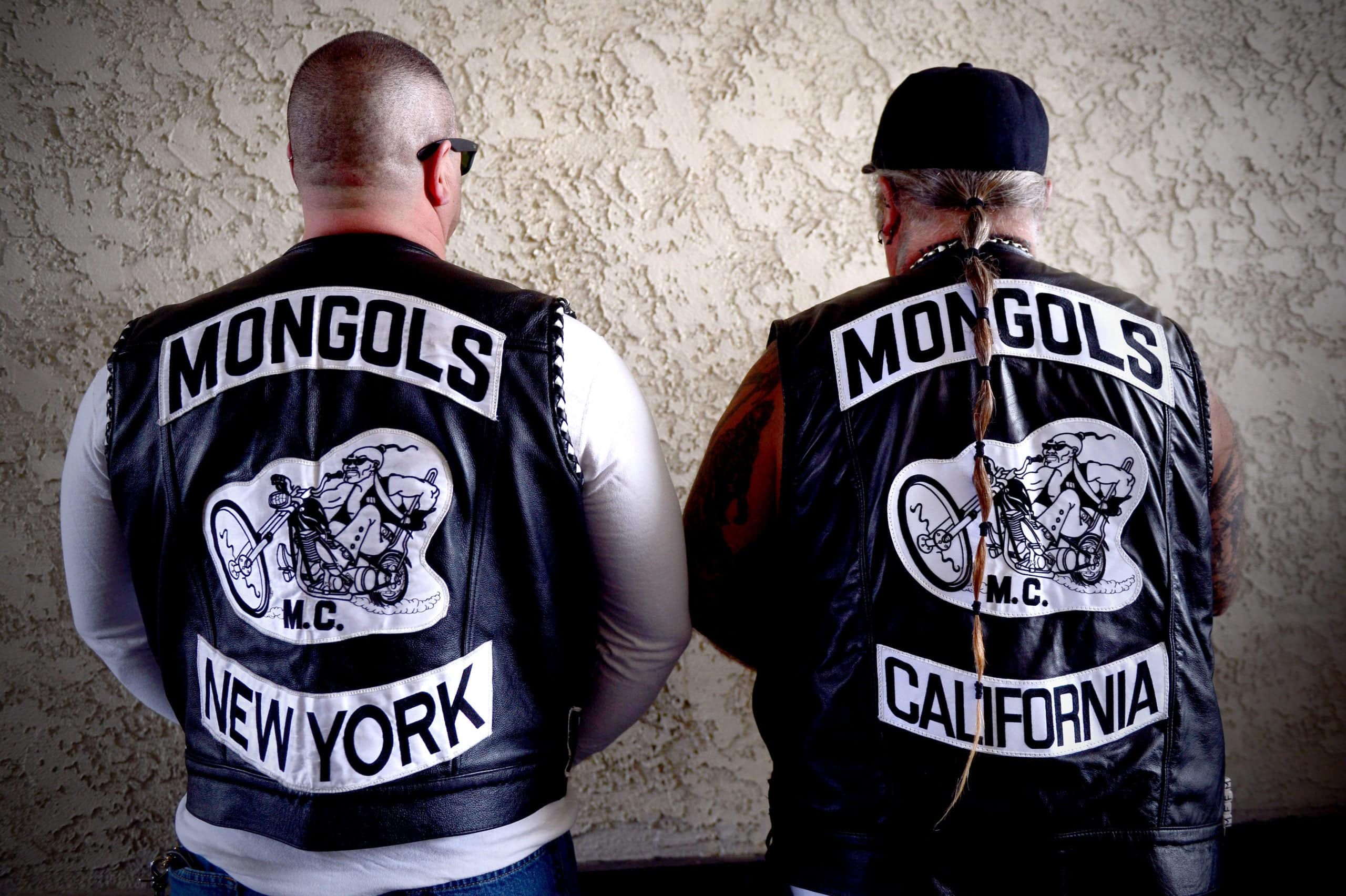
wikimedia

Bukhta Yurii / Shutterstock.com
Vagos MC

M-Production / Shutterstock.com
wikimedia










10 Notorious Outlaw Motorcycle Clubs Around the World
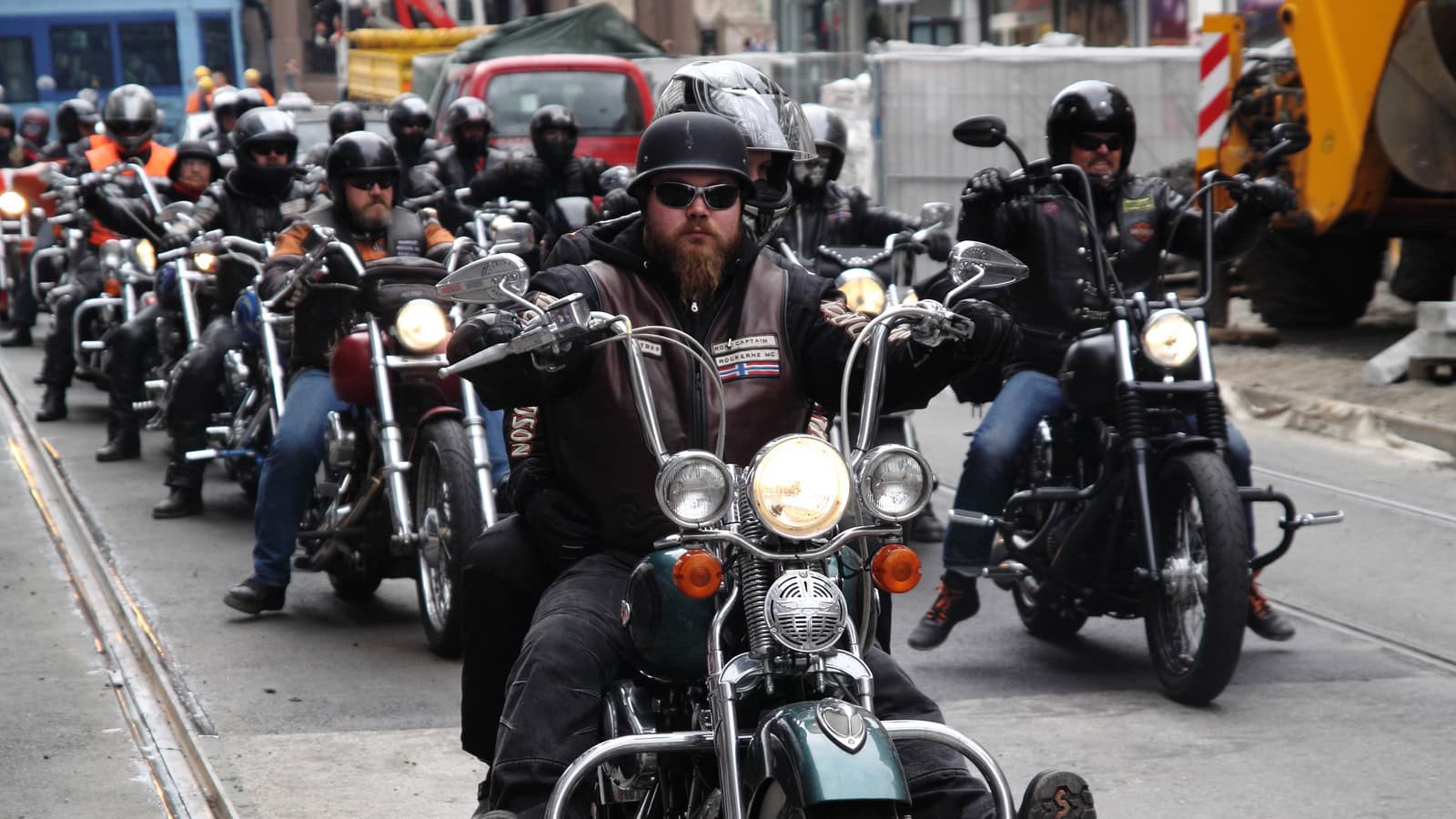
Motorcycle clubs have existed almost as long as motorcycles themselves, but a smaller subset developed identities far outside mainstream riding culture. U.S. law enforcement uses the term "outlaw motorcycle gang" for organizations it says use motorcycle clubs as conduits for criminal enterprises. That does not mean every person who belongs to one of these organizations has committed a crime, and allegations against individual members should not automatically be applied to everyone wearing the same patch. Still, some clubs have repeatedly appeared in organized-crime investigations, major prosecutions, violent rivalries, and international law-enforcement operations. These are 10 of the most notorious names associated with the outlaw motorcycle world.
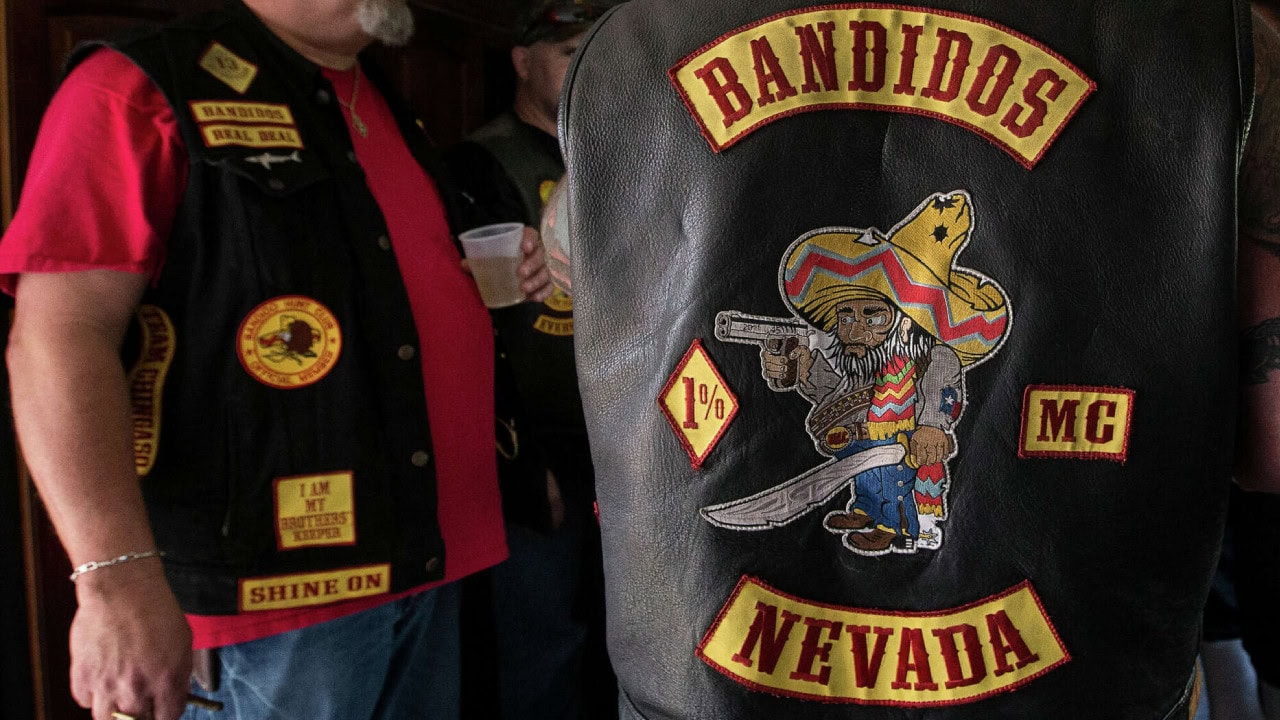
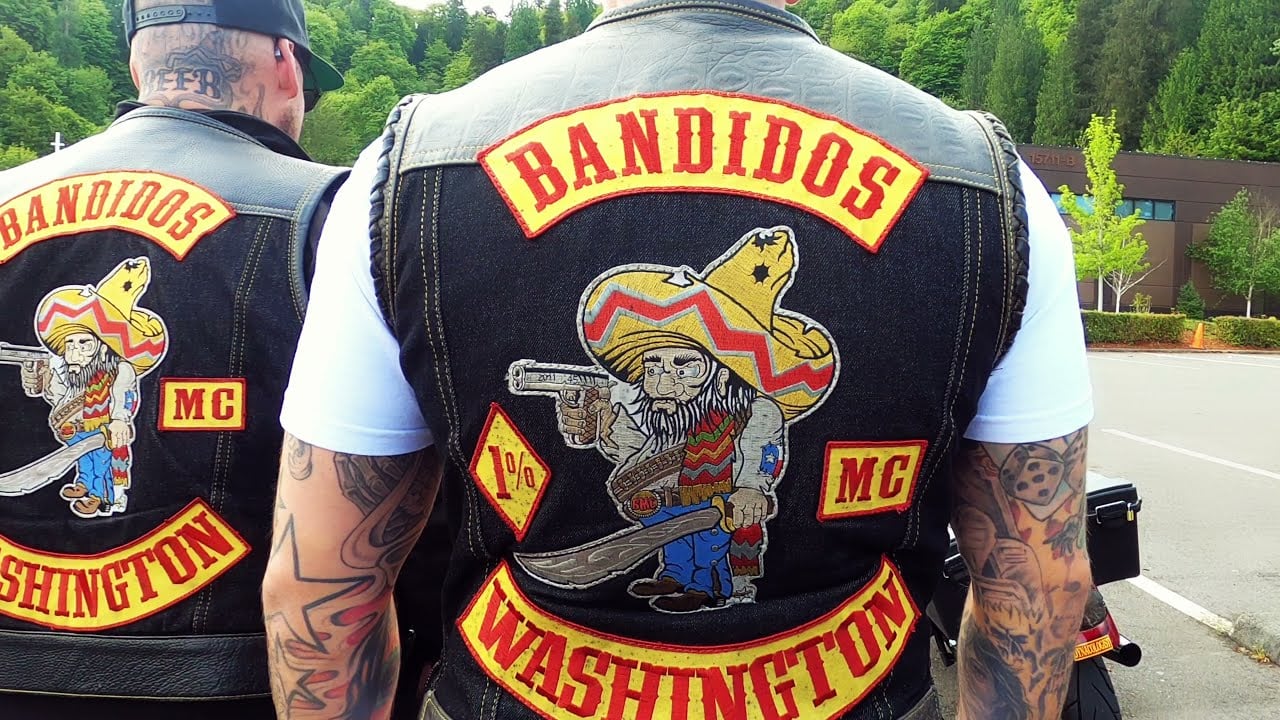
Bandidos Motorcycle Club
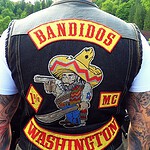
The Bandidos Motorcycle Club began in Texas in 1966 and eventually expanded far beyond the United States. Federal prosecutors described the organization in a 2025 case as a transnational outlaw motorcycle gang with an estimated 1,500 to 2,000 members in the United States and another 1,000 to 1,500 internationally, including members in Mexico.
Bandidos MC (continued)
The club remains the subject of major federal investigations. In February 2025, the Justice Department announced racketeering and violent-crime charges against 14 alleged Bandidos members and associates in the Houston area. The indictment included allegations involving murder, attempted murder, robbery, arson, narcotics distribution, and witness intimidation. Those charges concerned specific defendants and allegations rather than every member of the larger organization.
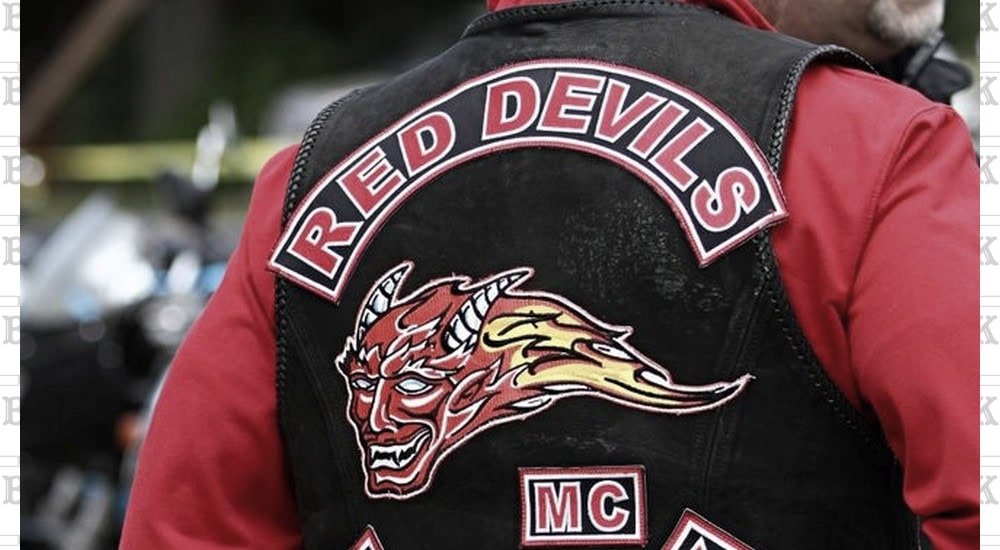
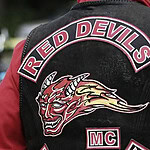
Red Devils Motorcycle Club
The Red Devils Motorcycle Club has expanded internationally since emerging in Sweden in the early 2000s, but its most important connection is to the Hells Angels. The U.S. Justice Department described the Red Devils in a 2024 federal indictment as the Hells Angels' primary nationwide support club in the United States.
Red Devils Motorcycle Club (continued)
That relationship has also appeared in recent criminal cases. Federal prosecutors charged members of both organizations in North Carolina with crimes tied to an alleged racketeering enterprise involving violence against rival clubs. By June 2026, two Hells Angels members from the investigation had been sentenced after pleading guilty to attempted murder in aid of racketeering. Again, those convictions establish the conduct of the defendants involved, not automatic criminal liability for every Red Devils member.
Pagans Motorcycle Club
The Pagans Motorcycle Club traces its roots to Prince George's County, Maryland, in the late 1950s and developed into one of the best-known outlaw motorcycle organizations in the eastern United States. Federal authorities have repeatedly identified the Pagans in organized-crime and violent-crime investigations, including conflicts involving other large motorcycle clubs.
Pagans Motorcycle Club (continued)
The club has continued appearing in federal prosecutions well into the 2020s. During 2025 and 2026, several current or former Pagans members pleaded guilty or were sentenced in Missouri cases involving assaults against rival motorcycle-club members. One former member received a 10-year federal sentence in May 2026 for his role in an armed assault that left a rival member with multiple gunshot wounds.
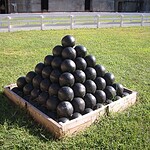
Cannonball MC
Finland's Cannonball MC is unusual on this list because authorities succeeded in legally dissolving the organization. Founded in Helsinki in 1991, Cannonball grew into one of Finland's most prominent outlaw motorcycle groups and was characterized by Finnish authorities as an organized-crime group.
Cannonball MC (continued)
A Finnish district court ordered Cannonball MC and its Squad 32 branch dissolved in 2022. That decision became legally binding in January 2023 after Finland's Supreme Court declined to hear an appeal. The story did not completely end there. Later in 2023, Finnish police said former members were suspected in investigations involving robberies, aggravated extortion attempts, and serious drug offenses, raising allegations that criminal activity associated with the former organization had continued after the ban.
Hells Angels Motorcycle Club
Few motorcycle-club names are as recognizable as the Hells Angels. The club emerged in California after World War II and eventually established chapters around the world. Its name and winged-skull insignia became symbols of outlaw-biker culture, while law-enforcement agencies in multiple countries have investigated Hells Angels members in cases involving organized crime and violence.
Hells Angels Motorcycle Club (continued)
The organization is hardly just a historical entry. In June 2026, the U.S. Justice Department announced prison sentences for two Hells Angels members who pleaded guilty to attempted murder in aid of racketeering after a 2023 attack on rival Pagans members in North Carolina. Federal court records in that case described the Hells Angels as a transnational outlaw motorcycle organization and identified several affiliated support clubs, including the Red Devils.
Chicanos Motorcycle Club
The Chicanos Motorcycle Club developed in Germany in the early 2000s and became closely associated with the Bandidos as a support organization. Its history illustrates how major outlaw motorcycle networks expanded through affiliated and support clubs rather than simply opening chapters under a single name.
Chicanos Motorcycle Club (continued)
German authorities have taken legal action against portions of that network. A federal government notice published in 2015 confirmed the prohibition of Bandidos MC Chapter Aachen and several organizations authorities treated as its subgroups, including Chicanos chapters in Aachen, Alsdorf, and Düren. That is more precise than labeling every Chicanos chapter or every person connected to the club a criminal organization based solely on the name.
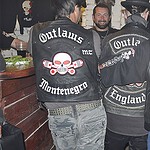
Outlaws Motorcycle Club
The Outlaws Motorcycle Club has roots stretching back to the Chicago area in the 1930s, making it one of the oldest major names in outlaw motorcycle culture. The organization later expanded internationally and developed a famously hostile relationship with the Hells Angels. The Justice Department has long included the Outlaws among the major outlaw motorcycle groups it tracks.
Outlaws Motorcycle Club (continued)
A recent Florida case shows the name still surfaces in serious prosecutions. In July 2026, a Pensacola Outlaws member was sentenced to seven years in federal prison after pleading guilty to using an explosive during a February 2025 confrontation involving people associated with the Pagans. The blast damaged a nearby restaurant and injured an employee who had nothing to do with the dispute.
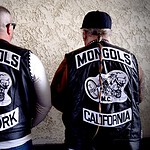
Mongols Motorcycle Club
The Mongols emerged in Southern California around 1969 and grew into an international outlaw motorcycle organization. Their history with federal law enforcement is particularly notable because prosecutors did something unusual: they prosecuted Mongol Nation itself, the unincorporated association representing full-patch Mongols members, under the federal RICO statute.
Mongols Motorcycle Club (continued)
A jury convicted Mongol Nation of substantive racketeering and RICO conspiracy offenses in 2018. The government later tried to obtain the rights to the club's trademarks as criminal forfeiture, an effort that generated a major First Amendment and property-law fight. In 2023, the Ninth Circuit upheld the organization's RICO conviction but agreed that the government could not seize the membership marks in the manner prosecutors had proposed.
Vagos Motorcycle Club
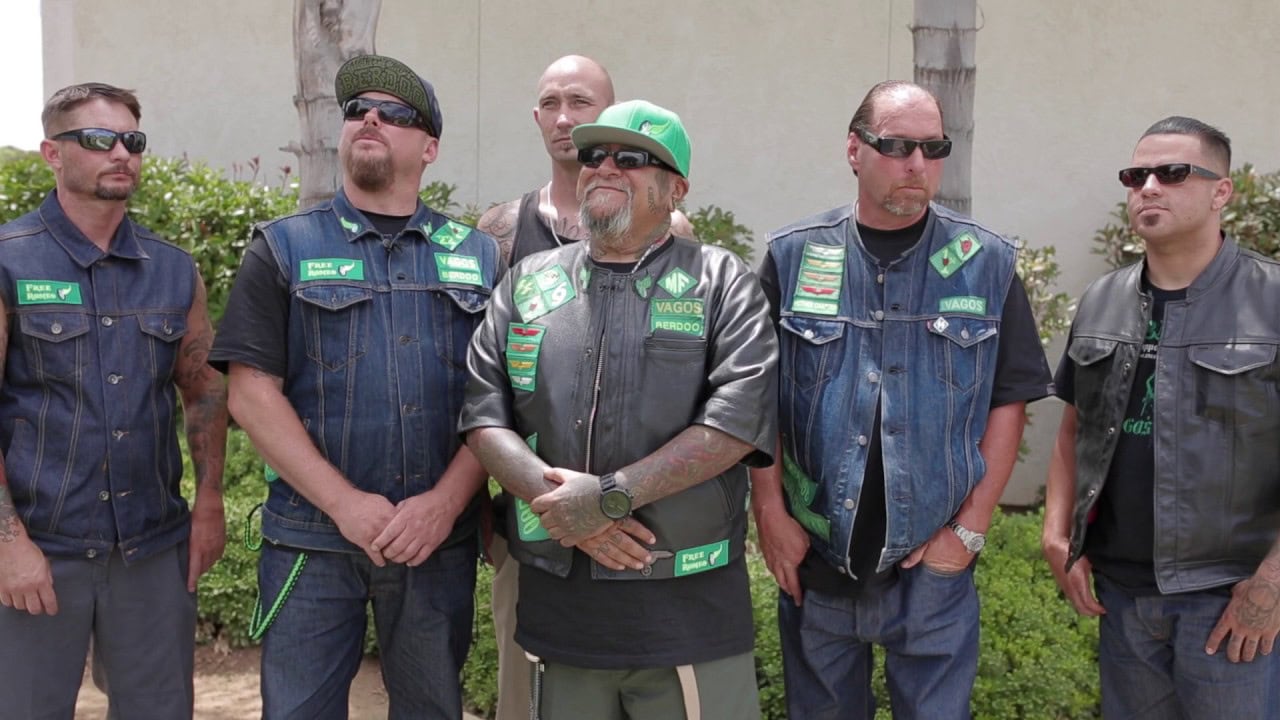
The Vagos Motorcycle Club originated in California and became particularly prominent across the American Southwest and West. A Justice Department profile identifies the Vagos as an outlaw motorcycle gang with a presence in the United States and Mexico and has linked members of the organization to drug trafficking and a range of other criminal investigations.
Vagos Motorcycle Club (continued)
The club's notoriety has also been shaped by its rivalries with other motorcycle organizations and years of federal scrutiny. Public membership figures for groups like the Vagos are difficult to keep current, however, so older government estimates should not be treated as a reliable 2026 head count. What remains well documented is the club's long-running presence in law-enforcement assessments of major outlaw motorcycle organizations.
Sadistic Souls Motorcycle Club
Sadistic Souls stands apart from the larger international clubs on this list because its reputation was tied as much to extremist ideology as motorcycle culture. The Anti-Defamation League has described Sadistic Souls as a small white-supremacist outlaw biker gang that operated primarily in the Midwest and was connected to the neo-Nazi Aryan Nations movement.
Sadistic Souls Motorcycle Club (continued)
There is an important update to the original version of this story: ADL now categorizes Sadistic Souls as a "legacy" group, meaning the organization is no longer active even though its symbols can still appear in old photographs, tattoos, and other material. Members historically used white-supremacist and Nazi-derived imagery on club regalia, making this an example of an outlaw-biker organization that overlapped directly with the American extremist movement.