
The world of pop culture is anything but logical. It is filled with stories, legends, and rumors. While many of these began as harmless jokes or publicity stunts, some took on a life of their own. Despite a lack of evidence, certain hoaxes became widely believed and were accepted as fact by large numbers of people. In some cases, newspapers, radio programs, and T.V. broadcasts helped spread the misinformation, making it seem even more genuine. In others, ongoing public fascination was enough to keep the stories circulating. What makes these hoaxes so fascinating is how people can believe the most extraordinary claims. Here are eight pop culture hoaxes that fooled large portions of the public.
1. The Taco Liberty Bell
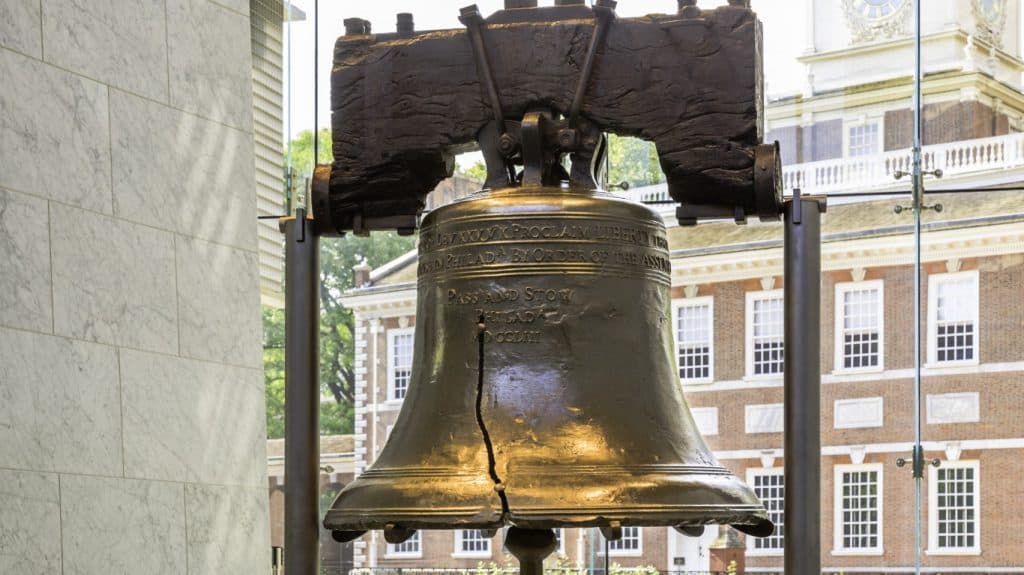
In 1996, Taco Bell claimed it had purchased the Liberty Bell and renamed it the “Taco Liberty Bell.” The press release, as ridiculous as it was, still fooled thousands. Some newspapers even reported it as fact. It was a clever marketing stunt that gained a lot of attention, but many people were genuinely upset and felt they had been tricked. Taco Bell later directly stated it was meant to be a joke, and the campaign became a classic example of silly but successful marketing.
2. The War of the Worlds Broadcast

Orson Welles’ 1938 radio adaptation of The War of the Worlds is possibly the most famous media hoax in history. Listeners who turned on their radio too late to hear the introduction believed they were listening to a real news report and that Martians were actually invading Earth. The broadcast led to confusion and panic in certain local areas. Newspaper reports later exaggerated the chaos, leading to the broadcast’s reputation as one of history’s most notable examples of fictional storytelling mistaken for reality. Welles’ performance is still studied for its impact on the country.
3. The Cardiff Giant
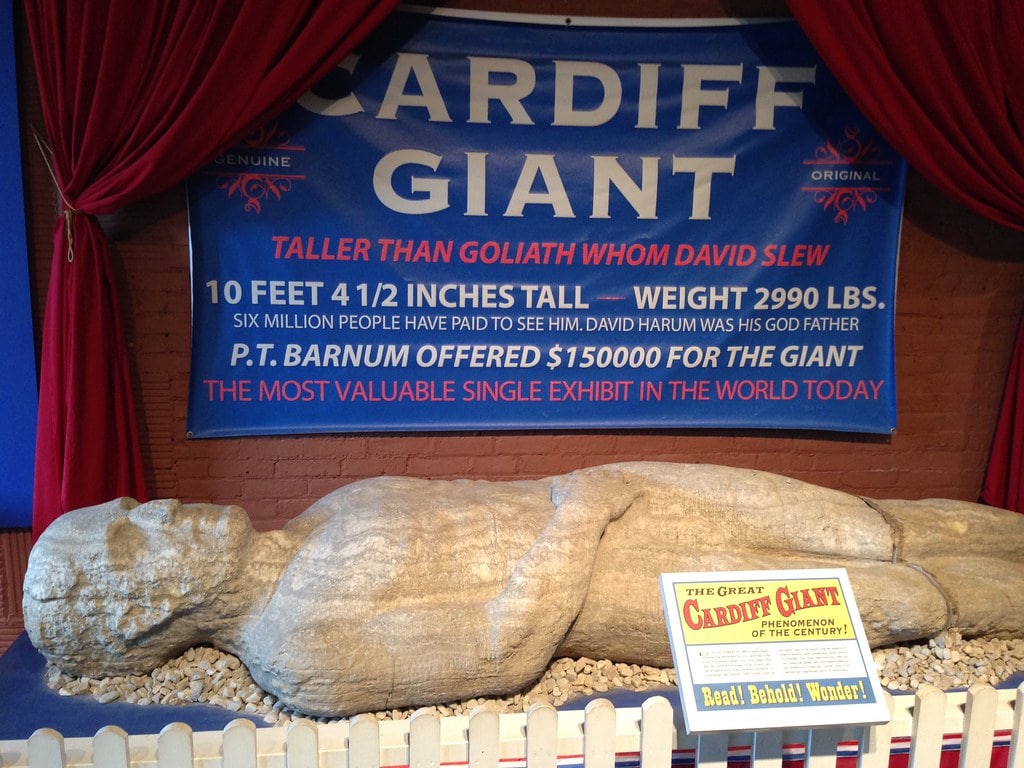
In 1869, a “petrified man” was found buried in New York. But the uncovered body wasn’t that of an average man. The specimen was supposedly over 10 feet tall and quickly became known as the Cardiff Giant. It was later revealed to be a hoax created to trick the public and make money. Despite this, thousands of people visited the site, continuing to believe the massive man was real. The hoax even led to debates between scientists and clergy. The story of the gigantic, unearthed man is a legendary example of what the public is willing to accept as truth.
4. Paul is Dead

When rumors circulated that Beatles member Paul McCartney had died in 1966 and been replaced by a lookalike, the unbelievable claim actually gained traction. Fans pointed to hidden “clues” in album covers and lyrics as proof of McCartney’s double. Despite being completely false, the theory spread widely throughout the nation, mentioned in newspapers and on radio shows. McCartney himself eventually laughed about the far-fetched conspiracy theory.
5. The Hitler Diaries

In 1983, 40 years after WWII, German magazines published what were said to be Adolf Hitler’s personal diary entries. A few experts even authenticated the documents, causing people all over to believe the writings were genuine. Within months, forensic analysis of the documents proved they were fakes. The scandal rightly embarrassed the publishers and journalists who had presented them as real. It’s probably the most infamous hoax based on one of history’s most controversial political figures.
6. The Spaghetti Tree Hoax

In 1957, the BBC aired a segment showing Swiss farmers harvesting spaghetti from trees. As impossible as the news was, viewers believed it, presumably thinking noodles were somehow a plant source. To be fair, spaghetti was still relatively uncommon in the UK at that time. Still, it’s remarkable that anyone could believe such a prank. The airing was a harmless joke, though it reveals the public’s inherent trust in media.
7. Balloon Boy

In 2009, News outlets reported that a six-year-old boy had floated away in a helium balloon. The floating device was a DIY “UFO” built by the boy’s father. Panic spread as people watched live coverage of the balloon drift across the sky, fearing for the young boy trapped inside. Once the balloon crashed to the ground and investigators found it empty, it was revealed that the little boy had been hiding in the family’s attic the entire time. The father who reported the boy in danger was heavily criticized and accused of faking the incident for publicly.
8. The “Great Moon Hoax”
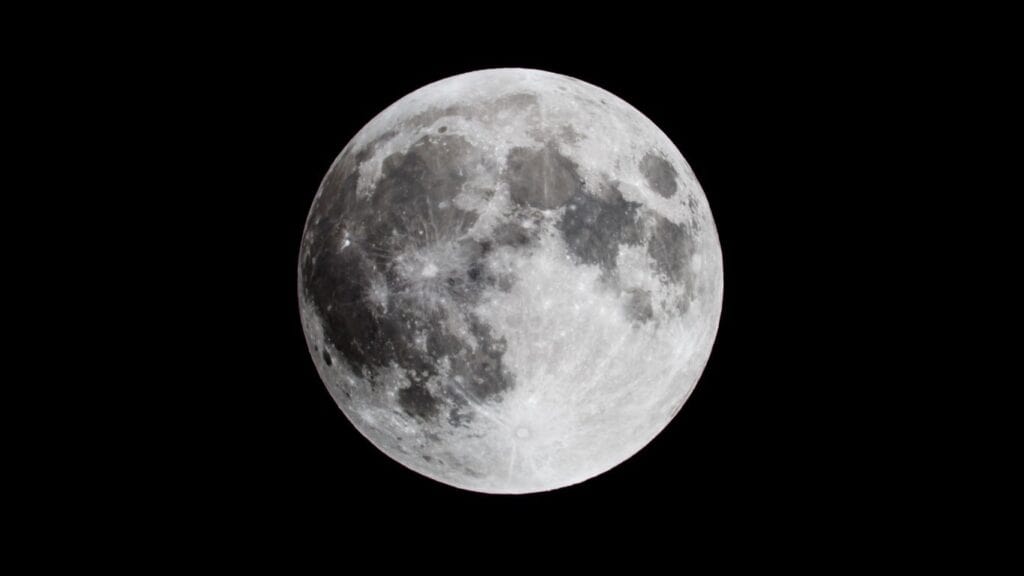
In 1835, a New York newspaper published articles claiming that life had been discovered on the moon. Details included descriptions of bat-like humanoids. Many readers accepted the astonishing articles as fact, boosting newspaper sales and intriguing people all across the country. The story was later found to be entirely fabricated by a journalist. This particular hoax is an early example of sensationalism informing widespread public belief.