Fox News Denver

AstroStar/Shutterstock.com
Andrew Mason / BY 2.0

Marko Aliaksandr / Shutterstock.com

Gorodenkoff/Shutterstock.com

Vera Petruk / Shutterstock.com

Valery Evlakhov / Shutterstock.com

nick.amoscato / BY 2.0
Fox News Denver

Yta23 / Shutterstock.com
murathakanart / Shutterstock.com






10 Famous Hoaxes That Fooled Millions
As the saying goes, fool me once, shame on you. Fool me twice, and the story might just end up in an internet article a century later.
Some of the hoaxes on this list fooled just enough people for the right amount of time. Others fooled an entire nation, leaving a trace of hysteria and bewilderment. These are ten of history's most convincing lies, and what happened when the facade crumbled.
The Great Moon Hoax (1835)
The New York Sun ran a six-part series in which it claimed the astronomer Sir John Herschel had spotted blue unicorns, bat-winged humanoids, and religious temples on the surface of the moon with the help of a revolutionary new telescope.
The news quickly spread across Europe. Herschel, however, hadn't written a single word of the series that bore his signature. It was, in fact, the work of a Sun journalist who published anonymously. The paper let the hoax run for weeks. The lie seems obvious in hindsight, but strange lights glowing on the surface of the moon had been reported for centuries before, a phenomenon that's still debated and not fully understood to this day.
The Cardiff Giant (1869)
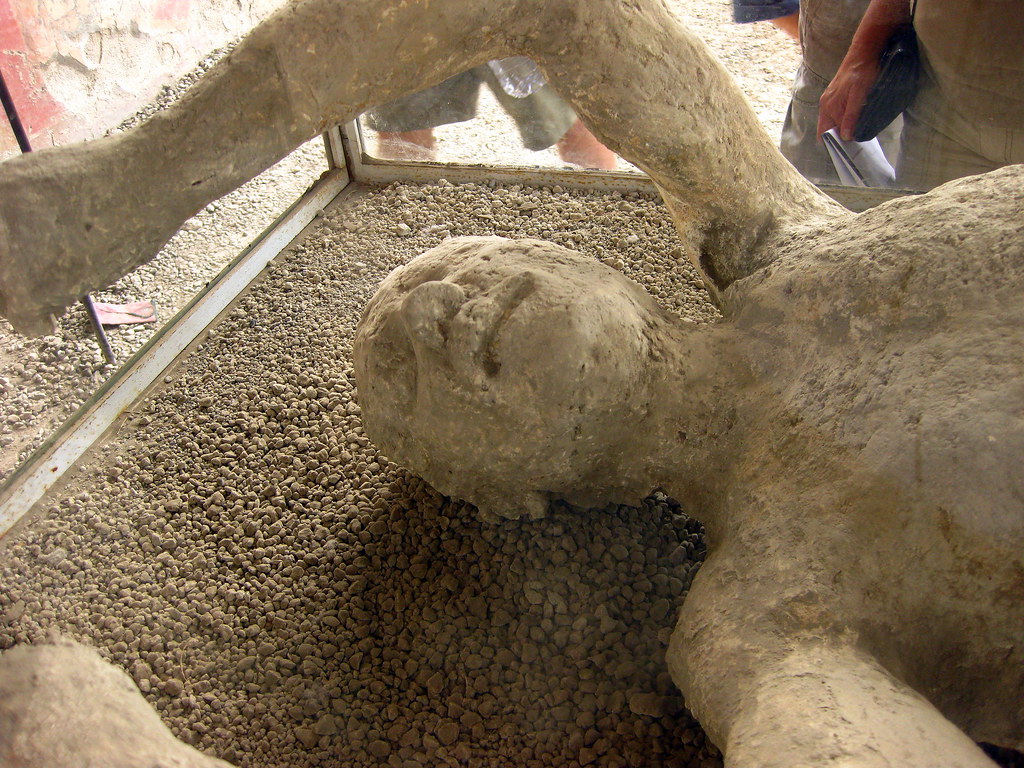
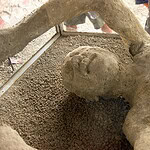
Workers digging a well on a farm in New York struck what looked like a ten-foot petrified man. Crowds paid to view the body, and ministers debated whether it proved biblical passages on giants were actually true.
The exhibit was making its owners real money, at least until showman P.T. Barnum showed up. Famous for exhibiting oddities and curiosities across the country, Barnum offered $50,000 to lease the body, but the owners turned him down.
Barnum didn't take no for an answer. He had a plaster copy made and displayed it in New York, claiming his was the authentic giant and the original was the fake. The Cardiff owners sued him over the accusation, and the resulting court case cornered George Hull, the tobacconist who'd carved the real figure and buried it a year earlier so it could be "discovered." Rather than risk the lawsuit exposing him under oath, Hull confessed first.
The War of the Worlds Panic (1938)
On Halloween eve 1938, actor and filmmaker Orson Welles narrated a radio adaptation of H.G. Wells's alien-invasion novel, staged as a pretend news bulletin. Listeners who tuned in after the opening disclaimer heard what sounded like a real Martian landing in New Jersey.
The next morning, newspapers printed reports of widespread mass hysteria. Later research found the panic was real but far smaller than depicted, since most listeners knew the show was a work of fiction.
The Fake Missing Link (1912)
An amateur archaeologist named Charles Dawson announced he'd found a humanoid skull in a Sussex gravel pit. It appeared to be the missing link between modern humans and apes. British scientists celebrated it as undeniable proof of the theory of evolution. The legendary missing link had finally been unearthed on their own soil.
It took more than forty years and modern chemical dating for the truth to be revealed. The fossil was a human skull top fused with the jawbone of an orangutan, and manually stained to look ancient. Whoever put it together was never identified.
The Cottingley Fairies (1917)
Two young cousins in Yorkshire photographed themselves alongside what looked like dancing fairies. The photos found their way to Arthur Conan Doyle, the author of Sherlock Holmes, who happened to be a firm believer in the paranormal. Doyle championed the images as proof of the mythical fairies enlisted, and his status as a renowned author gave the story credibility that it never would have earned on its own.
The fairies, as it turned out, were paper cutouts, copied from illustrations in a children's book and propped up with hatpins. One of the girls finally admitted it publicly in 1983, more than sixty years later.
The Protocols of the Elders of Zion (1900s)
First circulated in Russia in the early 1900s, this document claimed to expose a secret Jewish plan for world domination. It was fabricated, largely lifted from an unrelated French satire, and later traced back to Russia's secret police.
Despite being definitively debunked by journalists and historians decades ago, the forgery has been used as propaganda to motivate real acts of violence and continues to circulate among conspiracy theorists today. Its persistence remains one of the starkest examples of a lie surviving in the face of the truth.
The Spaghetti-Tree Hoax (1957)
Panorama, a respected documentary series from the BBC, aired a segment on an unusually strong spaghetti harvest in southern Switzerland, complete with footage of noodles hanging from tree branches. It ran as an April Fools' joke, narrated in the program's usual serious tone.
Viewers called in asking how to grow their own spaghetti trees at home. The BBC's calm delivery, on a program not known for jokes, is exactly why so many people never questioned it.
It seems the BBC was into deadpan mockumentary comedy long before it became a popular genre, thanks to Philomena Cunk.
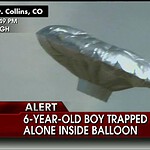
The Balloon Boy Incident (2009)
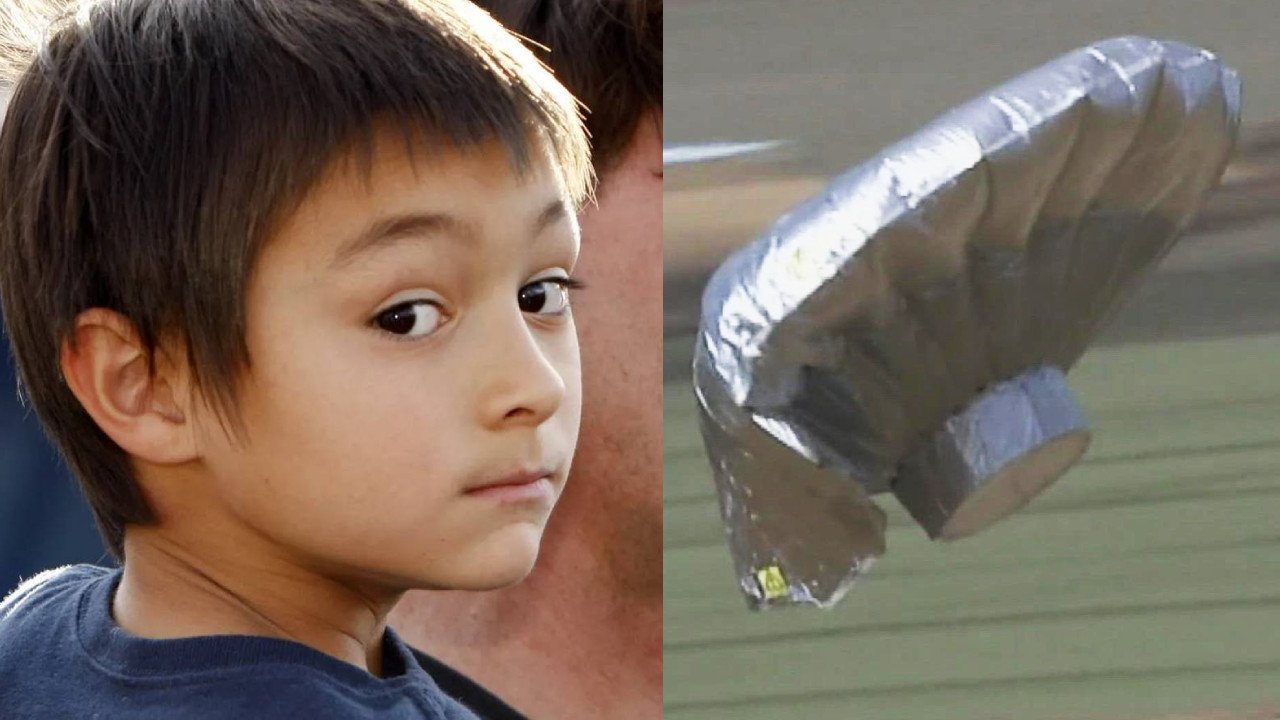
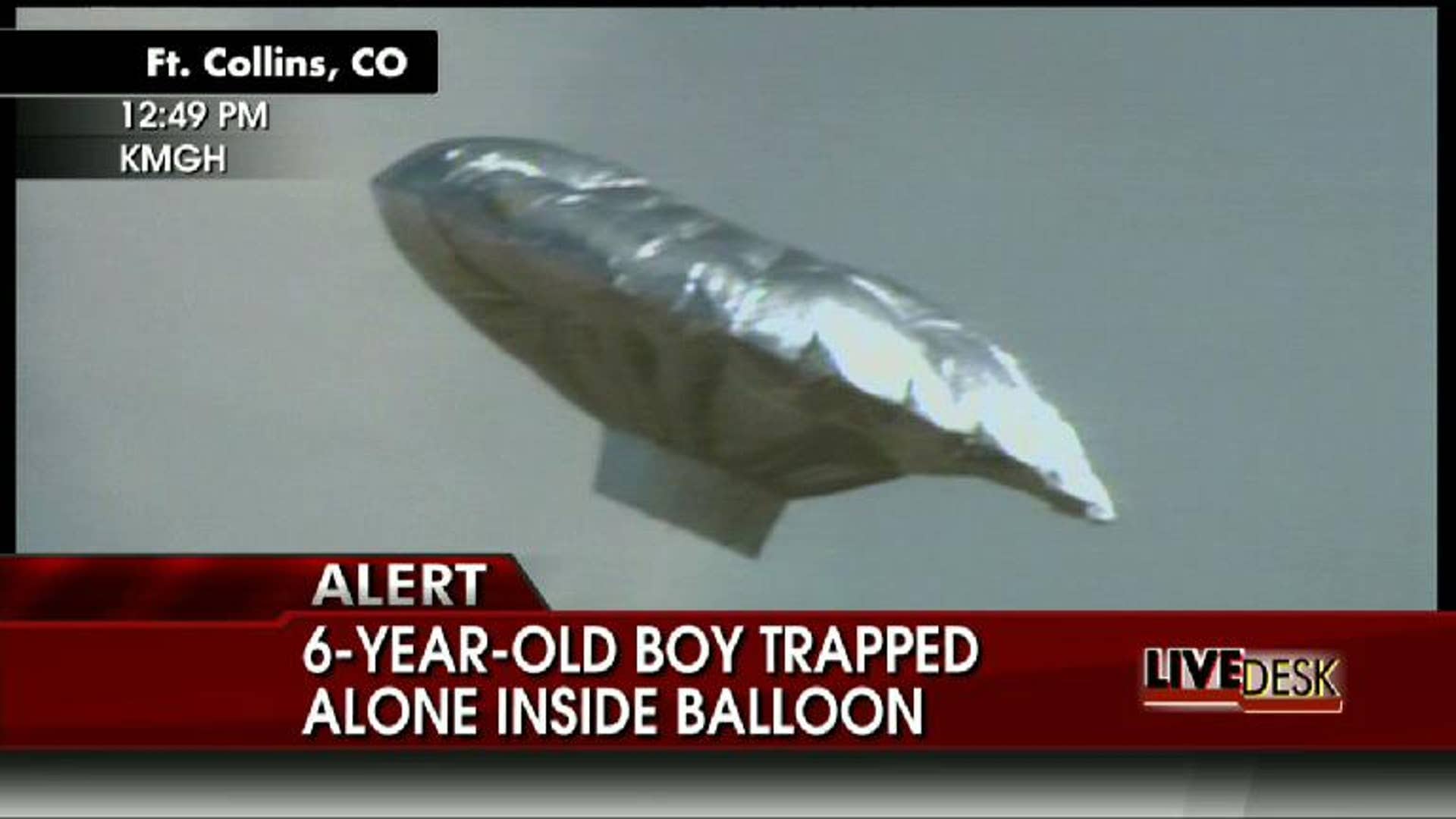
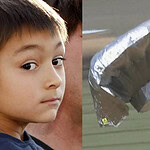
A Colorado family called authorities to report that their six-year-old son had climbed into a homemade helium balloon that broke loose. The balloon drifted over the state with the child supposedly still inside, and cable news covered the chase live for hours before the boy was found safe and sound at his home.
Investigators determined the entire event had been staged by the boy's parents to generate publicity around their reality show pitch. Both parents faced legal chargedt. One pleaded guilty to a felony charge, and the other to a misdemeanor.
More Doctors Smoke Camels Ad Campaign (1940)
Starting in the 1940s, Camel ran ads claiming more doctors smoked its cigarettes than any other brand, implying a medical endorsement of smoking itself. The surveys behind the claim were often taken at medical conventions, where Camel had representatives handing out free packs at the door.
The campaign ran for years before research on smoking and cancer made the message impossible to defend.
The Hitler Diaries (1983)
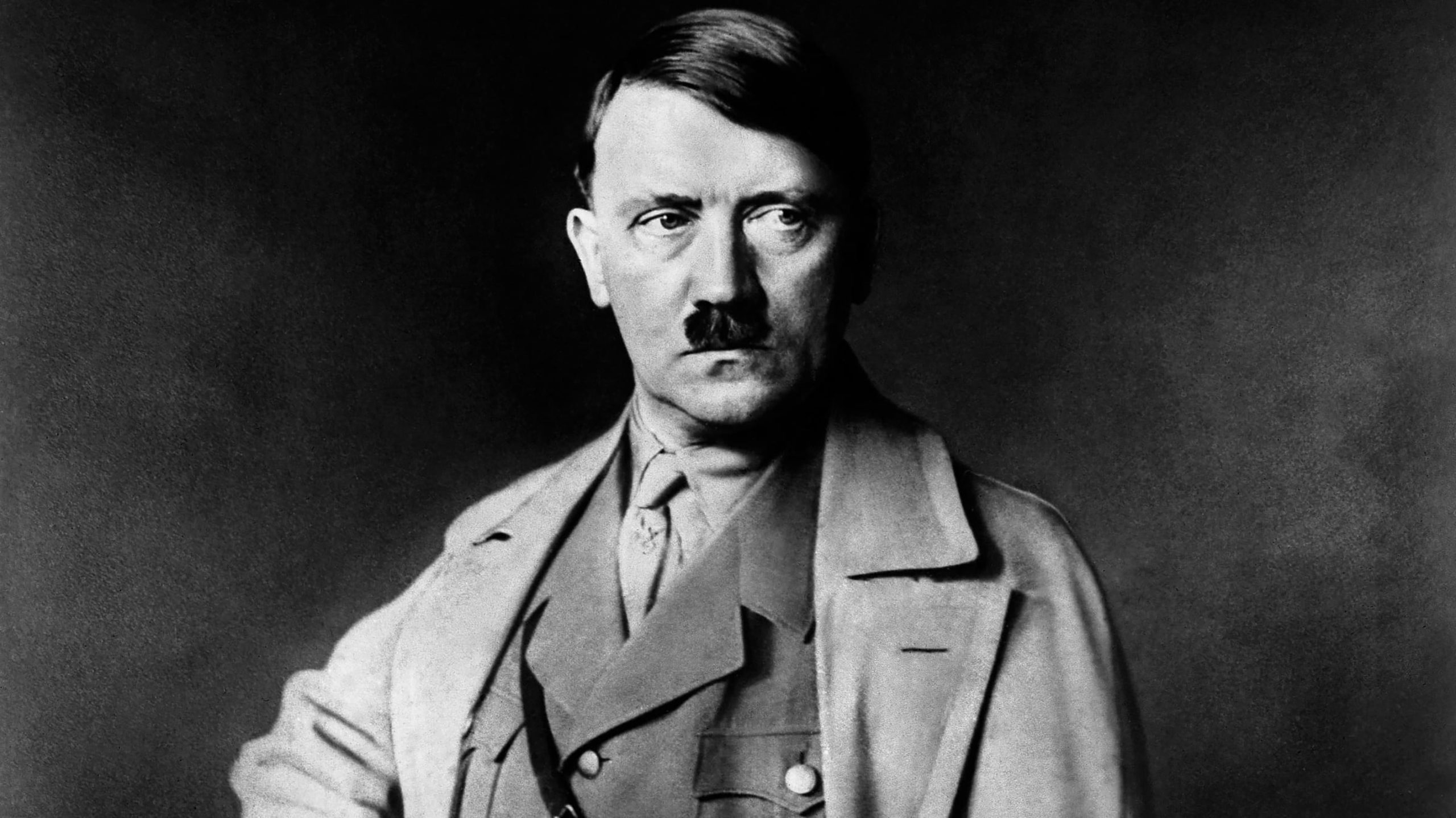
The German magazine Stern paid roughly $4 million for sixty handwritten volumes of what were supposed to be Adolf Hitler's private diaries. A respected British historian initially vouched for their authenticity, and Stern rushed them into print.
Forensic testing found paper containing a whitening agent that didn't exist until after the Second World War, as well as ink that was applied the year before. The forger, Konrad Kujau, turned out to be a small-time dealer who'd been selling fake Nazi memorabilia for years.