
sjharmon / E+ via Getty Images
Wikimedia
Computer History Museum
Computer History Museum
Renegadebbs / Creative Commons Attribution-Share Alike 4.0 International license
James Cridland / BY 2.0

blakespot / BY 2.0
blakespot / BY 2.0
EchoMail
Michael L. Umbricht / Creative Commons Attribution 4.0 International license
Wonderlane / BY 2.0
telnet



Before Reddit and eBaum'sWorld, This Is How People Talked Online
Reddit, Discord, Facebook groups, and modern forums can make online communities feel like an invention of the social-media age. They aren't. Decades before most homes had internet access, computer users were already logging on to digital communities to trade messages, download files, argue about hobbies, play games, and talk with complete strangers.
The experience was considerably less convenient. There were no apps, Wi-Fi networks, or endless feeds. In many cases, connecting meant using a modem to call an actual telephone number and hoping someone else wasn't already using the line. Those primitive systems nevertheless established many of the ideas that still define online communities today.
Online Message Boards Actually Predate the Home Computer Boom
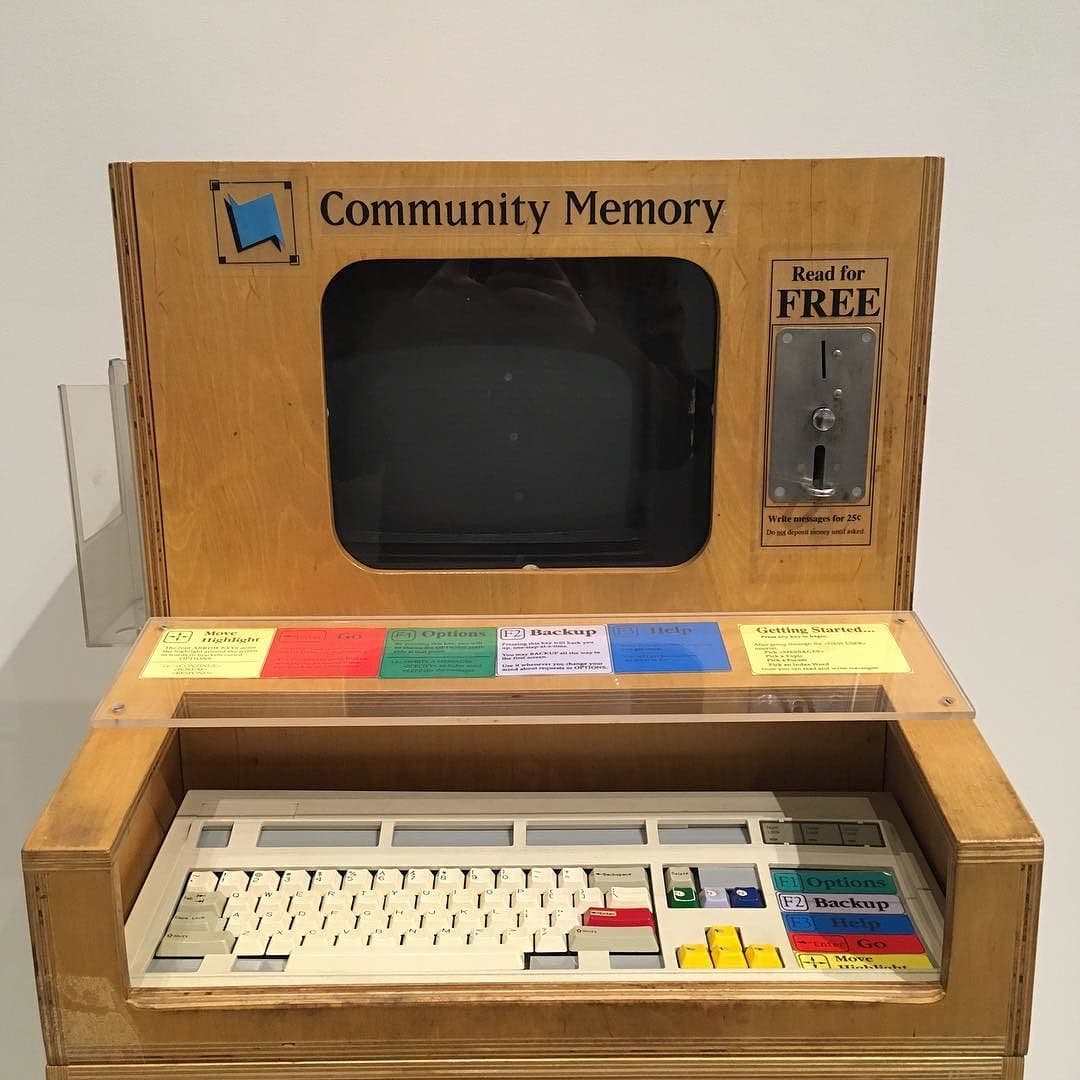
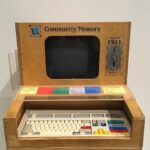
The story starts earlier than the dial-up BBS most computer enthusiasts remember. In 1973, a project called Community Memory placed a public computer terminal inside Leopold's Records in Berkeley, California. People could use it to leave messages, post notices, search for information, and communicate with other users through a shared computer system.
The Computer History Museum describes Community Memory as the first public computer-based bulletin board. It was very different from the home dial-up systems that followed, but the basic idea already looked strangely familiar: ordinary people using a computer network to post information for other ordinary people to read later.
A Chicago Snowstorm Helped Create the Dial-Up BBS
The breakthrough for home computer users came in Chicago. Computer hobbyists Ward Christensen and Randy Suess, members of the Chicago Area Computer Hobbyists' Exchange, developed the Computerized Bulletin Board System, better known as CBBS. It officially went online on Feb. 16, 1978.
CBBS allowed someone with a modem and terminal to call a telephone number, connect to the computer in Suess's home, and leave messages for other callers. The system was modeled after the physical cork bulletin board used by their computer club. CBBS reportedly logged 253,301 calls before it was eventually retired, and its basic design inspired hobbyists around the country to create systems of their own.
Logging On Meant Literally Calling Another Computer
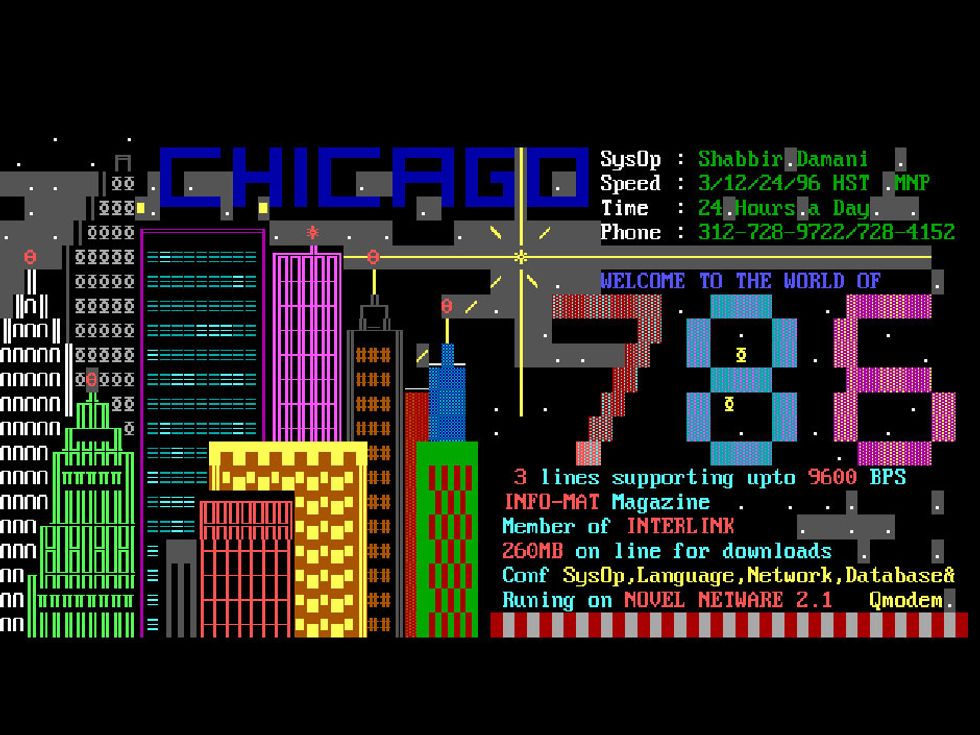
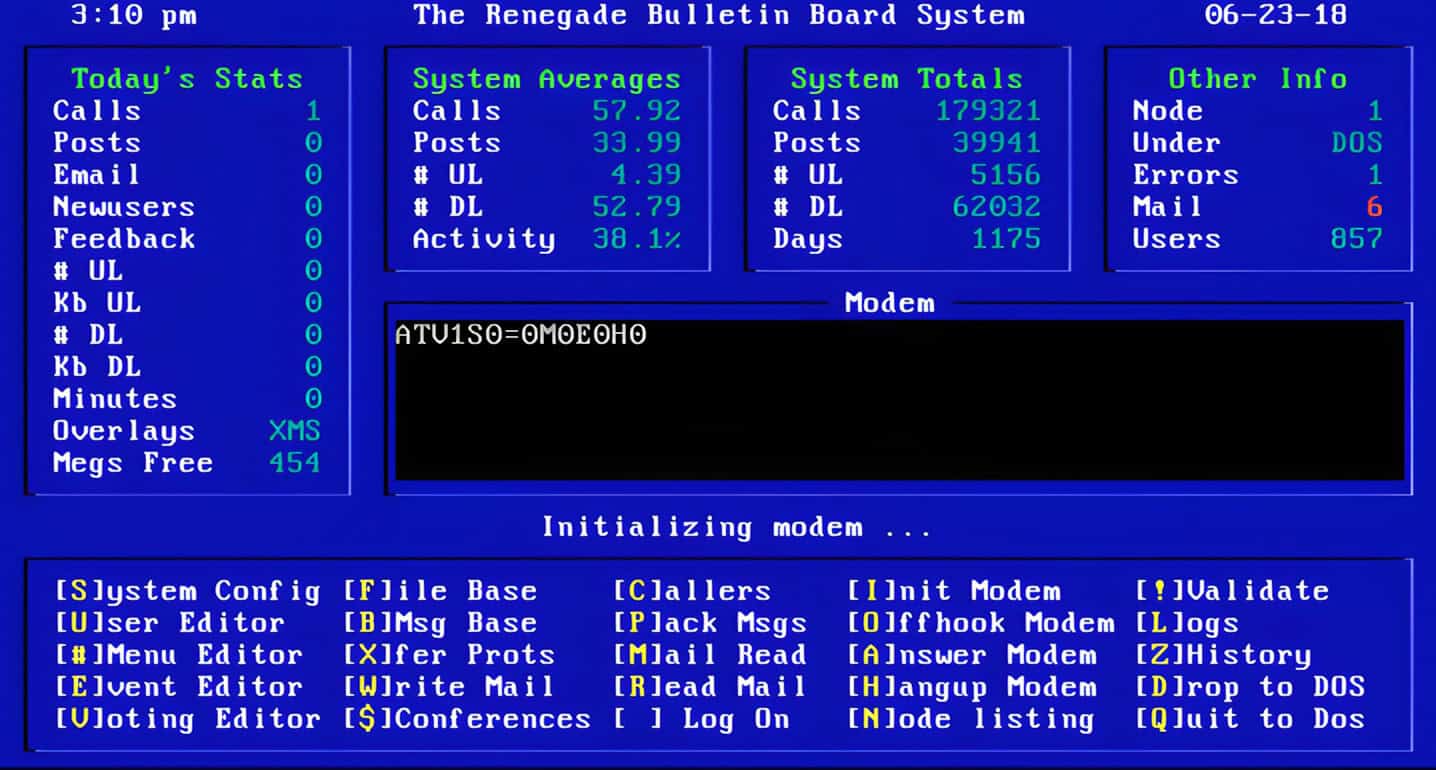
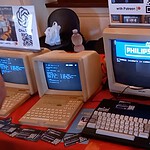
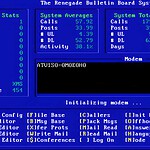
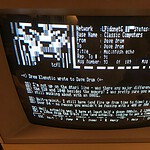
A traditional BBS was usually a computer running special software connected to one or more modems and telephone lines. A user entered the BBS's telephone number, the modem placed the call, and the two computers negotiated a data connection through all those memorable squeals and electronic screeches.
Once connected, users might find public message boards, private mail, downloadable software, text files, chat features, and games. The person operating the system was known as the sysop. On a basic one-line BBS, only one outside caller could be connected at a time. When that person hung up, someone else could finally dial in.
The BBS Boom Took Off During the 1980s
As personal computers and modems became more affordable, BBSes started appearing everywhere. Some were run by computer clubs, while others operated from a teenager's bedroom or a hobbyist's basement. A board might revolve around programming, science fiction, games, local events, politics, or almost any other subject its sysop cared about.
People were also learning how to build their own. In 1983, TAB Books published Lary L. Myers' How to Create Your Own Computer Bulletin Board. The book included BASIC source code and a directory containing phone numbers for more than 275 public BBSes across 43 states. The concept was no longer confined to a handful of hardcore computer experimenters.
BBSes Weren't the Only Early Online Communities
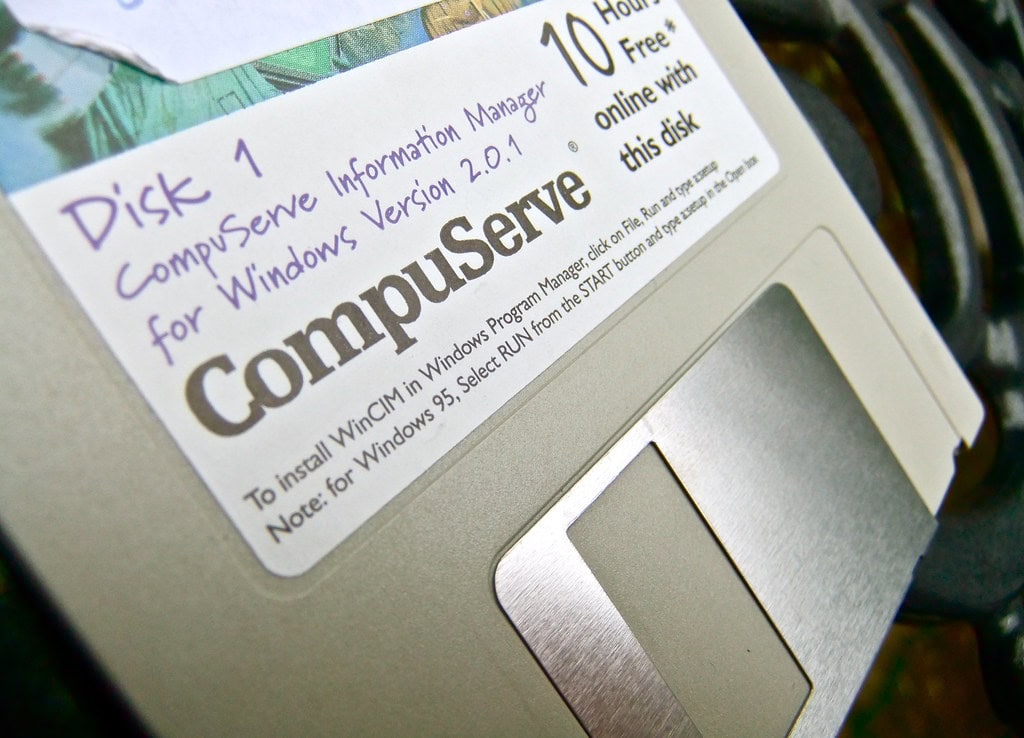
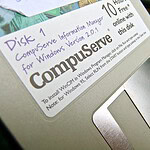
The early online world was developing along several paths at once. CompuServe began commercial computer services in 1969 and introduced its home-oriented MicroNET service in 1979. Users could eventually access email, discussion forums, news, financial information, shopping, and enormous databases through the commercial network.
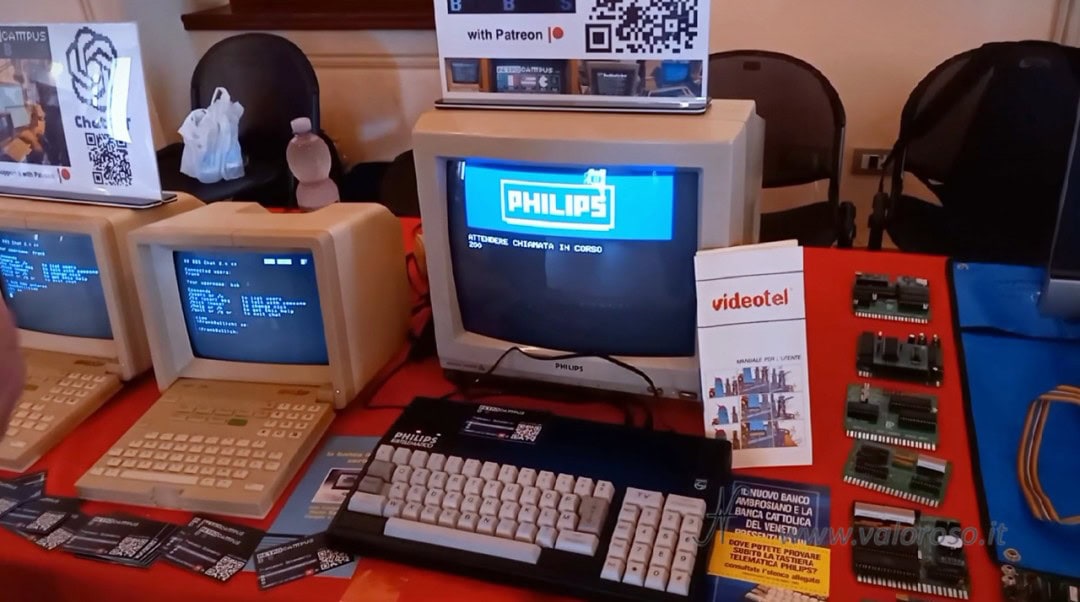
Usenet also emerged in 1979, creating topic-based discussion groups distributed between networked computers. France took another approach with Minitel, a government-backed videotex network rolled out nationally during the early 1980s. Minitel users could check directories and news, shop, send messages, and participate in online discussions years before the World Wide Web existed. These weren't conventional BBSes, but together they show just how much modern online life was already taking shape.
Your Phone Bill Helped Decide Who Your Online Friends Were
One of the strangest differences between a BBS and today's internet was geography. Calling a nearby BBS could usually be treated like any other local telephone call. Calling a board several states away could trigger long-distance charges that increased the longer you stayed connected.
That made many BBS communities surprisingly local. Users who originally met through a screen might live in the same city, attend the same computer-club meetings, or eventually meet face to face. It was social networking in an unusually literal sense, with the boundaries of an online community partly determined by the telephone company's billing map.
FidoNet Connected Separate Bulletin Boards
Early BBSes could feel like little digital islands. If you posted a message on one system, someone using another BBS across the country normally would not see it. Tom Jennings helped change that when he developed FidoNet in 1984 as an extension of his Fido BBS software.
The first network linked Jennings' system in San Francisco with a Fido system operated by John Madill in Baltimore. Instead of requiring users to make expensive cross-country calls themselves, participating BBSes could automatically call other nodes, bundle messages together, and pass them along using a store-and-forward system. FidoNet grew from two nodes into an international hobbyist network.
EchoMail Started Looking a Lot Like a Modern Forum
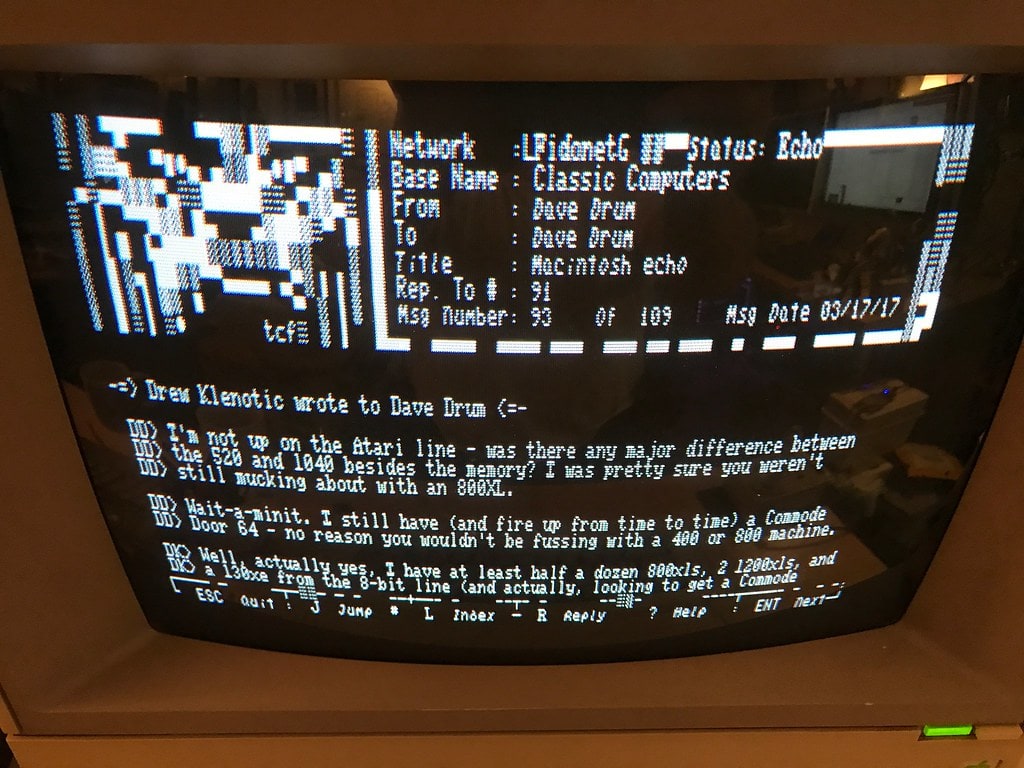
FidoNet originally excelled at sending private messages between systems, but another development made it much more recognizable to a modern Reddit or forum user. In 1986, Jeff Rush introduced EchoMail, technology that allowed public discussion areas to be copied and distributed among participating FidoNet systems.
A person could post in a particular discussion area on one BBS, and the message would eventually propagate to users on other BBSes subscribed to the same area. Replies could travel back through the network in much the same way. It was slower than opening an app and refreshing a thread, but the core experience of having a distributed conversation organized around a particular topic was already there.
By the 1990s, BBSes Were Everywhere
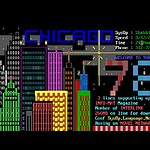
The early 1990s were the BBS era at full throttle. Faster modems made downloads less painful, elaborate ANSI graphics dressed up otherwise text-heavy interfaces, and popular systems added multiple telephone lines so several callers could log on at once. Some boards grew from neighborhood hobbies into surprisingly large commercial operations.
In 1993, Wired reported that more than 60,000 BBSes were operating in the United States. Users could download shareware, trade messages, play multiplayer "door" games, join specialized communities, and sometimes spend enough time online to make everyone else in the house furious that the telephone line was permanently busy.
The World Wide Web Nearly Wiped Them Out
The BBS boom ran directly into something much bigger. Commercial internet access expanded rapidly during the mid-1990s, while graphical web browsers gave ordinary computer owners access to websites, email, Usenet, and services located around the world through a single internet connection. Calling individual bulletin boards suddenly felt limiting.
Many BBSes simply shut down, but others adapted. Some operators already owned racks of modems and multiple telephone lines, putting them in a surprisingly good position to become internet service providers. In 1995, Boardwatch editor Jack Rickard estimated that more than 95% of the 3,240 ISPs created during the previous two years had evolved from former BBS operations. That was an industry estimate rather than a formal census, but it illustrates just how closely the two eras overlapped.
Believe It or Not, BBS Culture Is Still Alive
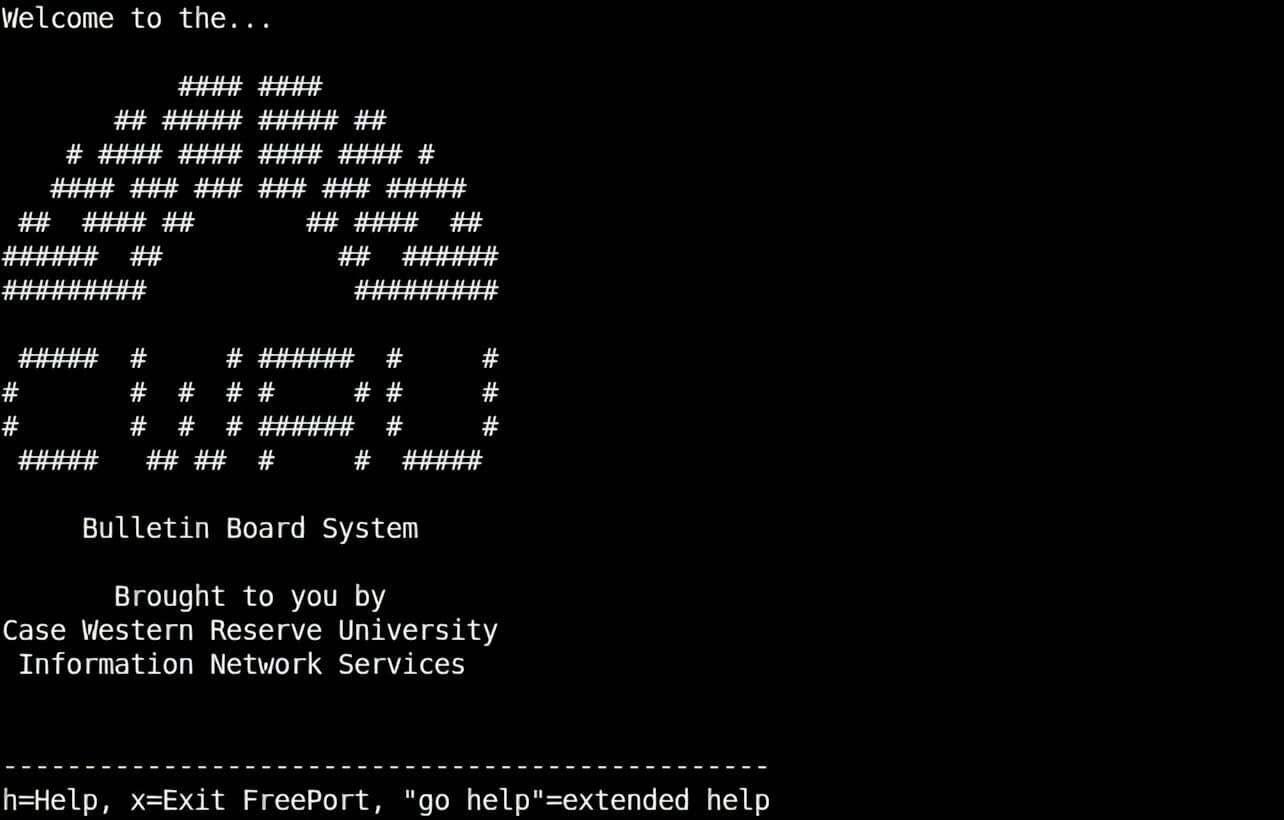
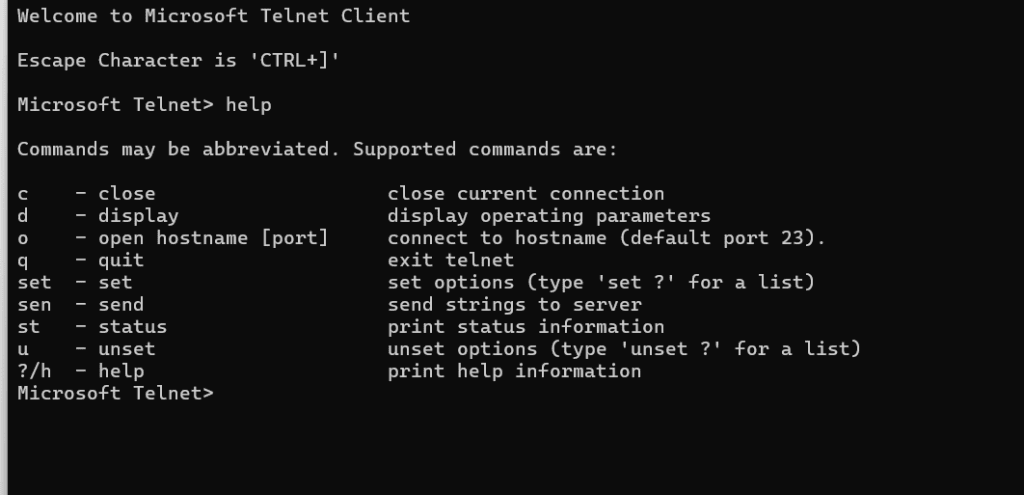
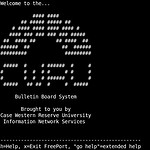
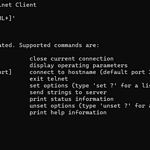
The dial-up boom is long gone, but bulletin boards never completely disappeared. Enthusiasts adapted old BBS software and newer systems to work through internet connections using protocols such as Telnet and SSH. That means today's users can experience the same text menus, ANSI artwork, message areas, file libraries, and classic games without tying up the family telephone.
FidoNet is still alive as well. A current FidoNet nodelist snapshot from October 2026 showed nearly 1,200 active nodes, with most reachable through internet-based connections rather than traditional dial-up. Reddit and modern social networks may look infinitely more sophisticated, but the basic idea behind them is remarkably old: find a group of people interested in the same thing, post a message, and wait for someone to answer.