
PhotoBarmaley/Shutterstock.com

maria72/iStock.com

Art_man/Shutterstock.com

Audrey Snider-Bell/Shutterstock.com

Tom Reichner/Shutterstock.com

johnaudrey/iStock.com
Keiki/Shutterstock.com

JasonOndreicka/iStock.com

Broadbelt/Shutterstock.com

Deborah Ferrin/Shutterstock.com

Gerald A. DeBoer/Shutterstock.com

John Fader/Shutterstock.com

BlueBarronPhoto/Shutterstock.com

graphicphoto/iStock via Getty Images

JWJarrett/iStock.com

Witsawat.S/Shutterstock.com

Scott Delony/Shutterstock.com

Greg Norgaard /iStock / Getty Images Plus via Getty Images

Wide-River-Rick/iStock.com

equigini/iStock via Getty Images

FionaAyerst/iStock.com

KenRinger/iStock / Getty Images Plus via Getty Images

Ryan M. Bolton/Shutterstock.com

bobloblaw/iStock via Getty Images

KF2017/Shutterstock.com

Jerry Kirkhart from Los Osos, Calif. / CC BY 2.0
PhotoBarmaley/Shutterstock.com

Jeff Cleveland/Shutterstock.com

Shoemcfly/iStock via Getty Images

Mark Byer/Shutterstock.com

Jillian Cooper/iStock via Getty Images
Holly S Cannon/Shutterstock.com

Anest/Shutterstock.com

Roberto La Rosa/Shutterstock.com
HRossD/iStock.com

Mircea Costina/Shutterstock.com

Alexander Lukatskiy/Shutterstock.com

EleanorAbramson/Shutterstock.com

Rebecca C. Photography/Shutterstock.com

Michael Rothschild/Shutterstock.com

Vektive/iStock.com

Karel Stipek/iStock.com

Joshua Daniiel/Shutterstock.com

Mia2you/Shutterstock.com

Dennis Laughlin/Shutterstock.com

twildlife/ via Getty Images

chatchai kusolsinchai/Shutterstock.com

USFWS Mountain-Prairie / CC BY 2.0

Tom Reichner/Shutterstock.com

Pawel Serafin/Shutterstock.com

Steve Creek/Shutterstock.com






Animal Dangers Across America, From Bears to Bison
Mention dangerous animals and most people picture a bear, a rattlesnake, or a shark. But the risks that actually bring people into contact with wildlife can be much less dramatic. Deer and moose cause crashes, ticks and mosquitoes spread disease, and even a familiar animal like a dog can inflict a serious injury.
The animals below offer a look at different hazards found around the United States, from venomous snakes in the Southwest to bison in the Rockies and stinging marine life along the coast. Some are widespread, while others are rare visitors or live only in small parts of a state. An animal's ability to cause harm is not the same as its likelihood of injuring someone.
This is not a ranking of the deadliest animal in each state. Reliable state-by-state comparisons do not exist for all of these very different risks, and most wild animals want nothing to do with us. The useful takeaway is simpler: know what lives in the area, respect its space, and take sensible precautions.
Alabama: Black Widow Spiders
Alabama has alligators and several venomous snakes, but the much smaller black widow spider also deserves respect. Female black widows can deliver a bite that causes intense pain, muscle cramps, sweating, and nausea. Serious symptoms call for medical attention, although deaths are now exceptionally rare. These spiders generally bite in self-defense, often when someone accidentally reaches into an undisturbed hiding place.
Alaska: Dogs
Alaska's animal-related risks are not limited to the wilderness. Dogs can cause serious injuries, and uncontrolled dogs can also provoke dangerous encounters with moose. A domestic dog is obviously not wildlife, which is why this roundup includes animal hazards rather than ranking wild predators. In the backcountry, give moose and bears plenty of space; Alaska wildlife officials say moose injure more people in the state than bears do.
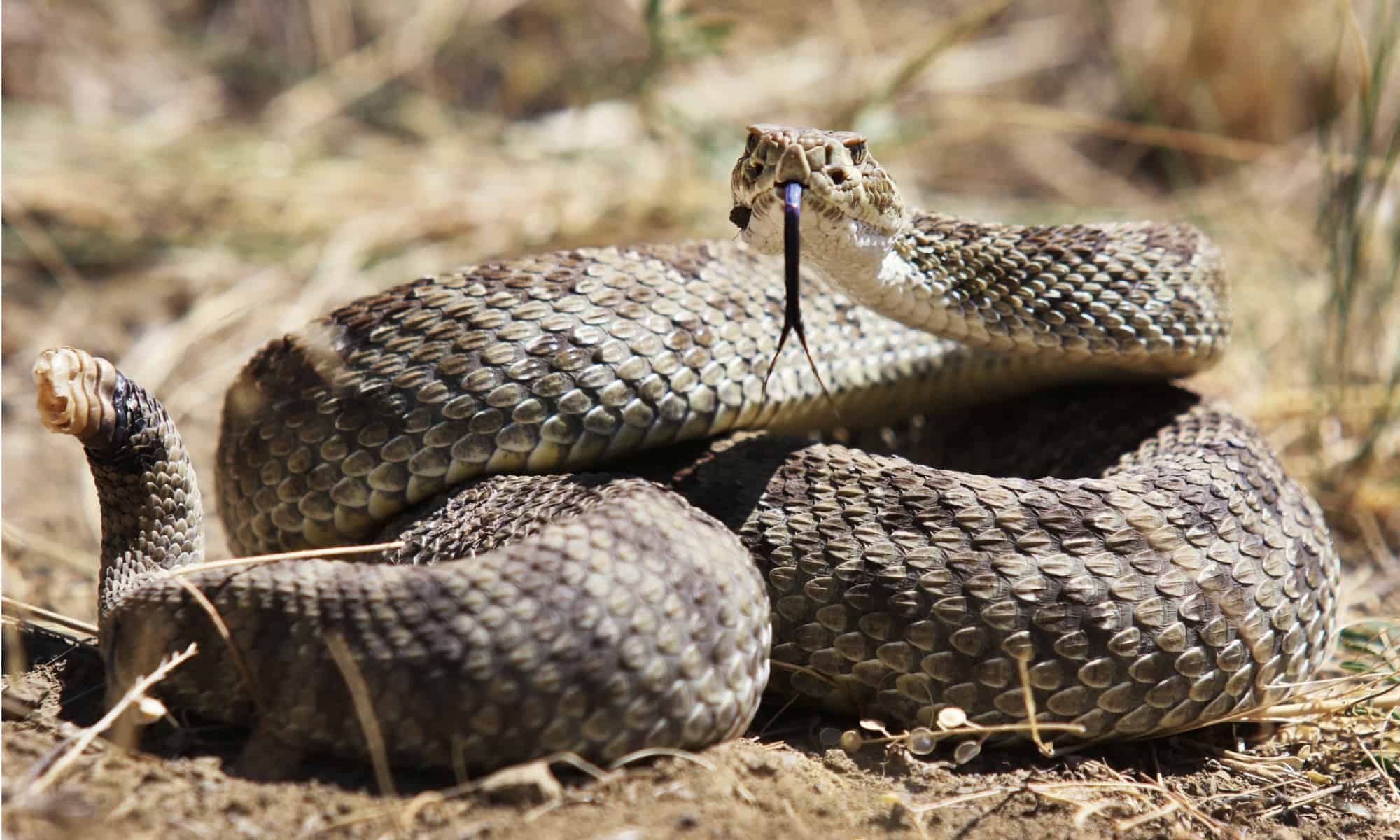
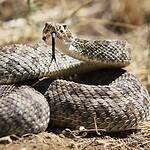
Arizona: Western Diamondback Rattlesnakes
The western diamondback rattlesnake is one of Arizona's best-known venomous snakes. It can deliver a medically serious bite, but it usually tries to avoid people when given room to escape. Hikers should watch where they step or reach, particularly around rocks and brush. A bite is a medical emergency: seek treatment promptly rather than attempting home remedies.
Arkansas: White-Tailed Deer
A white-tailed deer does not need to attack anyone to become dangerous. Deer can dart across Arkansas roads with little warning, particularly around dawn and dusk, and collisions can injure drivers and passengers. Their movements also become less predictable during the autumn breeding season. Leave extra room to brake in wooded areas, and remember that a deer crossing the road may have others following it.
California: Southern Pacific Rattlesnakes
Southern Pacific rattlesnakes inhabit parts of Southern California, especially brushy hillsides and foothills. Their venomous bites can cause serious injury, even though most encounters end with the snake retreating. California wildlife officials emphasize that rattlesnakes are generally defensive rather than aggressive. Stay on marked trails, look before placing your hands on rocks, and never try to handle or move one yourself.
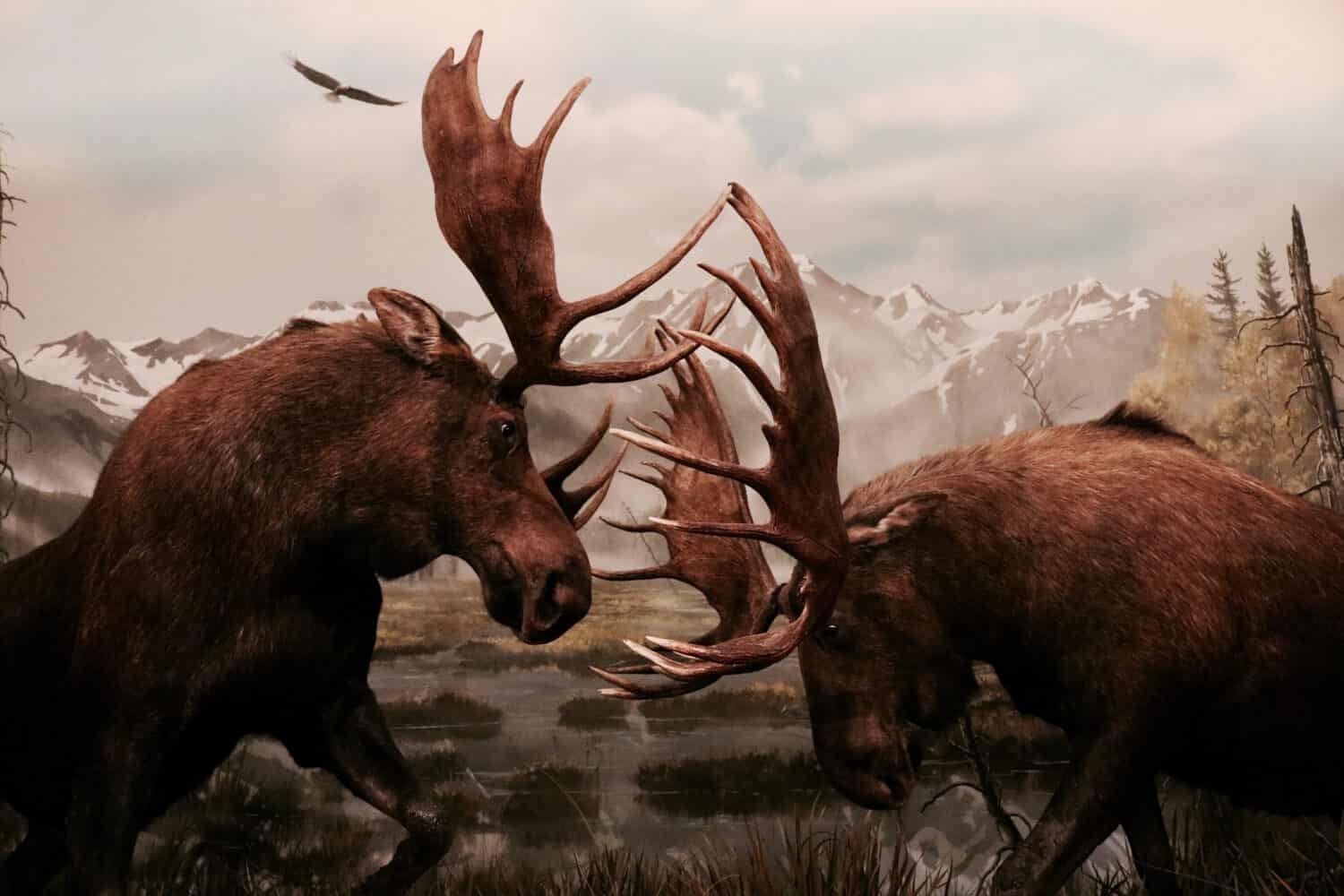
Colorado: Moose
Moose may look calm while browsing, but a startled animal can charge or kick with little warning. Colorado's growing moose population makes these encounters relevant to hikers, drivers, and people walking dogs in mountain communities. Cows with calves and bulls during the fall breeding season deserve particular caution. Keep a generous distance, never approach for a photo, and put a solid obstacle between you and a moose if it charges.
Connecticut: Timber Rattlesnakes
Connecticut's timber rattlesnake is a state-endangered species found in limited areas, not a common threat across the state. Its bite can be medically serious, but the snake generally avoids confrontation. The safest response to a sighting is to leave it alone and give it an escape route. Trying to capture, move, or kill a rattlesnake only increases the risk of being bitten.
Delaware: Portuguese Men-of-War
Portuguese men-of-war can occasionally be carried into Delaware's coastal waters by currents and winds. Despite their jellyfish-like appearance, they are colonies of small organisms called siphonophores. Their long tentacles can produce painful welts and, in some cases, a severe reaction. A washed-up animal is not safe to pick up: NOAA warns that its tentacles can continue to sting long after it reaches the beach.
Florida: American Alligators
Alligators inhabit freshwater lakes, canals, ponds, and marshes throughout Florida. Unprovoked bites are uncommon, but a large alligator can inflict severe injuries, especially when people or pets approach the water's edge. The claim that Florida averages eight fatal alligator bites a year is incorrect; the state records far fewer fatalities than that. Never feed alligators, keep pets leashed away from shorelines, and swim only in designated areas.
Georgia: Pygmy Rattlesnakes
The pygmy rattlesnake is small enough to be overlooked in Georgia's grassy or wooded habitats. Its venomous bite is painful and requires prompt medical evaluation, but death is uncommon with appropriate care. Like other native snakes, it plays a role in controlling small-animal populations and generally wants to be left alone. Wear closed-toe shoes outdoors and avoid putting your hands where you cannot see.
Hawaii: Yellow-Bellied Sea Snakes
The yellow-bellied sea snake is a highly venomous ocean-dwelling species that only rarely washes ashore in Hawaii. State officials documented a live snake on a Hawaii Island beach in February 2025, but such strandings are unusual and no one was injured in that incident. It is misleading to present this snake as a common Hawaiian danger. If you spot one, do not touch it, even if it appears stranded or unable to move on land.
Idaho: Grizzly Bears
Grizzly bears are found in northern Idaho and in eastern Idaho near Yellowstone, not throughout the state. Encounters are uncommon, but their size and strength make a surprise meeting potentially serious. In grizzly country, carry accessible bear spray, make your presence known on trails, and store food securely. Never approach a bear or put yourself between an adult and its cubs.
Illinois: Coyotes
Coyotes live in both rural and suburban parts of Illinois, but healthy animals generally avoid people. Their more realistic risk is to unattended small pets, particularly cats and small dogs. Keeping pets supervised, removing outdoor food, and securing garbage can prevent most conflicts. A coyote visible during the day is not automatically sick or aggressive; behavior matters more than the time of day.
Indiana: Eastern Copperheads
Eastern copperheads occur mainly in southern Indiana, where their camouflage can make them hard to spot among leaves and rocks. The species is venomous, but bites are infrequent and fatalities are rare with modern treatment. Most snakes do not strike unless they are threatened or accidentally stepped on. Give any unidentified snake space rather than attempting to pick it up, and seek medical care after a suspected venomous bite.
Iowa: Wasps
A wasp sting is painful for most people, but the greater concern is a severe allergic reaction, or anaphylaxis, in someone who is susceptible. Some wasps can sting more than once, particularly if their nest is disturbed. Avoid swatting at a nest or attempting to remove a large one without appropriate help. Trouble breathing, throat swelling, faintness, or widespread symptoms after a sting require emergency medical attention.
Kansas: Timber Rattlesnakes
Timber rattlesnakes occur in the eastern third of Kansas, especially around rocky, wooded hillsides. Their range does not extend across the state's broad western plains. Although their venom can cause serious harm, they typically rely on camouflage and avoid people rather than pursue them. Give a snake an unobstructed route away, and resist the urge to move it with your hands.
Kentucky: American Black Bears
Black bears have returned to portions of Kentucky, especially the Appalachian region in the east. Attacks on people are rare, but a bear accustomed to obtaining food from trash or campsites can create dangerous situations. The original bite-force and paw-strike figures are not reliable ways to measure the risk. Store food and garbage securely, keep a respectful distance, and never feed a bear.
Louisiana: Rattlesnakes
Louisiana is home to several venomous rattlesnakes, including timber and pygmy rattlesnakes. Eastern diamondbacks have also been documented in the state, but their distribution is extremely limited and their current status is uncertain. That makes it inaccurate to label them Louisiana's clear-cut deadliest animal. Watch your footing in wooded areas, leave snakes alone, and seek emergency care for a suspected venomous bite.
Maine: Moose
Maine's moose are spectacular to see, but they can pose a serious hazard on the road. Their tall bodies and long legs make a collision especially dangerous for occupants of smaller vehicles, and their dark coats can be difficult to see at dusk. Moose may also charge if they feel cornered or threatened. Slow down in posted moose-crossing areas and never crowd an animal for a photograph.
Maryland: Bull Sharks
Bull sharks are occasional visitors to Maryland's Chesapeake Bay and coastal waters, with sightings in some bay tributaries. That does not make them the state's leading animal danger: shark bites in Maryland waters are rare. These sharks are notable because they can tolerate brackish water and even freshwater for extended periods. Swimmers should follow posted beach advisories and avoid entering the water around active fishing activity.
Massachusetts: American Black Bears
Black bears live in Massachusetts, particularly in western and central areas, and occasionally wander into neighborhoods in search of food. Most bears avoid contact with people, so an encounter does not automatically mean danger. Problems arise when unsecured trash, birdseed, or other food rewards repeated visits. Bring food sources indoors, give the bear an exit, and never approach it for a close-up photo.
Michigan: Eastern Massasauga Rattlesnakes
Michigan's only native venomous snake is the eastern massasauga rattlesnake, a threatened species associated with wetlands and nearby uplands. It is secretive, so most Michiganders will never encounter one. A bite can require emergency medical treatment, even though the snake seldom strikes when left alone. Staying on trails and watching where you put your hands and feet is usually all the precaution needed.
Minnesota: Coyotes
Coyotes are adaptable and can live near Minnesota neighborhoods as well as in the countryside. Attacks on people are rare, but unattended cats and small dogs can be vulnerable. Minnesota wildlife officials advise securing garbage and pet food and supervising animals outdoors. Feeding coyotes, deliberately or accidentally, encourages them to approach places where people live.
Mississippi: Cottonmouths
Cottonmouths, also called water moccasins, are venomous snakes associated with Mississippi's wetlands and waterways. They may open their mouths in a defensive display, but that does not mean they routinely chase people. Many harmless water snakes are mistakenly called cottonmouths. Avoid handling any snake you cannot identify and give those encountered near water room to move away.
Missouri: Ticks
Ticks are a more common health concern in Missouri than dramatic encounters with large predators. The American dog tick shown here can transmit Rocky Mountain spotted fever and tularemia; it is not the tick that typically spreads Lyme disease. In the United States, Lyme disease is mainly transmitted by infected blacklegged ticks. After spending time in grass or brush, check yourself, children, and pets and remove attached ticks promptly.
Montana: Grizzly Bears
Montana is one of the states where residents and visitors may encounter grizzly bears in suitable mountain and plains habitat. Most bears avoid people, but a surprise at close range, especially near cubs or a food source, can turn dangerous quickly. Carry bear spray where it is easy to reach, make noise in areas with poor visibility, and follow local food-storage rules. Bear encounters should never be treated as photo opportunities.
Nebraska: Black Widow Spiders
Black widow spiders can shelter in Nebraska garages, sheds, woodpiles, and other quiet spaces. Their bites can cause severe muscle pain and cramping, but modern poison-center data show that fatal outcomes are exceptionally rare. A spider usually bites only when trapped or disturbed. Wear gloves when moving stored materials and contact a poison center or medical professional if significant symptoms develop after a bite.
Nevada: Mojave Rattlesnakes
Mojave rattlesnakes are found in parts of southern Nevada, not in every corner of the state. Their venom can cause serious systemic symptoms, and suspected bites require prompt medical treatment. They generally remain hidden or retreat when undisturbed. In desert terrain, be careful where you step after dark, avoid reaching into crevices, and do not attempt to handle a rattlesnake.
New Hampshire: Moose
For drivers in New Hampshire, a moose crossing is a much more realistic concern than an animal attack. State wildlife officials reported an average of 64 moose-vehicle collisions a year over the preceding five years in a May 2026 safety reminder. Risk is especially notable in the North Country and White Mountains, including during low-light travel. Slow down, watch the roadside, and remember that a moose can appear with very little warning.
New Jersey: Coyotes
Coyotes are established in New Jersey and can turn up in wooded suburbs as well as rural landscapes. Human attacks are unusual, but coyotes may prey on small, unattended pets. It is better to focus on preventing conflicts than to assume every sighting signals an aggressive animal. Keep pets close, remove food attractants, and report a coyote that approaches people repeatedly or behaves abnormally.
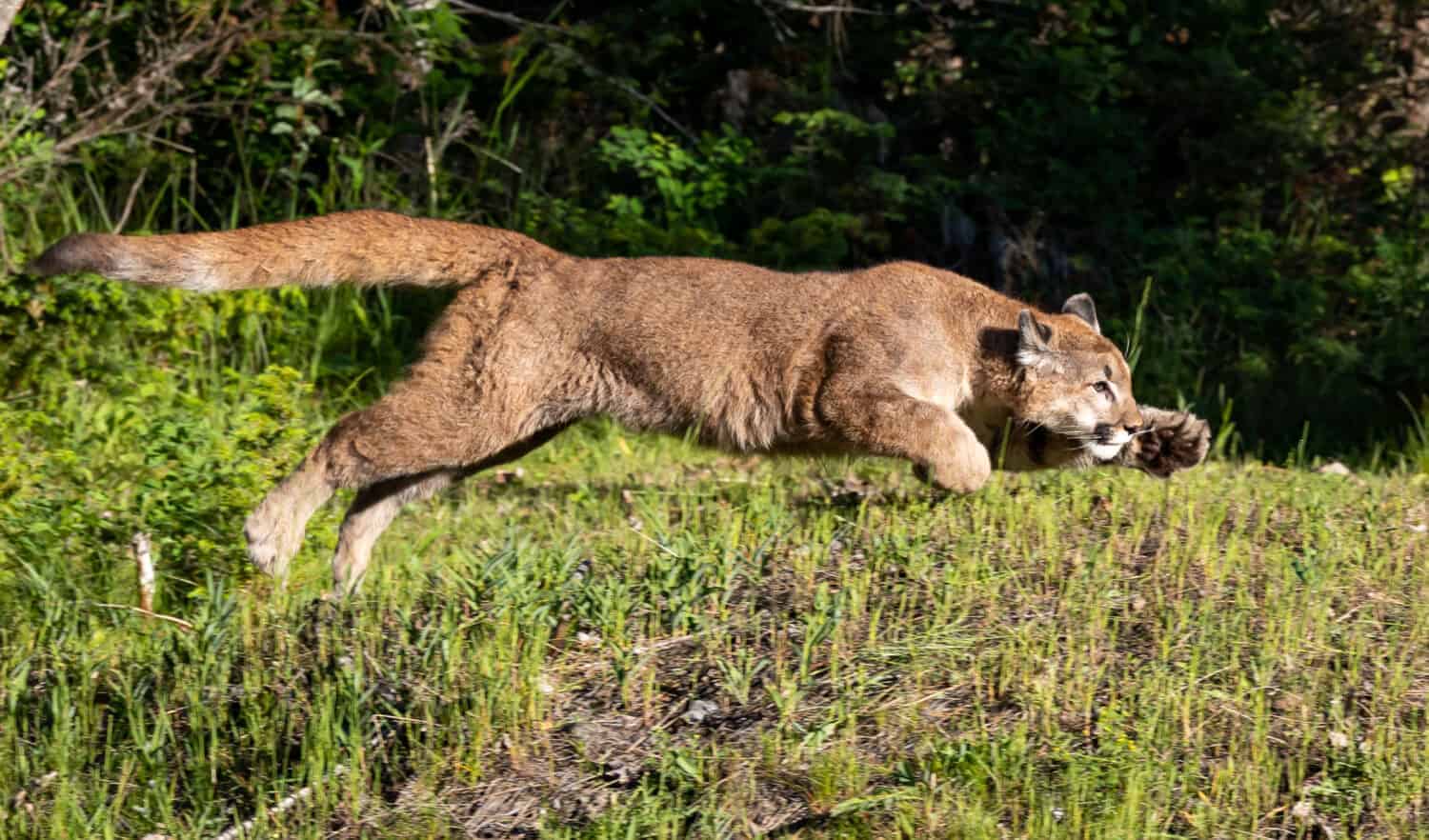
New Mexico: Mountain Lions
Mountain lions roam parts of New Mexico's mountains, foothills, and other suitable habitat. Attacks on people are very rare, but these powerful cats warrant caution if encountered at close range. Do not run from a mountain lion; make yourself look larger, keep children close, and slowly create distance. If one acts aggressively, follow state wildlife guidance and defend yourself if attacked.
New York: Mosquitoes
Mosquitoes are easy to dismiss as a summertime nuisance, but a small number can carry serious illnesses. In New York, the principal locally monitored concerns include West Nile virus and the much rarer eastern equine encephalitis virus. The original text focused on dengue, malaria, and Zika, which are not the state's usual locally transmitted mosquito threats. Use EPA-registered repellent, keep window screens intact, and eliminate standing water around the home.
North Carolina: Portuguese Men-of-War
Portuguese men-of-war sometimes wash onto North Carolina beaches, particularly when currents and winds bring them close to shore. They are not true jellyfish, but their long stinging tentacles can cause intense pain and skin welts. Dangerous reactions are uncommon, yet severe symptoms deserve medical attention. Do not touch a stranded specimen or its detached tentacles; they may still sting after washing ashore.
North Dakota: Prairie Rattlesnakes
Prairie rattlesnakes occur in parts of North Dakota, including the badlands and some areas east of the Missouri River. Their venomous bite is medically serious, although encounters and deaths are rare. They generally strike defensively when startled or cornered rather than seek out humans. Watch for snakes near rocks and trails during warmer months, and give them space instead of trying to relocate them.
Ohio: White-Tailed Deer
Deer-vehicle collisions are a genuine concern on Ohio roads, particularly during the fall. Ohio transportation officials reported more than 113,000 deer-involved crashes in a six-year period beginning in 2019, with 45 fatal crashes; the original claim that 2% were fatal is badly wrong. Those numbers show why a familiar animal can become dangerous without ever acting aggressively. Reduce speed in deer-crossing areas and avoid swerving sharply into oncoming traffic.
Oklahoma: Western Pygmy Rattlesnakes
Western pygmy rattlesnakes inhabit portions of Oklahoma and can be difficult to spot because of their small size. Their bites are painful and need medical assessment, but catastrophic injuries are not the expected outcome of every bite. These snakes usually defend themselves only when disturbed. Leave room for any snake to retreat and seek prompt care after a suspected venomous bite.
Oregon: American Black Bears
American black bears live in Oregon's forested regions and sometimes approach houses or campgrounds when food is accessible. Wild bears generally avoid people, and serious attacks remain unusual. The best way to reduce conflict is to secure garbage, remove outdoor pet food, and follow campsite food-storage rules. If you see a bear, stay calm, give it room to leave, and do not try to feed or approach it.
Pennsylvania: White-Tailed Deer
White-tailed deer are a serious traffic concern in Pennsylvania, especially where highways cut through wooded habitat. Crashes involving deer are much more common than attacks by the state's larger wild animals. The original one-in-59 figure came from a particular insurance estimate and should not be treated as a permanent statewide risk. Watch roadside movement, use extra caution at dawn and dusk, and remember that deer often travel in groups.
Rhode Island: Tiger Sharks
Tiger sharks are impressive predators, but they are rare visitors to Southern New England waters. Rhode Island wildlife officials list the species among sharks that can occur locally while noting how unusual these northern visits are. That is very different from saying tiger sharks are the state's leading animal danger. For beachgoers, follow local ocean-safety alerts rather than treating a rare offshore visitor as an everyday threat.
South Carolina: Copperheads
Copperheads are among South Carolina's more commonly encountered venomous snakes, although most snakes people see are harmless. Their camouflage helps them disappear into leaves, rocks, and brush, so accidental contact is the main concern. A bite requires medical assessment, but the species does not normally pursue people. Wear sturdy footwear in wooded areas and never reach into a pile of leaves without looking first.
South Dakota: Bison
Bison can weigh well over a thousand pounds and move far faster than their bulky appearance suggests. Visitors to places such as Custer State Park should remember that these are wild animals, not tame roadside attractions. They may charge if approached too closely, particularly when calves are present. Stay inside your vehicle when appropriate, give bison a wide berth, and never try to take a selfie beside one.
Tennessee: American Black Bears
Black bears inhabit Tennessee's mountain forests, including the Great Smoky Mountains region. Most encounters end without conflict, but a bear that associates cabins, cars, or campsites with food can become a problem. Keep doors secured, store food properly, and never offer a bear a snack for a photograph. Give bears space and follow the specific instructions posted in the park or recreation area you are visiting.
Texas: American Alligators
American alligators live in parts of eastern and coastal Texas, particularly around wetlands, bayous, and lakes. Attacks on people are rare, but feeding a wild alligator can teach it to approach humans in search of food. Texas Parks and Wildlife advises keeping a safe distance, supervising children and pets near water, and swimming only in approved areas. Never attempt to capture or move an alligator yourself.
Utah: Coyotes
Coyotes are widespread in Utah, from open country to the edges of communities. They rarely attack people, but cats and small dogs may be at risk when left unattended outside. The best approach is practical: secure trash, bring pet food inside, and keep dogs under control on walks. A wild coyote should be given room to pass rather than fed or approached.
Vermont: Moose
Moose are among Vermont's largest wild animals, and that makes a roadway encounter especially hazardous. A collision with a tall, heavy moose can be far more serious than an ordinary fender bender. They can also charge when startled or threatened. Stay alert on wooded roads in low light, heed moose-crossing signs, and never attempt to approach or pet a moose you see near a trail.
Virginia: Bull Sharks
Bull sharks sometimes move into Virginia's coastal waters and the Chesapeake Bay during warmer months, but they are uncommon there. Researchers at the Virginia Institute of Marine Science describe observations in the bay and its tributaries as rare to occasional. Shark bites in Virginia are extremely rare, so this is a possible hazard rather than the state's statistically deadliest animal. Follow posted beach conditions and leave the water calmly if a shark is sighted.
Washington: Grizzly Bears
Grizzly bears are rare in Washington, with a small population in the northeastern Selkirk Mountains and documented presence in other northern mountain areas. It would be misleading to imply that hikers routinely encounter them across the state. In known grizzly habitat, carry accessible bear spray, travel alertly, and store food away from sleeping areas. Black bears are much more widespread, and both species deserve a respectful distance.
West Virginia: White-Tailed Deer
West Virginia's winding mountain roads bring motorists into frequent contact with white-tailed deer. Deer darting across the road can cause crashes even though the animals pose little threat during ordinary outdoor encounters. State transportation officials regularly warn drivers about deer-strike hazards, especially in fall. Slow down in wooded areas and be prepared for a second deer to follow the first.
Wisconsin: American Black Bears
Black bears are most common in northern Wisconsin, although their range has expanded farther south. Attacks are rare, and state wildlife officials report no known human fatalities from wild black bear encounters in Wisconsin. The more common problem is a bear attracted to bird feeders, garbage, or campsite food. Remove those attractants and allow any visiting bear a clear path away.
Wyoming: Bison
Yellowstone's bison can look remarkably relaxed until someone gets too close. National Park Service officials say bison have injured more visitors there than any other animal, and visitors must remain at least 25 yards away. They can run much faster than people and may charge without much warning. Admire them from a distance, stay in your vehicle if it is safe to do so, and never step out for a close-range photograph.