TV Archives
ShutterPNPhotography/Shutterstock.com
Eric Steuer / CC BY 2.0
jelene / BY 2.0
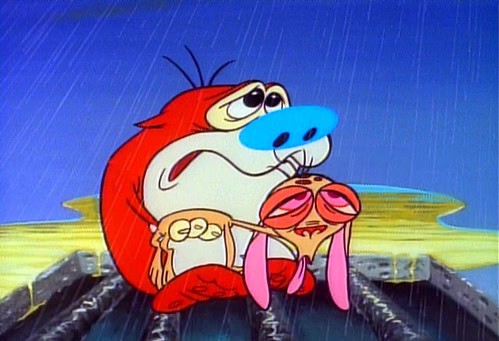
"Ren & Stimpy" by twm1340 is licensed under BY-SA 2.0.
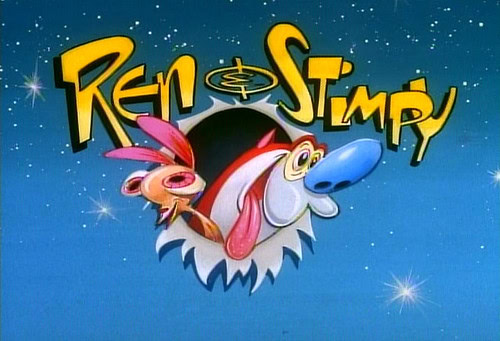
twm1340 / BY-SA 2.0
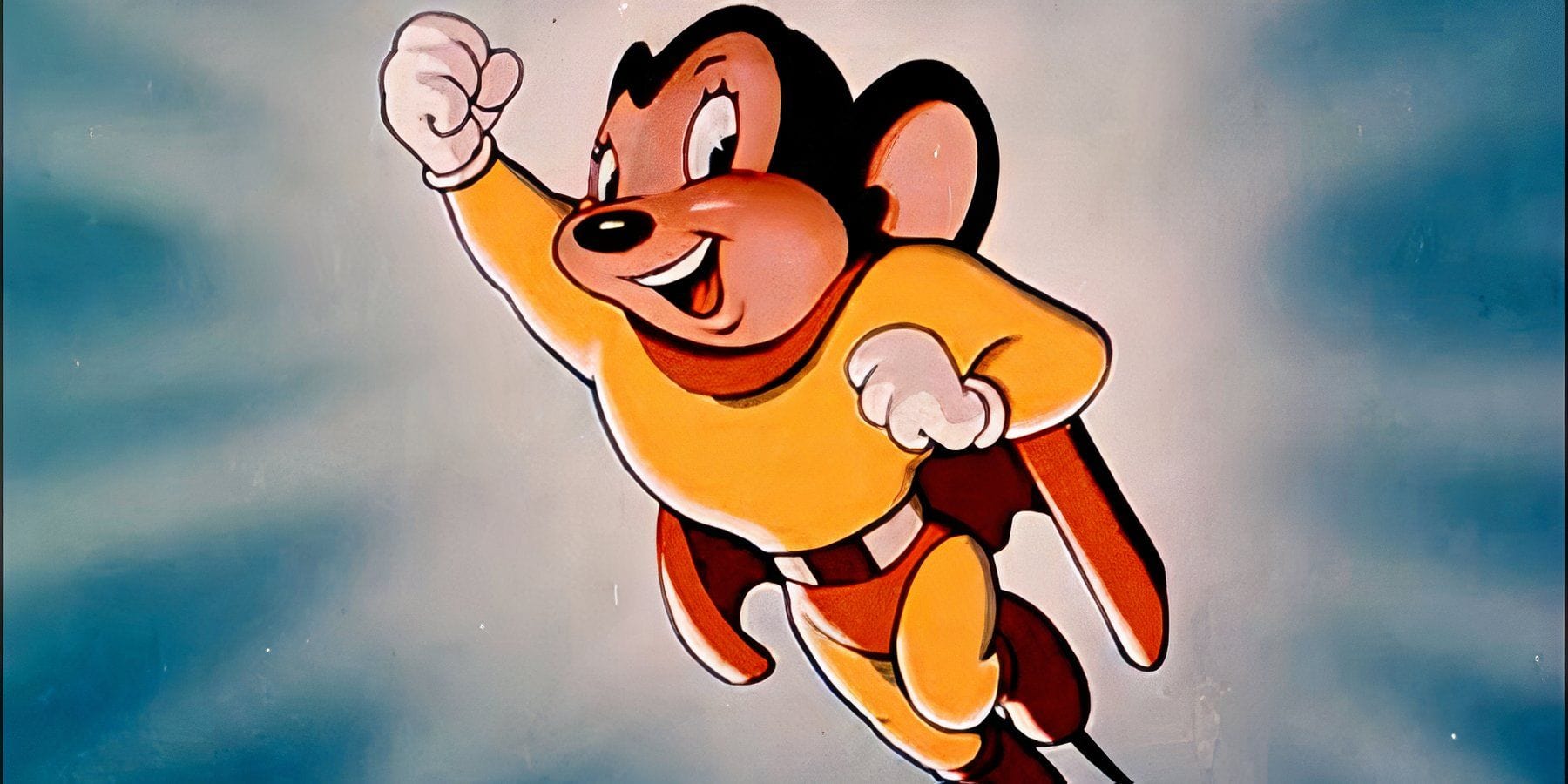
TV Guide
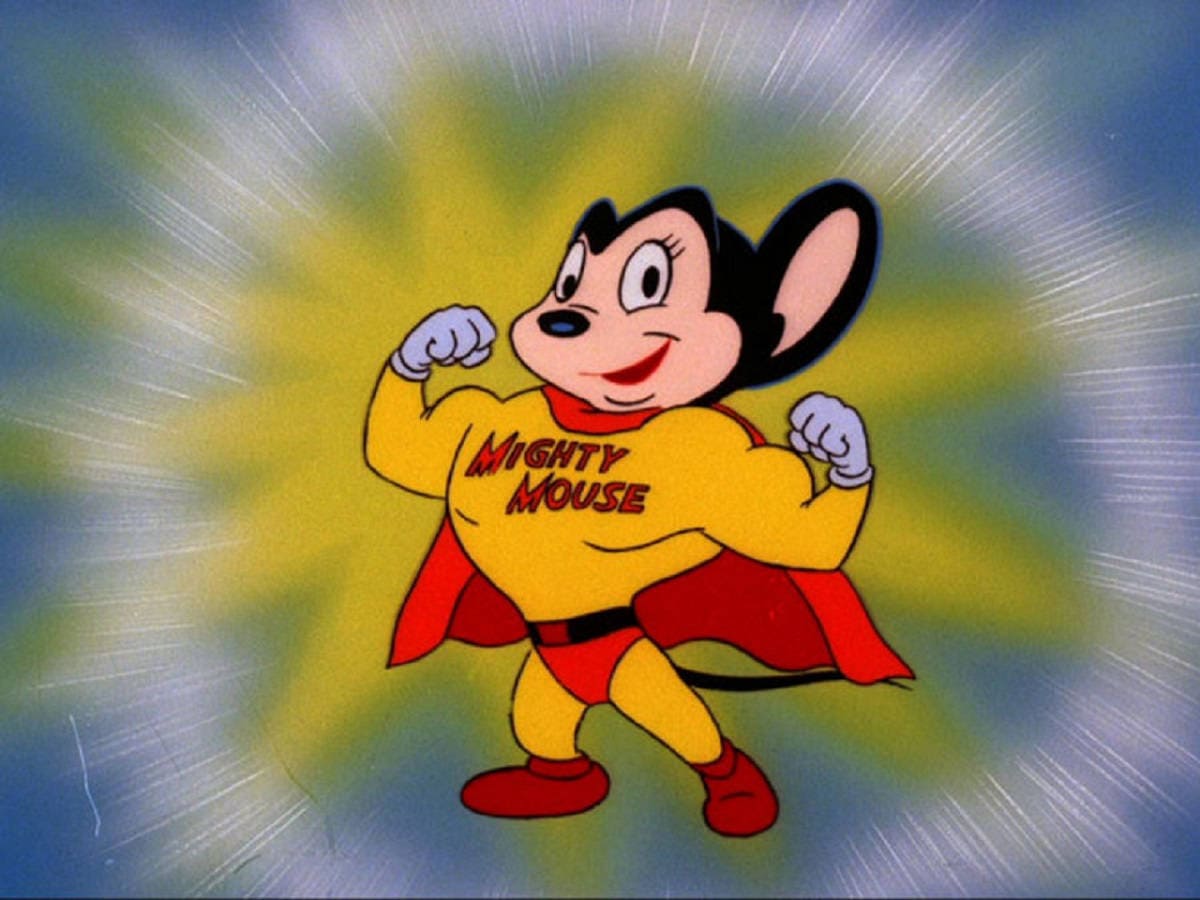
TV Guide
TV Guide
TV Guide
4 Classic Kids' Cartoons That Were Pulled, Censored, or Locked Away
For decades, children's television was appointment viewing. Kids planted themselves in front of the TV for blocks of cartoons, while ABC, CBS, NBC, and later cable networks competed for young audiences. Behind all that cereal-fueled entertainment, however, was a surprisingly complicated mix of advertisers, network standards, toy companies, parental watchdog groups, and creators constantly testing how far they could go.
That occasionally produced some spectacular collisions. One cartoon was pulled just days before its U.S. premiere. Another had an episode shelved for more than a decade. A few seconds of another show became the center of a national drug controversy. And one of the most beloved cartoons of the 1980s remains remarkably difficult to watch legally because of the way it incorporated other movies and television shows. Here are four classic kids' cartoons that ran into serious trouble on or off the air.
These stories also show why “banned cartoon” can mean several very different things. Garbage Pail Kids was pulled before its American premiere. Nickelodeon refused to air one notorious Ren & Stimpy episode. CBS physically removed a few seconds from Mighty Mouse. Muppet Babies was never banned at all, but its unusual production style helped make a complete modern release complicated. In an era before streaming and instant digital distribution, a network decision really could make a cartoon, an episode, or even a few seconds of animation remarkably difficult to see again.
Setting the Stage
The television landscape for children changed substantially during the 1980s. In 1984, the Federal Communications Commission repealed its commercial guidelines for children's programming as part of a broader deregulatory approach. The FCC later concluded that the amount of commercial material shown during children's programs increased after that decision. This was also an era when cartoons tied to toys, trading cards, and other merchandise became increasingly prominent.
Congress eventually stepped back in with the Children's Television Act of 1990. The law led to limits of 10.5 minutes of commercial material per hour on weekends and 12 minutes on weekdays for programming directed at children 12 and younger. The FCC also reaffirmed its policy on program-length commercials. Long before those rules took effect, however, networks were already dealing with complaints from parents and advocacy groups about violence, commercialism, and material they considered inappropriate for children.
Garbage Pail Kids: From Trading Cards to CBS
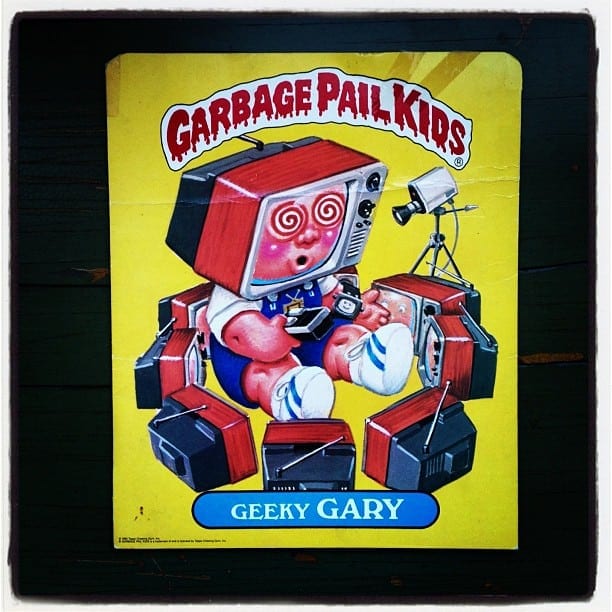
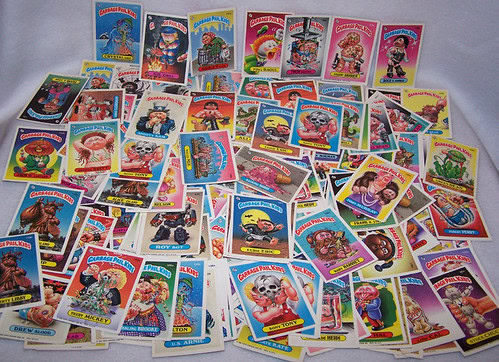
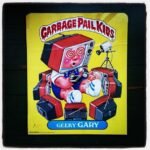
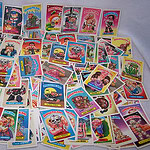
Few children's properties screamed 1980s quite like Garbage Pail Kids. Topps launched the trading cards in 1985 as a grotesque parody of the enormously popular Cabbage Patch Kids, filling them with pun-heavy characters suffering all kinds of disgusting and frequently violent fates. Kids loved them. Plenty of adults absolutely did not. That didn't stop CBS from developing an animated Garbage Pail Kids series for its 1987 Saturday morning schedule.
The television version softened much of the trading cards' gross-out material, but the brand itself already carried plenty of baggage. CBS promoted the series for the 1987-88 season and planned to place it after Pee-wee's Playhouse. Thirteen episodes were ultimately produced. Before American viewers could see even one of them, however, organized opposition turned a cartoon based on trading cards into one of Saturday morning television's strangest disappearing acts.
Garbage Pail Kids: Pulled Days Before Its Premiere
Groups including Action for Children's Television, the National Coalition on Television Violence, and Christian Leaders for Responsible Television objected to the planned series. Critics accused the property of glorifying violence, ridiculing people with disabilities, and functioning as an extended advertisement for the Garbage Pail Kids cards. Several major advertisers, including McDonald's, RJR Nabisco, and Crayola maker Binney & Smith, said they did not plan to advertise on the program.
CBS pulled Garbage Pail Kids only days before its scheduled September 1987 debut. The network publicly denied that advertiser pressure was the deciding factor and said the show itself had not worked out as hoped, although people involved in the production later described nervous advertisers and affiliates as major concerns. Production of all 13 episodes was completed, and the show eventually aired in other countries. American audiences had to wait until much later to get an official look at the cartoon CBS had spent more than $1 million making.
Ren & Stimpy: Nickelodeon Let Cartoons Get Weird
The Ren & Stimpy Show was not technically born from the traditional Saturday morning network system. It premiered on Nickelodeon on Sunday, Aug. 11, 1991, alongside fellow original Nicktoons Doug and Rugrats. That distinction matters because Nickelodeon's approach was different. Rather than building every cartoon around an existing toy line, the network gave individual creators considerably more room to develop distinctive shows and visual styles.
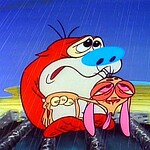
John Kricfalusi's series took full advantage. Ren was an unstable Chihuahua, Stimpy was a wonderfully dim Manx cat, and the show happily bounced between beautiful animation, gross-out humor, surrealism, disturbing close-ups, and jokes aimed well above the heads of younger viewers. It quickly became one of Nickelodeon's signature programs. That success did not eliminate the tension between Kricfalusi's studio, Spümcø, and a network that still had schedules and standards to enforce.
Ren & Stimpy: The Episode Nickelodeon Wouldn't Air
The breaking point became associated with “Man's Best Friend,” a second-season episode centered on George Liquor attempting to train Ren and Stimpy as pets. Its most infamous scene shows Ren repeatedly beating George with a wooden oar. Nickelodeon shelved the completed episode, and it never aired during the show's original run on the network. Kricfalusi later pointed to the episode as a major factor in the collapse of his relationship with Nickelodeon.
The firing itself was more complicated than one banned cartoon. Contemporary reporting in September 1992 said Nickelodeon's primary complaint was Spümcø's repeated failure to deliver episodes on schedule, while also documenting ongoing fights over the show's content. Production moved to Games Animation and the series continued without Kricfalusi. “Man's Best Friend” remained unseen on television until June 2003, when it finally aired as part of the adult-oriented Ren & Stimpy Adult Party Cartoon era.
Mighty Mouse: A Cartoon Scene Nobody Noticed at First
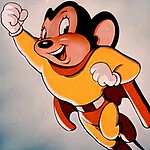
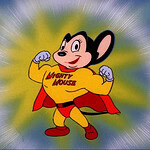
Mighty Mouse: The New Adventures brought the old Terrytoons superhero back to CBS in 1987 under producer Ralph Bakshi. The Saturday morning series was knowingly strange and frequently played with animation conventions, which made it stand apart from a lot of safer children's television. One segment in the episode “The Littlest Tramp” showed Mighty Mouse remembering a poor flower seller and inhaling the aroma from a handful of her crushed flowers.
The sequence had already passed CBS Standards and Practices and originally aired without causing a national incident. That changed after a later broadcast. In 1988, Donald Wildmon of the American Family Association publicly accused the cartoon of depicting Mighty Mouse snorting cocaine. CBS strongly denied the allegation. The network said the material in Mighty Mouse's hand consisted of crushed flowers and other debris from the story, with the animation depicting their aroma reaching his nose.
Mighty Mouse: The 3.5 Seconds CBS Cut
The explanation did not end the controversy. Media watchdog groups continued criticizing CBS, and the Dallas City Council even passed a resolution condemning the network over the scene. Bakshi insisted that Mighty Mouse had never been depicted using drugs and called the interpretation completely wrong. Still, he eventually asked CBS to remove the sequence because the controversy itself had changed the way viewers were interpreting it.
CBS removed roughly 3.5 seconds from future broadcasts of “The Littlest Tramp.” Wildmon treated the edit as vindication, while Bakshi and CBS continued maintaining that the original scene was innocent. It is a nearly perfect example of how heated children's television battles could become in the 1980s. A tiny piece of animation involving crushed flowers went from unnoticed to national controversy, and the network ultimately altered the master rather than keep fighting over it.
Muppet Babies: A Saturday Morning Juggernaut
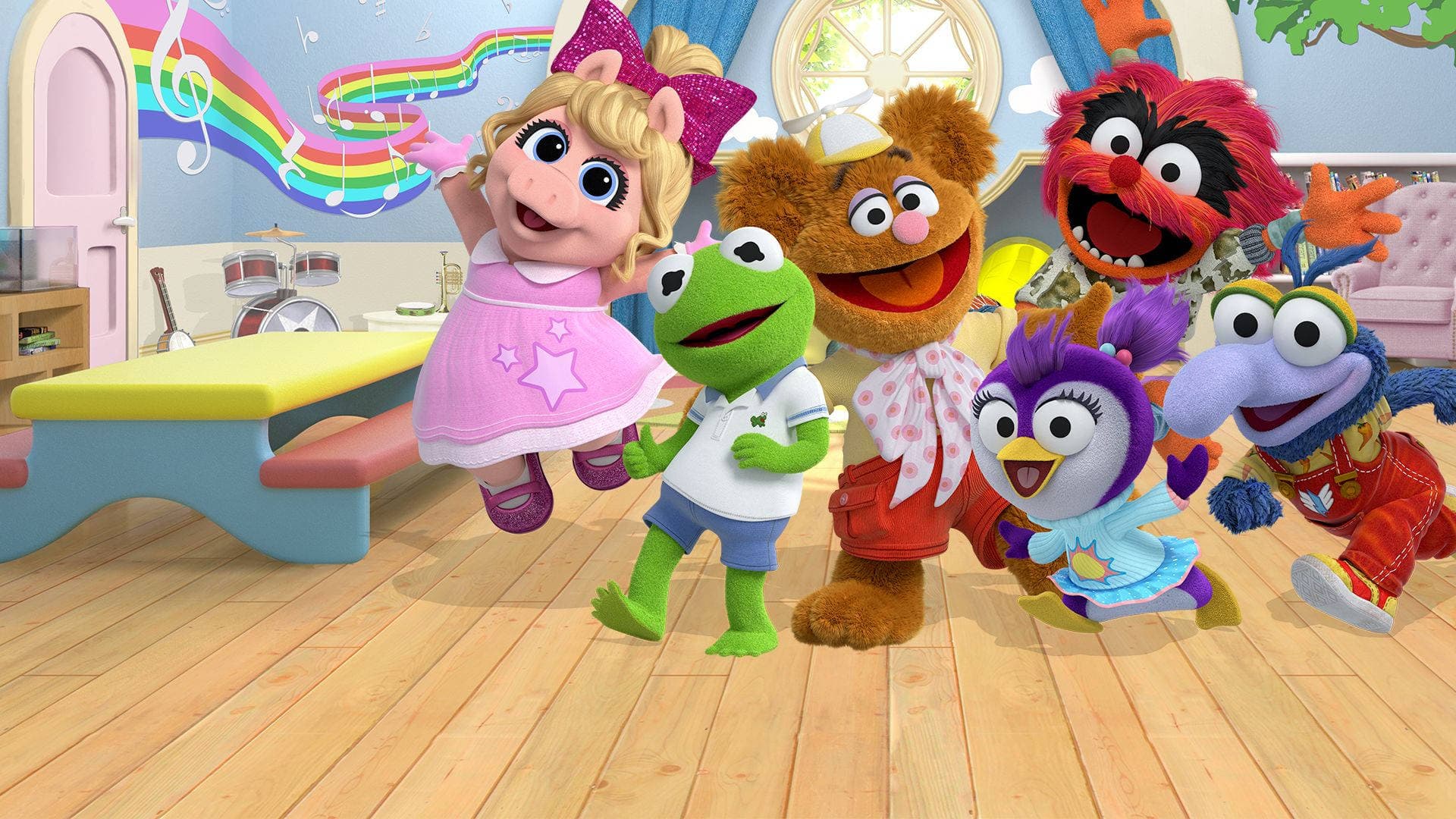
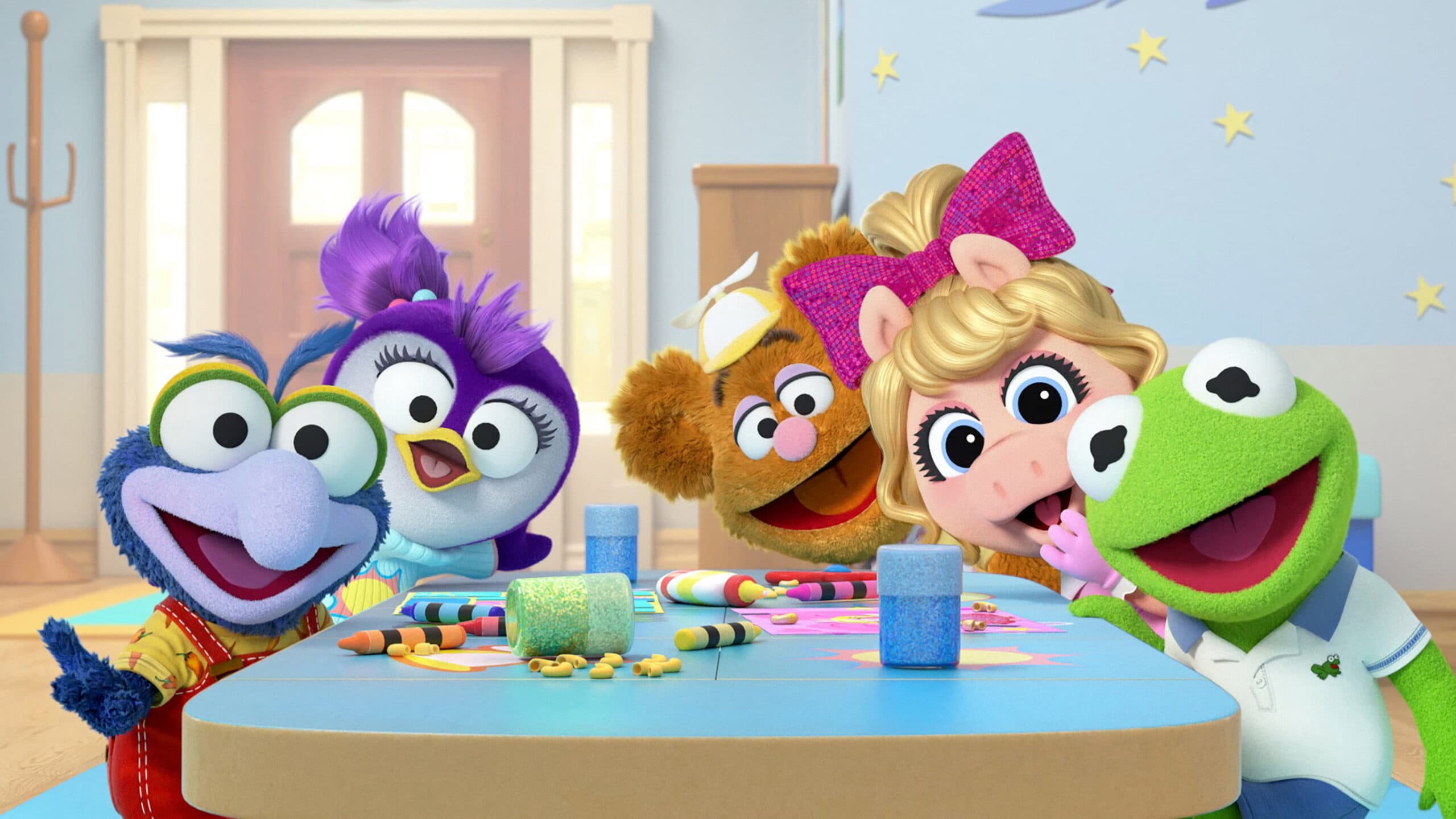
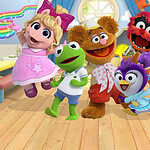
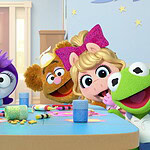
Unlike the other shows here, Jim Henson's Muppet Babies was not taken off television because parents were furious. Quite the opposite. The animated series premiered on CBS on Sept. 15, 1984, and became a major success, running for eight seasons and 107 episodes. It also won multiple awards, including four consecutive Daytime Emmys for Outstanding Animated Program. The basic idea was simple: turn familiar Muppets into children and let their imaginations do the rest.
What made those imaginary adventures unusual was the show's willingness to mix animation with footage and imagery from other entertainment. The babies could suddenly find themselves riffing on Star Wars, Raiders of the Lost Ark, classic movies, television programs, news footage, or old Hollywood shorts. The Jim Henson Company itself has described the incorporation of live-action footage and photographic backgrounds as one of the show's defining creative techniques. It was wildly effective, but it created an unusual legacy problem.
Muppet Babies: Why the Original Is Still Hard to Watch
The original Muppet Babies has received scattered home-video releases over the years, including VHS releases and four episodes packaged on DVD with toys in 2003, but it has never received the kind of complete modern release its popularity would suggest. The show's extensive use of material from other films and television programs has long been cited as a major obstacle. Animator Guy Gilchrist said in 2023 that copyright and trademark complications were a reason the series had not reached modern streaming services.
The exact contractual situation is less clear than internet retellings sometimes suggest, so claims that the original agreements covered only the first broadcast run go too far. What is clear is the result. As of 2026, the original 1984 series still is not available as a complete legal streaming series in the United States, even though Disney's 2018 Muppet Babies reboot is readily available. One of CBS's biggest Saturday morning hits survives, but actually watching the whole original run remains much harder than it should be.