
gldburger / Getty Images

MaChaPhotoGraphie/Shutterstock.com
Bill Branson (Photographer), Public domain, via Wikimedia Commons
RDNichols/Shutterstock.com
Pressmaster/Shutterstock.com

Reskiandriawan27/Shutterstock.com
AnnaStills/Shutterstock.com

Diego Cervo/Shutterstock.com
gldburger / Getty Images
patat/Shutterstock.com
travelershigh/Shutterstock.com
Reddit Nostalgia
Rawpixel.com/Shutterstock.com

Zuyeu Uladzimir/Shutterstock.com

Nomad_Soul/Shutterstock.com

Rawpixel.com/Shutterstock.com

marialevkina/Shutterstock.com
LightField Studios/Shutterstock.com

Ground Picture/Shutterstock.com

TopMicrobialStock/Shutterstock.com
Africa Studio/Shutterstock.com












20 Things Only Kids Before the Internet Will Remember
Before streaming, smartphones, and a screen within easy reach, kids had to work a little harder to entertain themselves. If you were bored, you went outside, knocked on a neighbor’s door, and asked if they could come out. From there, you figured it out. You rode bikes, made up games, wandered the neighborhood, or turned the most random object in the yard into something important.
If nobody was around, you improvised. A cardboard box became a fort. A driveway became a stadium. A stick became a sword, a wand, a fishing pole, or whatever else the afternoon required. There was no algorithm lining up the next thing to watch and no phone ready to rescue you from boredom. You found something to do, or you sat there until your imagination finally reported for duty.
At the time, none of this felt unusual. It was just childhood. Compared with today, though, the years before the internet became the default source of entertainment can feel like another world. Here are 20 things kids did before streaming and smartphones took over so much of their free time.
Looking Things Up in an Encyclopedia
If you wanted to find something out and the grown-ups weren’t around to ask, you checked the encyclopedia—assuming your family owned a set. The thick volumes sat in alphabetical order and were often already aging by the time anyone opened them. Print encyclopedias did have cross-references and “see also” suggestions, but following one meant pulling another heavy book from the shelf instead of clicking a link. You read the entry, worked with the information available, and hoped nothing important had changed since that edition was printed. Sometimes you opened a random volume with no question in mind and started reading anyway. That was browsing before browsers.
Playing Board Games That Took Hours
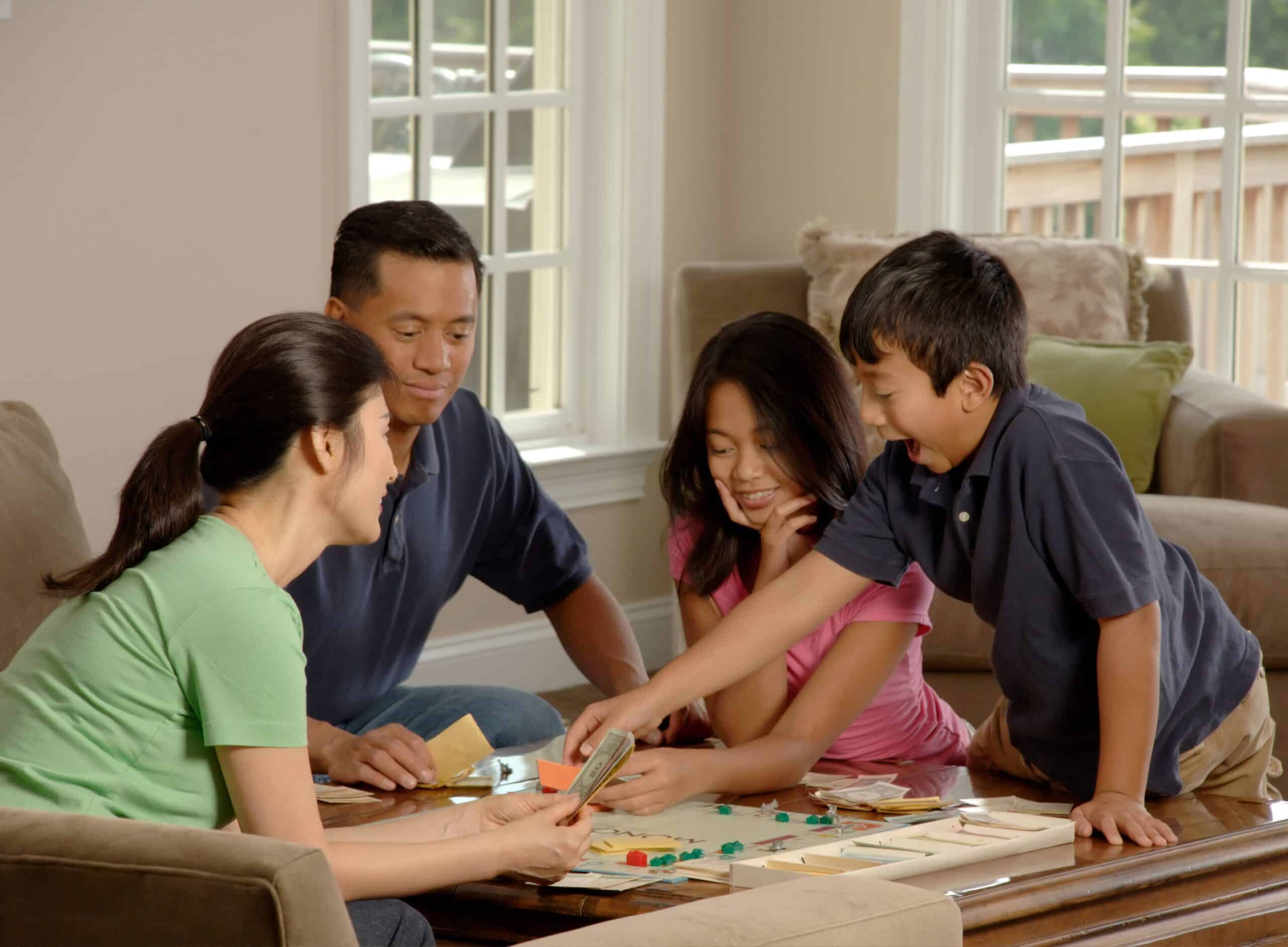
Long before every player had a personal screen, a board game could take over the table for an entire evening. Monopoly was especially capable of stretching for hours, particularly when families used house rules that kept broke players alive longer. Rules were questioned, alliances formed, and occasionally somebody took the game far more seriously than the cardboard deed to Baltic Avenue deserved. The game required patience, but it also kept everyone in the same room. Winning was nice. Having an excuse to stay there together was the part that lasted.
Waiting for Your Favorite Song on the Radio
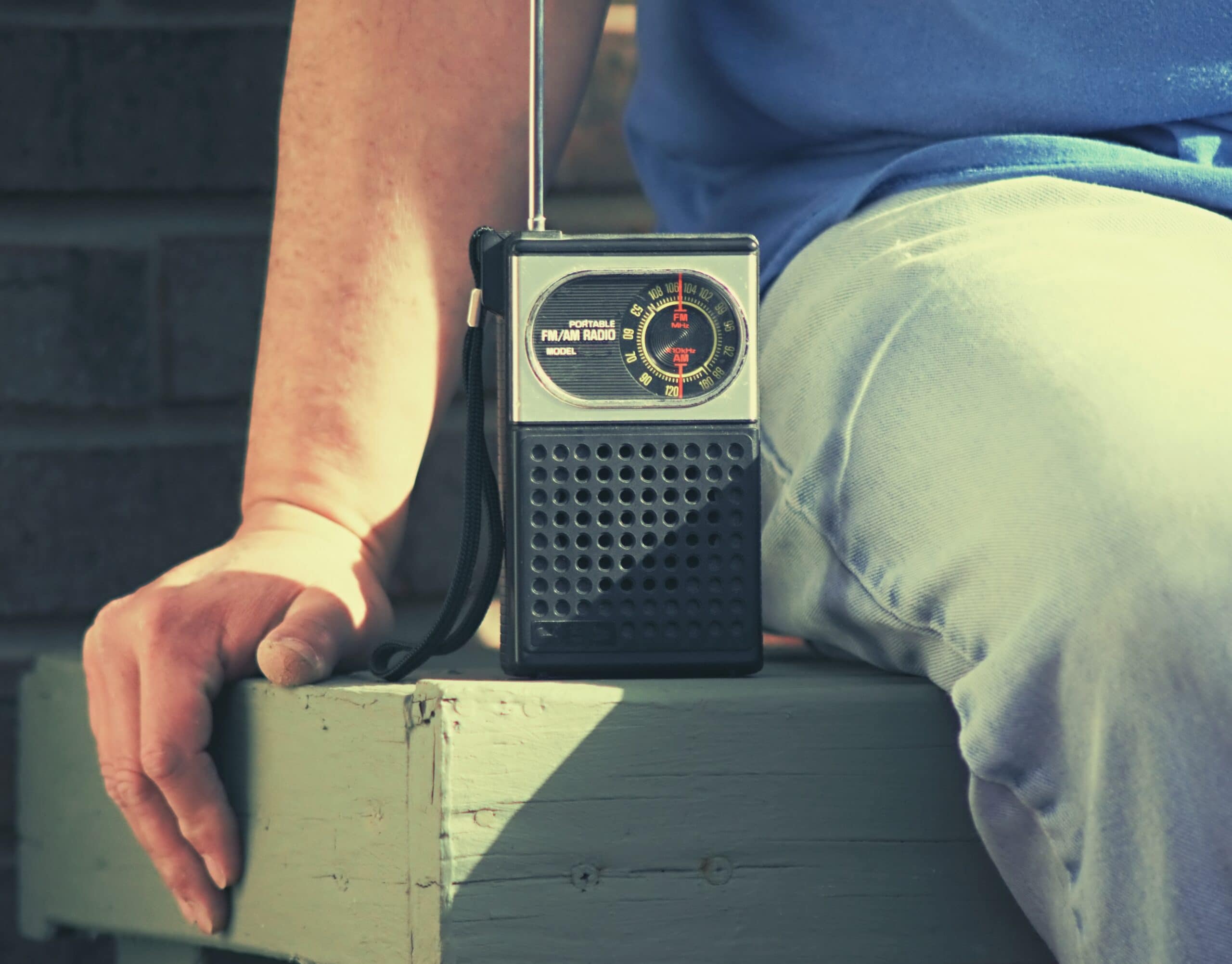
If you wanted to hear a particular song and did not own the record or cassette, you waited for the radio to play it. That meant sitting through songs you did not care about, commercial breaks, weather updates, and a DJ who might talk straight through the opening you were trying to record. Still, hearing the song felt earned. You also discovered music you would never have chosen on your own. Sometimes a friend called to say a favorite song had started, sending both of you running toward radios in different houses. It was a shared listening party held together by a landline and excellent timing.
Saturday Morning Cartoons
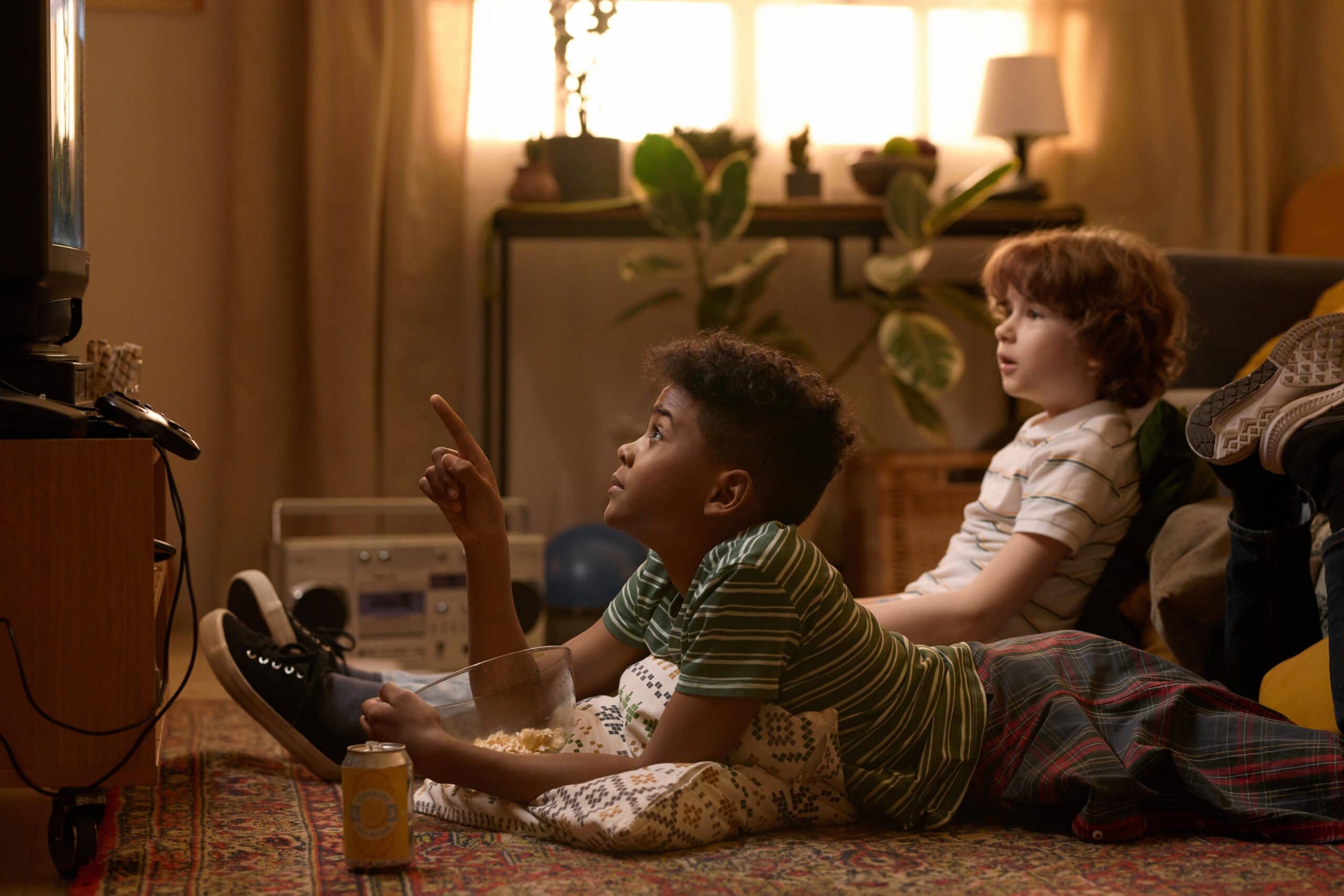
For decades, Saturday morning was prime cartoon time. By the end of the 1960s, the major networks were airing hours of children’s programming on weekend mornings, and watching it had become a ritual in many homes. You got up early, poured a bowl of cereal, and tried not to miss the opening credits. For much of that era, there was no on-demand replay waiting for you. Sleep through a show and you might be waiting for a rerun. Streaming eventually broke the connection between cartoons and a particular morning, which is convenient, although it did remove the strange thrill of planning an entire weekend around a television schedule.
Playing Outside Until the Streetlights Came On
For plenty of kids, the streetlights turning on served as an unofficial curfew. That was the signal to finish the game, grab your bike, and head home. Parents might have known the general area where everyone was playing, but there were no cellphones providing updates or location tracking. The arrangement was simple: be back for dinner, be back when the lights came on, or be prepared to explain yourself. No notification, no text—just a municipal Bat-Signal telling half the neighborhood that playtime was over.
Hand-Clapping Games and Jump Rope Rhymes
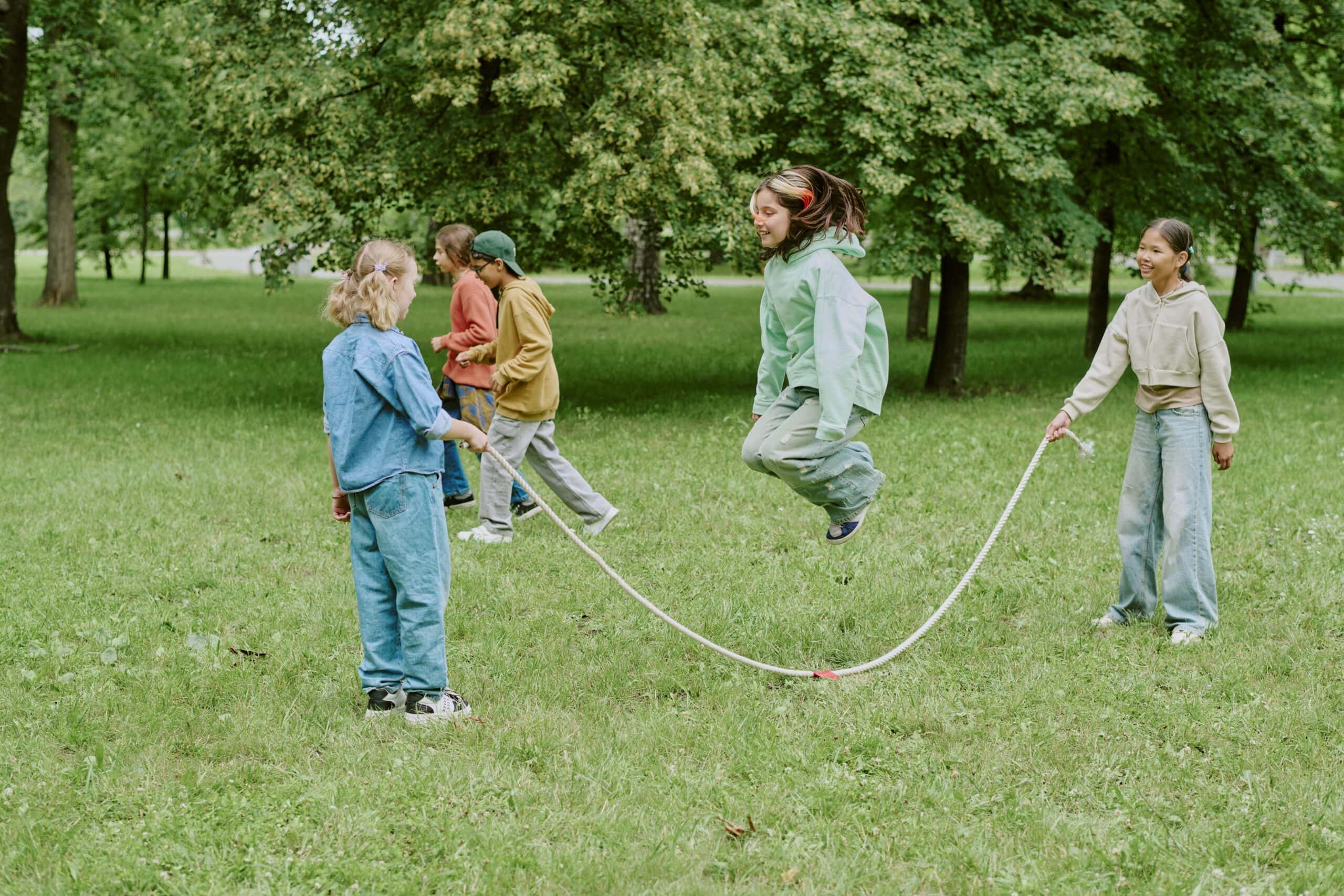
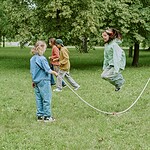
There was rarely one official version. Hand-clapping games such as “Miss Mary Mack” and the rhymes used in jump-rope and double-dutch games passed from child to child and playground to playground. You stood across from a friend, clapped out a rhythm, and chanted words that did not always make much sense. Then it got faster until somebody lost the beat.
Children in different places developed their own words, rhythms, and rules. Even groups at the same school could disagree about how a rhyme was supposed to go, and naturally, your version was the correct one. The others were suspicious regional knockoffs. It was a genuine oral tradition operating inside elementary schools, handed down with no instruction manual and wildly inconsistent quality control.
Passing Notes in Class
Before texting, covert classroom communication often involved a note folded into a tiny square and passed from desk to desk until it reached the right person. Every handoff created another opportunity for a teacher to intercept it. The contents were usually mundane, but the delivery system made them feel classified. A confiscated note could be read aloud, handed to a parent, or quietly kept as evidence. Unlike a whispered comment, the paper could resurface later, complete with handwriting that made denial fairly ambitious.
Caring For Your Tamagotchi
A Tamagotchi was an egg-shaped electronic toy with a tiny screen where a digital pet lived. It needed food, games, cleaning, discipline, and medicine when it became sick. The toy beeped and displayed an attention icon when it needed care, usually at the least convenient moment available. Ignore those needs for too long and the character could become ill or die. It was less like carrying a game and more like accepting a very small, pixelated responsibility.
Some schools and teachers banned or confiscated them, which did not stop children from hiding them in pencil cases and checking on them between lessons. Bandai still sells versions of the Tamagotchi today, including models based on the original care pattern. The late-1990s craze was different, though. A generation of kids learned that a digital pet had no interest in their class schedule.
Game Boy on Road Trips
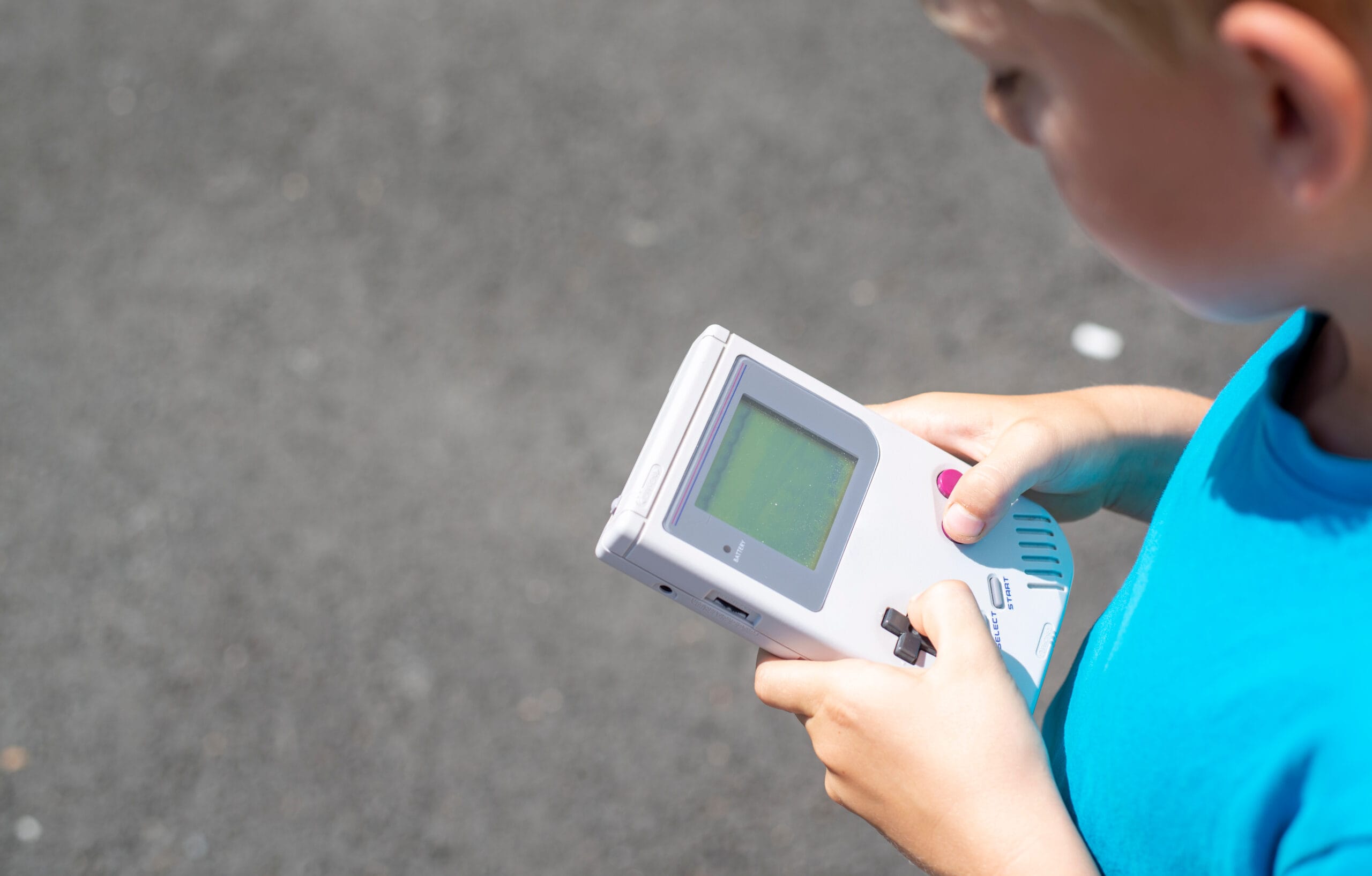
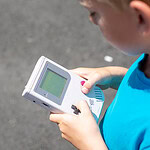
Before phones became portable entertainment centers, a long car ride often meant bringing the Game Boy. Nintendo’s original 1989 model ran on four AA batteries, with an advertised battery life of about 15 hours, so spare batteries were still wise insurance. Its monochrome LCD was not backlit, which meant tilting the system toward the window and chasing whatever daylight reached the back seat. Once the sun went down, the game was effectively over unless you had one of those awkward clip-on lights.
If the family had one Game Boy and more than one child, the harder game was deciding whose turn it was. The system could link to another Game Boy for supported multiplayer games, but that required a second console, a second copy of the game in many cases, and a link cable. Without that setup, one kid played and everyone else watched the scenery or began negotiations.
The Friday Night Video Store Run
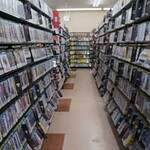
For many families, Friday movie night began at a local video store or a Blockbuster. You walked the aisles, picked up plastic cases, read the descriptions on the back, and tried to find something everyone could tolerate. The newest release was often already rented, so plans changed in real time. Sometimes you chose a movie you had never heard of based entirely on its cover. It might become a new favorite, or it might be terrible. Either way, once you got home, that was the movie for the night.
Going to the Arcade
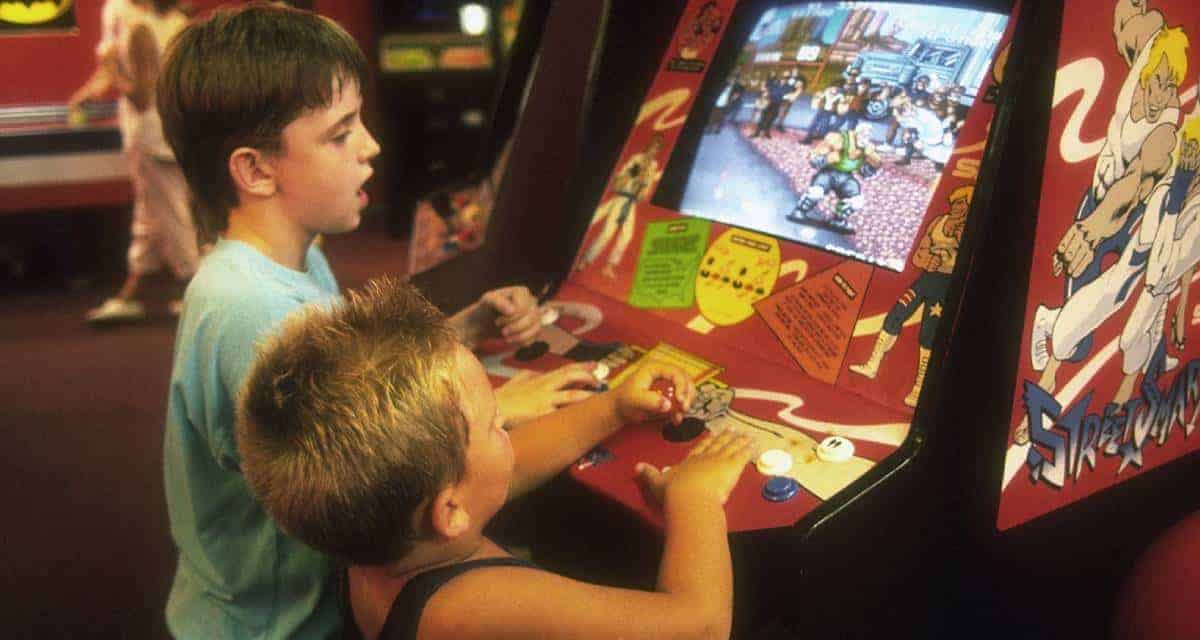
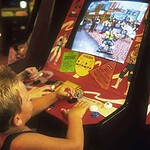
Arcades were dark, loud, crowded, and excellent. The machines ran on quarters or tokens, and every mistake had a price. Play well and a small crowd might gather behind you to watch. On cabinets that saved high scores, a great run earned you three initials on the leaderboard and a tiny measure of local immortality—at least until somebody unplugged the machine or beat your score.
Every arcade had machines people swore were unfair and games that could burn through a pocketful of change with alarming efficiency. Home consoles let you try again without feeding money into a slot. At the arcade, your last quarter made every jump, turn, and button press feel considerably more important.
Reading the Back of the Cereal Box at Breakfast
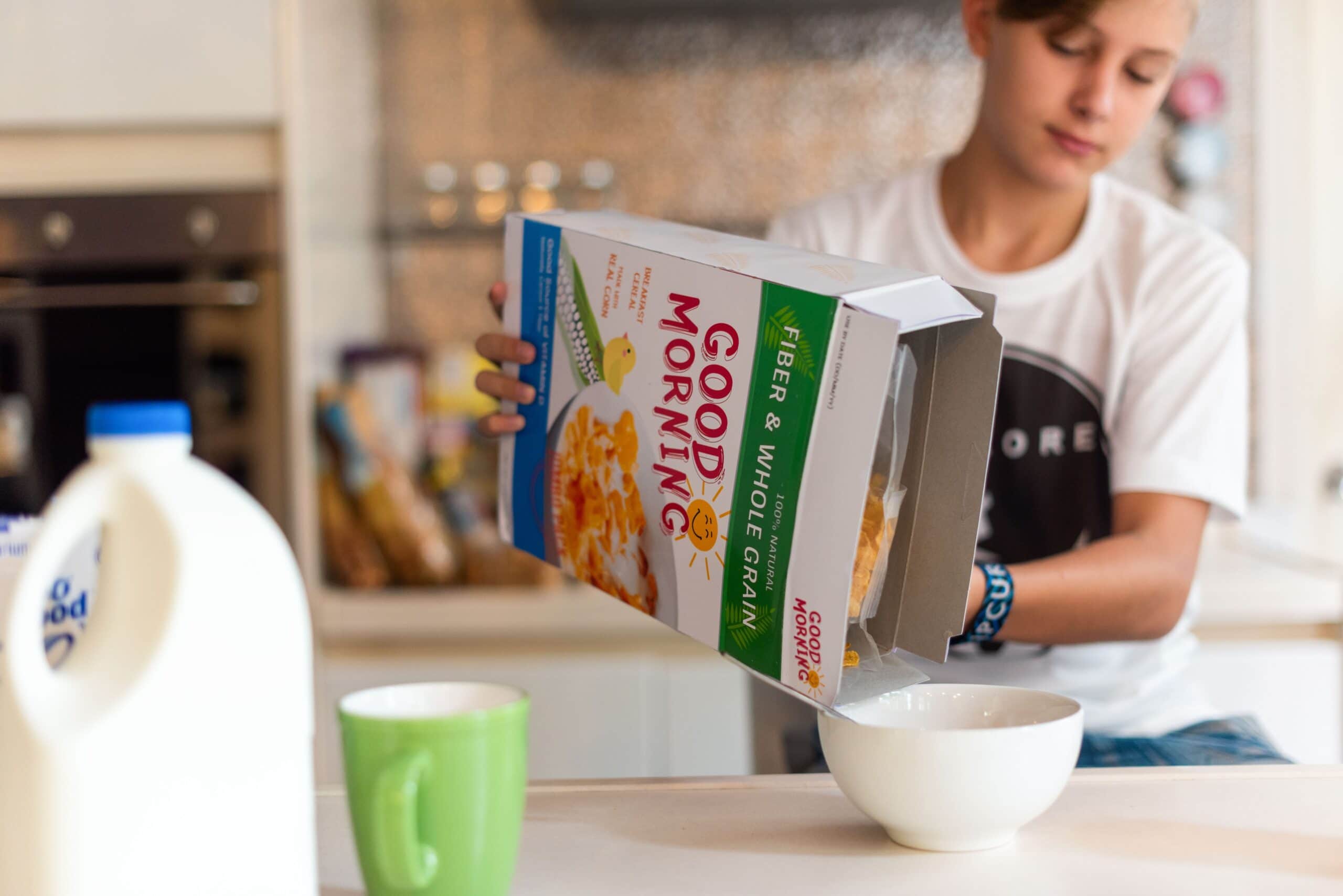
Before phones became breakfast-table companions, the nearest reading material was often the cereal box. Children studied puzzles, promotions, character art, ingredient lists, and nutrition panels simply because all of it was sitting directly in front of them. The box was not designed to be literature. It became literature through circumstance. Plenty of kids absorbed the mythology of cereal mascots with a level of attention their textbooks could only dream of receiving.
Channel Surfing
Television offered a limited menu, although the number of channels depended heavily on the era and whether a household had cable. You flipped through them one by one, looking for something decent and often landing on a movie or show halfway through. There was no on-demand library and no recommendation system trying to predict your mood. Sometimes you stopped because the program looked interesting. Sometimes you stopped because starting another trip around the dial felt like too much work. Channel surfing was what happened when neither you nor the television knew what you wanted.
Hanging Out at the Mall With No Particular Purpose
The mall was not just a place to shop. It was somewhere to be. A Saturday afternoon with friends meant walking the same loop, drifting through stores, visiting the food court, and studying window displays with no serious intention of buying anything. You could spend hours there and leave empty-handed, not because you failed to find what you wanted, but because shopping was never really the point.
Riding Bikes Across Town With No Way to Call Home
Once you rode beyond shouting distance, your parents could not call, text, or check a map to see where you were. They might know your destination or the names of the friends you were meeting, but plans had a way of changing once the bikes started moving. If something went wrong, you handled it, found a pay phone, or knocked on a door and asked to use the telephone. A bike offered real freedom, along with the mildly alarming realization that getting yourself home was now your problem.
Writing in a Diary with a Lock and Key
You poured out your heart, recorded the day’s cafeteria gossip, and wrote everything down with the comforting belief that nobody else would ever read it. Hopefully. Many children’s diaries came with a tiny lock and an even tinier key, which was often easier to lose than the manufacturer had apparently anticipated. There was no cloud backup and no password reset. Lose the key and you either found a spare or introduced the lock to a butter knife. The security was mostly decorative, but the privacy felt official.
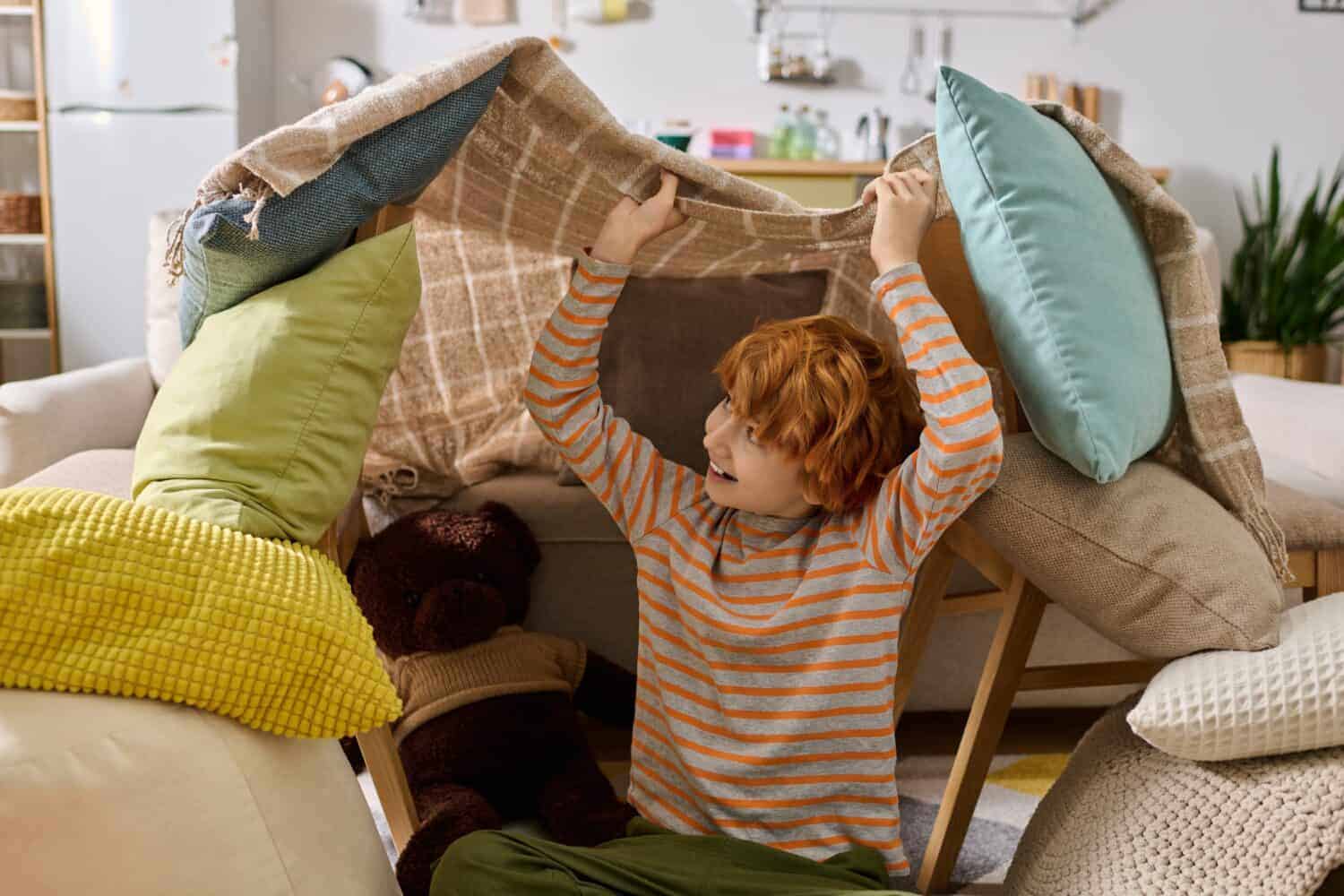
Building Forts Out of Couch Cushions or Blankets
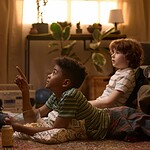
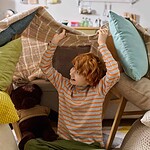
Every couch in the house was potential construction material. Cushions came off, blankets were draped over chairs, and before long the living room had a tunnel running through the middle of it. There were no plans and no load-bearing calculations. You just started building. Eventually, a parent walked in, surveyed the rearranged furniture, and opened negotiations over when the fort had to come down. Sometimes you won one more night.
Playing Kick the Can at Night
Kick the can had plenty of local variations, but the basic ingredients were simple: one can, one person guarding it, and everyone else hiding. In a common version, the guard captured players by spotting them and returning to the can, while a successful dash to kick it could free those already caught. The game spread across whatever hiding places the block provided and lasted until everyone went home or the rules dissolved into an argument. There was no app organizing the group. You showed up outside, found the other kids, and went from there.
Trading Physical Pokémon Cards (and Other Collectibles)
Pokémon cards reached the United States in 1999, when the internet already existed but instant price checks in the school cafeteria did not. Kids traded face-to-face across lunch tables and playground benches, and condition mattered: a creased holographic card was not the same prize as a clean one. Price guides, card shops, and professional grading services were available—PSA had been grading cards since 1991—but most playground deals still came down to what two children believed was fair. You handed over a card, received another, and lived with the decision. A rare card at a small school felt genuinely rare because there might not be another one in the building.
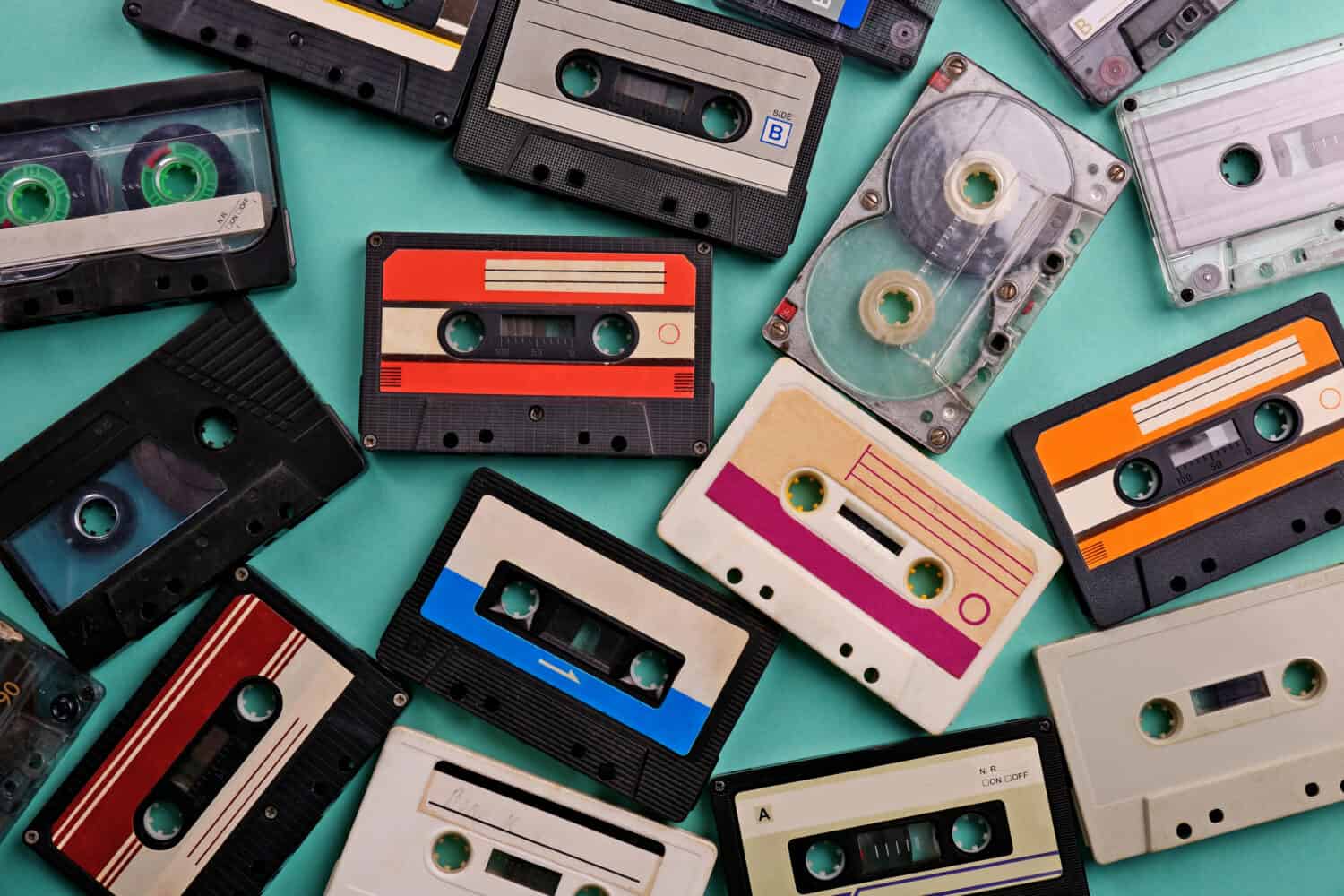
Making Mix Tapes
Making a mixtape was an art form, or at least it felt like one. You sat by the stereo with a blank cassette ready, waited for the right song, and tried to hit record without clipping the opening or capturing too much of the DJ talking over it. You could also build one song by song from records or other tapes, which was more reliable but hardly quick. A digital playlist can be assembled in moments. A mixtape cost somebody actual time, patience, and at least one failed attempt to get the transitions right.