Warner Bros
ThunderCats (1985), Rankin/Bass Productions

Courtesy of Syndicated
Courtesy of NBC
He-Man and the Masters of the Universe (1983), Filmation
Courtesy of American Broadcasting Company (ABC)
Courtesy of National Broadcasting Company (NBC)
Super Friends (1973), Hanna-Barbera Productions
Courtesy of Amazon Prime Video
Courtesy of American Broadcasting Company (ABC)
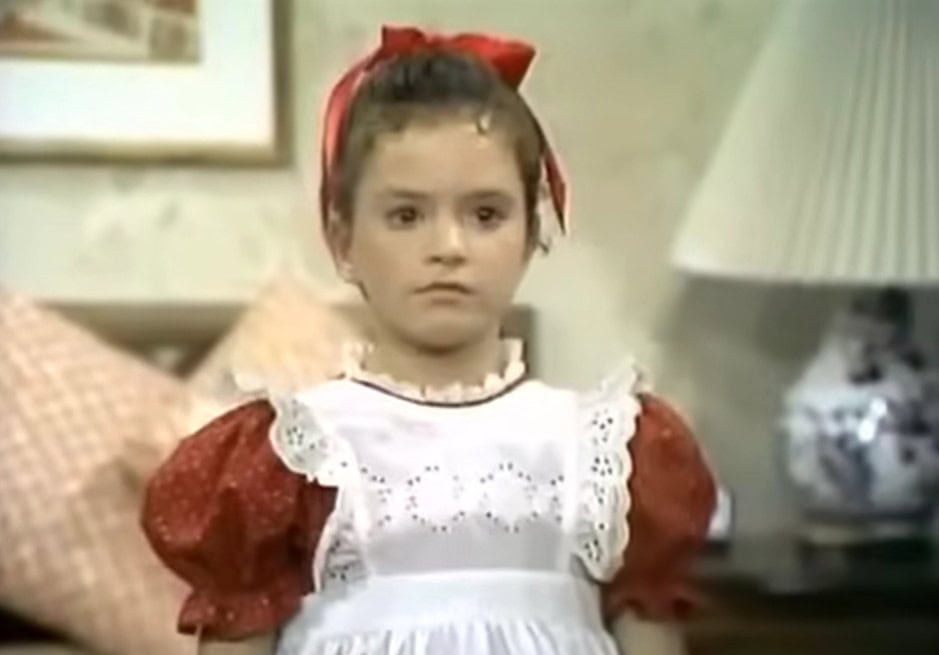
Small Wonder (1985), synthetics / first-run syndication





10 of the Least-Likable TV Characters From the 1980's
Not every character on 1980s television was there to be loved. Some were written to create friction. Others simply wore out their welcome faster than anyone expected. Whatever the reasons, some characters end up becoming the audience's punching bags, the ones everybody loves to hate.
The ten characters on this list all have one thing in common: viewers found them difficult to tolerate. Time and nostalgia have rehabilitated a few. Most haven’t been so lucky.
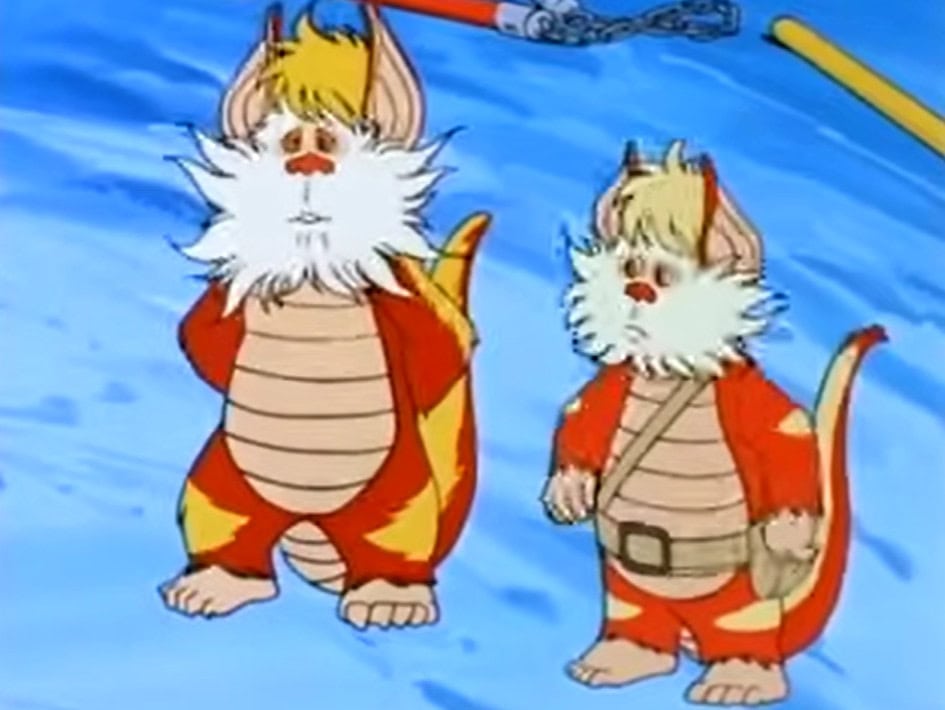
Snarf, Nanny from "ThunderCats" (1985)
The animated series ThunderCats had some really cool and strong characters like Lion-O and Cheetara. But they also had an unbearable character named Osbert, the nanny who found a way to include his nickname "Snarf" in almost every sentence. Bob McFadden voiced him in a nasal whine that matched the character perfectly.
Most of the time, he would find himself being captured and needing rescuing by the same people he was supposed to be looking after. Snarf was the burden no one asked for. It seemed as if his purpose on the show was to get into trouble and work his name into every sentence he spoke. It's probably a good thing that in the 2011 ThunderCats remake, they reimagined him as a non-speaking, animal-like character who only made noises.
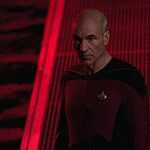
Wesley Crusher, Teen Prodigy from "Star Trek: The Next Generation" (1987)
Star Trek's Wesley was a sort of self-portrait. Gene Roddenberry's middle name was Wesley, and the character is a projection of his past desire to be a smart and impressive teenager who could fly starships and earn the admiration of the adults around him. People watching the show didn't find Wesley as endearing as Gene Roddenberry did.
Wesley was always the smartest person in the room, and it got old fast. Wil Wheaton has spoken openly about how miserable he was on set and how the character's relentless perfection left no room for acting. The cast famously threw a party when he was finally written off the show to attend Starfleet Academy. He returned in later seasons and the Picard series, but in much smaller doses.
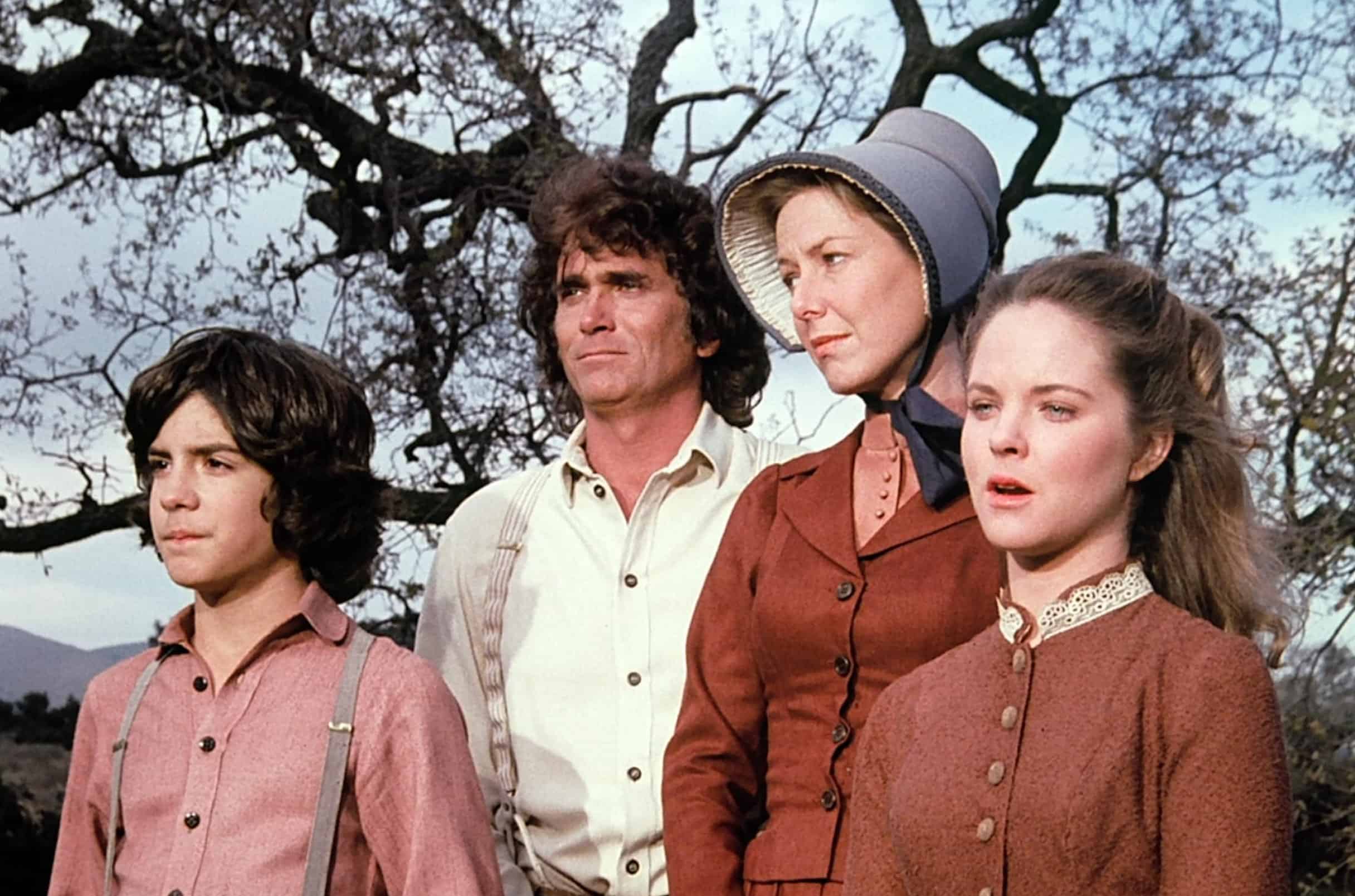
Nellie Oleson, Villain from "Little House on the Prairie" (1974)
Spoiled and manipulative, Nellie Oleson was the designated villain of Little House on the Prairie. Daughter of the Olesons, Nellie was there simply to make life difficult for Laura Ingalls.
Alison Arngrim played the role so convincingly that she later wrote a memoir addressing the fan hatred she received from viewers who could not separate the actress from the character. She was eventually written off the show and replaced by her cousin, but it just wasn't the same. Nellie's villainy was a specific, committed thing. Her replacement was pale by comparison.
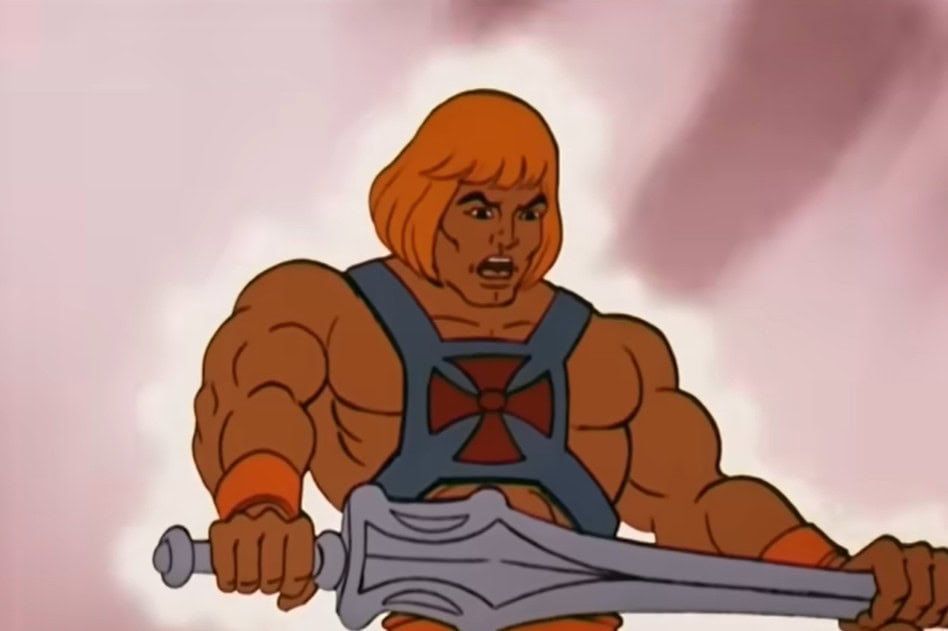
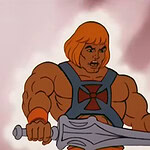
Orko, Comic Relief from "He-Man and the Masters of the Universe" (1983)
When He-Man and the Masters of the Universe premiered in the 1980s, the show had a few issues. The animation felt cheap and the storylines repetitive, but that wasn't enough to hold the series back. He-Man had just the right mix of muscles and blandness for Saturday morning television, and Skeletor was a truly menacing villain who complemented him perfectly.
Then there was Orko, a little floating magician who was supposed to provide comic relief. In practice, he was little more than a nuisance who always managed to get himself into trouble and end up needing to be rescued.
His magic never worked properly, which was supposed to be part of the joke. That joke stopped being funny about three episodes in. Orko managed to survive the entire run of the original series, which, considering how universally disliked he was, is quite an accomplishment.
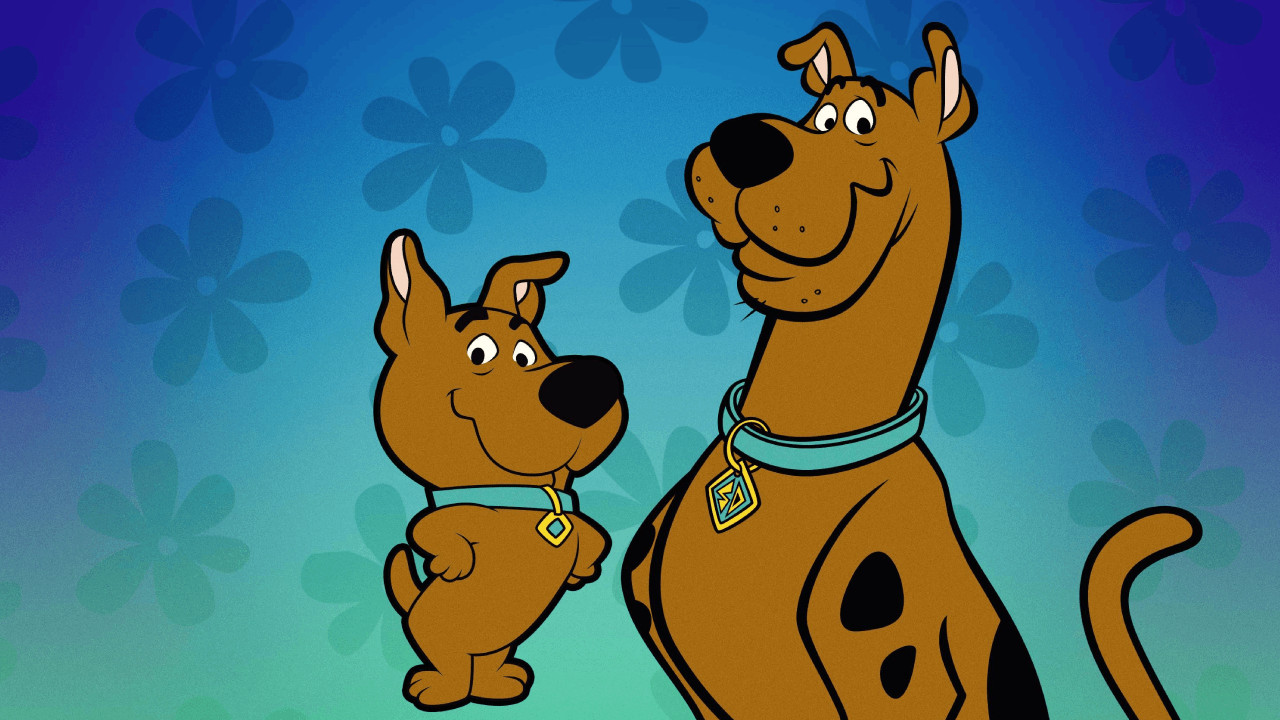
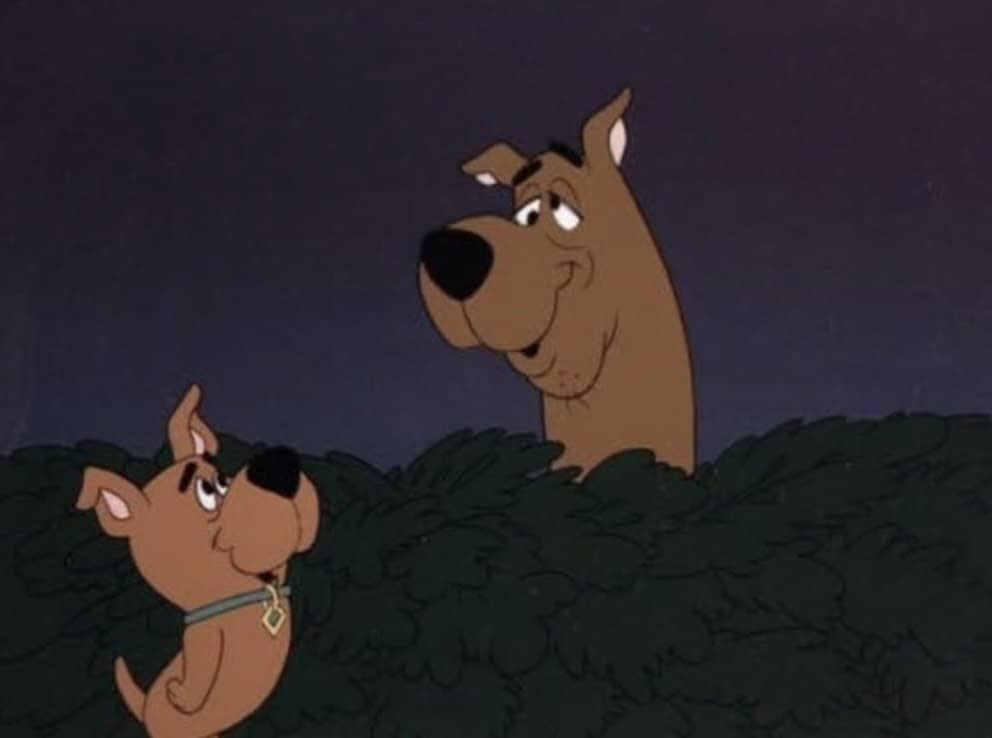
Scrappy-Doo, Sidekick from "Scooby-Doo" (1979)
Scrappy first appeared on September 22, 1979, as a Hail Mary effort to salvage a fading Scooby-Doo series. For about a year or so, things worked out fine. The show's ratings went up, and network executives were happy.
Fans got tired quickly, though. Whereas Scooby was an endearing coward with a lot of relatable qualities, Scrappy was obnoxious and aggressive, always clamoring to go to battle with opponents he could never take on, shouting "Let me at 'em! Puppy Power!"
"Adding a Scrappy" has since become TV parlance for making a bad situation worse by adding an annoying character to an already faltering program. Scrappy ended up embodying the very problem he was intended to fix.
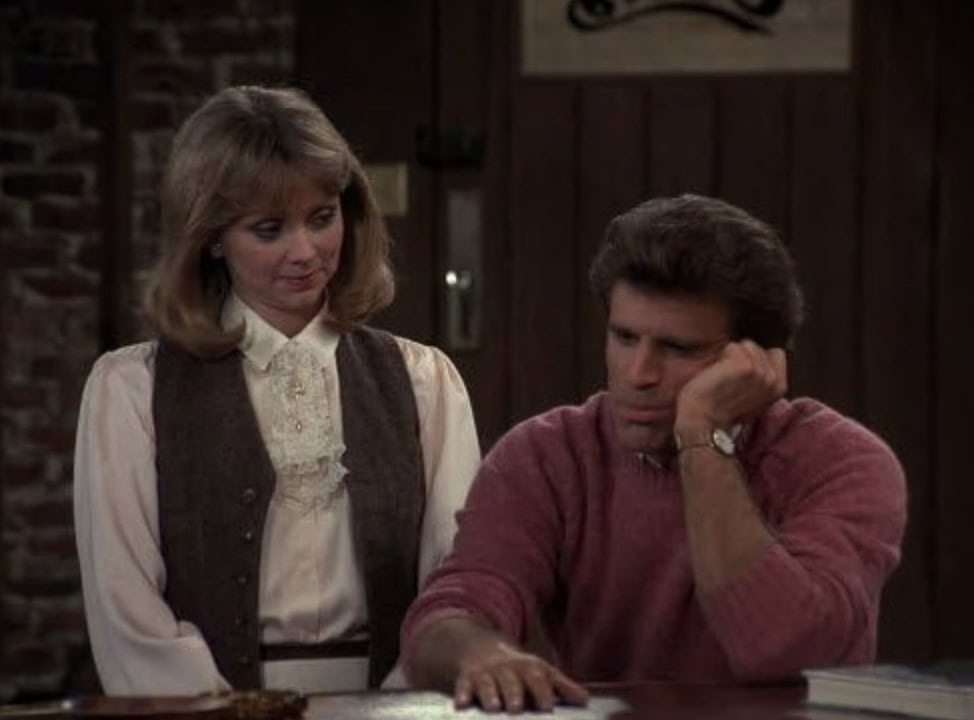
Diane Chambers, Regular from "Cheers" (1982)
When Diane Chambers entered Cheers as its female lead, she was supposed to be the foil to the bartender, Sam Malone. He was all instinct and bravado, while Diane was all education and pretentiousness. In theory, the conflict between the two should be the driving force of the whole TV show.
Shelley Long's performance was technically impeccable, and the dynamic between Sam and Diane had a real spark in the early seasons. But Diane Chambers got more and more intolerable with each episode. She constantly corrected people and looked down on working-class customers.
When she finally left at the end of Season 5, most viewers breathed a sigh of relief. Director James Burrows has said that Cheers improved significantly after Long's departure. Audiences will rarely tolerate a character who believes themselves better than everyone around them.
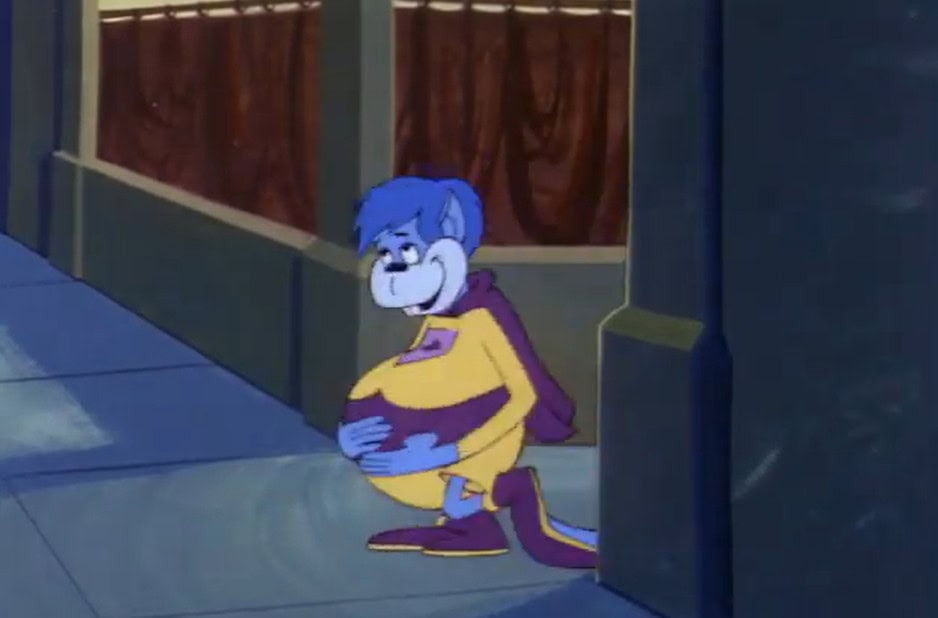
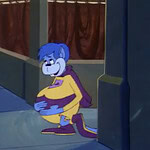
Gleek, Mascot from "Super Friends" (1973)
The Wonder Twins, Zan and Jayna, were among the weaker additions to the Super Friends lineup. Zan could turn into water, and Jayna could turn into any animal. They activated those strange powers by touching rings and yelling, "Wonder Twin powers, activate!" Dopey, sure, but that was par for Saturday morning animation.
But in the 70s and 80s, network executives thought all superhero teams needed an animal mascot. That's how the Wonder Twins got Gleek, a sidekick space monkey who did nothing but stand around and carry the occasional bucket when Zan turned into water. He couldn't fight or even communicate meaningfully. He was the mascot nobody needed, attached to characters who were already fighting for relevance.
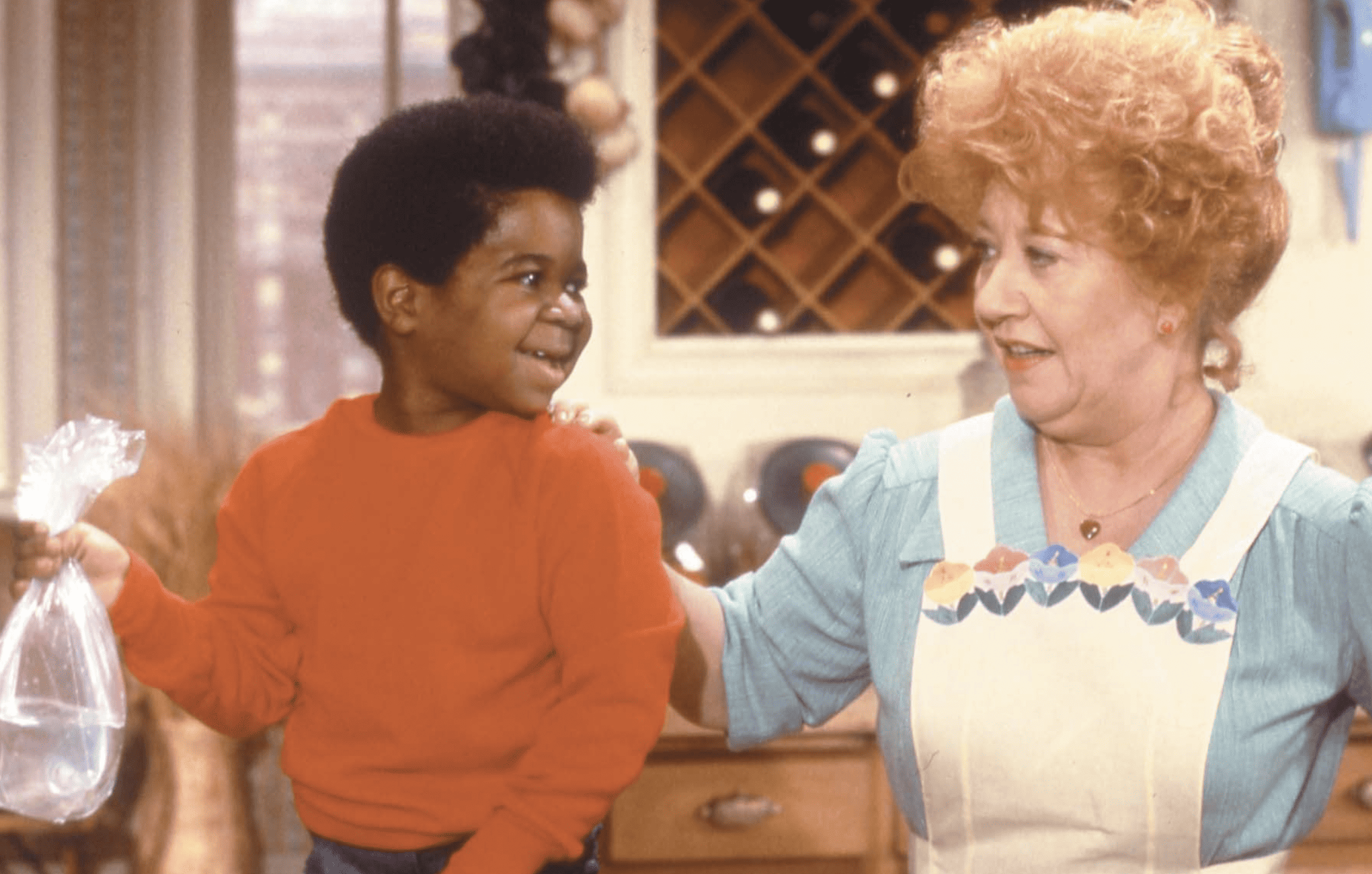
Sam McKinney, Kid from "Diff'rent Strokes" (1978)
Diff'rent Strokes covered the dynamic of two Black children adopted by a wealthy white widower in New York. The series had a decent run until its later seasons, when it began adding characters to prop up declining ratings.
Played by Danny Cooksey, Sam McKinney was supposed to be the scrappy and charming new kid on the block. He arrived in Season 6 as the stepson of a new recurring character, written into the Drummond household through a marriage subplot. But the show's original premise was already running thin, and adding a new kid felt like a blatant attempt to inject energy into a show that was wearing out its welcome. Sam came across as an imposition, and his interactions with Arnold felt forced and dated. Audiences saw him as a manufactured plot device in a show that had otherwise always been grounded and original.
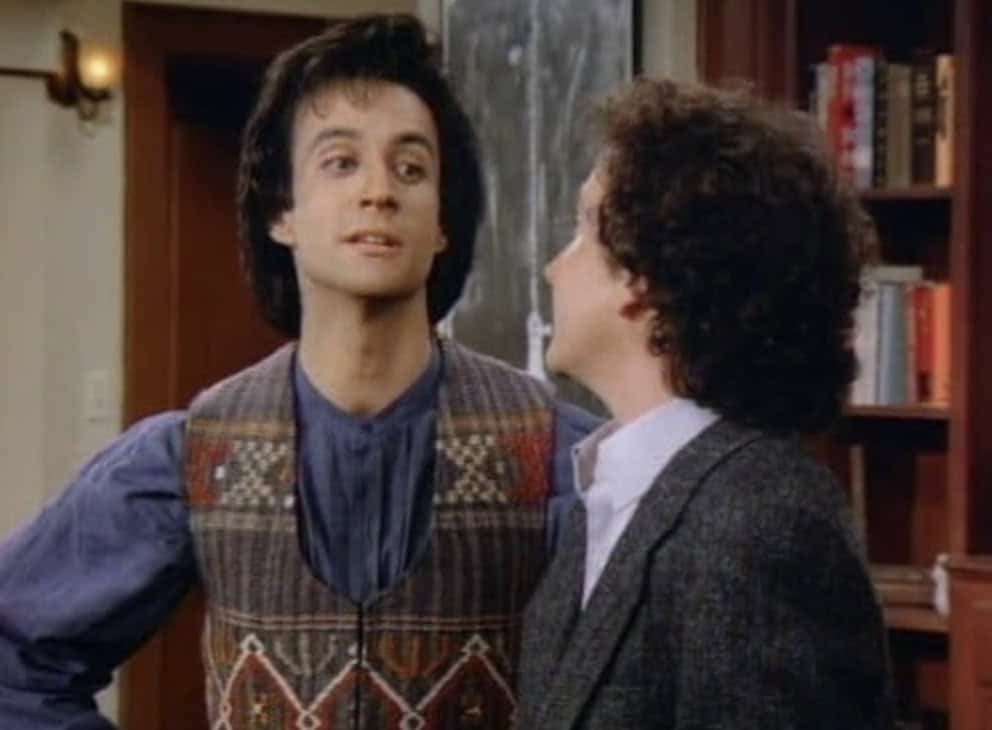
Balki Bartokomous, Star from "Perfect Strangers" (1986)
The idea for Perfect Strangers was built on a fish-out-of-water concept with a limited shelf life: Balki Bartokomous, a shepherd from the fictional Mediterranean island of Mypos, comes to Chicago to live with his cousin Larry Appleton. The clash between Balki's innocent worldview and American consumer culture made for some pretty funny moments during earlier seasons. But as the show progressed, Balki became a tiresome oddball. His catchphrase "Don't be ridiculous" stopped being charming and became a reliable signal that the scene was going nowhere.
Although Bronson Pinchot played Balki with real physical commitment, the character's arcs were formulaic and predictable. Balki would misunderstand something, mayhem ensued, and things were sorted out in the third act.
The chemistry between Pinchot, Linn-Baker, and the rest of the cast was real. But Balki himself was a character whose concept outlasted its execution by several seasons.
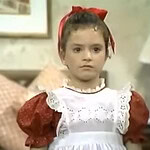
Vicki, Robot from "Small Wonder" (1985)
In concept, Small Wonder had the bones of a successful 80s family sitcom. A robotics engineer named Ted Lawson secretly builds a robot girl named Vicki and passes her off as his daughter. In execution, the show wrapped its premise in some of the thinnest writing in syndicated television history.
Vicki spoke in a flat monotone and processed human behavior with literal-minded confusion, a characteristic writers leaned too heavily into. In fact, her main comedic function was to misunderstand idioms and social customs, a joke that was shamelessly recycled for eighty-six episodes. The supporting cast was similarly thin, and the production values matched the writing. Small Wonder is often cited as an example of what late-1980s syndicated television looked like when standards were set deliberately low.