The 1980s gave us some of the most memorable television characters of all time. While many sitcoms from earlier decades focused on larger-than-life, over-the-top personalities, 1980s television put the spotlight on characters who were more realistic and down to earth. These characters dealt with everyday struggles audiences faced themselves, like family conflict, school pressures, career ambitions, financial stress, and complicated relationships. These favorite TV personalities mirrored the full range of experiences and emotions of millions of Americans throughout the decade.
Roseanne Conner from “Roseanne” (Roseanne Barr)
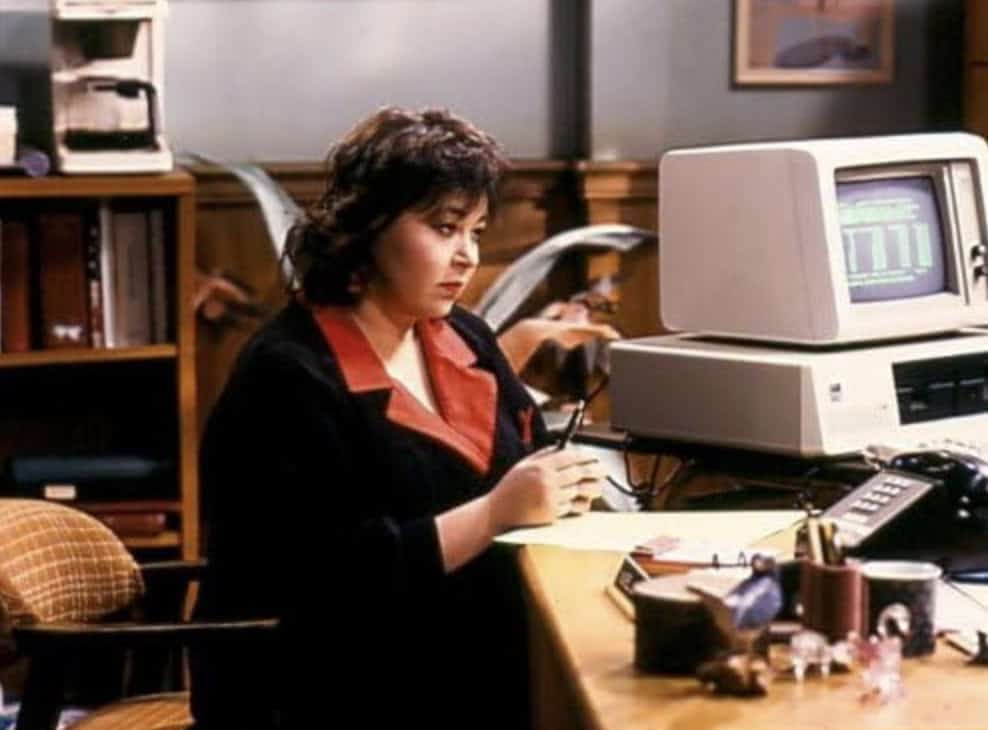
Working-class, struggling financially, no-nonsense, and resilient to a fault, Roseanne helped redefine how working-class mothers were portrayed on television. She and her family spent the series confronting plenty of common, everyday challenges, and she faced it all with a sense of humor.
Kevin Arnold from “The Wonder Years” (Fred Savage)
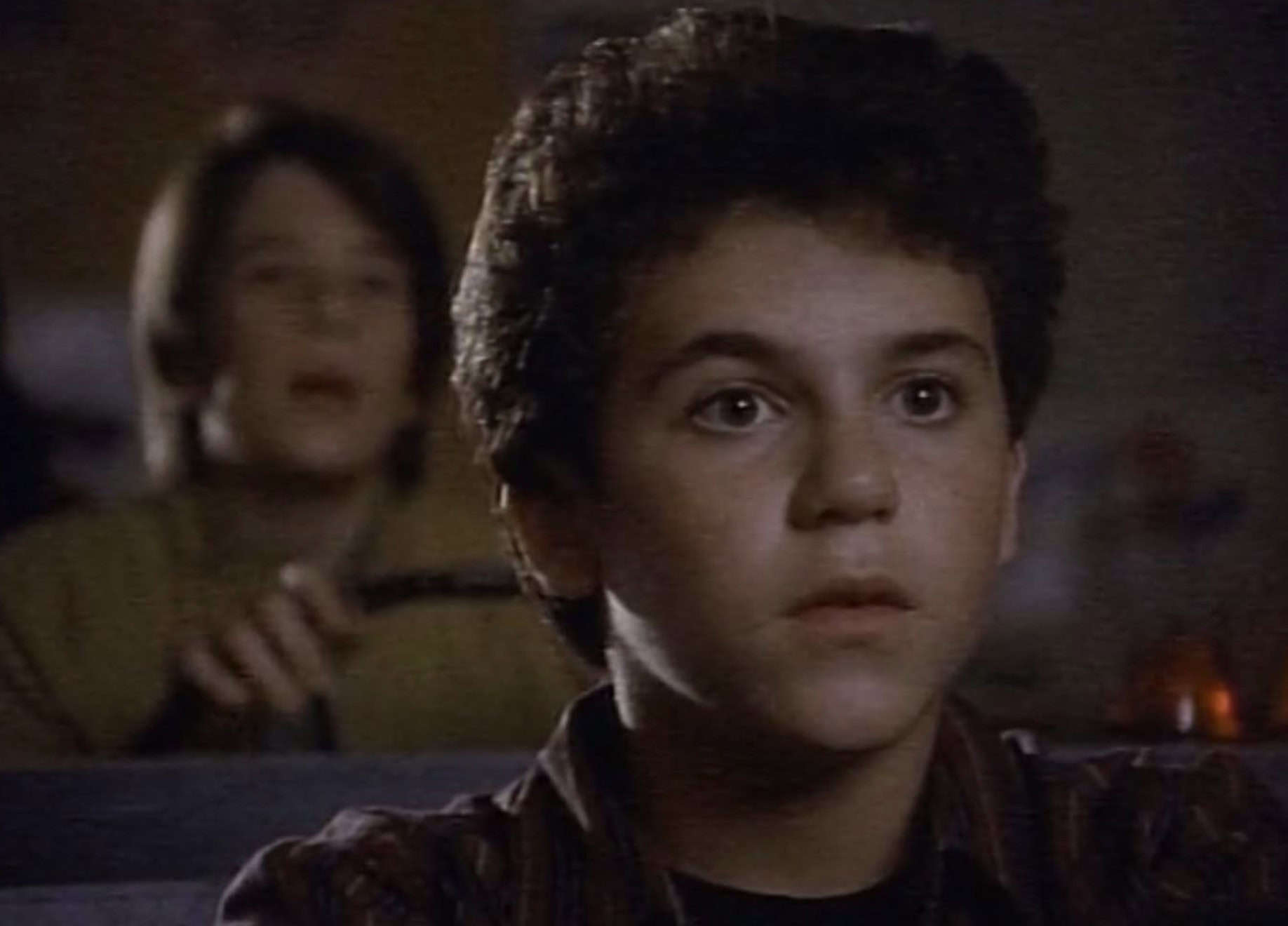
“The Wonder Years” followed the coming-of-age journey of teenager Kevin Arnold through the late 60s and early 70s, navigating school, friendship, family, and first love. Many viewers who also grew up during the same era recognized their own experiences in Kevin’s journey. His awkward social situations, struggles with confidence, and emotional highs and lows made him incredibly authentic. Through Kevin’s narration, the show perfectly captured both the excitement and uncertainty of finding your place in a changing world.
Sam Malone from “Cheers” (Ted Danson)
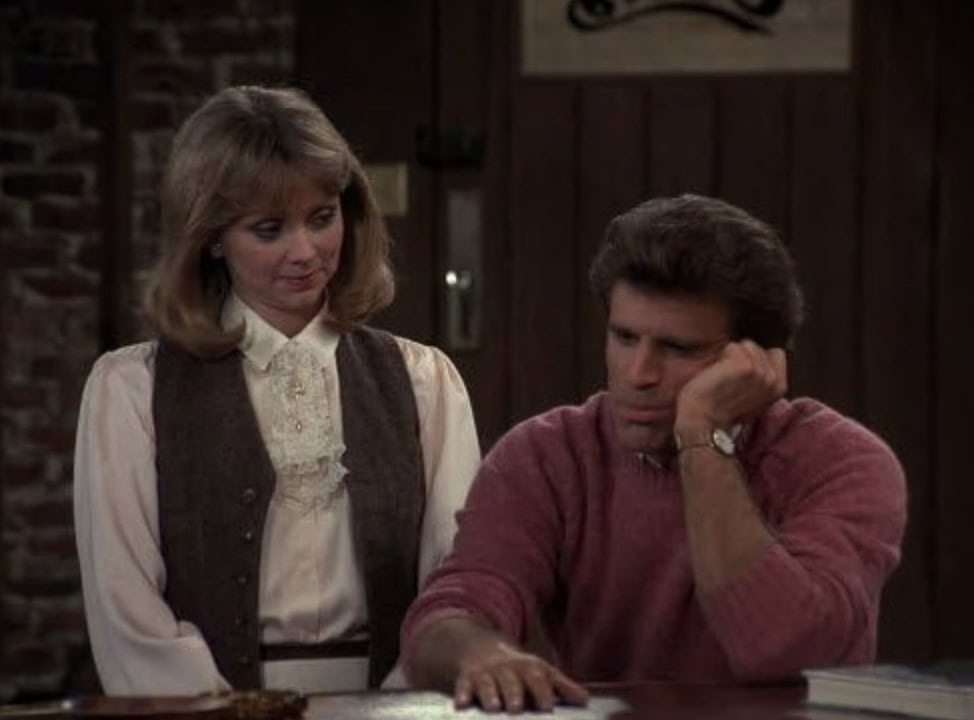
Sam Malone showcased the ups and downs of rebuilding a life after success. A former professional baseball player and recovering alcoholic, Sam spent the series trying to balance personal growth with the daily challenges of running a neighborhood bar. Though charming and confident on the surface, he often struggled with relationships, maturity, and responsibility. His flaws, friendships, and ongoing efforts to better himself made him one of the most relatable sitcom characters of the 1980s.
Clair Huxtable from “The Cosby Show” (Phylicia Rashad)
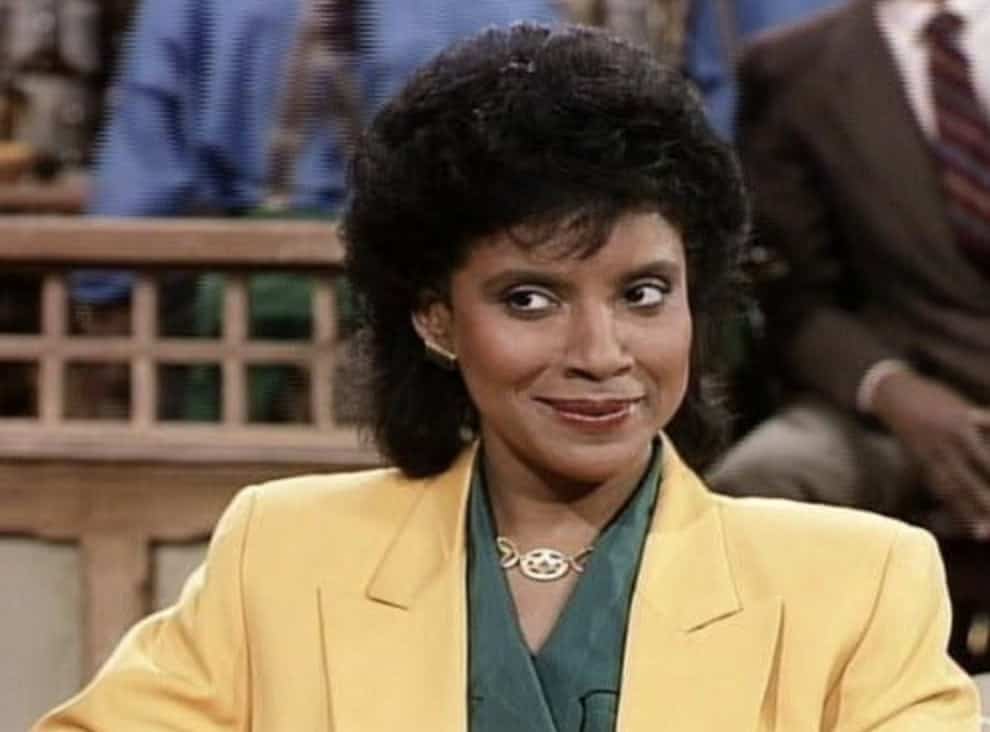
As a successful working mother balancing a demanding legal career with raising a family, Clair Huxtable represented many working mothers trying to balance career success with family life. She served as a relatable and inspiring character for other working mothers.
Angela Bower from “Who’s the Boss?” (Judith Light)
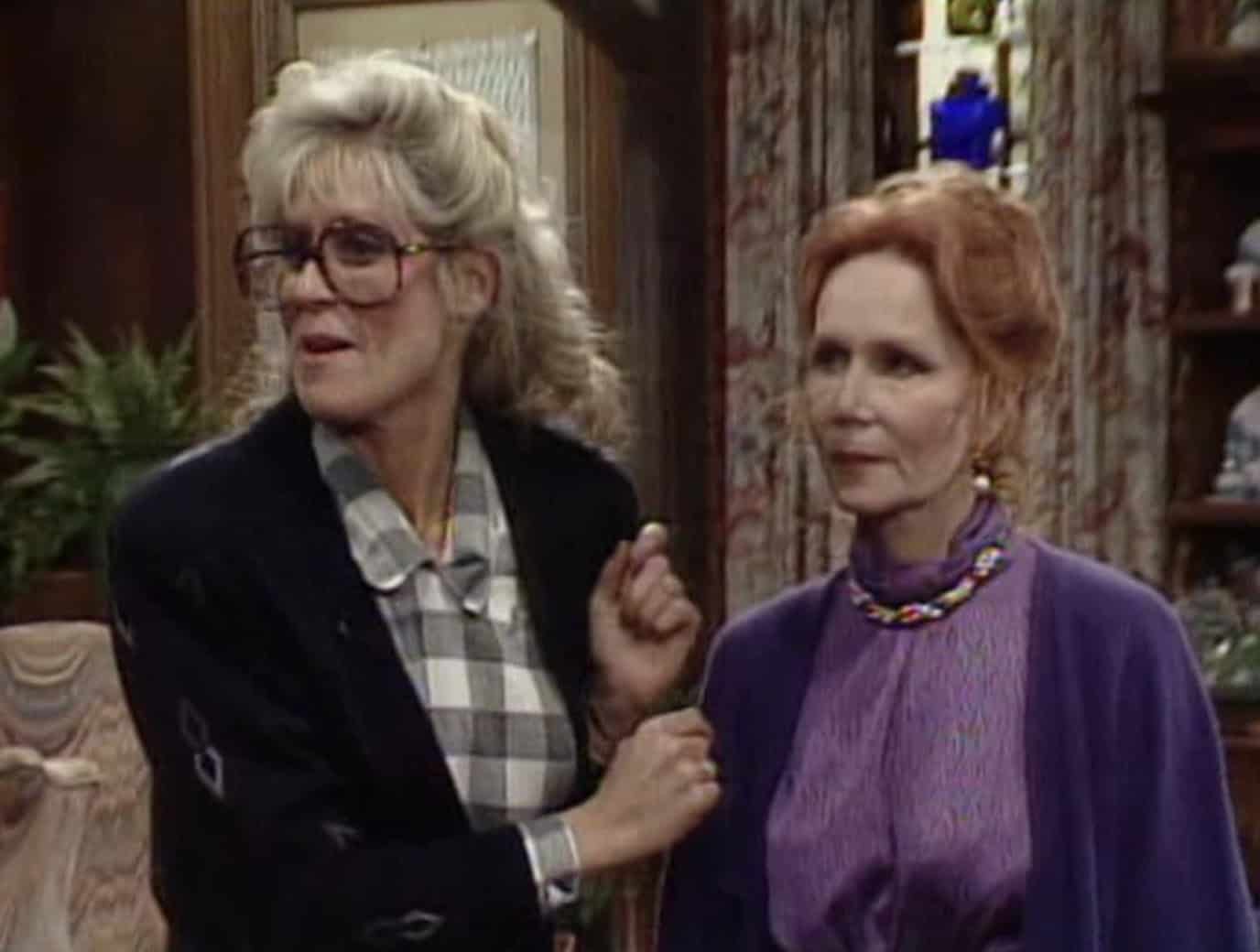
Striving to maintain the work-life balance between being a successful, career-driven advertising executive and a single mother, Angela Bower’s character resonated with viewers who were facing those same challenges. Her relationship with Tony Micelli (Tony Danza), her live-in housekeeper, also highlighted the era’s changing gender roles.
Murphy Brown from “Murphy Brown” (Candice Bergen)
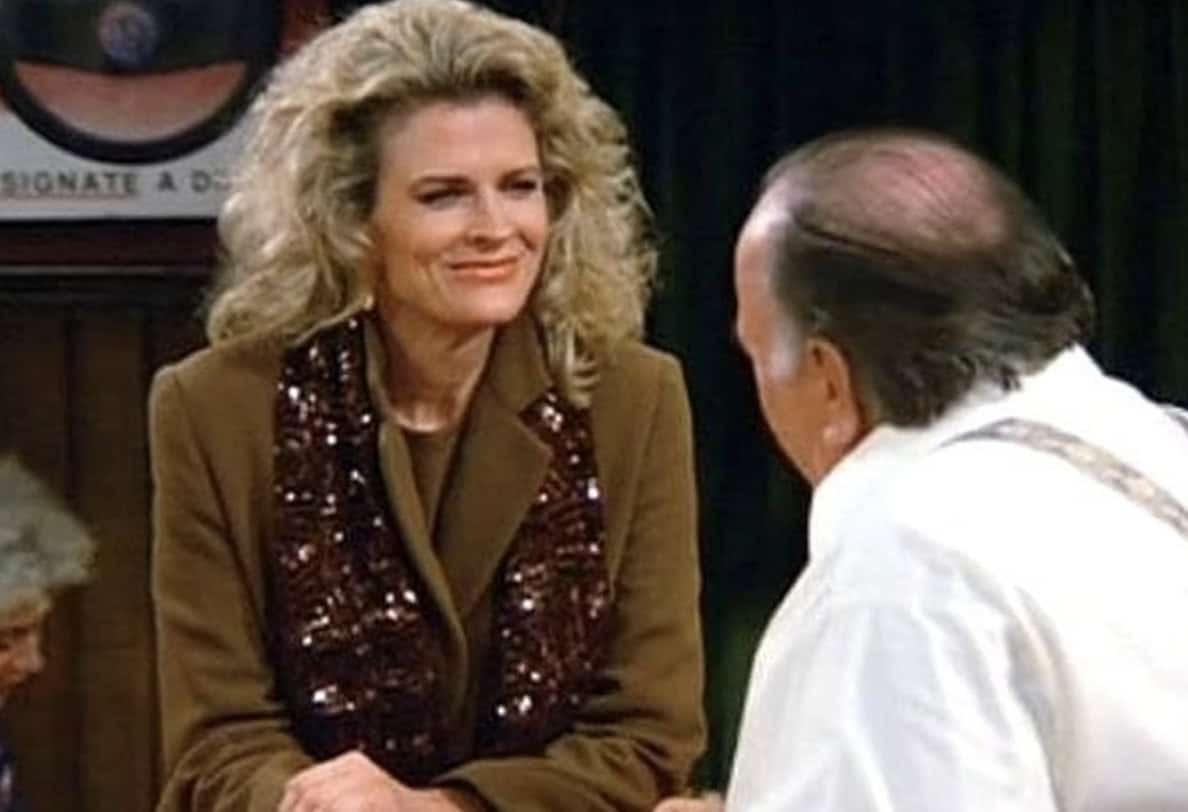
A strong-willed, super-successful investigative journalist and news anchor, Murphy Brown was a groundbreaking and revolutionary character. Over the course of the series, viewers watched her navigate her career and personal life, and her journey resonated with millions of viewers, especially other women in the workforce.
Mike Seaver from “Growing Pains” (Kirk Cameron)
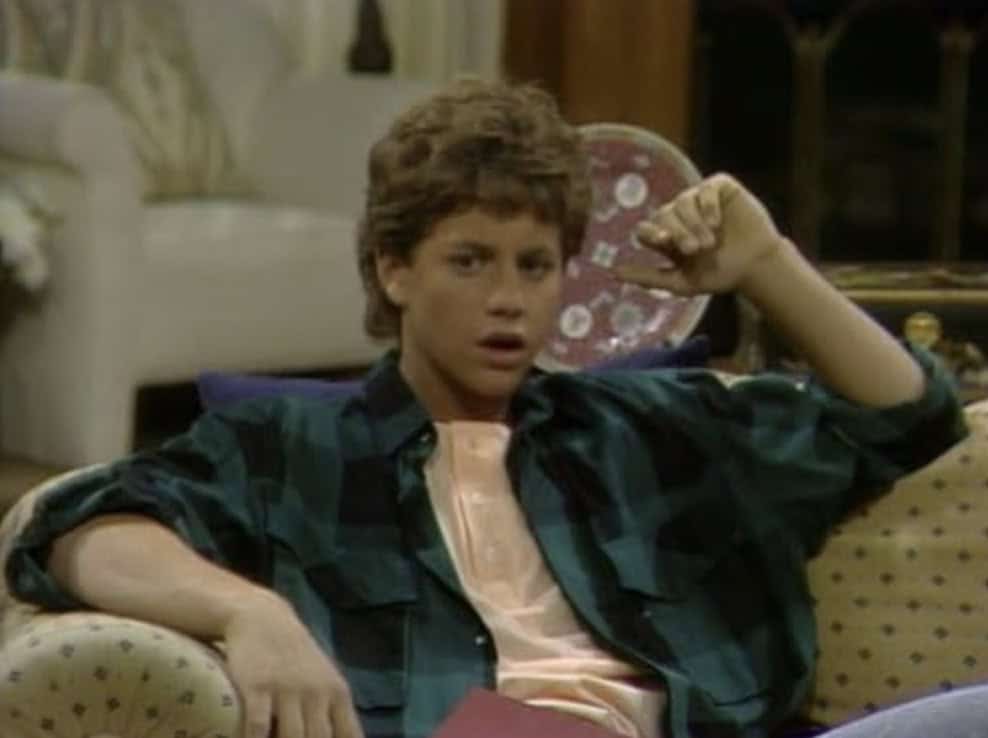
Mischievous and charming, Mike Seaver was in many ways a typical adolescent, dealing with school, friendships, and complex (and oftentimes hilariously infuriating) family dynamics. His adventures and misadventures resonated with countless teenage viewers.
D.J. Tanner from “Full House” (Candace Cameron Bure)
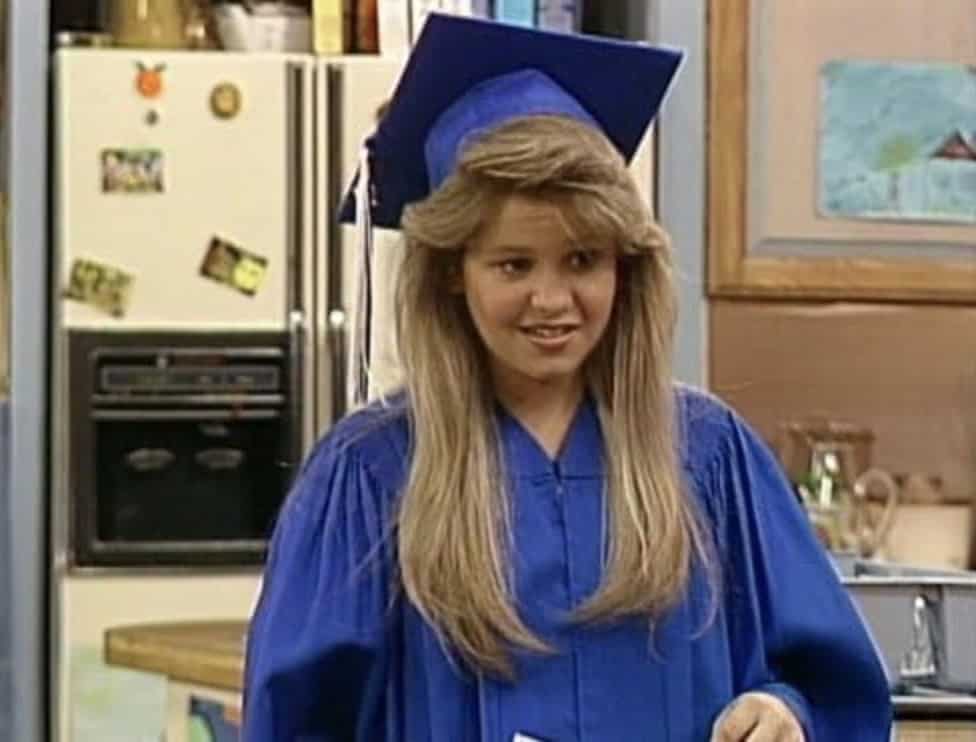
Just about every character on “Full House” was relatable, but none more than eldest daughter D.J. Tanner. Her character always faced the full spectrum of challenges experienced by the oldest child in a big family. We see her cope with the loss of her mother, evolving friendships, and complicated family dynamics. Its focus on family relationships helped the series connect with audiences.
Balki Bartokomous from Perfect Strangers (Bronson Pinchot)
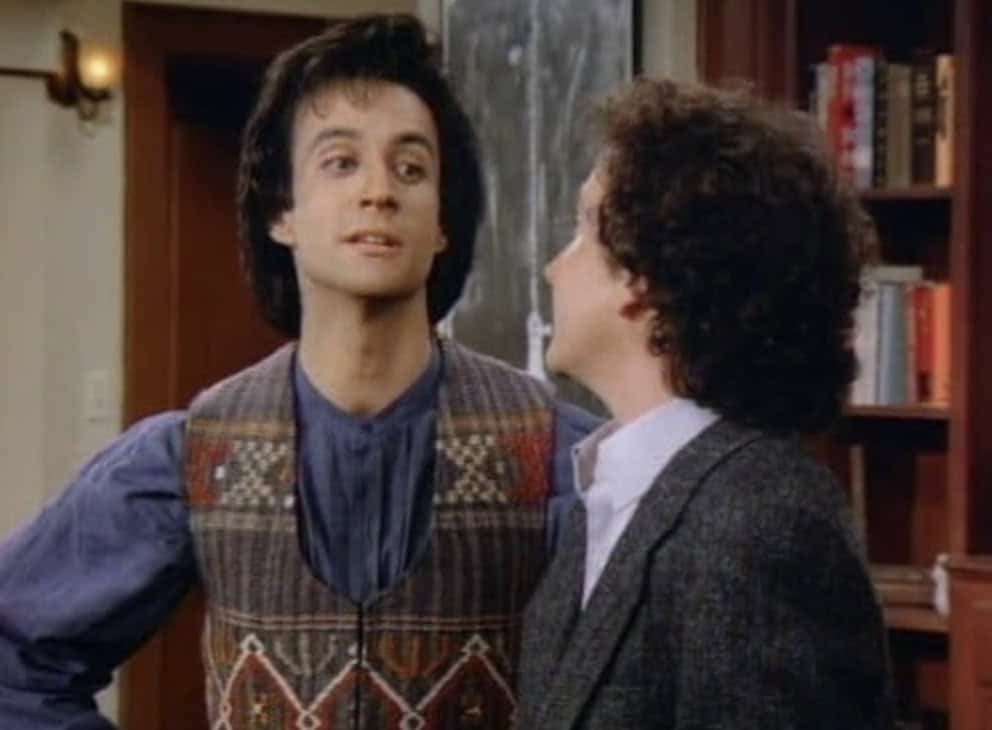
Balki Bartokomous, a recent immigrant from the fictional Mediterranean island of Mypos, was the ultimate fish out of water. Innocent and optimistic about American life, he was the perfect foil to his strait-laced and pragmatic cousin Larry. His humor and heart made him relatable and endearing, especially to viewers who were also immigrants.
Alex P. Keaton from “Family Ties” (Michael J. Fox)
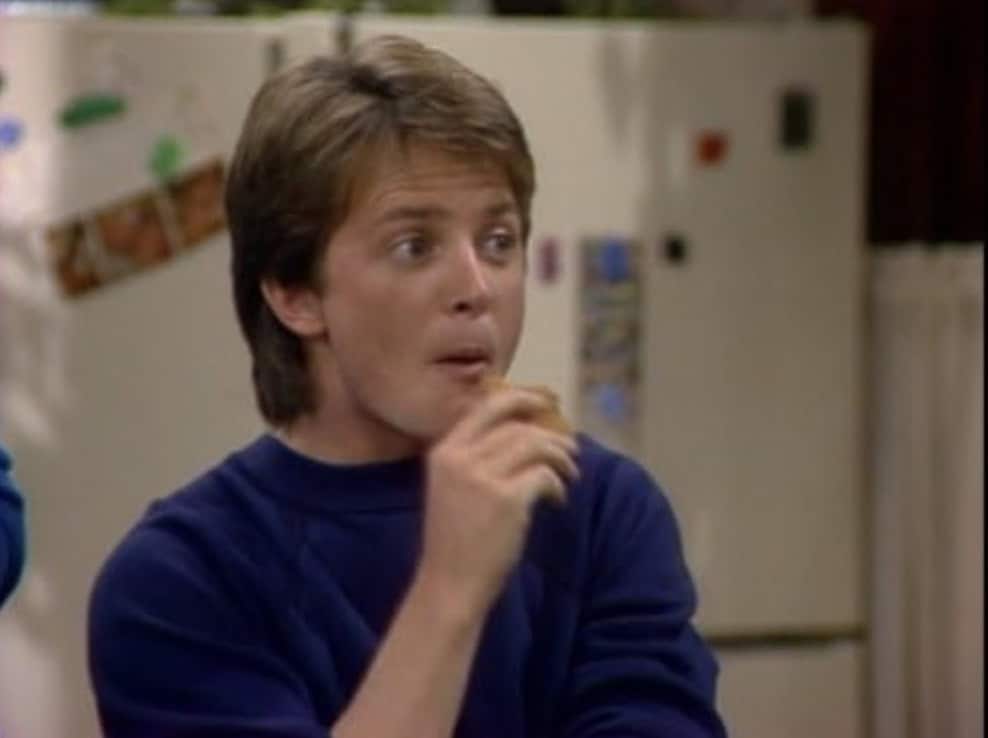
As a conservative son of liberal former hippies, Alex P. Keaton represented a common generational clash of the 1980s. Ambitious and on a mission to be successful, his drive resonated with a lot of young adults who were also trying to forge their own paths. There’s no question that he was also one of the decade’s most iconic TV characters.