Nickelodeon
Courtesy of Public Broadcasting Service

Courtesy of National Educational Television
Courtesy of Nickelodeon Network
Courtesy of Public Broadcasting Service
Courtesy of Nickelodeon Network
Courtesy of Public Broadcasting Service
Courtesy of Disney Channel
Courtesy of PBS Kids
Courtesy of Disney Junior
Courtesy of Netflix
Courtesy of Disney Channel
Courtesy of National Educational Television

Politics and Prose Bookstore / Wikimedia Commons
Courtesy of PBS Kids
Courtesy of Public Broadcasting Service
Rick Diamond / Staff / Getty Images
Courtesy of Public Broadcasting Service
Courtesy of Cookie Jar Kids Network
Courtesy of Public Broadcasting Service
Courtesy of Discovery Family Channel
Courtesy of PBS Kids
Courtesy of ABC Home Video
Courtesy of Public Broadcasting Service





23 Kids' Shows That Made Learning Feel Like Fun
Some kids’ shows were obviously educational. Others slipped lessons into talking dogs, magic buses, puppets, vegetables, and musical numbers so effectively that you barely noticed you were learning anything at all.
Before every episode was available on demand, many of these programs were appointment viewing. They filled weekday mornings, after-school hours, and Saturday lineups, and they gave children a shared collection of characters, catchphrases, songs, and stories that stuck around long after the TV was turned off.
These 23 shows span several generations, from Mister Rogers and Sesame Street to Cyberchase and Daniel Tiger. They did not all teach the same thing, or even arrive in the same era, but each found a way to make reading, science, history, problem-solving, empathy, or simple curiosity feel like part of the fun.
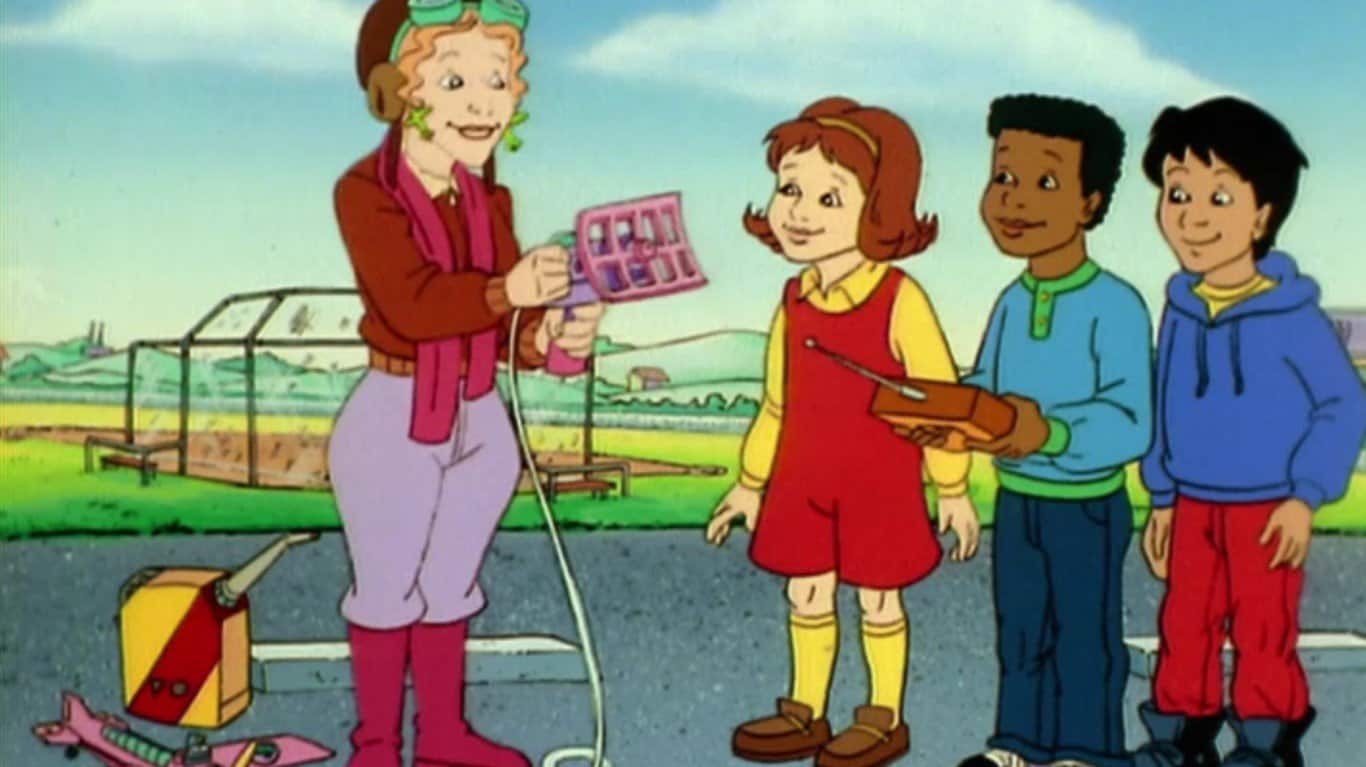
The Magic School Bus (1994-1997)
Most field trips do not involve shrinking small enough to travel through a human body or blasting into space, but Ms. Frizzle never cared much for ordinary field trips. The Magic School Bus debuted in 1994, adapting Joanna Cole and Bruce Degen’s Scholastic books into an animated science adventure led by Lily Tomlin as the unforgettable teacher.
The genius of the show was how casually it smuggled real science into chaos. Episodes explored subjects such as ecosystems, weather, electricity, space, and human biology while the class made mistakes, asked questions, and figured things out along the way. For a generation of kids, “Take chances, make mistakes, get messy” was basically permission to treat curiosity as a superpower.
Mister Rogers’ Neighborhood (1968-2001)
Fred Rogers did not need flashy animation or frantic pacing to hold a child’s attention. Mister Rogers’ Neighborhood premiered nationally in 1968 and spent more than three decades talking to children with a level of patience and respect that was unusual for television then and still feels unusual now.
Rogers used simple routines, factory visits, music, guests, and the Neighborhood of Make-Believe to explore everything from friendship and jealousy to fear, grief, and self-worth. The program ended production in 2001 after 895 episodes, but its influence never really left children’s television. It showed that a kids’ show could be gentle without being shallow and educational without feeling like school.
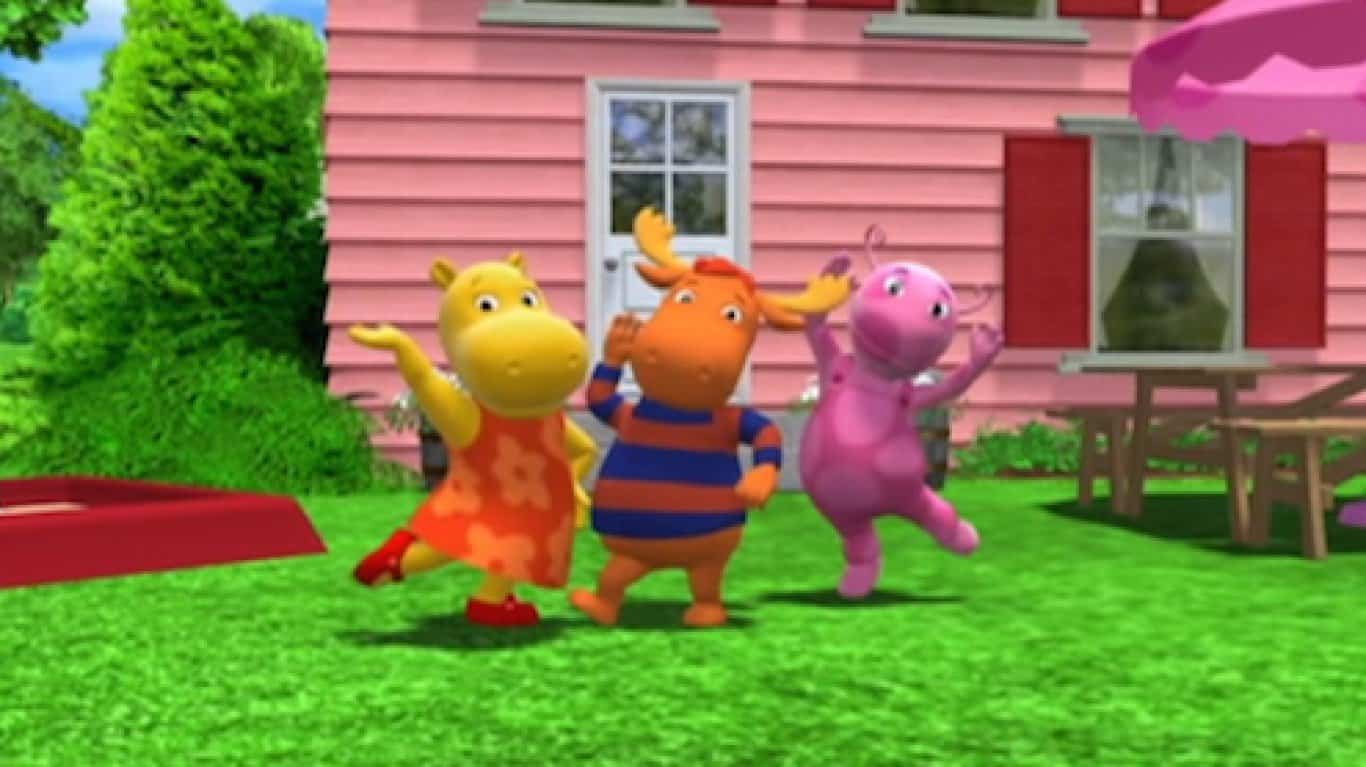
The Backyardigans (2004-2013)
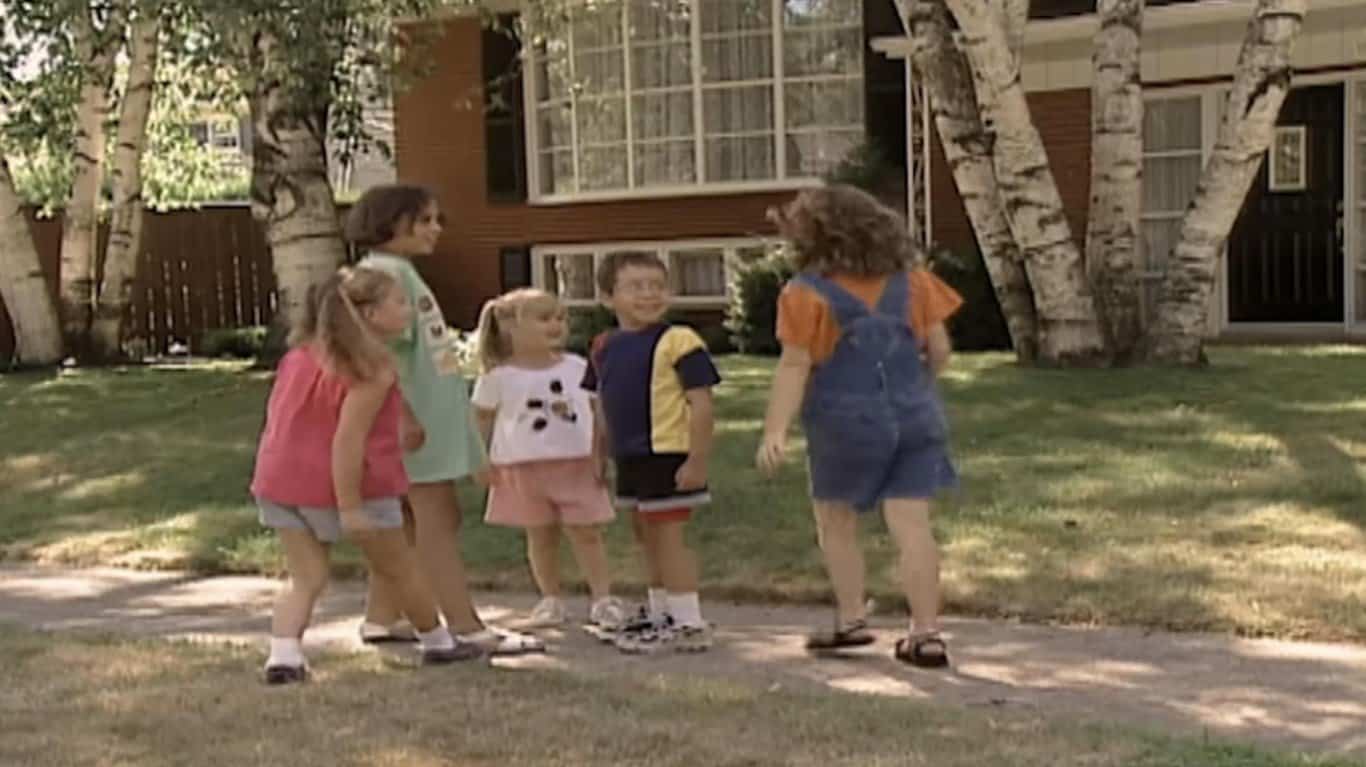
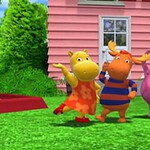
The Backyardigans could turn one ordinary yard into a pirate ship, a frozen wilderness, a jungle, or practically anywhere else five friends could imagine. Created by Janice Burgess, the Nickelodeon series debuted in 2004 and followed Uniqua, Pablo, Tyrone, Tasha, and Austin as their pretend games became full-scale musical adventures.
Music was a huge part of what made the show different. Episodes drew on styles ranging from reggae and jazz to tango, funk, and even more specialized genres that most preschoolers would never hear on another kids’ program. The stories encouraged cooperation and imaginative play, but the songs were good enough that plenty of parents probably remember them just as clearly as their kids do.
Reading Rainbow (1983-2006; revived 2025)
Reading Rainbow never tried to convince kids that reading was homework. Hosted by LeVar Burton, the PBS series used books as a doorway into real places, people, ideas, and adventures. From 1983 through 2006, 155 original episodes paired featured children’s books with field trips, interviews, and recommendations from young readers.
The original series continued in reruns on PBS through 2009, but the story did not end there. Reading Rainbow returned in October 2025 with librarian and literacy advocate Mychal Threets hosting a new four-episode digital run. Different host, different delivery platform, same basic idea: make children curious enough about a story that they want to open the book themselves.
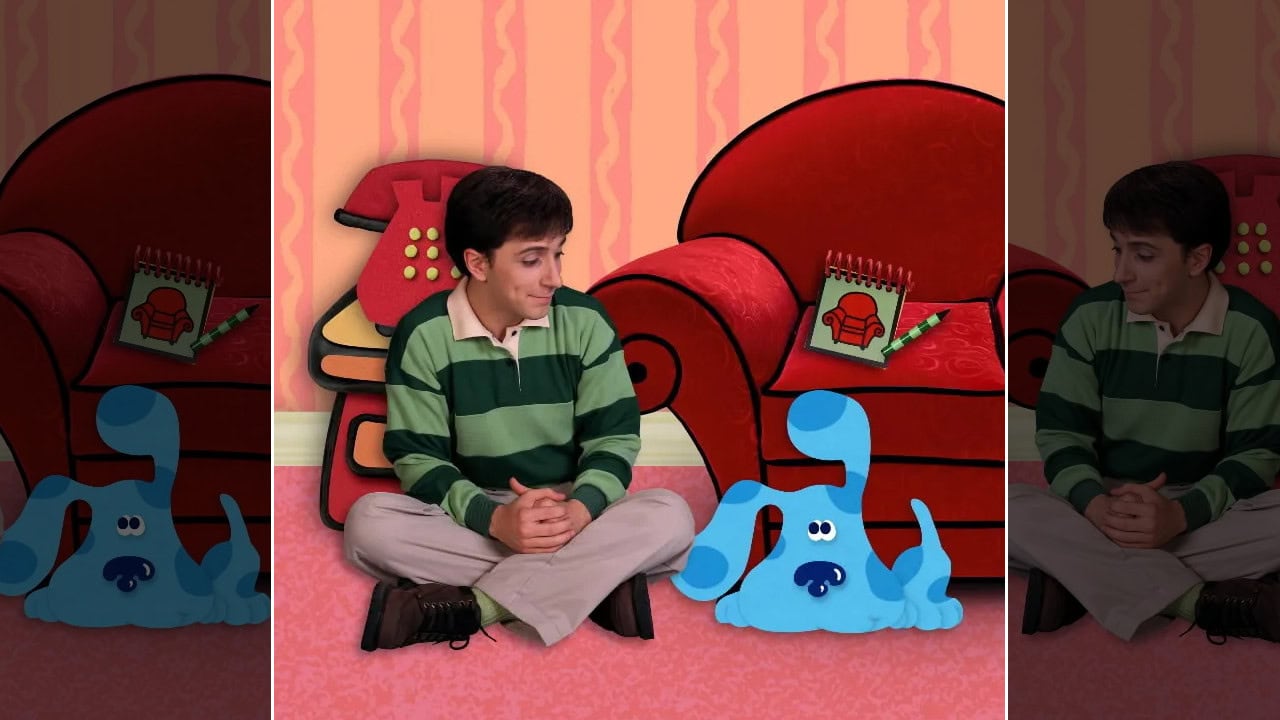
Blue’s Clues (1996-2006)
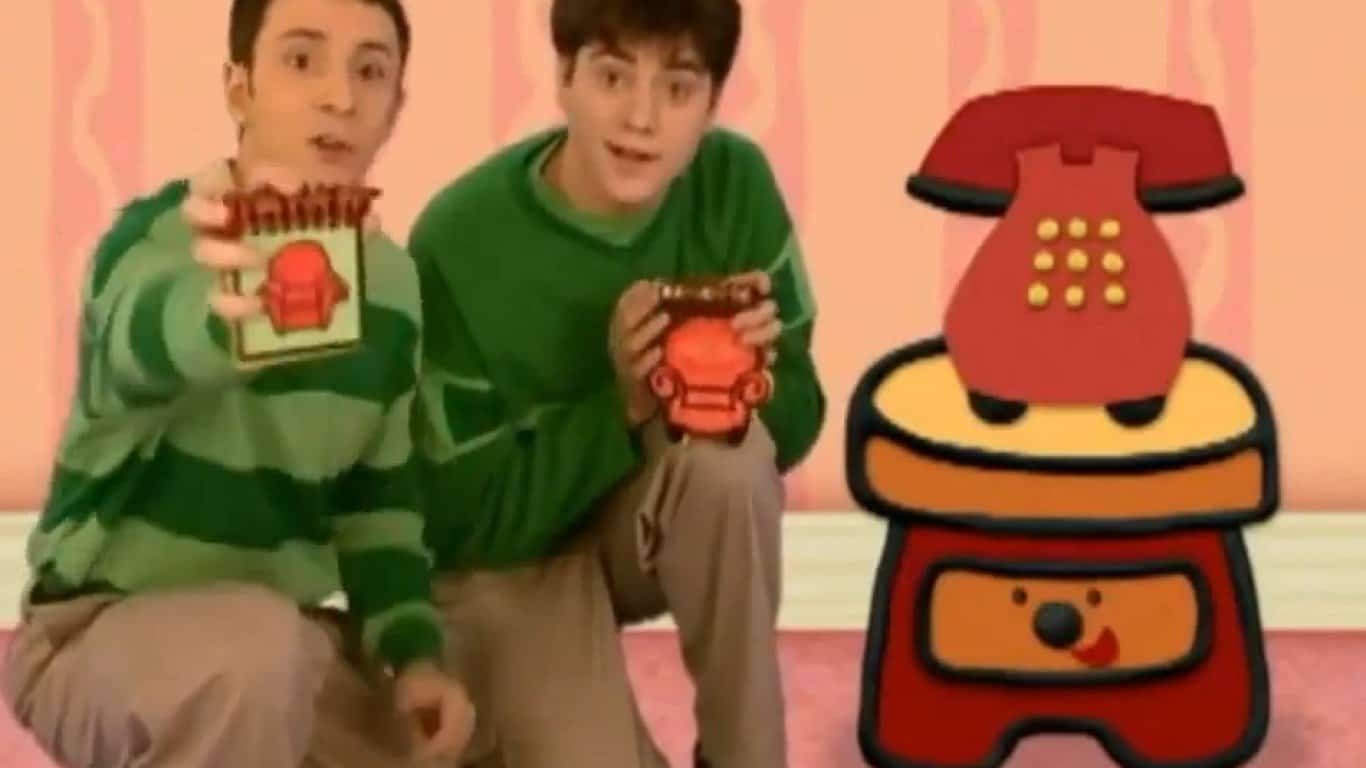
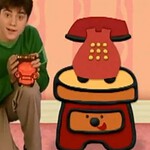
A blue puppy, a few paw prints, and a handy-dandy notebook turned out to be a remarkably effective formula. Blue’s Clues premiered on Nickelodeon in 1996 and ran for six seasons, first with Steve Burns and later Donovan Patton as Joe. Instead of simply talking at preschoolers, the show built pauses into each episode so children could answer questions, spot patterns, and help solve Blue’s puzzle.
That interactive structure was not an accident. The creators leaned heavily on repetition, predictable routines, and direct viewer participation, giving young kids time to process what they were seeing. It made the program feel more like a game than a lesson, which is a big reason the original series still has such a strong nostalgia pull decades later.
Clifford the Big Red Dog (2000-2003)
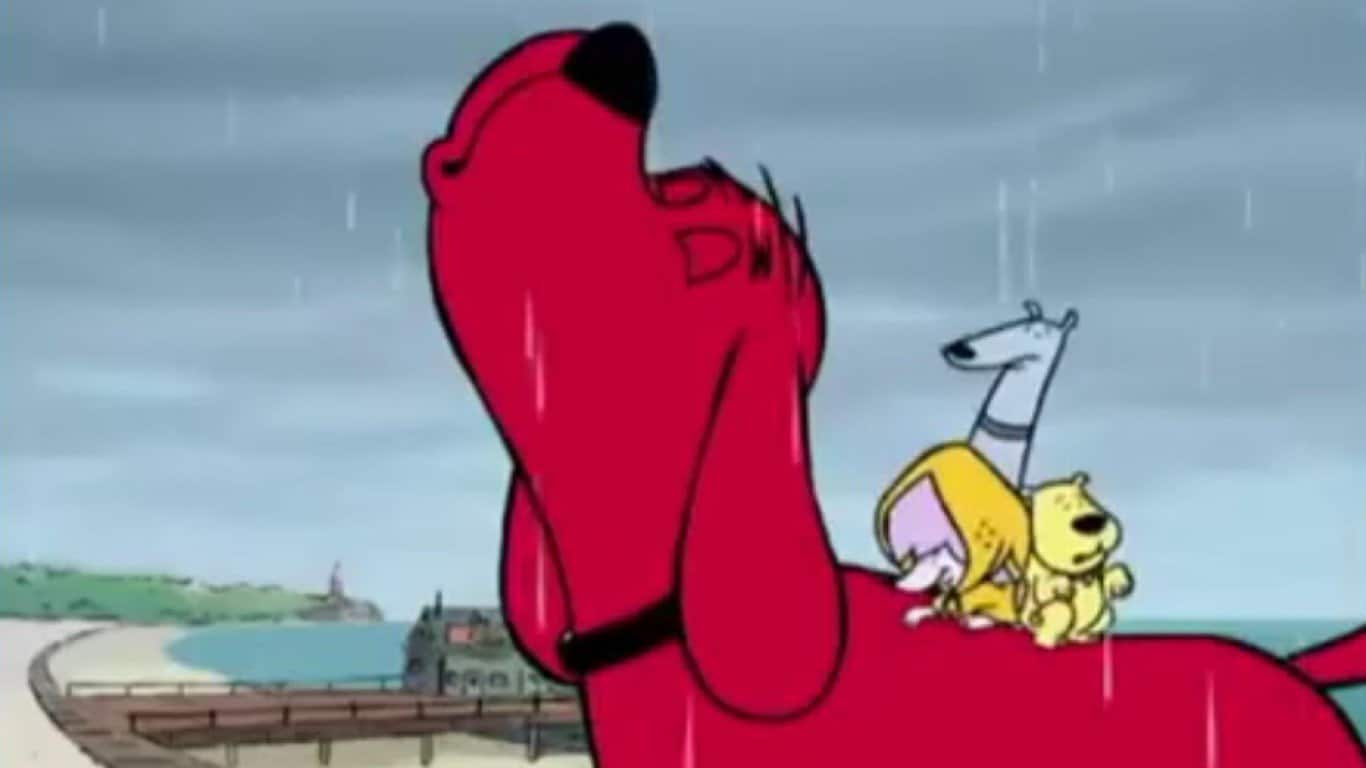
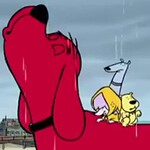
Norman Bridwell’s enormous red dog had already been a children’s book favorite for decades when Clifford the Big Red Dog arrived on PBS KIDS in 2000. The animated series centered on Clifford, Emily Elizabeth, and their friends on Birdwell Island, with John Ritter providing Clifford’s voice and Kel Mitchell voicing T-Bone.
The stories kept the stakes small and relatable, focusing on kindness, honesty, responsibility, friendship, and being part of a community. Clifford has proven unusually durable, too. PBS KIDS announced another reimagined animated Clifford series in May 2026, more than 60 years after Bridwell’s first Clifford book was published. Apparently, there is still room on television for one very big dog.
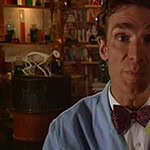
Bill Nye the Science Guy (1993-1998)
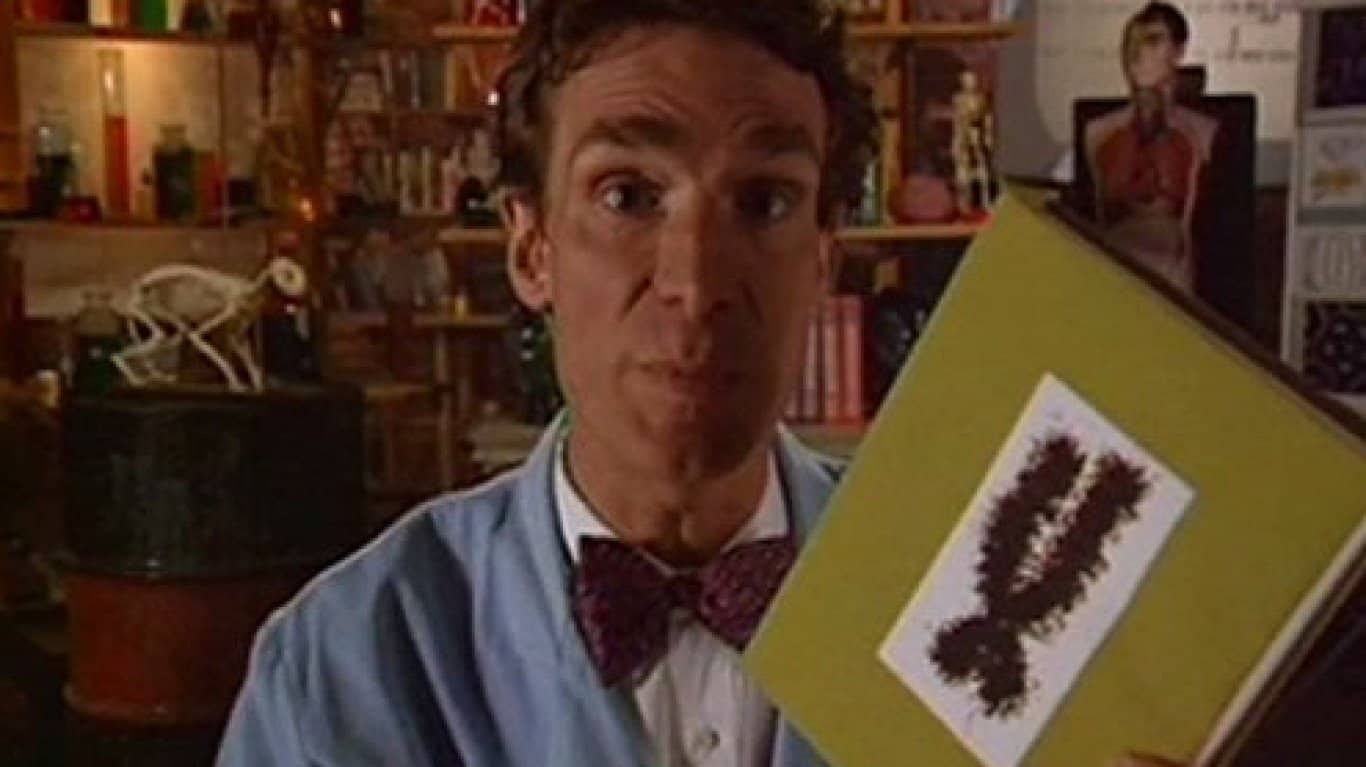
Bill Nye the Science Guy understood that explaining science to kids did not require slowing everything down. The Seattle-produced series used rapid-fire jokes, demonstrations, sketches, sound effects, and music to tackle one main scientific topic at a time. Across 100 episodes, Bill Nye covered subjects ranging from gravity and germs to electricity, ecosystems, and the human body.
Nye was a mechanical engineer before becoming one of television’s most recognizable science educators, and that hands-on mindset shaped the show. Concepts were demonstrated rather than simply defined. The pacing looked a lot more like 1990s music television than a classroom lecture, which probably explains why teachers could roll in a TV cart and still get an enthusiastic reaction.
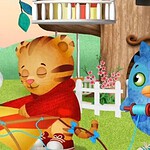
Daniel Tiger’s Neighborhood (2012-Present)
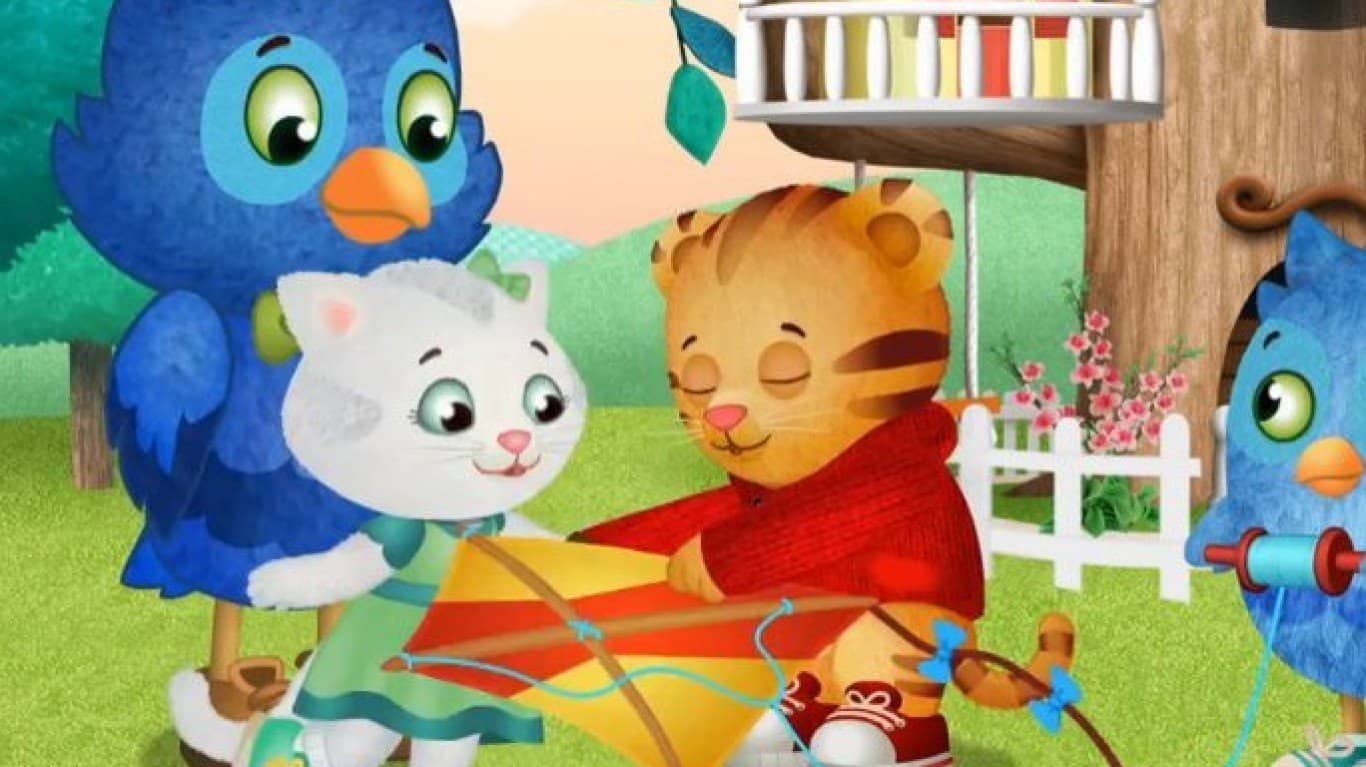
Daniel Tiger’s Neighborhood took the emotional lessons at the heart of Mister Rogers’ Neighborhood and rebuilt them for a new generation of preschoolers. The animated PBS KIDS series premiered in 2012 and follows 4-year-old Daniel, the son of the original program’s Daniel Striped Tiger, through everyday challenges in the Neighborhood of Make-Believe.
Its short strategy songs are designed to be remembered when kids actually need them, whether they are frustrated, nervous, sharing, waiting, or dealing with a change in routine. The formula has lasted. As of October 2026, Fred Rogers Productions says the show is in its eighth season, making Daniel one of the clearest examples of how Fred Rogers’ ideas continue to shape children’s television.
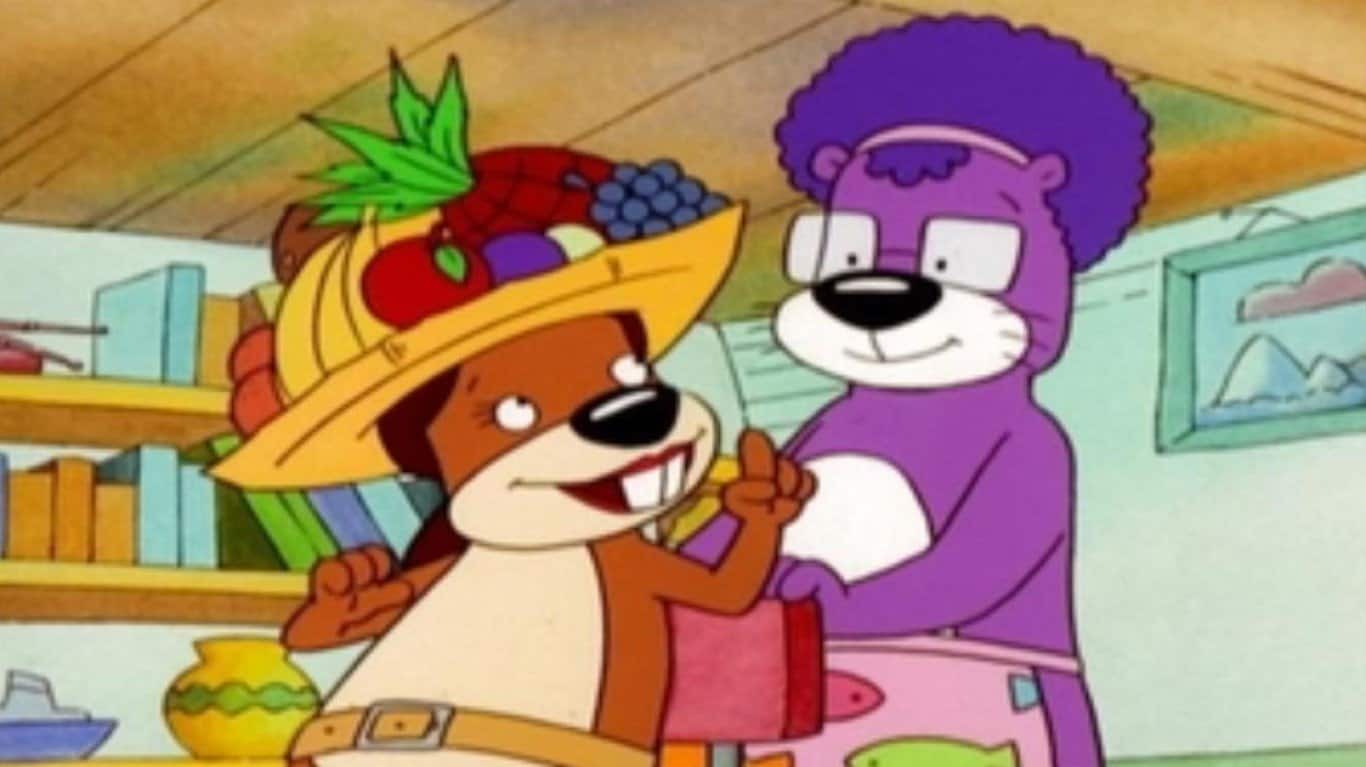
PB&J Otter (1998-2000)
Before every children’s show seemed built around a branded learning objective, PB&J Otter made problem-solving feel like part of hanging out with the family. The Playhouse Disney series followed siblings Peanut, Jelly, and Baby Butter in the close-knit community of Lake Hoohaw and ran for 65 episodes beginning in 1998.
Its signature move was the “Noodle Dance,” a little thinking routine the characters used when they needed to work through a problem. Add catchy songs, sibling squabbles, neighbors who actually helped one another, and stories built around everyday kid-sized dilemmas, and the result was the kind of show that felt cozy first and educational second.
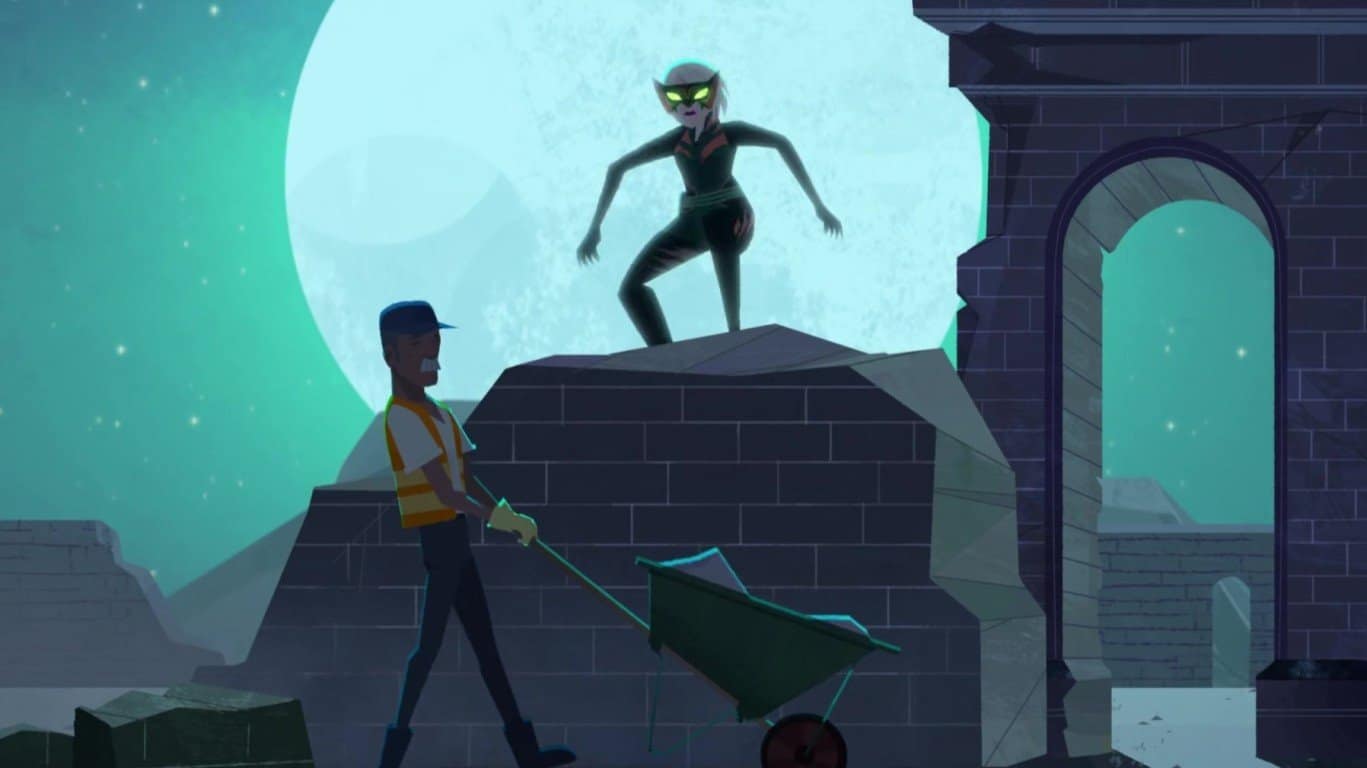
Carmen Sandiego (2019-2021)
Carmen Sandiego was already a classic educational franchise long before Netflix gave the globe-trotting thief a new animated series in 2019. This version flipped Carmen into a modern Robin Hood figure, voiced by Gina Rodriguez, who uses the skills taught to her by V.I.L.E. against the criminal organization itself.
The action and serialized story gave older kids plenty to follow, while the franchise’s educational DNA remained intact. Episodes moved through real countries, landmarks, customs, and bits of history without stopping the adventure for a lecture. It was a newer show than most entries here, but for parents who grew up asking where in the world Carmen Sandiego was, the revival came with its own layer of nostalgia.
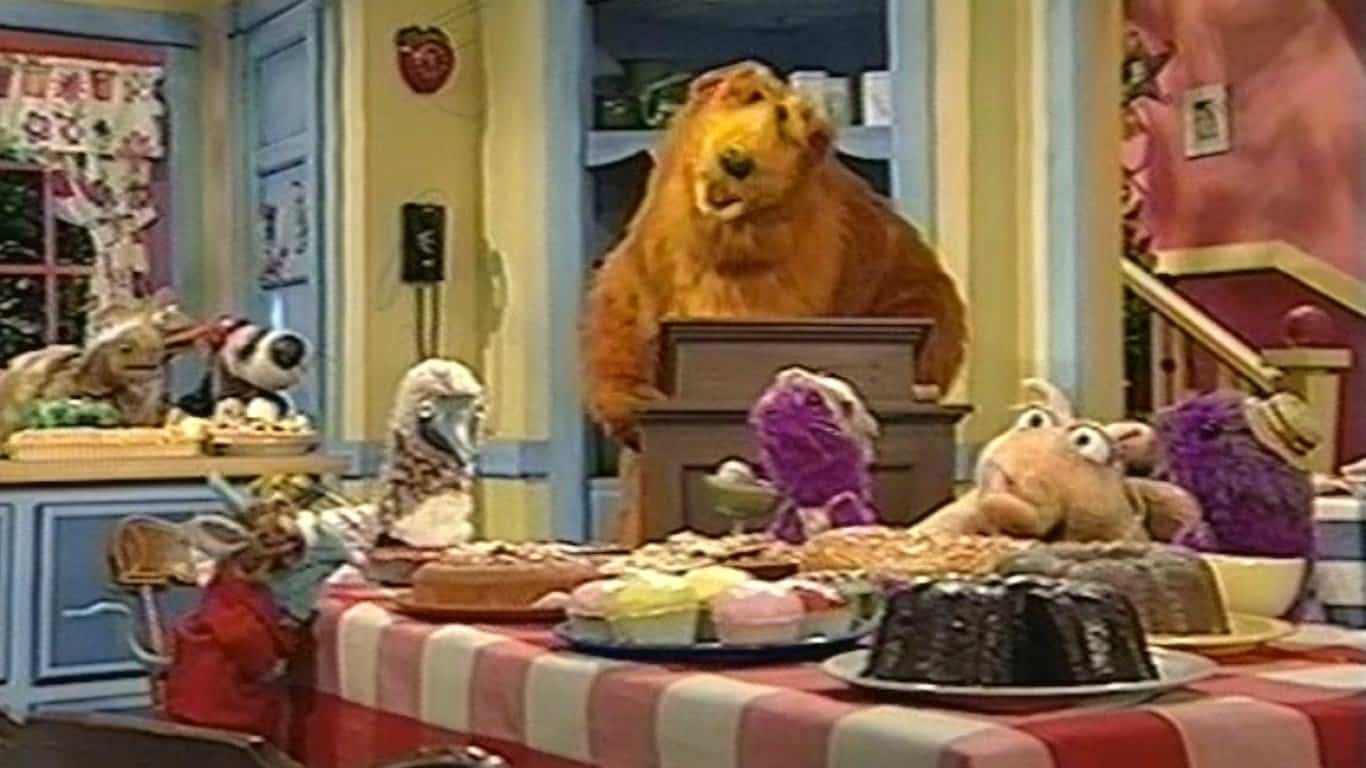
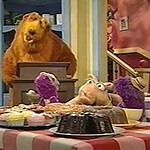
Bear in the Big Blue House (1997-2006)
Bear in the Big Blue House felt less like a television set and more like a place preschoolers were being invited to visit. The Disney Channel series debuted in 1997 and used Jim Henson-style puppetry, songs, movement, and gentle conversations to follow Bear and friends including Tutter, Ojo, Treelo, Pip, and Pop.
Episodes focused on practical early-childhood ideas such as cooperation, routines, feelings, friendship, and trying new things. Bear usually ended by talking with Luna the moon before singing goodbye, a wonderfully calm way to close a children’s show. Although production wrapped earlier, the final new episodes aired in April 2006, giving the series a much longer television life than many viewers remember.
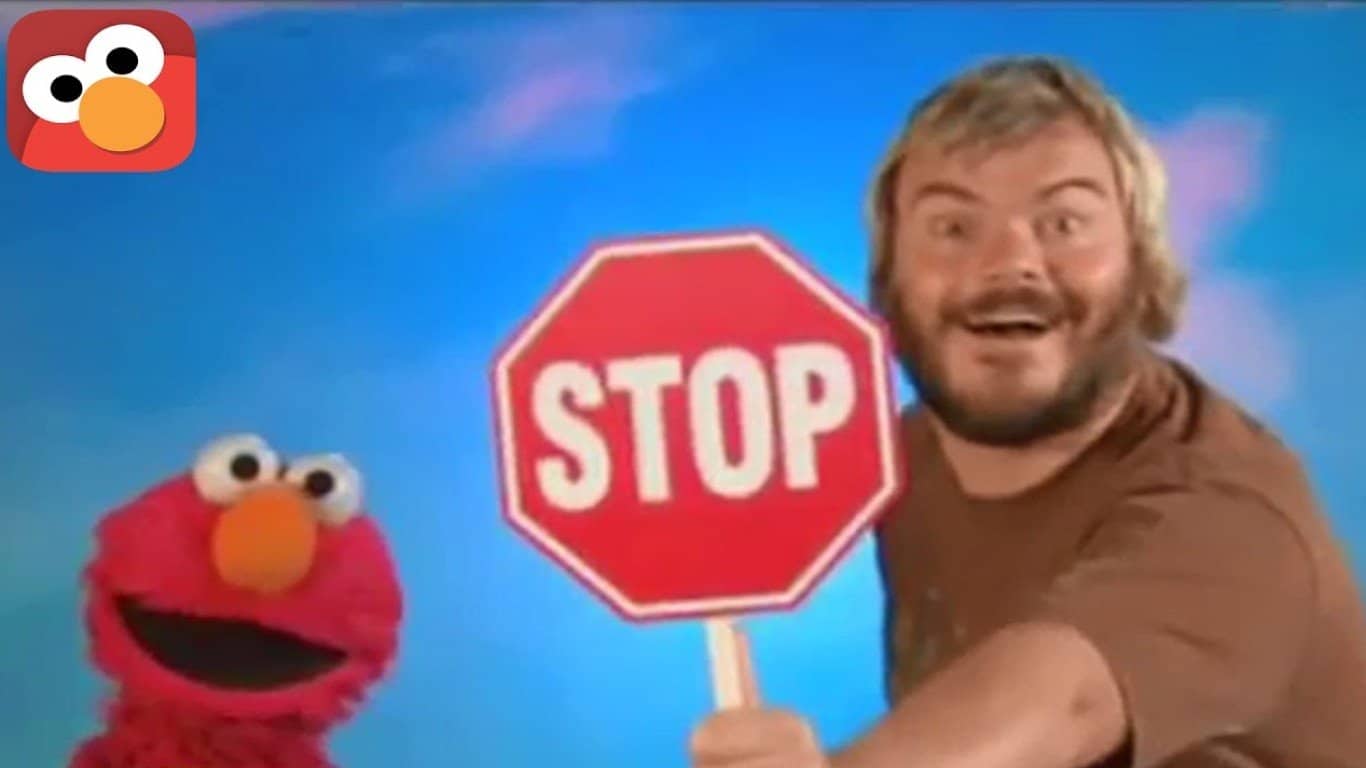
Sesame Street (1969-Present)
Few children’s programs have reinvented themselves as many times as Sesame Street without losing their identity. Since 1969, the series has mixed Muppets, animation, live action, music, celebrity guests, and carefully developed curriculum to teach early literacy, numbers, social skills, and an ever-changing list of lessons about growing up.
Big Bird, Cookie Monster, Grover, Elmo, and the rest of the neighborhood have also had to keep up with the way families watch television. Season 56 premiered on Netflix on November 10, 2025, while new episodes remained available the same day in the United States through PBS stations and PBS KIDS digital platforms. More than half a century in, Sesame Street is still figuring out how to meet kids where they are.
George Shrinks (2000-2003)
George Shrinks took a very ordinary childhood problem, feeling small in a world built for grown-ups, and made it hilariously literal. Based on William Joyce’s book, the animated series follows 10-year-old George, who is only three inches tall, as he navigates family life and neighborhood adventures with a mix of confidence, creativity, and miniature machinery.
The series ran for 40 episodes from 2000 to 2003. George and his musician father build tiny vehicles and gadgets, including the versatile Zoopercar, that help turn household chores and backyard problems into full adventures. The show’s message was never subtle, but it worked: being small does not mean being helpless, especially if you are willing to think your way around a problem.
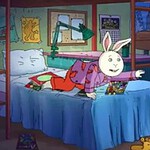
Arthur (1996-2022)
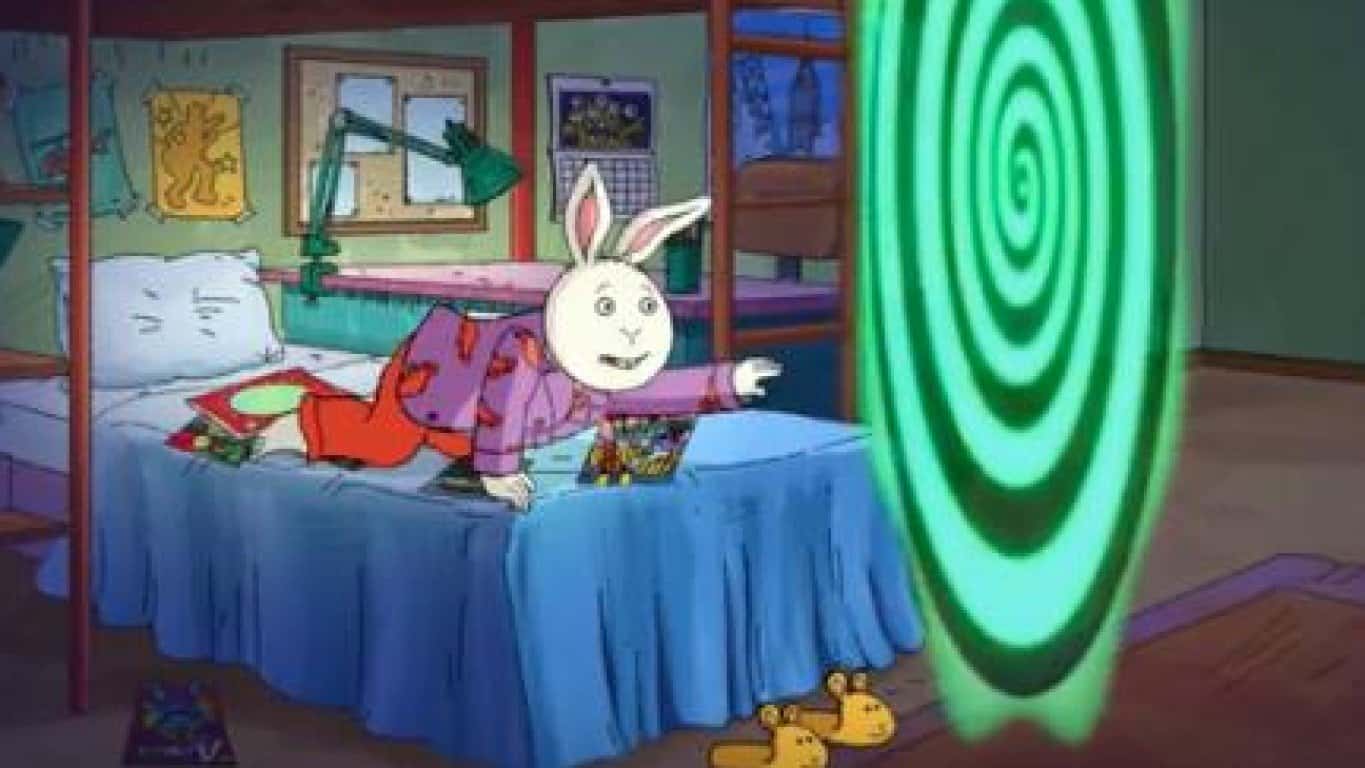
Arthur spent 25 seasons proving that everyday childhood could generate plenty of stories without magic powers or elaborate fantasy worlds. Based on Marc Brown’s books, the PBS series followed third-grader Arthur Read, his family, and his classmates through school problems, sibling fights, friendships, embarrassment, mistakes, and the occasional much bigger issue.
When its final television season concluded in 2022, PBS called Arthur the longest-running children’s animated series on television. More than 250 episodes gave the show room to address kindness, empathy, inclusion, grief, learning differences, and the awkward parts of growing up. It also gave the internet an almost suspicious number of memes, which is not a bad second legacy.
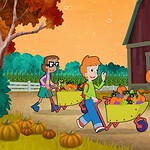
Cyberchase (2002-Present)
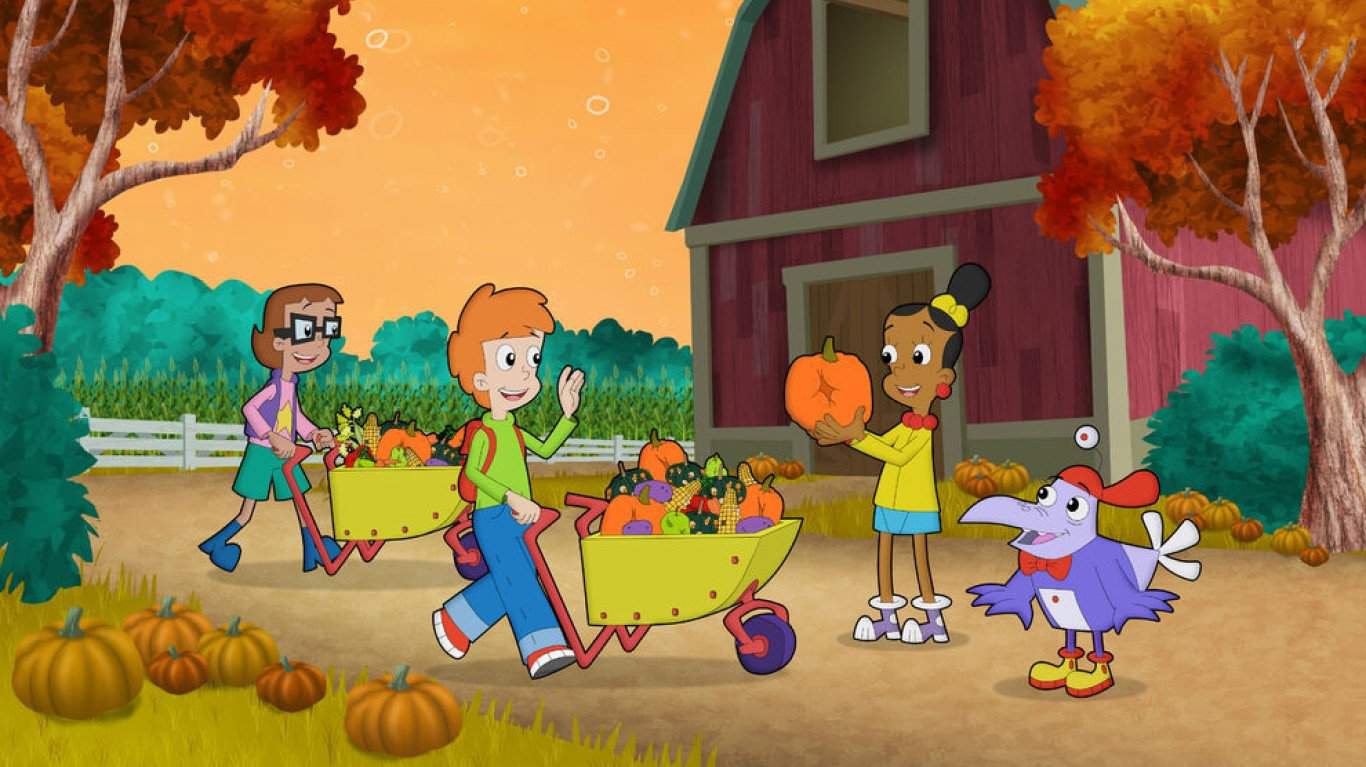
Cyberchase figured out early that math gets easier to swallow when the fate of an entire digital universe depends on it. The PBS KIDS series, which premiered in 2002, follows Jackie, Matt, Inez, and their cyberbird friend Digit as they use logic, measurement, patterns, data, and other problem-solving skills to stop the villain Hacker from taking over Cyberspace.
The series has evolved with its audience and curriculum instead of freezing itself in the early 2000s. PBS was still premiering new Cyberchase episodes in April 2026, including stories built around biodiversity, repair, reuse, math, and engineering. That longevity is impressive for any children’s program, especially one whose secret weapon has always been convincing kids that math is useful outside a worksheet.
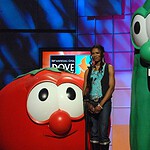
VeggieTales (1993-2015 original series)
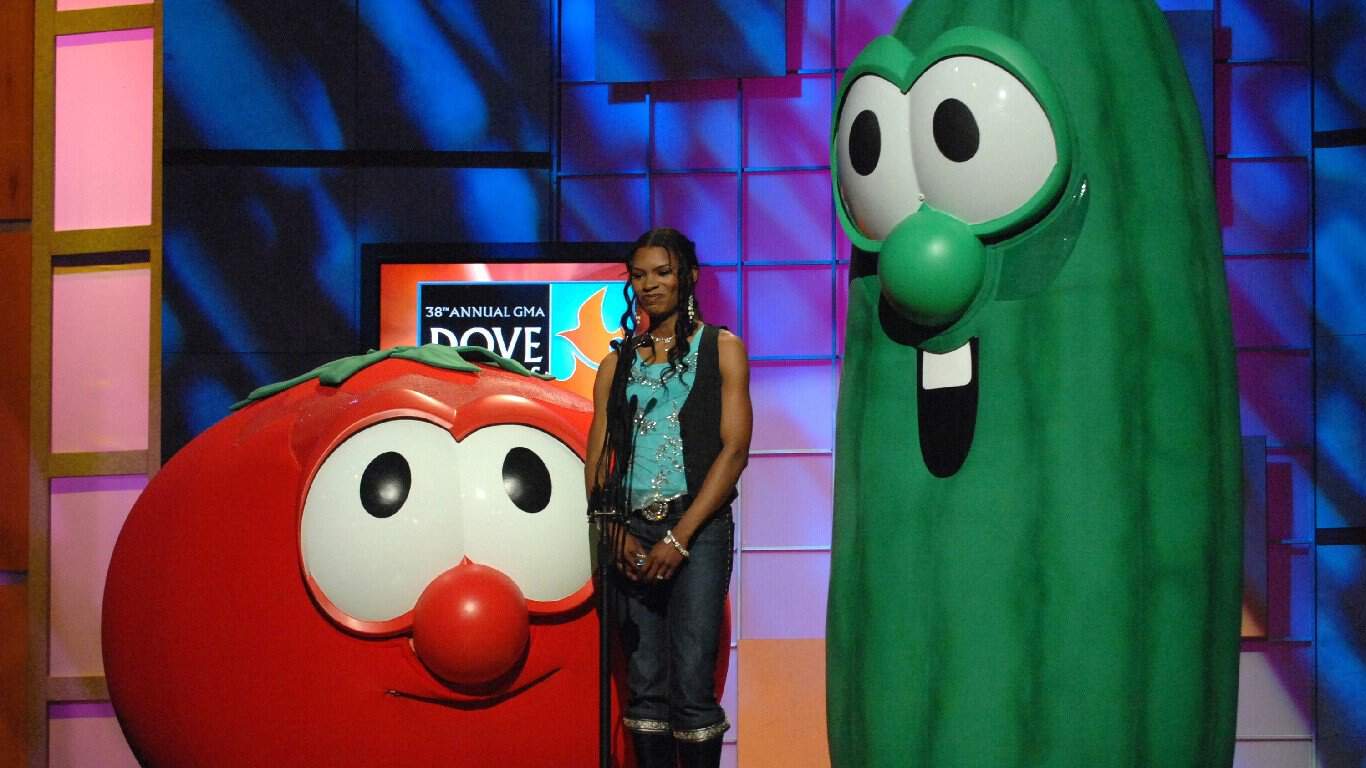
VeggieTales is the oddball entry on this list because the original series began as direct-to-video releases rather than a traditional television show. Starting in 1993, creators Phil Vischer and Mike Nawrocki built stories around Bob the Tomato, Larry the Cucumber, and a produce aisle full of characters who retold Bible stories, parodied pop culture, and worked through moral dilemmas.
The mix of early computer animation, absurd humor, sincere faith-based lessons, and songs made the videos hard to mistake for anything else. “Silly Songs with Larry” became a feature in its own right, and later television spinoffs brought the characters to new audiences. Even people who have not watched an episode in years may discover that one of those songs is still taking up permanent space in their brain.
Wild Kratts (2011-Present)
Chris and Martin Kratt had already introduced kids to wildlife through Kratts’ Creatures and Zoboomafoo when Wild Kratts premiered on PBS KIDS in January 2011. This time, the real-life zoologist brothers became animated versions of themselves and used fictional Creature Power suits to explore the real adaptations that help animals survive.
The superhero framing gives the show plenty of action, but the animal science underneath it is real enough to send kids looking up cheetahs, octopuses, salmon, or whatever creature happened to headline that day’s mission. Wild Kratts was still receiving new PBS KIDS programming in 2026, making it one of the longest-running shows in the group and proof that animal facts apparently pair very well with superpowers.
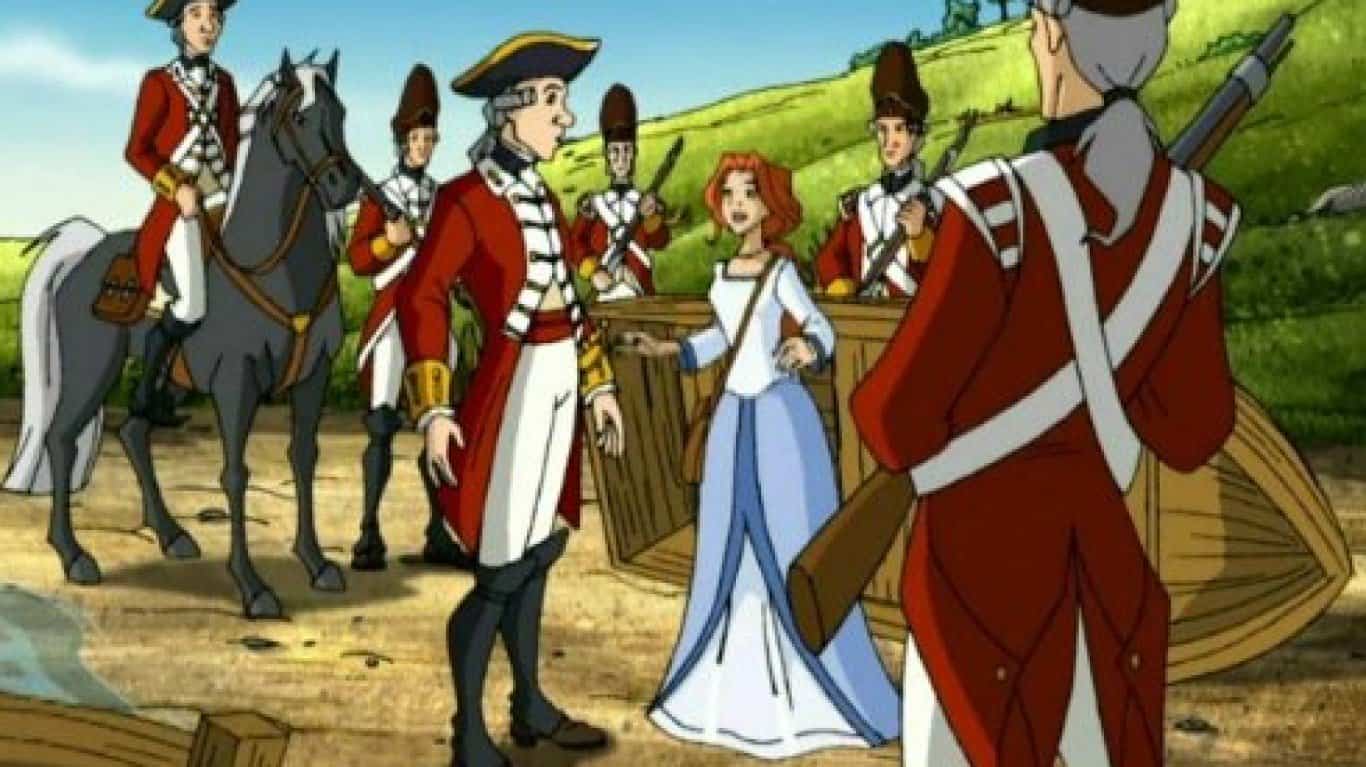
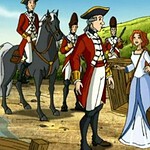
Liberty’s Kids (2002-2003)
Liberty’s Kids took a risky idea and somehow made it work: build a children’s adventure series around the American Revolution without sanding all of the history down to a few famous names. The 40-episode animated series follows young correspondents James Hiller, Sarah Phillips, and Henri as they encounter major events and figures while working around Benjamin Franklin’s newspaper operation.
Because the main characters are fictional, the show could place them near events such as the Boston Tea Party, battles of the Revolution, and the debate over the new nation while still explaining competing loyalties and political ideas. Walter Cronkite voiced Benjamin Franklin, one of several unusually high-profile performers attached to the series. For history-minded kids, it was basically a gateway show.
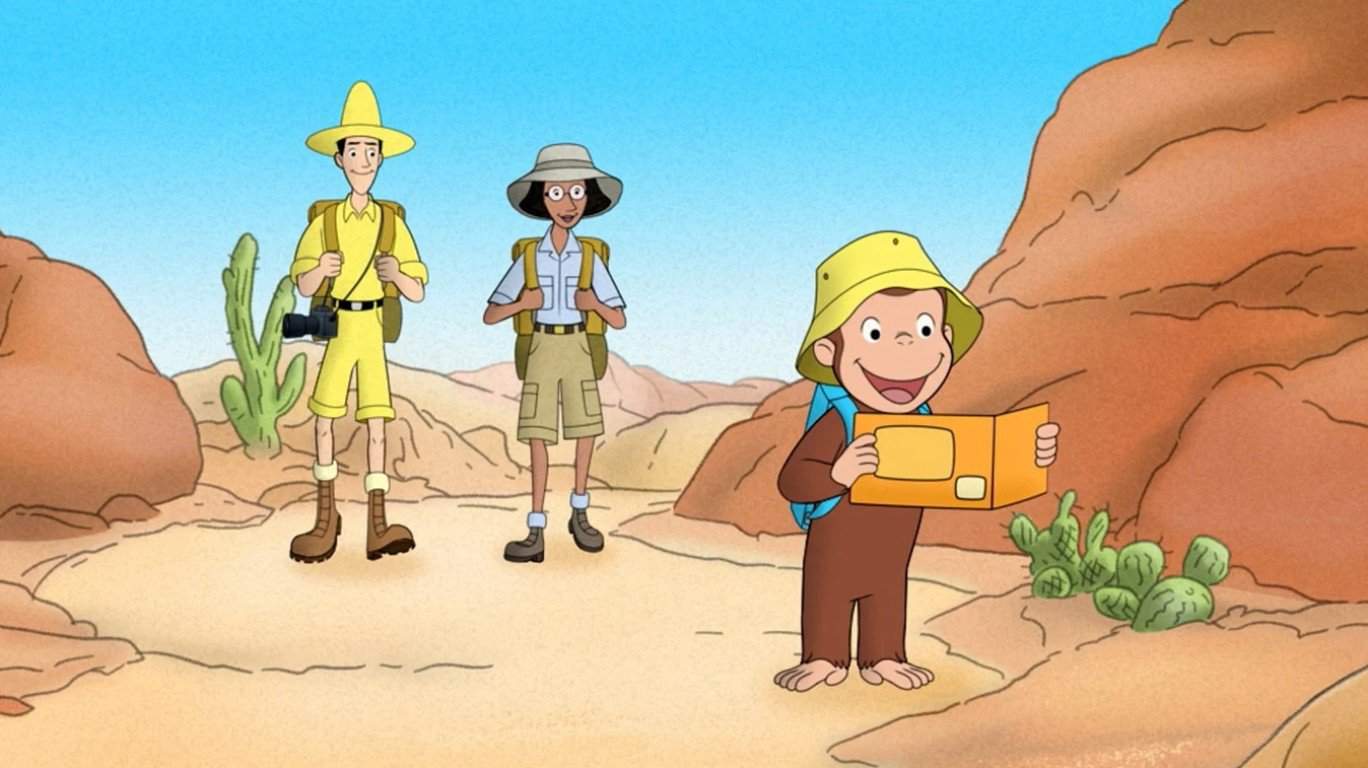
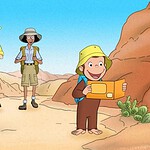
Curious George (2006-2022)
Curious George turned a monkey’s inability to leave well enough alone into an early STEM curriculum. Inspired by the books created by H.A. Rey and Margret Rey, the animated PBS KIDS series launched in 2006 and built stories around George investigating how things work, usually after his curiosity created a problem that needed solving.
The educational goals were unusually specific for a show that rarely felt formal. George’s adventures introduced preschoolers to basic ideas in science, engineering, measurement, patterns, and math by letting him experiment, fail, and try again. The original production run continued through 2022, and episodes remain available through PBS KIDS, so a new generation can still watch George take apart something he absolutely should have left alone.
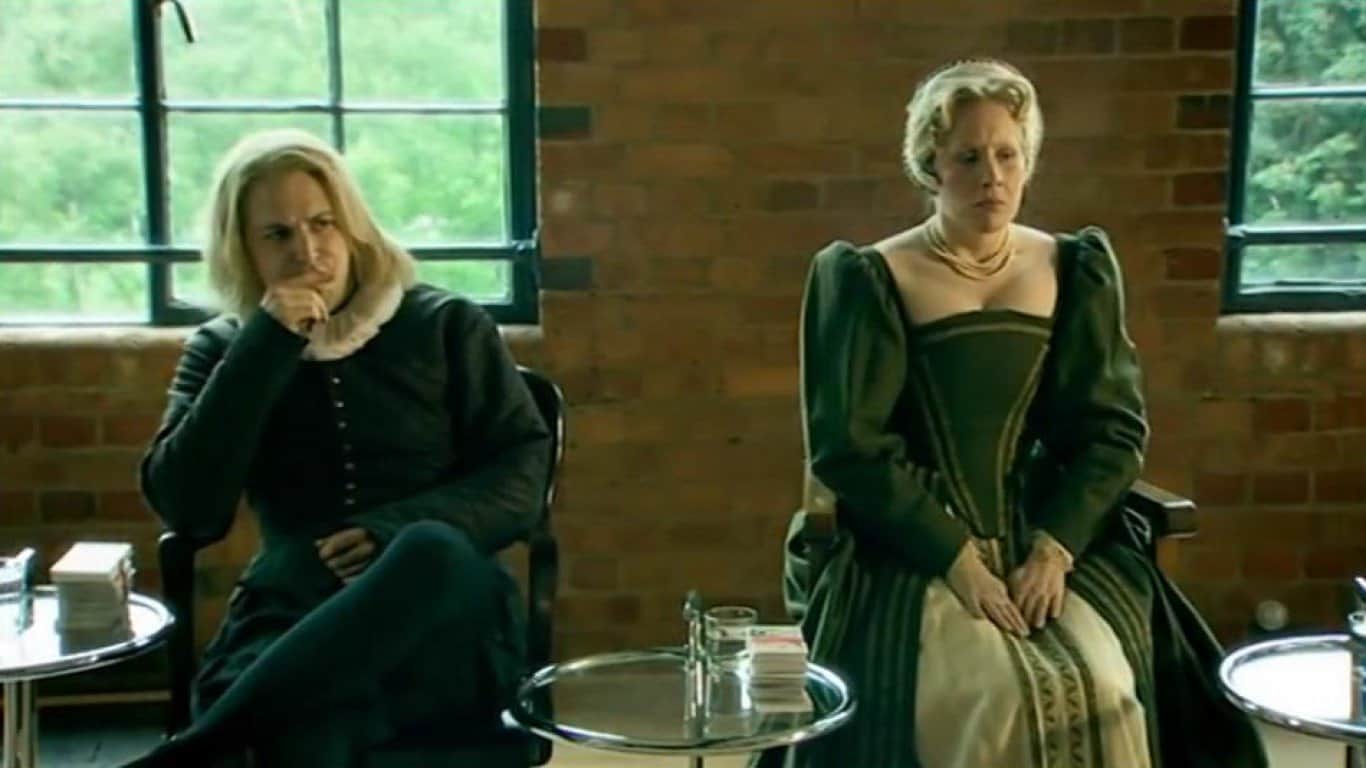
Horrible Histories (2009-Present)
Horrible Histories is what happens when someone decides that history lessons need more songs, sketches, bodily functions, and deeply questionable royal behavior. Based on Terry Deary’s books, the British CBBC series debuted in 2009 and has used comedy to cover everything from ancient civilizations and medieval monarchs to wars, inventions, and everyday life in earlier eras.
The show has lasted far longer than the dates in many older write-ups suggest. Series 11 rolled out new episodes across 2025, including installments on pharaohs, empires, technology, transport, pirates, and the 1920s. Its real trick is using the gross or ridiculous details to get a child’s attention, then sneaking enough context around them that the history actually sticks.
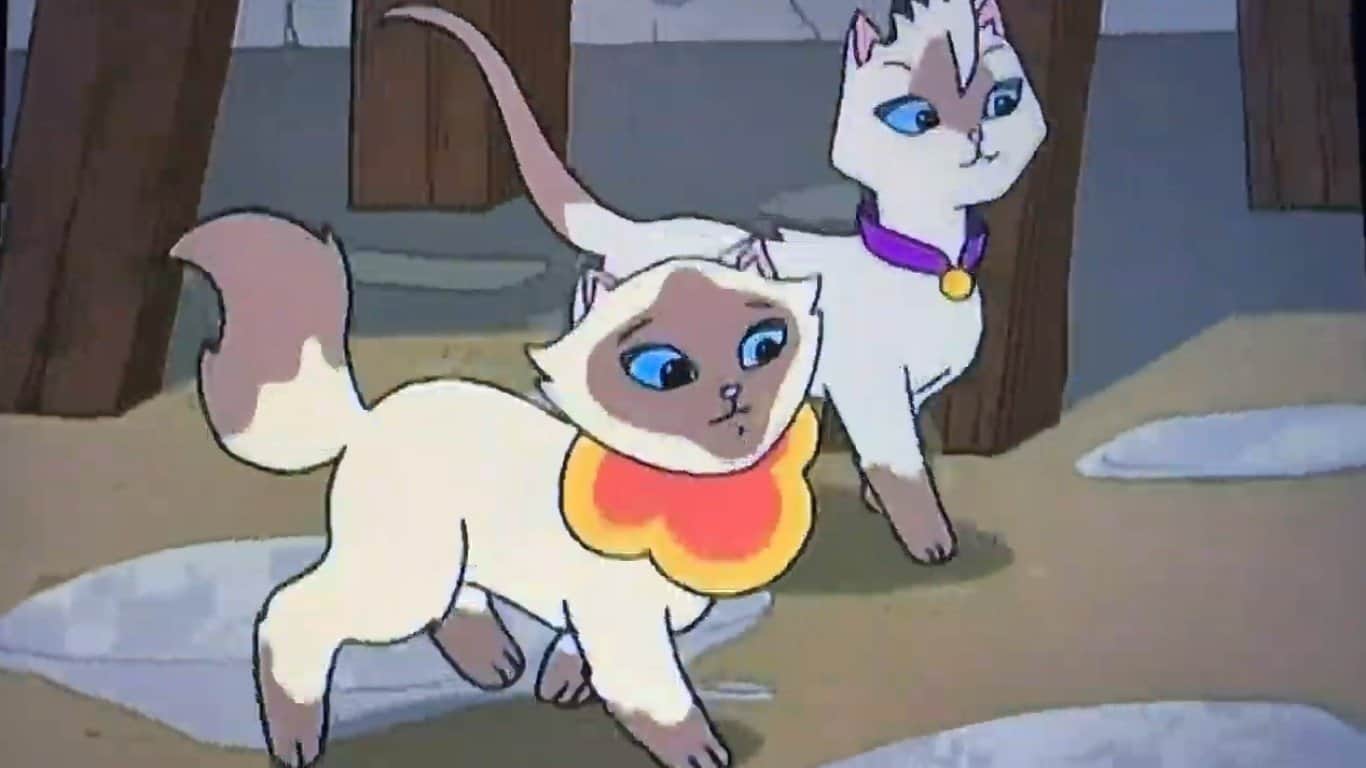
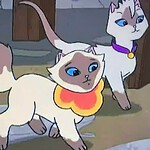
Sagwa, the Chinese Siamese Cat (2001-2002)
Sagwa, the Chinese Siamese Cat had a short run, but it left a strong memory for plenty of PBS KIDS viewers. The animated series premiered in September 2001, ran for 40 episodes, and was based on Amy Tan’s children’s book The Chinese Siamese Cat, with Tan serving as a creative consultant on the television adaptation.
Set in China long ago, the stories follow curious young Sagwa and her family as she navigates rules, friendships, family responsibilities, and cultural traditions. PBS described the series as a way for children to explore both growing up and the richness of different cultures. It was colorful, gentle, and just unusual enough to stand apart from the crowded early-2000s kids’ lineup.
Schoolhouse Rock! (1973-1985; revived in the 1990s)
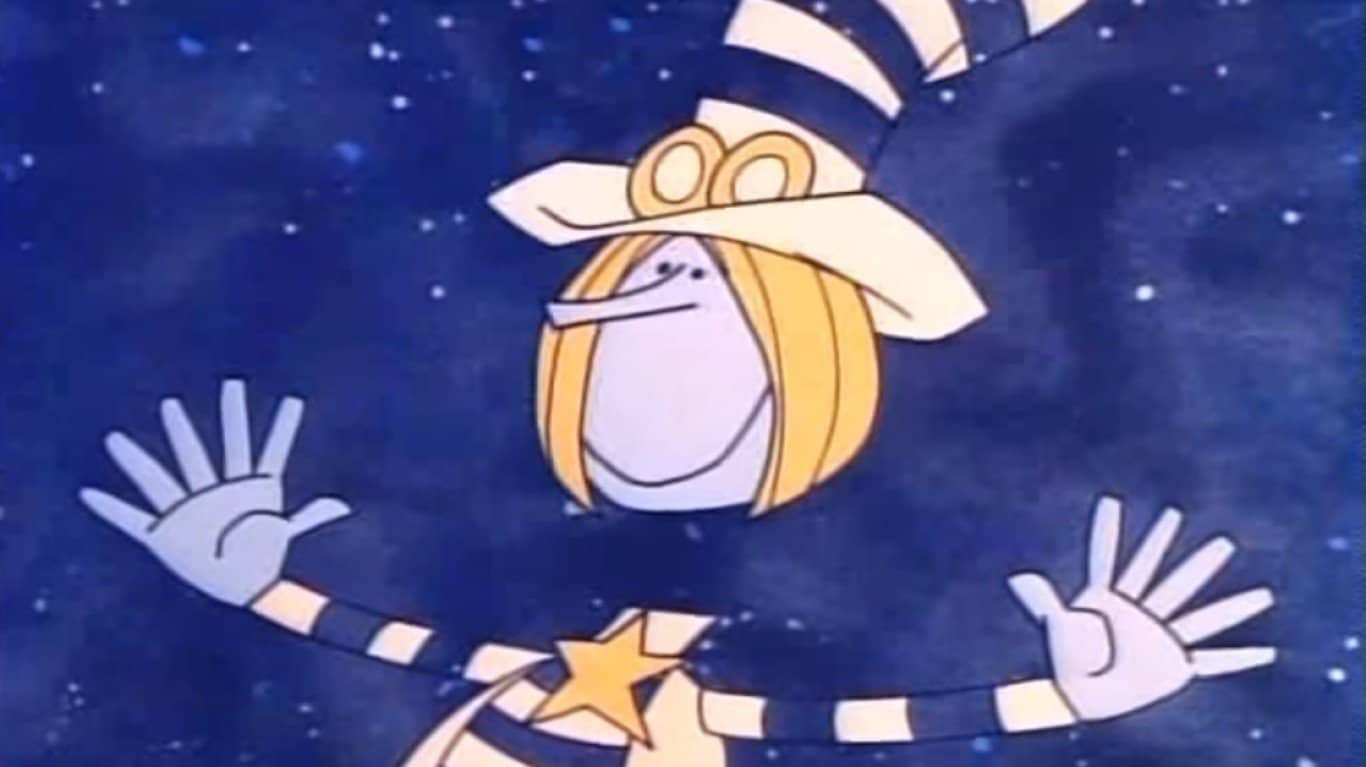
Schoolhouse Rock! may be the purest example of educational television realizing that a catchy enough song can do what a worksheet cannot. The animated musical shorts began airing on ABC in 1973 and tackled multiplication, grammar, science, American history, economics, and civics in bite-size segments designed for Saturday mornings.
The original run lasted until 1985, and new shorts arrived again during a 1990s revival. Songs such as “Conjunction Junction” and “I’m Just a Bill” became cultural shorthand because the melodies made the information ridiculously hard to forget. Plenty of adults can still explain conjunctions or sing parts of the Preamble because a cartoon got there before a textbook did.
Zoboomafoo (1999-2001)
Before Wild Kratts, Chris and Martin Kratt were hanging out at Animal Junction with a playful lemur named Zoboomafoo. The PBS series premiered in 1999 and mixed live animal encounters, puppetry, animation, songs, and claymation to introduce preschoolers to species from around the world and the habitats they depend on.
The title character was primarily a lemur puppet, with a real lemur also appearing in the program. The loose, playful format made room for animal behavior, anatomy, diet, movement, and plenty of weird facts without making the show feel like a nature documentary for adults. For many viewers, Zoboomafoo was the first step in a much longer relationship with the Kratt brothers and their endless supply of creature trivia.