Andrew Clemente
archer10 (Dennis) / BY-SA 2.0
Tunigraph / Shutterstock.com
Gilles Rivest / Shutterstock.com
CarolineG2011 / BY-SA 2.0
chumlee10 / BY-SA 2.0

mtcurado / Getty Images

Goldquest / iStock Editorial via Getty Images
Dave Primov / Shutterstock.com

Yury Birukov/Shutterstock.com
Henryk Sadura / Shutterstock.com
peeterv / Getty Images
View Apart/Shutterstock.com
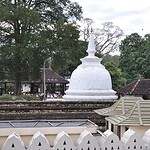
The Temple of the Sacred Tooth Relic [Kandy] by Jorge Lascar / BY 2.0 (https://creativecommons.org/licenses/by/2.0/)
R.M. Nunes/iStock.com

LizCoughlan/Shutterstock.com
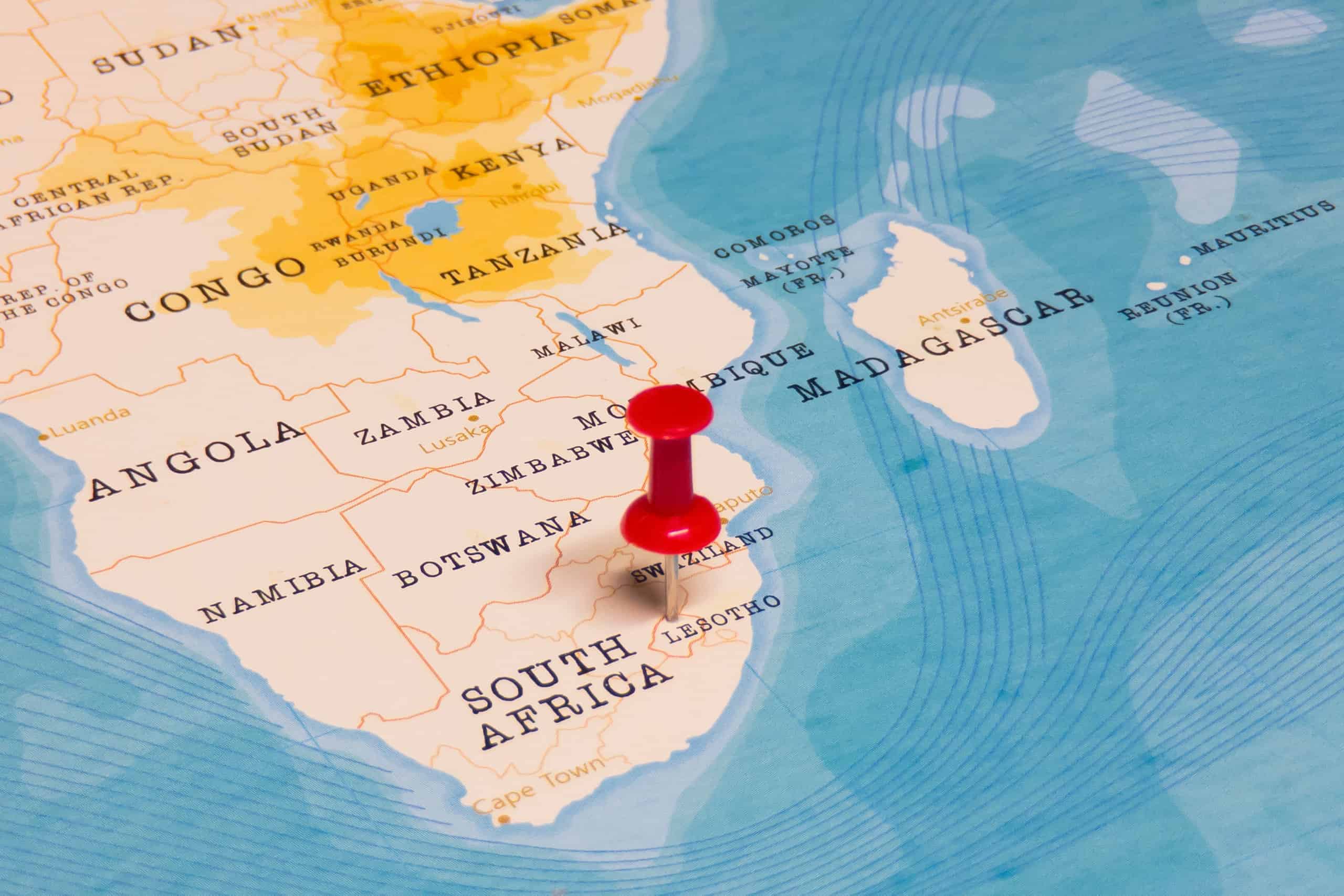
hyotographics/Shutterstock.com
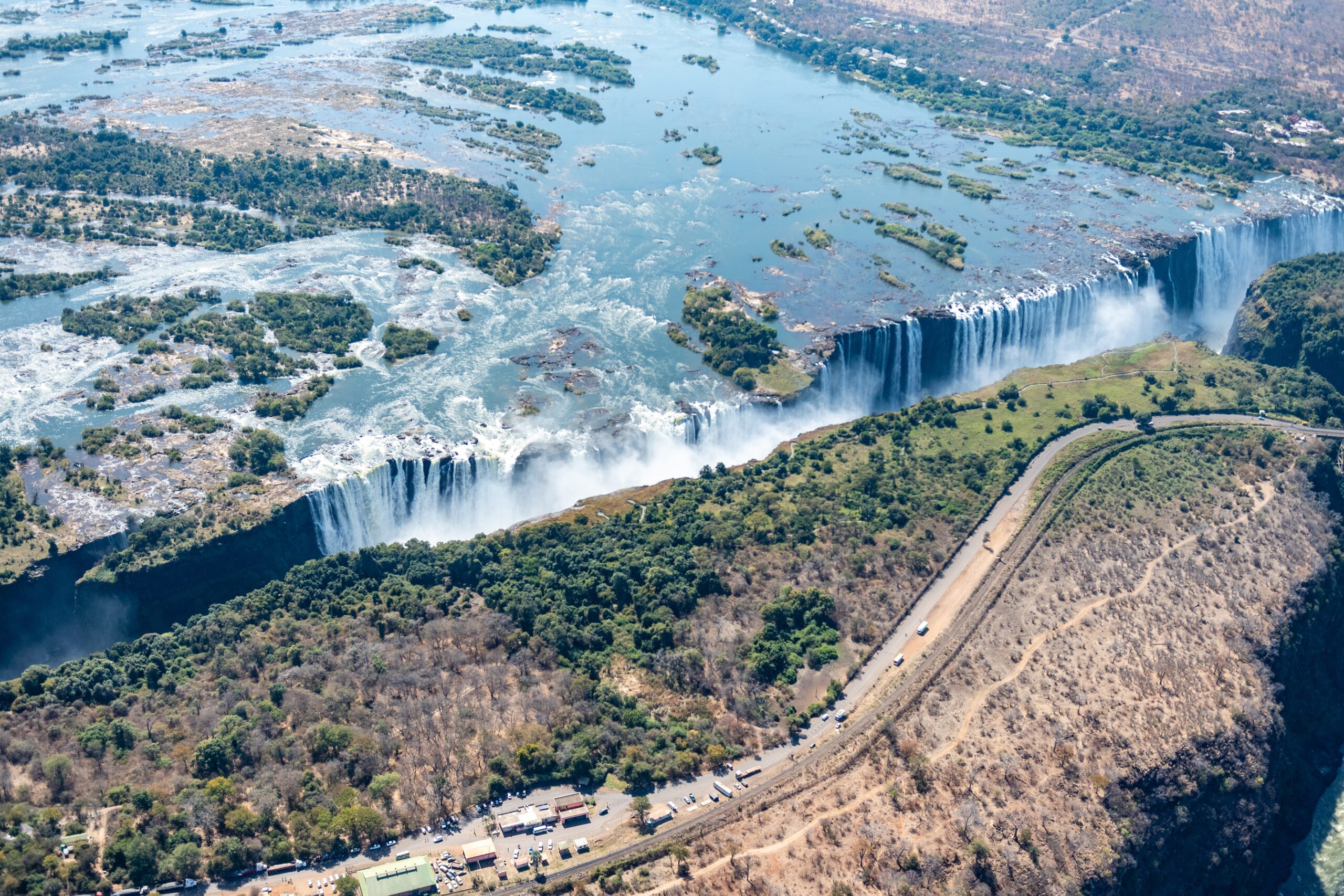
Goldilock Project / Shutterstock.com
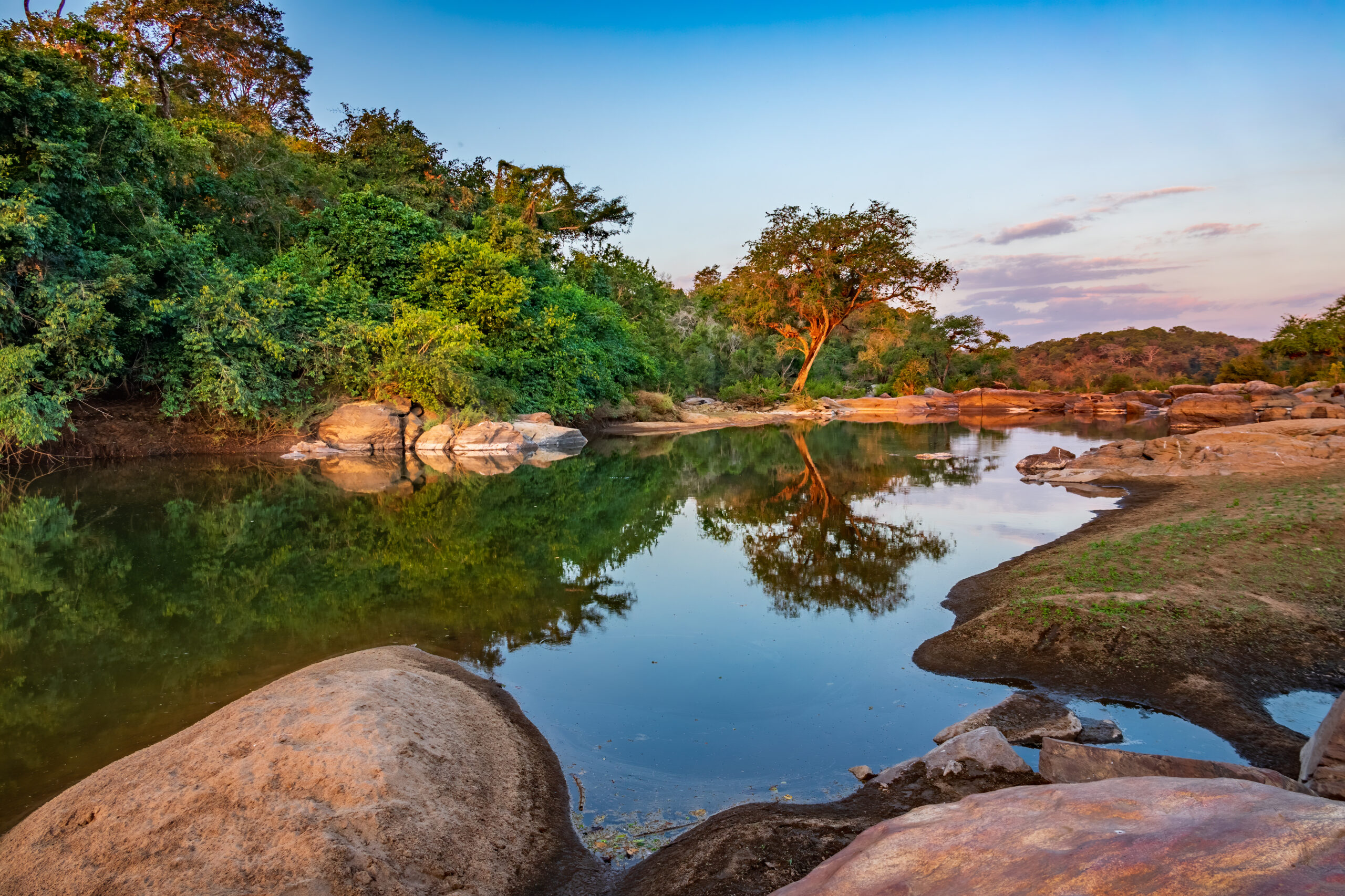
FCG / Shutterstock.com

Kwame Kwegyir-Addo / iStock via Getty Images

tawanlubfah / iStock via Getty Images








20 Countries That Changed Their Names and Why
Countries can change dramatically without their borders moving at all. Governments fall, colonies gain independence, political systems are replaced, and leaders sometimes decide that even a nation’s name no longer reflects its identity. The result is a world map filled with countries that were once known by very different names.
Some changes happened decades ago, such as Siam becoming Thailand and Upper Volta becoming Burkina Faso. Others are surprisingly recent. Swaziland became Eswatini in 2018, North Macedonia adopted its current name in 2019, and Türkiye asked the United Nations to use its Turkish-language name internationally in 2022.
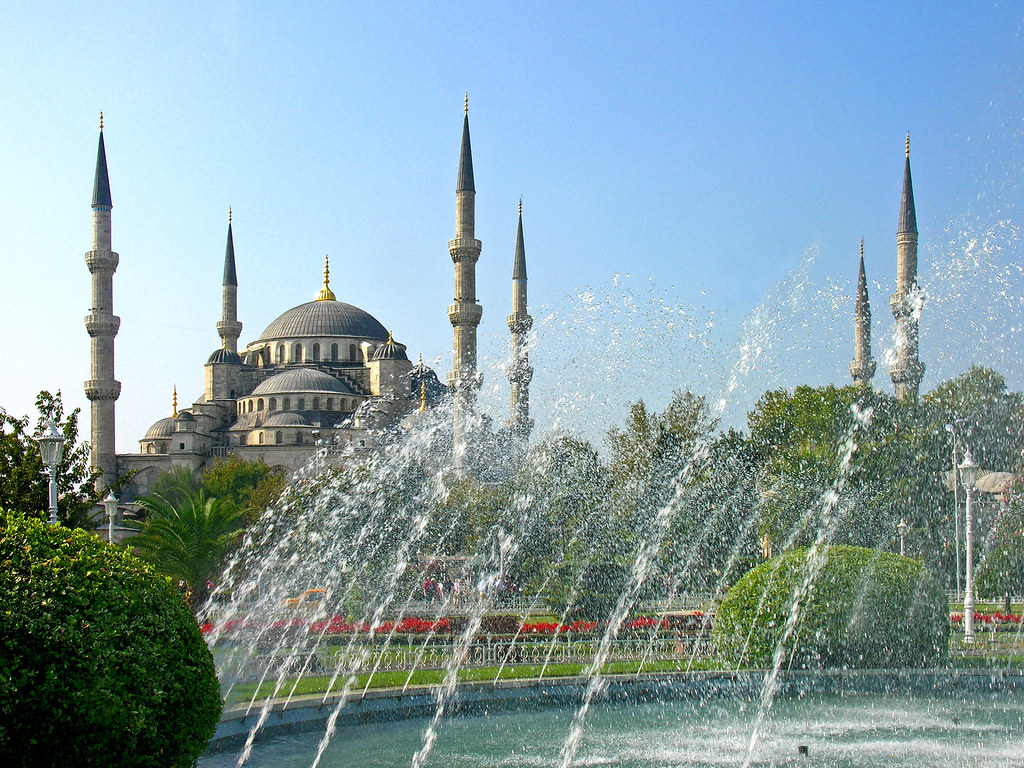
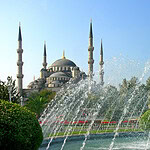
Turkey Became Türkiye in 2022
For English speakers, this is one of the newest country-name changes on the map. In 2022, the Turkish government formally asked the United Nations to use “Türkiye” instead of “Turkey,” and the UN adopted the new form. Türkiye was already the name used in Turkish, so the move was less about inventing a new identity and more about getting the rest of the world to use the country’s own name. If an older atlas says Turkey, it is not wrong for its time, but current UN usage is Türkiye.
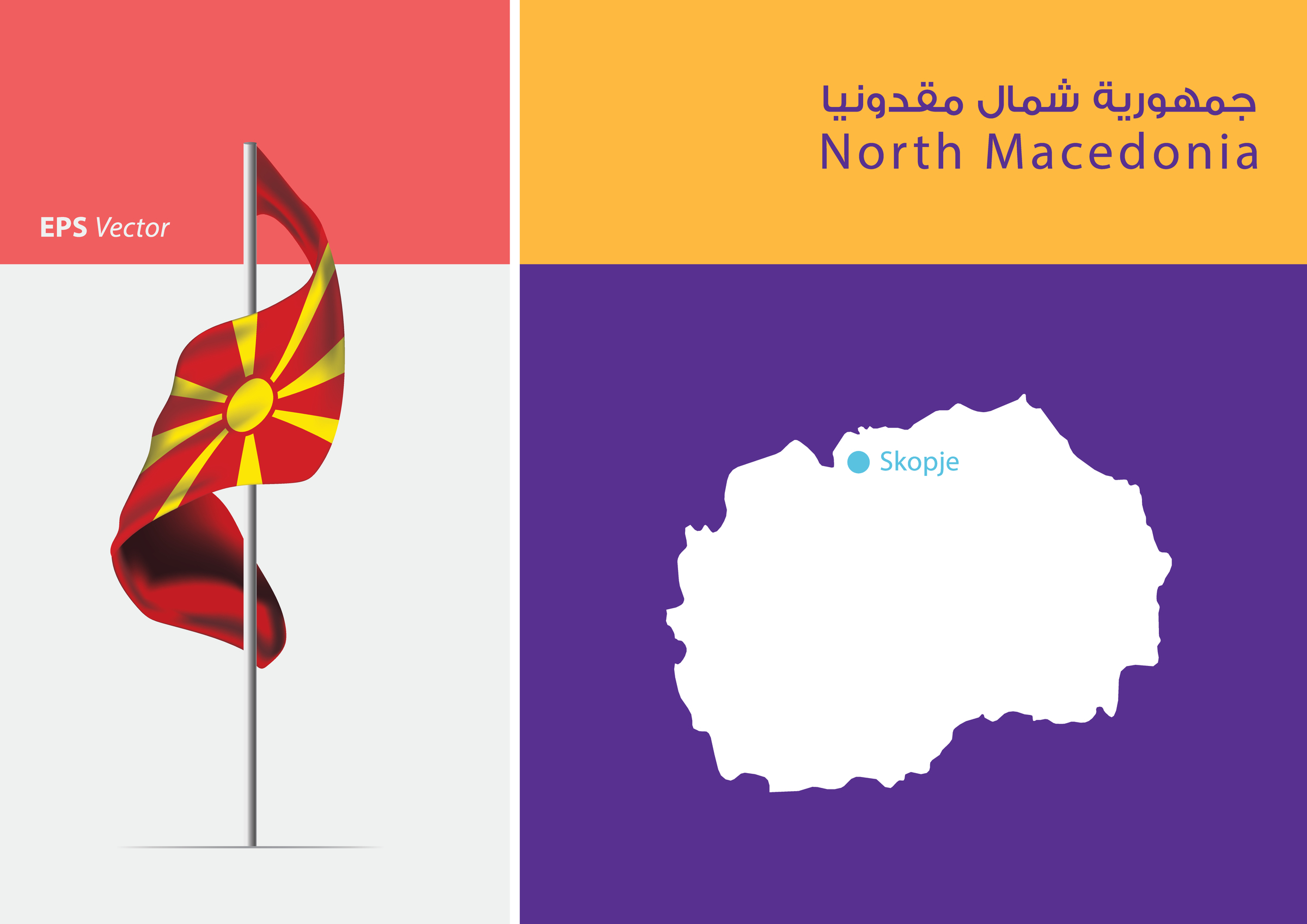
Macedonia Became North Macedonia in 2019
North Macedonia got its current name after one of the world’s longest-running naming disputes. The country declared independence in 1991 as the Republic of Macedonia, but Greece objected to the name, and the United Nations admitted the country in 1993 under the provisional reference “the former Yugoslav Republic of Macedonia.” The Prespa Agreement with Greece entered into force in February 2019 and established the official name Republic of North Macedonia. One extra word ended a dispute that had lasted for more than a quarter-century.
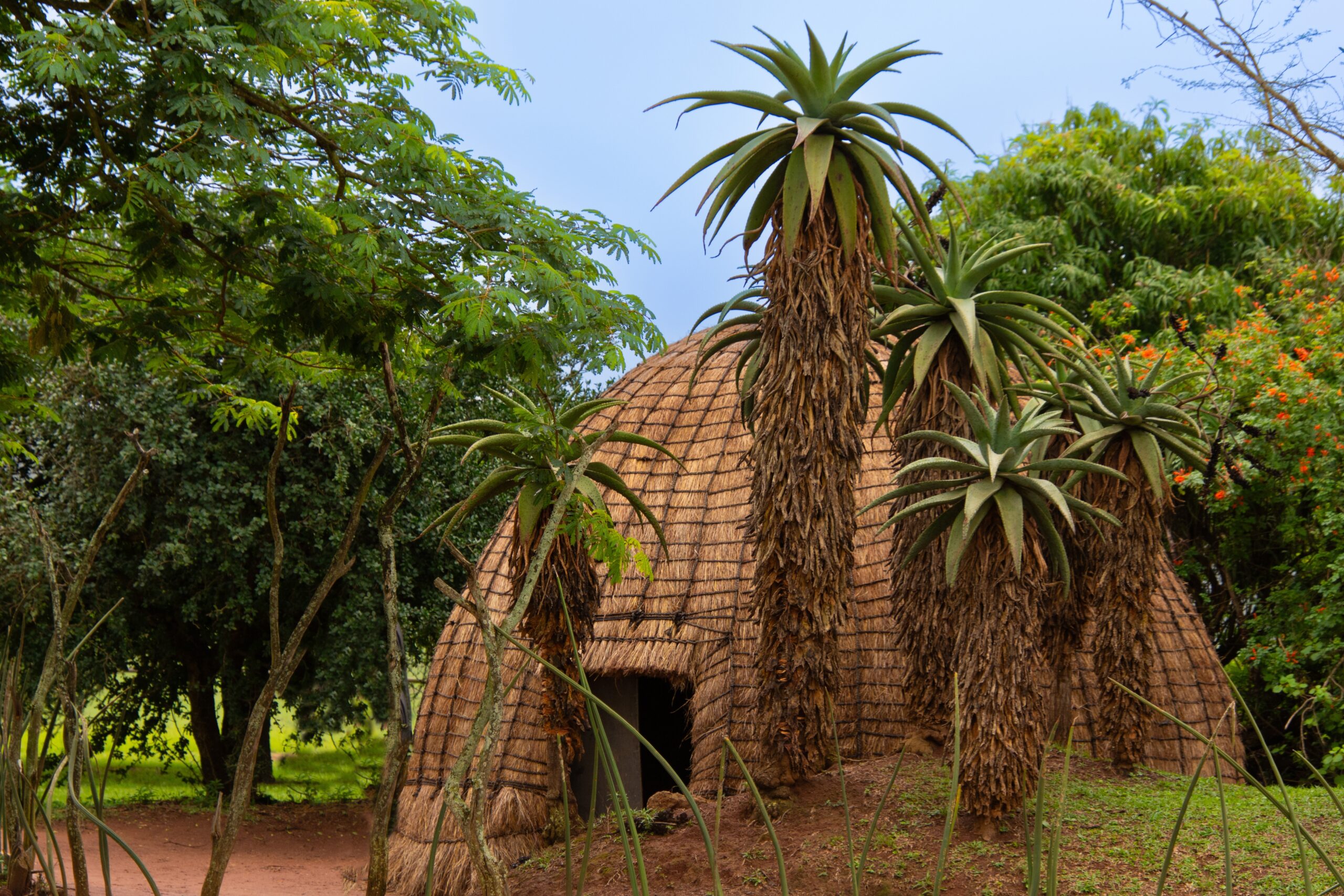
Swaziland Became Eswatini in 2018
King Mswati III announced in April 2018 that the Kingdom of Swaziland would become the Kingdom of Eswatini. In the speech announcing the change, the king said “Swaziland” was a name inherited from the British and that independence should be reflected in a name belonging to the country’s people. United Nations records list April 19, 2018, as the effective date. Eswatini is the Swati form of the country’s name, so this was a deliberate move away from the English colonial-era label rather than a random rebrand.
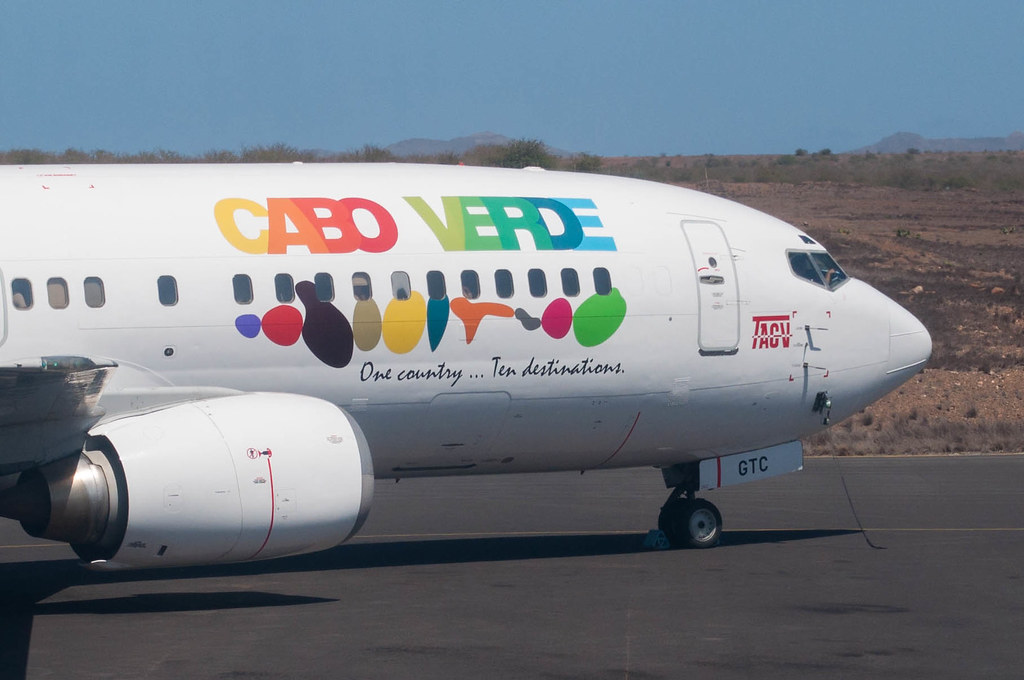
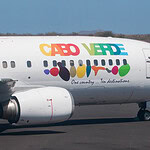
Cape Verde Became Cabo Verde in 2013
Most English-language maps once called this Atlantic island nation Cape Verde. In 2013, the government formally asked the United Nations to use Republic of Cabo Verde and the short form Cabo Verde in all official UN languages. The request also made clear that the Portuguese name should not be translated. In other words, people in the country were not suddenly waking up to a brand-new name. The change was about making international usage match the name Cabo Verde already used for itself.
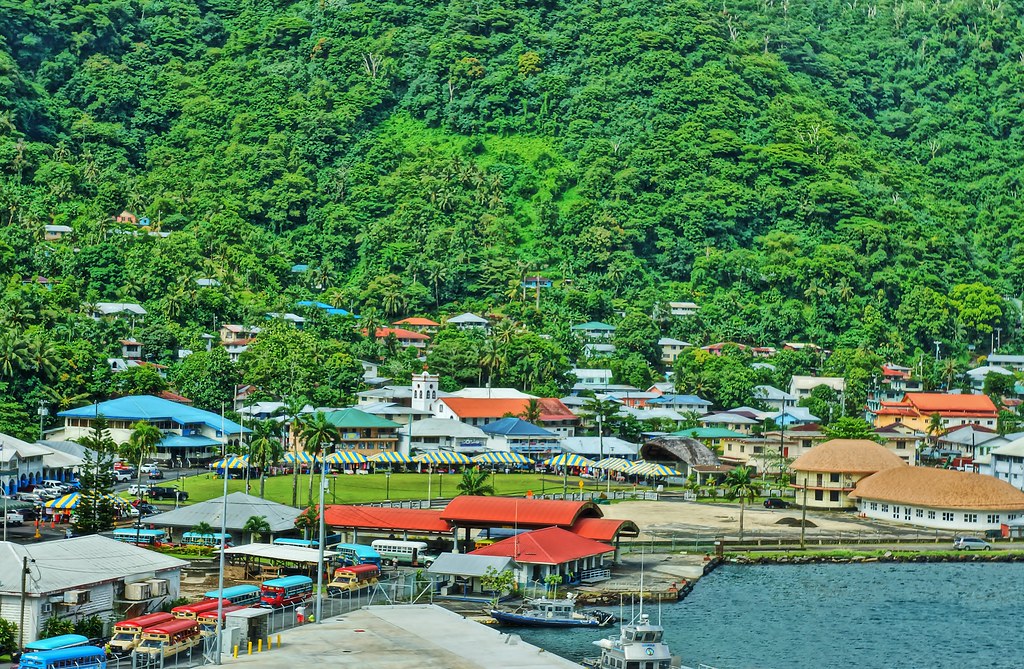
Western Samoa Became Samoa in 1997
The country became independent from New Zealand in 1962 as Western Samoa, but the “Western” part eventually disappeared. A 1997 constitutional amendment removed the word wherever it appeared immediately before Samoa, leaving the official name Independent State of Samoa. There is a funny wrinkle here: the United Nations had already been using the shorter name Samoa since the country joined the organization in 1976. The 1997 change made the country’s own constitution catch up with the name much of the international community was already using.
Zaire Became the Democratic Republic of the Congo in 1997
This country has changed names enough times to make an old map genuinely confusing. It became the Democratic Republic of the Congo in 1964, President Mobutu Sese Seko renamed it the Republic of Zaire in 1971, and the name changed back to the Democratic Republic of the Congo on May 17, 1997, as Mobutu’s rule ended. That is why older news reports, sports records, and atlases can make Zaire look like a vanished African country. It did not disappear. The name did.
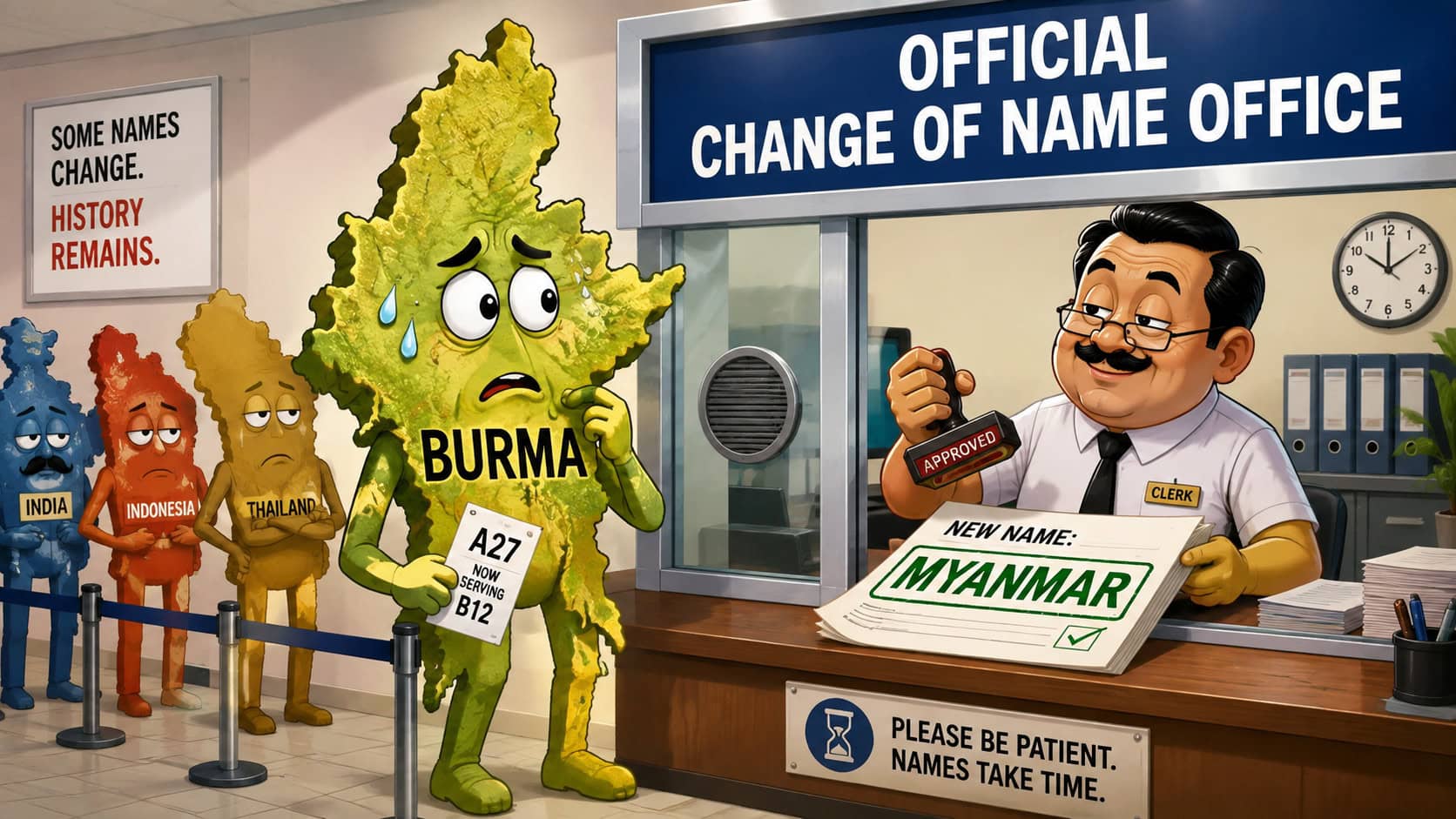
Burma Became Myanmar in 1989
In 1989, Myanmar’s military government enacted a law changing the country’s English name from the Union of Burma to the Union of Myanmar and notified the United Nations. The decision was politically controversial, and opposition groups and some foreign governments continued using Burma for years afterward. The formal name changed again in 2011 to the Republic of the Union of Myanmar, while Myanmar remained the short form. So if you still hear both Burma and Myanmar, that is not just somebody using an outdated atlas. The naming debate has a political history behind it.
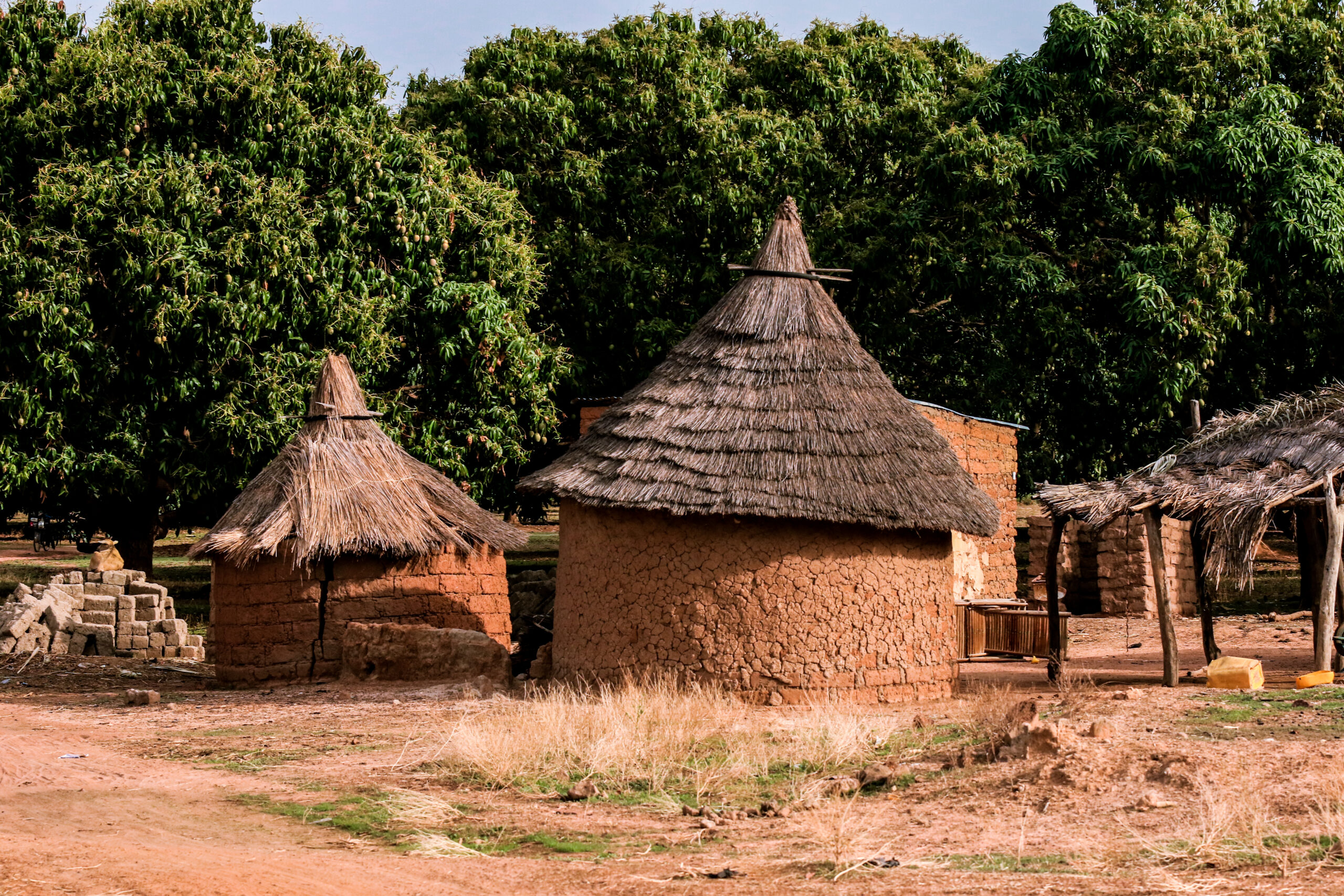
Upper Volta Became Burkina Faso in 1984
Upper Volta was a French colonial name tied to the geography of the Volta river system. Revolutionary leader Thomas Sankara replaced it in 1984 with Burkina Faso as part of a broader push for a more independent national identity. United Nations sources commonly translate Burkina Faso as “land of the upright people.” It is one of the most dramatic name changes on this list because the old and new names sound like they belong to completely different places. They are the same landlocked West African country, separated by a political and cultural reset.
Rhodesia Became Zimbabwe in 1980
Zimbabwe’s name change was anything but a clean one-step swap. The British colony was known as Southern Rhodesia, while the white-minority government that declared independence from Britain in 1965 used Rhodesia. A short-lived 1979 political arrangement used the name Zimbabwe Rhodesia. After the Lancaster House settlement restored British authority during the transition, the territory again used Southern Rhodesia before becoming the independent Republic of Zimbabwe on April 18, 1980. If you see several different Rhodesia names on 20th-century maps, they reflect very different political periods.
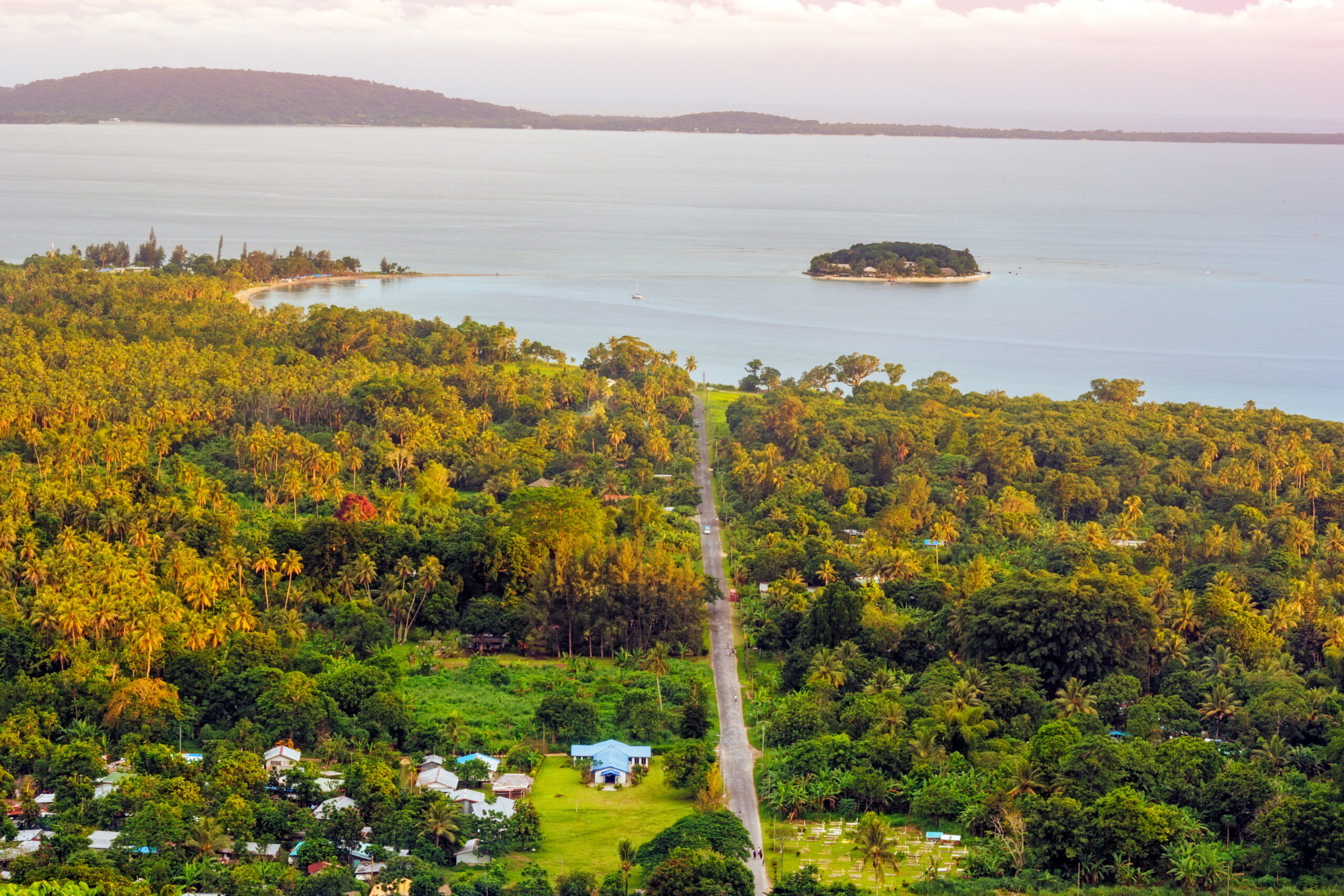
The New Hebrides Became Vanuatu in 1980
Before independence, Vanuatu had one of the strangest colonial arrangements in the Pacific. The islands were known as the New Hebrides and were administered jointly by Britain and France under an Anglo-French condominium. That arrangement ended when the territory became independent as Vanuatu in 1980. The new name helped mark the break from a colonial label that had been applied to the islands by Europeans. Old maps marked New Hebrides are therefore pointing to the same island nation travelers know today as Vanuatu.
Dahomey Became Benin in 1975
When this West African country gained independence from France in 1960, it entered the world as the Republic of Dahomey. After years of coups, Mathieu Kérékou took power and established a Marxist-Leninist one-party state. In 1975, the country was renamed the People’s Republic of Benin. The political system changed again around 1990 and “People’s” disappeared from the official name, but Benin remained. That leaves old maps labeled Dahomey looking like they show a country that vanished, when the modern state is still right there under a different name.
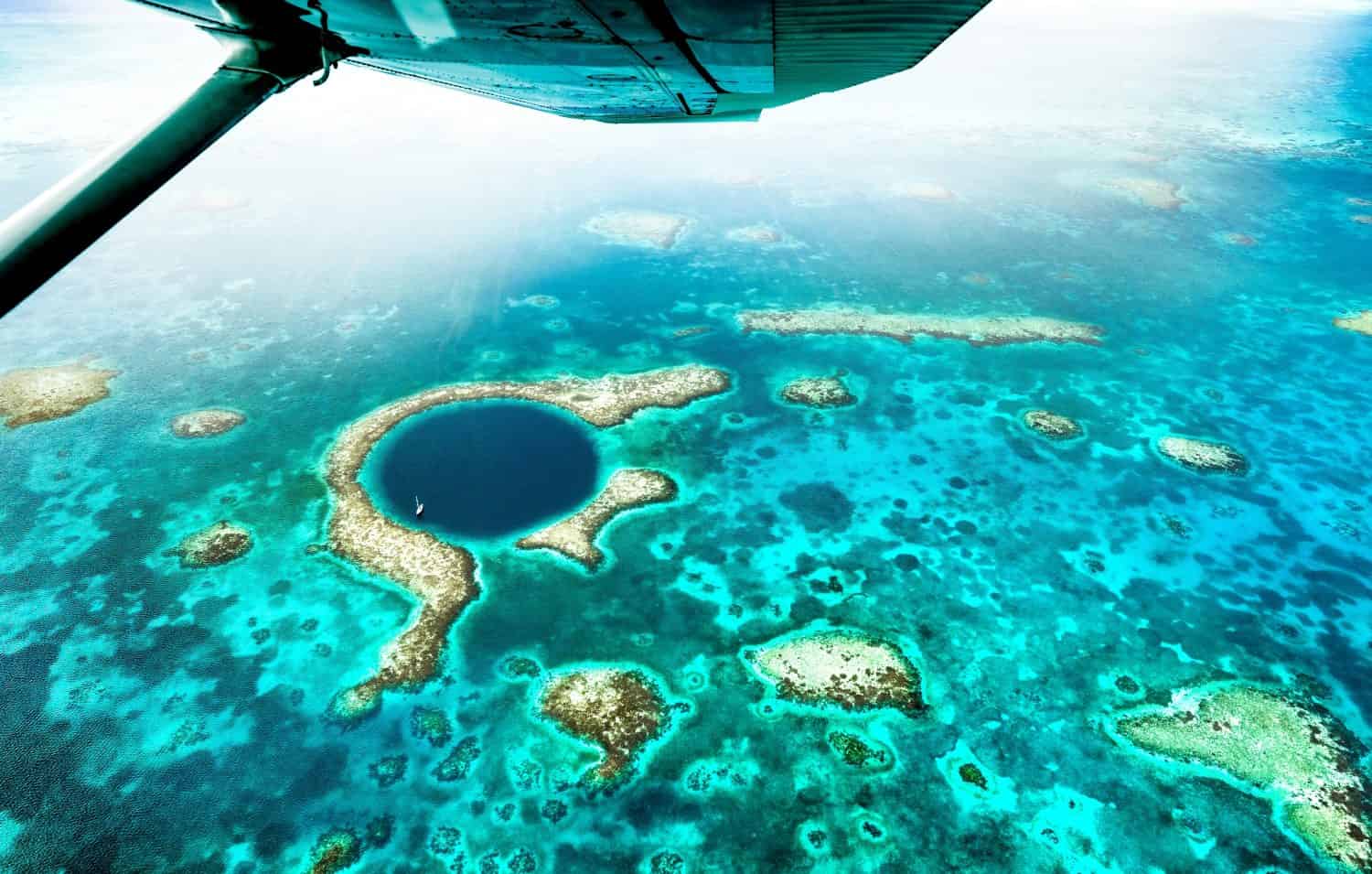
British Honduras Became Belize in 1973
Belize did not wait for independence to ditch its colonial name. The British territory known as British Honduras was officially renamed Belize on June 1, 1973, according to United Nations records. Full independence from the United Kingdom came eight years later, in 1981. That timing makes Belize different from many former colonies on this list, where the new name arrived on independence day itself. For nearly a decade, Belize was still a British territory even though the old British Honduras name had already been retired.
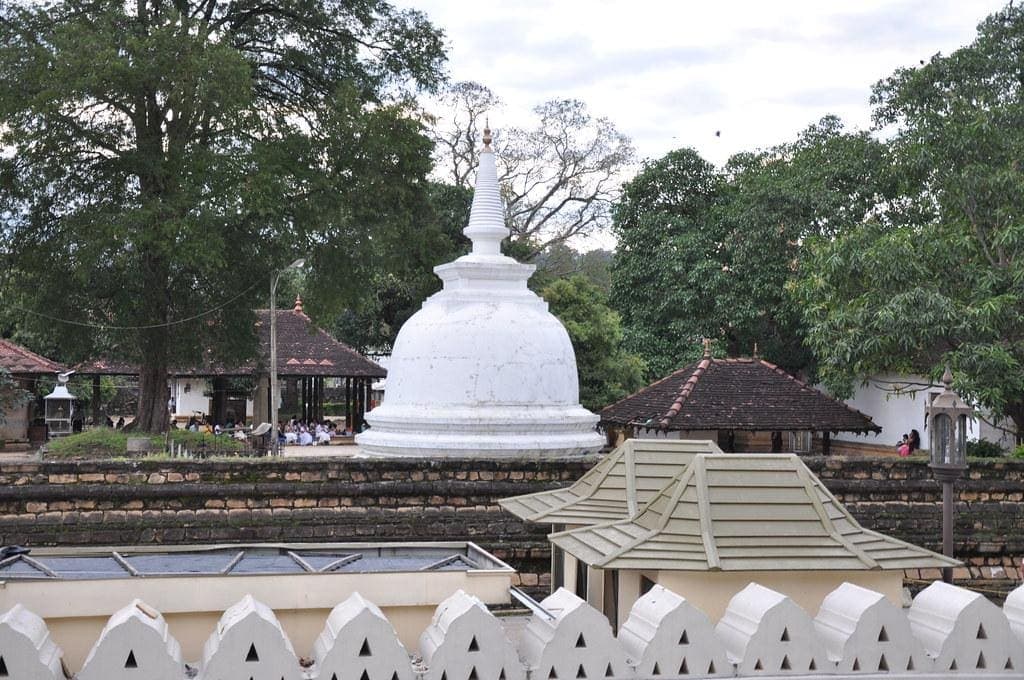
Ceylon Became Sri Lanka in 1972
Ceylon became independent from Britain in 1948, but it kept the colonial-era name for more than two decades afterward. In 1972, a new republican constitution established the Republic of Sri Lanka, replacing Ceylon as the country’s name. United Nations treaty records likewise list Ceylon as the former name in 1972. That is why the word Ceylon still turns up on vintage maps, stamps, tea tins, and historical documents even though the country has officially been Sri Lanka for more than half a century.
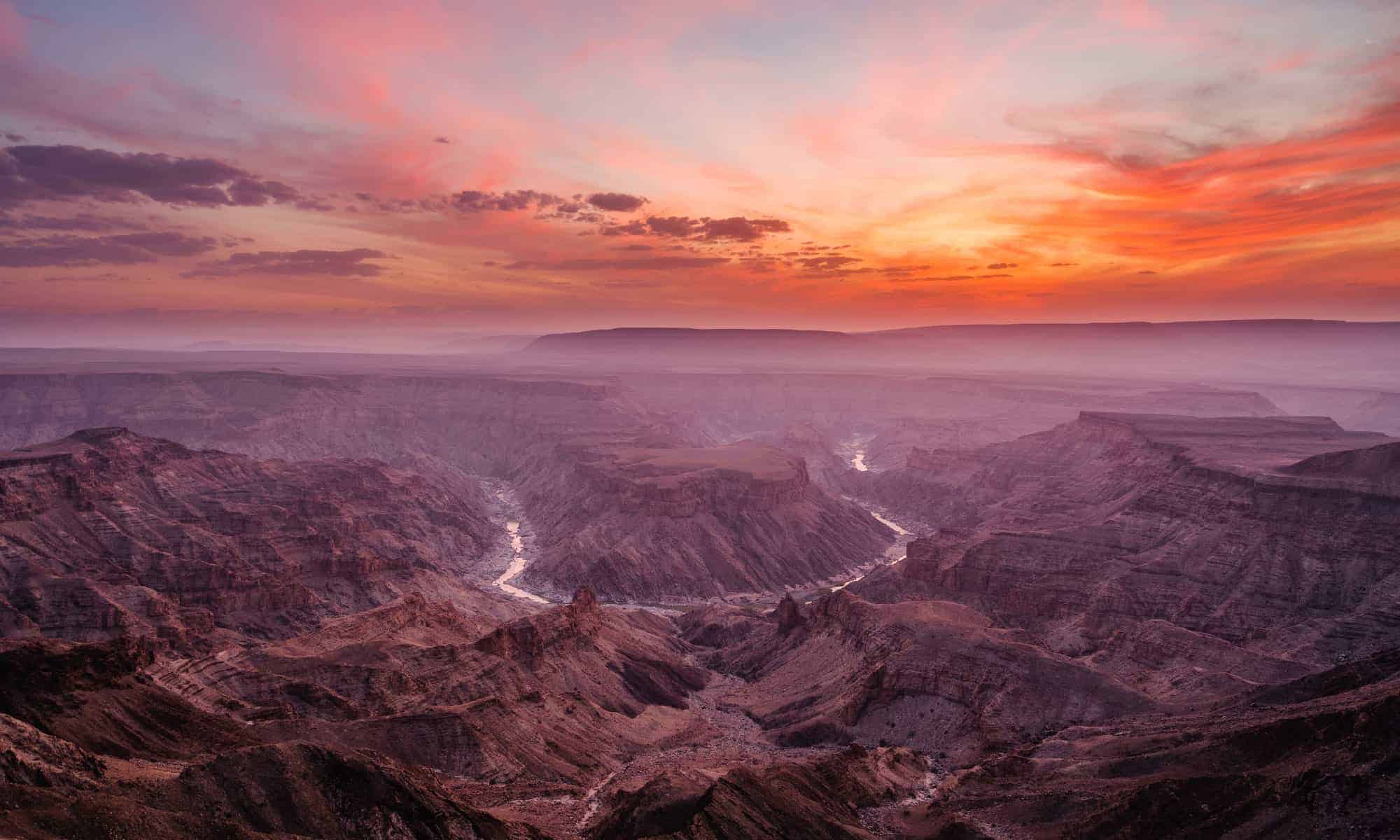
South West Africa Became Namibia in 1968
Namibia’s naming story actually predates its independence by more than 20 years. After the United Nations terminated South Africa’s mandate over South West Africa in 1966, the General Assembly passed a 1968 resolution proclaiming that the territory would henceforth be known as Namibia. South Africa continued to administer the territory despite the UN action, and Namibia did not achieve independence until March 21, 1990. So the name Namibia was internationally established long before the independent country finally appeared on the map.
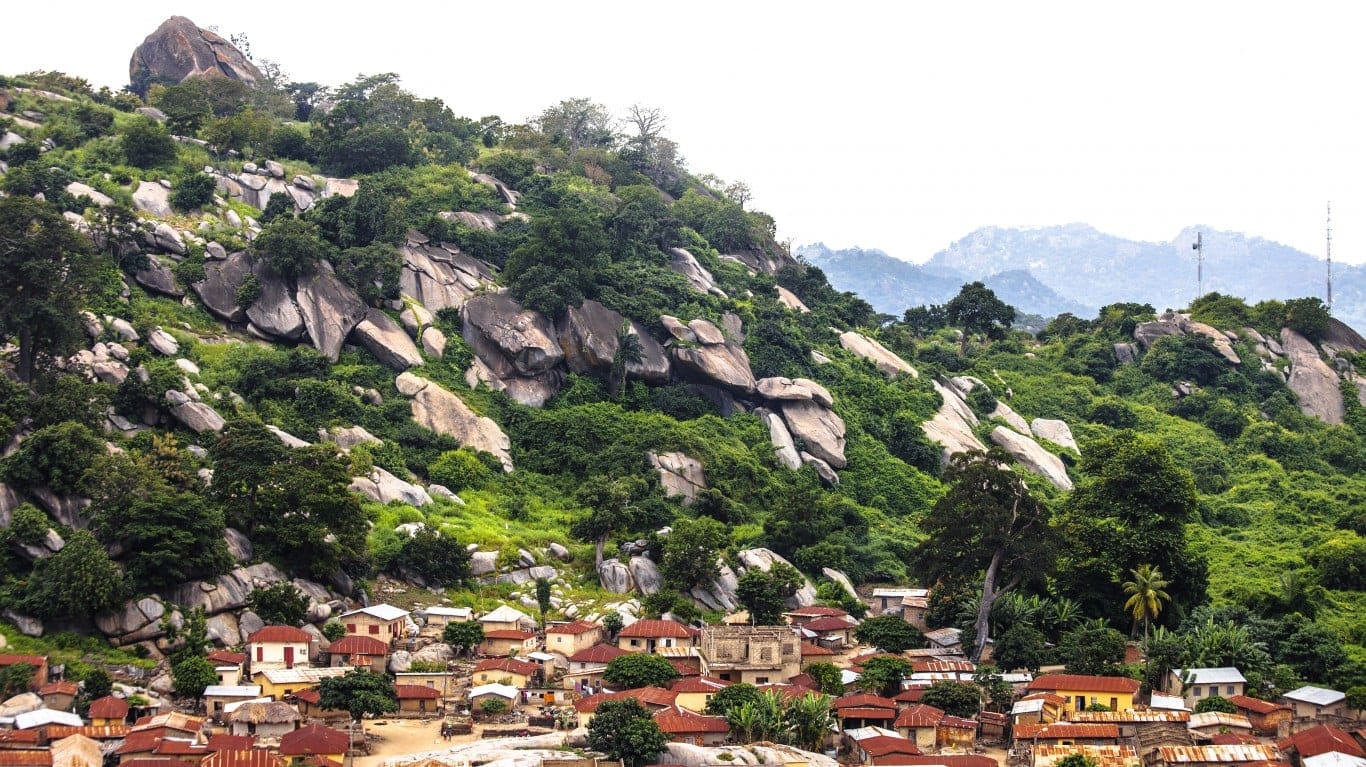
Bechuanaland Became Botswana in 1966
Bechuanaland was the British colonial name for the territory that became Botswana. During the final independence process, Britain announced that Bechuanaland would become independent on September 30, 1966, under the name Botswana. Unlike some countries here, there was no long period where both names competed internationally. The colonial designation effectively ended with independence. That makes old maps especially useful for dating: if southern Africa still shows Bechuanaland instead of Botswana, you are probably looking at something from before the mid-1960s.
Basutoland Became Lesotho in 1966
Just days after Botswana became independent, another British territory in southern Africa got a new name of its own. Basutoland became the independent Kingdom of Lesotho on October 4, 1966. United Nations records from the independence negotiations specifically say the territory would become independent under the name Lesotho. The old name now mostly survives in historical documents and maps from the colonial era. If Basutoland sounds unfamiliar, look for the small landlocked country completely surrounded by South Africa. That is modern Lesotho.
Northern Rhodesia Became Zambia in 1964
Northern Rhodesia was another British colonial name that disappeared at independence. The United Nations lists the territory as becoming independent as Zambia in 1964, and the new country joined the UN that same year. The change also helped separate Zambia’s identity from the Rhodesian political story unfolding to its south. Older maps can therefore be tricky: Northern Rhodesia is modern Zambia, while Southern Rhodesia eventually became Zimbabwe. Two similar colonial names ended up as two very different modern countries.
Nyasaland Became Malawi in 1964
The British protectorate of Nyasaland became the independent country of Malawi in 1964. United Nations decolonization records list the transition directly: Nyasaland, independence as Malawi. The name change arrived with sovereignty, wiping one of Britain’s colonial-era labels off the map in central Africa. Nyasaland is still easy to stumble across in old books and atlases, especially material covering the Federation of Rhodesia and Nyasaland, which existed from 1953 to 1963. After that federation broke apart, Malawi emerged under the name used today.
The Gold Coast Became Ghana in 1957
For generations, Britain’s colony on the Gulf of Guinea was known as the Gold Coast, a name tied to the region’s long history of gold trading. On March 6, 1957, the territories that had made up the Gold Coast became the independent state of Ghana. United Nations records from the period describe that transition directly. The new name helped mark a clean break from the colonial era, and Ghana joined the UN only days later. “Gold Coast” survives everywhere in historical writing, but it disappeared from the political map in 1957.
Siam Became Thailand in 1949
Thailand’s old name did not disappear in one clean shot. Siam first became Thailand in 1939, went back to Siam in 1945, and then officially returned to Thailand on May 11, 1949. The Royal Thai Embassy notes that the country has used Thailand ever since, and the United Nations records the 1949 change from Siam to Thailand. That back-and-forth is why both names show up in photographs, maps, treaties, and travel writing from the first half of the 20th century. Siam sounds ancient now, but it was still the official name within living memory.