Car designers have a difficult job. They need to create something practical, affordable, and appealing to buyers, all while making sure it doesn’t look exactly like every other vehicle on the road. Sometimes they succeed. Other times, the results leave you wondering what happened in the design meeting.
Some of the strangest-looking cars ever built were actually pretty clever. They offered flexible interiors, innovative technology, better visibility, or unusual features that made everyday driving easier. Unfortunately, those improvements sometimes came wrapped in styling that people couldn’t quite get past.
From the famously awkward Pontiac Aztek to the tiny Peel P50, these 20 vehicles prove that automotive design doesn’t always play by the rules. A few became cult favorites, some were surprisingly successful, and others disappeared almost as quickly as they arrived. Beauty is subjective, of course, but there’s no denying that these cars made an impression.
Renault Avantime (2001–2003)

Renault took two vehicle types that don’t naturally belong together and decided to combine them anyway. The Avantime was essentially a luxury coupe built around the proportions of a minivan. It had two enormous doors, a tall roof, expansive windows, and seating designed for comfortable long-distance travel. Its unconventional design attracted attention, but buyers weren’t quite sure what to make of it. Production ended in 2003 after only about 8,500 were built. Today, its unusual styling and limited production have given it a following among collectors who appreciate automotive oddities.
Pontiac Aztek (2001–2005)

At the turn of the millennium, Pontiac wanted a crossover for people who camped, biked, and occasionally needed a place to sleep after a long drive. The Aztek offered a removable center-console cooler, an available rear cargo tent, and a surprisingly useful interior. Then everyone saw the outside. Its stacked front end, chunky plastic panels, and conflicting angles made it one of the most mocked designs of the 2000s. Ironically, some of the practical features that made the Aztek unusual helped anticipate the lifestyle-focused crossovers that later filled dealer lots. It even gained a new audience years after production ended thanks to its role in Breaking Bad.
Daihatsu Midget II (1996–2001)

Japan’s tiny commercial vehicles are designed to squeeze through narrow streets and deliver goods without taking up much space. The Daihatsu Midget II took that idea to an almost comical extreme. Its narrow body, single centrally mounted headlight, and tiny cargo bed made it look more like an oversized delivery scooter than a conventional pickup. Unlike the earlier three-wheeled Midget, the Midget II had four wheels. Its dimensions made perfect sense for crowded Japanese neighborhoods, even if it looked like something you’d expect to find in a toy store.
Subaru Baja (2003–2006)
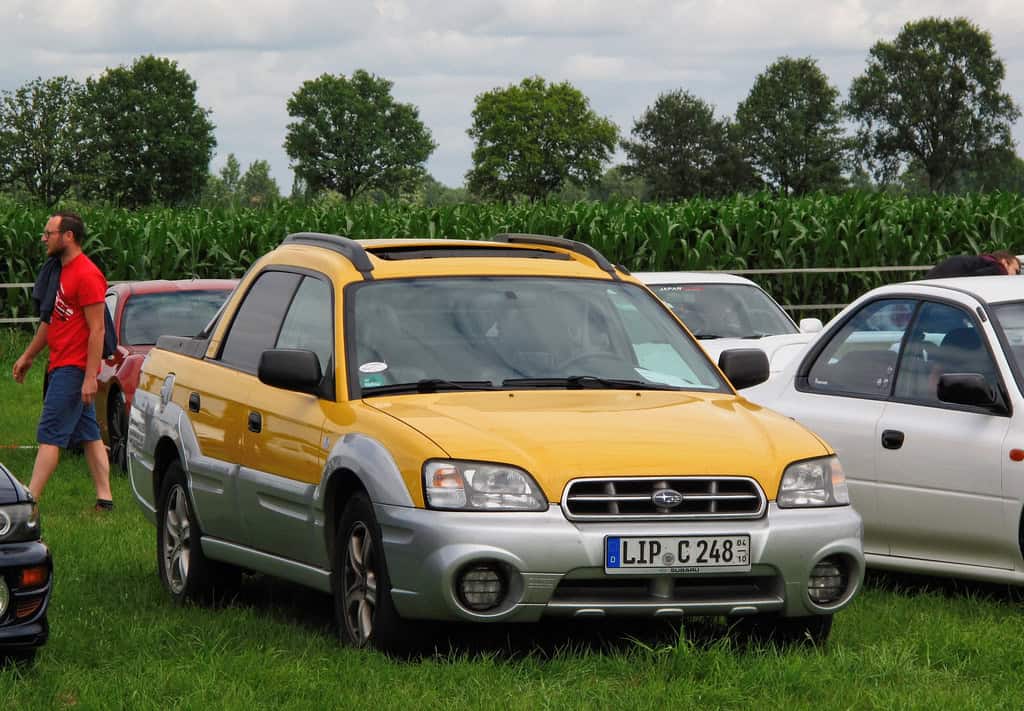
The Subaru Baja was what happened when a four-door wagon decided it wanted to be a pickup truck. Based on the Outback, it offered all-wheel drive, a comfortable passenger cabin, and a small open cargo bed. The concept was genuinely useful for people who occasionally needed to haul messy gear without buying a full-size truck. Unfortunately, the proportions were a little strange, and the contrasting body cladding made the styling even busier. Sales were disappointing, but the Baja has since developed a loyal following among Subaru enthusiasts who appreciate its unusual combination of features.
Toyota Prius, Second Generation (2004–2009)

The second-generation Toyota Prius helped turn hybrid vehicles into a mainstream choice. Its distinctive five-door liftback shape wasn’t simply an attempt to stand out; the sloping roofline and aerodynamic body helped improve efficiency. Still, the rounded front, unusually tall rear end, and wedge-shaped profile weren’t exactly traditional automotive beauty. The Prius became enormously successful despite its unconventional appearance, or perhaps partly because of it. Drivers who prioritized fuel economy over sporty styling found plenty to appreciate, and the design became one of the most recognizable symbols of the hybrid era.
Nissan Juke, First Generation (2010–2019)
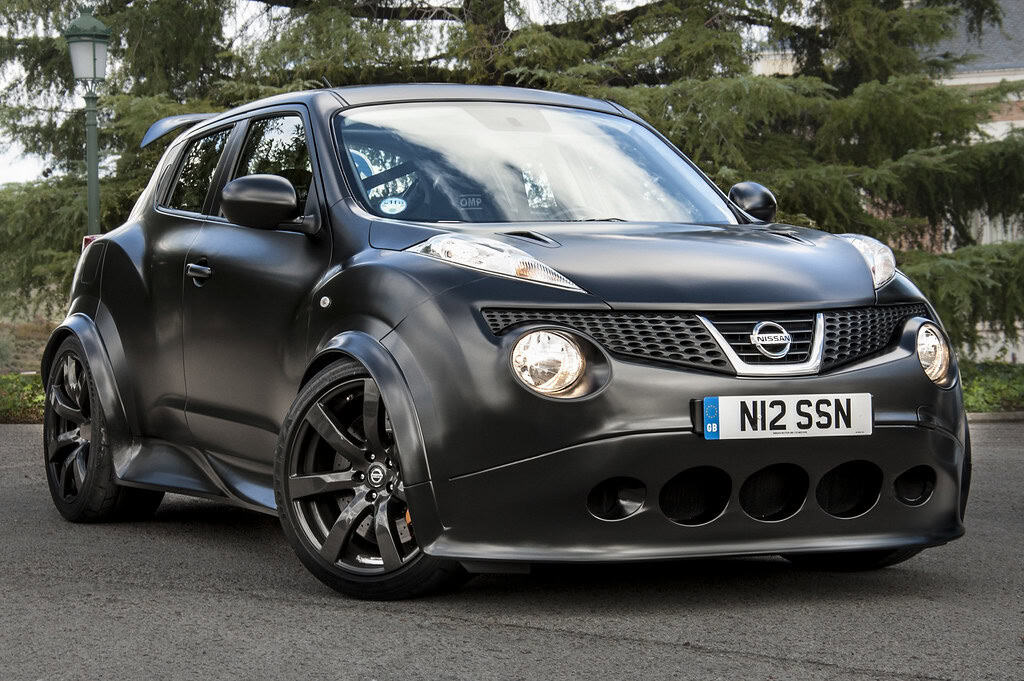
Nissan wasn’t trying to make another anonymous small SUV when it introduced the first-generation Juke in 2010. Its high-mounted running lights, oversized round headlamps, bulging fenders, and sloping roof made it instantly recognizable. The turbocharged 1.6-liter engine offered in many versions also gave it more personality than some conventional crossovers. Of course, styling this distinctive comes with a price: some drivers loved its bug-eyed face, while others couldn’t get past it. Nissan doubled down on the idea with the wild Juke-R, a rare GT-R-powered experiment. That’s actually the version pictured here, rather than a typical dealership Juke. Subtle, it was not.
AMC Pacer (1975–1980)

The AMC Pacer looked like someone had taken a regular compact car and inflated its passenger compartment. Its unusually wide body, short length, and enormous windows gave it the appearance of a rolling fishbowl. But the design had a purpose. AMC wanted to create a small vehicle with the interior room and visibility of something much larger. Even the doors were different sizes, with the passenger-side door longer to make rear-seat access easier. Unfortunately, the weight and conventional six-cylinder engines undermined some of its efficiency goals. The Pacer remains one of the most recognizable American cars of the 1970s.
Smart Fortwo (1998–2024)

The Smart Fortwo was built around one simple idea: Make a car small enough to navigate crowded cities and fit into parking spaces that larger vehicles couldn’t use. With just two seats, an extremely short body, and a distinctive safety cell, it looked like a full-size automobile that had been shrunk in the wash. Its size was both its biggest selling point and its most obvious limitation. The Fortwo attracted a devoted following, especially in European cities, and eventually became available with electric power. Production ended in March 2024, bringing the original little city car’s long run to a close.
Chevrolet SSR (2003–2006)

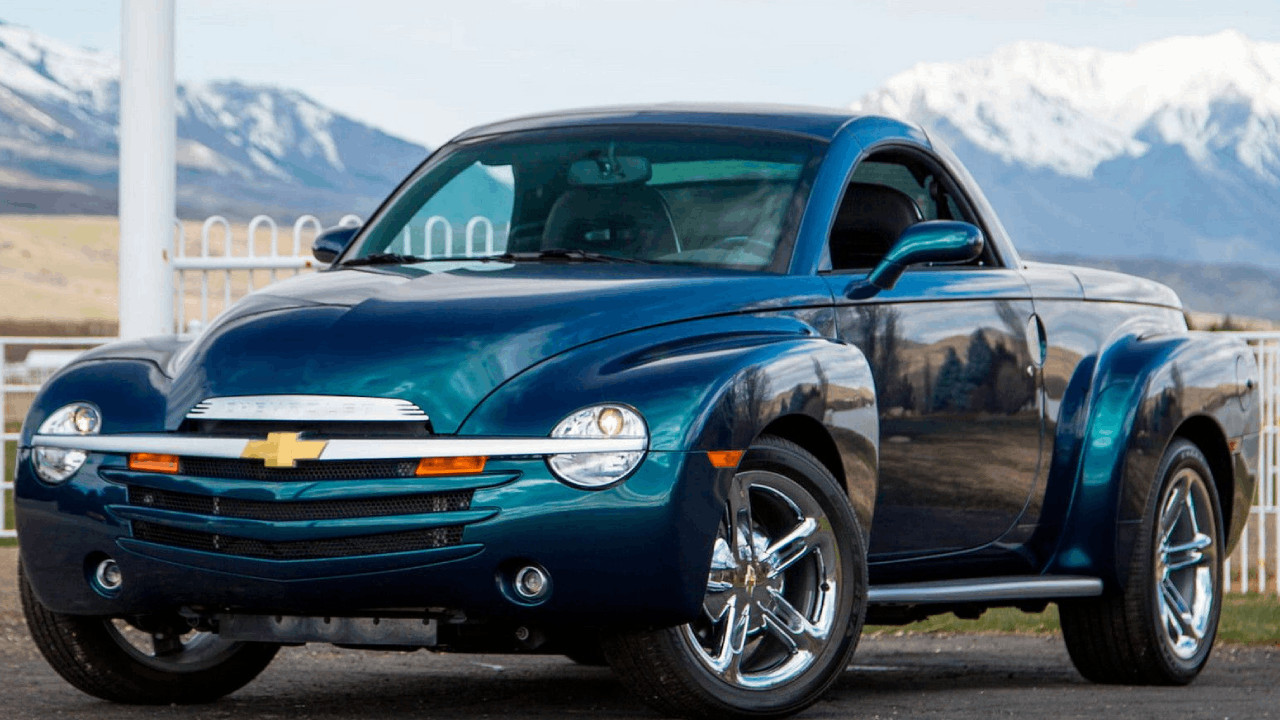
Chevrolet’s SSR was a pickup truck, convertible, and retro hot rod rolled into one unusual machine. Inspired by Chevy trucks from the late 1940s, it featured rounded fenders, a bulbous hood, a short cargo bed, and a power-retractable hardtop. The combination certainly attracted attention, but it wasn’t especially practical as a truck, and its styling was too theatrical for some buyers. Early models used a 5.3-liter V8, while later versions received a more powerful 6.0-liter engine. The SSR’s short production run helped turn it into a collector’s item, even among people who still aren’t convinced it looks good.
SsangYong Rodius (2004–2013)

Built as a family and passenger-transport vehicle, the first-generation SsangYong Rodius made room for as many as 11 people in certain markets. That’s an impressive amount of seating, and it helps explain why the South Korean automaker gave it such a substantial body. Explaining the styling is harder. The high roof, layered rear windows, long overhangs, and unusual tailgate shape seemed to belong to several different vehicles. The awkward proportions quickly drew criticism, although people who needed all those seats could appreciate its practicality. The Rodius also went by the Stavic name in some markets and was replaced by a substantially revised successor in 2013.
BMW i3 (2013–2022)
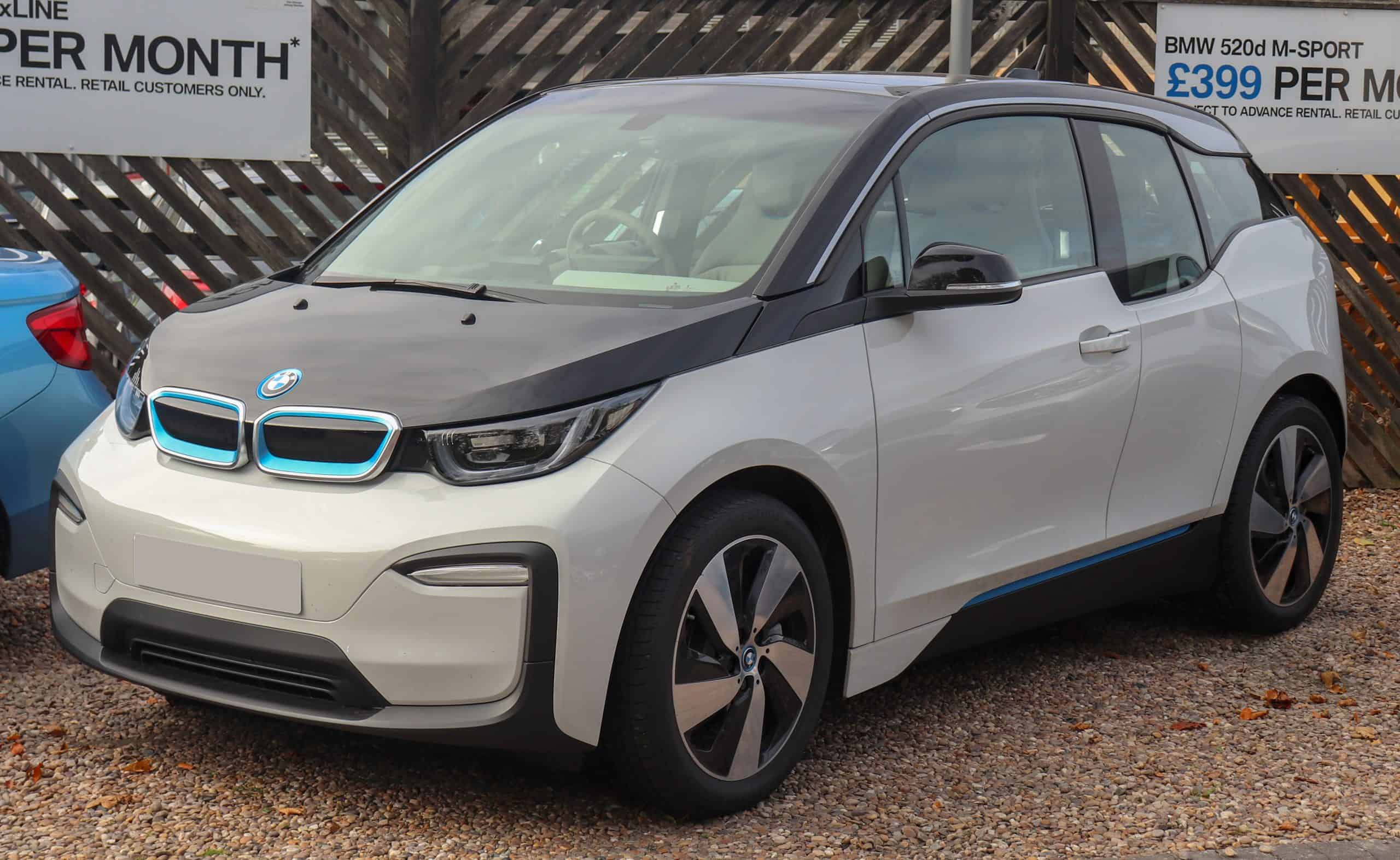
BMW’s original i3 was one of the company’s boldest experiments. Introduced in 2013, it combined an electric drivetrain with lightweight carbon-fiber construction, sustainable interior materials, and rear-hinged back doors. Its stubby shape, narrow wheels, and unusual window arrangement made it look more like a concept car than a traditional BMW. Yet plenty of its engineering ideas were genuinely impressive, and its compact dimensions made sense in urban environments. Production of this generation ended in 2022 after more than 250,000 examples were built. Its styling remains divisive, but the technology was anything but a joke.
Peel P50 (1962–1965 Original Production)

The original Peel P50 is recognized as the smallest production car ever made. Built on the Isle of Man in the 1960s, it measured just over four feet long and was intended to carry one person and a shopping bag. It had three wheels, one door, one headlight, and no reverse gear. Instead, drivers could use a handle at the rear to physically maneuver the lightweight vehicle. The P50 is undeniably strange, but it was designed for a very specific purpose: extremely inexpensive personal transportation. Modern reproductions have since brought the unusual little vehicle back into limited production.
Honda Element (2003–2011)

The Honda Element looked like a shipping container that had somehow earned a driver’s license. Its square body, contrasting exterior panels, and rear-hinged back doors weren’t particularly elegant, but they made the vehicle remarkably useful. The spacious interior featured flexible seating, an easy-to-clean floor, and plenty of room for outdoor equipment or pets. Honda marketed it to adventurous younger drivers, although its practicality eventually appealed to a much broader audience. The Element was discontinued after the 2011 model year, but its loyal following has kept interest in the boxy crossover alive.
Fiat Multipla (1998–2010)

Fiat deserves credit for making the original Multipla genuinely useful. With three seats in each of two rows, the little MPV could carry six people without requiring the footprint of a huge minivan. Drivers also got excellent outward visibility and a flexible, spacious cabin. Unfortunately, the front end looked as though a second dashboard had been installed on the outside, with extra lights perched beneath the windshield. The squat proportions only made it more memorable. Yet this was no engineering disaster: reviewers praised the packaging, and the model attracted a loyal following. Fiat gave it a conventional-looking facelift in 2004, removing the most controversial details.
Citroën Ami (2020–Present)
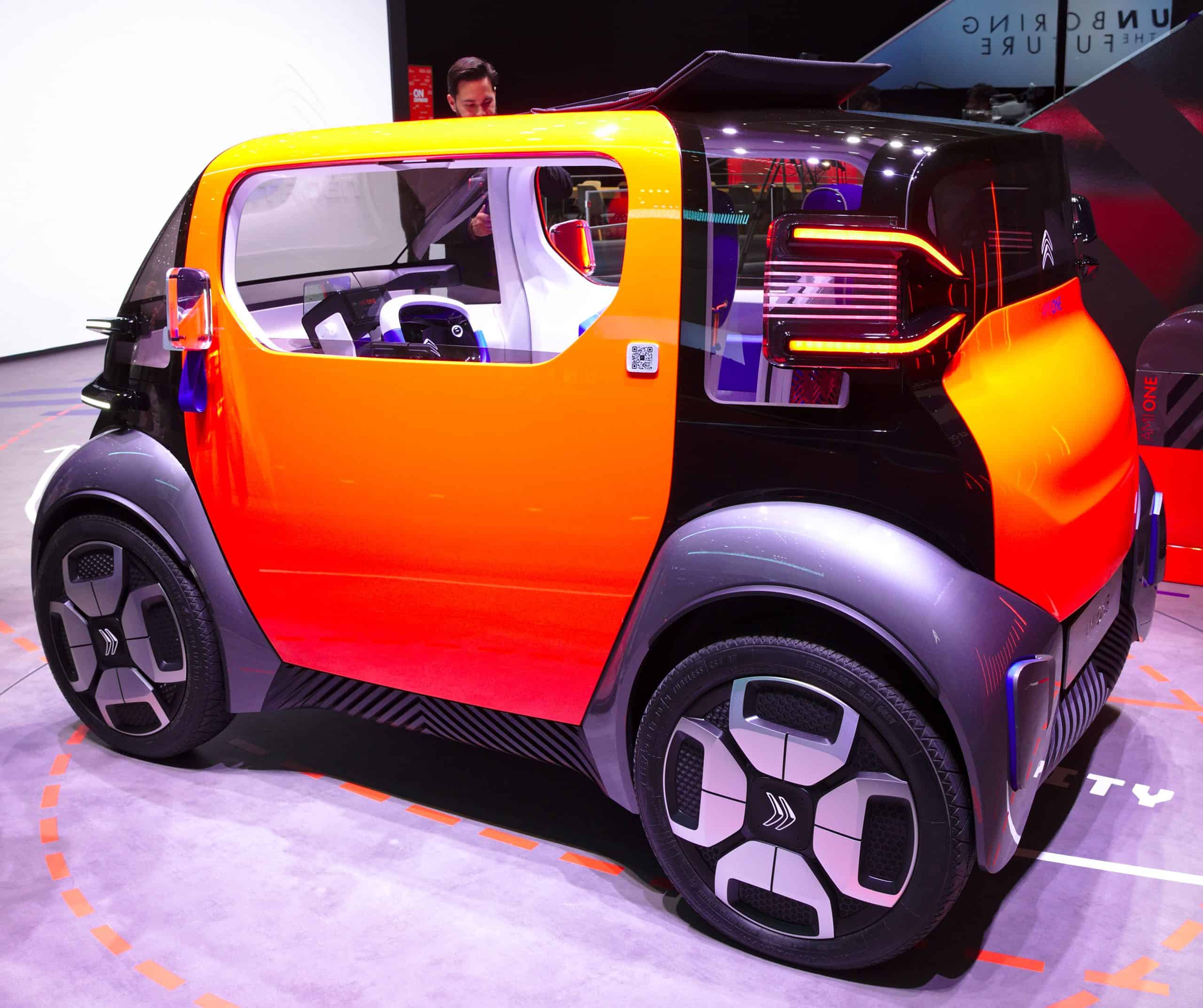
Citroën’s Ami proves that a vehicle doesn’t need to look conventional to serve a useful purpose. Introduced in 2020, the tiny electric quadricycle is designed for short urban trips, with seating for two and a top speed of roughly 28 mph. Its boxy shape and nearly symmetrical body panels help keep manufacturing costs down, although the result looks more like an appliance than a car. The Ami has been successful enough to receive a refreshed design and additional versions. The image shown here is actually the earlier Ami One concept from 2019, which helped establish the idea behind the production model.
Lincoln MKT (2010–2019)

Lincoln intended the MKT to provide a luxurious alternative to conventional three-row SUVs. It offered a comfortable interior, available all-wheel drive, and plenty of technology, but its exterior design was considerably harder to appreciate. The oversized grille, sweeping roofline, and strangely rounded rear end gave it an unusual silhouette. Some people found the styling distinctive; others thought it looked like an oversized station wagon with an identity crisis. Lincoln also developed a limousine and livery version to serve the professional transportation market, where the MKT replaced some of the roles once filled by the traditional Town Car.
Suzuki X-90 (1996–1997)

The Suzuki X-90 was a two-seat SUV that looked like someone had tried to turn a miniature pickup into a sports coupe. Based on the Sidekick platform, it featured a raised ride height, a short trunk, removable T-top roof panels, and available four-wheel drive. The combination was certainly unusual, but it also meant the X-90 had limited passenger and cargo space. Buyers who wanted a practical SUV had better options, while sports-car shoppers generally preferred something lower and faster. Production was brief, although the X-90 has become an entertaining curiosity among fans of unusual Japanese vehicles.
Chrysler PT Cruiser (2000–2010)

Chrysler’s PT Cruiser mixed 1930s-inspired hot-rod cues with the tall cabin of a compact hatchback, producing something that looked unlike nearly anything else in American showrooms. Its rounded fenders, upright grille, and bulbous roof were deliberately retro, but opinions changed quickly once the novelty wore off. The design now gets mocked as often as it gets praised. Still, it would be wrong to call the PT Cruiser an outright failure. It attracted huge attention at launch and sold strongly in its early years, with more than 200,000 sales in 2001 alone. The real problem wasn’t that Chrysler forgot what it was trying to build; it was that the look was impossible to ignore.
Isuzu VehiCROSS (1997–2001)

The Isuzu VehiCROSS looked like a futuristic off-road vehicle that had escaped from an auto show. Its muscular fenders, aggressive front end, unusual headlights, and extensive plastic body cladding made it stand out from conventional SUVs. Unlike some vehicles on this list, the VehiCROSS had genuine off-road capability, with a sturdy four-wheel-drive system and suspension designed to handle rough terrain. Its limited production and unusual appearance meant it never became a mainstream success, but it has since earned a devoted following. For enthusiasts, the strange styling is part of the attraction rather than a reason to avoid it.
Tata Magic Iris (Introduced 2011)

India’s Tata Magic Iris was designed as a practical alternative to three-wheeled passenger vehicles commonly used for local transportation. Despite its tiny proportions and cartoonish appearance, the Iris actually had four wheels and could accommodate several passengers. Introduced in 2011, it was built to navigate crowded streets while providing a more enclosed and comfortable environment than a traditional auto rickshaw. Its compact body, tall cabin, and small wheels give it an unmistakably unusual appearance. It may not win many beauty contests, but its design was driven by the practical demands of inexpensive urban transportation.