Flywheel Publishing
FotoSleuth / Wikimedia Commons
Natursports / Shutterstock.com
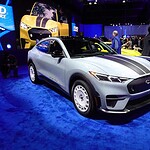
Ford Mustang Mach-E Rally (2024) by usf1fan2 / BY 2.0 (https://creativecommons.org/licenses/by/2.0/)
TennesseePhotographer / iStock Editorial via Getty Images
camperdown / Flickr
Ollieholmes / iStock Editorial via Getty Images
B&M Noskowski / Getty Images
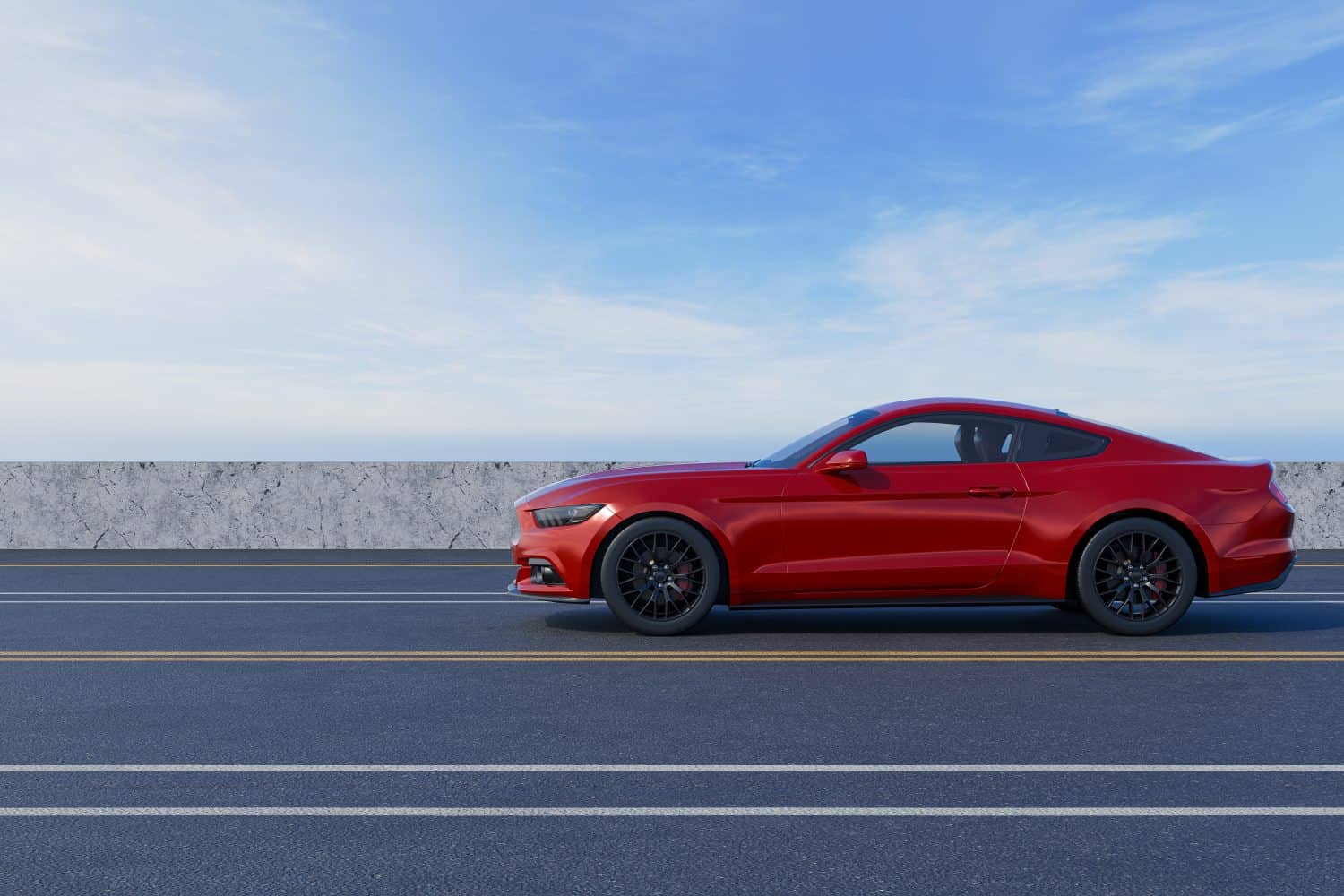
Rafi's Graphics / Shutterstock.com
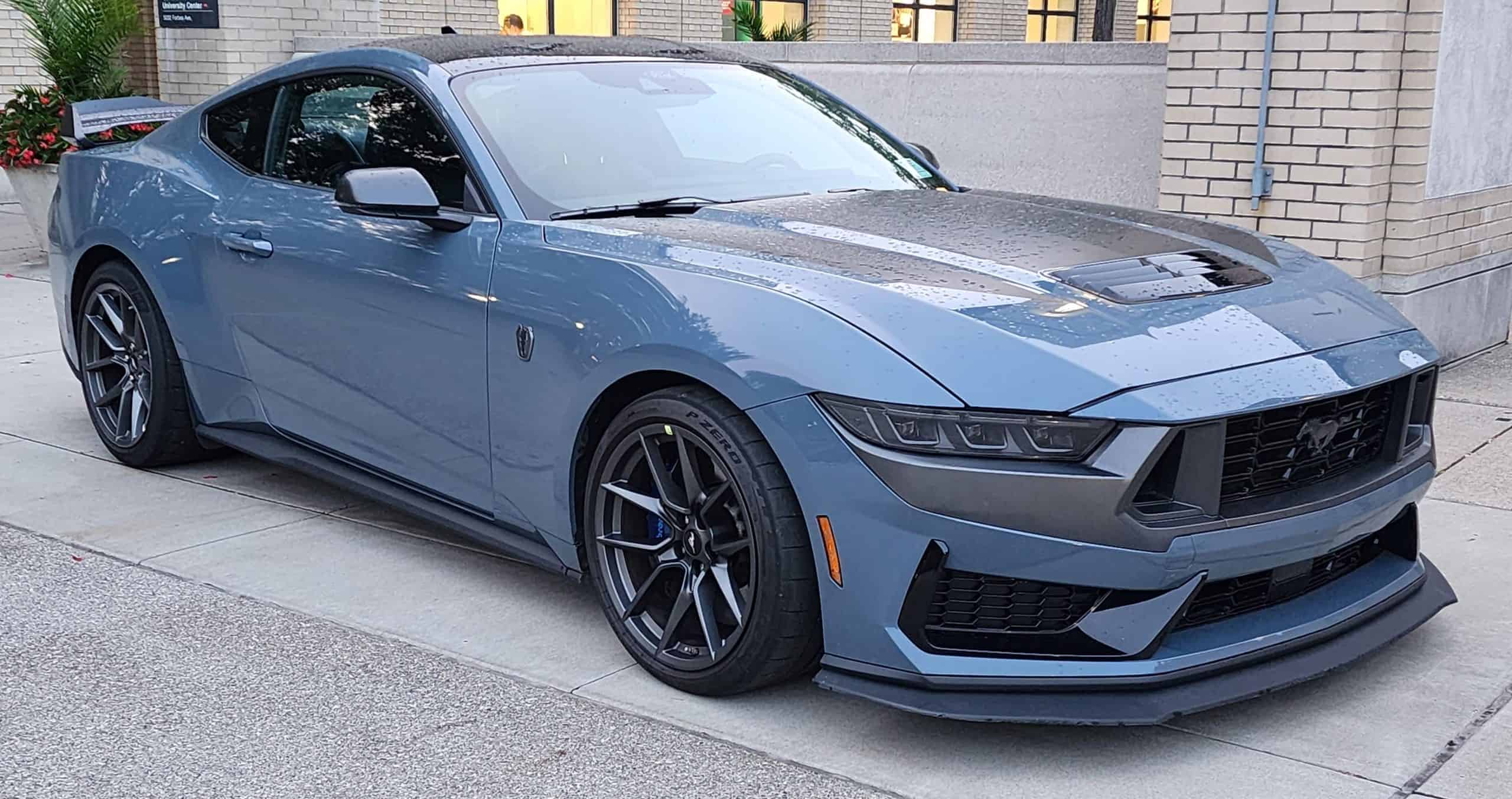
2024 Ford Mustang Dark Horse by UltraTech66 / BY-SA 4.0 (https://creativecommons.org/licenses/by-sa/4.0/)
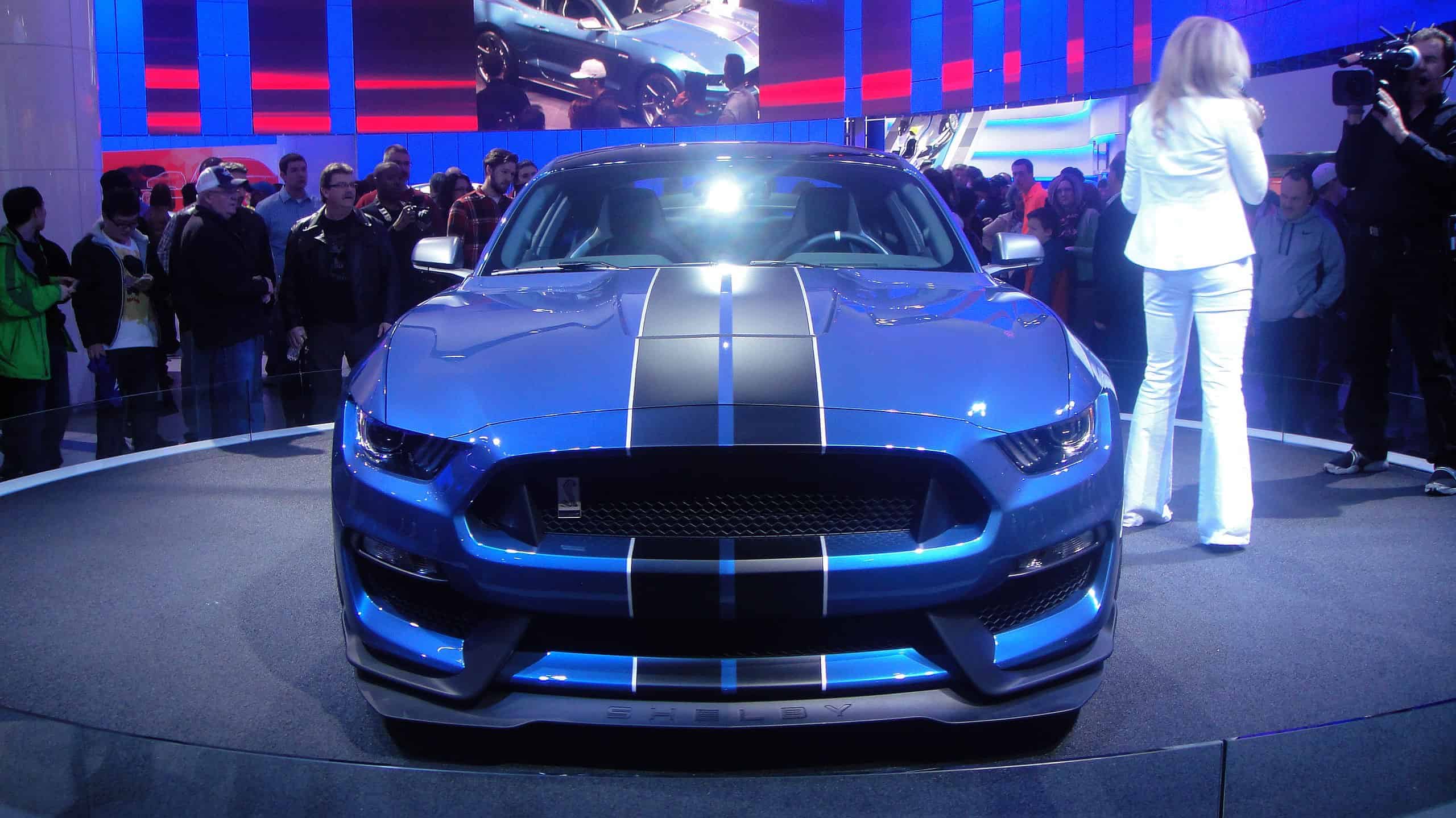
Yahya S. / Wiki Commons
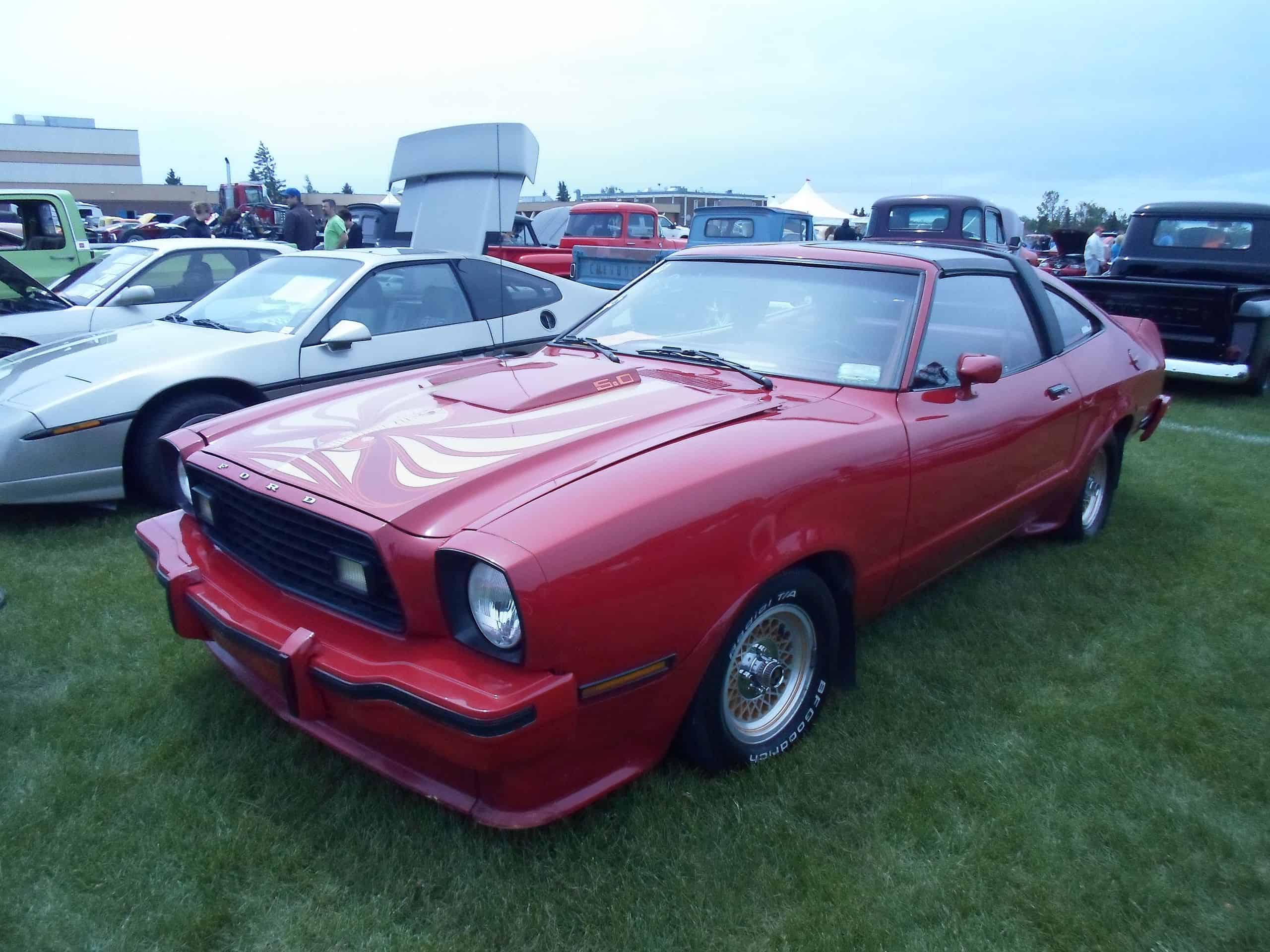
dave_7 from Lethbridge, Canada / Wikimedia Commons
ryochijiiwa / Flickr
Scott Olson / Getty Images
Public Domain / Wikimedia Commons
Michel Curi / Wikimedia Commons
itoodmuk / Shutterstock.com
WaddlesJP13/CC0 1.0 DEED via Wikimedia Commons
Francois Malouin / Shutterstock.com
Reinhold Möller, CC BY-SA 4.0, via Wikimedia Commons
Courtesy of Warner Brothers / Seven Arts
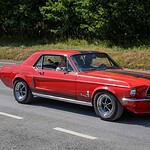
20 Things You Didn't Know About the Ford Mustang
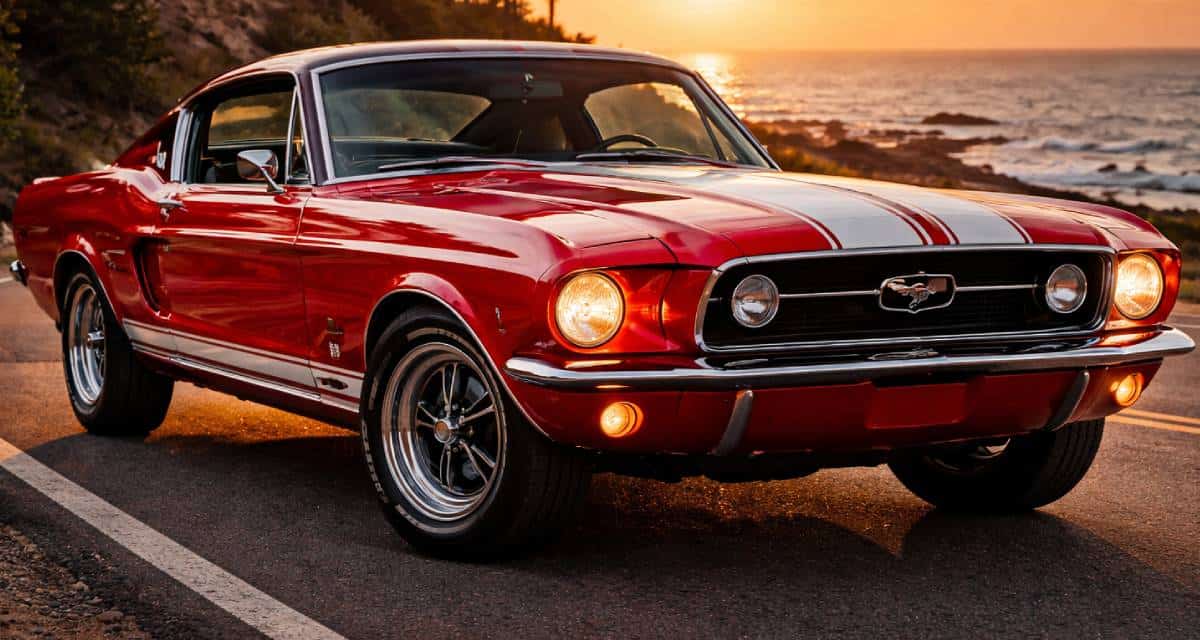
Few cars have managed to stay recognizable for more than six decades without becoming museum pieces. The Ford Mustang debuted in 1964, survived fuel crises, changing tastes, new safety rules, shifting technology, and generations of competition, and is still rolling off the assembly line in 2026.
Its story is also considerably stranger than the familiar pony badge and V8 soundtrack suggest. Ford once hauled a Mustang to the top of the Empire State Building, one of Steve McQueen's movie cars became a multimillion-dollar collectible, and the Mustang was part of the very first Hot Wheels lineup. Here are 20 facts that help explain how one relatively affordable Ford became one of America's most recognizable cars.
The Mustang Has Thousands of Screen Credits
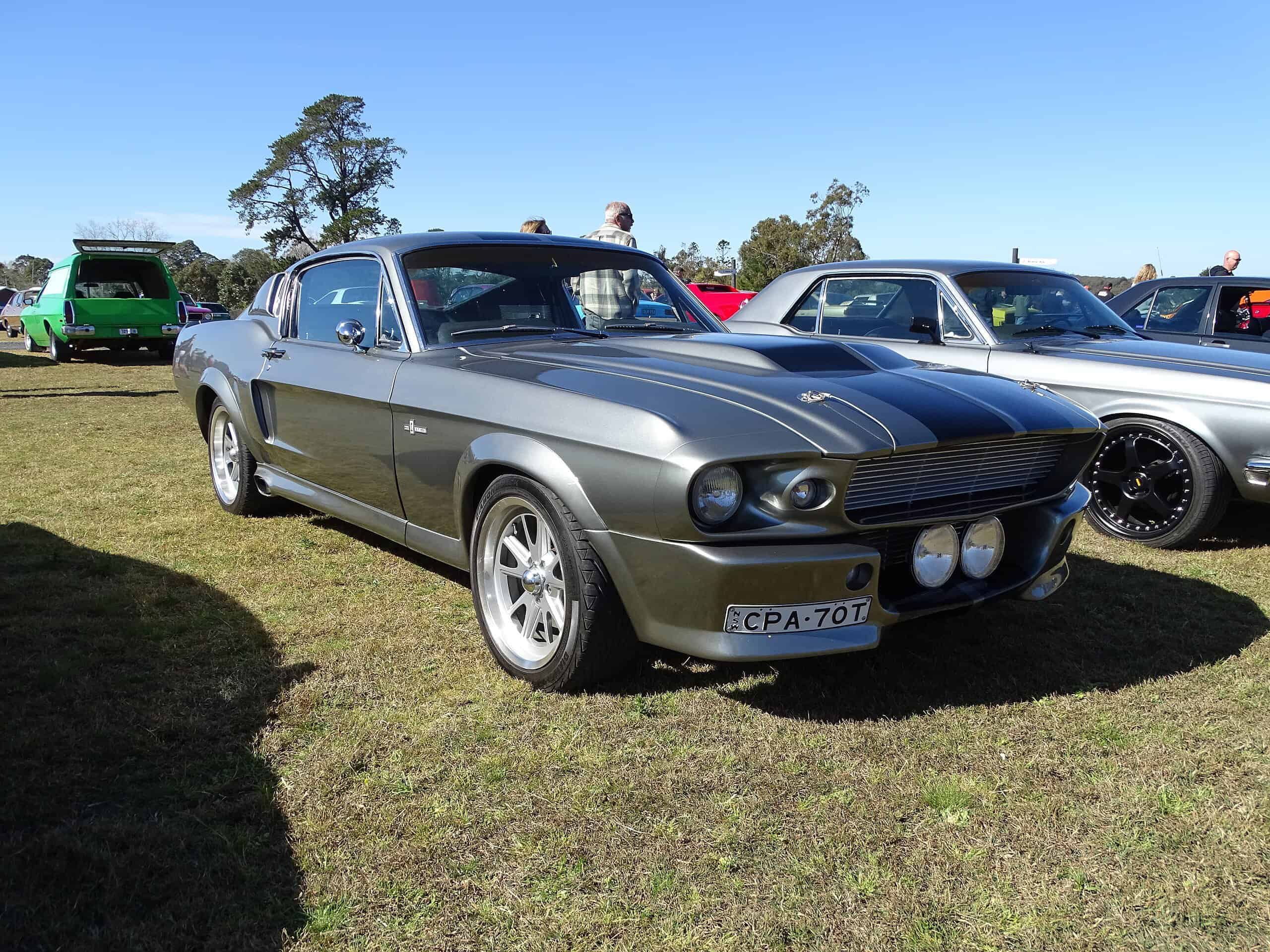
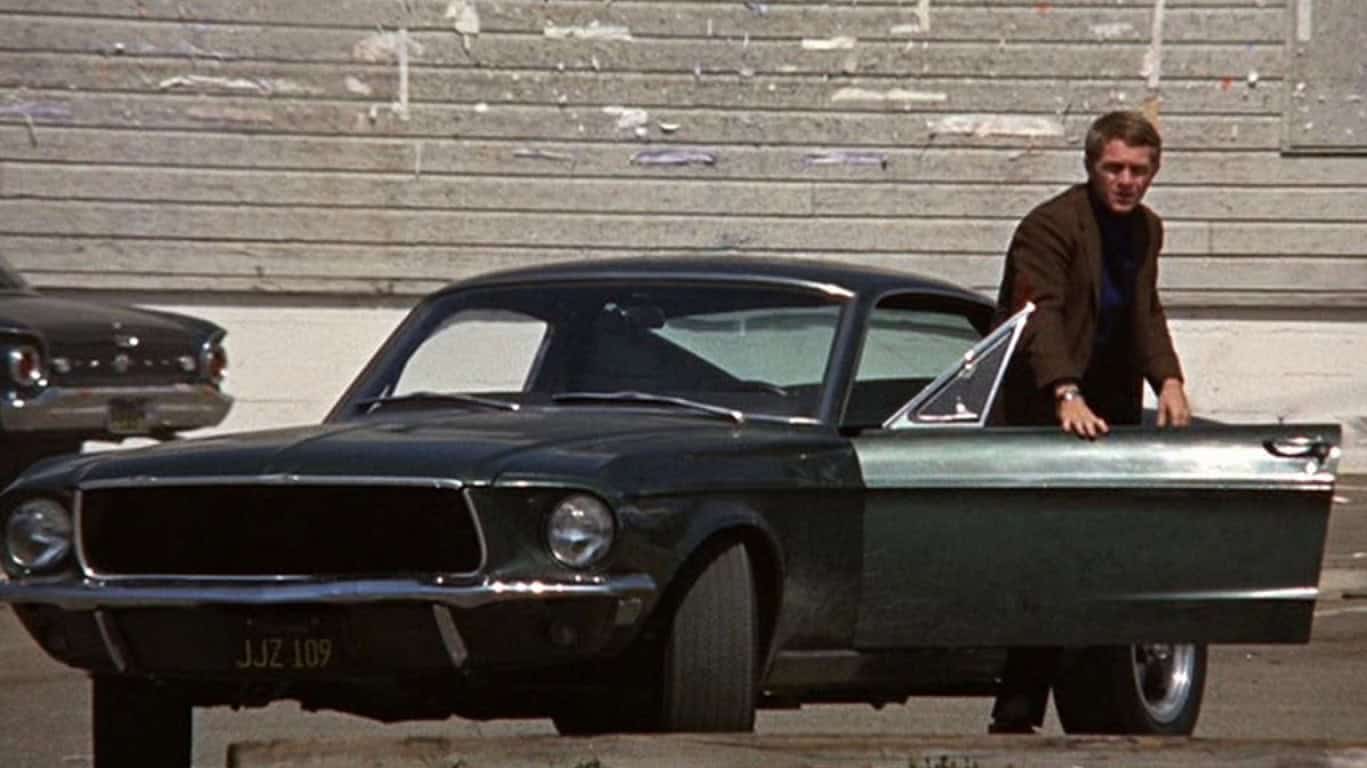
No, the Mustang has not appeared in 33,000 movies. The real number is still impressive. Ford said in 2017 that the car had accumulated more than 3,800 appearances in movies and television, building on a screen career that started during the Mustang's earliest years. Famous examples include Goldfinger, Bullitt, Gone in 60 Seconds, and Need for Speed, along with countless television appearances. Few cars have benefited more from Hollywood's ability to turn machinery into characters. The Highland Green Mustang in Bullitt and the customized "Eleanor" from the 2000 version of Gone in 60 Seconds became recognizable even to plenty of people who could not tell you what engine was under either hood.
The Mustang Has Paced the Indianapolis 500 Three Times
The Mustang's relationship with the Indianapolis 500 began almost immediately. Indianapolis Motor Speedway records show a Ford Mustang served as the race's official pace car in 1964, the same year the car went on sale. It returned to pace the Indy 500 in 1979, with Jackie Stewart behind the wheel, and again in 1994, when Parnelli Jones drove a Mustang Cobra. Ford also produced replicas and commemorative versions tied to some of those appearances, giving collectors another corner of Mustang history to chase. Serving as the Indy pace car three different times across three decades helped reinforce the idea that the Mustang was more than transportation. Ford wanted the car associated with American performance culture almost from day one.
The Mustang Name Went Electric in 2019
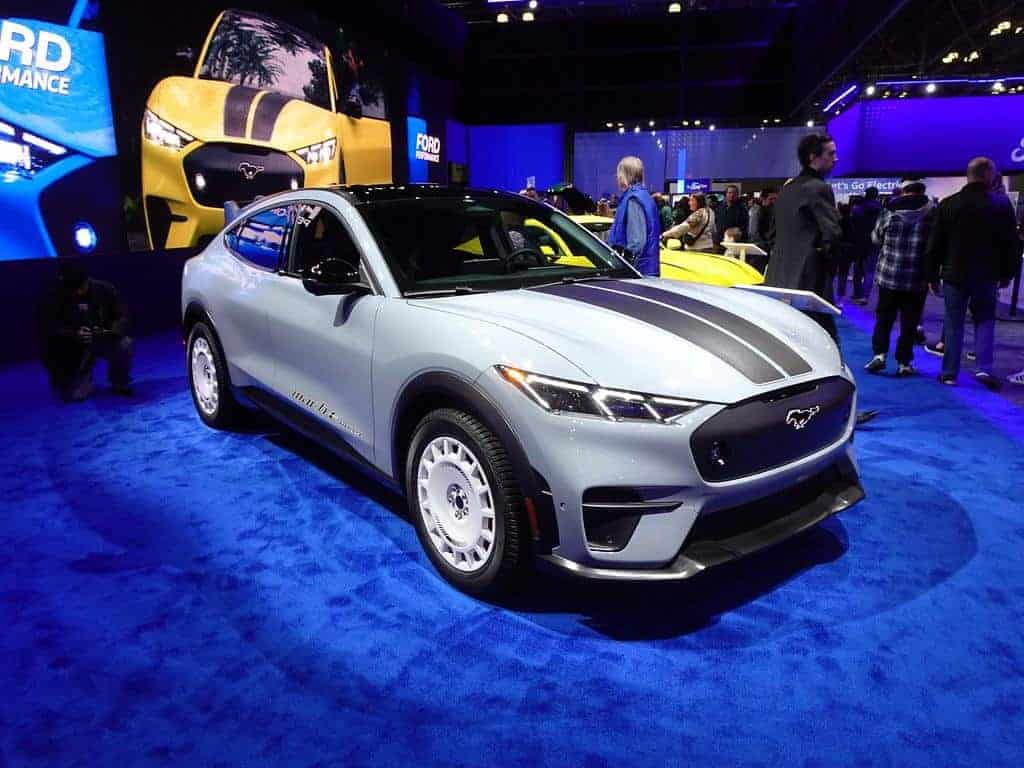
Few Mustang decisions have generated as much debate as putting the pony badge on an electric SUV. Ford revealed the Mustang Mach-E in November 2019, began production of the 2021 model in Mexico in late 2020, and positioned it as a new member of the Mustang family rather than an electric version of the traditional coupe. Mechanically, the two vehicles are very different. The Mach-E uses a dedicated battery-electric platform and four-door crossover body, while borrowing Mustang styling cues and performance branding. Purists were not universally thrilled, which was probably inevitable. Still, the decision demonstrated how valuable the Mustang name had become. Ford was willing to use one of its most closely guarded badges to introduce an entirely new kind of vehicle.
Today's Mustang Is Built in Flat Rock, Michigan
Dearborn is central to Mustang history, but it is no longer where new Mustangs roll off the line. Ford's current plant directory lists the Mustang, Mustang GT, and Mustang Dark Horse among the products assembled at Flat Rock Assembly Plant in Flat Rock, Michigan. Mustang production moved there after Dearborn Assembly ended its roughly 40-year run producing the car in 2004. Earlier generations were also assembled at plants in places including San Jose, California, and Metuchen, New Jersey. Flat Rock has now become an important part of Mustang history in its own right. It was there that Ford built the 10-millionth Mustang in 2018, and the seventh-generation coupe and convertible continue the Michigan production story today.
The Mustang Became a Global Car
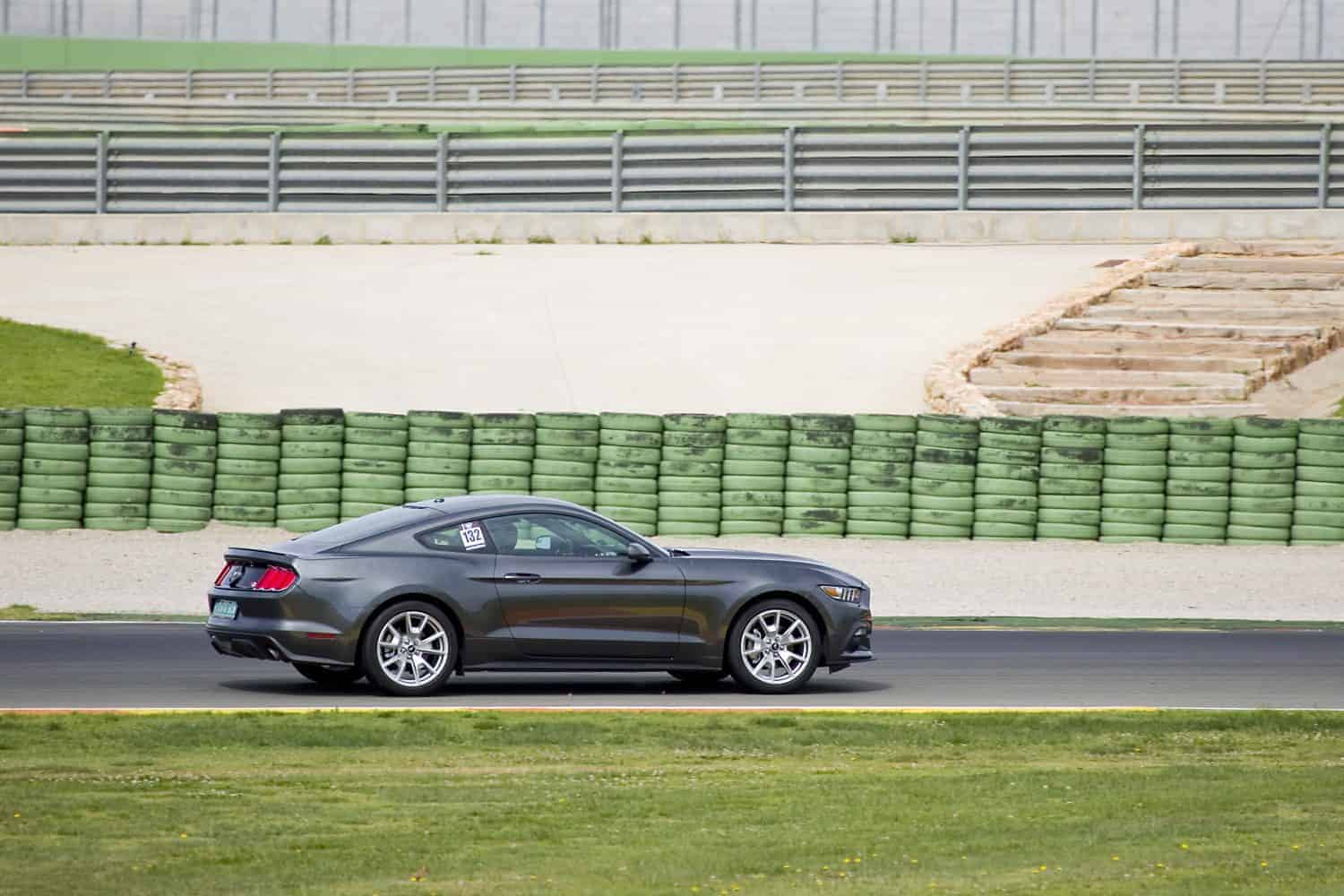
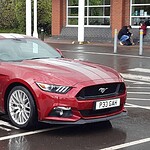
The Mustang may be inseparable from American car culture, but its customer base extends far beyond the United States. When Ford launched the seventh-generation car, it planned distribution across more than 100 markets. By Ford's 2025 sales update, the company said the Mustang was available to customers in 85 markets around the world. That international reach is relatively new in one important respect. For decades, enthusiasts in many countries could buy imported Mustangs, but the sixth-generation model launched for 2015 was the first designed from the outset for broad global distribution, including factory-produced right-hand-drive versions. The car that started as an American youth-market experiment eventually became one of Ford's most recognizable exports.
It Was Still Leading Sports-Car Sales Six Decades Later
The Mustang's popularity did not disappear when SUVs and trucks took over American roads. In its most recent public update on the subject, published in April 2025, Ford said S&P Global Mobility registration data again placed Mustang at the top of global sports-car sales and kept it as America's best-selling sports car. Ford also said it had sold nearly one million Mustangs worldwide during the previous decade. That does not mean sales look anything like the hundreds of thousands of cars Ford moved annually during the Mustang's early years. The modern sports-car market is much smaller. The impressive part is that a name launched in 1964 can still compete at the top of that market more than 60 years later.
The 10 Millionth Mustang Was Built in 2018
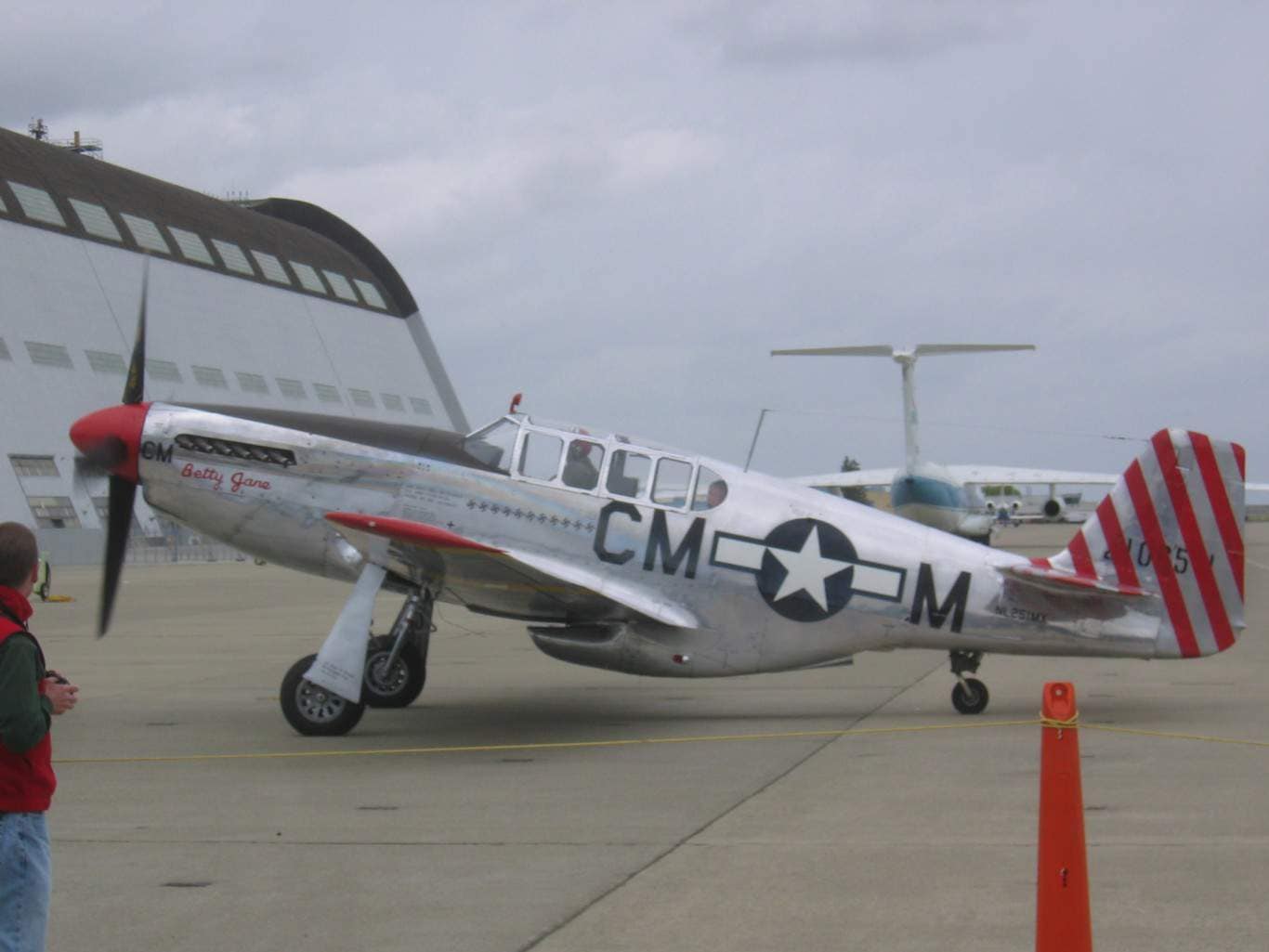
By August 2018, Ford had built 10 million Mustangs. The milestone car was a 2019 Mustang GT convertible finished in Wimbledon White with a 5.0-liter V8 and six-speed manual transmission. That combination was intentional. Mustang VIN 001 had also been a white V8 convertible, although the original 1964 car had a three-speed transmission and considerably less power. Ford marked the occasion at Flat Rock Assembly Plant with employees, owners, Mustangs from different generations, and even P-51 Mustang aircraft flying overhead. Reaching 10 million vehicles is remarkable for any nameplate. Doing it with a two-door performance-oriented car is even more unusual, especially considering how dramatically the American car market changed between 1964 and 2018.
The Mustang Has Never Missed a Model Year
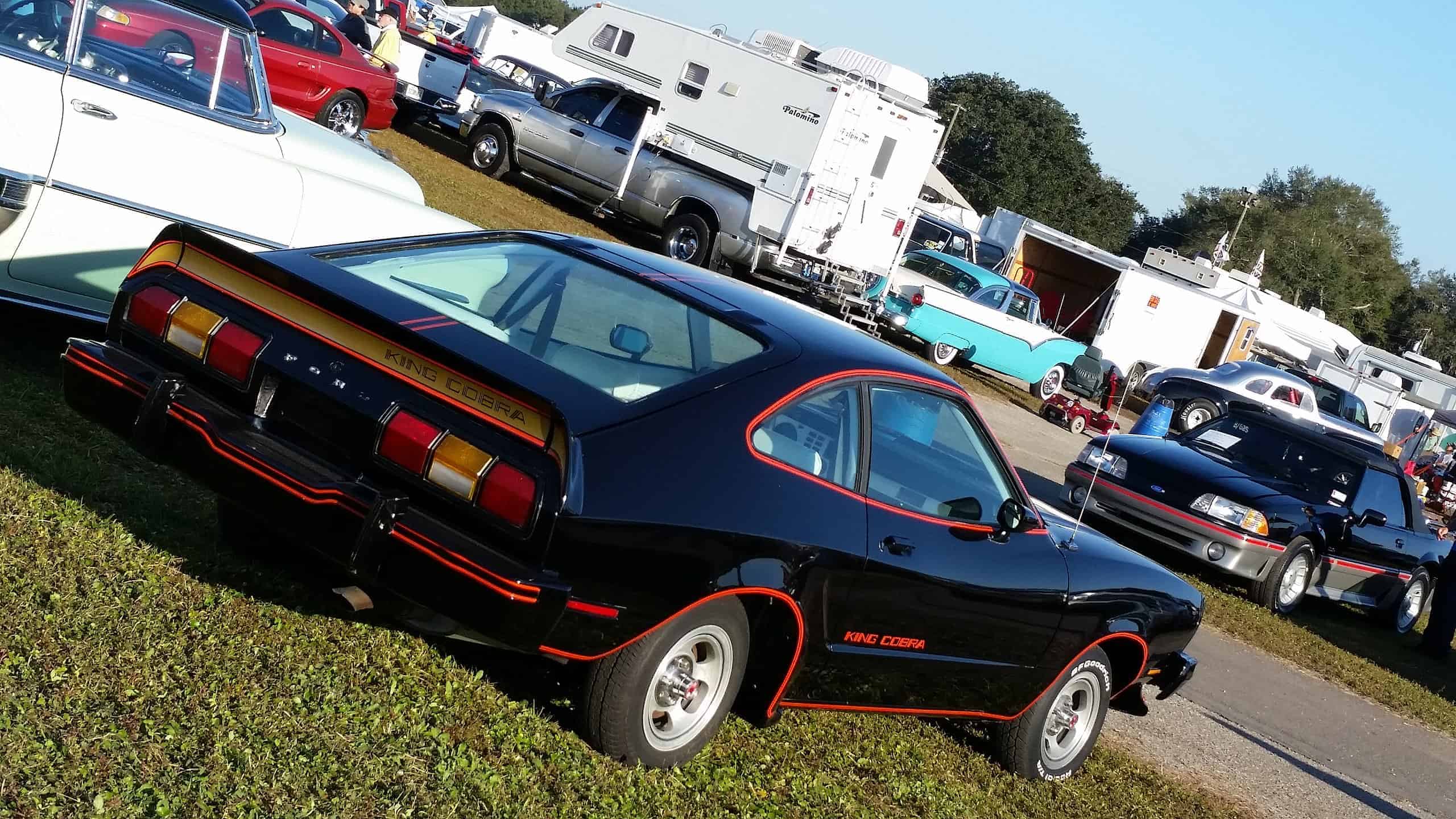
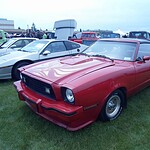
Plenty of famous American performance names have disappeared and later returned. The Chevrolet Camaro has taken breaks, the Dodge Challenger has vanished and reappeared, and the Pontiac Firebird is gone entirely. The Mustang's story is different. Ford has kept the nameplate in continuous production since its 1964 debut. The company celebrated 60 years of uninterrupted Mustang production in 2024, and that streak has continued into 2026. Not every generation has been equally beloved, and the Mustang II years in particular still inspire arguments among enthusiasts, but Ford never pulled the plug. That continuous lineage is a big part of why someone who remembers an original Mustang from childhood can walk into a dealership more than six decades later and still buy a brand-new one.
The First Mustang Model Year Was Enormous
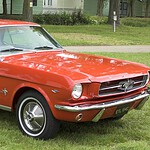
Mustang production began before the traditional start of the 1965 model year, which is why enthusiasts often call the earliest cars "1964½" Mustangs even though Ford officially treated them as 1965 models. When the early and later 1965 production runs are counted together, commonly cited production totals reach roughly 681,000 cars. Ford's own historical material uses a different but equally astonishing benchmark: more than 418,000 Mustangs sold during the first 12 months after launch. Either number tells the same story. Ford had badly underestimated just how much demand existed for an affordable, stylish car that buyers could customize to suit their budget and personality.
Ford Reached One Million Mustangs in Less Than Two Years
The Mustang's early sales numbers sound almost fictional by modern sports-car standards. Ford says more than 418,000 were sold during the first year, already far beyond what the company originally expected. Then, on March 2, 1966, the one-millionth Mustang rolled off the Dearborn assembly line. That was less than two years after the public launch at the World's Fair. Ford even brought Mustang VIN 001 back for the occasion, trading its original owner a new convertible in exchange for the historic first car. Plenty of successful vehicles take years to establish themselves. The Mustang essentially became part of American culture before some buyers who ordered one at launch had finished paying for it.
It Was Almost Called the Ford Cougar
"Mustang" feels so inevitable now that it is difficult to imagine a different badge on the grille. Ford's designers and marketers considered several names before settling on it. Cougar was one of the serious possibilities, and early design work even featured a cat emblem. Allegro, Torino, and Avanti were also among the names considered during development. Ford ultimately chose Mustang, while Cougar did not go to waste. Mercury introduced the Cougar for the 1967 model year as another entry in the emerging pony-car market. In another timeline, the car that helped define an entire category might have been the Ford Cougar, and the familiar running horse might never have become one of the most recognizable symbols on American roads.
There Are Two Stories Behind the Mustang Name
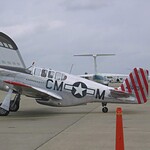
Ask where the Mustang got its name and you may get two different answers, both with some historical backing. Ford's own history says designer John Najjar suggested Mustang as an homage to the World War II-era P-51 Mustang aircraft, while the small, fast wild horses of the American West also influenced the name and imagery. Other accounts from people involved in the program have emphasized the horse connection more heavily. Rather than pretending the question has one perfectly documented answer, it is safer to say both ideas became part of Mustang lore. Ford itself has embraced both over the years, including P-51 flyovers at Mustang celebrations while continuing to make the running horse one of the most recognizable automotive badges in the world.
Phil Clark Helped Create the Famous Pony Logo
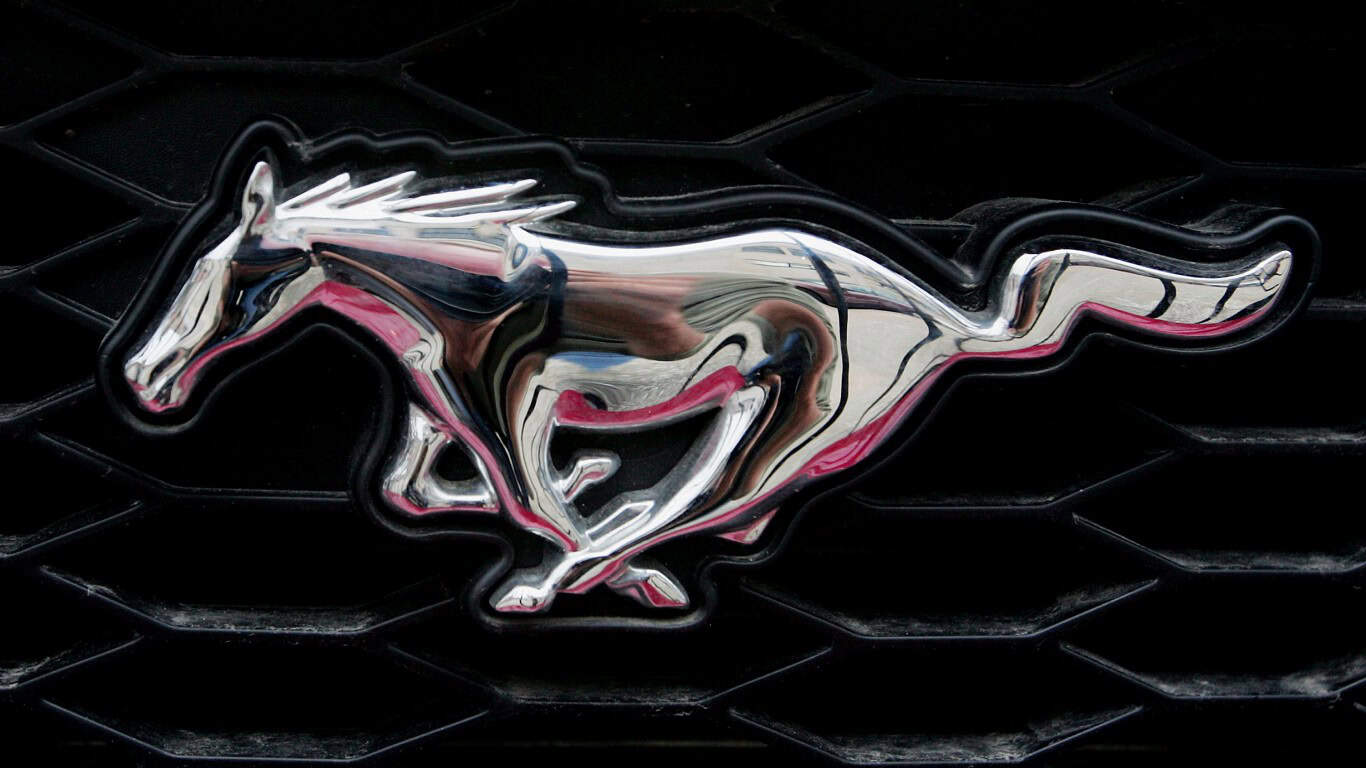
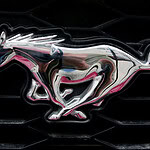
You do not have to see the Ford oval to know you are looking at a Mustang. The galloping horse became powerful enough to identify the car on its own. Ford credits designer Phil Clark with creating the pony emblem that evolved into the familiar badge. Early development included several different names and animal themes, with a cougar even appearing in preliminary branding before Mustang won out. The final running horse did more than decorate the grille. It gave the new car a visual identity that was easy to recognize from a distance and reinforced everything Ford wanted the Mustang to suggest: movement, independence, and a little bit of wildness. More than 60 years later, remarkably little explanation is needed when that pony appears on a car.
The Mustang Has Appeared on Postage Stamps
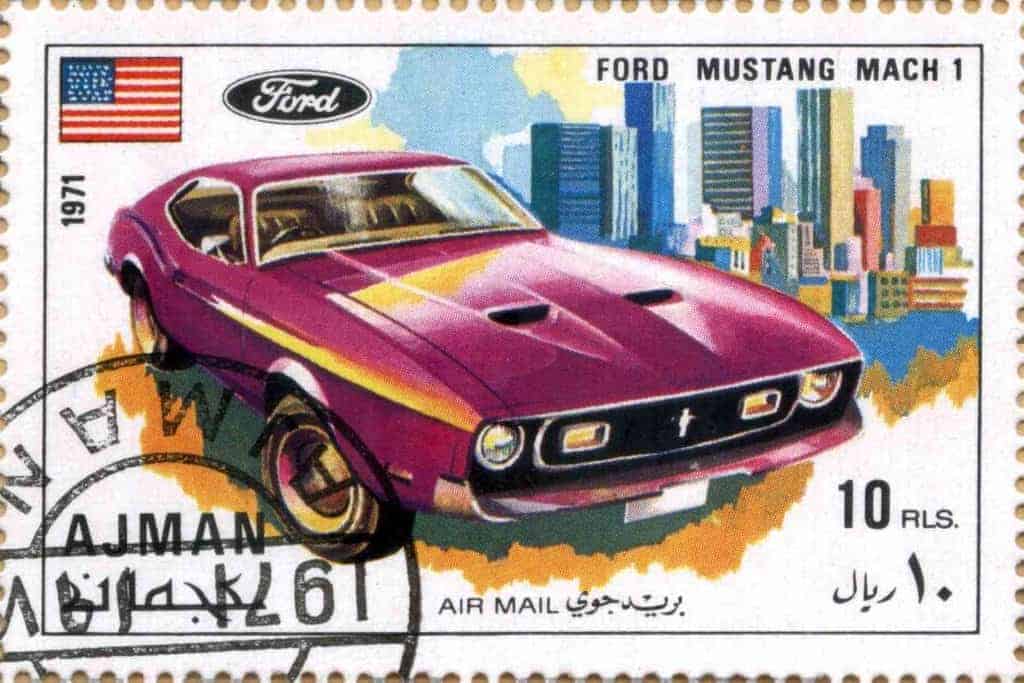
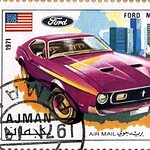
The Mustang has made it onto postage from more than one part of the world. The stamp pictured here is a 1971 issue from Ajman featuring a Ford Mustang Mach 1. The U.S. Postal Service eventually gave the Mustang an official American stamp of its own as well. In 2022, USPS released its Pony Cars series of Forever stamps, and the lineup included a 1969 Ford Mustang Boss 302 alongside the Chevrolet Camaro Z/28, Dodge Challenger R/T, Mercury Cougar XR-7 GT, and AMC Javelin SST. It took nearly six decades after the Mustang's launch, but the car eventually ended up on an American envelope as well as American roads.
The Mustang Became the Template for the Pony Car
People often use "muscle car" and "pony car" as if they mean exactly the same thing, but the Mustang helped define a category of its own. Ford's original formula combined an affordable price, compact dimensions, sporty styling, seating for four, and the now-familiar long-hood, short-deck proportions. Performance could range from relatively mild to genuinely quick depending on the options. The Mustang's extraordinary sales success turned that formula into something rival automakers could not ignore, helping inspire cars such as the Chevrolet Camaro, Pontiac Firebird, AMC Javelin, and Dodge Challenger. The Mustang did not need to be the biggest or most powerful American car. Its trick was making sporty styling and personalization accessible to an enormous audience.
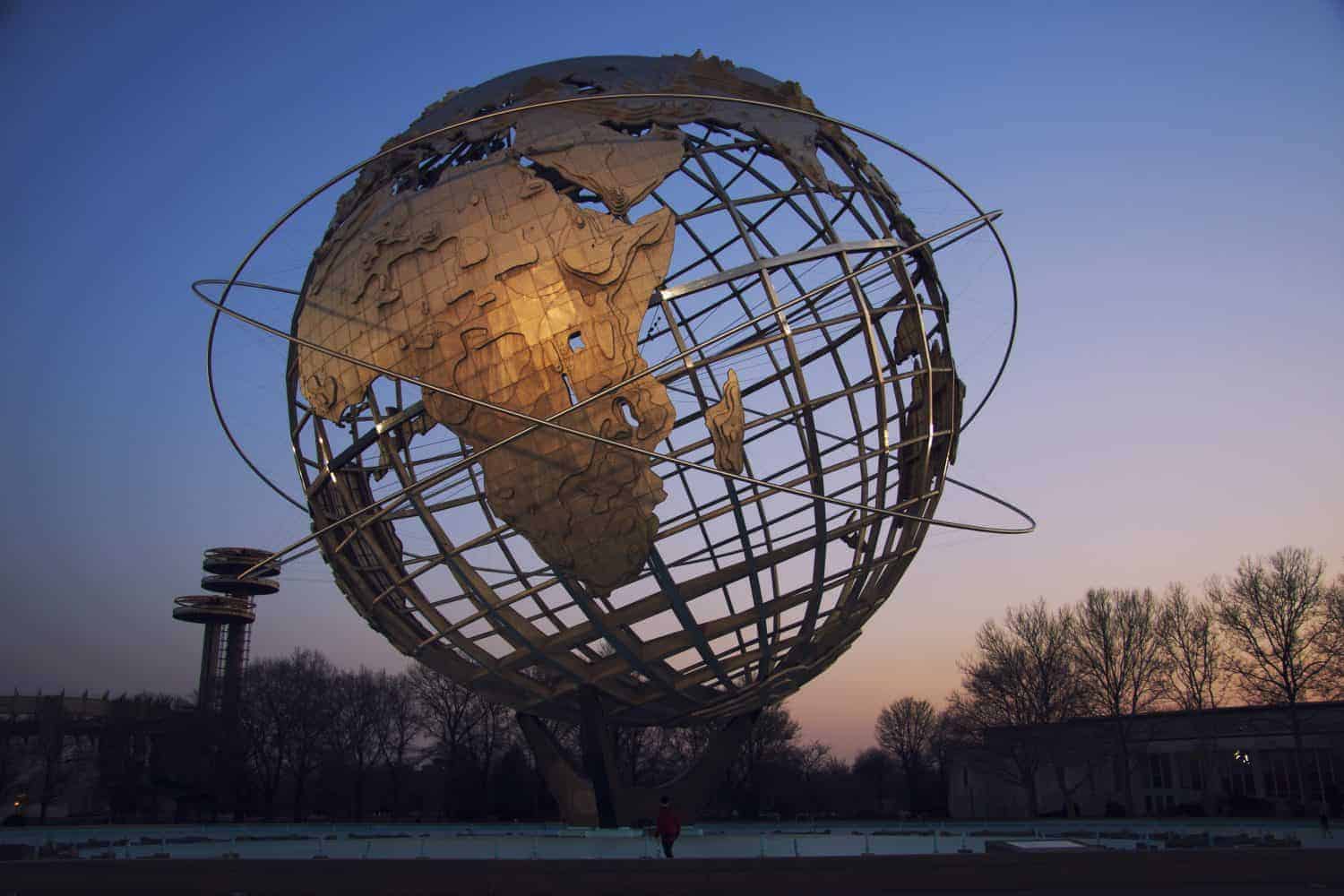
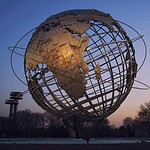
Its Public Debut Came at the 1964 World's Fair
Ford did not quietly slide the Mustang into a few dealerships and hope buyers noticed. The company staged an enormous launch around the 1964 New York World's Fair. Ford says the press got an early look on April 14, while the Mustang's public introduction came April 17 at the Ford Pavilion. Television advertising also put the car in front of millions of Americans. World's Fair visitors could even ride in Mustang convertibles as part of Ford's Disney-designed Magic Skyway attraction. It was a launch built for maximum exposure, and it worked. Crowds descended on dealerships almost immediately, setting the stage for one of the fastest starts any new American car had experienced.
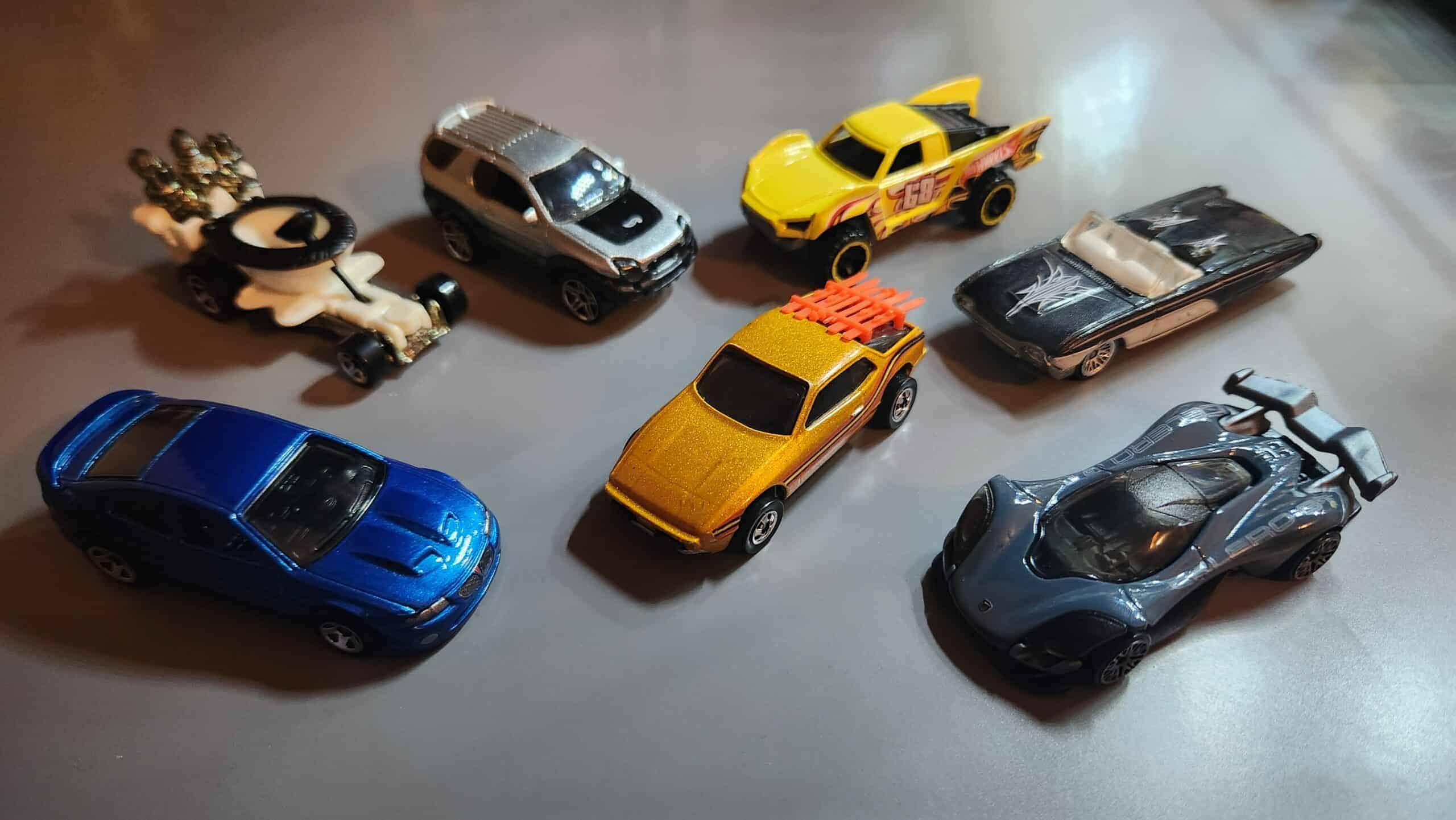
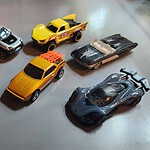
It Was One of the Original Hot Wheels
When Hot Wheels arrived in 1968, kids could already get a tiny Mustang. Mattel's original group of 16 cars included the Custom Mustang alongside models such as the Custom Camaro, Custom Cougar, Custom Corvette, and Ford J-Car. That makes the Mustang part of Hot Wheels history almost from the toy brand's first day. Mattel has returned to Mustang castings countless times since then, ranging from classic models to modern performance versions. For a car that became deeply tied to childhood posters, model cars, movies, and dreams of what someone might drive when they finally got a license, getting into the Original 16 feels remarkably appropriate.
Ford Put a Mustang on the Empire State Building
Parking a car on the 86th floor of the Empire State Building sounds like the kind of marketing idea that should have ended with someone asking where the crane was. Ford did it without one. In October 1965, engineers took apart a 1966 Mustang convertible so the pieces could travel through the building's doors and elevators. The car was then reassembled on the observation deck high above Manhattan. Nearly half a century later, Ford repeated the stunt for the Mustang's 50th anniversary in 2014. It remains one of the more memorable examples of just how aggressively Ford marketed the Mustang during its rise from a new model to a cultural phenomenon.
The Original Mustang Started at $2,368
Part of the original Mustang's genius was that buyers did not have to be wealthy to get one. Ford launched the base hardtop at $2,368, then offered a long list of engines, transmissions, appearance packages, and comfort features for people willing to spend more. That combination of an approachable starting price and nearly endless customization turned out to be powerful. Ford dealers recorded roughly 22,000 sales and orders as the Mustang arrived in April 1964, and demand quickly overwhelmed the company's early expectations. The Mustang could be a relatively simple six-cylinder commuter or a much more serious V8 performance car, allowing Ford to sell essentially the same idea to very different buyers.
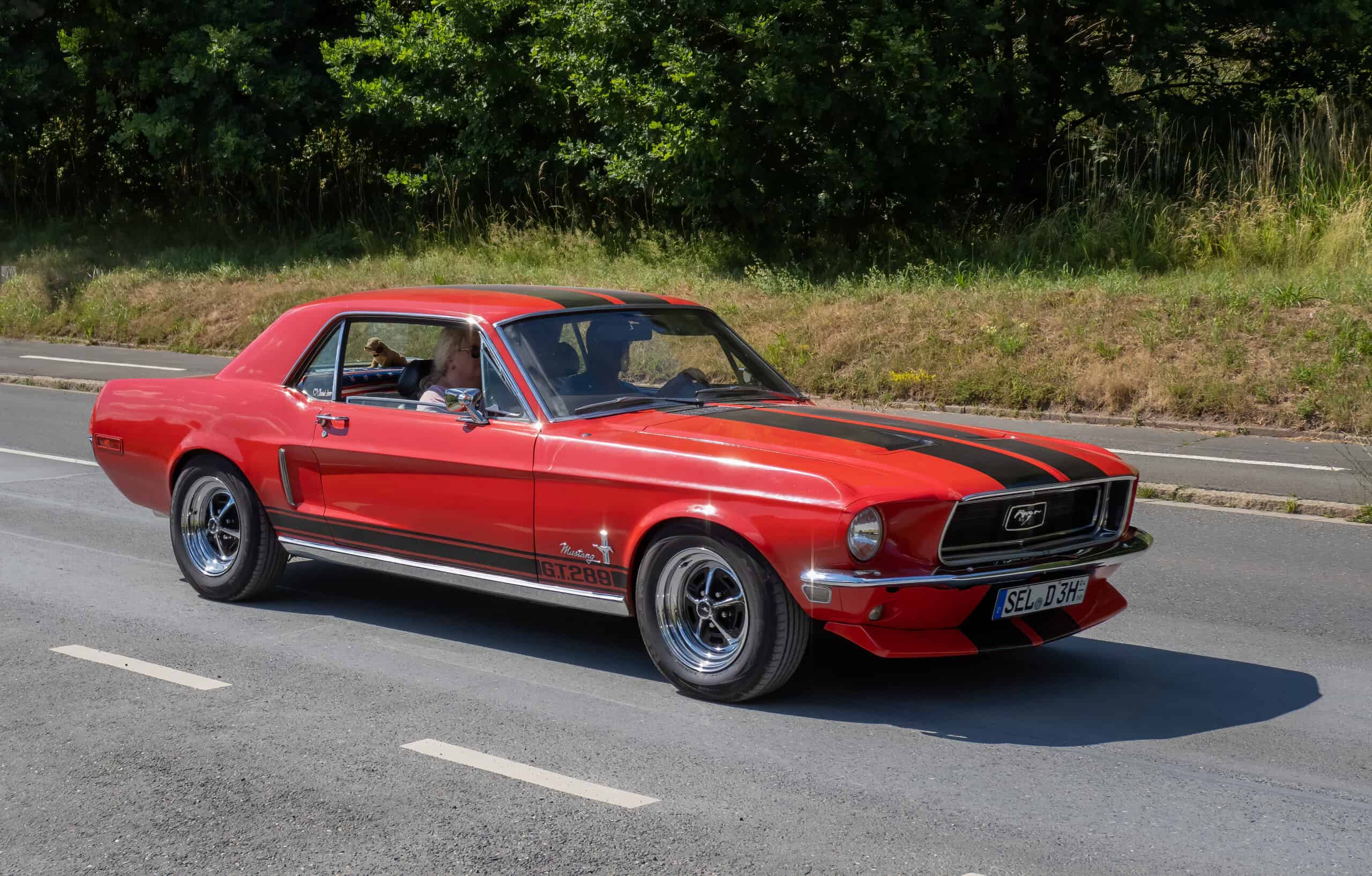
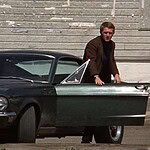
The Bullitt Mustang Sold for $3.74 Million
The Highland Green 1968 Mustang GT driven by Steve McQueen in Bullitt became almost as famous as the actor behind the wheel. After the movie, the surviving hero car passed through private hands and eventually spent decades with the Kiernan family. It returned to public view at the 2018 Detroit auto show and crossed the Mecum auction block in January 2020. The hammer price was $3.4 million, with the buyer's premium bringing the total to $3.74 million. One important detail often gets lost in retellings: the car was not polished into a perfect restoration before the sale. Its faded paint, worn interior, dents, and other evidence of its remarkable life were still part of the package.