Cars can disappear surprisingly fast. One year a model seems to be everywhere, and a few years later you realize you haven’t seen a new one on a dealership lot in ages.
Sometimes sales simply dry up. Other times automakers replace longtime sedans with SUVs, shift investment toward hybrids and electric vehicles, or retire one nameplate to make room for another. A few cars on this list were genuine sales hits. Others built devoted followings that lasted long after production stopped.
You can still find plenty of these cars on the used market, of course. But as of 2026, none of the 16 models below is currently being produced as a new vehicle.
Ford Focus
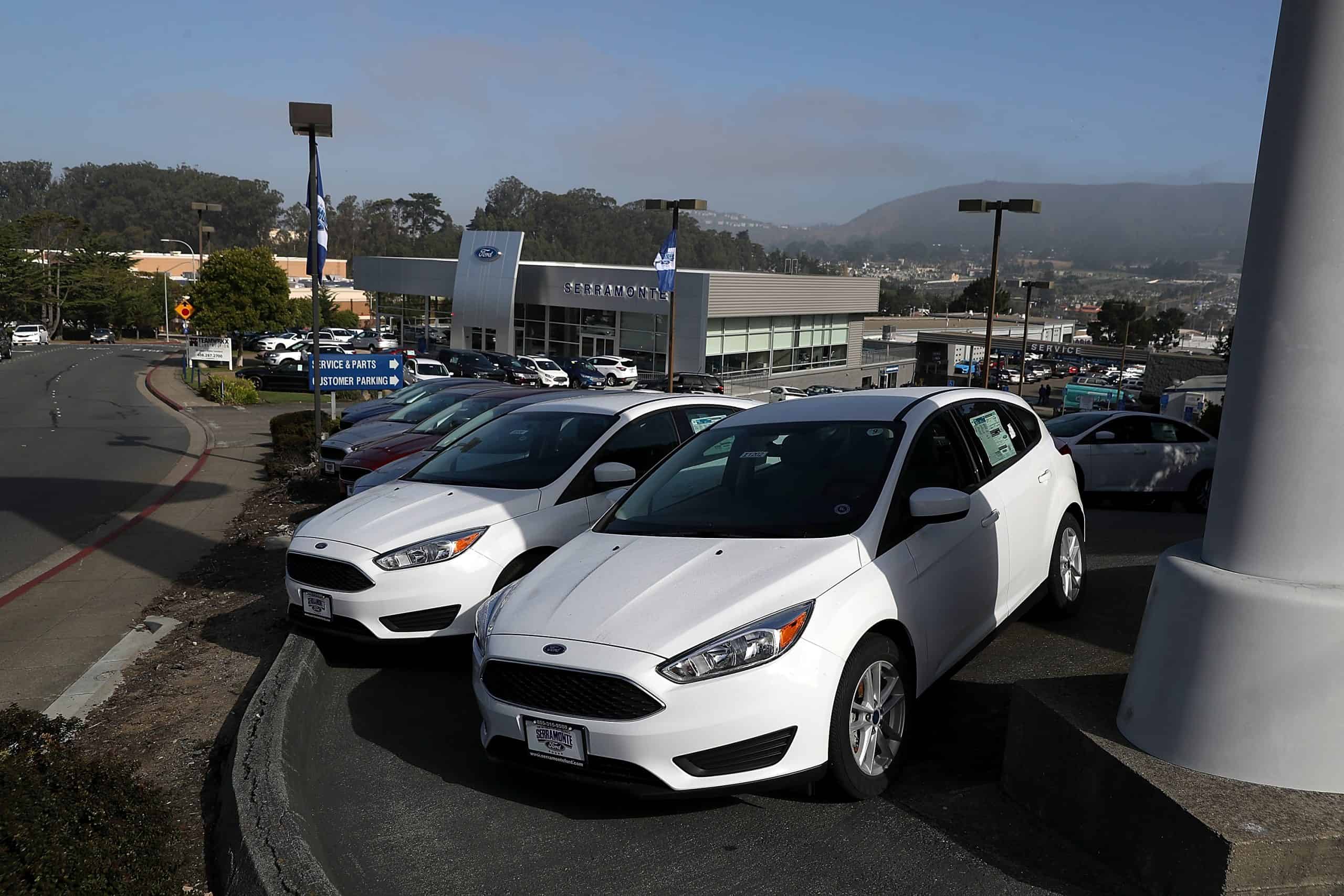
The Ford Focus lasted quite a bit longer than many American drivers probably realize. Ford introduced the Focus in Europe in 1998, and it reached the United States for the 2000 model year. For years it was one of Ford’s most familiar compact cars, available in everything from basic commuter form to genuinely entertaining performance versions such as the Focus ST and Focus RS.
Ford stopped selling the Focus in the United States after the 2018 model year as the company moved away from most traditional passenger cars. The Focus lived on in Europe, however, and did not truly reach the end of the road until November 2025, when the final car rolled off the production line in Saarlouis, Germany. So this one is now officially gone, not just gone from American showrooms.
Volkswagen Beetle
Few cars have ever been as instantly recognizable as the Volkswagen Beetle. More than 21 million examples of the original air-cooled Beetle were produced before that version finally ended production in Mexico in 2003. Volkswagen had already revived the basic idea with the New Beetle in 1998, followed by another redesigned Beetle in 2011.
The retro revival could not last forever. Volkswagen said changing customer tastes, particularly the move toward SUVs, contributed to falling demand. The company created Final Edition versions for the U.S. market, and the last Beetle rolled off the assembly line in Puebla, Mexico, on July 10, 2019. Volkswagen has floated plenty of concepts over the years, but as of 2026 there is no new Beetle in the lineup.
Chevrolet Impala
For generations of American drivers, the Chevrolet Impala was basically part of the scenery. The name first appeared for 1958 and returned through several very different eras as a family sedan, muscle car, police vehicle, rental-fleet staple, and big comfortable cruiser. There were breaks in production, but the Impala name survived for more than six decades.
The final version could not escape America’s shift away from large sedans. Chevrolet built the last Impala at GM’s Detroit-Hamtramck plant on Feb. 27, 2020. The plant was subsequently retooled for electric-vehicle production. Used Impalas are still everywhere, but Chevrolet has not offered a new one since the 2020 model year.
Honda S2000
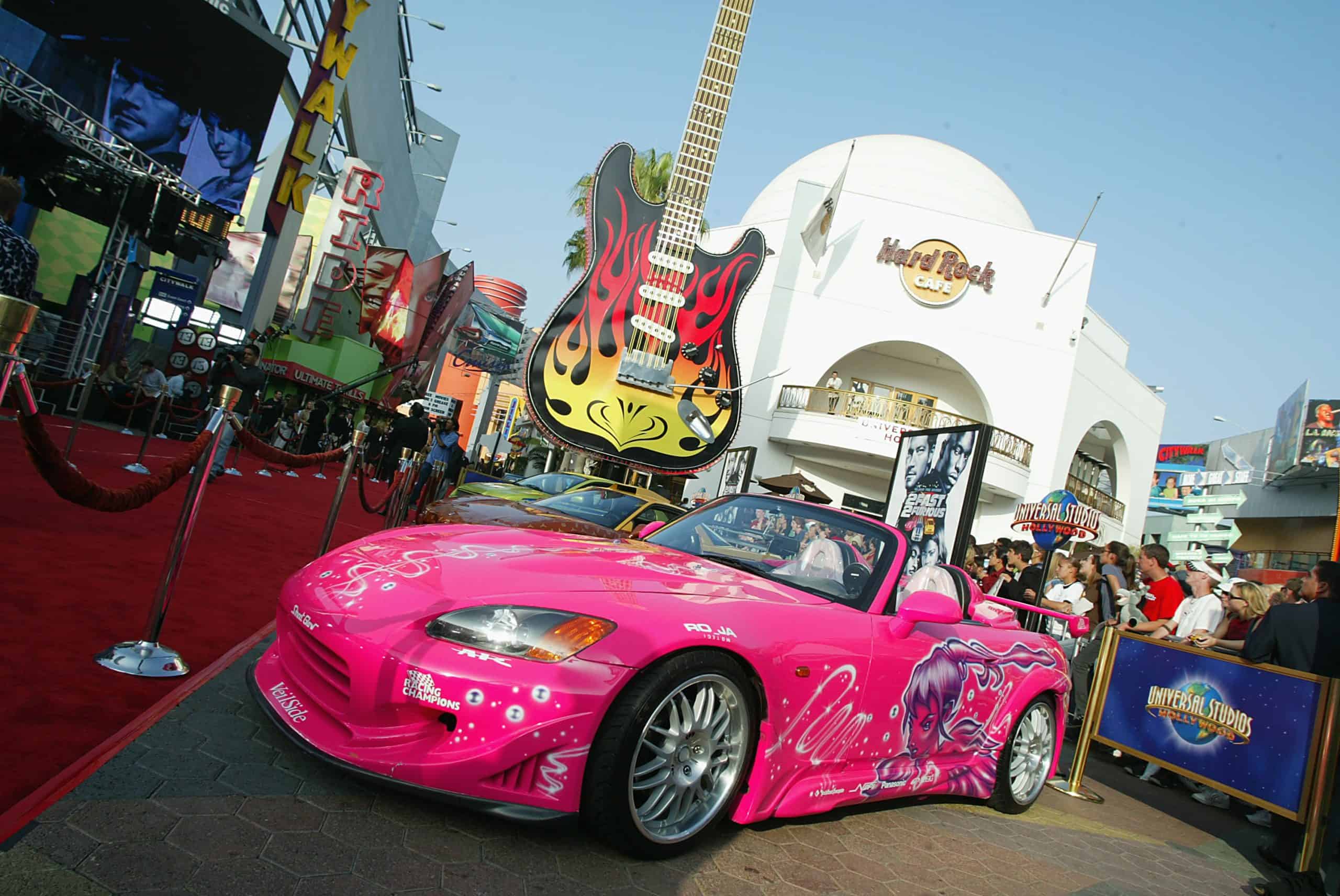
Honda originally envisioned the S2000 as a limited-production celebration of the company’s 50th anniversary. Enthusiasts had other ideas. Introduced in 1999 for the 2000 model year, the lightweight rear-wheel-drive roadster became famous for its high-revving four-cylinder engine, slick manual transmission, and the sort of handling that made an ordinary grocery run feel slightly more important than it really was.
Honda kept the S2000 around far longer than originally planned because of customer demand and critical acclaim. By the time Honda ended production with the 2009 model year, more than 110,000 had been sold worldwide, including more than 65,000 in the United States. Honda has teased plenty of sporty concepts since then, but there still has not been a direct S2000 successor.
Chrysler 300
When the modern Chrysler 300 arrived for 2005, it looked nothing like the anonymous front-wheel-drive sedans filling American parking lots. Its big grille, rear-wheel-drive proportions, available Hemi V8, and almost Bentley-like profile gave Chrysler a sedan people actually noticed. It remained on sale for nearly two decades with surprisingly few fundamental changes.
By the 2020s, however, the American full-size sedan market had nearly disappeared. Chrysler gave the 300 one last sendoff for 2023, including a limited 300C powered by a 6.4-liter V8. Production at the Brampton, Ontario, assembly plant ended in December 2023 alongside the old Dodge Charger and Challenger. Chrysler has not introduced a direct replacement.
Acura TL
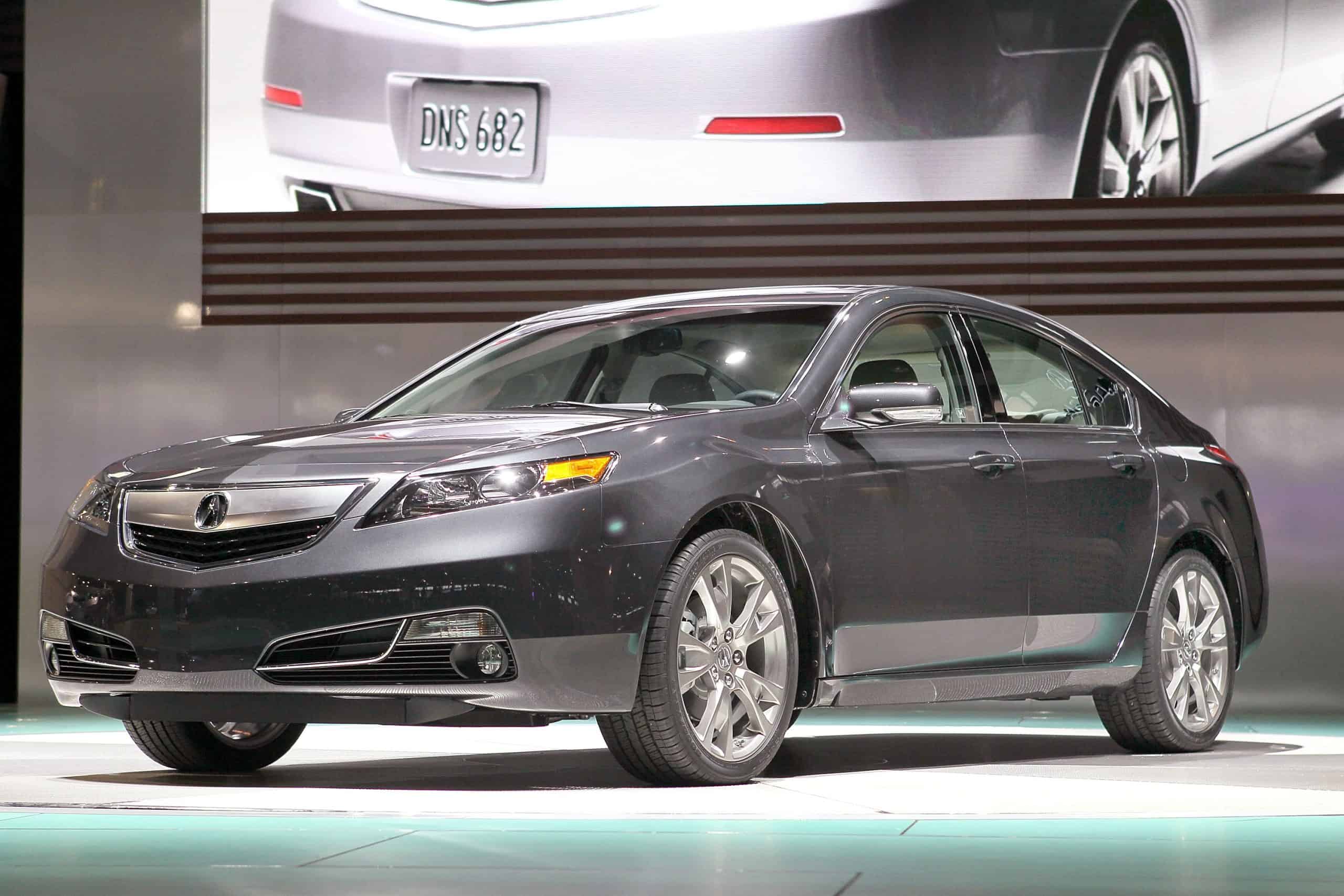
The Acura TL became one of the defining cars of Acura’s early years in the United States. Introduced in the mid-1990s as the successor to the Vigor, the TL evolved from a relatively conservative luxury sedan into a legitimate sport sedan, particularly with later Type-S and SH-AWD versions.
The TL itself survived through the 2014 model year. Acura then reorganized its sedan lineup around the new TLX, which effectively replaced both the TL and the smaller TSX beginning with the 2015 model year. That was less a case of Acura abandoning the segment than consolidating two aging nameplates into one new car. The TLX remains in Acura’s lineup today, but the TL name has never returned.
Nissan Maxima
Nissan spent years calling the Maxima its “four-door sports car,” and there was a time when that slogan felt pretty reasonable. Earlier generations combined V6 power, relatively sharp handling, and even manual transmissions with the practicality of a family sedan. Over eight generations, the Maxima eventually became Nissan’s flagship four-door in the United States.
The sedan market moved on. Nissan ended Maxima production in 2023 after more than four decades. At the time, the company hinted that the name could eventually return on an electric vehicle, but Nissan later canceled plans for the U.S.-built electric sedans that had fueled much of that speculation. As of 2026, there is no new Maxima for sale and no confirmed replacement carrying the name.
Lamborghini Aventador

“Popular” means something a little different when the car costs several hundred thousand dollars, but by Lamborghini standards the Aventador was an enormous success. Introduced in 2011, it became the company’s flagship V12 supercar and spawned everything from roadsters to the wild SVJ and final Ultimae editions.
Lamborghini says it sold more Aventadors than all of its previous V12 models combined. The final Aventador rolled out of Sant’Agata Bolognese in September 2022 after 11 years of production. Its replacement, the Revuelto, kept the V12 but paired it with plug-in hybrid technology, making the Aventador the final production Lamborghini flagship built around a purely naturally aspirated V12 powertrain without electric assistance.
Chevrolet Malibu
The Malibu spent decades doing one of the least glamorous but most important jobs in the car business: being a normal family sedan. Chevrolet introduced the Malibu name in the 1960s, retired it for a while, then brought it back as a front-wheel-drive sedan in 1997. Chevrolet has said more than 10 million Malibus were sold across the model’s nine generations.
That still was not enough to overcome the industry’s move toward SUVs and crossovers. GM ended Malibu production at its Fairfax Assembly plant in Kansas in November 2024, with the final cars sold as 2025 models. The change also cleared the way for GM to rework the factory for production of the revived Chevrolet Bolt. With the Malibu gone, Chevrolet no longer sells a conventional sedan in the United States.
AMC Eagle

The AMC Eagle was doing the crossover thing before anyone was calling them crossovers. Introduced for the 1980 model year, it took familiar AMC passenger-car bodies and combined them with increased ground clearance and four-wheel drive. Buyers could get Eagle sedans, coupes, wagons, and even the wonderfully odd little Kammback.
There is an important distinction here. The Eagle did not survive until 1998, as is sometimes claimed. Chrysler purchased AMC in 1987, and the final AMC Eagle wagon was built on Dec. 11 of that year as a 1988 model. Chrysler then created a separate Eagle automobile brand that survived into the late 1990s. Same bird, very different story. The original AMC Eagle was finished by 1988.
Chevrolet Camaro
Few discontinued nameplates come with an asterisk as large as the Chevrolet Camaro. Chevy’s Mustang fighter debuted for 1967 and survived through 2002 before taking an eight-year break. It returned for 2010, helped in no small part by a starring role in the “Transformers” movies, and remained one of America’s signature muscle cars through another two generations.
Chevrolet made 2024 the final model year of the sixth-generation Camaro and ended production around the beginning of 2024. The company was careful to say that this was not necessarily the end of the Camaro story, so another version could eventually appear. As of 2026, however, there is no production Camaro in Chevrolet’s new-car lineup. For now, the Mustang gets the driveway to itself.
Chevrolet Nova
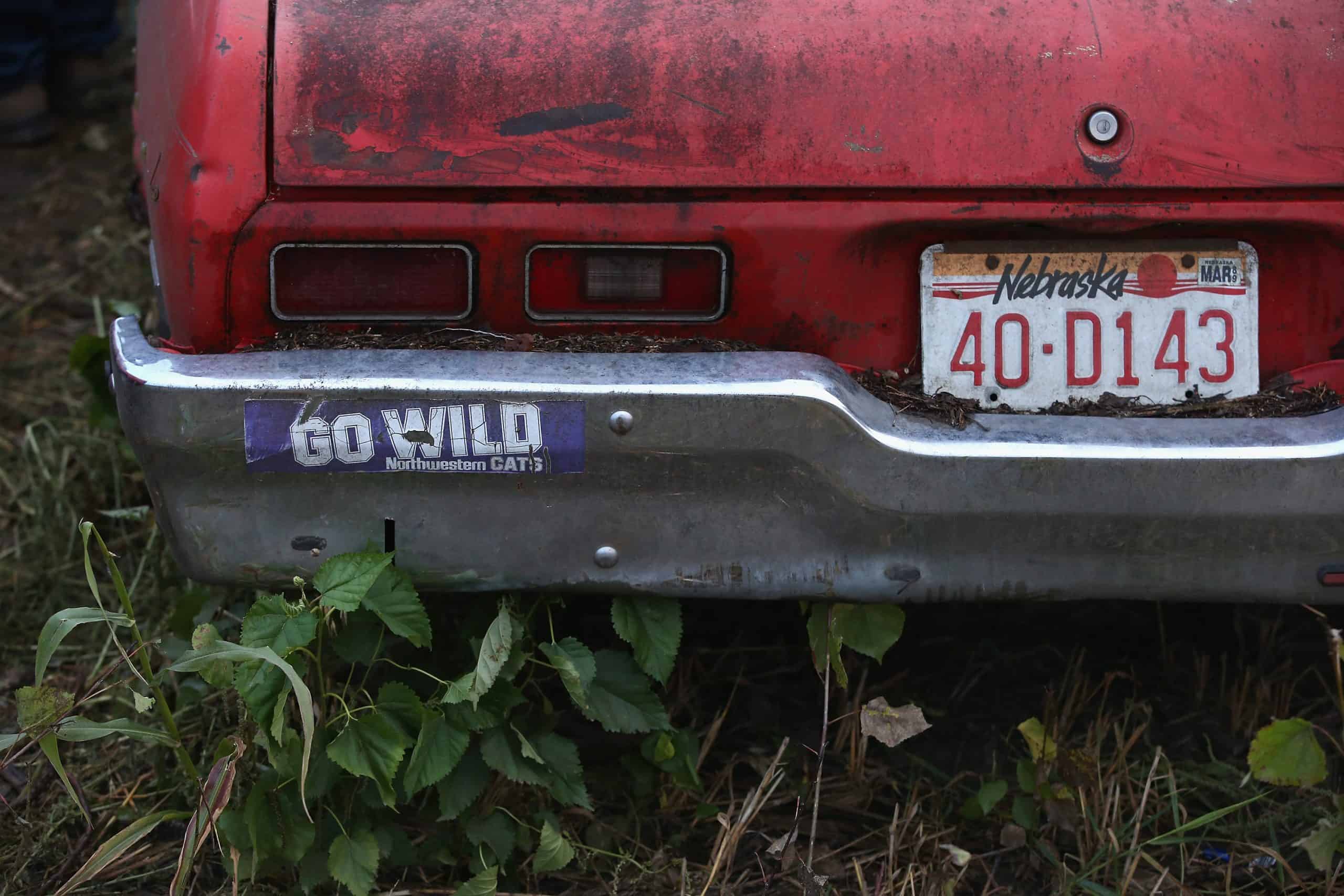
The Chevrolet Nova actually lived two very different lives. It began as the Chevy II in 1962, with Nova initially used on higher trim levels before eventually becoming the model’s primary name. By the late 1960s and 1970s, the rear-wheel-drive Nova had become a familiar compact Chevrolet and, with the right engine under the hood, a legitimate muscle car.
That version disappeared after 1979. Chevrolet revived the Nova name for 1985, but the new car had almost nothing in common with its predecessor. It was a front-wheel-drive compact closely related to the Toyota Corolla and built at the GM-Toyota NUMMI plant in California. That second Nova lasted through 1988 before Chevrolet moved on to the Geo Prizm. The old-school Nova enthusiasts remember and the later commuter car simply happened to share a famous name.
Datsun 510
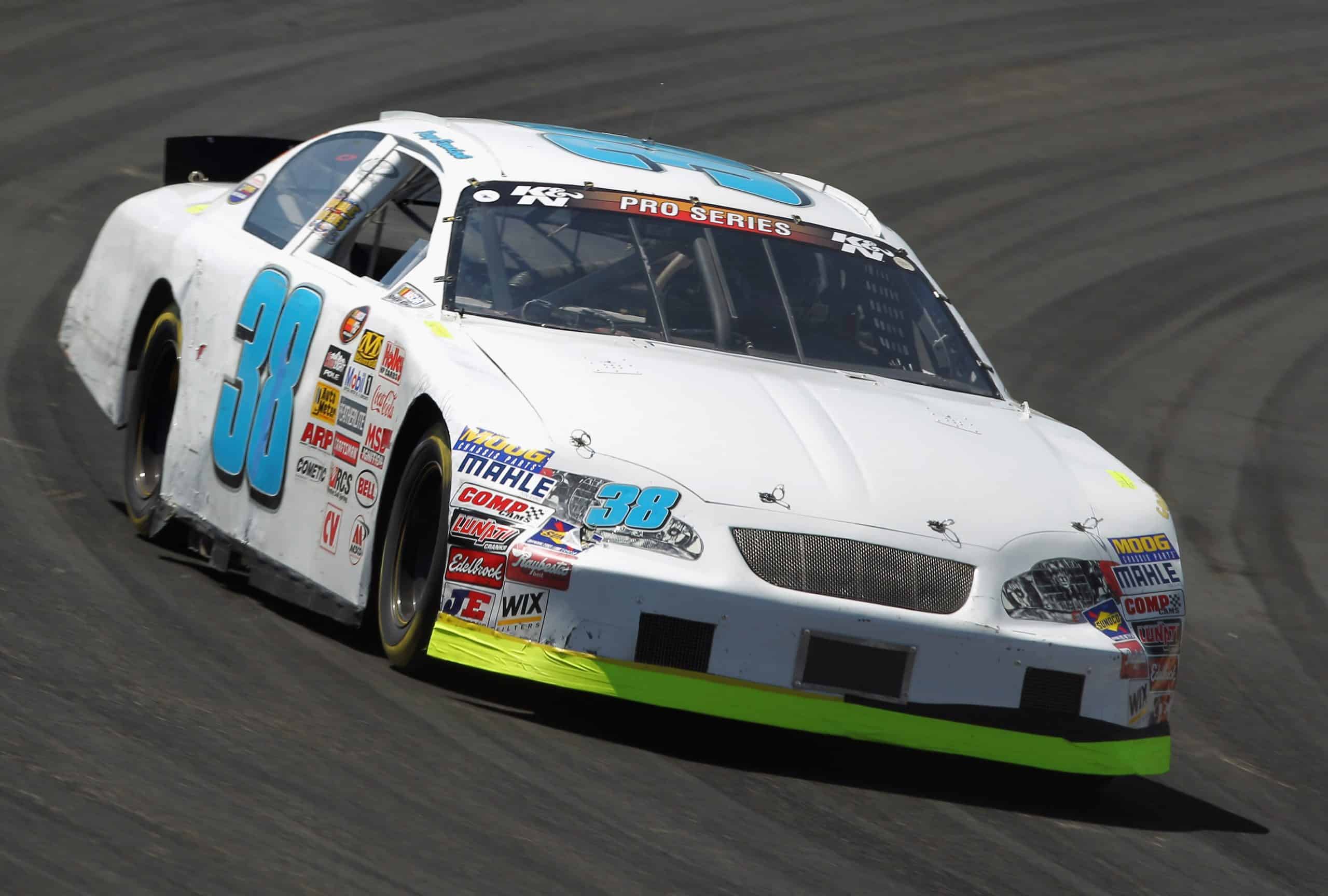
The Datsun 510 helped convince American buyers that an inexpensive Japanese sedan could also be genuinely fun to drive. The original Bluebird 510 arrived in the late 1960s with an overhead-cam four-cylinder engine and independent rear suspension, an unusually sophisticated combination at its price point. Nissan says global sales topped 1.5 million in five years, and racing success only strengthened the little sedan’s reputation.
The famous original 510 disappeared in the early 1970s. Datsun reused the 510 name on a different compact beginning in 1978, but that car never developed the same enthusiast following and disappeared in the early 1980s. Nissan eventually phased out the Datsun brand itself in favor of using the Nissan name worldwide. Decades later, clean original 510s remain cult favorites among vintage Japanese-car fans.
Cadillac ATS
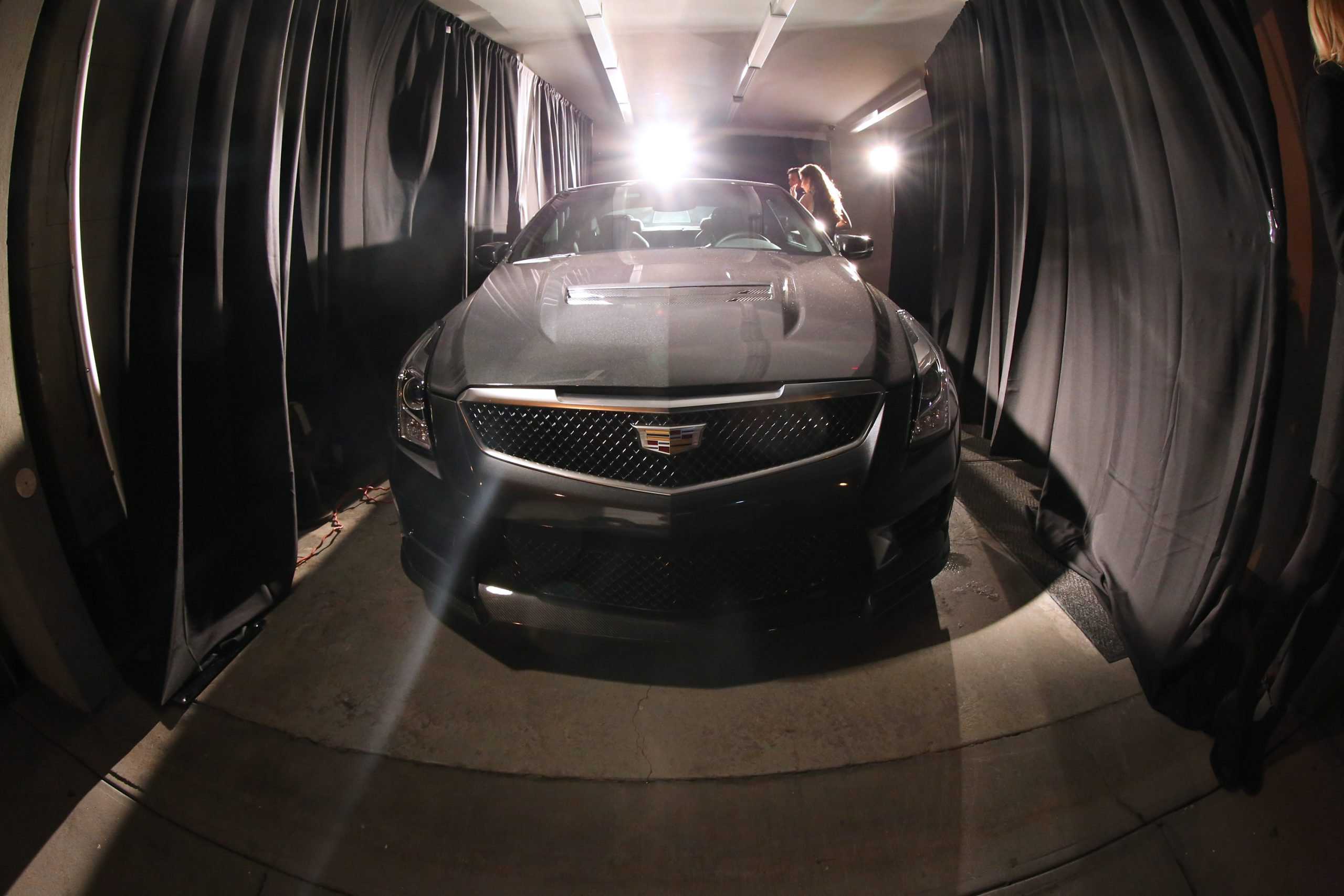
The Cadillac ATS was GM’s attempt to go directly after compact European sport sedans such as the BMW 3 Series. Introduced for the 2013 model year, it was smaller and lighter than Cadillac’s CTS and earned plenty of praise for its chassis and handling. Cadillac eventually added a coupe and the 464-horsepower ATS-V, which turned the little Cadillac into a serious performance car.
The sedan disappeared after the 2018 model year, while the coupe and ATS-V hung around for 2019. Cadillac then replaced the ATS’s place in the lineup with the CT4 for 2020 as part of a broader renaming and restructuring of its sedan range. The ATS did not have the longevity of some cars here, but it remains one of Cadillac’s more interesting attempts to beat the Germans at their own game.
Fiat 850
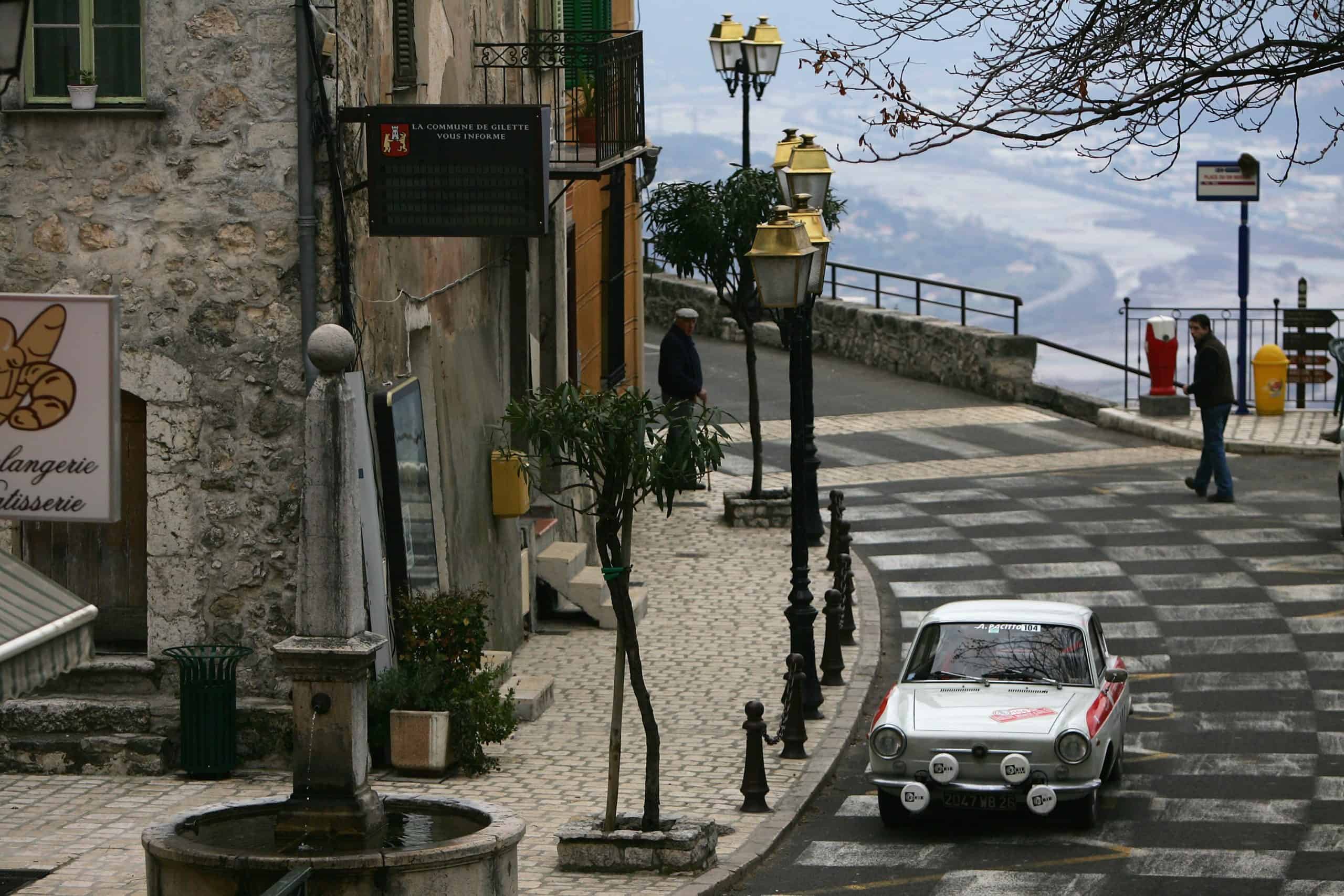
The Fiat 850 proved that a tiny, inexpensive car did not have to be boring. Introduced in 1964, the rear-engine 850 family eventually included the basic Berlina along with much sportier Coupe and Spider versions. That gave Fiat an inexpensive everyday car and a pair of stylish little models that enthusiasts could actually afford.
Fiat says roughly 2.3 million 850s were sold before production ended in 1973. The car found buyers well beyond Italy, including in the United States, where both the standard model and the more attractive Coupe and Spider were offered. It never achieved Beetle-level immortality, but 2.3 million cars is a pretty convincing definition of popular.
Nissan Maxima
For much of the 1980s and 1990s, the Maxima was the Nissan for buyers who wanted something larger and nicer than a Sentra without stepping into a luxury brand. Performance-oriented versions became especially popular with enthusiasts, helping Nissan market the Maxima as a “four-door sports car.”
By its eighth generation, however, buyers were steadily abandoning large sedans for crossovers. Nissan ended Maxima production in 2023. An electric successor was once widely expected, but Nissan later dropped plans for the pair of U.S.-built electric sedans that had fueled those expectations. As of 2026, the Maxima remains retired.
Lotus Esprit
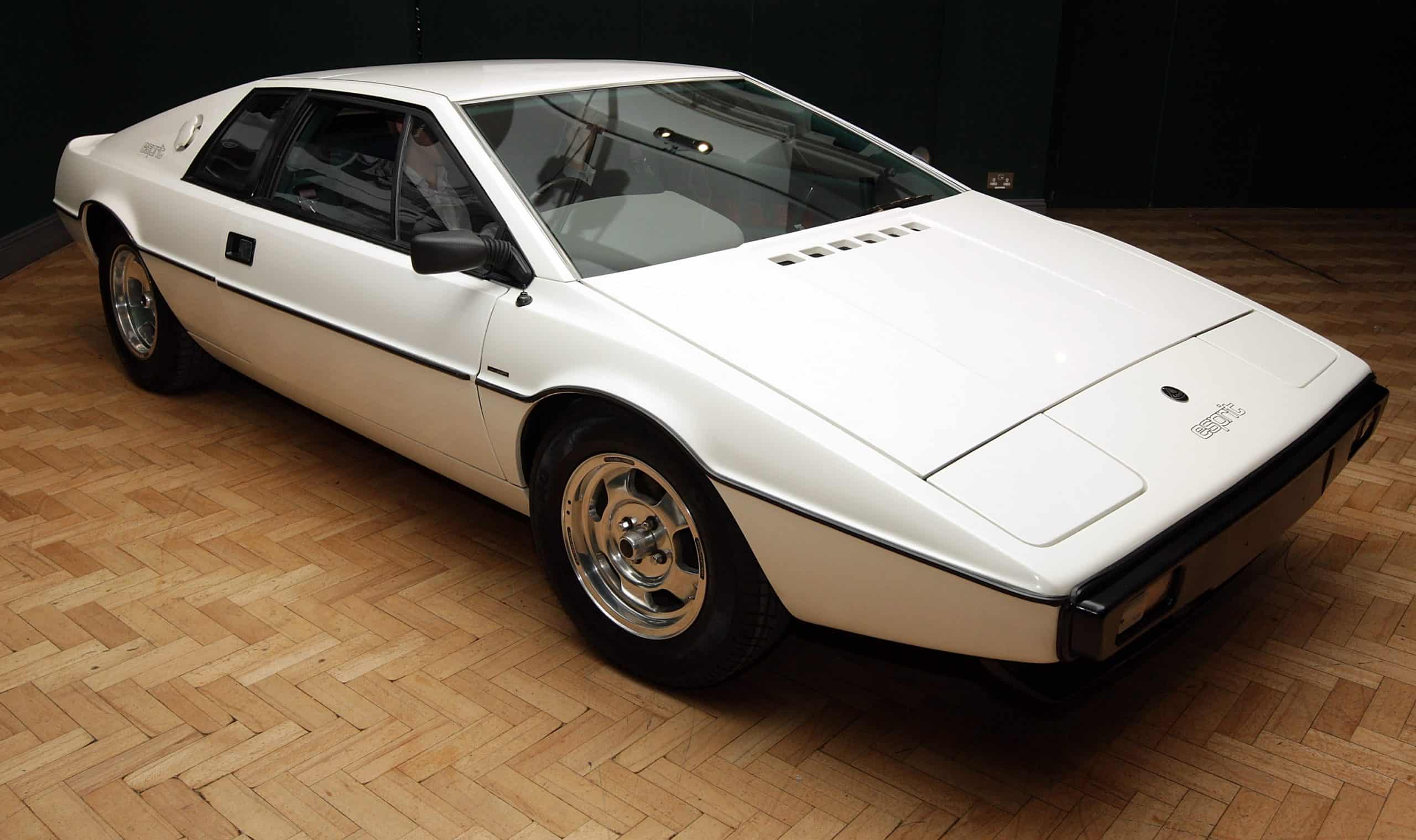
The wedge-shaped Lotus Esprit looked futuristic when it arrived in the 1970s, and somehow continued looking exotic for nearly three decades. Its movie résumé did not hurt. The Esprit famously turned into a submarine in the 1977 James Bond film “The Spy Who Loved Me,” returned to the Bond franchise in “For Your Eyes Only,” and later appeared in “Pretty Woman.”
Lotus continuously developed the Esprit rather than replacing it outright, eventually adding turbocharged four-cylinder engines and later a twin-turbo V8. The final 82 cars were sold as Final Editions during the model’s last years, with the final Esprit leaving Hethel in 2004. Few sports cars get anything close to a production life that long.