Vidit Luthra/Shutterstock.com
Nick-D / Wikimedia Commons
Bradley Wurth / Wikimedia Commons
Everett Collection/Shutterstock.com
ModelTMitch, CC BY-SA 4.0, via Wikimedia Commons
Pi-Lens/Shutterstock.com
sporst / CC BY 2.0
antonov22 / Flickr
Vidit Luthra/Shutterstock.com
Steve Allen/Shutterstock.com
Cjp24 / Wikimedia Commons
Roman Belogorodov/Shutterstock.com
ZoeYCK /iStock.com
Yannick LE BRIS / Wikimedia Commons
ErithJohn/iStock.com
Dinkun Chen / CC BY-SA 4.0
betto rodrigues/Shutterstock.com
Julian Herzog / Wikimedia Commons
Evgeny Prokofyev/Shutterstock.com
Sven Hansche/Shutterstock.com
Tesla Fans Schweiz / unsplash
20 Vehicles That Revolutionized the Way Humans Travel, Forever
For most of human history, getting anywhere took time. Crossing a country could mean days or weeks on horseback, by wagon, or aboard a train. Crossing an ocean could take even longer. Then a series of transportation breakthroughs began shrinking those distances dramatically.
Some of these vehicles introduced entirely new ways to travel. Others took an existing idea and made it faster, cheaper, safer, or practical for millions more people. Together, they changed where people could live and work, how businesses moved goods, and eventually how connected the world could become.
24/7 Tempo looked at 20 vehicles that played an especially important role in that transformation, from a steam locomotive built in 1829 to the electric cars of the 21st century.
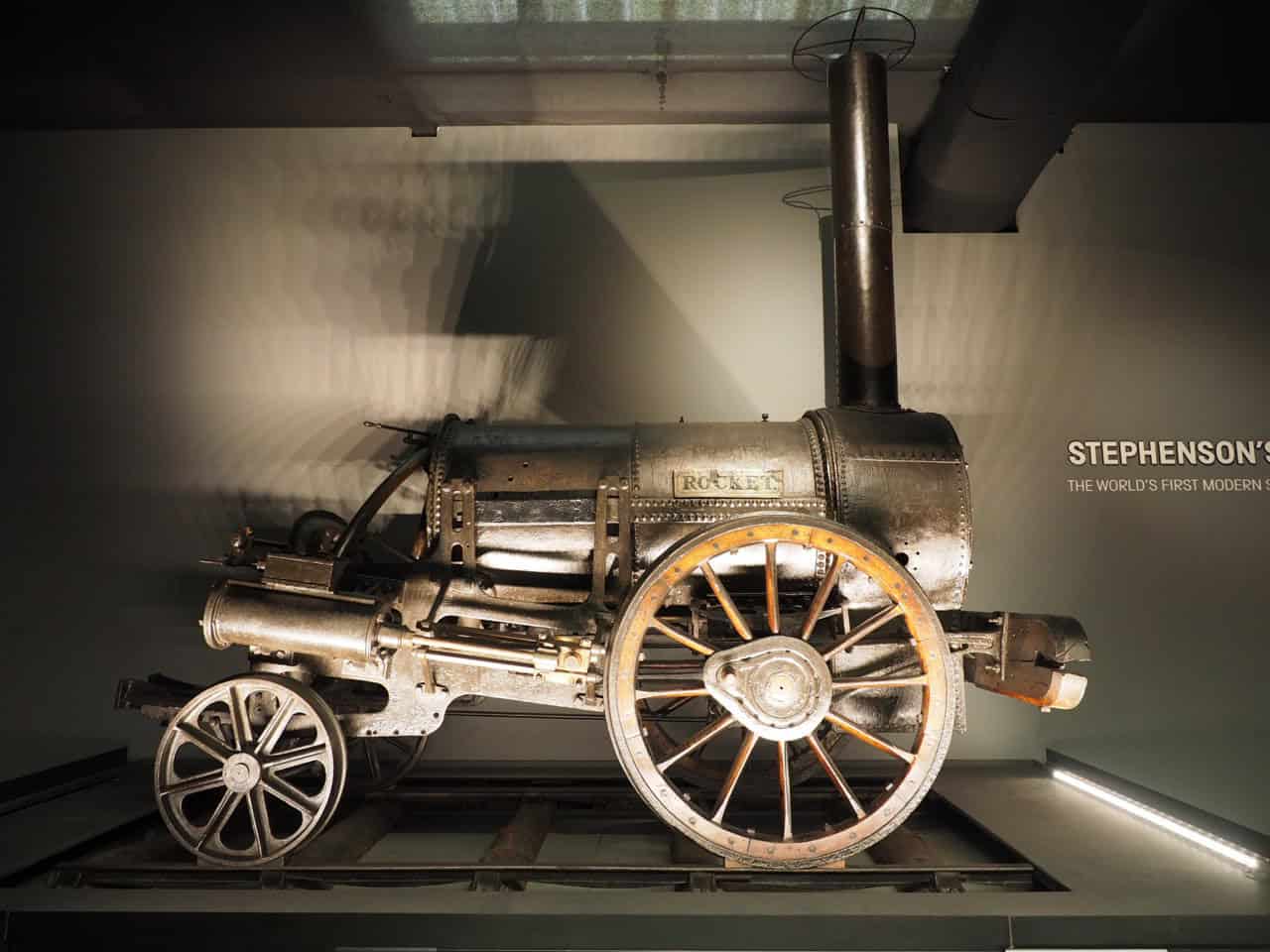
Stephenson's Rocket
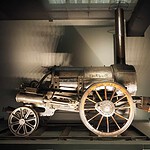
Stephenson's Rocket was not the first steam locomotive, but its performance at England's Rainhill Trials in 1829 helped prove that steam-powered railways could become a practical transportation system. Designed by George and Robert Stephenson, Rocket combined several features that would influence later locomotive design, including a multi-tube boiler that greatly improved steam production.
Rocket won the Rainhill competition on the new Liverpool and Manchester Railway, impressing observers with its combination of speed, reliability, and efficiency. Railroads soon expanded rapidly across Britain and then much of the world. For the first time, large numbers of people and enormous quantities of freight could move over land at speeds that horses simply could not match.
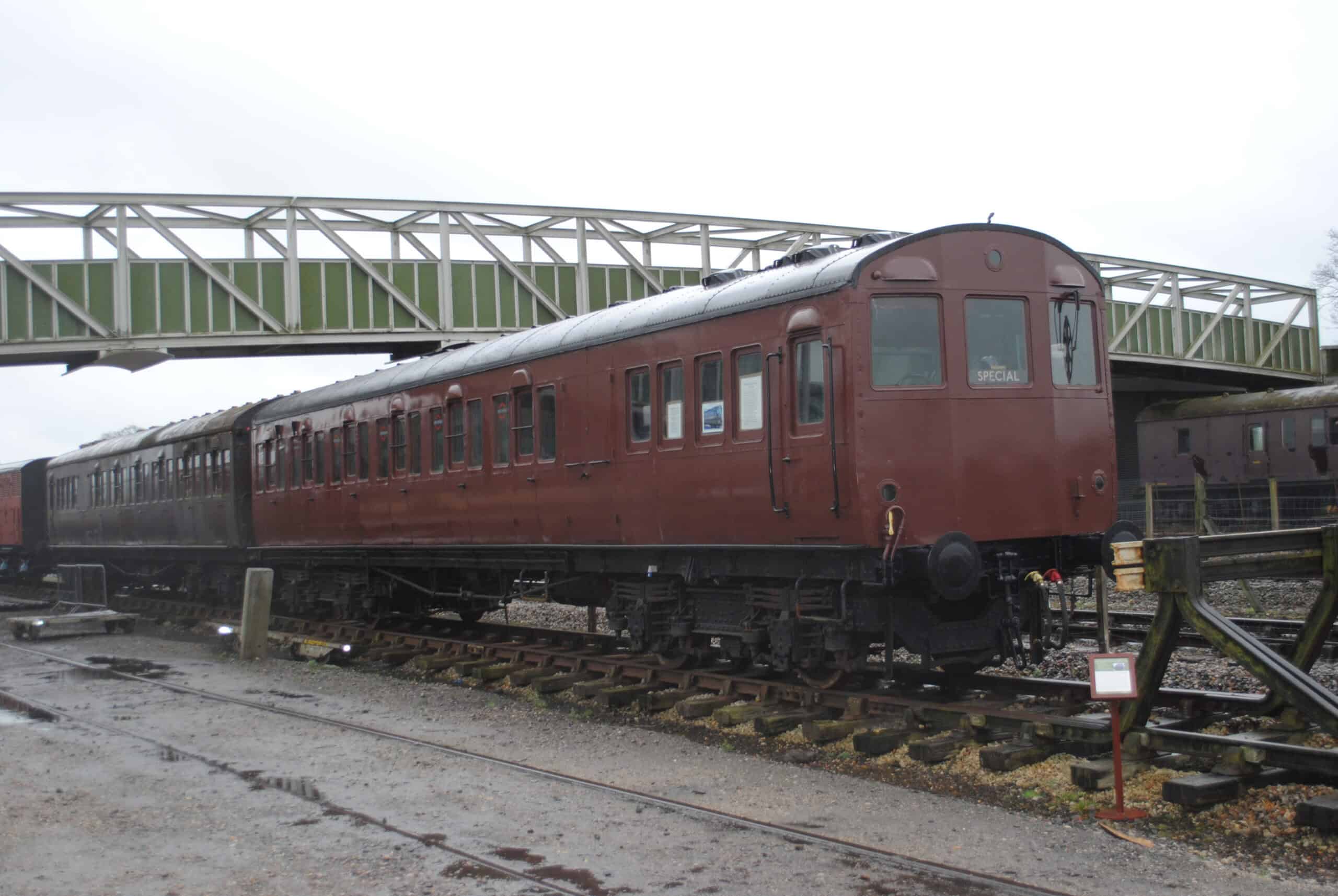
Metropolitan Railway
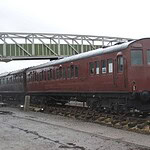
As industrial cities became larger and more crowded, moving people through congested streets became an increasingly serious problem. London tried something radical: put the railway underground. The Metropolitan Railway opened to the public on Jan. 10, 1863, becoming the world's first underground railway.
The original line ran about 3.5 miles between Paddington and Farringdon Street and carried roughly 40,000 passengers on its first day. It was steam-powered and smoky by modern subway standards, but the basic idea worked. Underground rapid transit eventually became indispensable in cities including New York, Paris, Tokyo, Moscow, and dozens more.
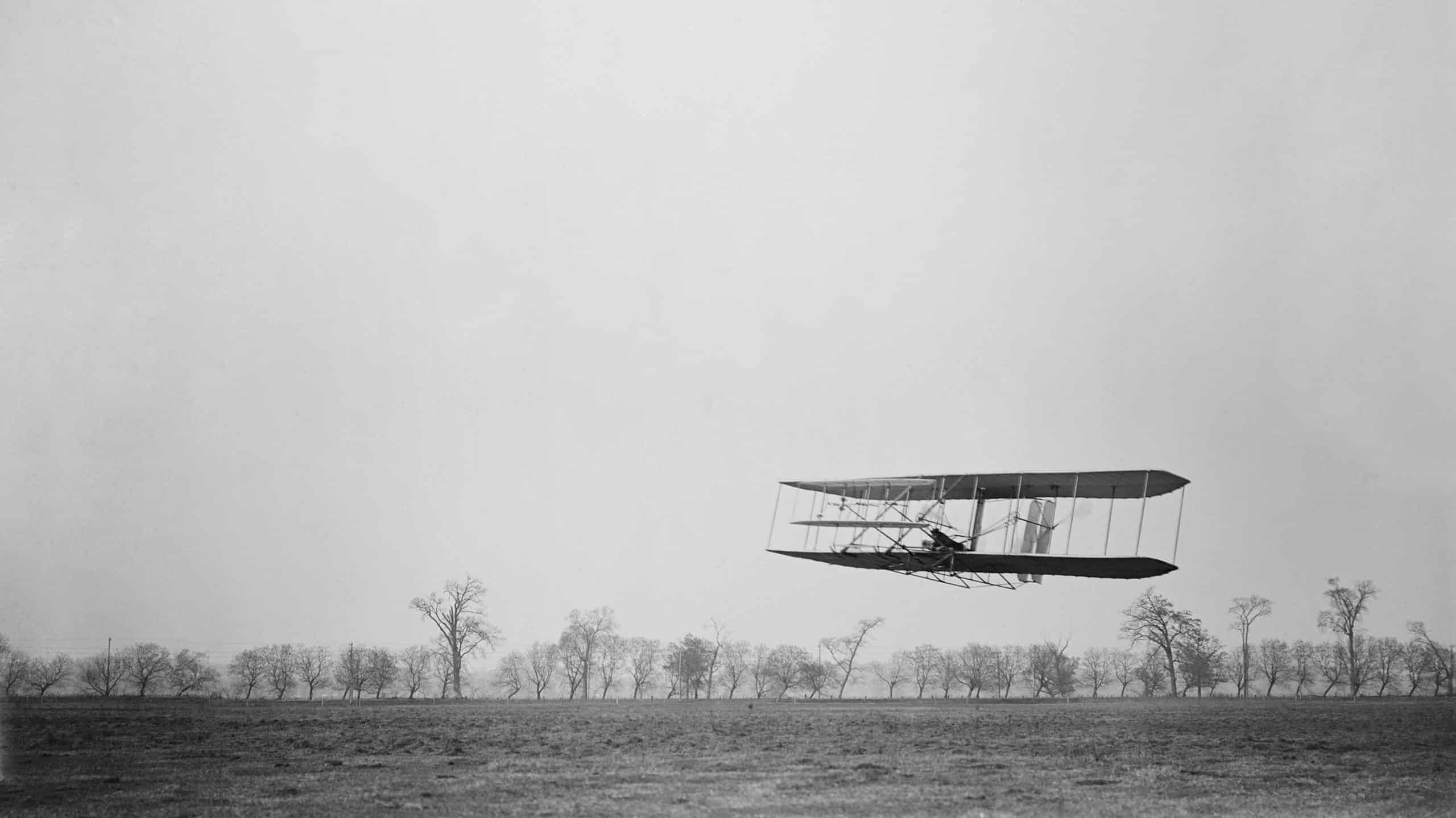
Wright Flyer
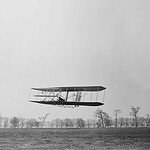
On Dec. 17, 1903, Orville and Wilbur Wright achieved something people had dreamed about for centuries. Their Wright Flyer made the first successful sustained and controlled flight of a powered, heavier-than-air aircraft with a pilot aboard.
Orville's first flight at Kitty Hawk, North Carolina, lasted only 12 seconds and covered 120 feet. By the fourth flight that morning, Wilbur stayed airborne for 59 seconds and traveled 852 feet. Those numbers sound tiny today, but the Wrights had solved the crucial problems of propulsion and three-axis control. Within a few decades, airplanes would be carrying passengers across continents and oceans.
Ford Model T
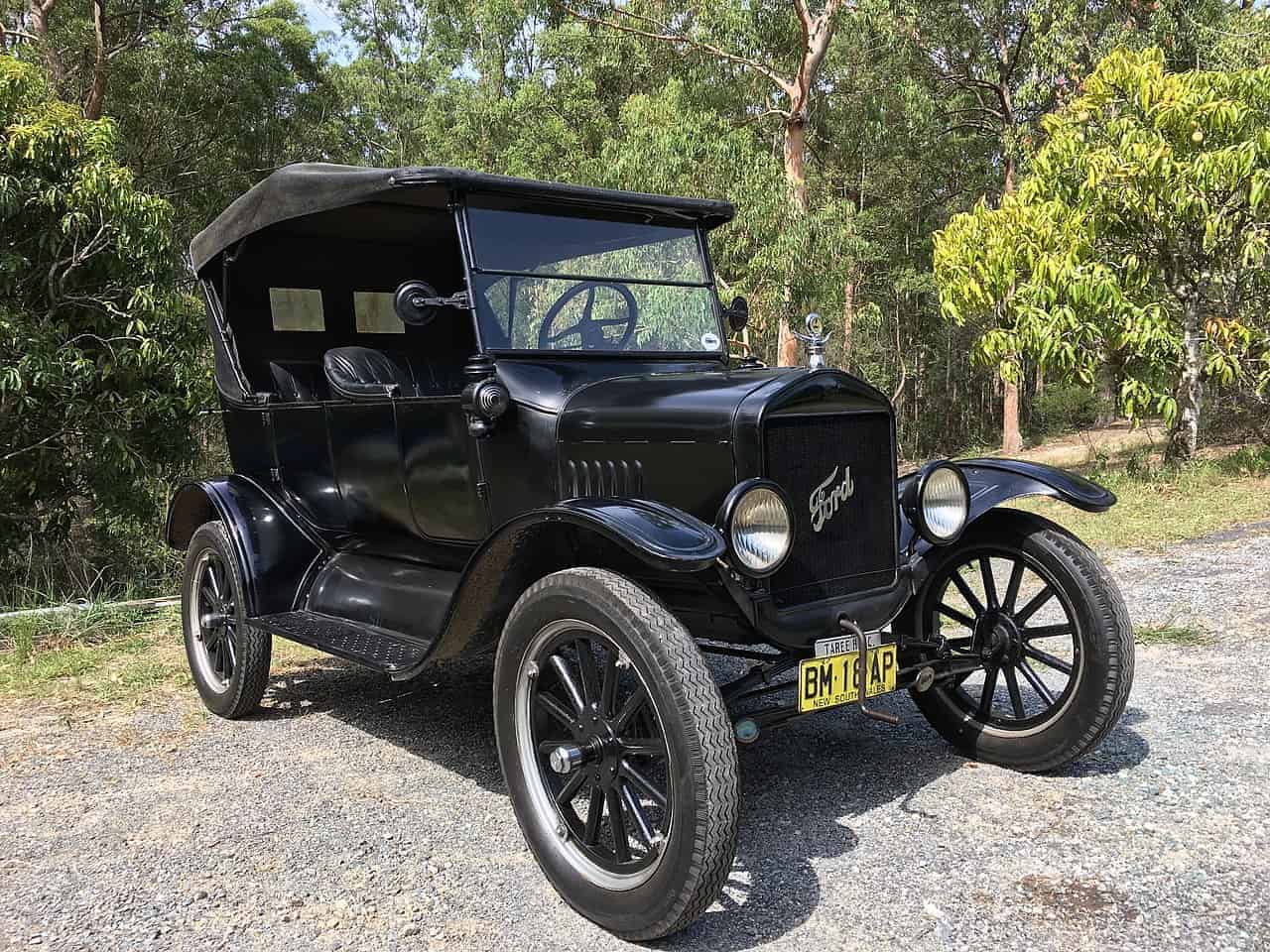
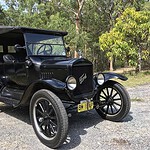
The automobile existed before the Ford Model T arrived in 1908. The bigger problem was that cars were still expensive enough to be beyond the reach of many ordinary families. Henry Ford wanted a vehicle that was relatively simple, durable, and affordable to produce in huge numbers.
The Model T became inseparable from another major breakthrough when Ford introduced the moving automobile assembly line at Highland Park in 1913. Production accelerated and prices fell dramatically, helping put car ownership within reach of far more Americans. By the time Model T production ended in 1927, roughly 15 million had been built. Cars were no longer curiosities for the wealthy. They were becoming part of everyday life.
Douglas DC-3
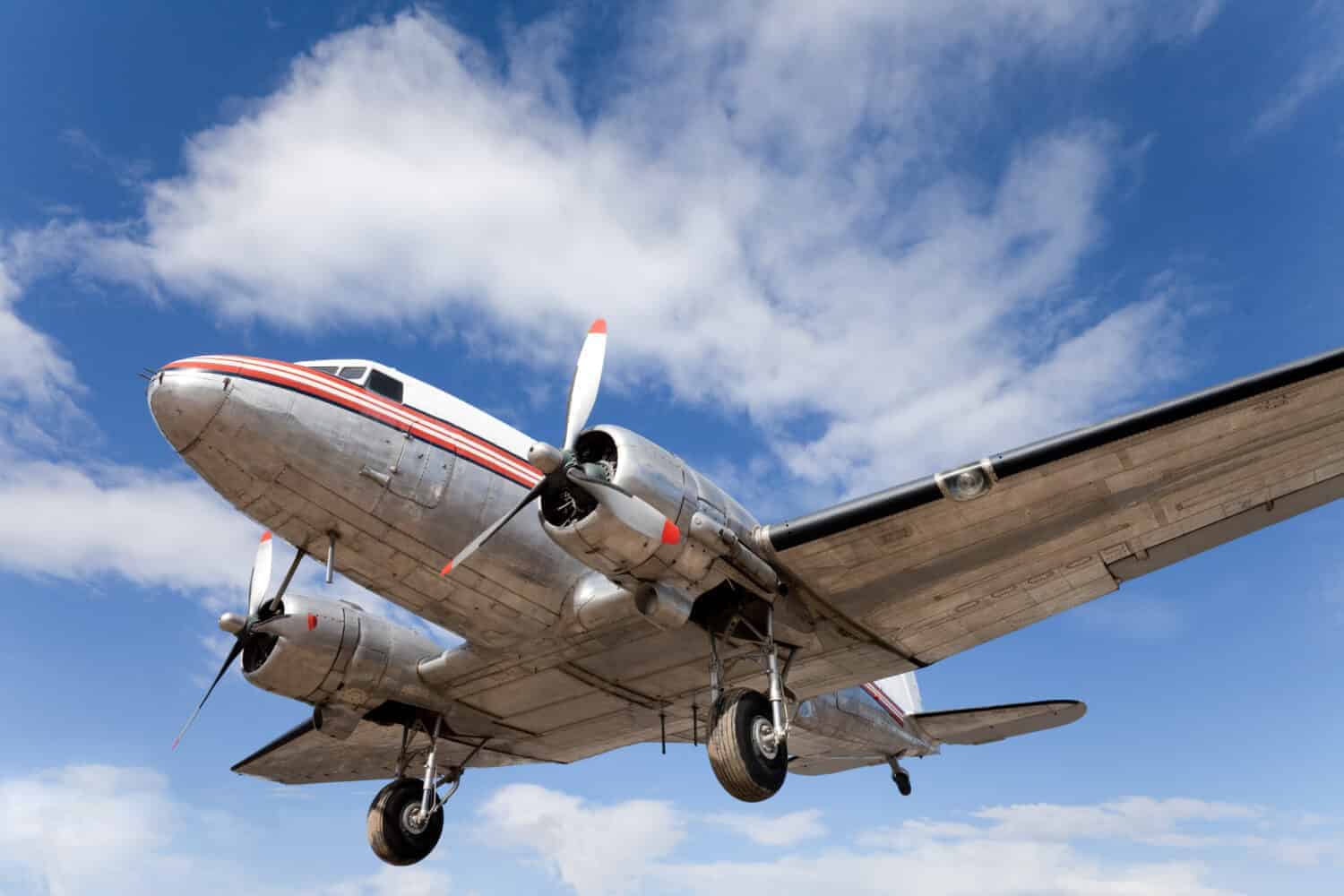
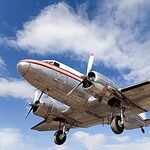
Early airlines frequently depended on mail contracts and government support because passenger service alone struggled to make money. The Douglas DC-3 helped change the economics. First flown in December 1935, the aircraft combined reliability, range, operating efficiency, and considerably better passenger comfort than many earlier airliners.
The Smithsonian calls the DC-3 the first airliner able to operate profitably without government subsidy. American Airlines put the passenger version into service in 1936, and the design quickly spread around the world. Military versions became equally important during World War II. Thousands were built, and some DC-3s remain airworthy more than 90 years after the aircraft first flew.
Volkswagen Beetle
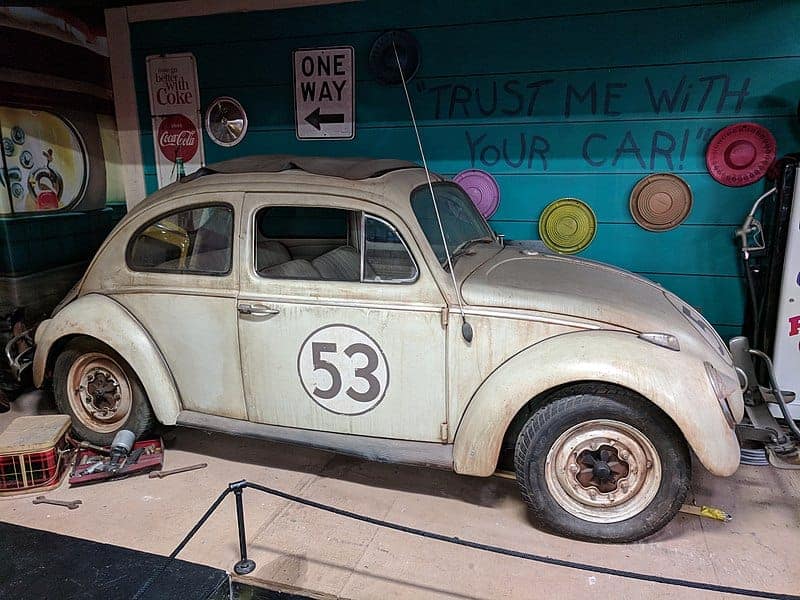
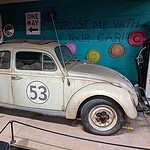
The car that became the Volkswagen Beetle has a complicated beginning. Ferdinand Porsche developed the "people's car" during Nazi Germany in the 1930s, but the factory built very few civilian examples before World War II redirected production toward military needs.
The Beetle's global story really took off after the war. Under British control, the Wolfsburg factory began mass production of the Volkswagen Type 1 in December 1945. Its air-cooled engine, simple mechanical layout, compact size, and comparatively affordable price helped it find buyers around the world. More than 21 million original-style Beetles were ultimately produced, turning an unusual little car into one of the most recognizable automobiles ever made.
Boeing 707
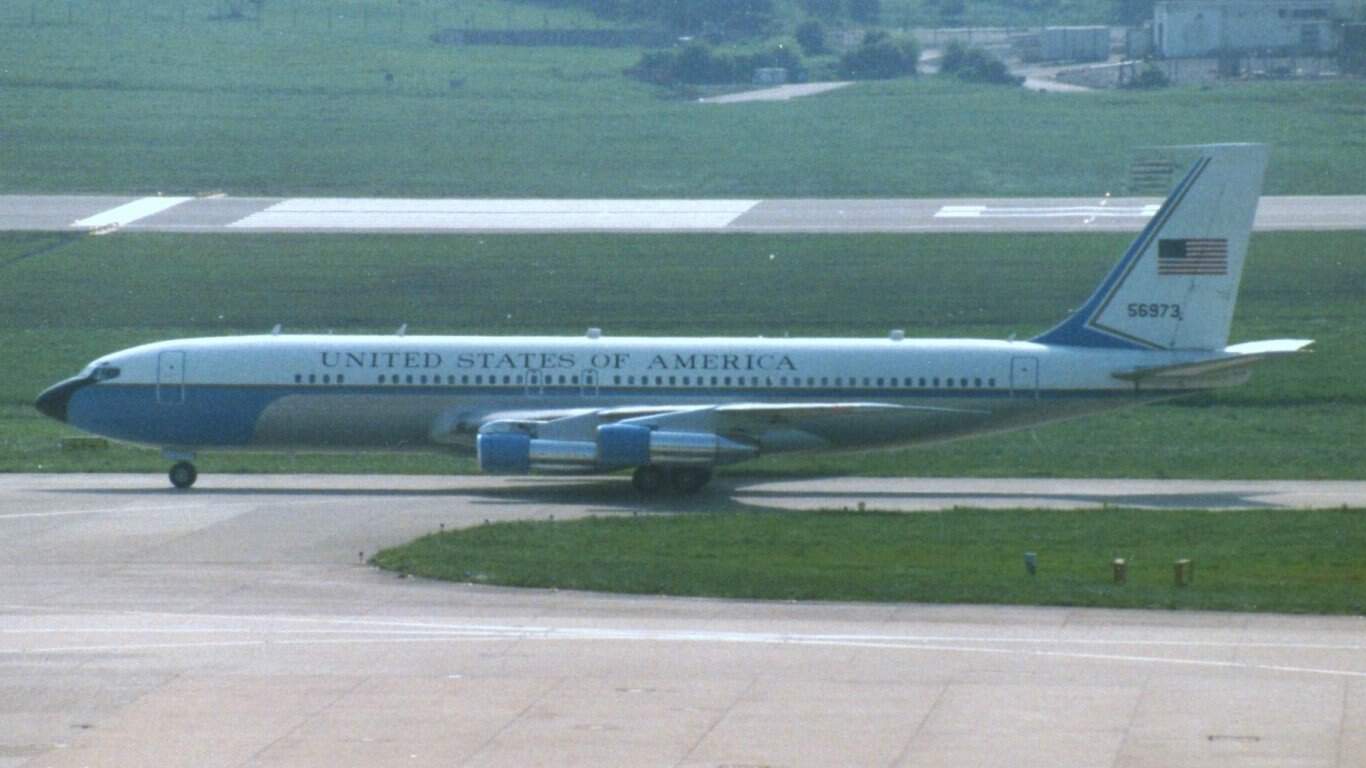
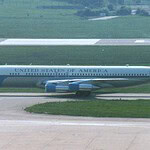
The Boeing 707 was not the world's first jet airliner. Britain's de Havilland Comet had already carried paying passengers. What the 707 did was help turn jet travel into a commercially successful global business on a much larger scale.
Pan American became the launch customer, and the 707 entered airline service in 1958. Its swept wings, four jet engines, range, and speed dramatically shortened long-distance trips compared with piston-powered airliners. The aircraft helped establish Boeing as a commercial-aircraft powerhouse while accelerating the shift toward jet-powered international travel.
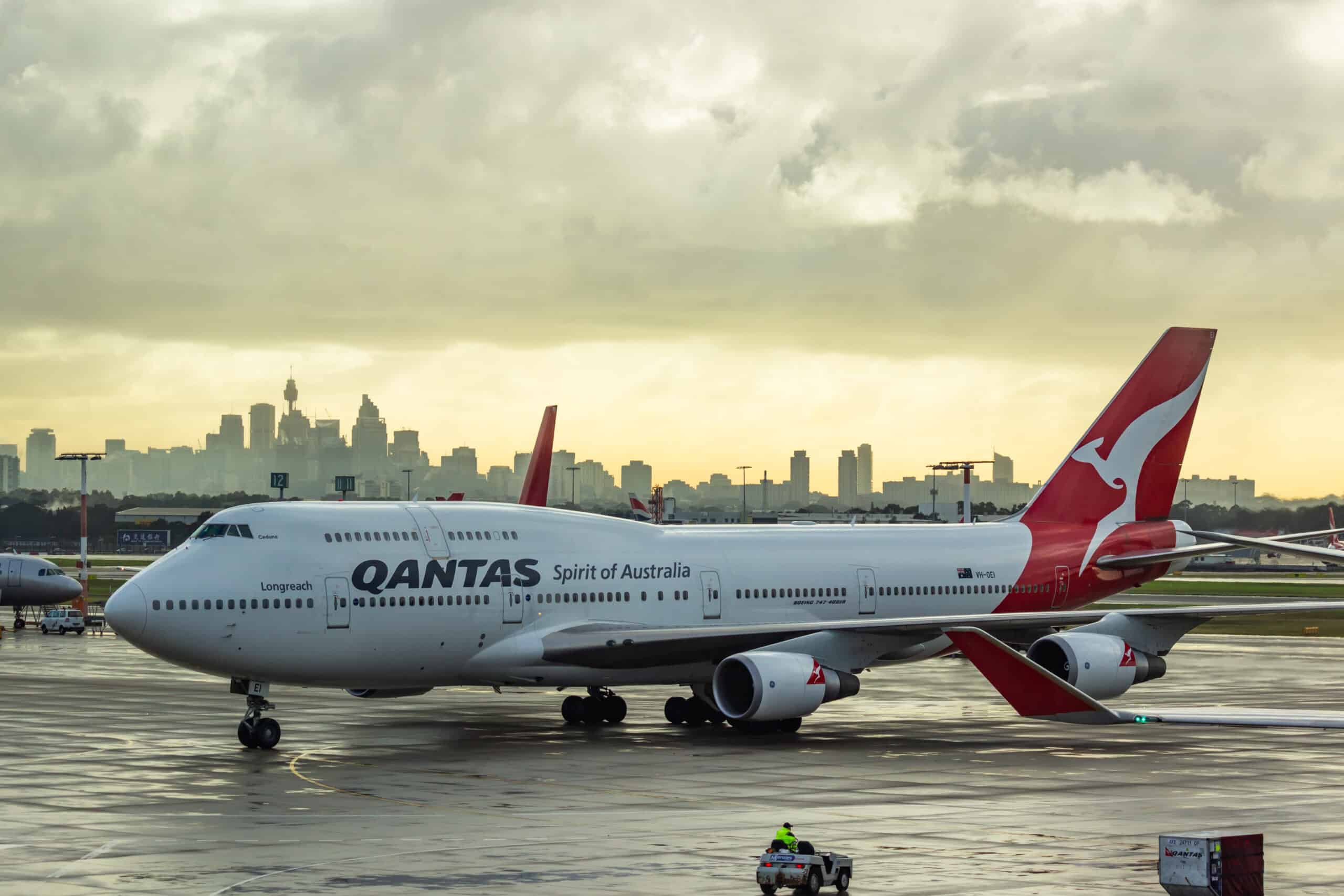
Boeing 747
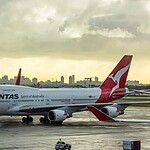
If the 707 helped establish the Jet Age, the Boeing 747 supersized it. The 747 became the world's first twin-aisle airliner and offered airlines dramatically more passenger capacity than the long-haul jets that came before it.
The first 747 entered Pan Am service between New York and London in January 1970. Its size helped lower operating costs on a per-seat basis while giving airlines the ability to move hundreds of people across oceans at once. Over the next half-century, the "Queen of the Skies" became one of aviation's most recognizable silhouettes and a symbol of mass international air travel.
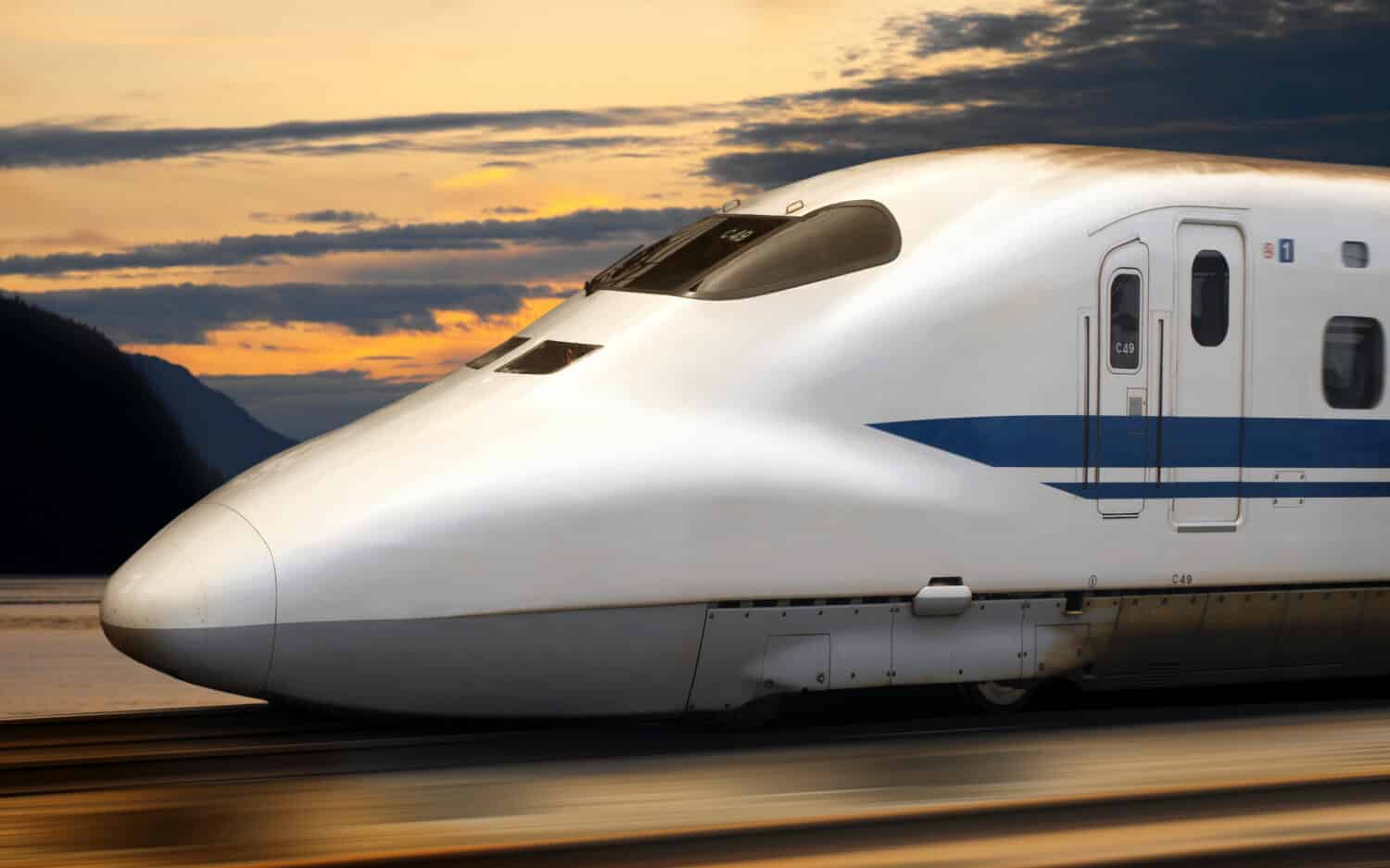
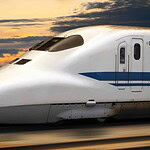
Shinkansen 0 Series
Japan's Tokaido Shinkansen began commercial service between Tokyo and Osaka on Oct. 1, 1964, introducing the world's first high-speed intercity railway system. The original 0 Series trains operated at speeds of up to 210 kilometers per hour, roughly 130 mph.
The new line cut the fastest Tokyo-to-Osaka journey to about four hours when it opened and eventually reduced it much further. More importantly, the Shinkansen demonstrated that dedicated high-speed rail could move huge numbers of passengers safely and efficiently between major cities. Japan's success became a model for high-speed rail systems around the world.
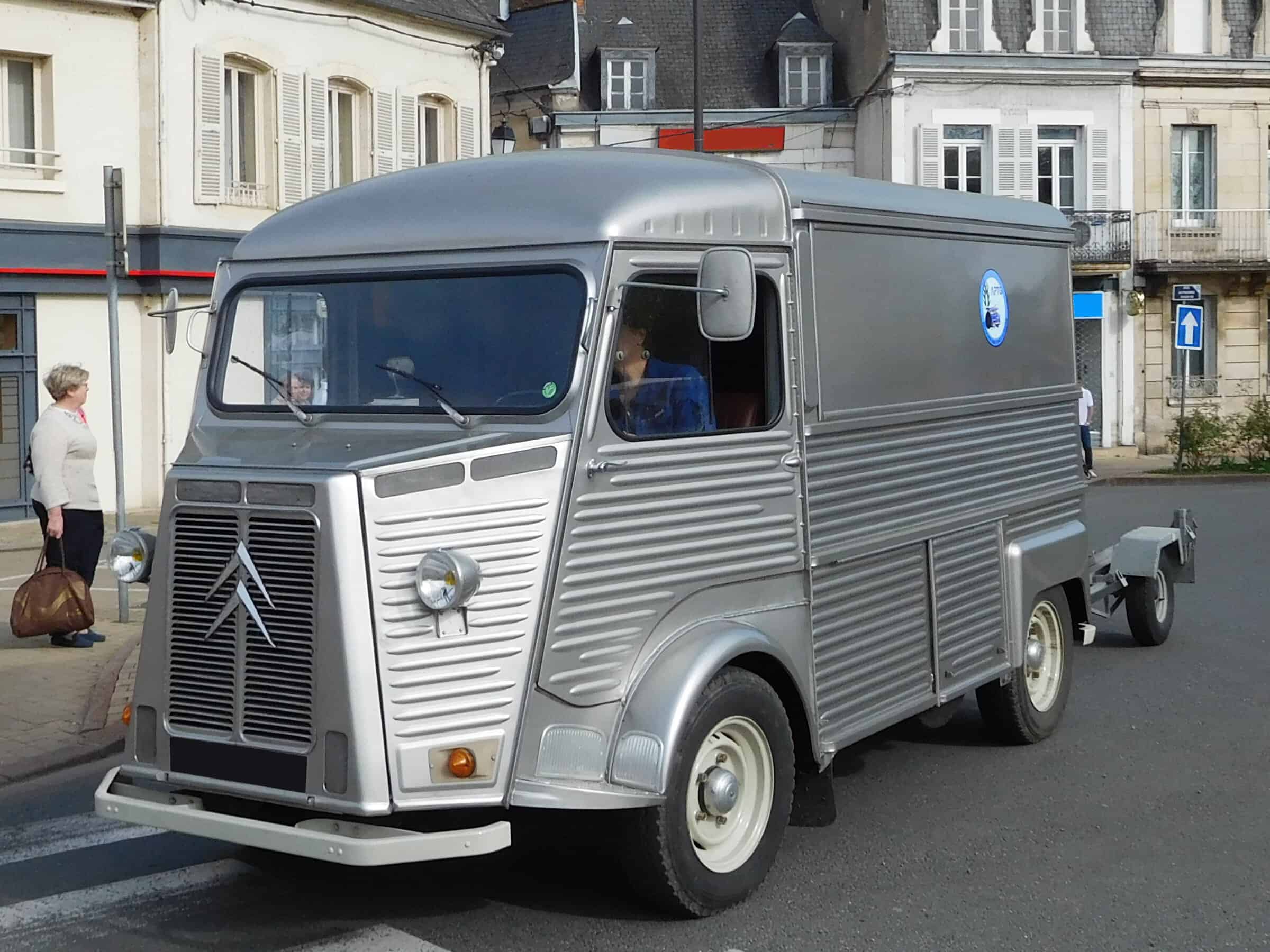
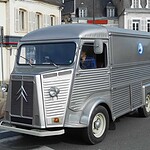
Citroën Type H
Not every transportation breakthrough was about going faster. The Citroën Type H, launched in 1947, helped rethink how a commercial van should use its available space. Its front-wheel-drive layout eliminated the need for a rear driveshaft and helped create a low loading floor with a roomy cargo area.
Citroën describes it as the first front-wheel-drive van to achieve wide circulation. Its corrugated body panels were unmistakable, but the practical layout mattered more. Type H vans became delivery vehicles, ambulances, mobile shops, work vans, and just about anything else owners could dream up. Many of the same packaging ideas remain familiar in modern commercial vans.
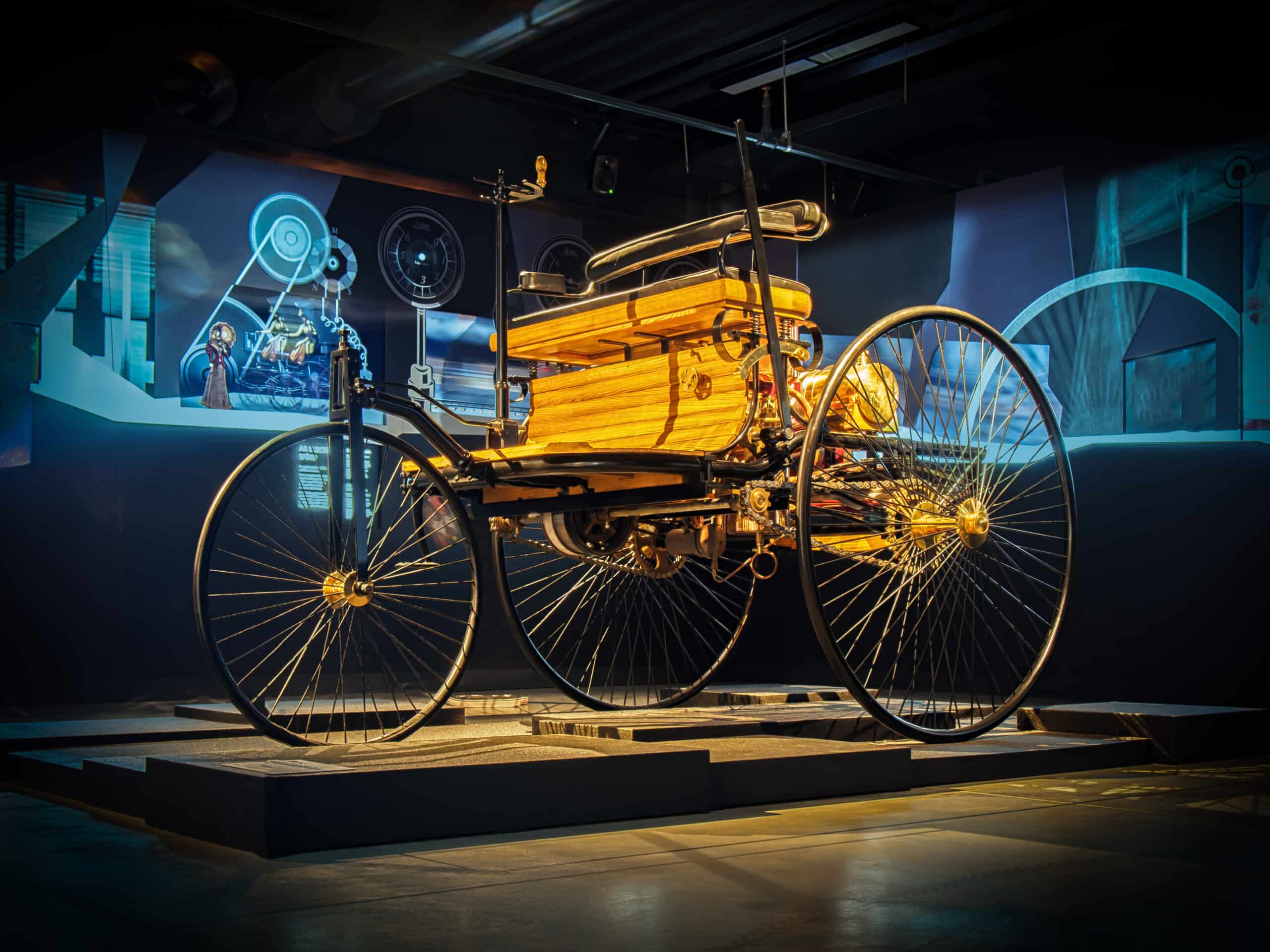
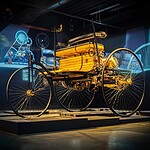
Benz Patent-Motorwagen
Carl Benz's three-wheeled Patent-Motorwagen is widely regarded as the first practical automobile designed from the beginning around an internal-combustion engine. Benz applied for his patent on Jan. 29, 1886, and publicly demonstrated the vehicle later that year.
The machine was primitive by modern standards, producing less than one horsepower, but it represented a fundamental change. This was not a horse carriage with an engine awkwardly attached afterward. Engine, chassis, transmission, and controls were conceived as parts of one motor vehicle. In 1888, Bertha Benz proved its usefulness even more dramatically with a pioneering long-distance trip from Mannheim to Pforzheim.
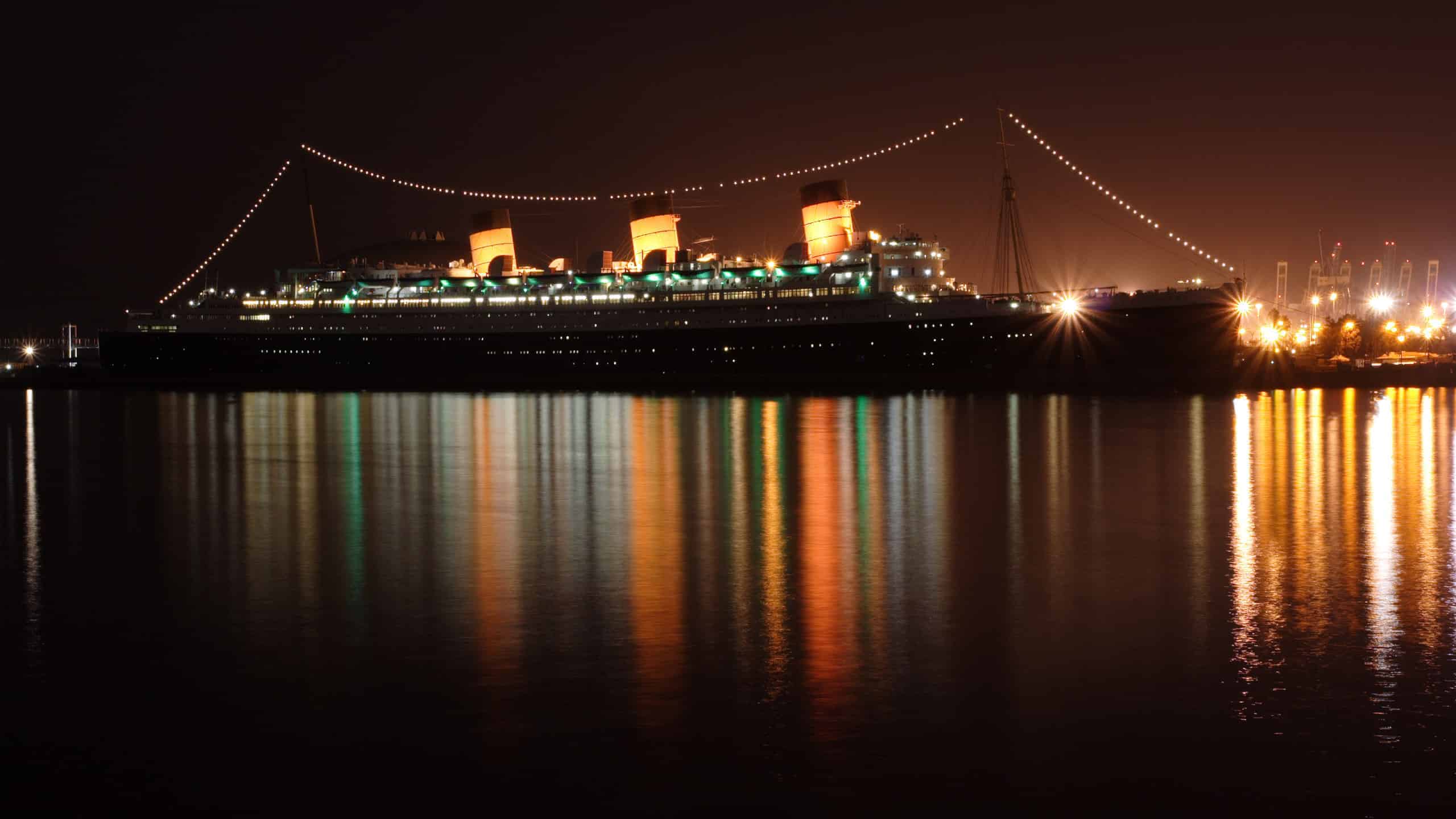
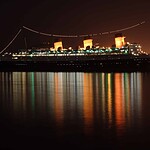
RMS Queen Mary
Before long-distance jet travel became routine, crossing the Atlantic meant boarding an ocean liner. RMS Queen Mary represented the peak of that era, combining passenger capacity, luxury, and remarkable speed when she entered service in 1936.
Queen Mary's maiden crossing from Southampton to New York took just over five days. Within months, she captured the Blue Riband for the fastest North Atlantic crossing and regained the record in 1938. During World War II, the liner was converted into a troopship before eventually returning to passenger service. She now survives permanently in Long Beach, California, as a reminder of the era when ocean liners were the primary way to cross between continents.
Liberty Ship
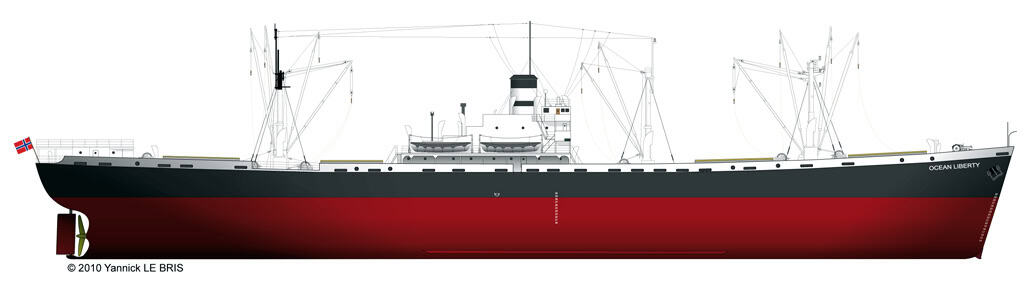
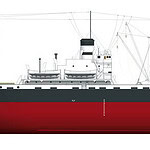
Liberty ships were born from an emergency. During World War II, the Allies needed cargo vessels faster than German U-boats could destroy shipping capacity. The United States responded with a standardized freighter designed for rapid, large-scale construction rather than elegance.
The first Liberty ship, SS Patrick Henry, was launched in September 1941. More than 2,700 were built by 18 American shipyards before the war ended. Welding, prefabricated sections, standardized designs, and enormous production runs allowed yards to turn out oceangoing ships at extraordinary speed. The program became one of history's clearest examples of industrial mass production applied to maritime transportation.
Concorde
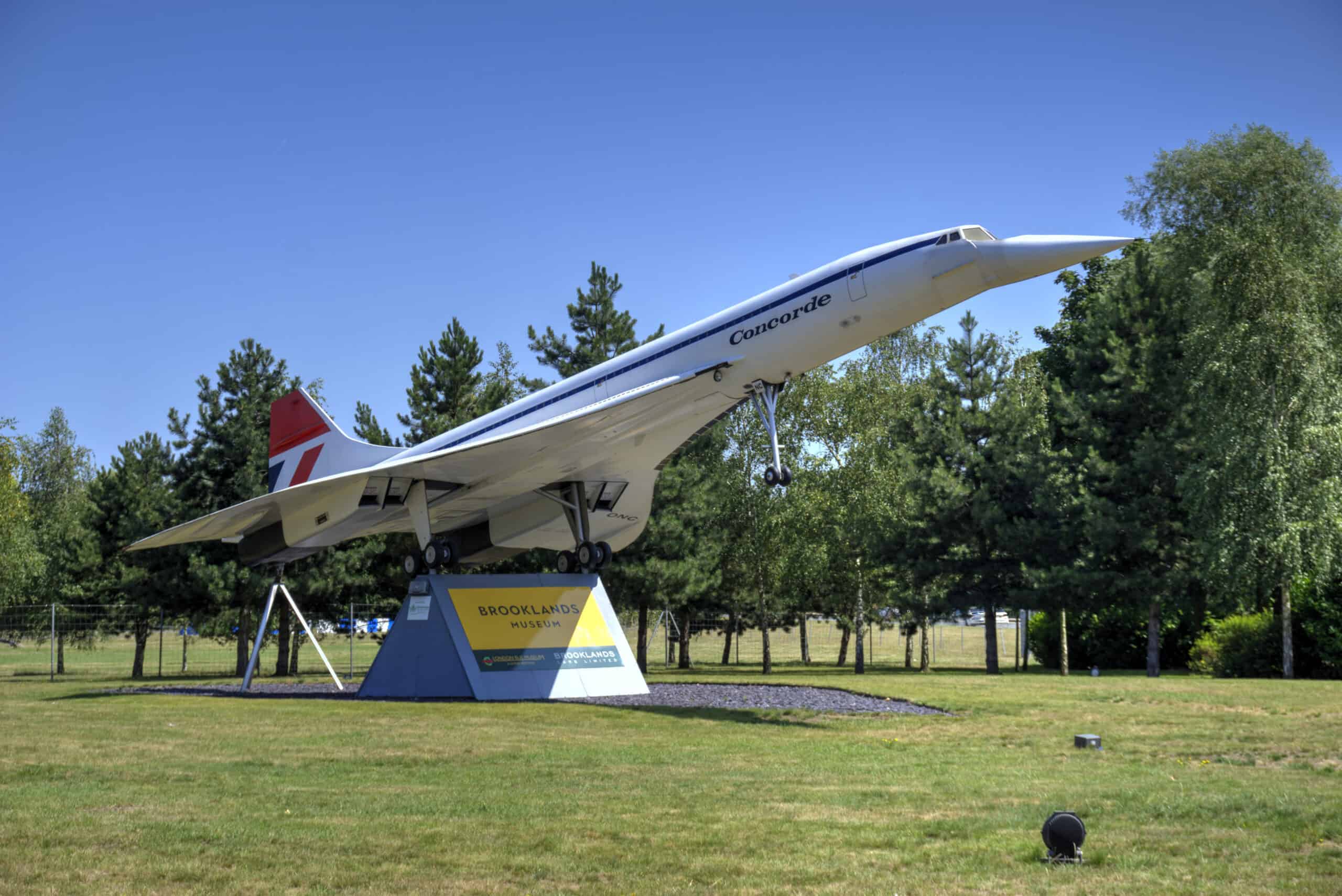
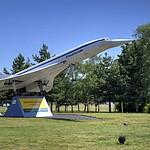
Commercial jets had already made the world smaller when Britain and France decided to make it faster still. Concorde entered scheduled passenger service with British Airways and Air France in January 1976 and cruised at roughly Mach 2, more than twice the speed of sound.
A typical British Airways flight between London and New York took a little less than three and a half hours instead of roughly eight hours aboard a conventional subsonic airliner. The problem was cost. Concorde carried only around 100 passengers, burned enormous amounts of fuel, and charged fares that kept it firmly in the luxury category. Service ended in 2003, but no other supersonic passenger airliner has matched its long commercial career.
Toyota Corolla
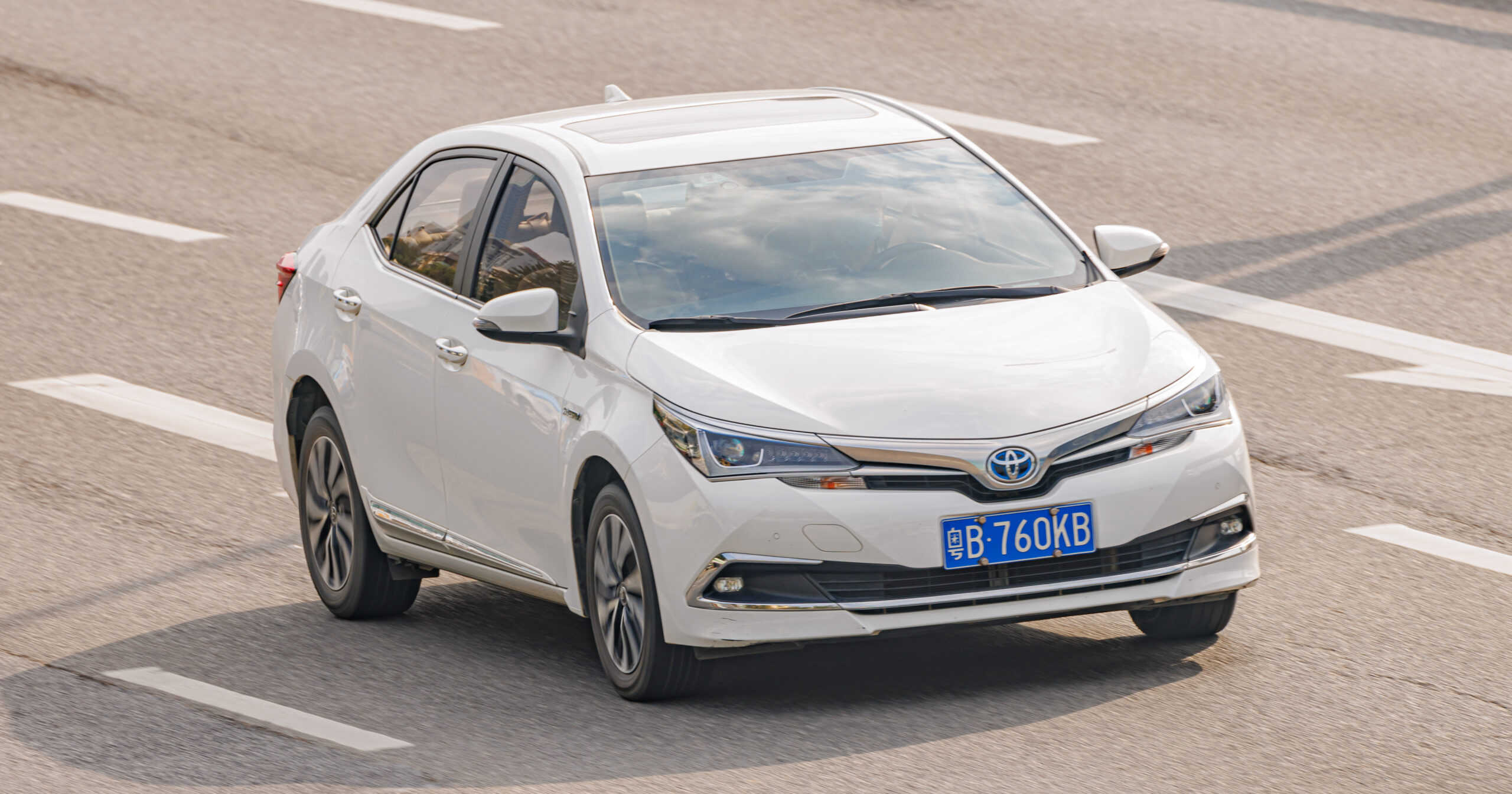
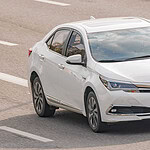
The Toyota Corolla changed transportation without introducing some revolutionary new engine or radical body design. Its impact came from doing something less glamorous extremely well: providing practical, dependable transportation to enormous numbers of people.
Toyota introduced the first Corolla in Japan in 1966. The car soon expanded into markets around the world and developed a reputation for affordability, efficiency, and reliability. By July 2021, Toyota reported cumulative Corolla-series sales of 50 million vehicles in more than 150 countries and regions. Sometimes changing transportation is not about inventing something new. It is about making something useful available almost everywhere.
Jeep CJ Series
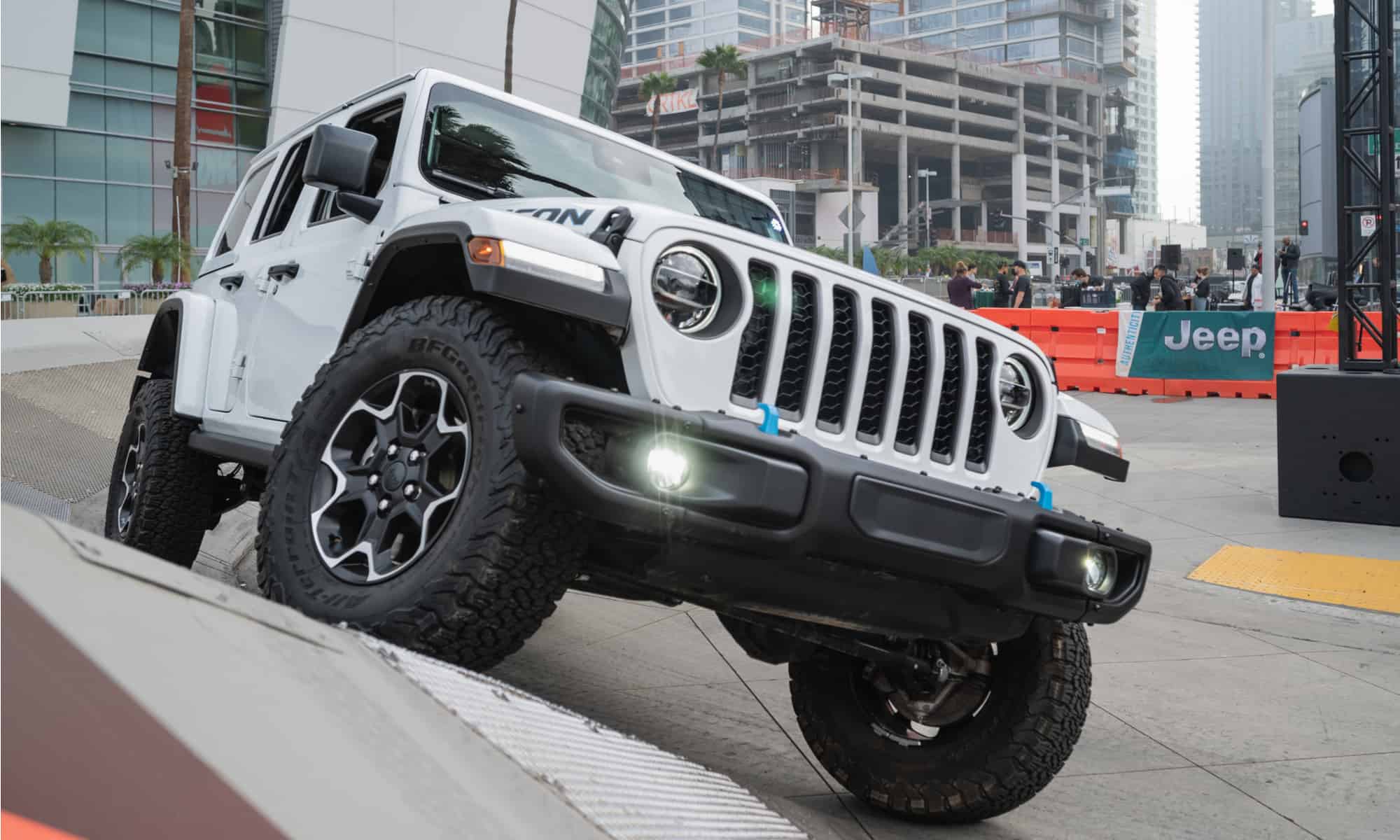
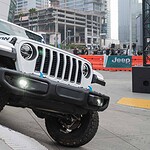
The civilian Jeep grew directly out of the rugged Willys MB that served Allied forces during World War II. In 1945, Willys-Overland introduced the CJ-2A, with "CJ" standing for Civilian Jeep. It adapted the military vehicle's compact size and four-wheel-drive capability for farmers, industrial users, and ordinary drivers.
Willys marketed the CJ-2A almost as a motorized replacement for a farm workhorse. Owners could fit it with implements and use its power take-off system to operate equipment in addition to driving it on and off roads. Later CJ models helped establish the basic template for civilian four-wheel-drive utility vehicles and eventually the recreational SUV market.
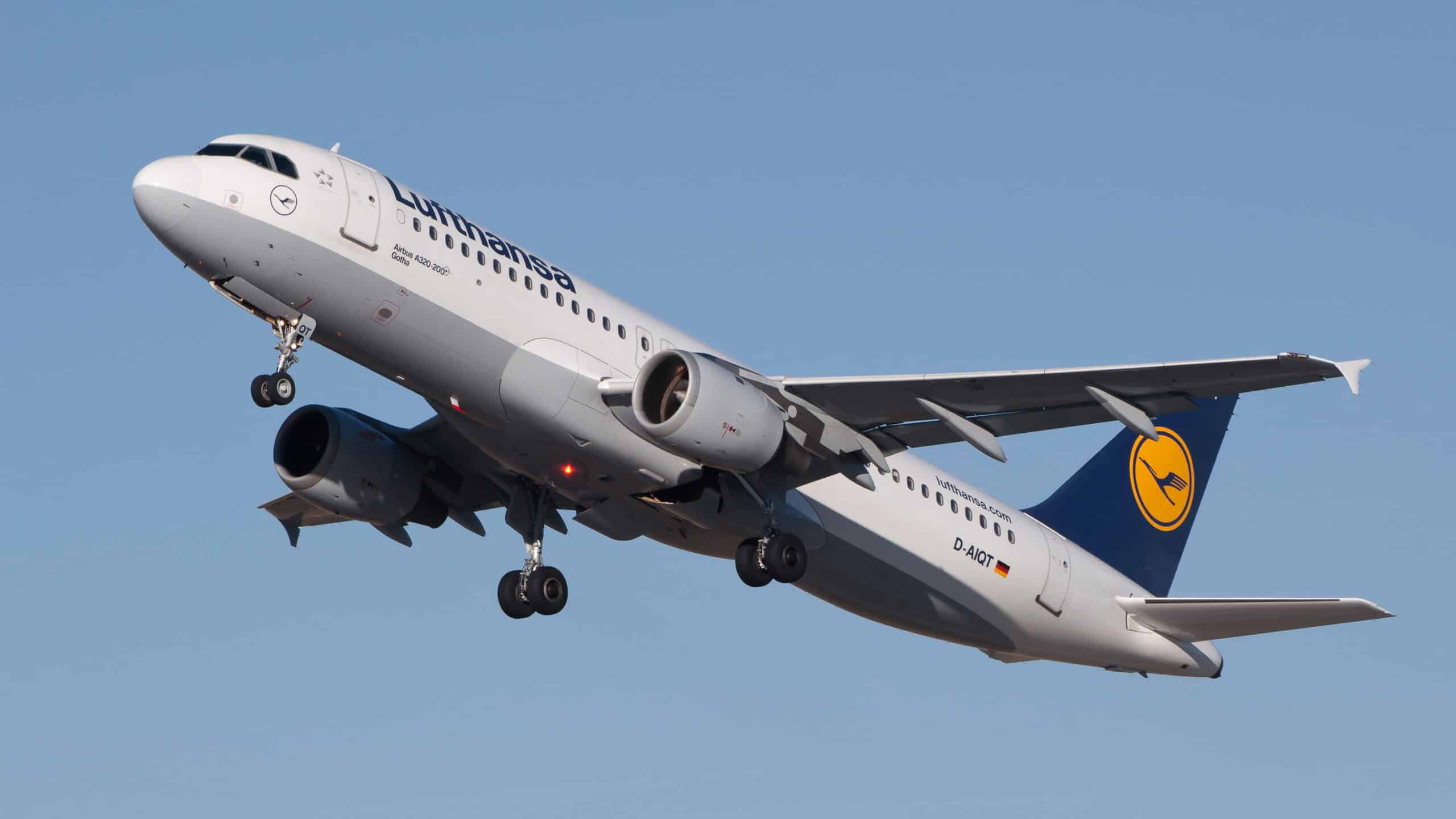
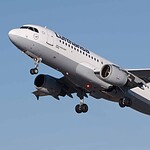
Airbus A320
When the Airbus A320 entered service in 1988, one of its most important innovations was largely invisible to passengers. The A320 became the first commercial airliner to use a full digital fly-by-wire flight-control system, replacing many traditional mechanical control linkages with electronic commands.
The aircraft also introduced sidestick controllers and a cockpit philosophy that Airbus would extend across later models. That commonality made it easier for airlines to train crews across different Airbus aircraft. The A320 family went on to become one of the most successful commercial-aircraft programs ever built, while digital fly-by-wire became standard technology across modern airliners.
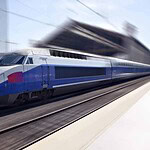
TGV Sud-Est
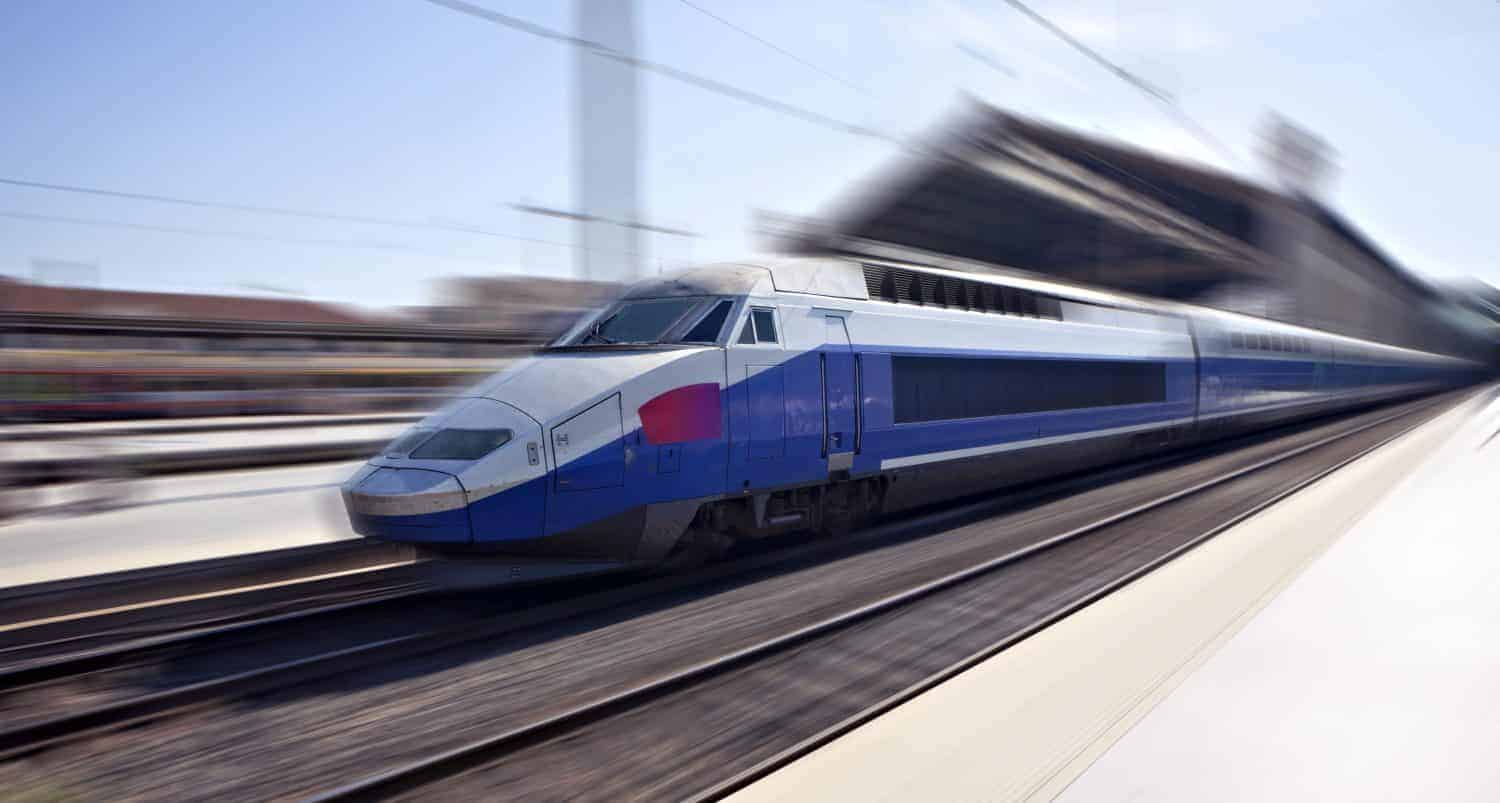
Japan proved high-speed rail could work on a national scale. France showed that the idea could spread successfully to Europe. TGV Sud-Est entered commercial service between Paris and Lyon on Sept. 27, 1981, running at up to 270 kilometers per hour in regular service.
The trains offered a fast city-center-to-city-center alternative to driving or flying on one of France's busiest transportation corridors. The system's success encouraged France to build additional high-speed lines and influenced similar projects elsewhere in Europe. Today's enormous European high-speed network owes plenty to the orange TGV trains that began carrying passengers in 1981.
Ideal X
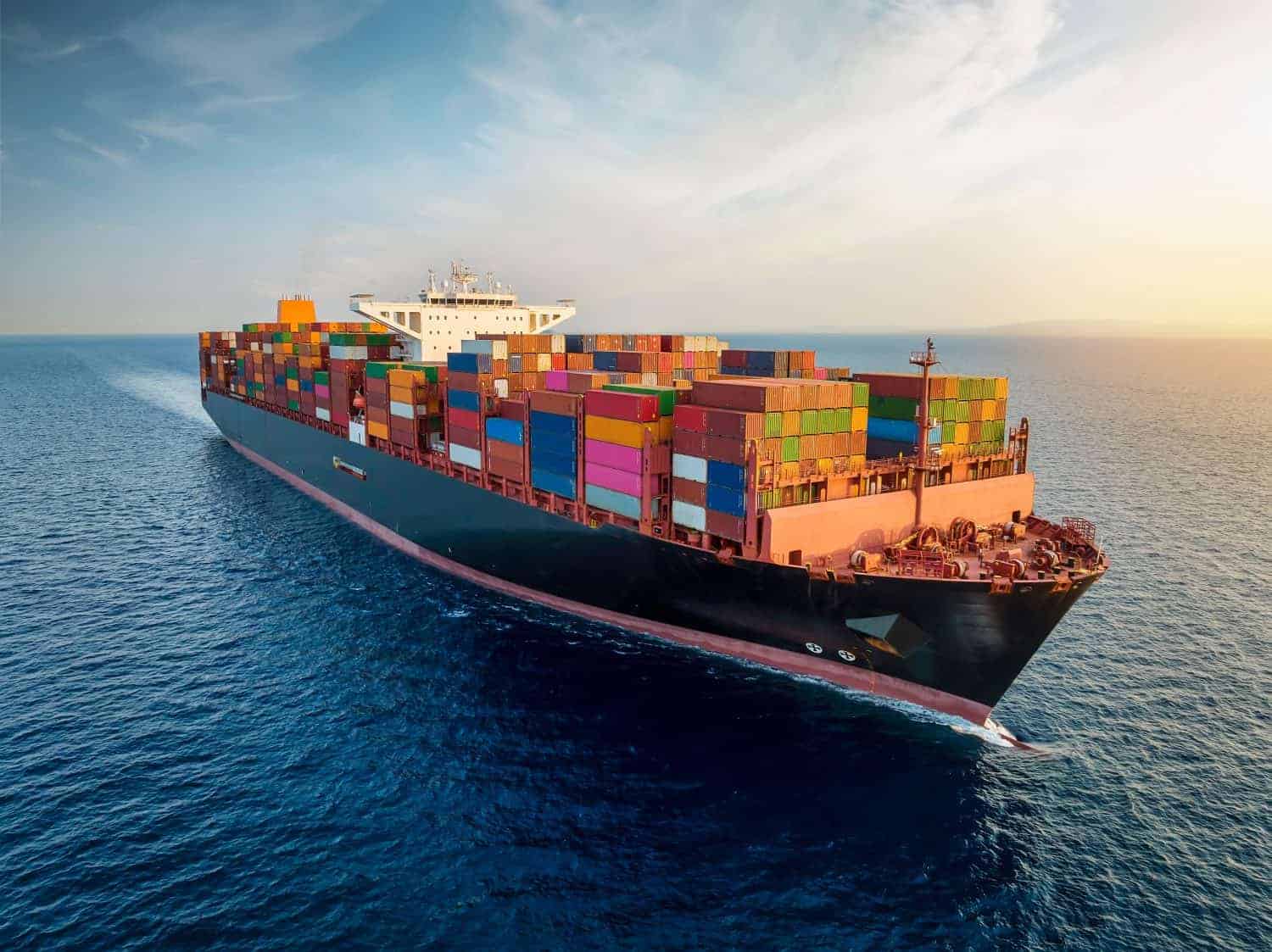
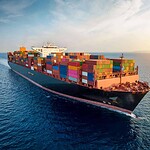
Ideal X may be the least recognizable name on this list, but the transportation system it helped launch is almost impossible to overstate. Trucking entrepreneur Malcom McLean converted the former tanker to carry truck-sized cargo containers and sent it from New Jersey to Texas in 1956 with 58 containers on deck.
Before modern containerization, much of a ship's cargo had to be loaded and unloaded piece by piece. Standard containers could instead move between trucks, trains, and ships with far less handling. That cut labor, time, damage, and shipping costs dramatically. The basic system demonstrated by Ideal X ultimately reshaped ports, manufacturing, supply chains, and global trade itself.
Tesla Model S
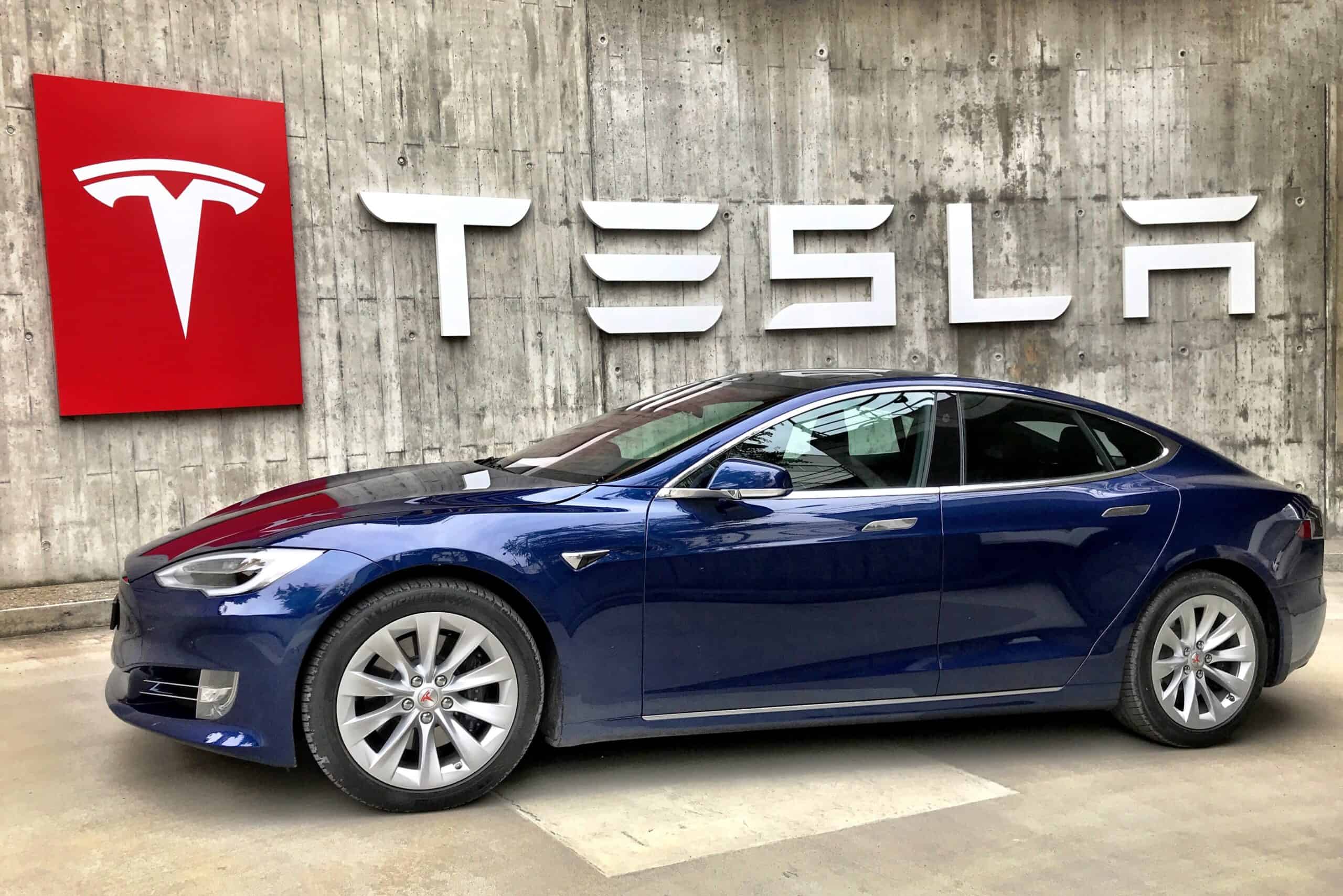
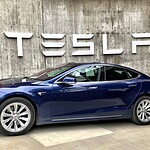
Electric cars existed more than a century before the Tesla Model S, and modern EVs including the Nissan Leaf were already on sale when Tesla began delivering its sedan in 2012. What the Model S did differently was combine electric propulsion with the range, acceleration, size, and luxury-car positioning that buyers associated with premium gasoline vehicles.
The original 85-kWh version received an EPA-rated range of 265 miles, a major number at a time when many modern EVs struggled to approach 100. The Model S also leaned heavily into large touchscreen controls, software updates, and high-performance versions. It did not invent the electric car, but it helped reset expectations for what an EV could be and pushed established automakers to take battery-powered vehicles much more seriously.