Car manufacturers try to separate themselves from the pack by incorporating unique features. But sometimes those features are so unusual they actually confuse drivers instead of attracting them. Some are failed attempts at convenience, others are odd safety elements, and a few are simple marketing gimmicks. While many of these features didn’t last long due to their lack of popularity, they’ve become memorable in the auto industry. Some seemed like great ideas in theory but were impractical in everyday driving, while others were simply too strange to be liked by the masses. Here are eight of the weirdest features ever installed in cars.
1. Retractable Hardtop with Hidden Trunk
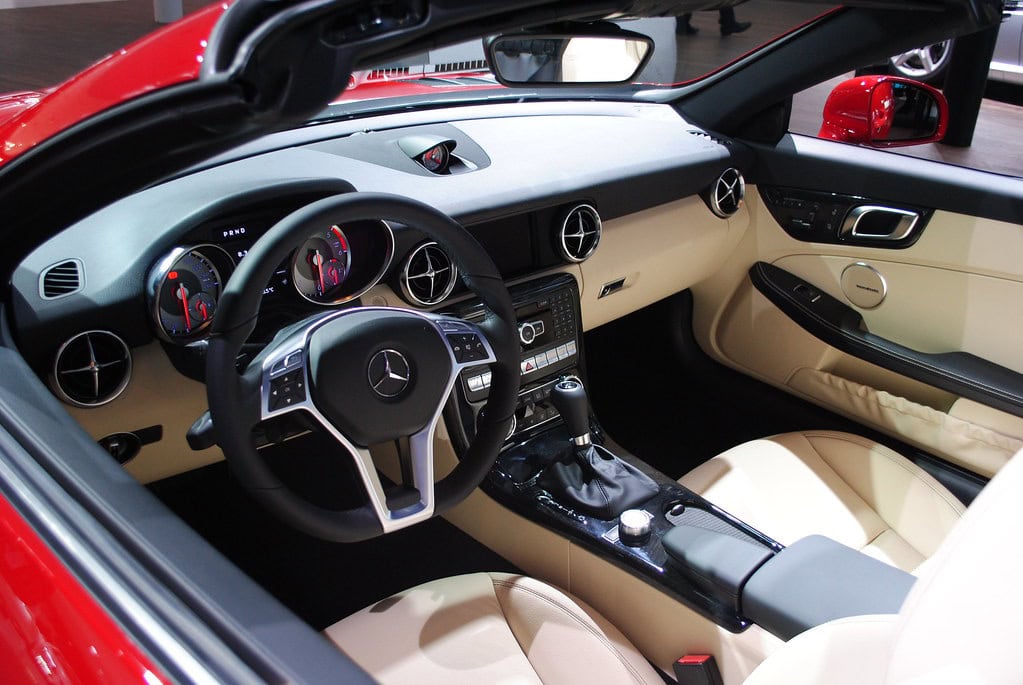
The Mercedes-Benz SLK had a folding hardtop that turned the convertible into a coupe at the push of a button. While practical in theory, the mechanism that led to the transformation was super complex. Because the trunk space had to be used to accommodate the roof, drivers had to deal with reduced cargo space. Drivers found it nerve-wracking, as one error in function could ruin both the roof and the trunk. It was actually a remarkable engineering feat, but most people weren’t in the market for a moving trunk.
2. Infrared Night Vision

Cadillac introduced an infrared night vision system in the early 2000s. While it sounds more necessary in a fictional spaceship than a real vehicle, the feature was meant to be practical, allowing drivers to better “see” pedestrians and animals at night. And Cadillac wasn’t alone; BMW and Mercedes later experimented with similar systems. The feature worked by projecting an image onto the dashboard display. While cutting-edge in terms of technology use, it was expensive to install. Additionally, drivers found the image hard to interpret in real-life conditions. It eventually lost its allure and disappeared from most vehicles. The futuristic method of seeing in the dark was simply impractical.
3. Dashboard-Mounted Compass

The Pontiac Aztek was already well known for its controversial design, even before the exceptionally odd car displayed a dashboard-mounted compass. This was pre iPhone, so the feature was intended to help drivers navigate. However, the compass was so huge and prominent that it almost looked laughable inside the car. Many owners found it unnecessary, given that most people weren’t used to using maps and basic GPS devices were already on the market. This oddly placed device contributed to the Aztek’s already- bizarre interior.
4. Pop-Out Headlights

Several sports cars in the 1980s, including the Mazda RX-7 and Toyota Supra, had pop-up headlights. While meant to be new and cool, the mechanical design wasn’t great and the lights frequently got stuck mid-pop. If drivers couldn’t get full use of their half-retracted headlights, safety was reduced. Despite all the hiccups, the feature became iconic of 80s era sports cars. Even today, car enthusiasts consider them one of the coolest and most nostalgic features ever installed on a production car. In our book, they are both futuristic and ultra stylish.
5. Built-in Ashtrays with Cigarette Lighters
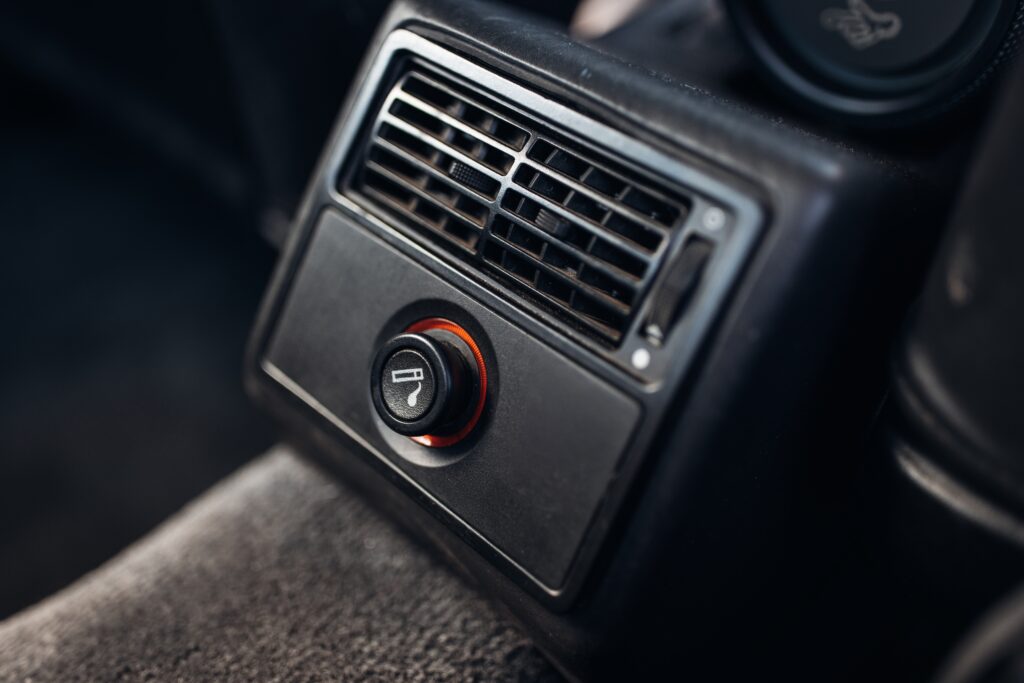
This feature wasn’t tied to a specific model so much as an entire era. From the 1950s through the 1990s, almost every car came with multiple ashtrays and cigarette lighters, sometimes in impractical locations. Some were installed in rear seats, door panels, and even glove compartments. While intended for convenience, the sheer number of lighters and odd placement confused passengers. Still, the now-obsolete feature is a crazy reminder of how many people smoked during those decades.
6. Headrest-Mounted Speakers
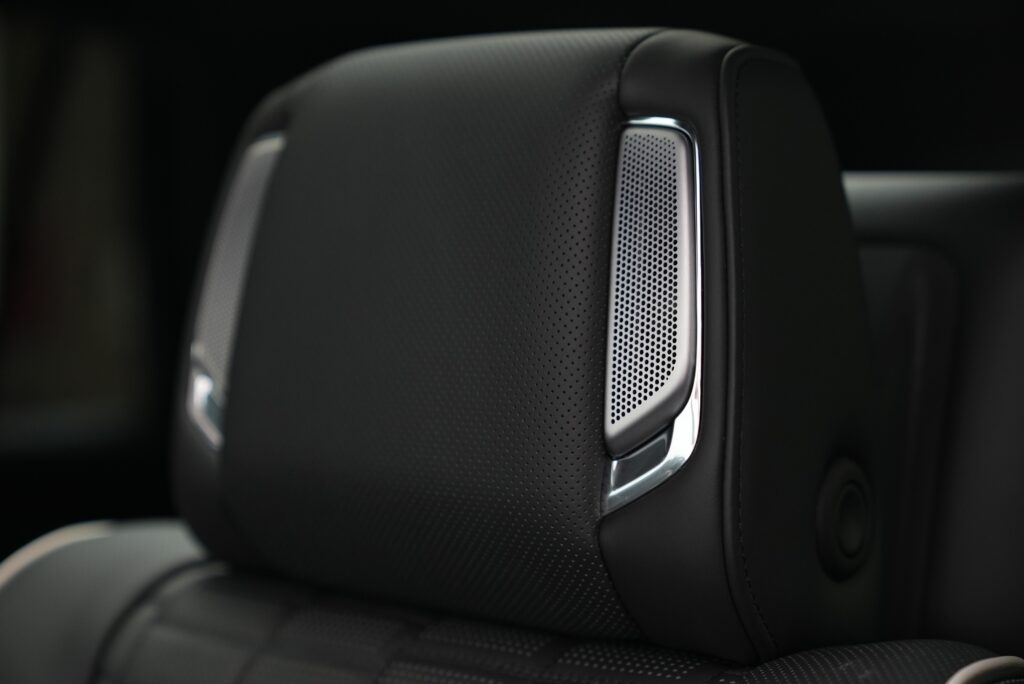
BMW experimented with speakers installed directly in the headrest. They were meant to deliver audio to specific passengers without disturbing anyone else in the car. The technology seemed innovative at the time, but it was more awkward than functional, as it required exact alignment for the intended sound. Even when it worked, customers thought the sound quality was odd. Though clever, the audio feature never became mainstream. However, luxury manufacturers have since perfected the speakers, including them in several high-end models.
7. Rear-Facing Seats
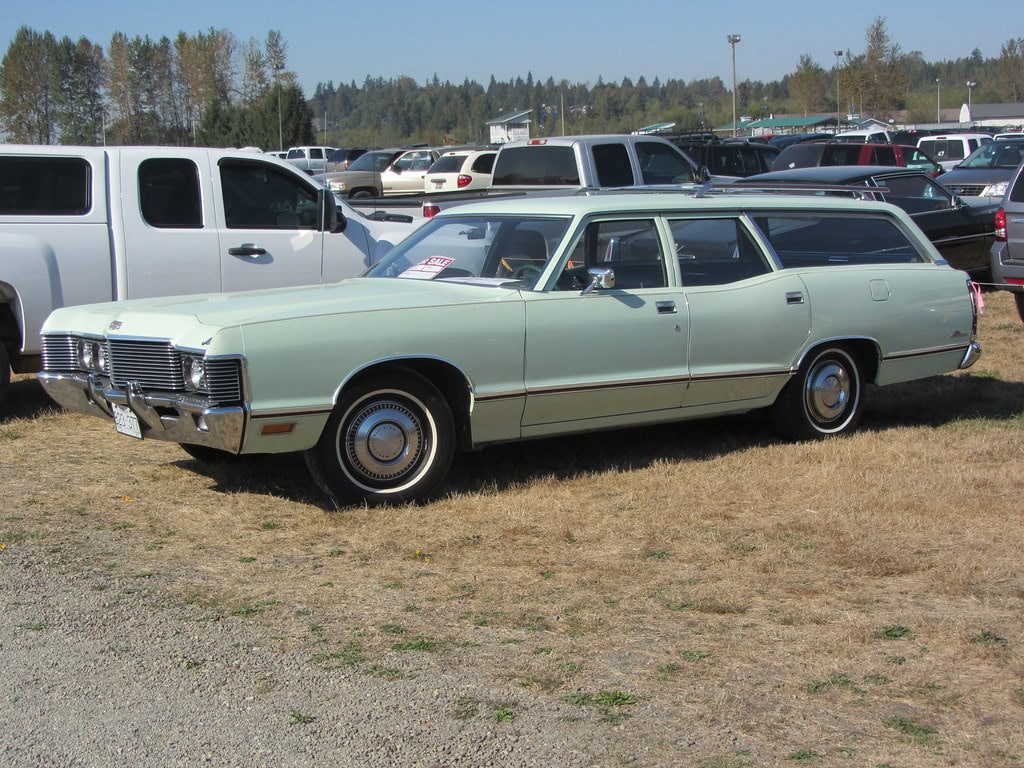
Those of a certain era will remember the “special” seat in the back of station wagons that faced the opposite direction. Known as the rear-facing third-row seat, it was one of the strangest seating arrangements ever installed in a vehicle. Passengers sitting in these seats looked directly out the back window rather than facing ahead. The arrangement was designed to maximize passenger capacity, but it actually maximized awkwardness. Though children thought the backward-facing view was fun, many adults found it induced motion sickness. The feature became an iconic part of old-school family station wagons.
8. Digital Speedometers
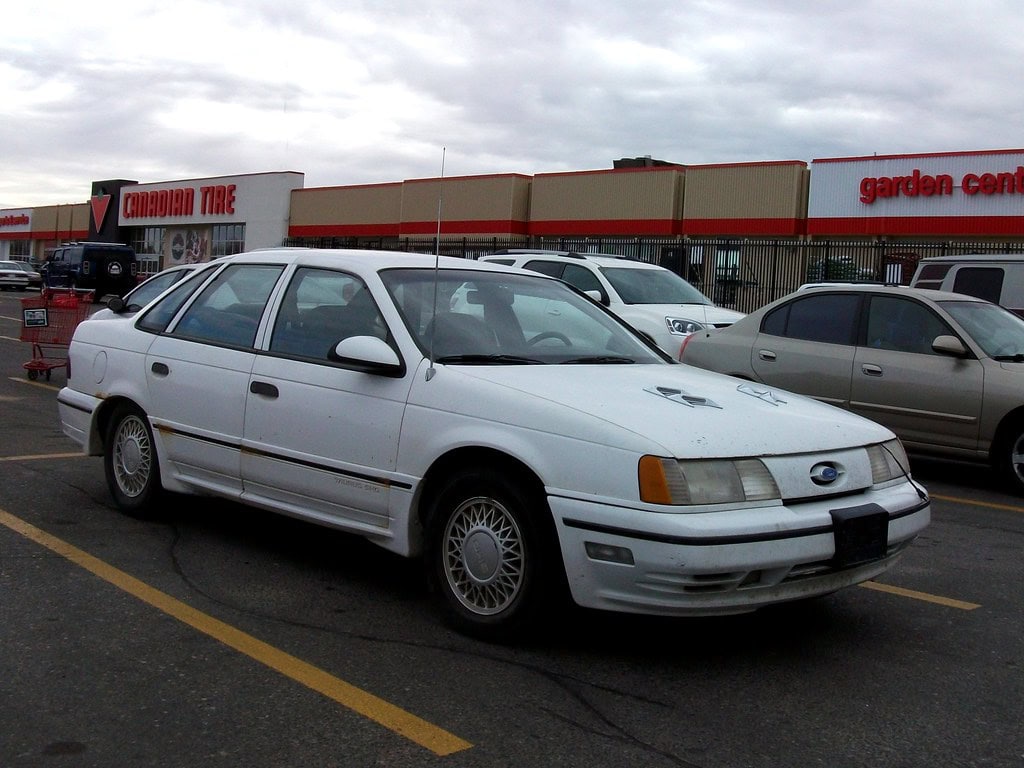
Cars like the Ford Taurus and Chevrolet Corvette began involving digital speedometers. These early devices were not as clear as the digital displays used today; they were actually quite distracting. Drivers had difficulty reading them fast while on the road, especially while driving at night when they shone far too brightly. Some even claimed the devices caused headaches or dizziness. Manufacturers soon realized that customers preferred basic analog gauges.