IMDB

Courtesy of Warner Bros.

Courtesy of Embassy Pictures

Courtesy of Universal Pictures

Courtesy of TriStar Pictures
Courtesy of Universal Pictures
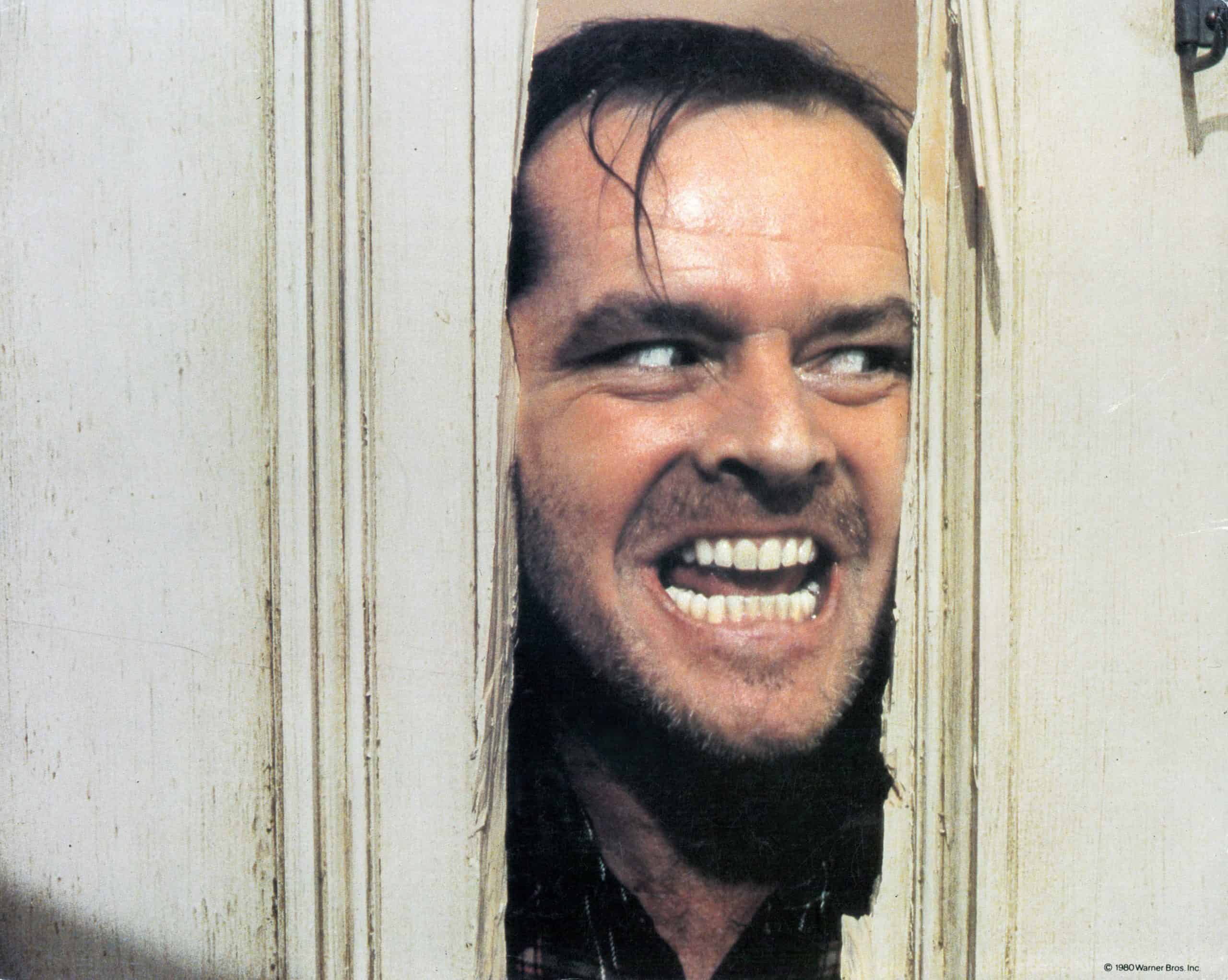
Photo by Warner Brothers/Getty Images
Courtesy of Fox Searchlight Pictures

Courtesy of Twentieth Century Fox
Courtesy of Warner Bros.
Courtesy of Twentieth Century Fox
Courtesy of Metro-Goldwyn-Mayer (MGM)
IMDB
Courtesy of Columbia Pictures
Courtesy of Universal Pictures
Courtesy of Lionsgate Films
MusicBoxTheater










16 Famous Movie Endings People Still Can't Agree On
Some movies wrap everything up nicely before the credits roll. Others leave you staring at the television, wondering what on earth you just watched. Before you know it, you're reading fan theories, rewatching scenes, and questioning details that seemed completely insignificant the first time around.
Sometimes, filmmakers deliberately leave a character's fate unresolved. Other times, the events themselves are perfectly clear, but their meaning is considerably more complicated. In a few cases, even the people responsible for making the movie have offered different interpretations.
From spinning tops and mysterious photographs to questionable realities and unfinished conversations, these are some of the most famously debated endings in movie history. Naturally, there are plenty of spoilers ahead.
"Inception" (2010)
Christopher Nolan managed to turn a spinning top into one of the most debated objects in modern cinema. After finally returning home to his children, Leonardo DiCaprio's Cobb spins the top to determine whether he's still dreaming. It begins to wobble just before the screen cuts to black.
Viewers have scrutinized everything from Cobb's wedding ring to his children's appearances in an effort to determine whether he made it back to reality. Nolan, however, has emphasized that Cobb's decision to walk away from the top is the emotional point of the scene. Whether the top eventually falls apparently matters considerably more to us than it does to Cobb.
"The Graduate" (1967)
Benjamin Braddock's dramatic interruption of Elaine's wedding initially feels like the triumphant conclusion to a romantic comedy. The two escape aboard a bus, laughing and enjoying the exhilaration of what they've just accomplished. Then their smiles gradually disappear.
Director Mike Nichols allowed the camera to continue rolling, capturing an increasingly uncomfortable silence between Dustin Hoffman and Katharine Ross. According to screenwriter Buck Henry, some of that uncertainty arose naturally as the actors waited for the scene to end. Have Benjamin and Elaine made a terrible mistake, or are they simply processing the enormity of their decision? Nearly six decades later, that bus ride remains remarkably relatable.
"The Thing" (1982)
John Carpenter's Antarctic horror classic concludes with MacReady and Childs sitting among the burning remains of their research station. Neither man can entirely trust the other, and their chances of surviving the freezing temperatures appear increasingly slim.
Fans have spent decades analyzing everything from visible breath to lighting, clothing, and the contents of a bottle MacReady hands to Childs. Unfortunately for amateur detectives, the film never definitively establishes whether either survivor has been assimilated by the alien. The uncertainty is precisely what makes the ending so effective. Even after the research station has been destroyed, the threat may not be gone.
"Total Recall" (1990)
Before Arnold Schwarzenegger's Douglas Quaid embarks on his increasingly ridiculous adventure on Mars, he visits a company that specializes in implanting artificial memories. Conveniently enough, the vacation package he selects involves becoming a secret agent on the Red Planet.
Much of what follows resembles the experience he originally purchased, right down to certain characters and situations. Director Paul Verhoeven deliberately constructed the film so that both a genuine adventure and an implanted fantasy remained plausible. Even the triumphant conclusion offers little certainty. Quaid himself wonders whether he's still dreaming, which is probably the same question audiences were asking on their way out of the theater.
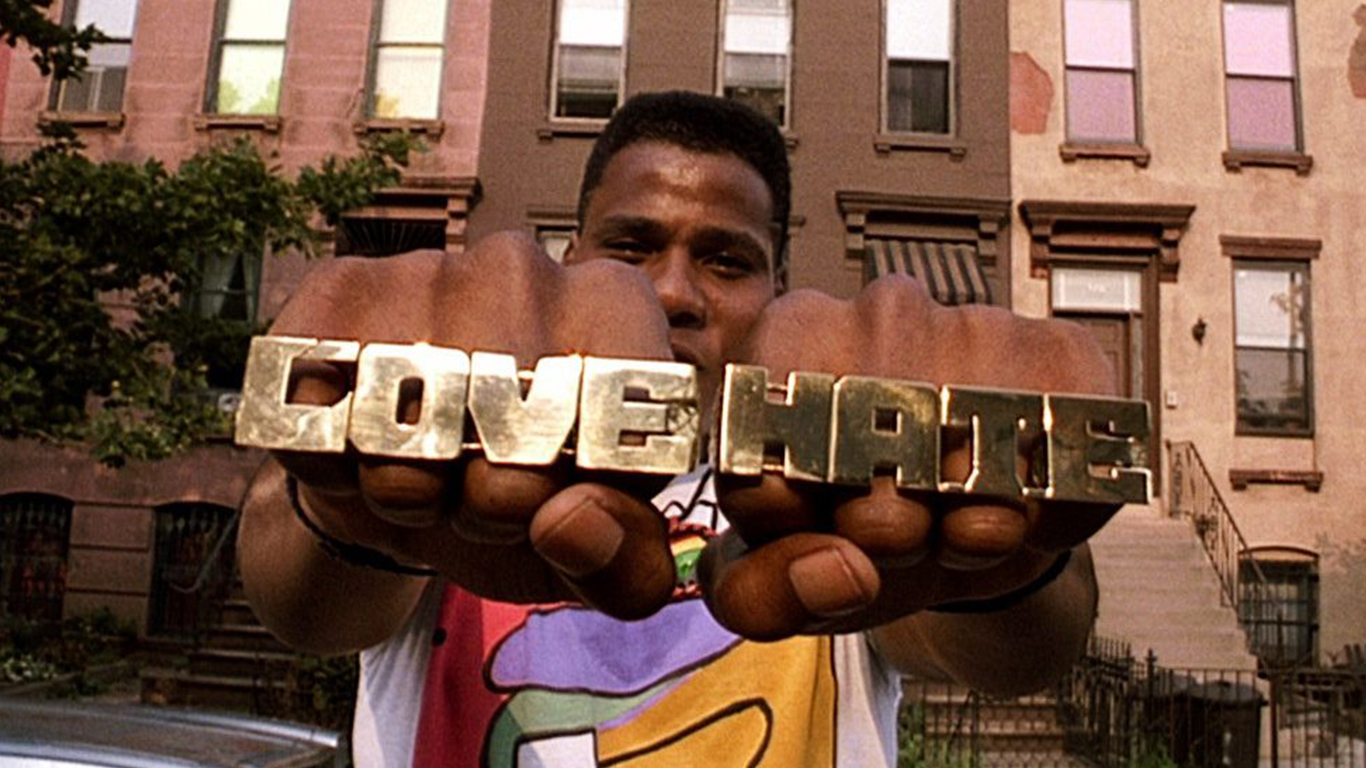
"Do the Right Thing" (1989)
Spike Lee's depiction of racial tensions on a sweltering Brooklyn summer day culminates in the death of Radio Raheem at the hands of police. Mookie subsequently throws a garbage can through the window of Sal's pizzeria, and the situation erupts into chaos.
Unlike many films on this list, there's little ambiguity surrounding what actually happened. The debate concerns the characters' decisions, their motivations, and the circumstances that led to the confrontation. Lee concludes the film with contrasting quotations from Martin Luther King Jr. and Malcolm X concerning violence and self-defense. The ending forces viewers to confront the very question posed by the movie's title.
"The Shining" (1980)
After Jack Torrance freezes to death outside the Overlook Hotel, Stanley Kubrick delivers one final unsettling revelation. The camera slowly approaches a photograph of a Fourth of July celebration held at the hotel in 1921. Standing among the guests is a smiling Jack Torrance.
In an interview with film critic Michel Ciment, Kubrick suggested that Jack was the reincarnation of someone previously associated with the hotel. Other viewers believe the Overlook absorbed Jack into its supernatural history. The film never establishes the precise mechanics behind the photograph, leaving audiences wondering whether Jack was destined to return to the hotel long before his family arrived.
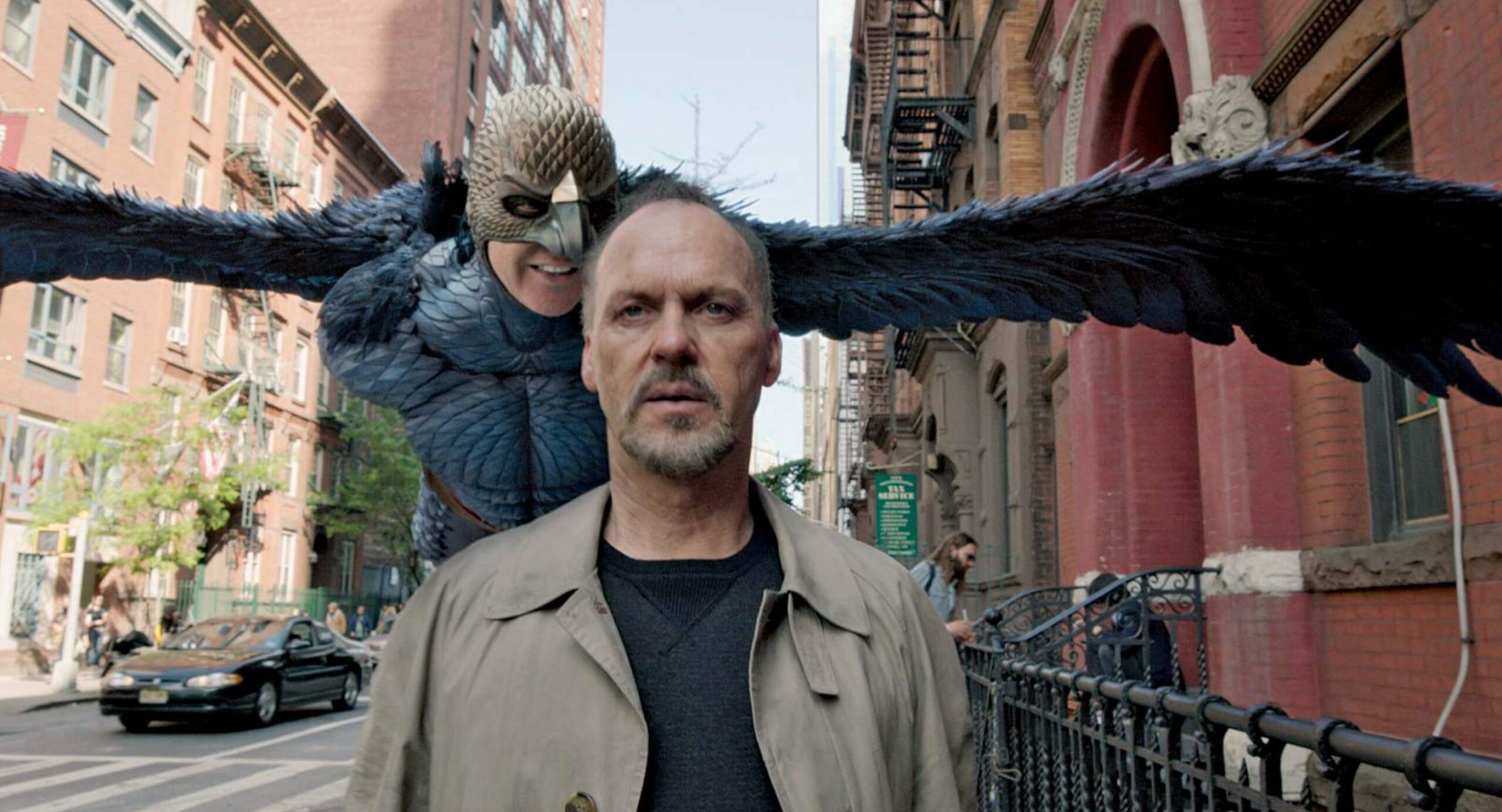
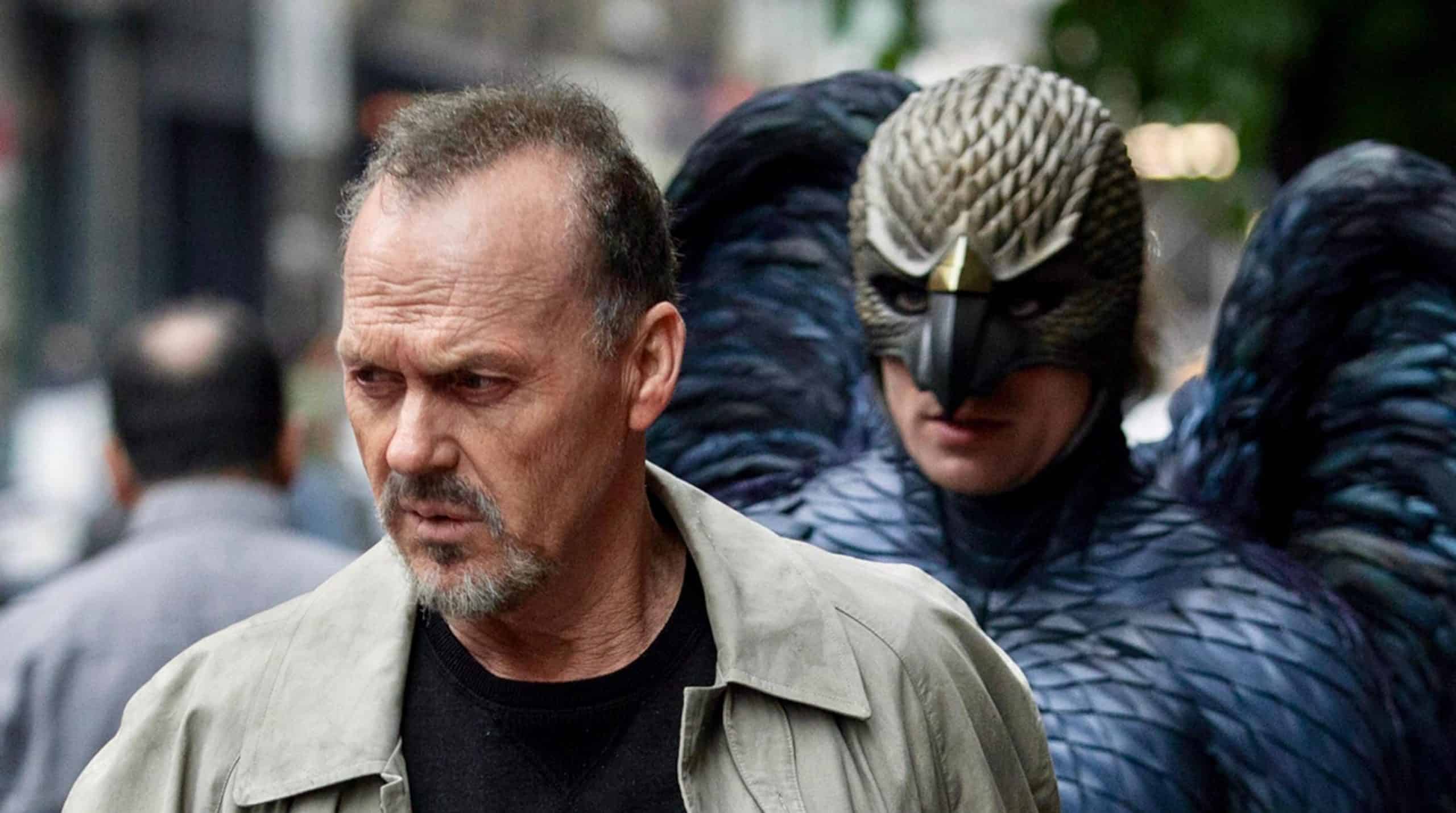
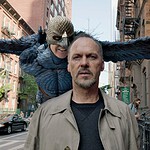
"Birdman" (2014)
Michael Keaton's Riggan Thomson spends much of "Birdman" struggling to separate his identity from the superhero character that made him famous. Throughout the movie, his apparent supernatural abilities blur the distinction between reality and imagination.
In the final scene, Riggan's daughter enters his hospital room and discovers that he's missing. She approaches an open window, looks down, then looks toward the sky and smiles. Did Riggan somehow achieve the impossible, or is the sequence a symbolic representation of freedom from his insecurities? Director Alejandro González Iñárritu intentionally left room for competing interpretations, making the final moments every bit as unusual as the rest of the film.
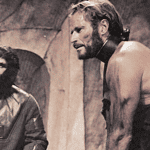
"Planet of the Apes" (1968)
Charlton Heston's George Taylor spends much of the movie believing he's stranded on an unfamiliar planet where intelligent apes have become the dominant species. His discovery of the partially buried Statue of Liberty delivers one of the greatest plot twists in science fiction history.
Although there's no ambiguity about Taylor's location, the original film leaves much of humanity's downfall unexplored. Released during the Cold War, the ending tapped directly into contemporary fears of nuclear destruction and humanity's capacity to bring about its own extinction. Later installments expanded on the world's history, but the original image remains a powerful warning about the consequences of human behavior.
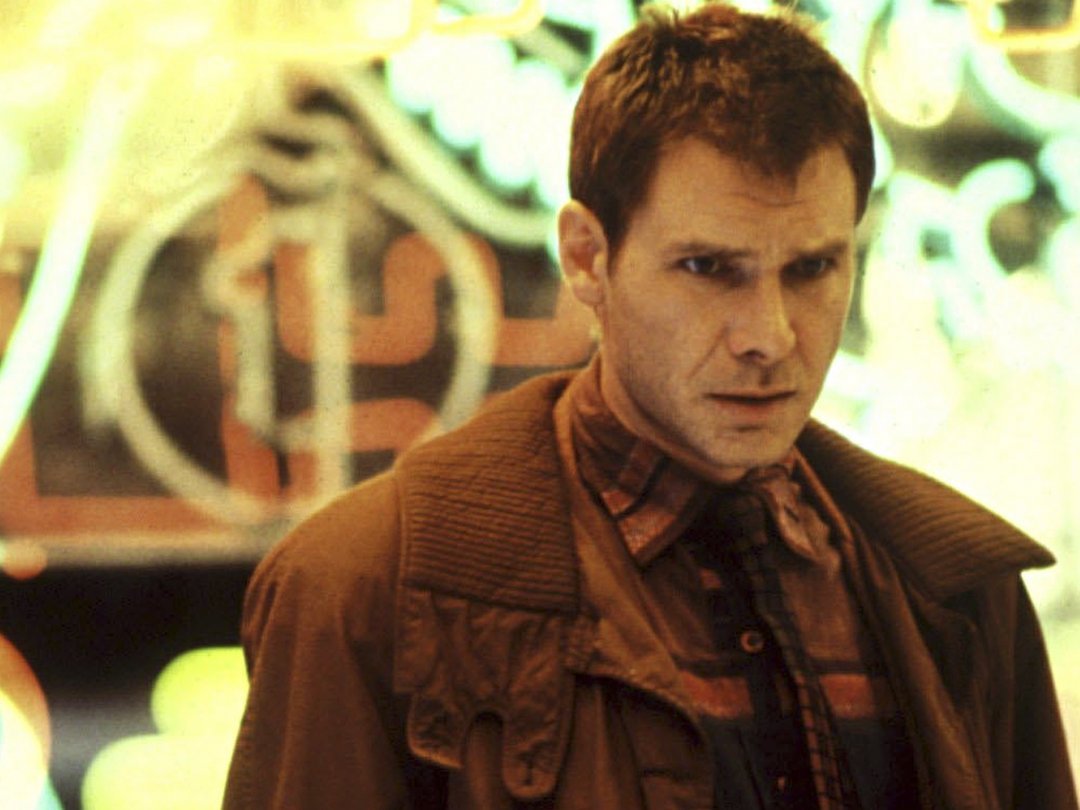
"Blade Runner" (1982)
Is Rick Deckard himself a replicant? The question becomes particularly interesting in later versions of Ridley Scott's science fiction classic, which incorporate a unicorn dream sequence and the discovery of an origami unicorn outside Deckard's apartment.
If someone else knows the contents of Deckard's private thoughts, could his memories have been artificially implanted? Scott has repeatedly favored the replicant interpretation, while Harrison Ford historically approached the character differently. Even Denis Villeneuve's 2017 sequel, "Blade Runner 2049," avoided providing a definitive answer. More than four decades later, one of cinema's most famous detectives remains something of a mystery himself.
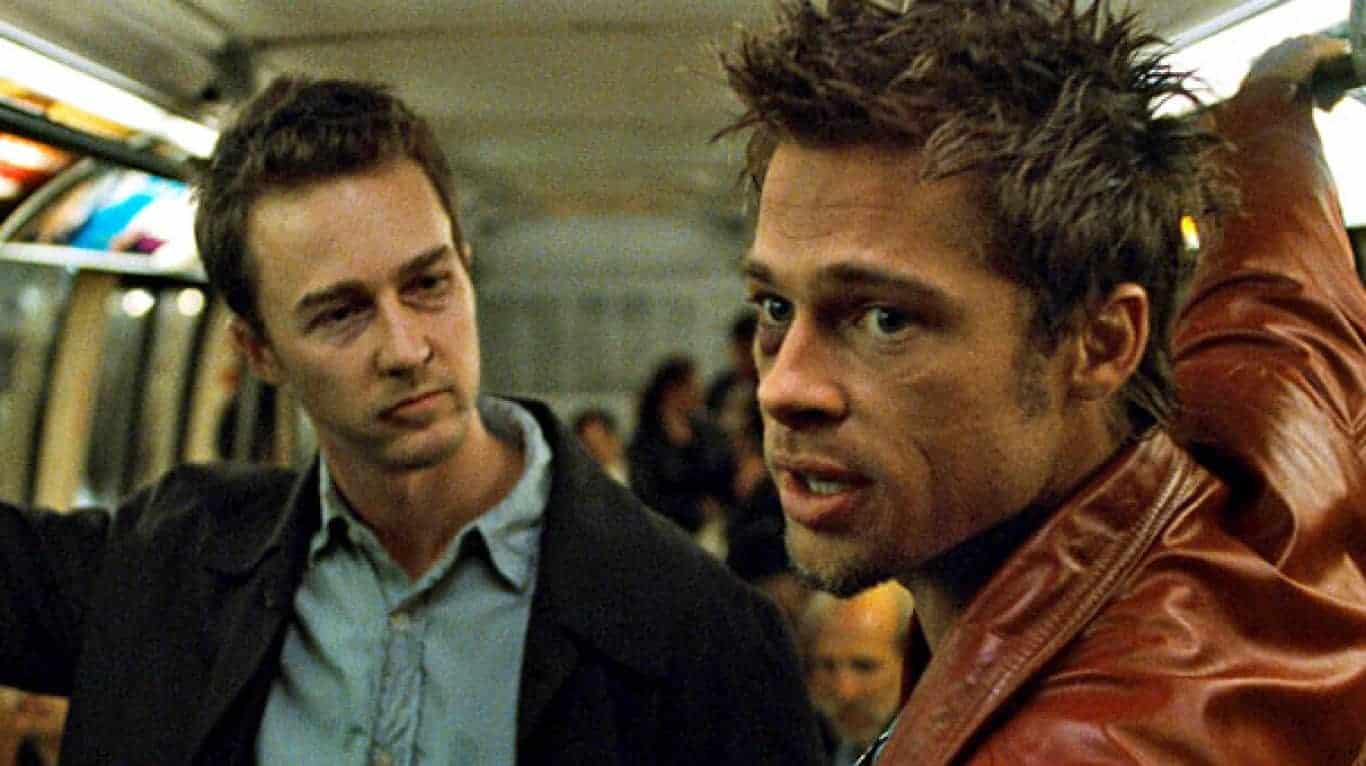
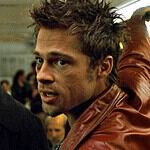
"Fight Club" (1999)
By the end of David Fincher's cult classic, the unnamed Narrator has seemingly freed himself from Tyler Durden, the charismatic alter ego responsible for turning his life upside down. He stands alongside Marla Singer as buildings collapse outside their window.
The apparent victory is considerably more complicated when you consider that Tyler's destructive plans have largely succeeded. Has the Narrator finally regained control of his life, or is he simply witnessing the consequences of becoming the person he was trying to escape? The juxtaposition of personal reconciliation and widespread destruction makes the film's conclusion both strangely hopeful and deeply unsettling.
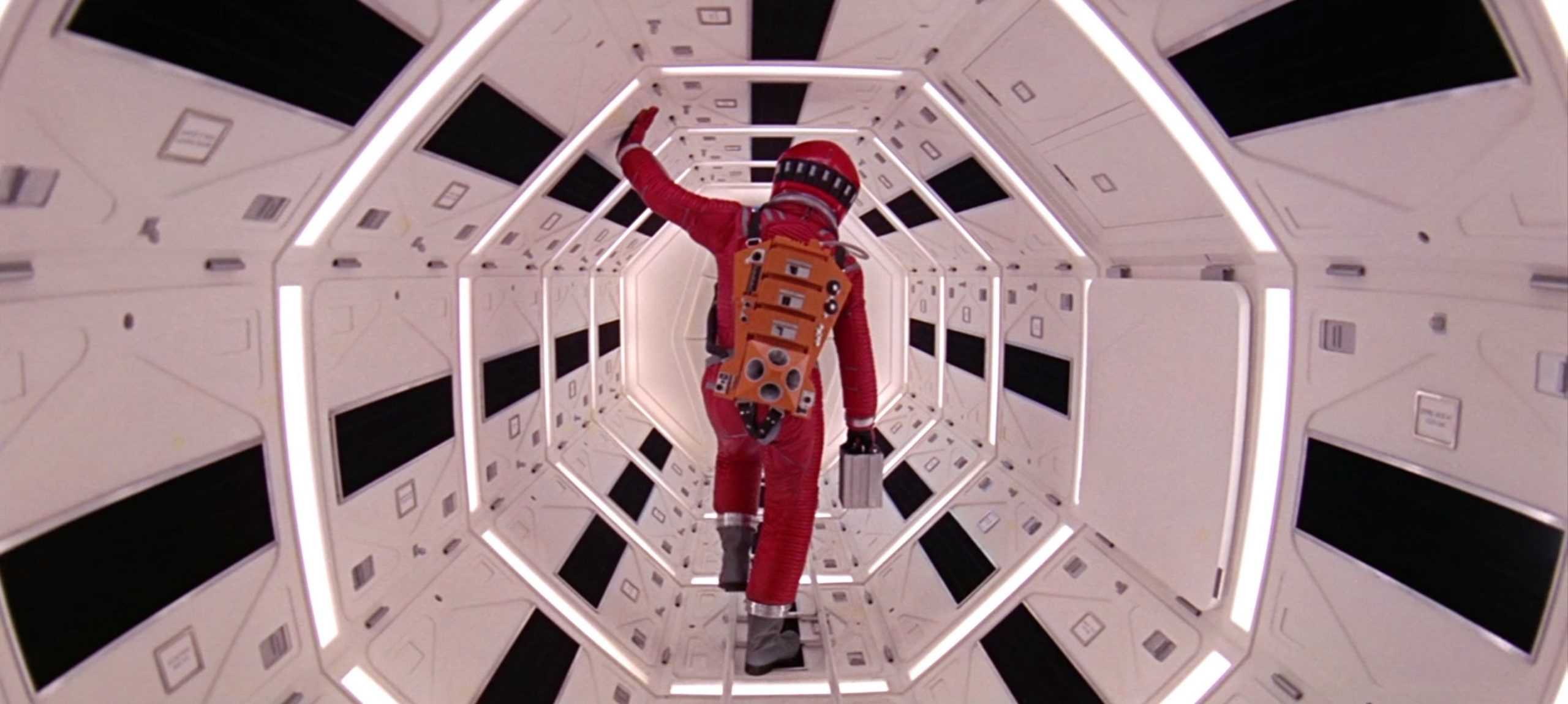
"2001: A Space Odyssey" (1968)
After surviving his encounter with HAL 9000, astronaut Dave Bowman journeys through a spectacular cosmic passage before finding himself in an elaborately furnished room. He appears to age rapidly before encountering another mysterious monolith and ultimately transforming into the celestial figure known as the Star Child.
Although Stanley Kubrick generally preferred audiences to develop their own interpretations, a resurfaced interview revealed that he envisioned Bowman being studied by highly advanced extraterrestrial beings before undergoing a transformation. That explanation provides some context, but the philosophical implications of the Star Child's return to Earth remain open to interpretation.
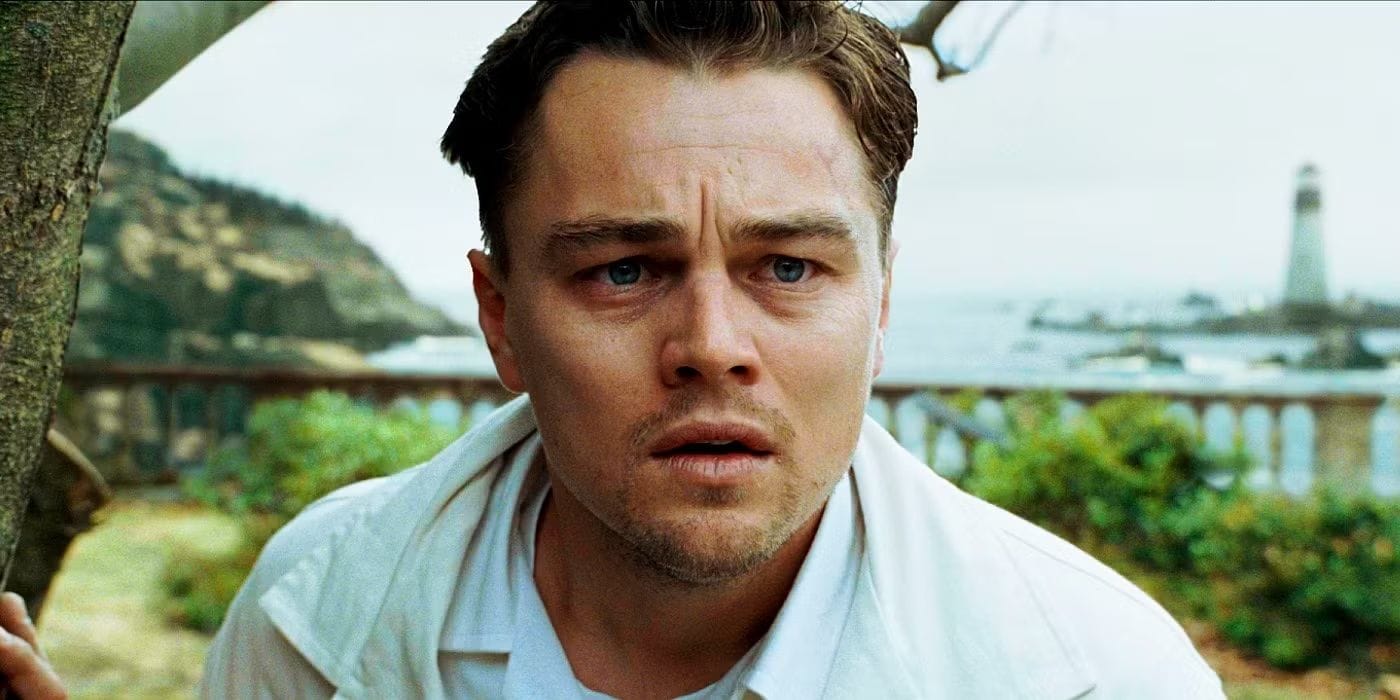
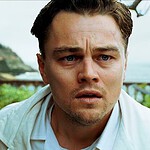
"Shutter Island" (2010)
Martin Scorsese's psychological thriller spends much of its running time encouraging viewers to question the motives of everyone surrounding Leonardo DiCaprio's Teddy Daniels. Eventually, the film reveals that Teddy is actually Andrew Laeddis, a patient at the psychiatric institution he believes he's investigating.
The real uncertainty comes during his final conversation with Dr. Sheehan. Andrew appears to have reverted to his previous delusions, but a remarkably lucid observation about morality suggests otherwise. Has his treatment genuinely failed, or is he deliberately accepting an irreversible procedure because he cannot live with his memories? The distinction changes the emotional meaning of the entire ending.
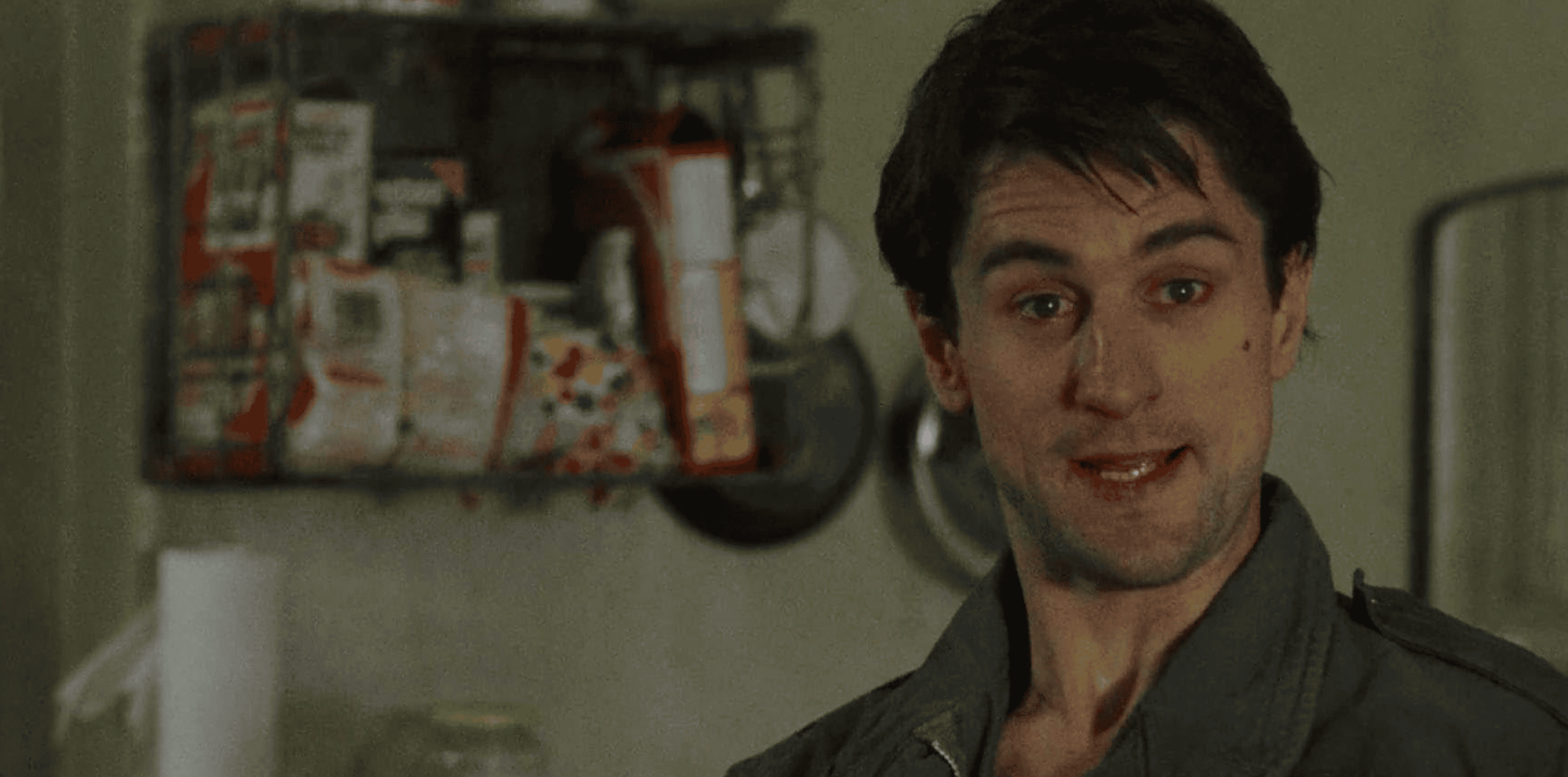
"Taxi Driver" (1976)
After the violent climax of "Taxi Driver," Robert De Niro's Travis Bickle is unexpectedly celebrated as a hero. He returns to driving his taxi and even encounters Betsy again, seemingly suggesting that his life has taken a turn for the better.
Some viewers interpret the unusually optimistic epilogue as a dying fantasy, although the film provides no definitive evidence that this is the case. More disturbing is the possibility that everything actually happened and society simply rewarded Travis for his violent behavior. His sudden, uneasy glance into the rearview mirror during the final moments suggests that whatever was troubling him hasn't necessarily gone away.
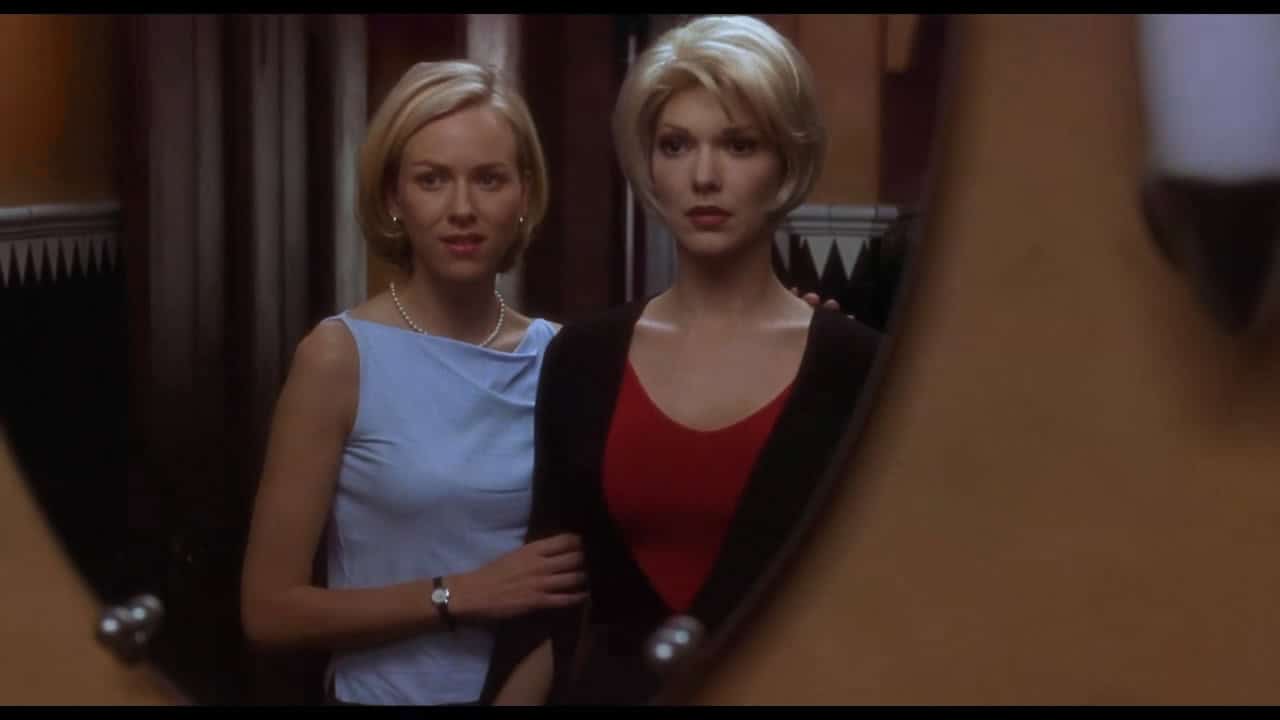
"Mulholland Drive" (2001)
David Lynch's surreal Hollywood mystery introduces audiences to an aspiring actress named Betty and an amnesiac woman who calls herself Rita. Later, the same actresses appear as Diane and Camilla, whose lives and relationship take a considerably darker direction.
One popular interpretation suggests that much of the earlier story is a fantasy constructed by Diane to escape the painful circumstances of her actual life. However, Lynch's recurring symbols, unusual chronology, and deliberately disorienting imagery complicate even that explanation. Numerous interpretations have emerged over the years, but anyone expecting a straightforward resolution from David Lynch was probably watching the wrong director.
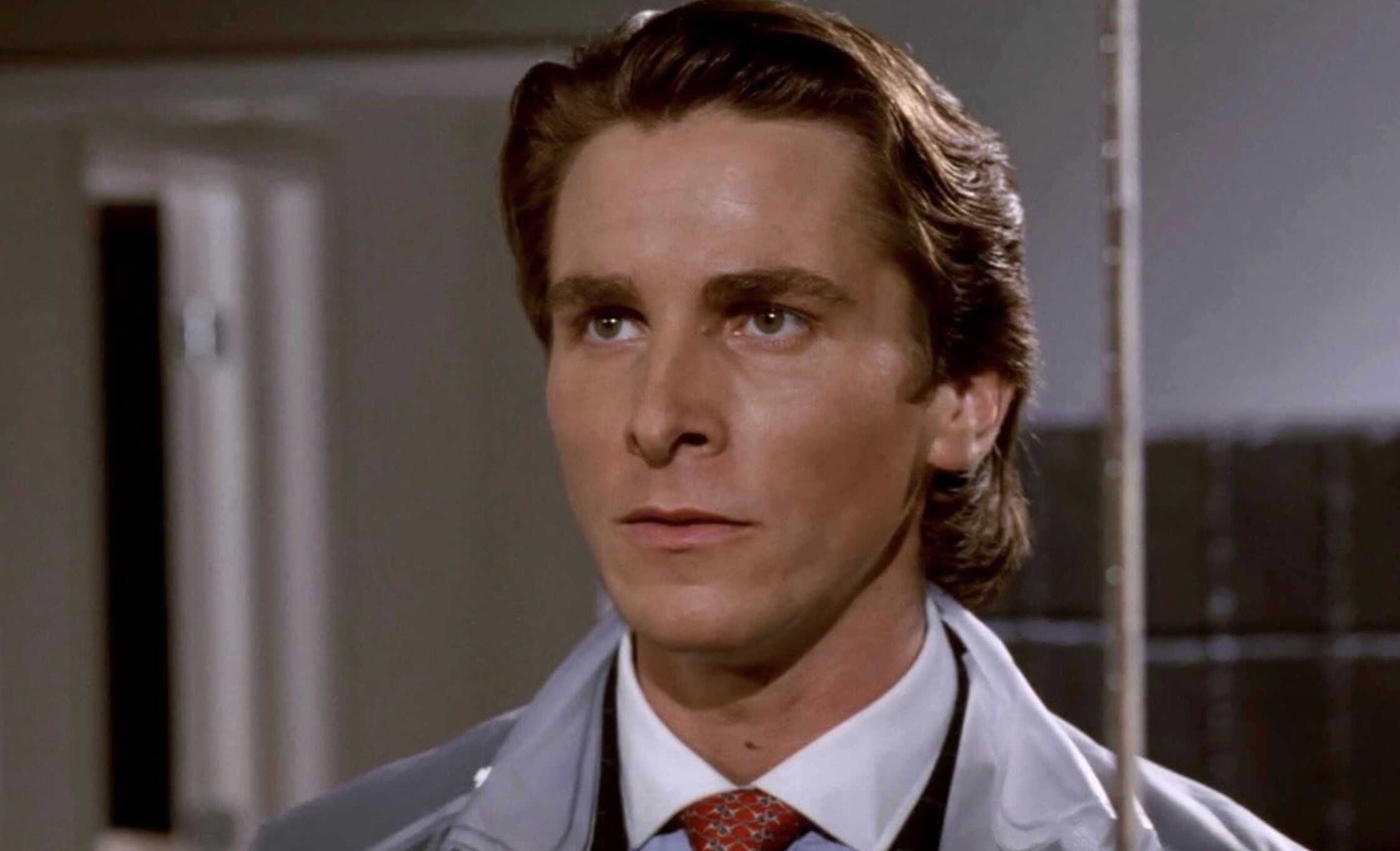
"American Psycho" (2000)
Christian Bale's Patrick Bateman spends much of "American Psycho" leading a double life as a wealthy investment banker and a violent criminal. By the end, however, inconsistencies in his account make it increasingly difficult to determine which events actually occurred.
When Bateman attempts to confess, his lawyer dismisses the admission and even claims to have recently encountered one of his supposed victims. Were some of the crimes imagined, or are the people surrounding Bateman so superficial and interchangeable that they simply fail to recognize one another? Either interpretation reinforces the film's satirical portrayal of wealth, status, and moral emptiness.
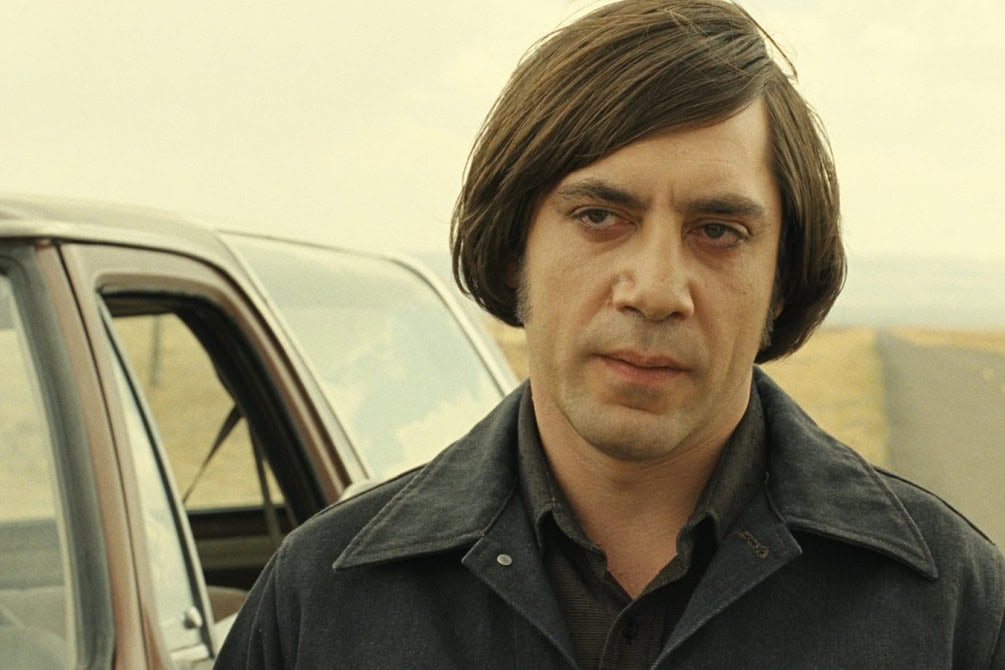
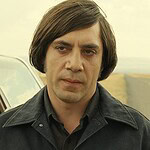
"No Country for Old Men" (2007)
Anyone expecting a dramatic confrontation between the central characters in the Coen brothers' modern Western was in for a considerable surprise. Llewelyn Moss dies offscreen, Anton Chigurh disappears after surviving a car accident, and Sheriff Ed Tom Bell retires.
The movie concludes with Bell describing two dreams involving his deceased father. In the second, his father rides ahead through the darkness carrying fire, seemingly preparing a place for Bell farther down the road. Some viewers interpret the dream as a comforting reflection on mortality, while others see it as a lament for a world Bell no longer understands. It's an extraordinarily quiet conclusion to an otherwise relentlessly tense movie.