City Life Photos

Kevin Ruck/Shutterstock.com

tiffany98101 / BY 2.0

Bilanol / Shutterstock.com

bluejayphoto / iStock via Getty Images

Patrick Gillespie / BY 2.0

Kevin Ruck/Shutterstock.com

szeke / BY-SA 2.0

Todd Jones Photography / BY 2.0
Sean Pavone / Shutterstock.com
Padmanaba01 / BY-SA 2.0




10 U.S. Cities Where Local Character Is Under Pressure
Every city changes. New businesses open, neighborhoods grow, and familiar places make way for something new. Sometimes that's a good thing. Other times, the changes come with a cost, especially when longtime residents can no longer afford to stay in the communities they helped build.
Across the country, rising housing costs, tourism, redevelopment, and shifts in how people work have all changed the feel of well-known cities. In some places, the story is also shaped by population loss or major disasters. None of that means a city has lost everything that made it special, and not every neighborhood has experienced change in the same way.
From Seattle and Portland to New York and New Orleans, these 10 U.S. cities offer a closer look at what happens when the places people love begin to change, and why preserving local character can be more complicated than simply turning back the clock.
New Orleans, Louisiana
New Orleans has never needed much help standing out. Between the live music, neighborhood restaurants, historic architecture, and traditions you won't find anywhere else, the city's personality is practically impossible to miss. But keeping that culture accessible to the people who created it is another matter. The city welcomed about 19.5 million visitors in 2025, and tourism supports a huge number of jobs. It can also put pressure on housing and commercial spaces, particularly when homes become short-term rentals and neighborhood businesses must compete for tourist spending. Hurricane Katrina's lasting effects add another layer: many residents displaced in 2005 never returned, changing the makeup of entire neighborhoods. None of this means the French Quarter or the city's music scene has lost its identity. It means there is an ongoing question about who gets to live, work, and participate in that culture as New Orleans continues to attract visitors from around the world.
Seattle, Washington
Seattle's transformation is easy to spot in South Lake Union, where a district once associated with warehouses and light industry is now filled with offices, apartment buildings, and technology companies. That growth brought jobs and investment, but it also helped reshape the city's housing market and the way some neighborhoods feel. Capitol Hill still has music venues, independent businesses, and an unmistakable personality, while Fremont continues to embrace its eccentric reputation. But high housing costs make it harder for some longtime residents, artists, and small businesses to stay in the neighborhoods they helped define. The city's response includes a comprehensive planning update adopted in 2025, with changes intended to allow more housing. Whether that makes Seattle more accessible will take time to judge. The coffee shops, waterfront, and creative communities haven't disappeared. The bigger question is whether the next generation of Seattle residents can afford to be part of them.
Savannah, Georgia
With its historic squares, shaded sidewalks, and beautiful old buildings, Savannah can make an ordinary afternoon stroll feel like a sightseeing tour. And that's part of the challenge. Visitors come for the atmosphere that generations of residents have helped preserve, while tourism creates demand for hotels, restaurants, and short-term rentals close to the historic center. More visitor activity can support local jobs, but it can also change the rhythm of a residential block. Savannah has been trying to balance those competing interests for years. In portions of its Downtown and Victorian historic districts, the city generally caps non-owner-occupied short-term vacation rentals at 20% of residential parcels within each ward, with certain exemptions. That's an important detail missing from claims that vacation rentals have simply taken over the city. Savannah still has its distinctive Southern character; the challenge is keeping its historic neighborhoods functioning as places where people actually live, not just places where visitors stay.
San Francisco, California
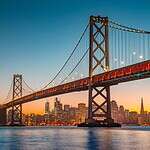
Few American cities have reinvented themselves as often as San Francisco. Its neighborhoods have been shaped by immigrants, artists, activists, and generations of people looking for somewhere they could be themselves. The technology boom brought new jobs and enormous wealth, but it also intensified an already difficult housing market. In the Mission District, rising costs and displacement pressures have threatened the Latino cultural institutions and local businesses that give the neighborhood much of its identity. It's an issue the city itself recognizes: San Francisco's Mission Action Plan 2030 focuses on protecting affordable housing, cultural spaces, and community-serving businesses. That doesn't mean the Mission has become nothing but luxury apartments or that the city's creative side has vanished. Murals, neighborhood restaurants, music, and activism are still part of San Francisco. The concern is whether the people maintaining those traditions will be able to stay as the city continues changing around them.
Baltimore, Maryland
Baltimore earned the nickname Charm City decades ago, and there's still plenty of charm in its rowhouse blocks, neighborhood markets, waterfront streets, and unmistakable local personality. But the city has also experienced a long population decline. Census figures show roughly 621,000 residents in 2010 compared with about 570,000 in 2025, a change that affects everything from neighborhood businesses to the tax base supporting local services. Downtown and the Inner Harbor have faced their own challenges as shopping habits and visitor patterns changed. Still, it would be inaccurate to describe Baltimore as a city where everything is getting worse. Police reported a substantial decline in homicides during 2025, and efforts to reinvest in public spaces and neighborhoods are ongoing. The real story is uneven change: some communities continue working through decades of disinvestment, while others see fresh activity and development. Baltimore's identity is very much alive, even as the city works to make its future more stable.
Asheville, North Carolina
Asheville built much of its modern reputation around independent artists, live music, craft breweries, and mountain scenery. Those attractions drew visitors and new residents, creating opportunities for local businesses while increasing pressure on housing and studio space. Then Hurricane Helene struck western North Carolina in September 2024, introducing a very different challenge. Catastrophic flooding devastated parts of Asheville's River Arts District, destroying studios and disrupting the livelihoods of artists who helped make the area famous. Recovery has been difficult, but the arts community hasn't given up. Local organizations have helped artists reopen, find temporary exhibition spaces, and return to work. Downtown restaurants and galleries have also welcomed visitors back as repairs continue across the region. Asheville's story isn't simply that tourists arrived and its personality disappeared. It's about a creative city trying to remain affordable and recognizable while recovering from a disaster that changed the lives of many longtime residents.
Chicago, Illinois
Chicago still has the ingredients that make it one of America's most distinctive cities: architecture, neighborhood restaurants, music, lakefront parks, and communities with traditions that stretch back generations. But those strengths don't mean every neighborhood has shared equally in the city's fortunes. Some parts of Chicago have attracted new investment and rising property values, while others have experienced population losses and struggled to hold onto businesses and residents. Cook County's population in 2025 remained below its 2020 level, although that doesn't mean the city is emptying out at the dramatic rate some descriptions suggest. The South and West Sides, in particular, can't be reduced to one story about crime or decline; they're home to vibrant communities as well as longstanding economic challenges. Chicago hasn't stopped being Chicago. The more complicated question is how to preserve its neighborhood identities while making sure the benefits of investment and growth reach more of the people who call the city home.
Los Angeles, California
Los Angeles has never been just one kind of place. Its neighborhoods are shaped by different cultures, music scenes, independent businesses, and histories that don't fit neatly into a single Hollywood image. Rising housing costs and redevelopment have changed areas such as Echo Park, Silver Lake, and Highland Park, raising concerns about whether longtime residents and smaller businesses can afford to remain. Then the January 2025 wildfires brought a much more immediate kind of loss. The Palisades Fire devastated Pacific Palisades within Los Angeles, while the Eaton Fire struck nearby Altadena in unincorporated Los Angeles County. Families lost homes, familiar streets, and community gathering places. Rebuilding is about much more than replacing structures, especially for renters and homeowners facing insurance gaps or rising costs. There are still countless places where L.A.'s local character thrives. The concern is whether the people who built those communities will be able to return and take part in whatever comes next.
Portland, Oregon
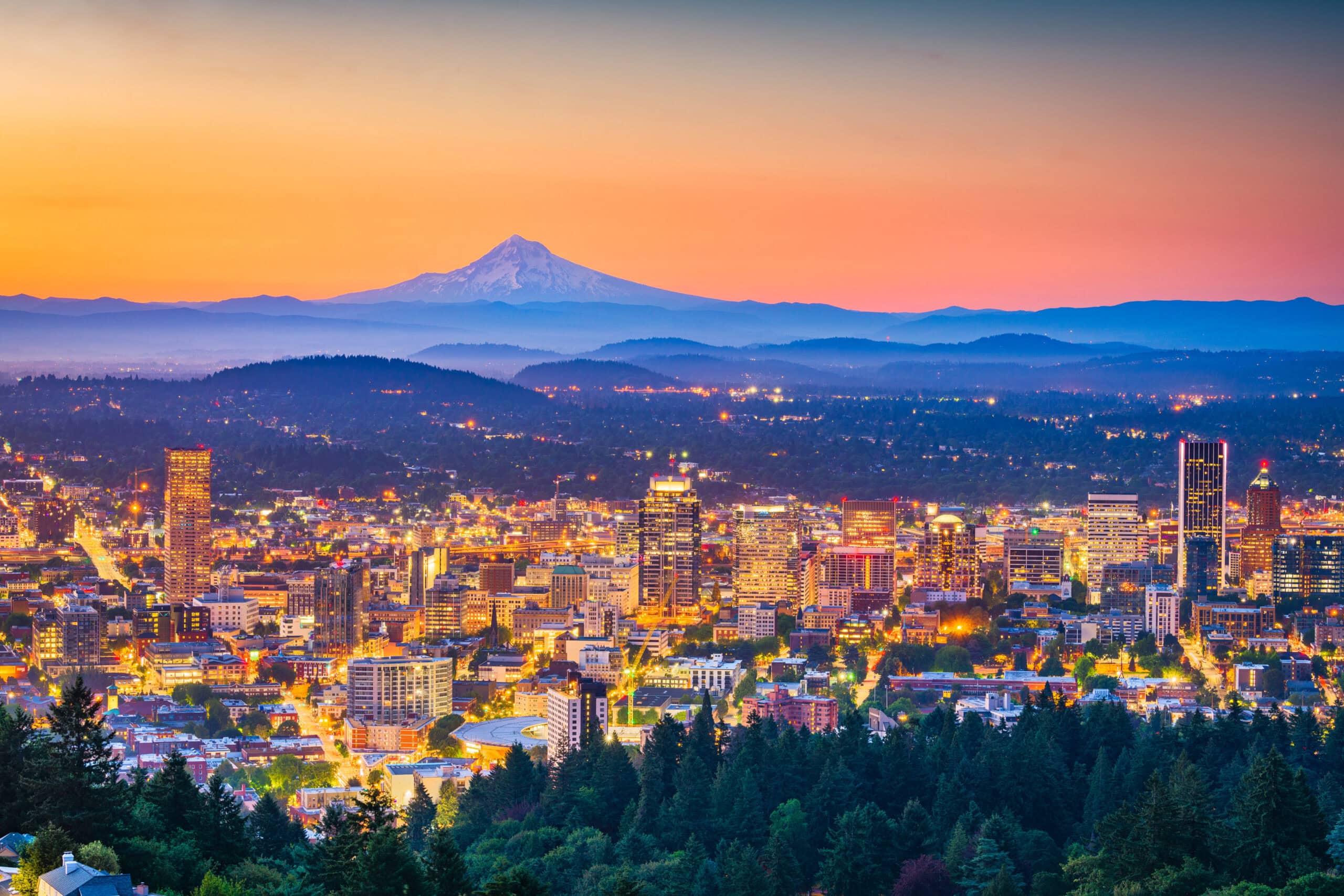
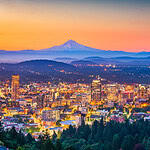
Portland earned its quirky reputation through independent bookstores, food carts, neighborhood shops, and a willingness to do things a little differently. Those qualities haven't suddenly disappeared, but downtown has gone through some difficult changes. Remote and hybrid work reduced demand for office space, leaving many buildings with vacancies and changing the customer base for businesses that once depended on weekday crowds. A 2026 Portland Metro Chamber report found office vacancy remained a major challenge even as pedestrian activity continued recovering. The city has also struggled with homelessness, addiction, and public safety concerns, but blaming those problems entirely on one policy would oversimplify the situation. Oregon rolled back key parts of its 2020 drug decriminalization measure in 2024. Portland's creative spirit is still visible in its neighborhoods, restaurants, and arts scene. The challenge now is finding a new balance that makes downtown welcoming and useful for residents, workers, and visitors alike.
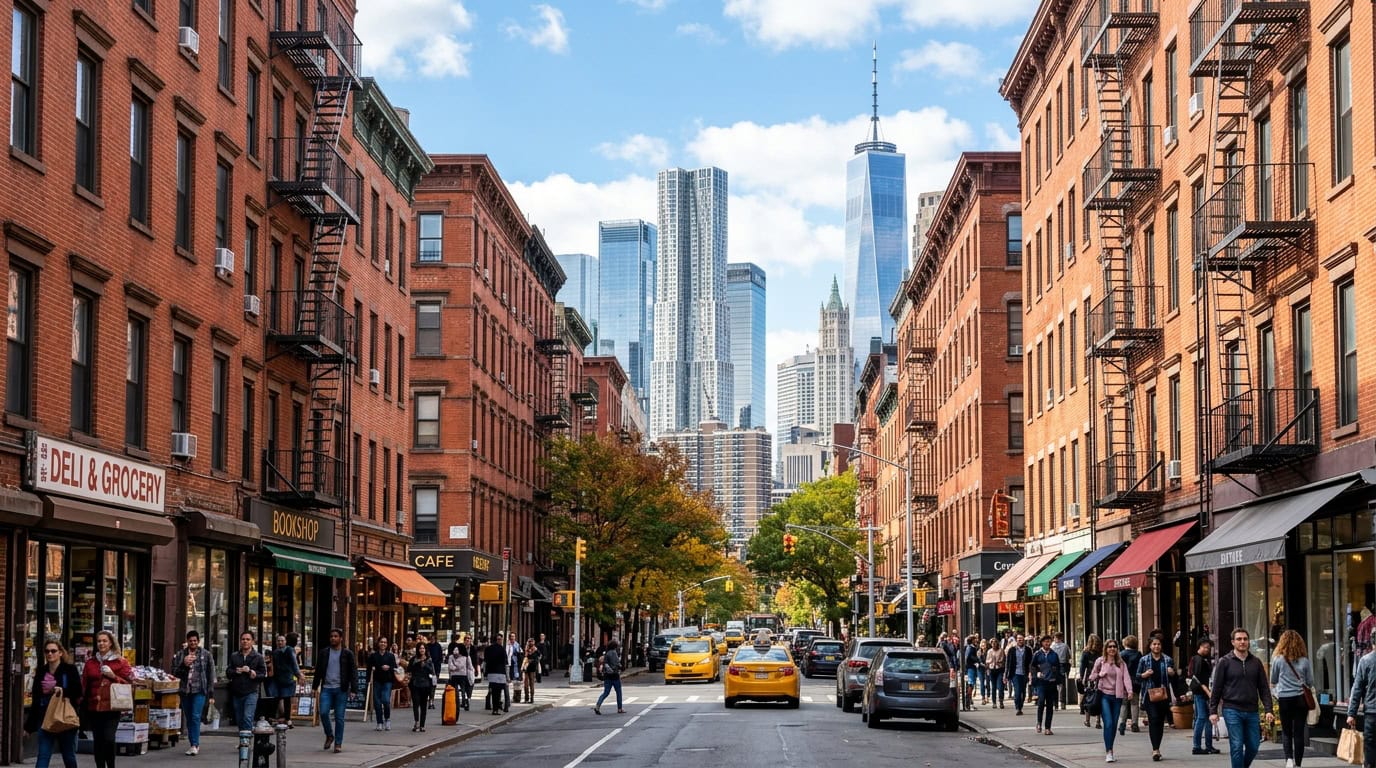
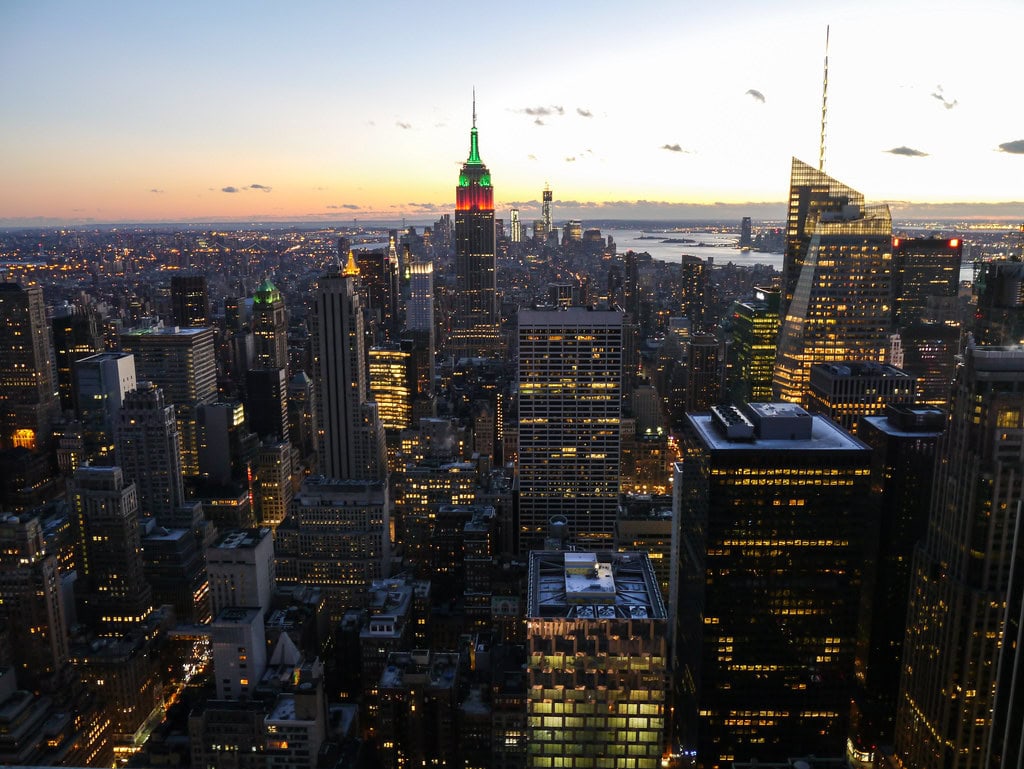
New York City, New York
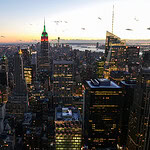
New York City is still crowded, creative, and full of the kind of energy that makes people want to move there in the first place. But there's no denying how difficult it has become to afford a foothold in many of its neighborhoods. Rising rents can make it tough for longtime residents, younger workers, and small businesses to remain in places they helped shape. That's especially noticeable when a familiar corner shop disappears or a modest apartment becomes unattainable. The pandemic also disrupted office districts, although the city's office market showed meaningful recovery in 2025, so descriptions of a permanently deserted Midtown don't tell the whole story. Census estimates still put New York's 2025 population below its 2020 level, even as people continue arriving from around the world. It's not that the city has lost its personality; it's that the cost of participating in New York life keeps raising the stakes for the people who give it that personality.