Public domain / Wikimedia Commons
Public domain / Wikimedia Commons
Public domain / Wikimedia Commons
Public domain / Wikimedia Commons
Public domain / Wikimedia Commons
Public domain / Wikimedia Commons
Public domain / Wikimedia Commons
Public domain / Wikimedia Commons
Public domain / Wikimedia Commons
Public domain / Wikimedia Commons
Public domain / Wikimedia Commons


10 Legendary Fighter Pilots Who Ruled the Skies
Military aviation was still in its infancy when World War I turned the sky into a battlefield. Airplanes initially served mainly as reconnaissance platforms, but pilots soon began fighting one another to protect their own observation aircraft and drive enemy planes away. By 1916, dedicated fighters, fighter squadrons, and the pilots we now call flying aces had become a major part of warfare.
The term "ace" generally refers to an aviator credited with shooting down at least five enemy aircraft. Comparing pilots across different countries and wars gets complicated, though. Air forces used different rules for confirming victories, some awarded shared credit, and records from major conflicts are not always complete. A few famous victory totals remain disputed decades later.
With that in mind, these 10 pilots stand out for their combat records, aviation firsts, or lasting place in military history. They range from World War I legends flying fabric-covered biplanes to jet pilots fighting at speeds their predecessors could barely have imagined.
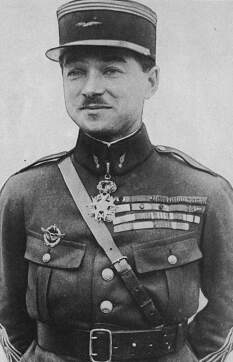
René Fonck
French pilot René Fonck finished World War I with 75 officially credited aerial victories, making him the highest-scoring Allied ace of the war. That total is especially remarkable considering just how dangerous early fighter aviation was. Pilots flew aircraft with little protection, primitive instruments, and none of the technology modern aviators take for granted.
Fonck had two particularly remarkable days in 1918. On May 9, he shot down six German aircraft in a single day. Then he did it again on Sept. 26. Although Fonck claimed additional victories that were never officially credited, 75 remained his recognized total. He survived the war and, unlike many of the era's leading aces, was never wounded in aerial combat.
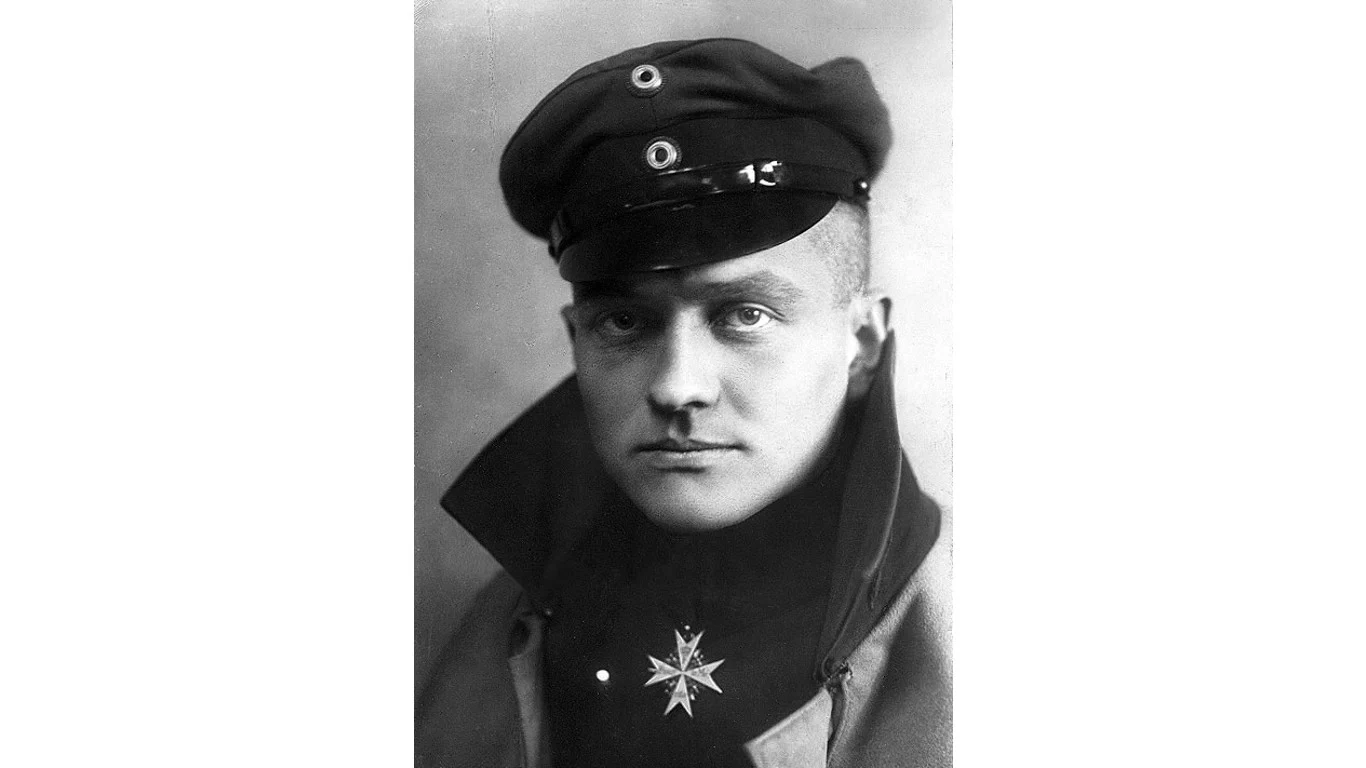
Manfred von Richthofen
More than a century later, Manfred von Richthofen is still probably the most famous fighter ace in history. Better known as the Red Baron, the German pilot was officially credited with 80 aerial victories, the highest total of any pilot in World War I.
Richthofen actually began the war as a cavalry officer before transferring to the German air service in 1915. He eventually commanded Jagdgeschwader I, the brightly painted fighter wing nicknamed the "Flying Circus." Although popular culture usually connects him with the red Fokker Dr.I triplane, the Smithsonian notes that he scored roughly three-quarters of his victories in Albatros fighters.
Richthofen was killed on April 21, 1918, one day after recording his 80th victory. The exact source of the fatal shot has been debated ever since. Canadian RAF pilot Roy Brown received official credit, but later research has suggested that Australian ground fire was the more likely source.
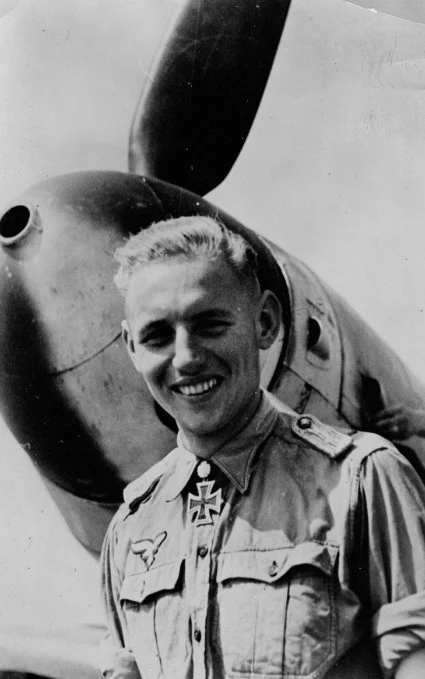
Erich Hartmann
No fighter pilot has been officially credited with more aerial victories than Erich Hartmann. The German Luftwaffe pilot accumulated 352 credited victories during World War II, including 345 Soviet aircraft and seven American aircraft. The vast majority of his combat took place on the Eastern Front.
Hartmann flew 1,404 combat missions and was involved in aerial combat on 825 occasions. He flew the Messerschmitt Bf 109 throughout his combat career. Although he made numerous forced or crash landings, accounts of his service state that he was never actually shot down by an enemy fighter.
His final victory came on May 8, 1945, the final day of the war in Europe. Hartmann surrendered to American troops but was later turned over to the Soviet Union and spent about a decade in Soviet captivity. After returning to West Germany, he eventually joined the newly established West German Air Force.
Alfred Schreiber
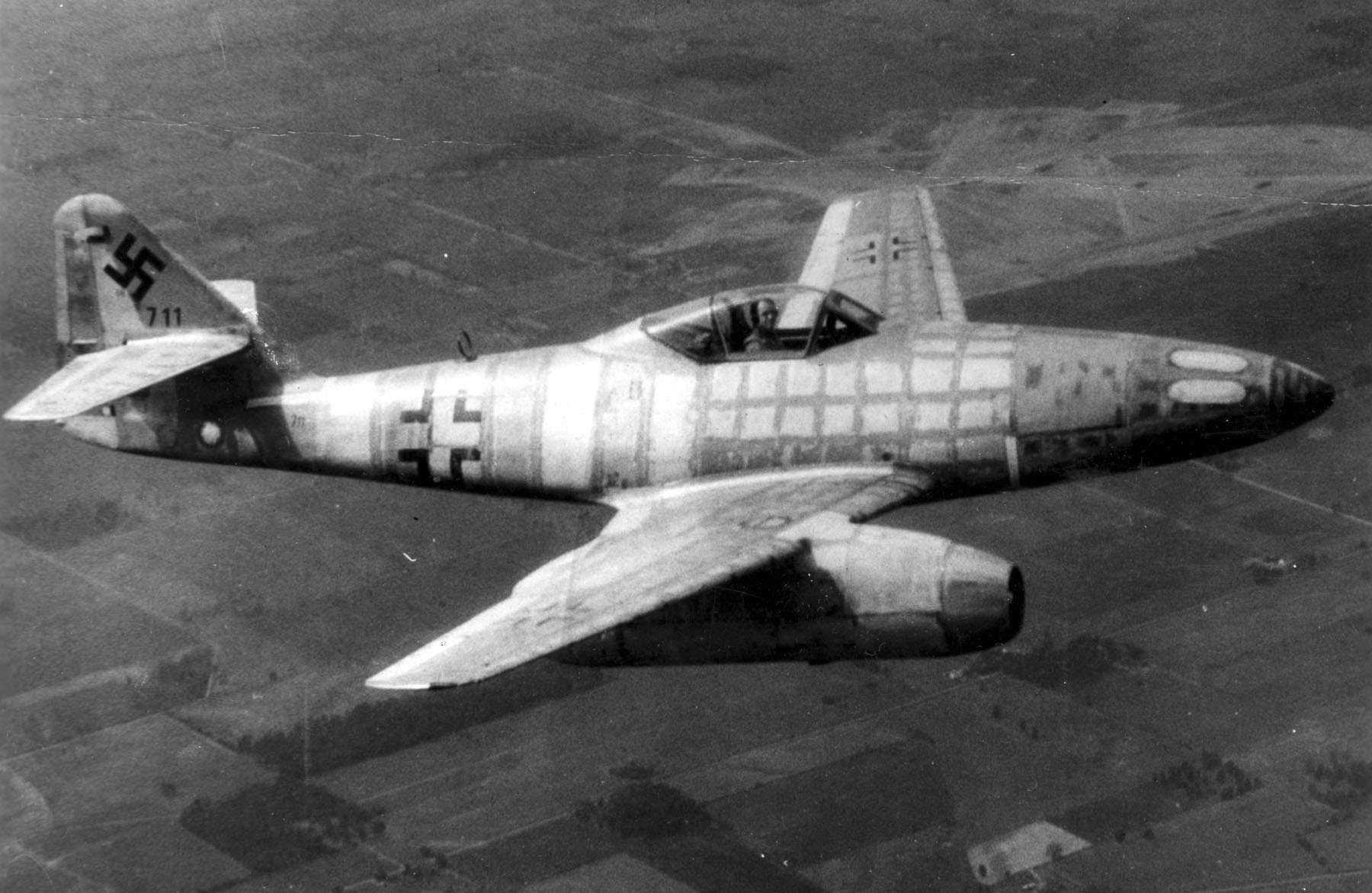
Alfred Schreiber's victory total was tiny compared with Hartmann's, but his place in aviation history came from something entirely different. Schreiber was among the first pilots to take the Messerschmitt Me 262, the world's first operational jet fighter, into air-to-air combat.
On July 26, 1944, Schreiber attacked an RAF de Havilland Mosquito PR XVI during a reconnaissance mission. German records credited him with a victory, leading to the engagement frequently being described as the first aerial victory by a jet fighter. There is an important catch: the badly damaged Mosquito made it back to an Allied airfield in Italy before crash-landing. The first confirmed destruction by an Me 262 came shortly afterward, on Aug. 8.
Schreiber was ultimately credited with five victories while flying the Me 262, putting him among the earliest jet aces. His career was extremely short. He died on Nov. 26, 1944, when his Me 262 crashed during a landing attempt at Lechfeld Air Base.
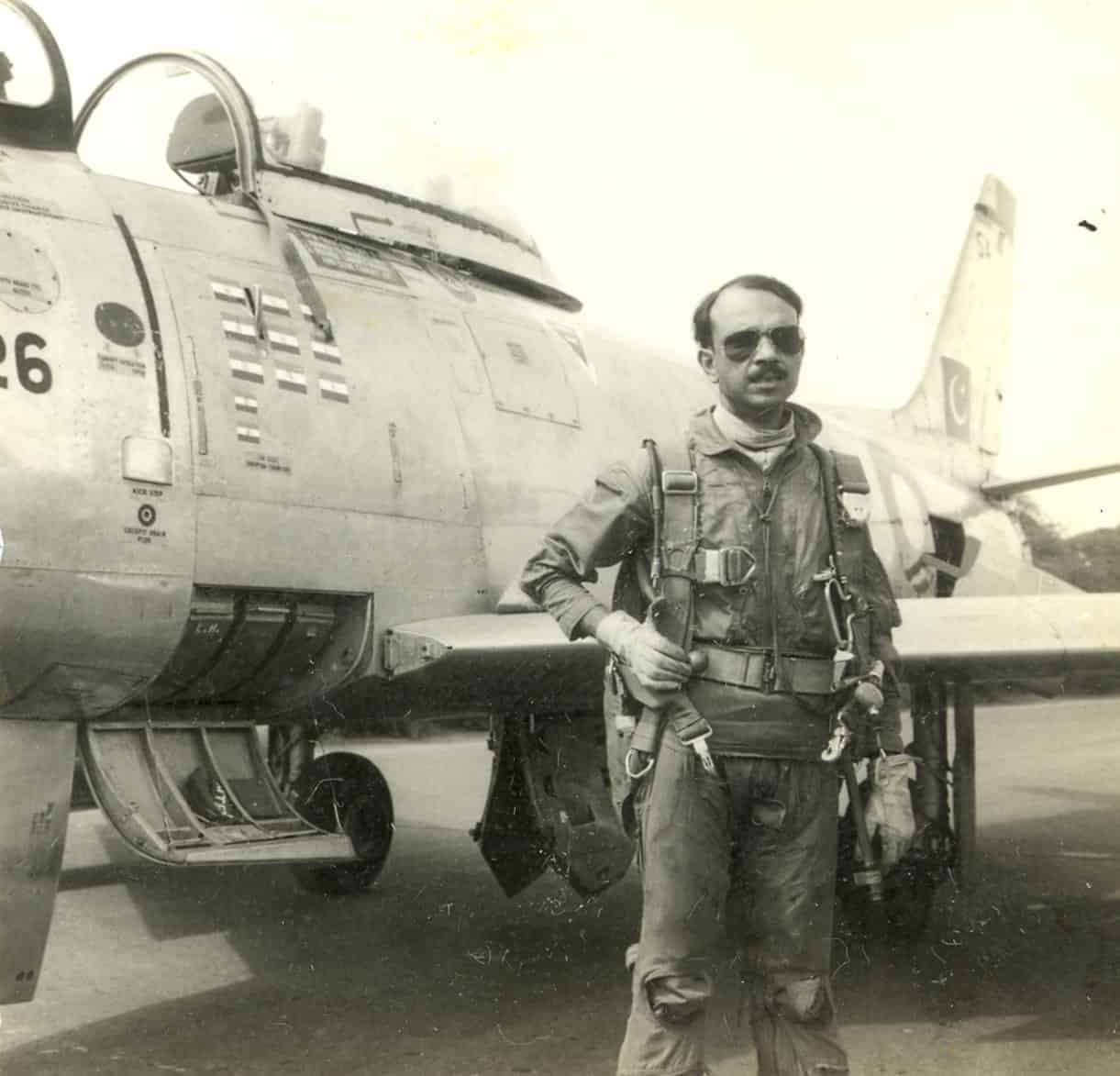
Muhammad Mahmood Alam
Muhammad Mahmood Alam, commonly known as M.M. Alam, became one of Pakistan's most celebrated fighter pilots during the 1965 war with India. Flying an F-86 Sabre, Alam was officially credited by the Pakistan Air Force with nine aerial victories and two damaged aircraft during the conflict.
His most famous mission came on Sept. 7, 1965. The Pakistan Air Force credits Alam with shooting down five Indian Hawker Hunters in less than a minute, including four in roughly 30 seconds. That account has often been described in Pakistan as an aviation record.
The claim is also disputed. Indian records do not support the loss of five Hunters in that engagement, and retired Pakistan Air Force Air Commodore Sajad Haider later questioned whether the widely repeated sequence was possible as described. Alam's status as an important Pakistani fighter pilot is not in question, but the five-aircraft feat is best treated as a contested wartime claim rather than an undisputed record.
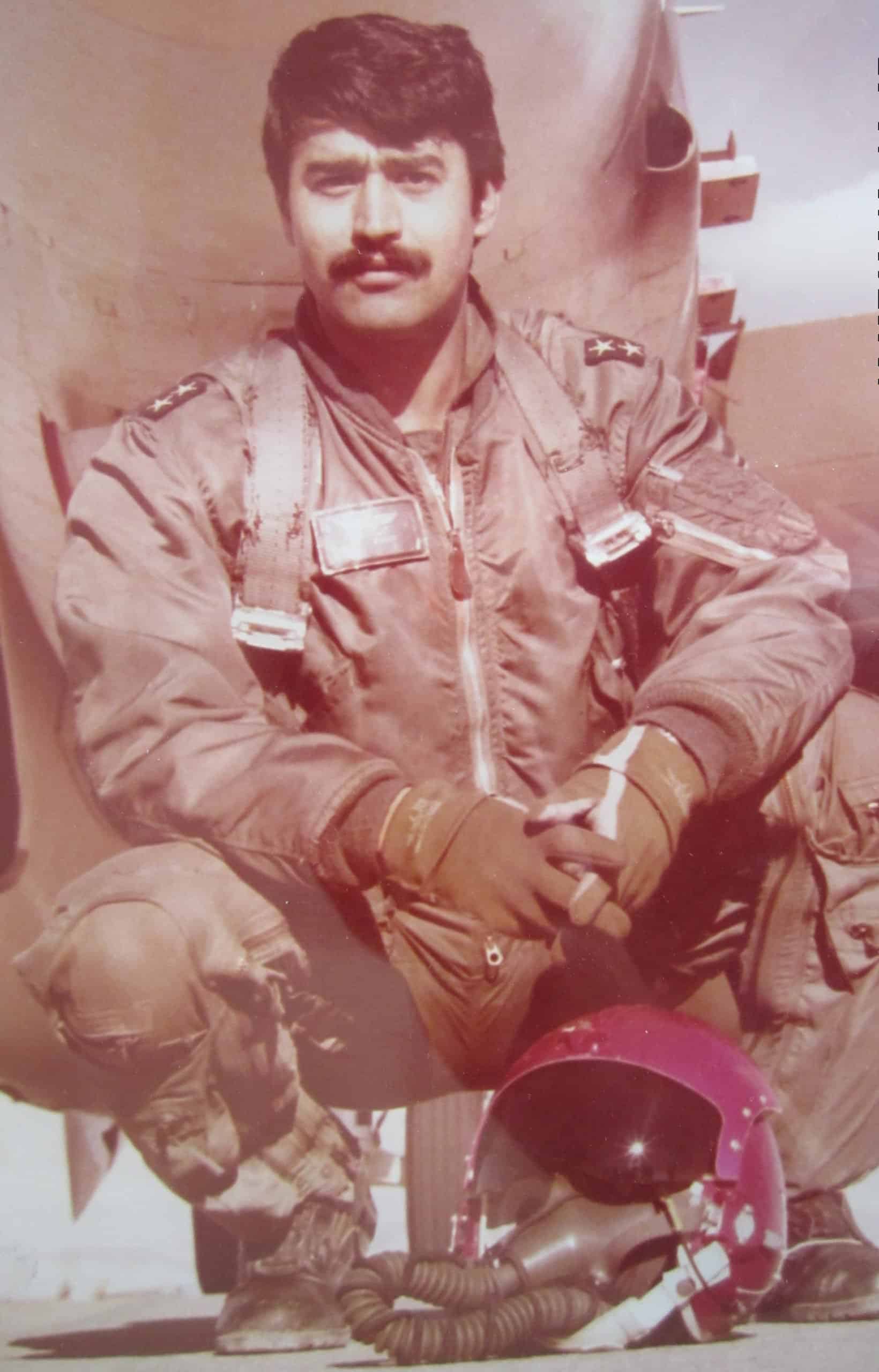
Jalil Zandi
Iranian fighter pilot Jalil Zandi built his reputation in one of the most famous American-designed fighters ever made: the F-14 Tomcat. Zandi joined the Imperial Iranian Air Force before the 1979 Iranian Revolution and remained in service afterward, eventually fighting throughout the Iran-Iraq War.
Air & Space Forces Magazine credits Zandi with eight confirmed and three probable aerial victories while flying the F-14. His credited opponents included MiG-21s, MiG-23s, Su-22s, and Mirage F1s. Those numbers have made him widely regarded as the highest-scoring F-14 pilot in air-to-air combat.
That record is especially notable because the U.S. Navy's own F-14s never produced a fighter ace. Zandi survived the Iran-Iraq War and continued serving in the Iranian Air Force. He and his wife were killed in a car crash near Tehran in 2001.
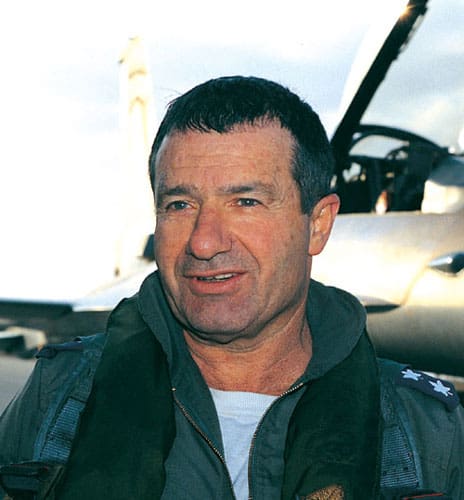
Giora Epstein
Israeli fighter pilot Giora Epstein, who later used the surname Even, was credited with 17 aerial victories, the highest widely recognized total for a supersonic fighter pilot. Sixteen of those victories were against Egyptian fixed-wing aircraft, while the other was an Egyptian Mi-8 helicopter.
Epstein scored his first victory during the 1967 Six-Day War, shooting down an Egyptian Su-7 while flying a Mirage III. He added four more victories during the War of Attrition, giving him ace status before the Yom Kippur War even began. During that 1973 conflict, he added another 12 victories.
Known as "Hawkeye" for his exceptional eyesight, Epstein flew both the Mirage III and the Israeli-built IAI Nesher in combat. He remained associated with the Israeli Air Force until his retirement in 1997 and later flew commercially for El Al. Epstein died on July 19, 2025, at age 87.
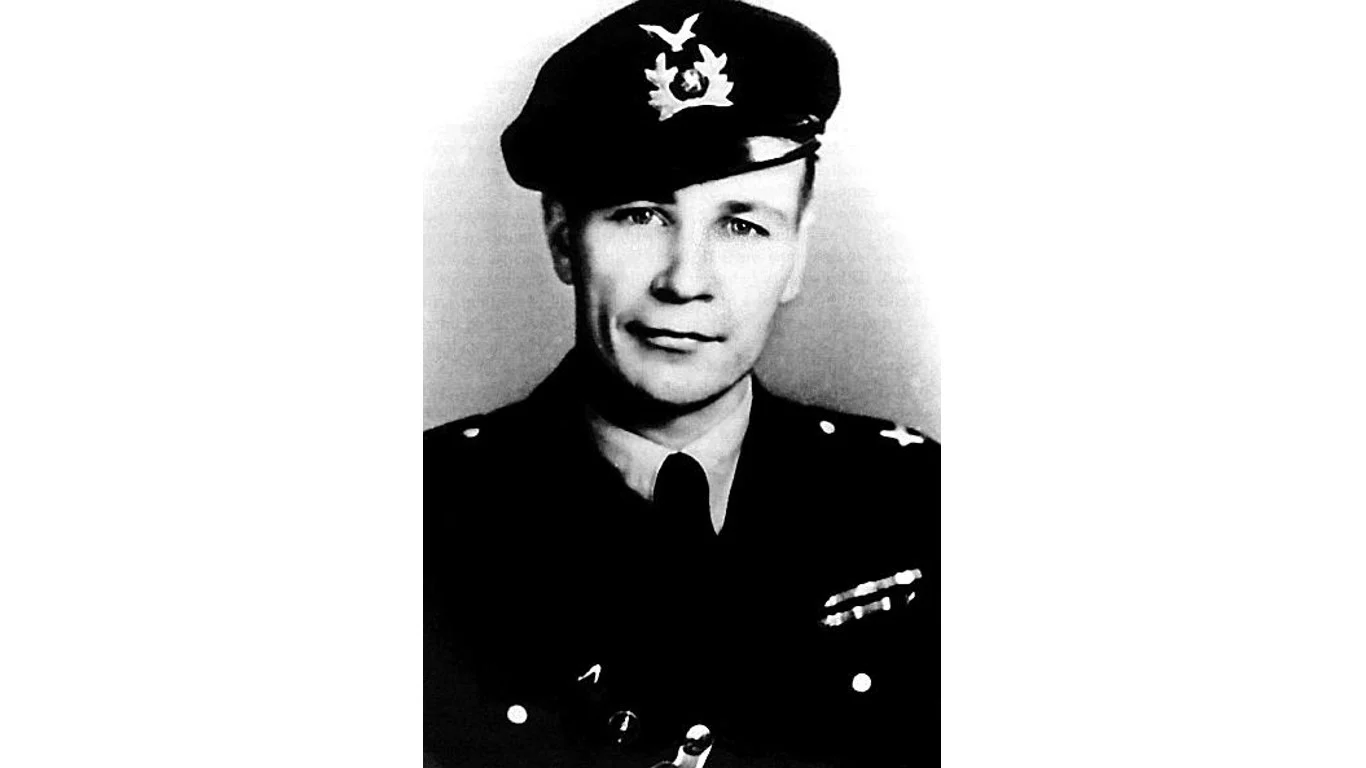
Ilmari Juutilainen
Finnish fighter pilot Eino Ilmari Juutilainen is generally credited with 94 aerial victories in 437 sorties, making him Finland's highest-scoring fighter pilot and the highest-scoring non-German fighter ace of World War II.
Juutilainen scored victories in three very different fighters. He received partial or full credit for just over two victories in the Fokker D.XXI, another 34 while flying the Brewster Buffalo, and 58 in the Messerschmitt Bf 109. Most of his opponents were Soviet aircraft encountered during the Winter War and Continuation War.
He was also one of only four people to receive Finland's Mannerheim Cross twice. Juutilainen left the Finnish Air Force in 1947 but continued flying professionally for several more years. Remarkably, his aviation career stretched almost to the end of his life. In 1997, at age 83, he took his final flight in a two-seat Finnish F-18 Hornet.
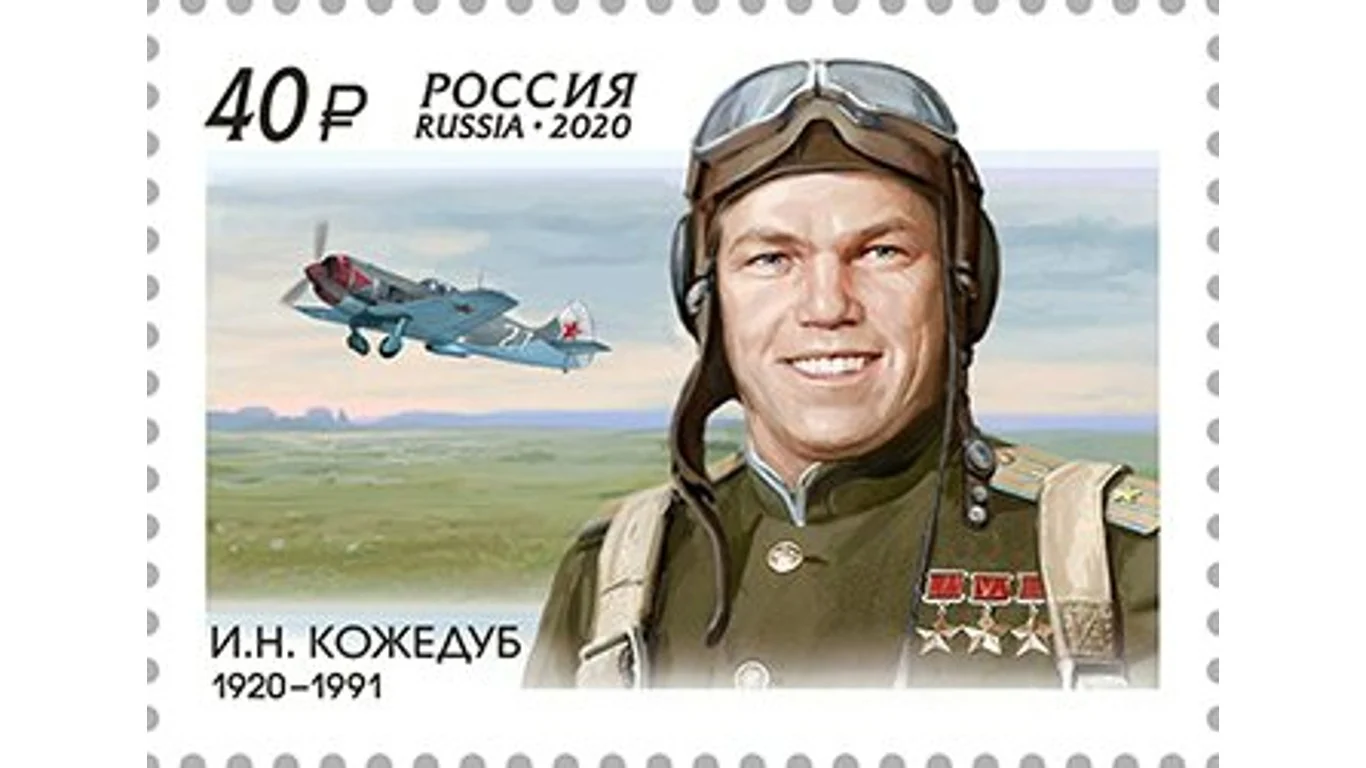
Ivan Kozhedub
Soviet pilot Ivan Kozhedub is generally credited today with 64 individual aerial victories, making him the highest-scoring Soviet pilot and the highest-scoring Allied fighter ace of World War II. He flew 330 combat sorties and took part in about 120 aerial engagements.
Kozhedub flew Lavochkin La-5 and La-7 fighters and became one of the relatively few Allied pilots to shoot down a German Messerschmitt Me 262 jet. He is generally credited as the first Soviet pilot to accomplish that feat. For his wartime service, he was named a Hero of the Soviet Union three times.
His career continued well after World War II. During the Korean War, Kozhedub commanded the Soviet 324th Fighter Aviation Division, whose MiG-15 pilots fought United Nations aircraft. Kozhedub himself was specifically prohibited from flying combat missions because Soviet commanders did not want to risk such a prominent officer being captured or killed.
Mohammed Rayyan
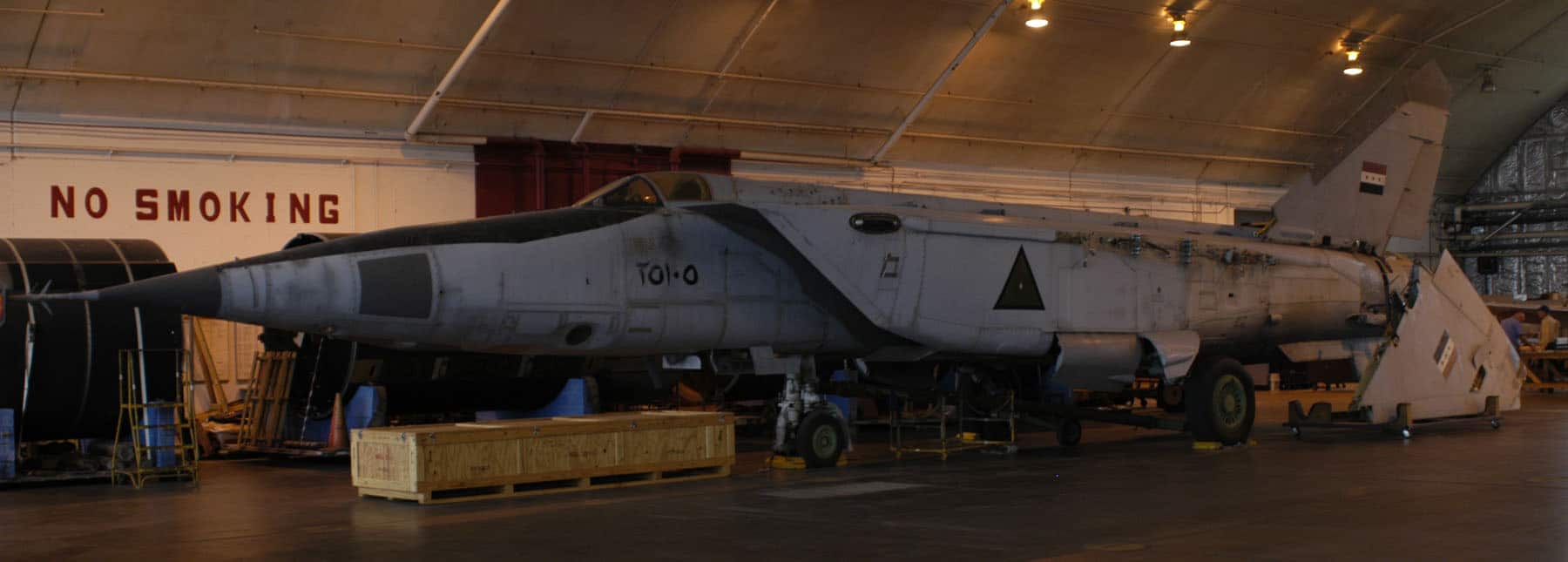
Iraqi fighter pilot Mohammed Rayyan flew during the Iran-Iraq War and became closely associated with the MiG-25, one of the fastest combat aircraft ever placed into operational service. Published accounts commonly identify him as the most successful Iraqi MiG-25 pilot of the conflict.
His exact victory record is less clear than those of pilots such as Richthofen or Hartmann. Some aviation histories credit Rayyan with as many as 10 aerial victories overall, including eight while flying the MiG-25, while other sources give lower confirmed totals. Records from the Iran-Iraq air war remain incomplete and many aerial claims from both sides continue to be debated, so those numbers should be treated as credited claims rather than perfectly settled totals.
What is clear is that Rayyan became one of Iraq's better-known interceptor pilots before his death in 1986. Accounts of the air war report that his MiG-25 was shot down by Iranian F-14 Tomcats. That brought a striking end to the career of a pilot flying one of the era's fastest interceptors, against the aircraft flown by another pilot on this list, Jalil Zandi.