
Driving in snow or on icy roads can turn an ordinary trip into a stressful one, even for experienced drivers. Slippery pavement reduces traction, makes stopping harder, and leaves less room for error. The safest choice during a serious winter storm is often to stay off the roads. But when travel can’t wait, slowing down and preparing your vehicle can help reduce the risk.
These seven tips draw on winter-driving recommendations from AAA, the National Highway Traffic Safety Administration (NHTSA), and the National Weather Service. They cover speed, tires, stopping distances, hills, and what to do if bad weather leaves you stranded. No technique makes an icy road risk-free, so check the forecast and road conditions before leaving and postpone nonessential trips when conditions are dangerous.
Drive Slowly

The first rule of winter driving is also the simplest: slow down. A posted speed limit is meant for favorable conditions, not a snow-covered highway. On slippery pavement, you may need to travel well below the limit to leave enough time to react to another driver, a hidden patch of ice, or a sudden change in visibility.
Accelerate gently, steer smoothly, and start slowing down earlier than you would on dry roads. Sudden braking or sharp turns can overwhelm the limited grip your tires have. Bridges, overpasses, and shaded stretches can be icy even when the rest of the road looks clear, so don’t assume a wet-looking surface is harmless.
Keep cruise control turned off on snowy or icy roads. Before leaving, clear snow and ice from the windshield, windows, mirrors, lights, and roof so you can see properly and aren’t sending snow flying toward other vehicles. If visibility becomes too poor to drive safely, find a safe place to pull off and wait for conditions to improve.
Check Tire Pressure and Tread
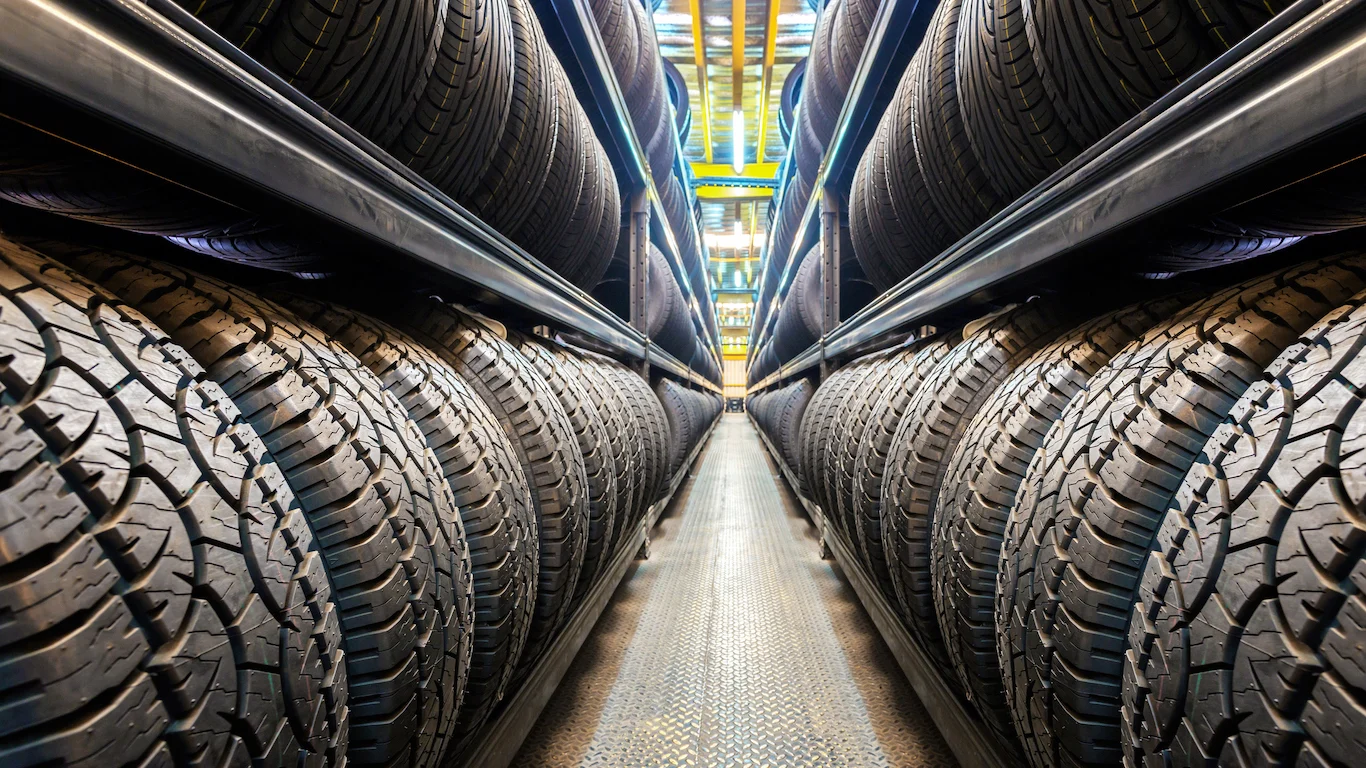
Good tires matter before the first snowflake falls. Cold weather can lower tire pressure, so check your tires when they’re cold and inflate them to the pressure listed on the driver’s door-jamb label or in the owner’s manual, not the maximum pressure printed on the tire sidewall. Inspect the tread for wear, too. Tires with insufficient or uneven tread should be replaced rather than trusted on slick roads.
Winter tires can provide better grip in cold, snowy conditions, although even they can’t eliminate the danger of ice. Tire chains or other approved traction devices may be useful or required on some mountain routes, but they are not a fix for worn-out tires. Follow posted chain rules and your vehicle and traction-device manufacturers’ instructions; not every vehicle can safely accommodate chains.
Leave More Space Between Vehicles
Leave considerably more space than usual between your vehicle and the one ahead. AAA recommends a following interval of about five to six seconds in snowy or icy conditions, and even more room may be necessary when the road is particularly slick or visibility is poor. To measure it, watch the car ahead pass a fixed object, then count the seconds until you reach the same spot.
Extra space gives you more time to recognize a problem and brake without skidding into the car in front of you. Avoid tailgating a slow-moving vehicle, no matter how impatient you feel. Give snowplows plenty of room, too: Their operators may have limited visibility, make wide turns, and stop or change lanes unexpectedly.
Plan Ahead for Stops and Stop When Required

It makes sense to avoid unnecessary stops on slippery roads, but that does not mean rolling through a stop sign or red light. You still need to come to a complete stop whenever traffic signals, signs, pedestrians, or other hazards require it. Instead, look far ahead and begin easing off the accelerator early so you’re not forced into a last-second stop.
If a light turns green before you reach the intersection, you may be able to keep moving gently, provided the way is clear and you can do so legally. If it stays red, stop. Apply the brakes smoothly and leave extra room. If your vehicle has an antilock braking system (ABS) and you need to brake firmly, maintain steady pressure rather than pumping the pedal; vibration through the pedal can be normal when ABS activates.
Keep Steady Momentum on Hills

Starting again on a steep, icy hill can be difficult because the tires may spin instead of finding enough grip to move forward. When traffic and conditions allow, approach the hill with a little controlled momentum and try to maintain a slow, steady pace rather than stopping halfway up. That’s a driving technique, not a rule to ignore traffic: Stop whenever a sign, signal, vehicle, or other hazard requires it. If the hill looks too slick to climb safely, choose another route or wait for treatment.
Avoid Flooring the Gas on Snowy Hills
A snowy hill is not the place to floor the accelerator. Adding too much power can make the drive wheels spin and reduce traction. Build a modest amount of momentum on level ground when it’s safe, then use gentle, steady throttle as you climb. Near the crest, ease off and prepare for the descent. Go downhill slowly, stay in control, and brake gently when needed; don’t coast downhill in neutral or rely on momentum alone.
Keep Winter Emergency Supplies in Your Car
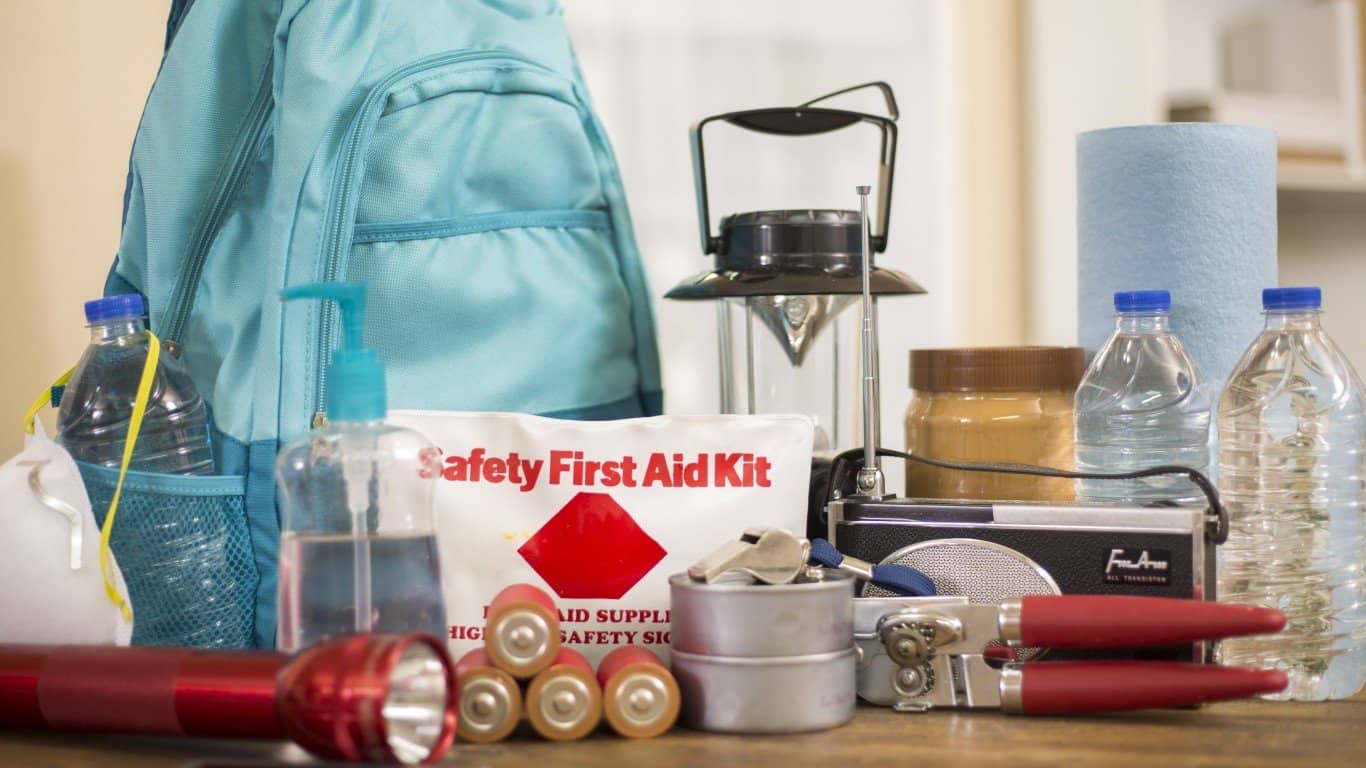
A winter breakdown or road closure can leave you stuck for hours, so pack for more than a short delay. A useful emergency kit includes warm clothes and blankets, water, nonperishable food, necessary medications, a first-aid kit, a flashlight, a phone charger, jumper cables, and a snow brush and ice scraper. A small shovel, traction material such as sand or kitty litter, and reflective warning devices can also be helpful.
AAA recommends keeping at least half a tank of fuel during winter travel, while NHTSA advises keeping the tank as close to full as practical. If you become stranded in a storm, call for help and generally stay with your vehicle when it’s safe to do so. Before running the engine for warmth, make sure the exhaust pipe is clear of snow; carbon monoxide can build up inside a vehicle if exhaust gases cannot escape. The National Weather Service recommends running the engine for about 10 minutes each hour when heat is needed, with a window cracked slightly for ventilation. Never run the engine in an enclosed space.