
Rawf8 / iStock via Getty Images

bluejayphoto / iStock via Getty Images

EarnestTse/Shutterstock.com
Mia2you/Shutterstock.com
Sean3810/iStock.com
"Beijing skyline from northeast 4th ring road (cropped)" by Picrazy2 is licensed under BY-SA 4.0.

New York City by Padmanaba01 / BY-SA 2.0 / Flickr
Sean Pavone / Shutterstock.com

"Tower bridge - London, United Kingdom - Travel photography" by Giuseppe Milo (www.pixael.com) is licensed under BY 2.0.
Sean Pavone / Shutterstock.com

Mordolff / E+ via Getty Images







Why These 10 Major Cities Can Feel Unfriendly to Visitors
“Rude” is a slippery label to put on an entire city. A clipped answer in Berlin, quiet reserve in London or brisk service in Hong Kong can feel unfriendly to a visitor, even when it is perfectly normal by local standards. Crowding, language barriers, unfamiliar etiquette and the simple pressure of life in a major city all shape that first impression.
The 10 cities below regularly turn up in traveler conversations about cold or impatient receptions, but this is not a scientific ranking—or a verdict on millions of residents. It is a look at why each place can feel brusque, what complaints have some basis in reality and which assumptions deserve a rethink.
Berlin, Germany
Berlin’s communication style is famously direct. A bartender may take an order without much ceremony, and a stranger answering a question may give the useful information without wrapping it in smiles or small talk. Visitors accustomed to highly attentive service can mistake that efficiency for hostility.
The city’s nightlife adds another layer. Selective club doors—sometimes with little explanation—are part of Berlin’s scene, but a rejection is not a judgment on every tourist. Ask clear questions, respect queues and posted rules, and do not expect every interaction to be a performance. Berlin often becomes warmer once you stop demanding that it act warm.
Hong Kong, China
Hong Kong is dense, fast and intensely practical. In a busy restaurant or shop, service may be brief because the goal is to keep people moving—not to create a leisurely relationship with every customer. On crowded trains and narrow sidewalks, residents tend to protect their space and move with purpose.
None of that means visitors are unwelcome. It means the city often expresses helpfulness through action rather than extended pleasantries. Have your order ready, step aside when checking directions and learn a simple m̀h’gōi—a versatile Cantonese “please,” “thank you” or “excuse me.” A little awareness makes the same efficient exchange feel very different.
Miami, USA
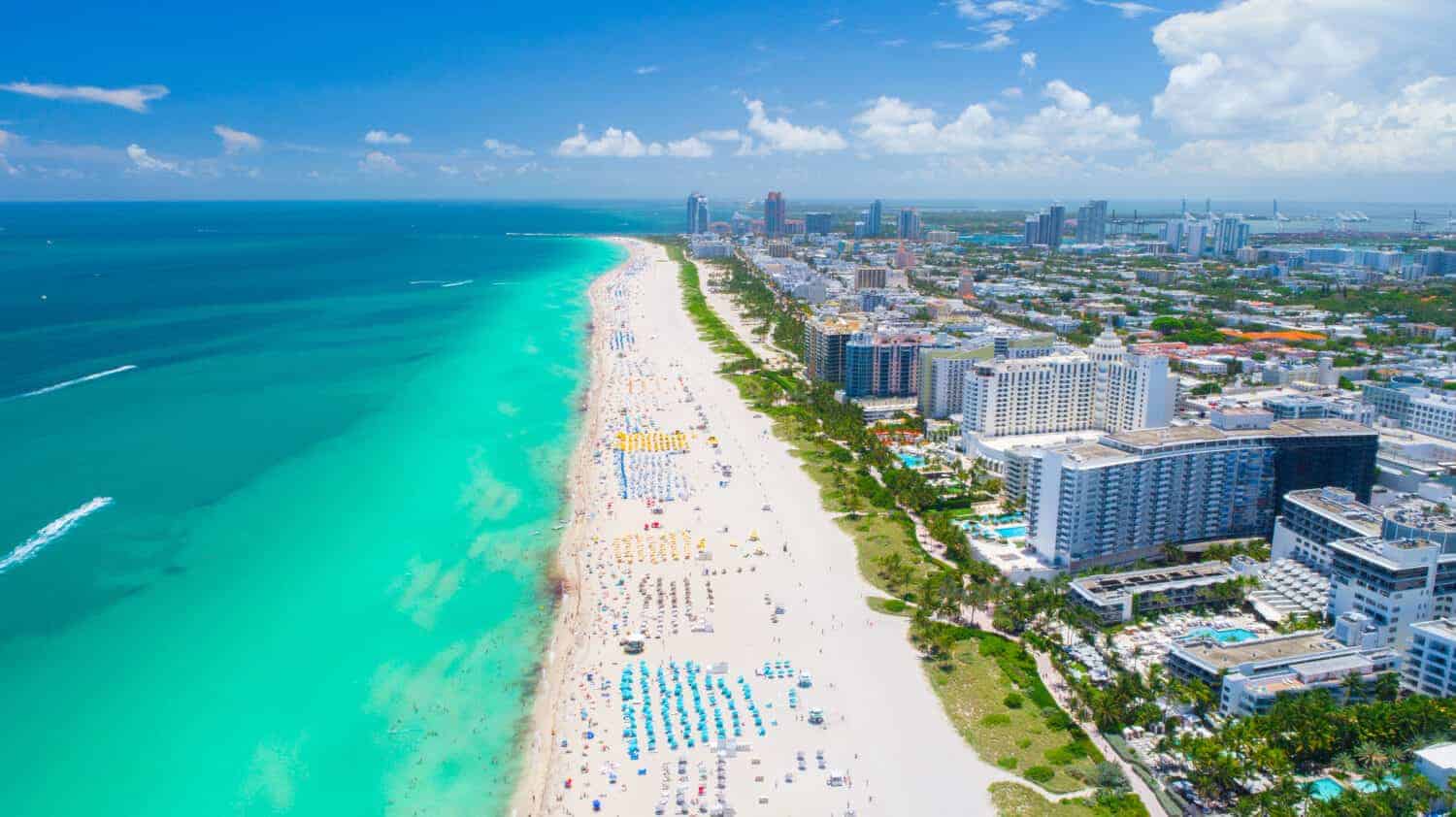
Miami is not one social world. South Beach nightlife, suburban neighborhoods, Cuban cafés and the downtown business district all operate at different speeds. Visitors who stay inside the resort-and-club bubble may encounter velvet-rope attitudes and rushed service, then mistake that slice of the city for Miami as a whole.
Traffic is the more consistent source of frustration: aggressive lane changes, congestion and long travel times can make everyone seem impatient. In tourist districts, check restaurant bills before adding a tip because some venues include a service charge. Beyond those practical annoyances, Miami’s mix of English, Spanish and Caribbean cultures rewards travelers who approach it with curiosity instead of expecting one uniform style of hospitality.
Paris, France
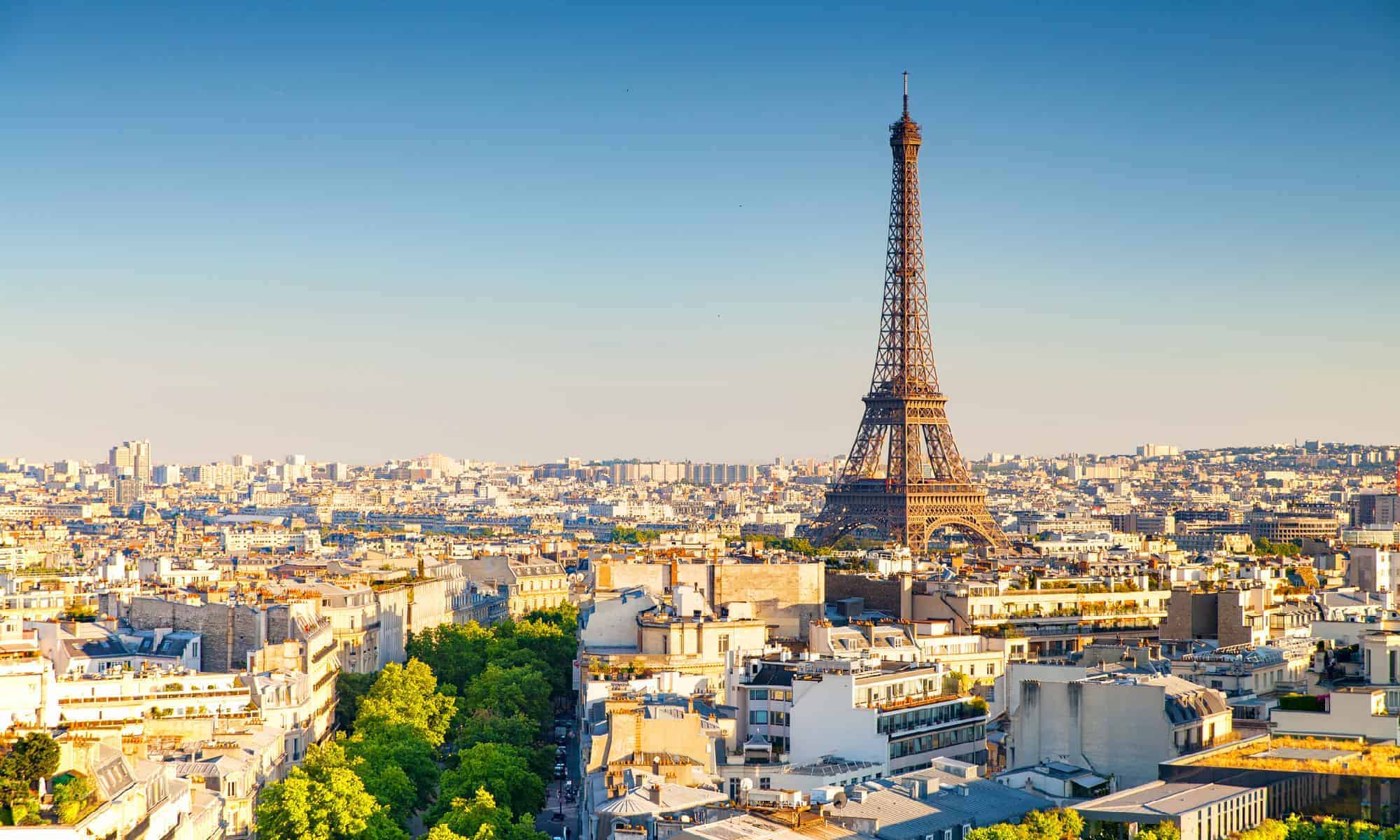
Parisian service is often more formal than the relentlessly upbeat style some visitors expect. Walking into a shop and immediately asking a question can sound abrupt in French. A simple bonjour before the request—and au revoir when leaving—changes the tone of many encounters.
Restaurants can create the same misunderstanding. Servers may leave diners alone rather than repeatedly checking the table, and guests generally ask for the bill when ready. Add crowds around major sights, transit pressure and petty-theft concerns, and a stressful day can easily become a story about “rude Paris.” The city has genuine urban problems, but they do not support a blanket judgment about Parisians.
Beijing, China
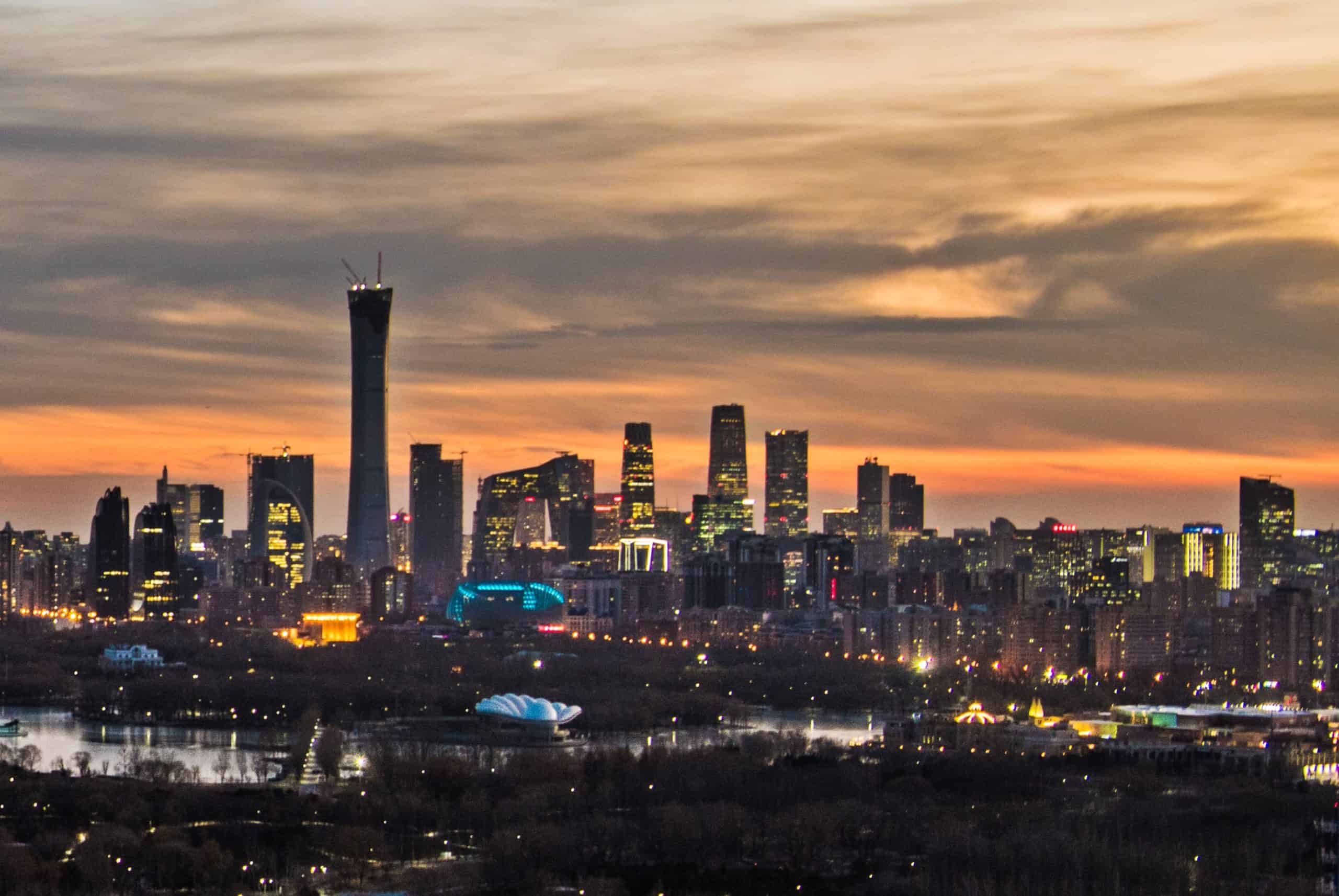
Beijing’s scale can overwhelm a first-time visitor. Vast transit stations, packed attractions and a language barrier make ordinary transactions feel hurried. Personal space, queuing and service conventions may also differ from what a traveler expects, especially during rush hour or at heavily visited landmarks.
That friction is better understood as culture and circumstance than as a lack of warmth. Keep destination names written in Chinese, use a reliable translation tool and make requests clearly. In quieter settings, visitors often encounter a more generous side of the city than they see while trying to board a crowded train or negotiate a line at a famous attraction.
New York City, USA
New York moves quickly, and its sidewalk and subway etiquette reflect that pace. Stopping at the top of a station staircase, blocking a train door or spreading across a busy sidewalk will earn a sharper response than it might elsewhere. To a visitor, that correction can sound rude; to a commuter, it is traffic control.
New Yorkers are often more helpful than cheerful. Ask for directions and the answer may be fast, detailed and delivered without a smile. The useful distinction is between warmth and assistance: the city does not always offer the first, but it supplies plenty of the second. Keep pace, move aside before checking your phone and ask specific questions.
Milan, Italy
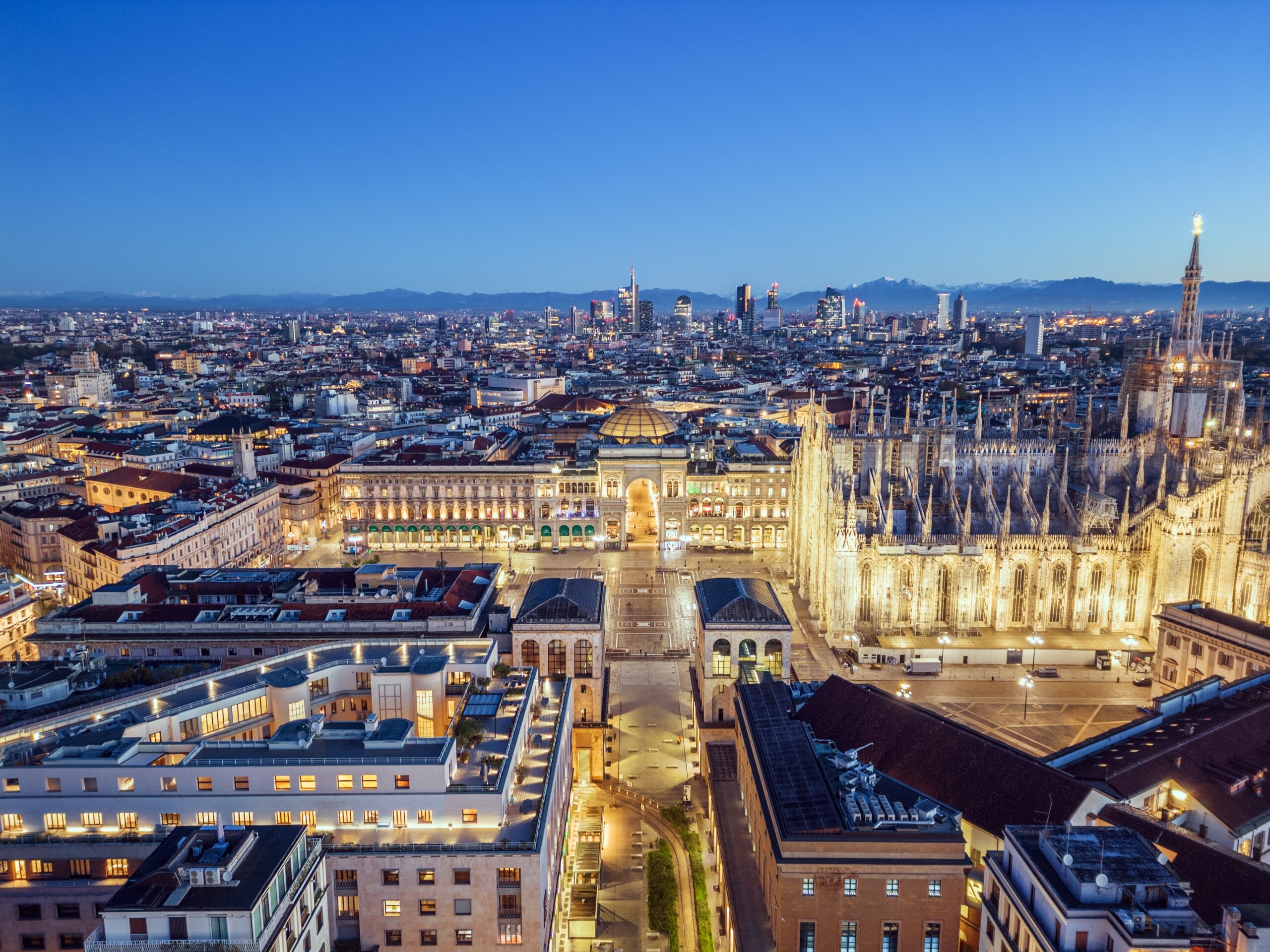
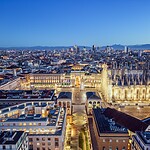
Milan is polished, business-minded and less theatrically welcoming than some Italian destinations. In cafés, shops and offices, communication can be quick and formal. Visitors expecting the easygoing hospitality associated with a vacation town may read that professional reserve as impatience.
The practical concern is distraction theft and tourist scams around crowded places such as the Duomo and Milano Centrale. Bracelet sellers, unsolicited “gifts” and jostling in busy transit areas can make a trip feel adversarial, but those encounters should not be confused with local character. Decline unwanted approaches firmly, watch valuables in crowds and begin ordinary interactions with buongiorno or buonasera.
London, UK
Londoners generally value privacy, orderly queues and getting where they are going without delay. That reserve can feel chilly to travelers from cultures where strangers chat more freely. It is rarely a declaration that tourists are unwelcome; it is the default behavior of a crowded city where millions of people share limited space.
Street theft is a separate issue, not evidence of local rudeness. Phone snatching remains a concern in busy areas, although Metropolitan Police reported a substantial year-over-year decline in 2026. Keep phones away from the curb and stay aware near stations and nightlife districts. Queue properly, stand aside when consulting a map and remember that a hurried “sorry” is often London’s version of civic warmth.
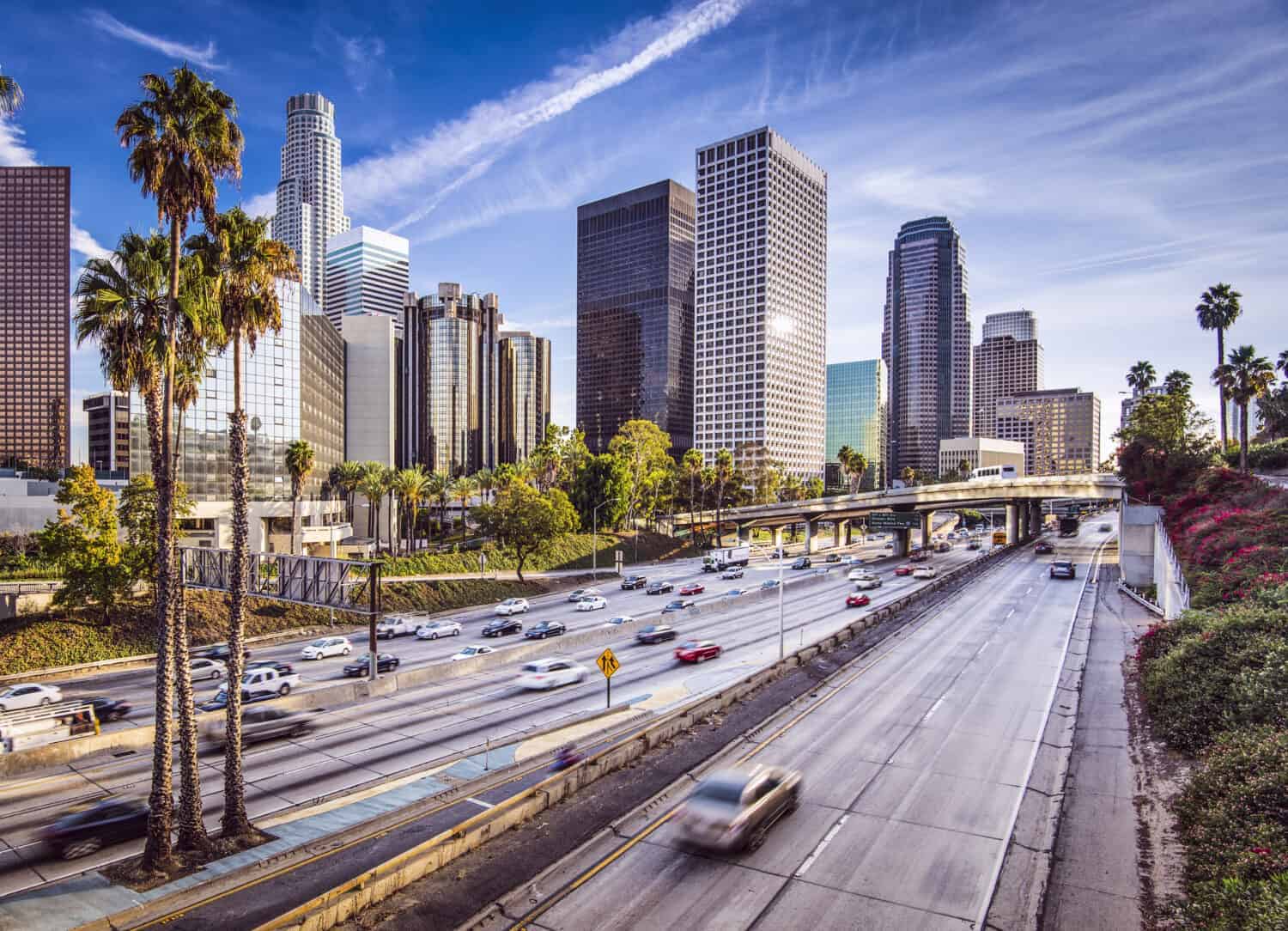
Los Angeles, USA
Los Angeles is too large and fragmented for one personality. A visitor moving among beach communities, studio districts, immigrant neighborhoods and downtown is really encountering several cities linked by congested roads. Long drives and unreliable arrival times can make social plans feel vague or dismissive even when traffic is the real culprit.
Entertainment and other network-driven industries do encourage conversations that mix business with friendship, which outsiders sometimes experience as transactional. That is a feature of particular professional circles, not a fair description of everyone in L.A. The best corrective is to leave the industry bubble, allow far more travel time than the map suggests and explore the city neighborhood by neighborhood.
Moscow, Russia
Moscow’s reserved public manner and direct speech can register as cold to visitors accustomed to smiling at strangers or cushioning every request. As elsewhere on this list, that cultural difference does not justify calling an entire population rude.
More importantly, Moscow is no longer an ordinary etiquette story. As of November 2026, the U.S. State Department says Americans should not travel to Russia for any reason, citing risks including wrongful detention, terrorism and unrest; the UK also advises against all travel. Authorities may monitor electronic devices and communications, and laws targeting LGBTQ+ expression create additional danger. Anyone considering travel should read their government’s current advisory rather than relying on a lifestyle list.