Andrew Clemente
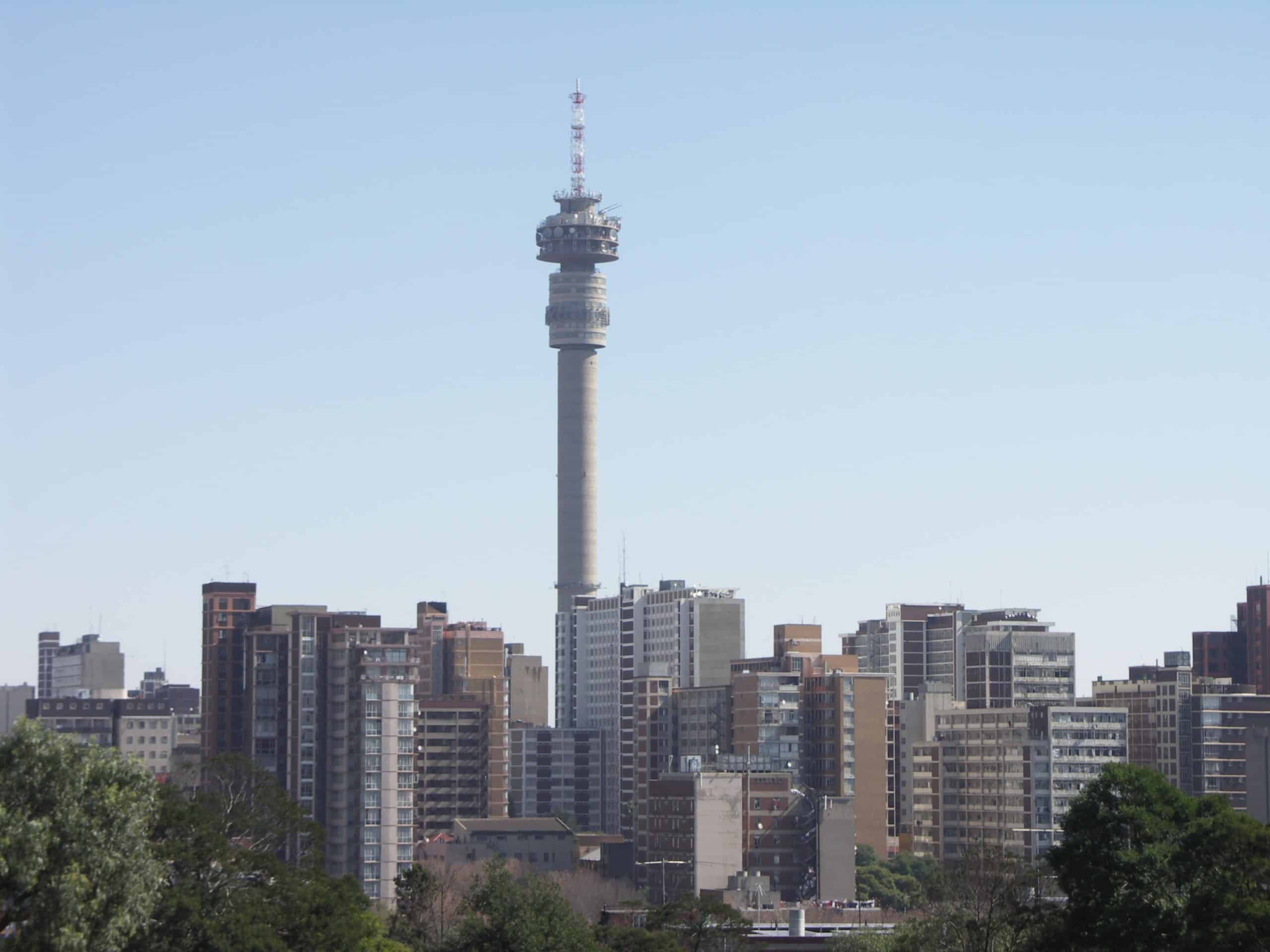
"South Africa-Johannesburg-Hillbrow001" by NJR ZA is licensed under BY-SA 3.0.
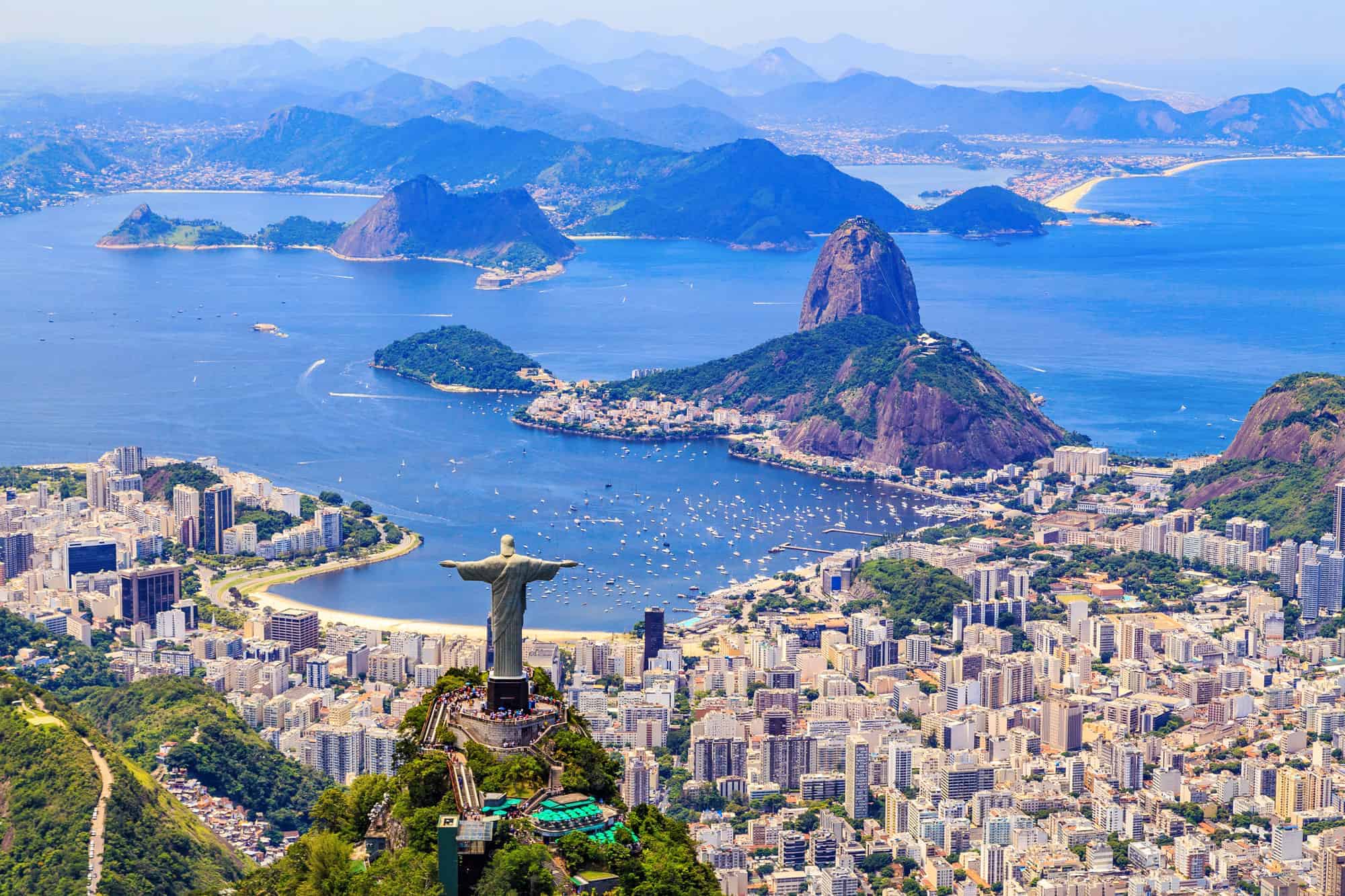
Yuri de Mesquita Bar/iStock.com
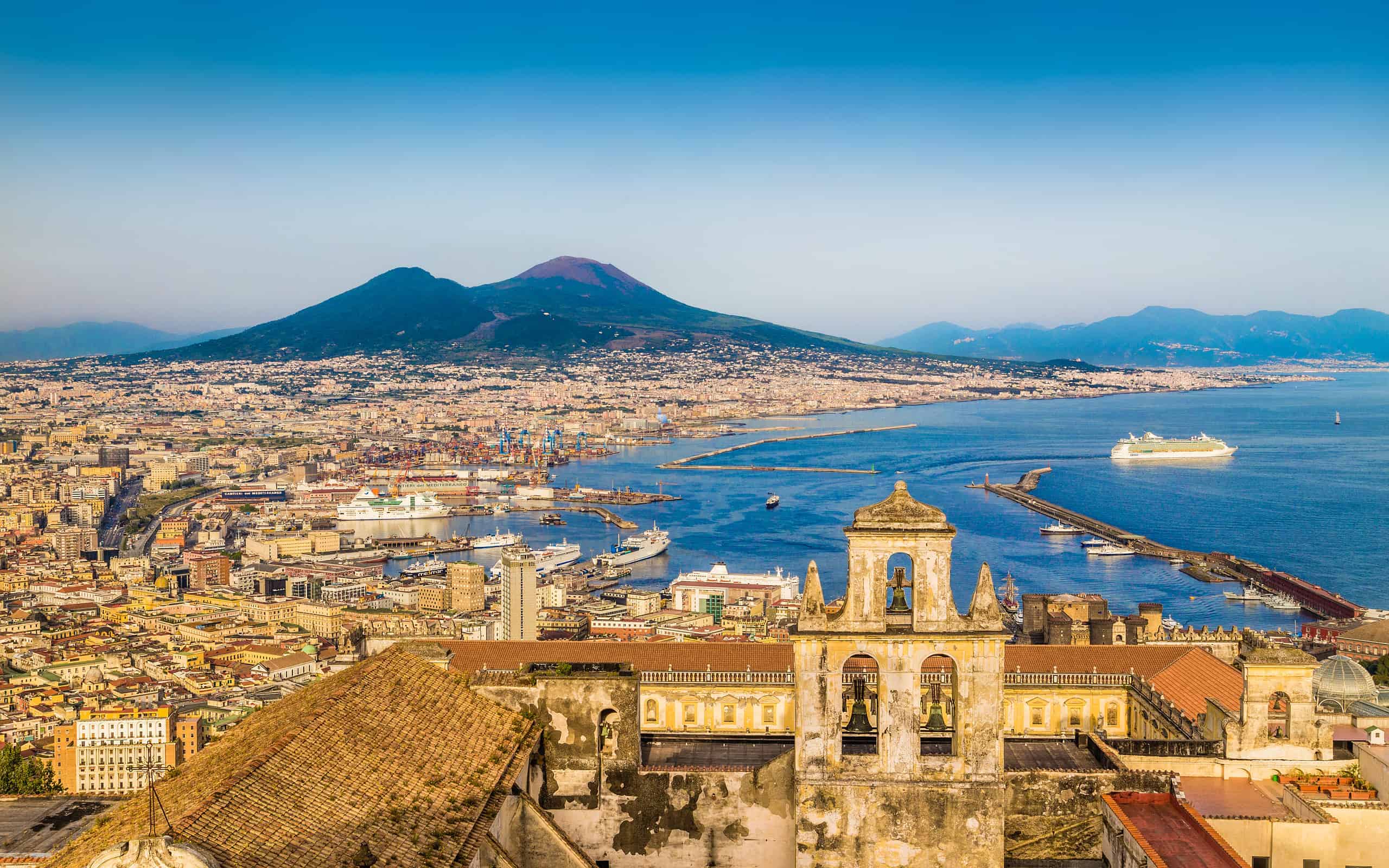
bluejayphoto/ via Getty Images
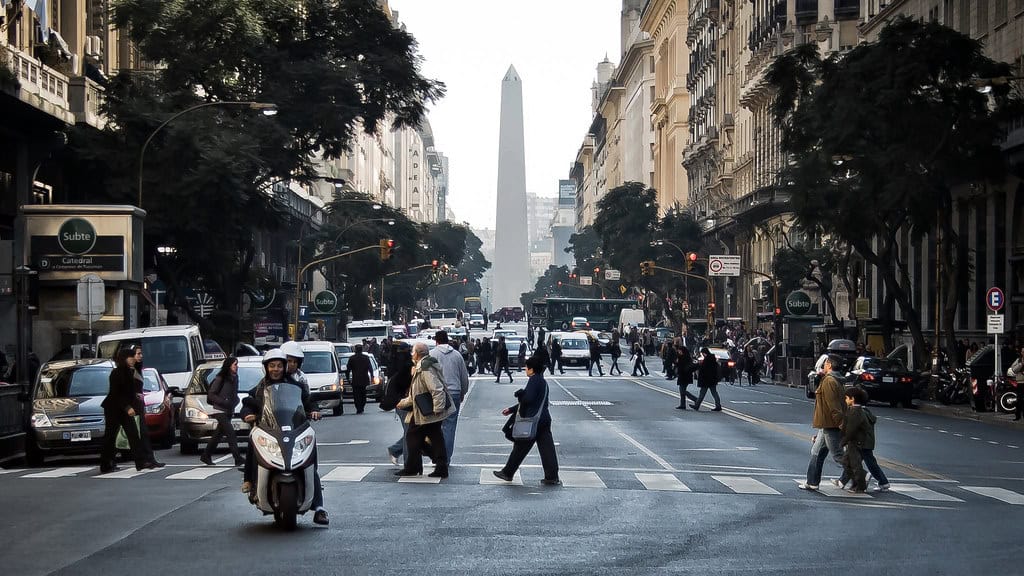
"Buenos Aires, la ciudad contada. / The city to be told." by hernanpba is licensed under BY-SA 2.0.
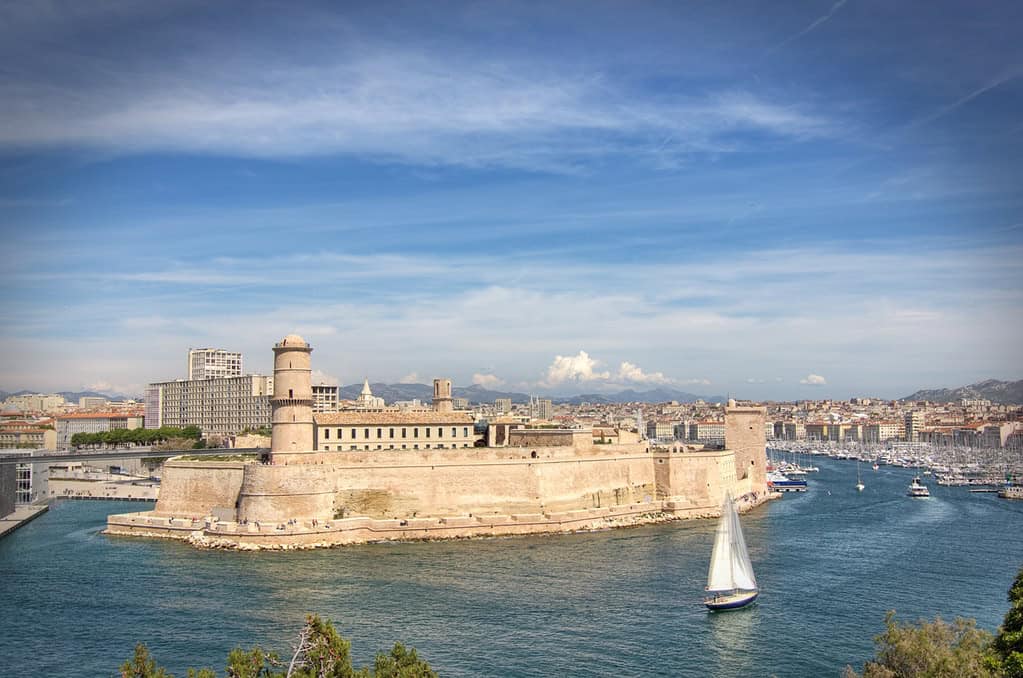
"Fort St Jean Marseille, France" by decar66 is licensed under BY 2.0.
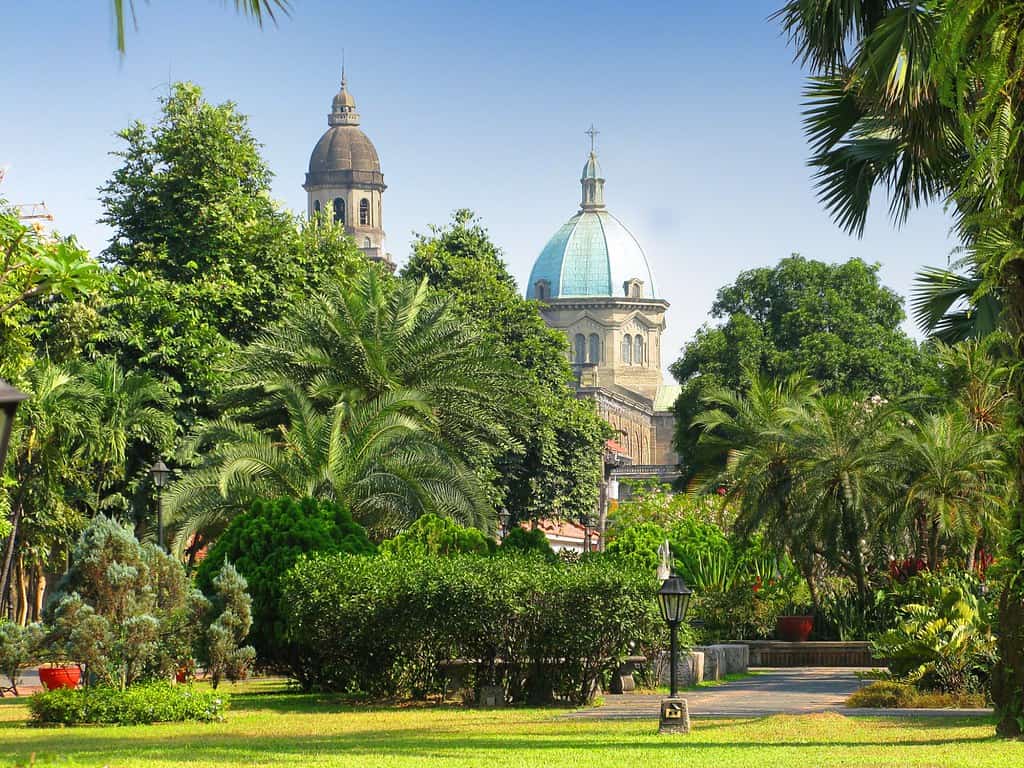
"Manila Cathedral" by Ray in Manila is licensed under BY 2.0.
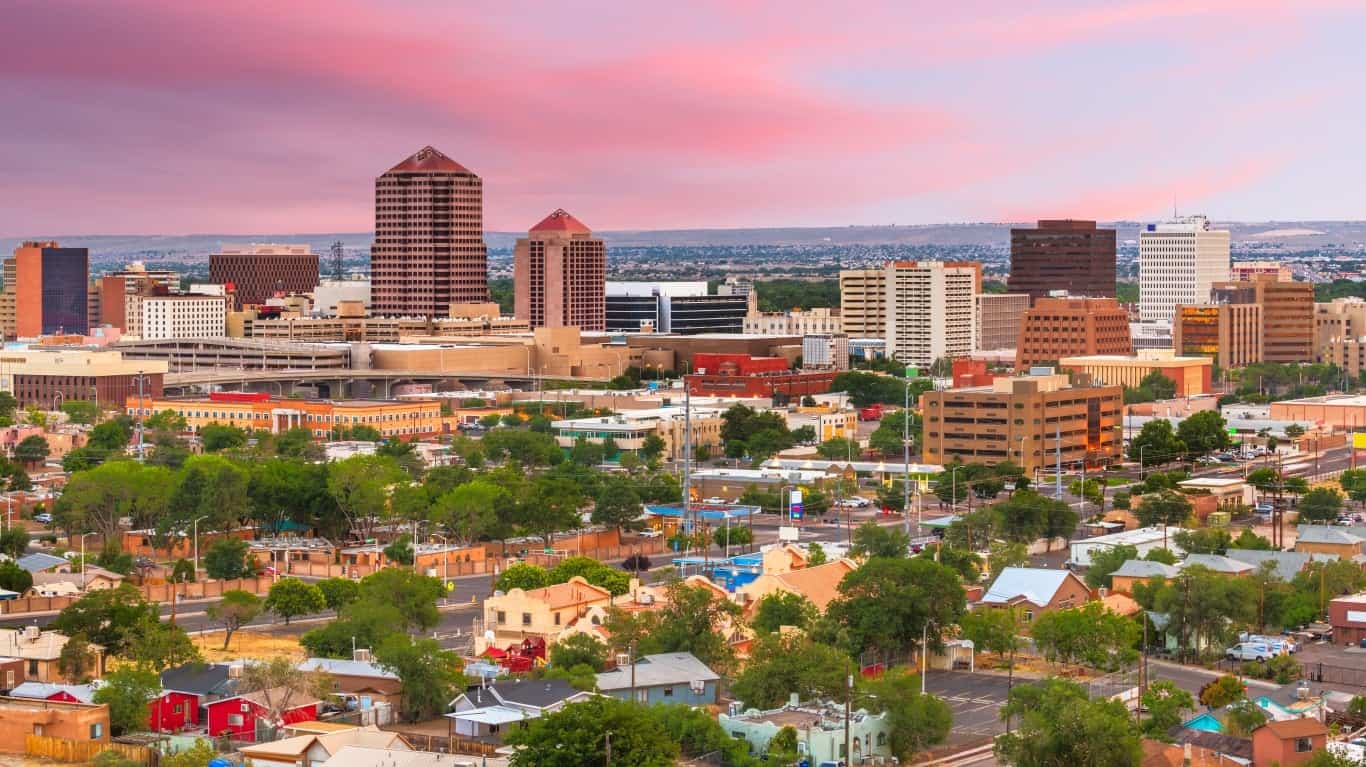
Sean Pavone / iStock via Getty Images
apiguide/Shutterstock.com
"Y1A0823 Nairobi" by Ninara is licensed under BY 2.0.
"Guatemala City Z.1" by vaticanus is licensed under BY 2.0.


10 International Destinations Where Tourists Should Be Extra Careful After Dark
Some of the world’s most popular destinations are at their best after sunset. Restaurants fill up, nightlife gets going, landmarks light up, and neighborhoods that seemed quiet during the day suddenly come alive. But nighttime can also change the equation for travelers who do not know the city as well as locals do.
That does not make these places off-limits, and millions of people visit them without incident. Still, official travel guidance points to recurring concerns ranging from pickpocketing and taxi scams to robberies, isolated streets, and specific neighborhoods tourists are better off avoiding after dark. These 10 destinations are well worth visiting, but they are also places where a little extra awareness at night can go a long way.
Johannesburg, South Africa
Johannesburg is often the first stop for travelers heading deeper into South Africa, but it is not a city where visitors should casually wander around after dark. Transportation becomes especially important at night, when walking even relatively short distances can expose travelers to unnecessary risk.
Government travel guidance warns that violent crime is a serious concern in South Africa and can become more dangerous after sunset. Visitors are generally better off arranging transportation through a hotel, reputable private service, or recognized ride-hailing app. Keep phones and other valuables out of sight, stick to well-traveled areas, and verify the vehicle and driver before getting in.
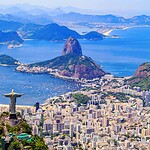
Rio de Janeiro, Brazil
Rio de Janeiro may be famous for beaches, nightlife, and spectacular scenery, but some of its most recognizable areas require a different level of caution once the sun goes down. Even places packed with tourists during the day can become much less forgiving late at night.
Official guidance specifically warns visitors against going onto Rio’s city beaches after dark and notes that robberies occur in popular tourist districts. Copacabana, Lapa, and Santa Teresa are among the areas where travelers should stay alert. Take only what you need when going out, keep phones and valuables out of sight, and use a verified taxi or ride-hailing service rather than wandering unfamiliar streets late at night.
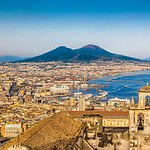
Naples, Italy
Naples has a reputation that sometimes overshadows what makes it such an appealing destination. Its food, historic streets, waterfront, and famously chaotic energy are a huge part of the experience. For most visitors, the bigger concern is not violent crime but opportunistic theft.
Pickpocketing and bag-snatching are well-known risks in busy Italian city centers, particularly around train stations, public transportation, and major attractions. In Naples, travelers should be especially attentive around crowded transit areas and the main station. Keep bags closed and close to your body, avoid flashing valuables, and ask hotel staff for current advice if you plan to explore unfamiliar areas late at night.
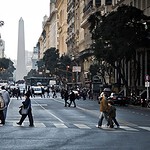
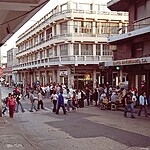
La Boca, Buenos Aires, Argentina
Few neighborhoods in Buenos Aires are as instantly recognizable as La Boca. Caminito’s brightly painted buildings, street performers, tango dancers, and restaurants make it one of the city’s classic tourist stops. The surrounding neighborhood, however, is not viewed the same way from a visitor-safety standpoint.
Government travel advisories encourage tourists to remain within the established Caminito area and warn that robberies can occur on nearby streets. Visitors are also advised to avoid La Boca after dark. This is one destination where spontaneous exploring can quickly take you beyond the heavily traveled tourist zone, so it is smarter to visit during the day and have transportation arranged when you are ready to leave.
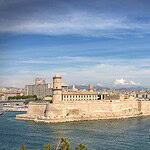
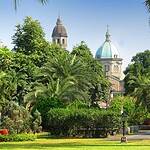
Marseille, France
Marseille feels very different from the postcard image many travelers associate with France. The Mediterranean port is busy, diverse, historic, and full of personality, but like other major European cities, crowded transportation hubs and tourist areas can attract thieves looking for distracted visitors.
Pickpocketing and phone or bag theft are among the most common concerns. Gare Saint-Charles deserves particular attention because travelers often arrive there carrying luggage, phones, passports, and other valuables. Keep belongings secured, stay aware of your surroundings when crowds thin out at night, and never leave luggage or valuables visible inside a parked car.
Manila, Philippines
Metro Manila is enormous, crowded, and often overwhelming for first-time visitors. Attractions can be separated by long distances, traffic can turn a short trip into a lengthy one, and a route that looks simple on a map may not be something tourists want to walk after dark.
Official travel guidance warns about pickpocketing, scams, financial fraud, robbery, and other crimes in the Philippines. Travelers arriving at Ninoy Aquino International Airport should also be careful when arranging transportation. Stick with reputable ride-hailing services, hotel-arranged vehicles, or established taxi services, and get local advice before heading into an unfamiliar neighborhood at night.
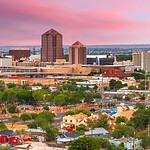
Mexico City, Mexico
Mexico City has become one of the world’s most exciting urban destinations, with neighborhoods such as Roma Norte, Condesa, and Polanco packed with restaurants, bars, museums, and nightlife. Those popular districts can stay lively well into the evening, but visitors should not assume the same conditions apply everywhere in the sprawling capital.
Government guidance warns travelers about crime and kidnapping risks, including short-term abductions in which victims can be forced to withdraw money. Transportation is one place where visitors can reduce their exposure. Avoid hailing random taxis from the street, use regulated taxi stands or trusted apps, and always confirm the license plate and vehicle before getting inside.
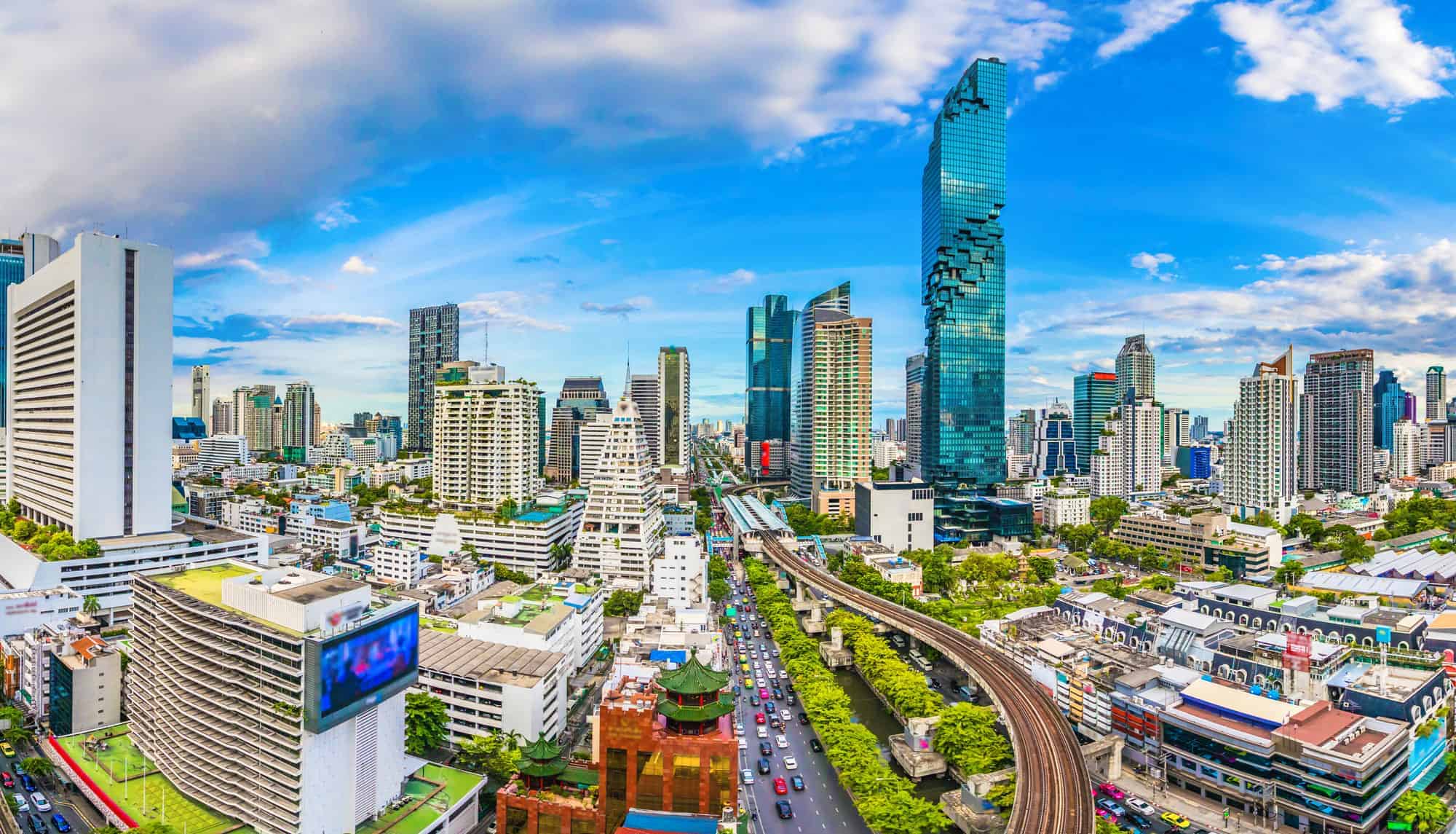
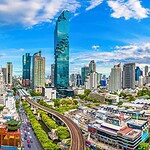
Bangkok, Thailand
Bangkok barely seems to slow down after sunset. Night markets, rooftop bars, restaurants, clubs, and entertainment districts keep parts of the city busy well past midnight. That constant activity can make visitors feel comfortable, but nightlife also creates opportunities for problems that are less common during the day.
Official guidance warns about drink spiking, drug-assisted assault, theft, and attacks around nightlife areas in Thailand. Keep control of your drink, be cautious about accepting anything from strangers, and avoid walking alone through isolated streets after leaving bars or clubs. Planning your transportation back to the hotel before the night gets underway is a simple precaution that can prevent a lot of trouble later.
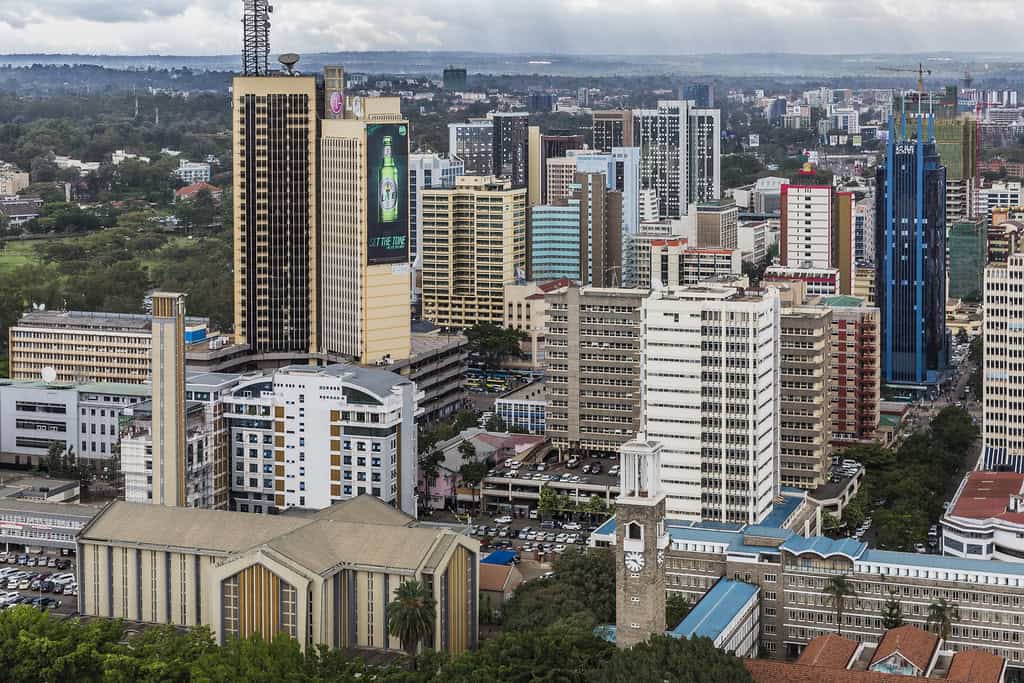
Nairobi, Kenya
Nairobi is the jumping-off point for many of Kenya’s most famous safari destinations, but the capital itself deserves more careful planning than simply treating it as a stop between the airport and the wilderness. Crime risks can vary considerably depending on where travelers go.
Official advisories identify parts of Nairobi, including Eastleigh, Kibera, and some informal settlements, as areas with heightened crime and kidnapping concerns. Visitors should avoid casually exploring unfamiliar districts and be particularly cautious after dark. Reputable transportation arranged through a hotel, tour operator, or trusted service is generally a better choice than walking between destinations at night.
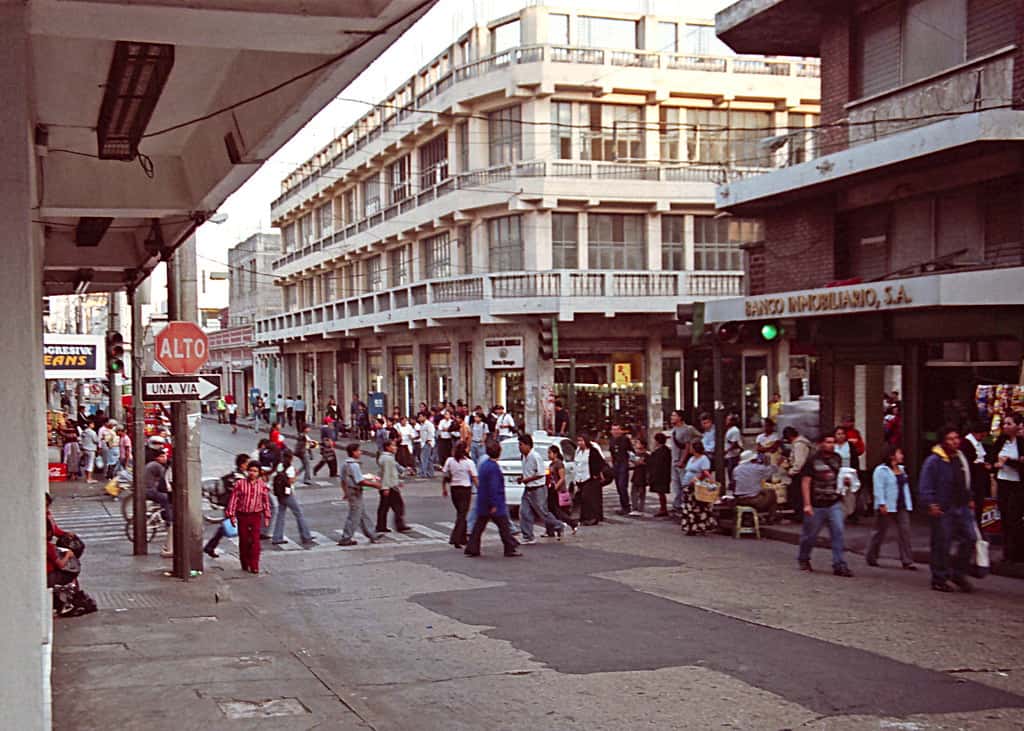
Guatemala City, Guatemala
For many international visitors, Guatemala City is primarily an arrival point before continuing to Antigua, Lake Atitlán, Tikal, or other destinations. Travelers who spend time in the capital, however, should understand that safety conditions can change significantly from one zone to another.
U.S. and Canadian travel guidance identifies several areas of Guatemala City where visitors should exercise heightened caution or avoid nonessential travel. Public transportation and unregulated taxis can also create unnecessary risk. If you are arriving after dark, arranging an airport transfer, hotel taxi, or vetted private driver ahead of time is considerably better than trying to work out transportation after you land.