torwai / Getty Images

PeopleImages.com - Yuri A/Shutterstock

Shotmedia / Shutterstock.com

Improvisor / Shutterstock.com

Lucky Business/Shutterstock
DenisTangneyJr / E+ via Getty Images

Pavliha / iStock Unreleased via Getty Images

Sean Pavone / Shutterstock.com

combust / BY 2.0

Sean Pavone / iStock via Getty Images

PeopleImages.com - Yuri A / Shutterstock.com

earth phakphum / Shutterstock.com

Panumas Yanuthai / Shutterstock.com










The 7 Unhealthiest Major Cities in America, According to the Latest Fitness Index
Are some American cities better set up than others for healthy, active living? According to the 2026 ACSM American Fitness Index, absolutely.
The American College of Sports Medicine's (ACSM) American Fitness Index ranks the 100 largest U.S. cities on how well they support healthy, active lifestyles. The Index looks at both personal health and the community conditions that can make everyday movement easier or harder.
The latest rankings make one thing clear: a city's place on the list is not just about how often residents exercise. Health outcomes, transportation, parks, recreation, walkability, and other community conditions all feed into the score. Below are seven cities that landed in the bottom 20 of the 2026 Index.
One important caveat: a low ranking does not mean everyone in a city is unhealthy, and the same problem does not drag down every city. The Index combines population-level health data with community and environmental measures, so the reasons for a low finish can look very different from one place to the next.
This post was updated on September 14, 2026, to reflect the 2026 ACSM American Fitness Index.
Understanding the ACSM American Fitness Index
The ACSM American Fitness Index measures how well the 100 largest U.S. cities support healthy, active lifestyles. It is not simply an obesity list or a count of gym memberships. The Index combines residents' health behaviors and health outcomes with community resources, infrastructure, and environmental conditions. That means a city can rank poorly in personal health while doing much better on its community and environment score, or vice versa.
Methodology Behind the Rankings
The 2026 Index uses 35 evidence-based indicators split between personal health and community and environment measures. Those indicators include physical activity, smoking, sleep, obesity, chronic disease, air quality, park access, walkability, bikeability, trails, recreational facilities, transportation policy, and park spending. The 2026 report draws on data from sources including the U.S. Census Bureau, CDC, EPA, Feeding America, the National Highway Traffic Safety Administration, Smart Growth America, Trust for Public Land, and Walk Score and Bike Score.
Top Performers in 2026
Arlington, Virginia, ranked as America's fittest city for the ninth straight year in 2026. Washington, D.C. finished second, followed by Minneapolis, Seattle, and Denver. ACSM found that higher-ranked cities tend to combine stronger physical-activity rates with active transportation and broad access to parks and recreation.
Challenges in Lower-Ranked Cities
ACSM found that lower-ranked cities tend to have higher obesity and chronic disease rates, lower physical-activity levels, and fewer opportunities to build movement into daily life. But the pattern is not identical everywhere. Some cities near the bottom score much better on community and environment than they do on personal health, while others struggle on both sides of the Index.
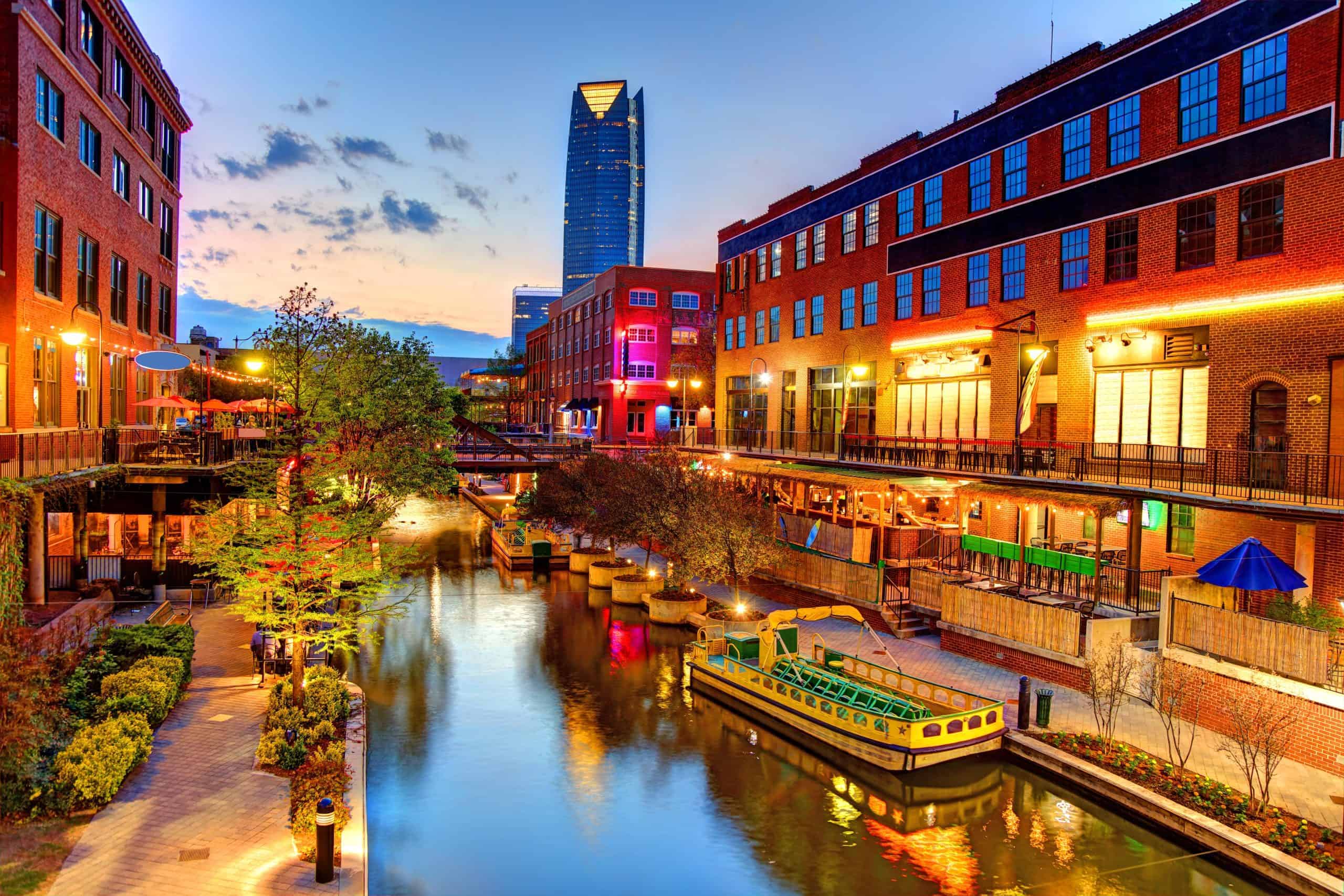
Oklahoma City, OK
Oklahoma City ranks 100th overall in the 2026 Fitness Index. It sits 97th in personal health and 98th in community and environment, putting it near the bottom on both halves of ACSM's scorecard rather than being dragged down by one unusually weak category.
North Las Vegas, NV
North Las Vegas improved to 90th overall in 2026. It ranks 86th in personal health and is tied at 76.5 in community and environment, so its community-side performance is stronger than its personal-health showing even though the city remains near the bottom overall.
Tulsa, OK
Tulsa ranks 91st overall in 2026, but the split between its two major scores is striking. The city ranks 99th in personal health and 58th in community and environment, making personal-health indicators the much bigger drag on its overall finish.
Toledo, OH
Toledo sits at 81st overall in the 2026 Index. Its personal-health rank is much lower at 94th, while its community and environment rank is 41st. In other words, Toledo's current standing is driven far more by personal-health measures than by its built environment and community resources.
Indianapolis, IN
Indianapolis ranks 97th overall in 2026, with a personal-health rank of 90th and a community and environment rank of 92nd. Unlike cities that are pulled down mostly by one side of the Index, Indianapolis lands near the bottom in both major categories.
Louisville, KY
Louisville ranks 94th overall in 2026. Its personal-health rank is 98th, while its community and environment rank is tied at 65.5. That gap makes personal health the clearest weakness in Louisville's current Fitness Index profile.
Bakersfield, CA
Bakersfield ranks 95th overall in the 2026 Index. It places 89th in personal health and 89th in community and environment, giving it one of the more evenly low profiles on this list rather than a ranking dominated by a single category.
Strategies for Improvement
Improving these rankings is not as simple as telling people to exercise more. ACSM points to practical levers such as safe walking and biking infrastructure, reliable public transit, parks and recreation spaces, indoor activity options, and policies that make daily movement easier. The 2026 results also show why the details matter: some low-ranked cities lag mostly in personal health, while others score poorly on both health and community conditions.