Sean Pavone / Shutterstock.com
Anthony Acosta / BY-SA 4.0
Exothermic / BY-SA 2.0
eutrophication&hypoxia / BY 2.0
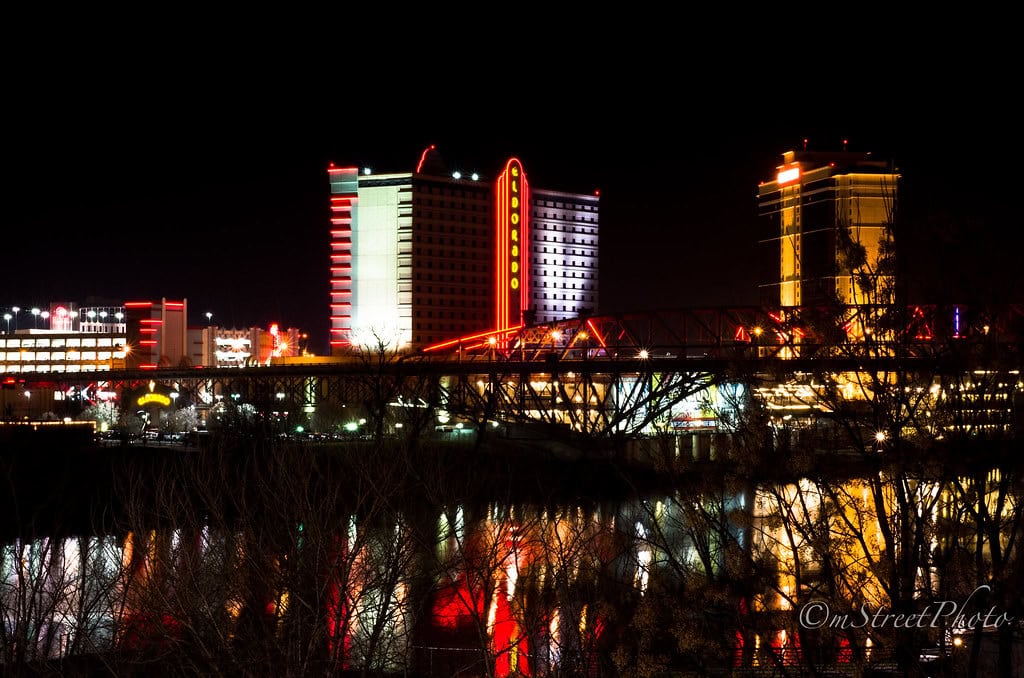
mStreetPhoto / BY 2.0
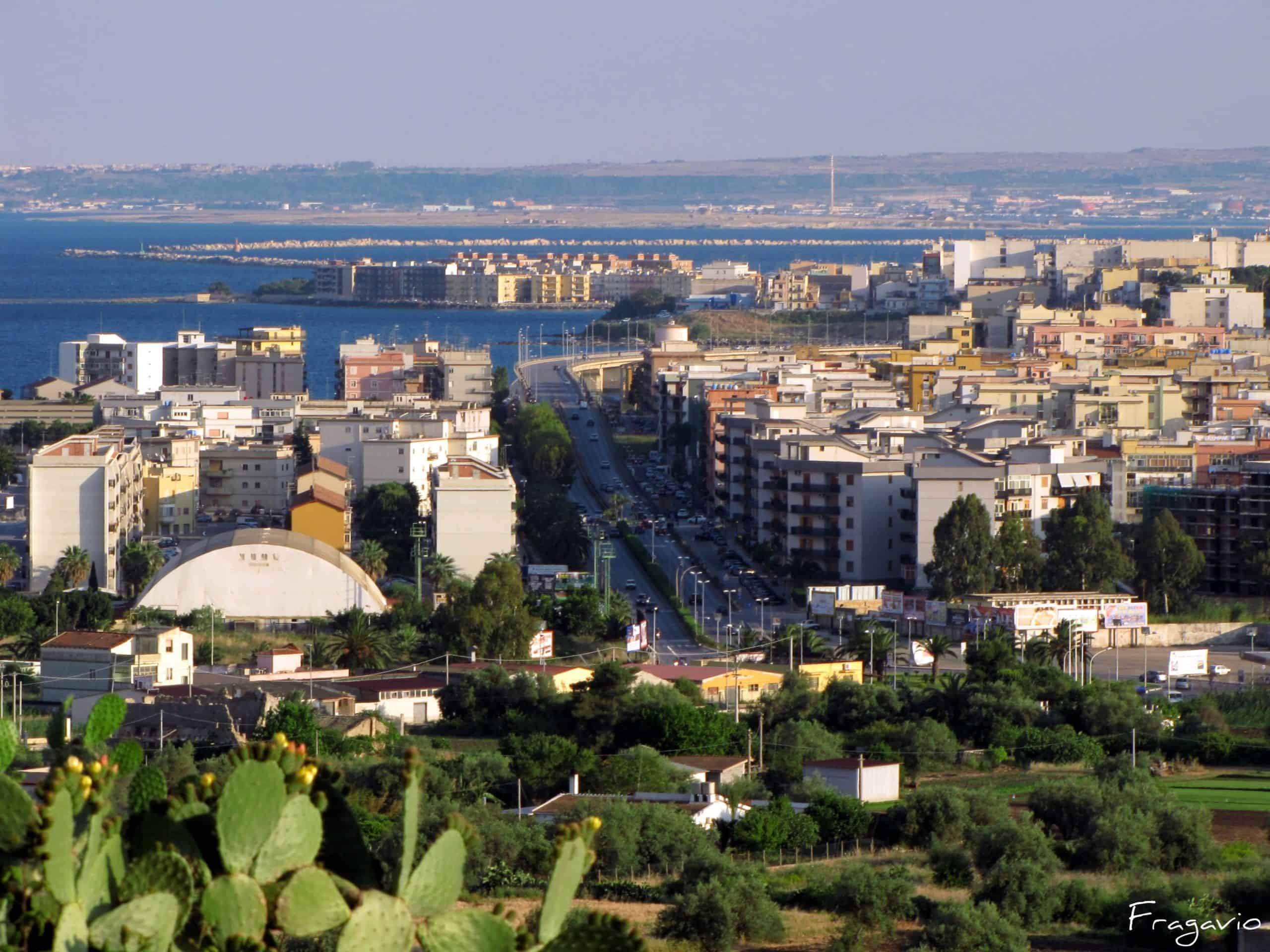
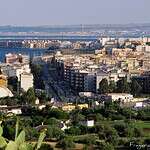
fragavio from Augusta, Sicily, Italy / BY 2.0
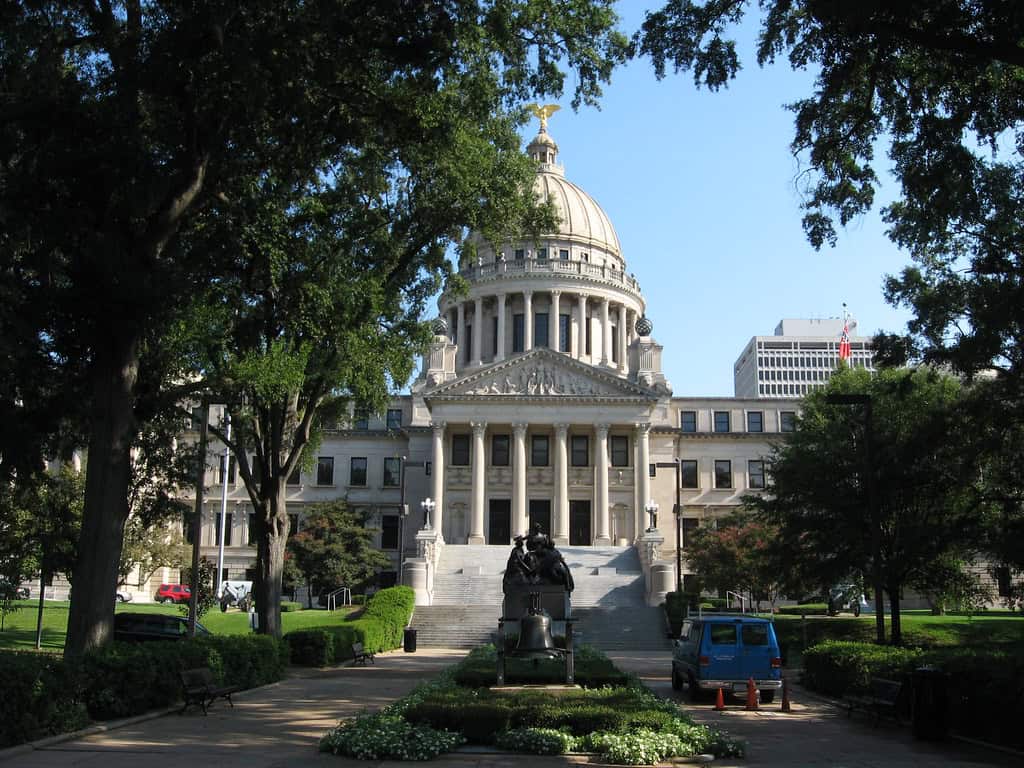
Ken Lund / BY-SA 2.0
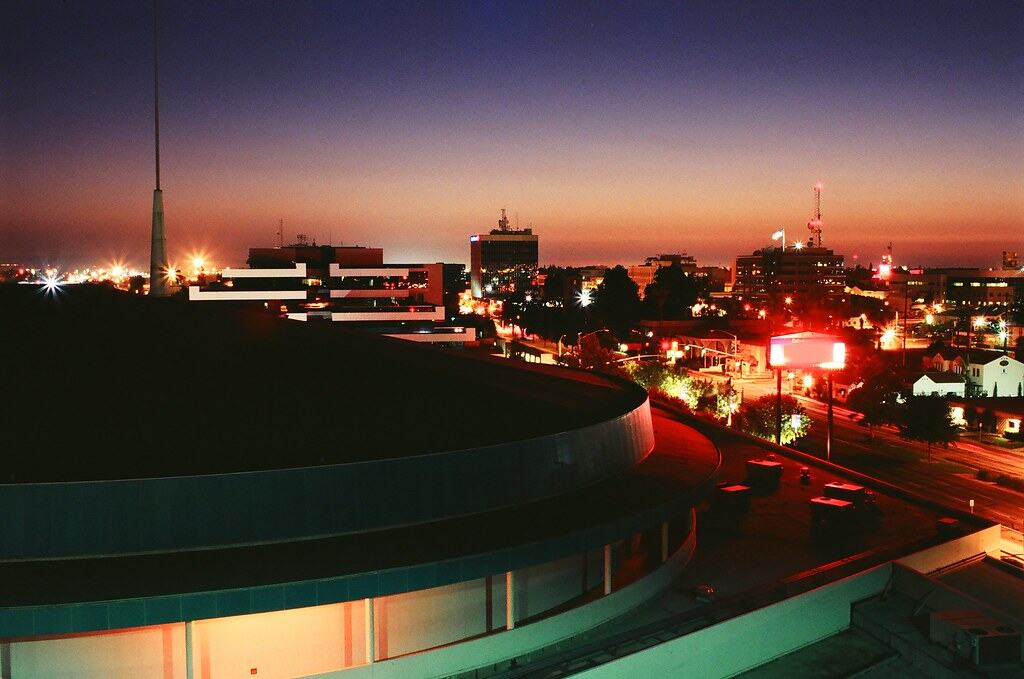
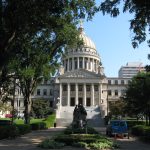
NatsuRonin / BY-SA 2.0
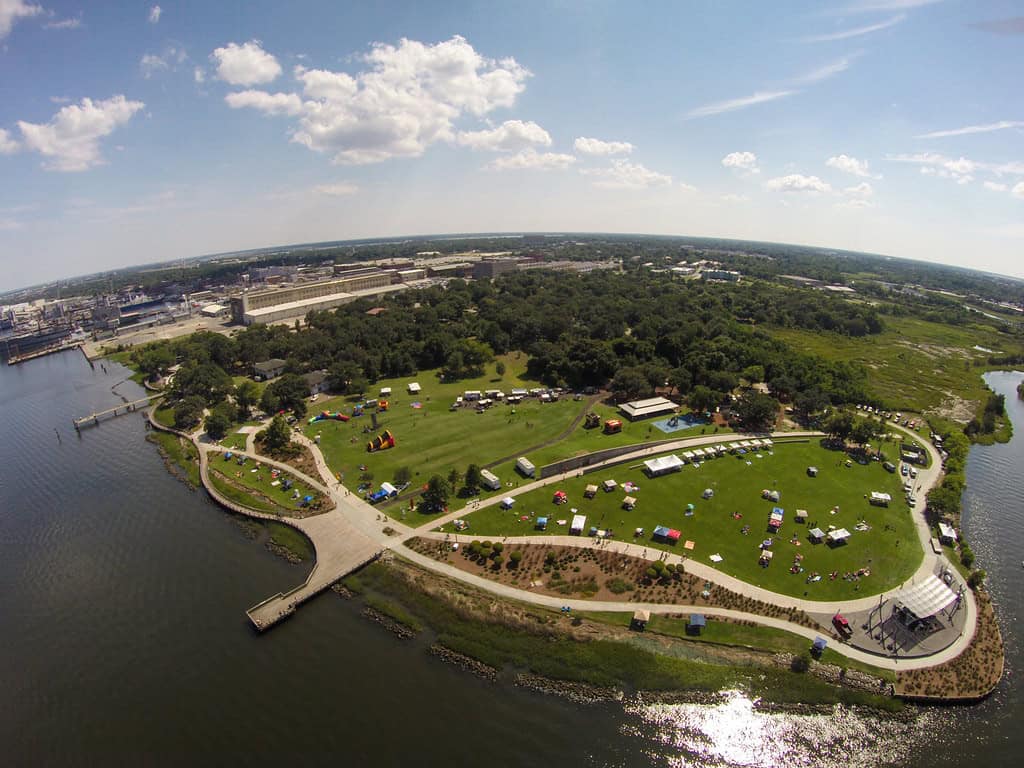
North Charleston / BY-SA 2.0

Patricia Elaine Thomas / Shutterstock.com
Sean Pavone / Shutterstock.com




The Top 10 "Laziest" Cities in the United States
When it comes to measuring America’s healthiest cities, the usual suspects pop up: places with walkable neighborhoods, outdoor culture, and access to nutritious food. But what about the opposite end of the spectrum? In this slideshow we will explore the Top 10 Laziest Cities in the US , based on hard numbers, not just lazy stereotypes or personal opinions.
Using public health data, we looked at factors like the percentage of adults who report zero physical activity, adult obesity rates, general health status, and unemployment (not related to disabilities). These indicators give us a snapshot of where sedentary lifestyles are most common, often tied to broader social, economic, and geographic challenges.
Surprisingly, some cities in typically health-focused states still made the list. From extreme weather to economic hardship and lack of accessible recreation, the reasons are as diverse as the cities themselves. While “laziness” is a catchy headline, the reality is usually more nuanced, often reflecting issues of affordability, infrastructure, and access rather than simple motivation.
This list isn't meant to shame, but to shed light on the health and wellness challenges facing many American communities today. Let’s take a look at the top 10.
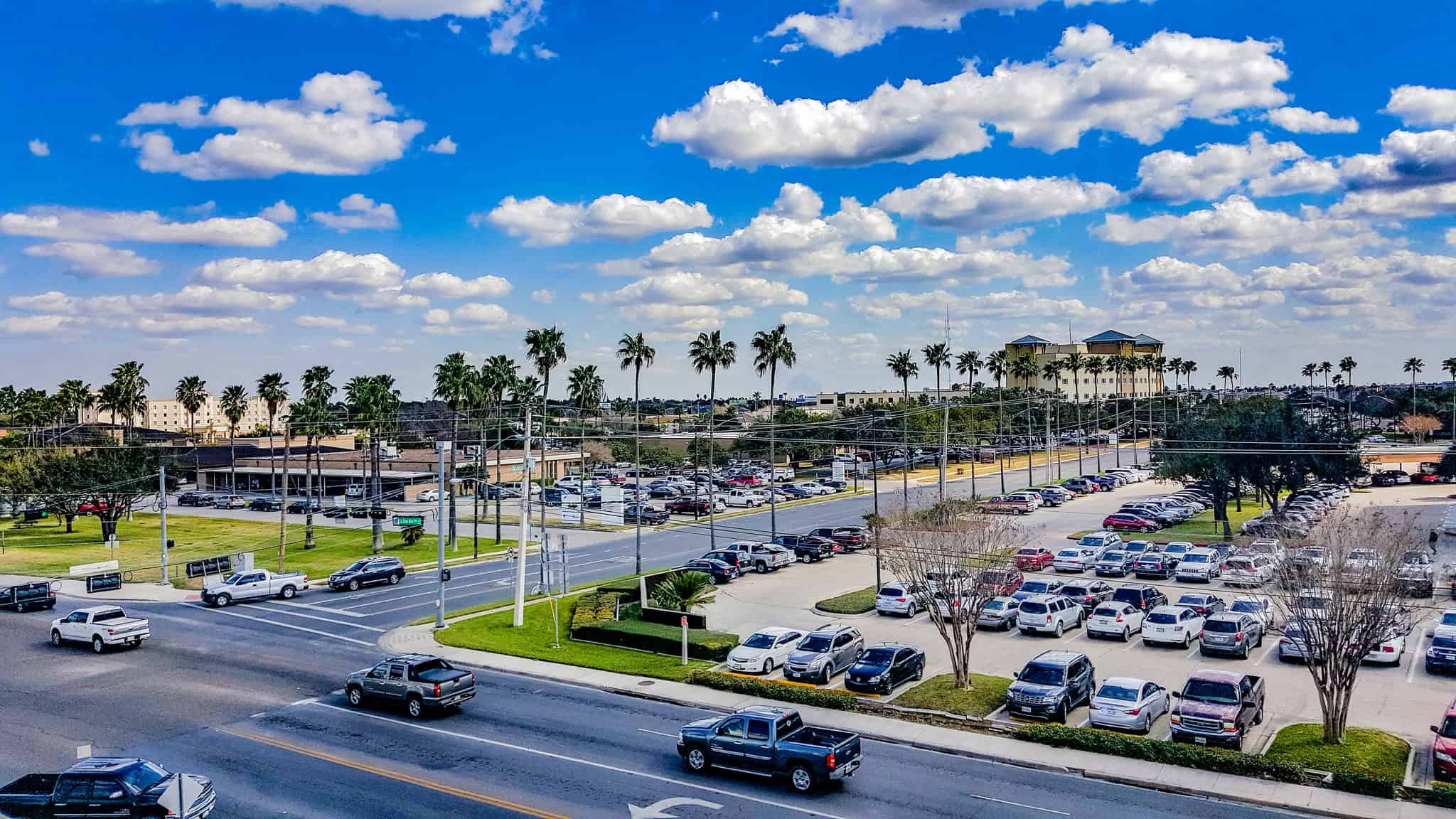
McAllen, Texas
McAllen has consistently ranked as one of the least active cities in the U.S. Nearly 40% of adults here report getting no exercise in their free time. The area also struggles with one of the highest obesity rates in the country, hovering around 38%. Combined with a large percentage of residents in poor or fair health, it paints a picture of a city grappling with serious wellness challenges. Economic hardship may also play a role, with limited access to recreational facilities and health education.
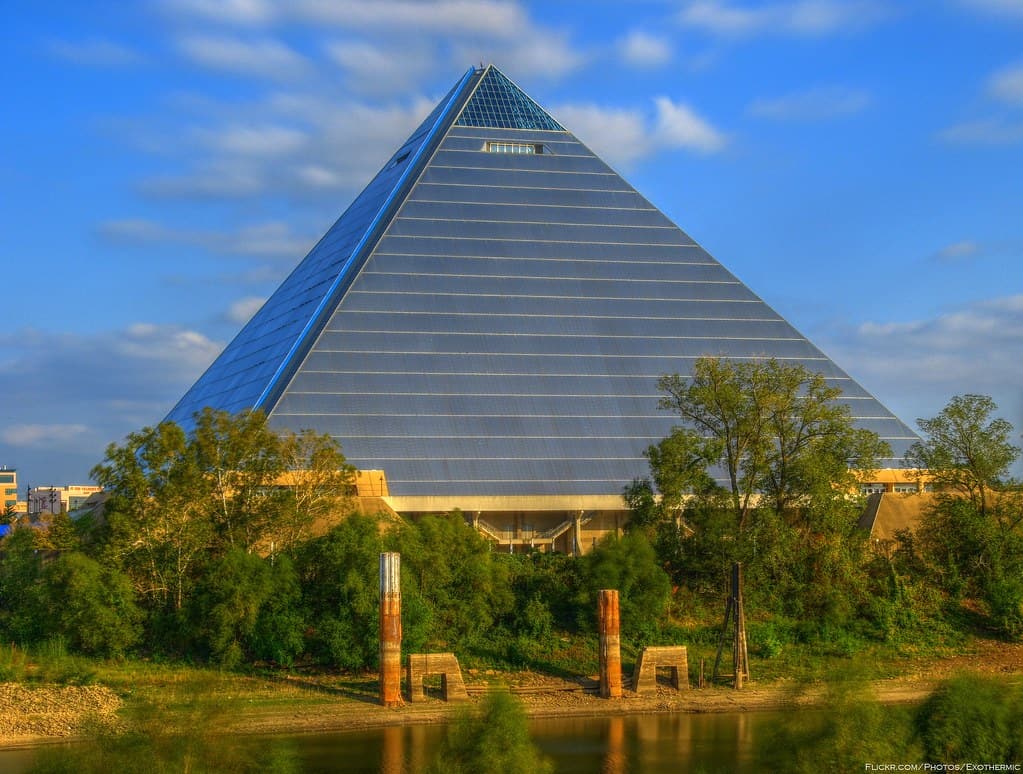
Memphis, Tennessee
Memphis struggles with high inactivity and obesity rates. Around one-third of adults report no physical activity at all, and obesity affects nearly 36% of the population. Health outcomes are impacted by economic disparities, which can limit access to fitness resources. Memphis also has a significant percentage of adults in poor or fair health, creating a cycle that’s tough to break.
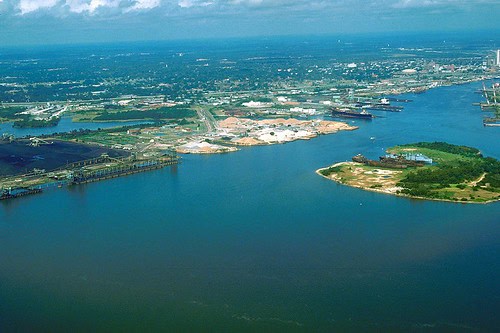
Mobile, Alabama
Mobile lands in the top 10 due to its low levels of physical activity and concerning obesity statistics. More than 30% of adults say they don’t engage in any leisure-time exercise. Public health data also points to a high percentage of residents reporting poor health. Job markets that include long hours and sedentary labor could contribute to the trend.
Shreveport, Louisiana
In Shreveport, about 36% of adults are obese and nearly as many say they don’t exercise in their free time. This city has one of the highest rates of adults in poor or fair health, pointing to systemic challenges. A lack of walkable infrastructure and limited access to healthy food options may contribute to these issues.
Augusta, Georgia
Augusta’s inclusion on this list is driven by its high rates of obesity and inactivity. More than 30% of residents are obese, and the city has a notably high percentage of adults who don’t exercise. Poor access to healthcare and public recreation facilities may be contributing factors. It’s a place where physical wellness clearly faces some hurdles.
Jackson, Mississippi
Jackson has long battled with obesity and inactivity. Around 35% of residents are obese, and many report doing little to no physical activity. Economic stress and limited recreational spaces make staying active more difficult for many. Public health campaigns have tried to address these concerns, but challenges persist.
Bakersfield, California
Despite California’s overall healthy image, Bakersfield bucks the trend. Nearly one-third of residents don’t exercise, and obesity rates are on the rise. Many local jobs are physically demanding but don’t count as exercise, and outside of work, people often aren’t getting the movement they need. Pollution and extreme summer heat may also be barriers to outdoor activity.
North Charleston, South Carolina
North Charleston has higher-than-average levels of physical inactivity and obesity. Many residents report being in fair or poor health. Limited access to affordable gyms or safe walking areas could be influencing these outcomes. While the city is growing, health and wellness still lag behind.
Toledo, Ohio
Toledo ranks among the laziest cities due to high inactivity rates and poor health indicators. About one-third of adults are obese, and many report limited physical activity. Post-industrial job loss and economic challenges may play a role in shaping these health trends. There’s also a lack of accessible green spaces and community wellness programs.
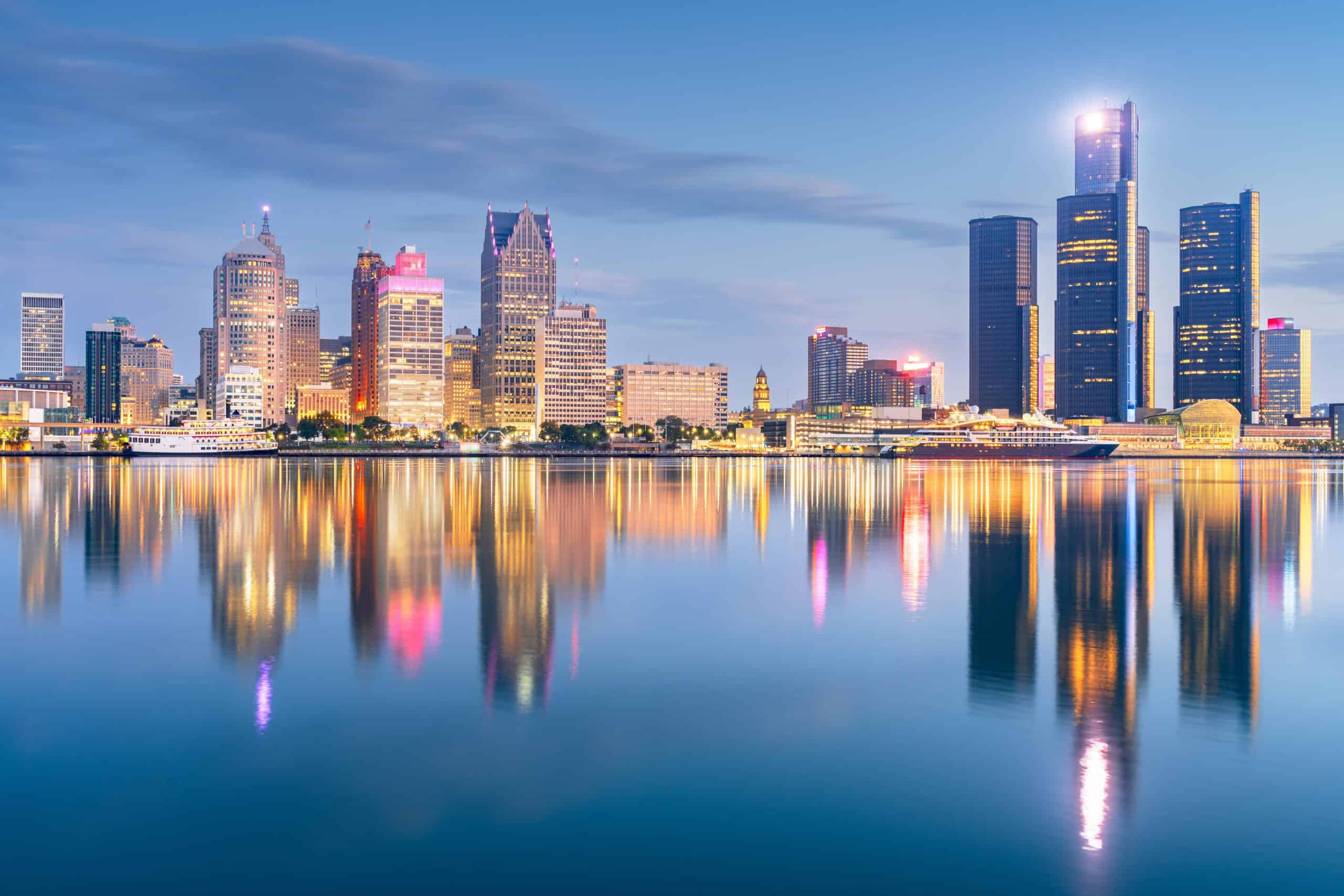
Detroit, Michigan
Detroit struggles with both economic hardship and health outcomes. Obesity and physical inactivity are high, and many residents report fair or poor health. Limited access to healthy food and fitness facilities has compounded the problem. While revitalization efforts are underway, the city still faces big hurdles when it comes to getting people moving.