Candy companies are constantly experimenting with new flavors, textures, packaging, and limited-edition versions of their best sellers. They know that kids (and adults) get bored fast, so they keep it interesting with plenty of changes. However, some Halloween candies have managed to exist for half a century or longer while remaining mostly unchanged. While their wrappers or packaging change from time to time, the treats stay very similar to the ones enjoyed generations ago. In fact, some of these candies were already considered old-school when your grandparents were young. These eight Halloween favorites prove that there’s no reason to mess with a good thing.
Tootsie Rolls
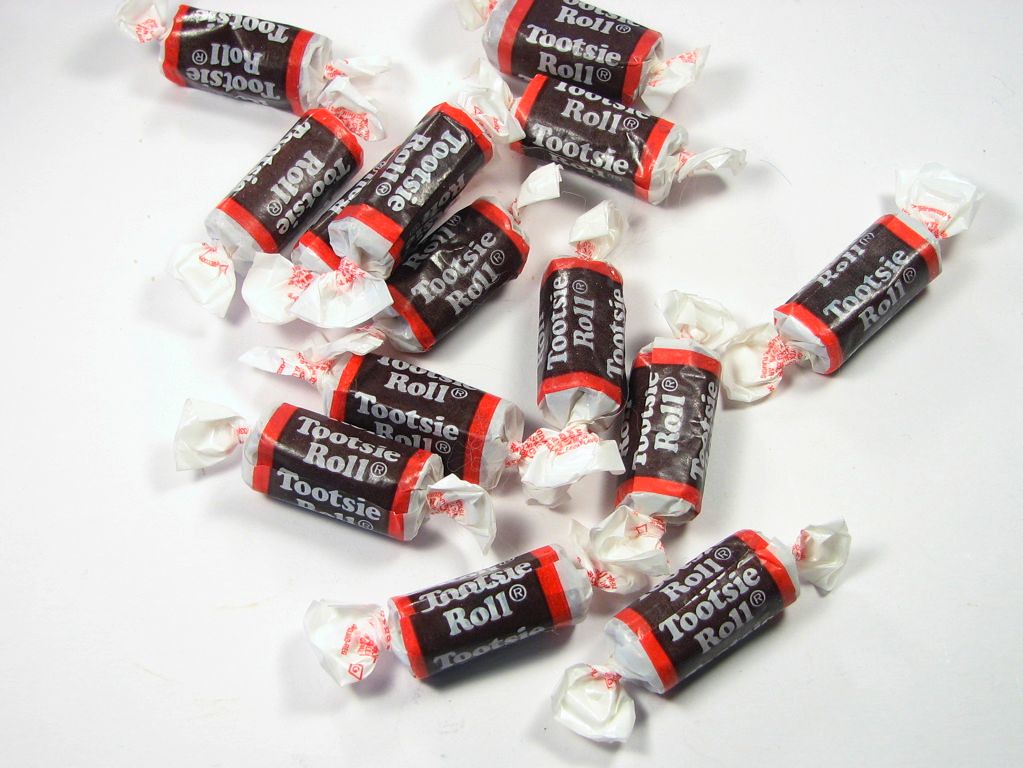
The Tootsie Roll was introduced way back in the late 19th century, making it one of the oldest candies still around today. Created by Austrian immigrant Leo Hirshfield, the candy had a chocolate flavor and chewy texture. Unlike traditional chocolate, Tootsie Rolls could hold up in warm temperatures without melting as easily. Although the company has come out with different sizes and flavors, the original chocolatey chew is still basically the same candy that Americans became familiar with more than 100 years ago. It’s actually difficult to imagine a Halloween bag without at least a handful of these little brown cylinders.
Candy Corn
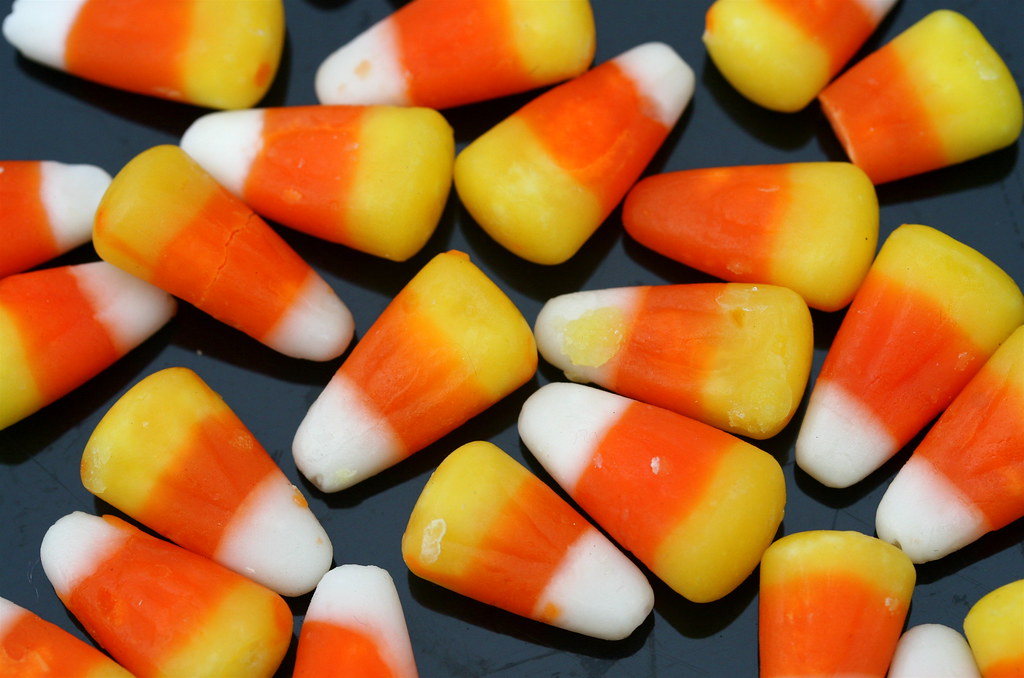
It’s rare to find a candy more associated with Halloween than candy corn. Its appearance has barely changed since the nineteenth century. The triangular striped candy was developed in the 1880s and became super popular about 30 years later during the early twentieth century. The yellow, orange, and white candies are decadently sweet and designed to look like tiny kernels of corn. The original candy corn making process was quite labor-intensive, requiring workers to pour the different colors into separate molds. Nowadays, production is much easier, but the basic ingredients, waxy texture, and intense sugary flavor are the same. Many people either love this one or hate it, but it screams Halloween, nonetheless.
Hershey’s Milk Chocolate Bars
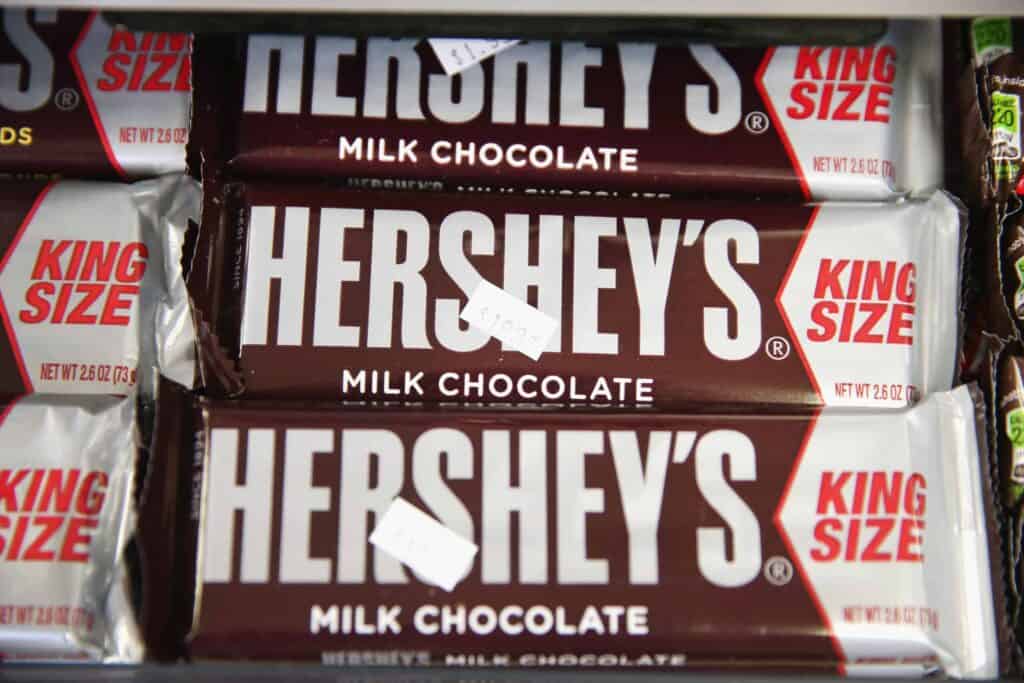
The classic Hershey’s Milk Chocolate Bar hit the market in 1900. At that point chocolate was considered a luxury, but the Hershey’s bar’s simple formula made it affordable and accessible to all. It has now been out for well over a century, and it is still exactly what it always was: a classic rectangular melt-in-your-mouth milk chocolate treat. Yes, the company has come up with countless variations, but most would agree they’ve never done better than the classic version. It even still has the signature segmented, easy-to-break-off design. Miniature versions are the most convenient for Halloween, allowing candy-giving homeowners an affordable way to hand out the favorite chocolate bars. But if you decide to go for the big time and give out full-sized bars, you might just become legendary in your neighborhood.
Dum Dums
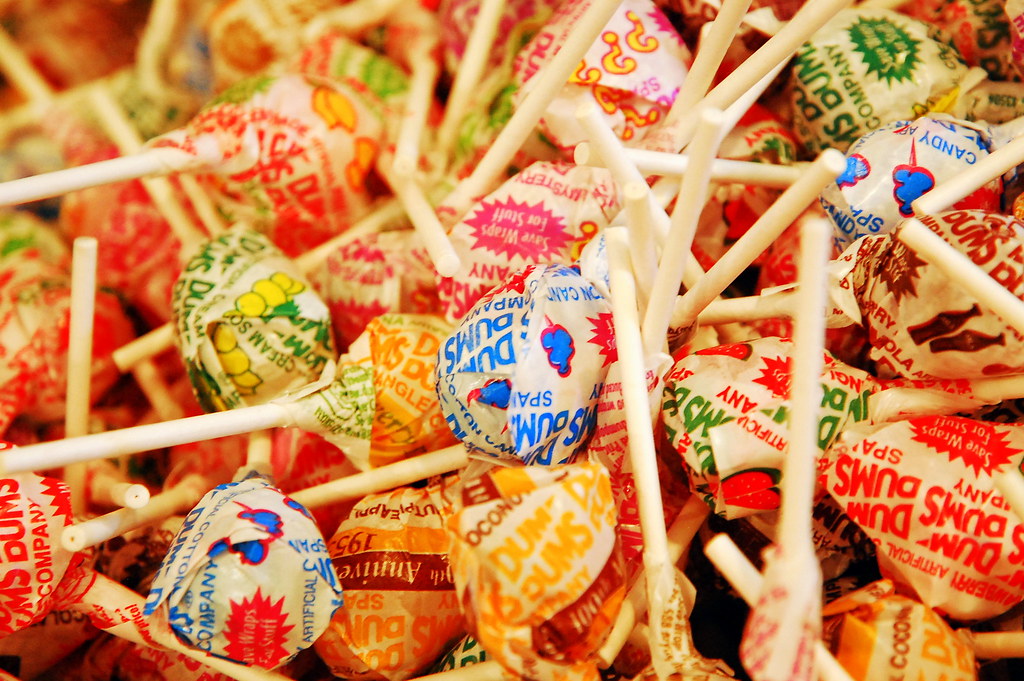
The lollipop with the delightful name, Dum Dums were introduced in 1924. Their simple design has kept them relevant for more than a century. These small, round, fruity-flavored suckers come wrapped in paper. Although the flavor selection has grown considerably, the basic lollipop shape, design, and wrapping are largely unchanged. They come in large bags and are inexpensive, making them a go-to choice for Halloween candy. One brilliant addition to the Dum Dum flavor lineup was the Mystery Flavor, which actually results from the transition between flavors during manufacturing. Kids have a great time trying to figure out what they’re tasting.
Smarties
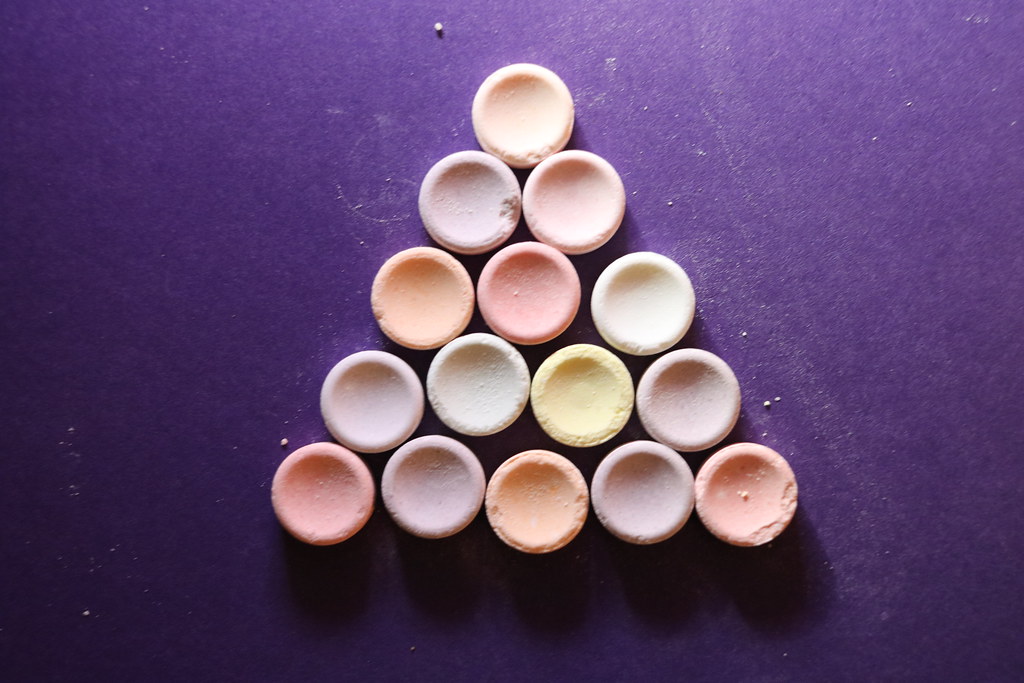
Introduced in the United States in 1949, Smarties are still super common in American Halloween bags. They’re small, round, and pastel-colored tablets. They come stacked inside clear plastic wrappers that are twisted at the ends. They have a sweet, slightly tart taste and a bit of a chalky texture. Young or old, everyone recognizes these candies immediately. They are so beloved that the candy company found no reason to change them up. Interestingly, if you ask for Smarties in countries like Canada or the United Kingdom, you might get something completely different: colorful, candy-covered chocolates!
M&M’s
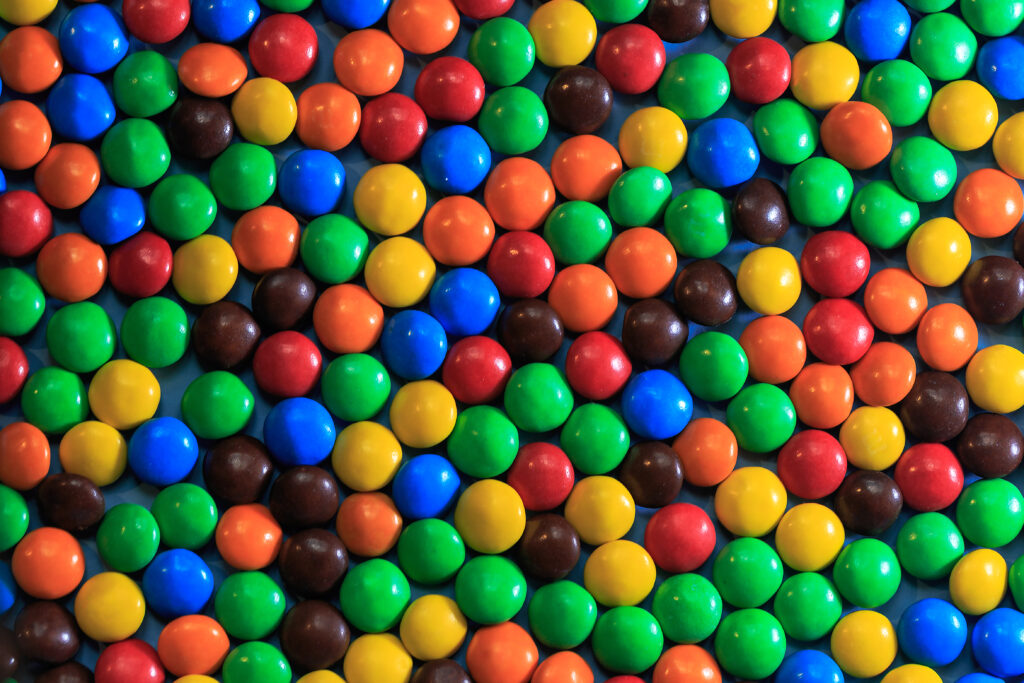
Plain M&M’s were introduced in 1941, and we’re all very happy that their basic design has stayed consistent ever since. Each piece consists of a dollop of milk chocolate covered by a thin, candy shell. They come in primary colors with the recognizable lowercase “m” printed on the side. Interestingly, the candy was originally made to allow people the luxury of enjoying chocolate without it melting all over their hands. Over the years, M&M’s haven’t undergone much change. Oddly enough, the red candies were done away with in 1976 due to concern over red food coloring, even though the controversial dye wasn’t even used in the candies. Red M&M’s returned over 10 years later in 1987. The original milk chocolate version remains a classic, and trick-or-treat-sized bags of M&M’s have become a staple of the holiday.
Tootsie Pops
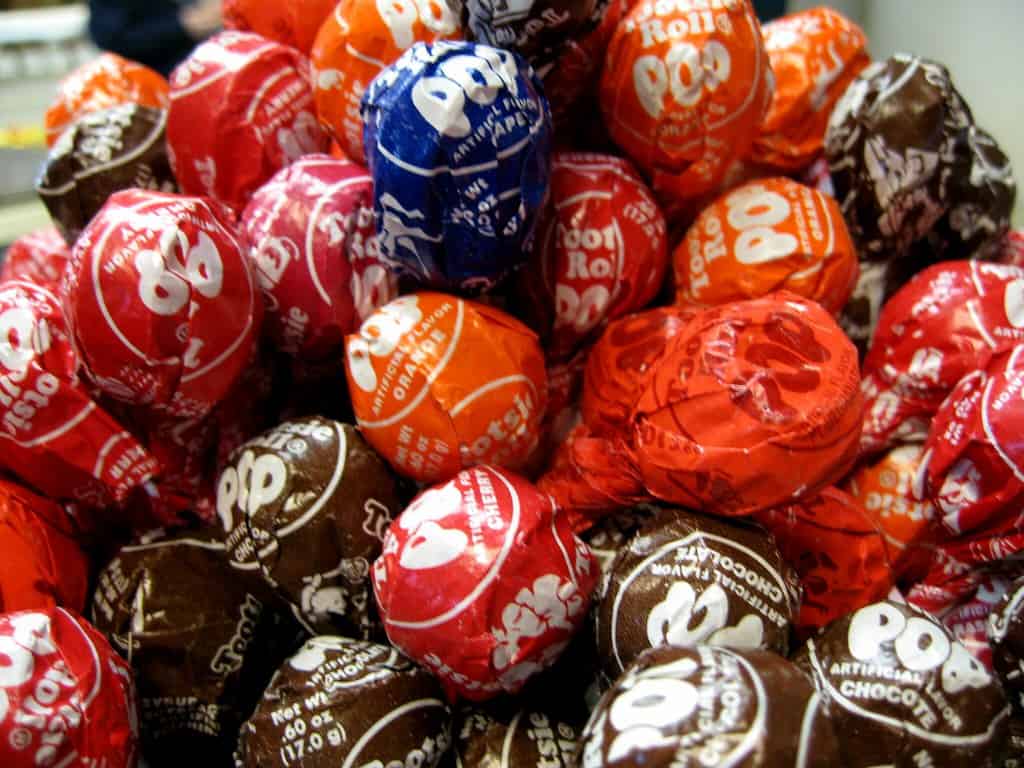
Tootsie Pops first appeared in 1931, combining two candies into one. The creation was surprisingly clever. Each large lollipop had a hard candy exterior surrounding a chewy Tootsie Roll center. While the concept has gone virtually unchanged, additional flavors have popped up over the years. The candy became even more popular thanks to a highly memorable ad campaign: “How many licks does it take to get to the Tootsie Roll center of a Tootsie Pop?” The iconic commercial featured Mr. Owl. More than fifty years later, we still haven’t answered the question, mostly because kids usually grow impatient and bite right into it.
Reese’s Peanut Butter Cups
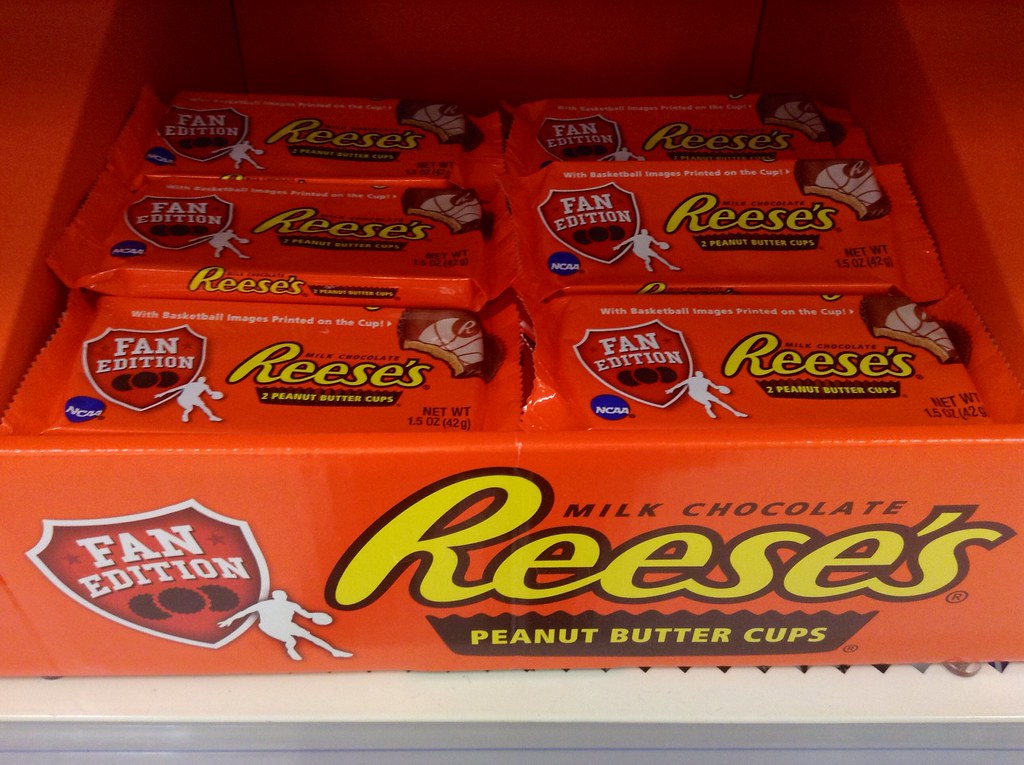
Reese’s Peanut Butter Cups hit the market in 1928 and have kept their basic design for close to 100 years. The original candy features a sweet peanut butter inside, and a milk chocolate outer shell. The candy company hit the nail on the head with this one, as most people find the flavor combination irresistible. Its distinctive orange packaging has also helped ingrain the brand in our brains. Even after all these years and so many new candies out there, Reese’s is one of the most desirable candies to get in your Halloween bucket.