
carotur / Getty Images
Change.org
theimpulsivebuy / BY-SA 2.0
Reddit Vintage Snacks
dnguy3n / BY 2.0
Reddit Snacks
Youtube
soapylovedeb / BY 2.0
Nabisco Snacks
Reddit Vintage Snacks
Missing attribution
Reddit Nostalgia
Reddit Vintage Snacks
Mental Floss
gordasm / BY-ND 2.0
Reddit Nostalgia
Reddit Nostalgia
theimpulsivebuy / BY-SA 2.0
Reddit Snacks
Reddit Nostalgia
Reddit Snacks

20 Childhood Snacks From the '90s and Early 2000s
A trip down the snack aisle in the 1990s was practically an adventure. The boxes were bright, the mascots were loud, and plenty of products seemed designed to entertain you before you ever took a bite. Fruit snacks could be peeled into strings, candy came with surprises, and lunchbox drinks had names that sounded like cartoon characters. Sometimes the best part of a school day was finding out what somebody had packed for lunch.
Of course, not everything we remember actually debuted in the '90s. Some favorites arrived in the late 1980s and stuck around into the decade, while others belong more to the early 2000s. And although many original versions disappeared, a few have returned for limited runs or are still sold in certain places. That doesn't make the memories any less real. If anything, it explains why we can remember the exact packaging of a snack we haven't seen in years but still forget what we had for dinner last Tuesday.
These 20 snacks and drinks take us back to school cafeterias, after-school television, sleepovers, and trips to the grocery store with our parents. Some tasted better than we remember; others probably weren't nearly as good as we thought. Either way, they helped make childhood feel a little more colorful.
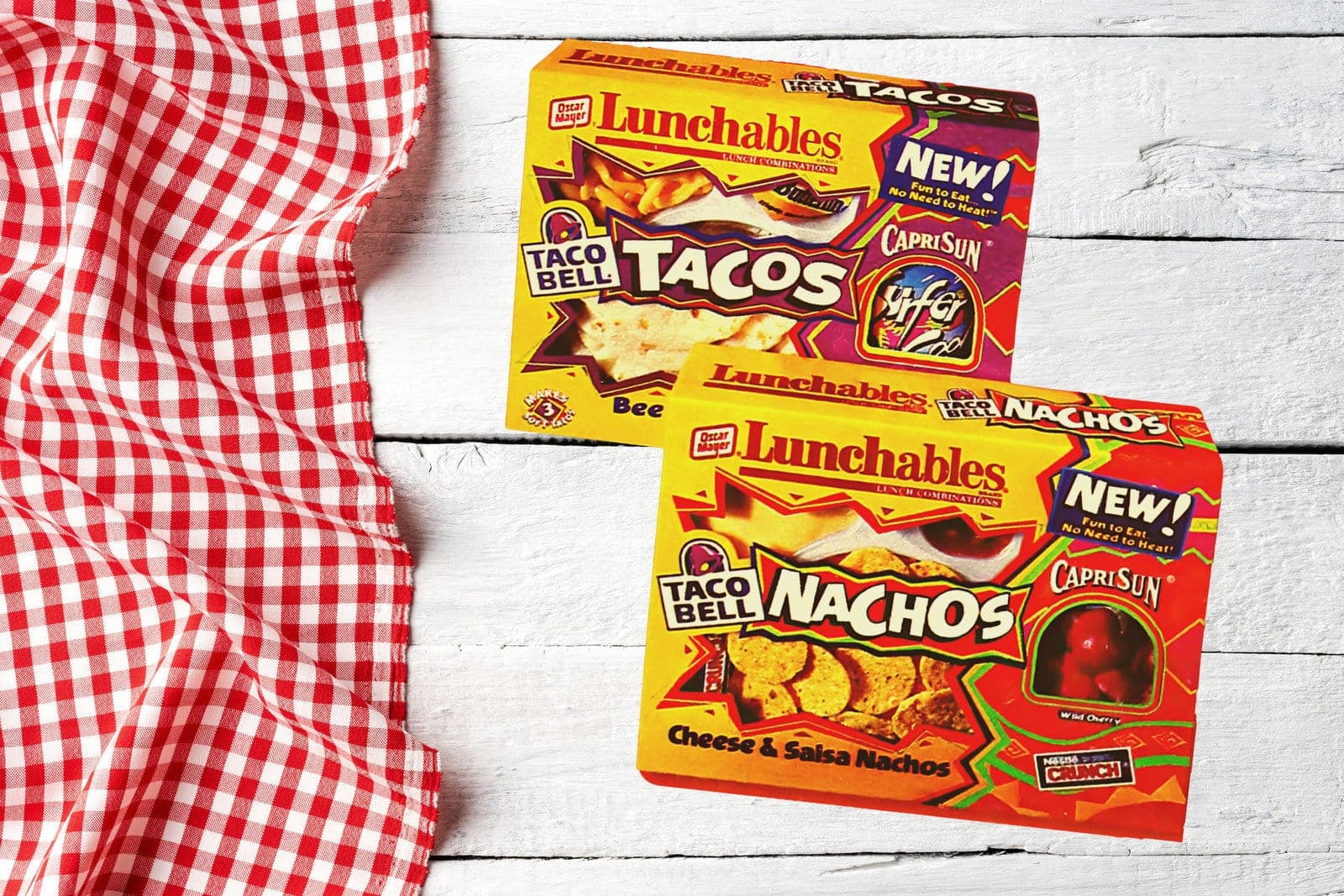
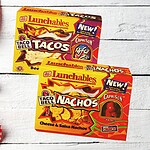
Taco Bell Lunchables
There was a certain kind of lunchtime bragging right that came with opening a Taco Bell Lunchables tray. Instead of another sandwich, you got to assemble your own mini tacos or nachos right there at the cafeteria table. The late-1990s collaboration paired two familiar names, and the novelty was half the appeal. The taco version included little tortillas, fillings, cheese, and sauce, while the nacho version offered chips with dips. Was it the same as going to Taco Bell after school? Not even close, but it felt like a pretty good deal when everyone else was unwrapping peanut butter and jelly. The Taco Bell branding eventually disappeared, although Lunchables continued offering other taco- and nacho-style products.
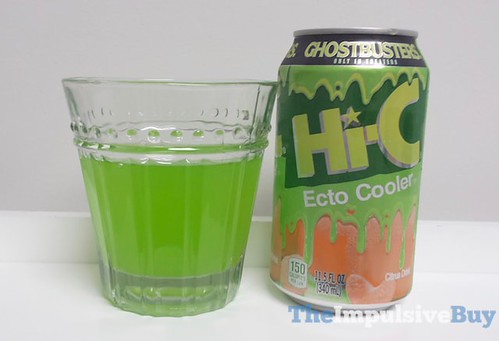
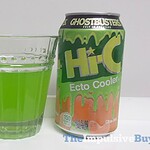
Hi-C Ecto Cooler
If a lunchbox held a juice box with Slimer on the front, you probably knew exactly what was inside. Hi-C Ecto Cooler arrived in 1987 as a tie-in with The Real Ghostbusters, but its citrus flavor and unmistakable green color kept it around long after the cartoon had ended. It was one of those drinks that seemed to be everywhere during the 1990s, from lunch tables to the back of the refrigerator. The original run ended in 2001. Coca-Cola brought it back for a limited time in 2016, proving that plenty of grown-ups still remembered their favorite childhood ghost. The revival was welcome, but it wasn't quite the same as finding a cold Ecto Cooler waiting after school.
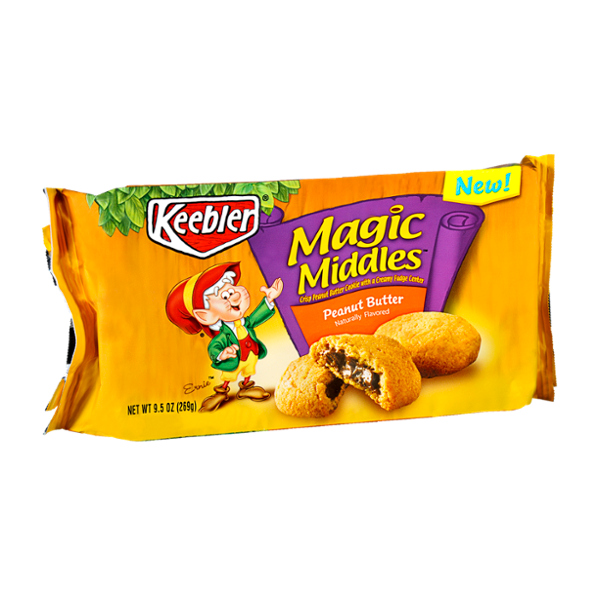
Keebler Magic Middles
On the outside, Keebler Magic Middles looked like perfectly ordinary cookies. Take a bite, though, and you discovered a soft fudge or peanut-butter center tucked inside the shortbread-style shell. That little surprise made them a favorite in lunchboxes and cookie jars around the late 1980s and 1990s. There was something especially satisfying about getting to the middle before the rest of the cookie was gone. Keebler eventually retired the line, and the original hasn't returned as a regular grocery-store product. Plenty of cookies today have creamy fillings, but Magic Middles occupy a particular corner of childhood memory: the kind of treat you would quietly hope a parent had slipped into your lunch.
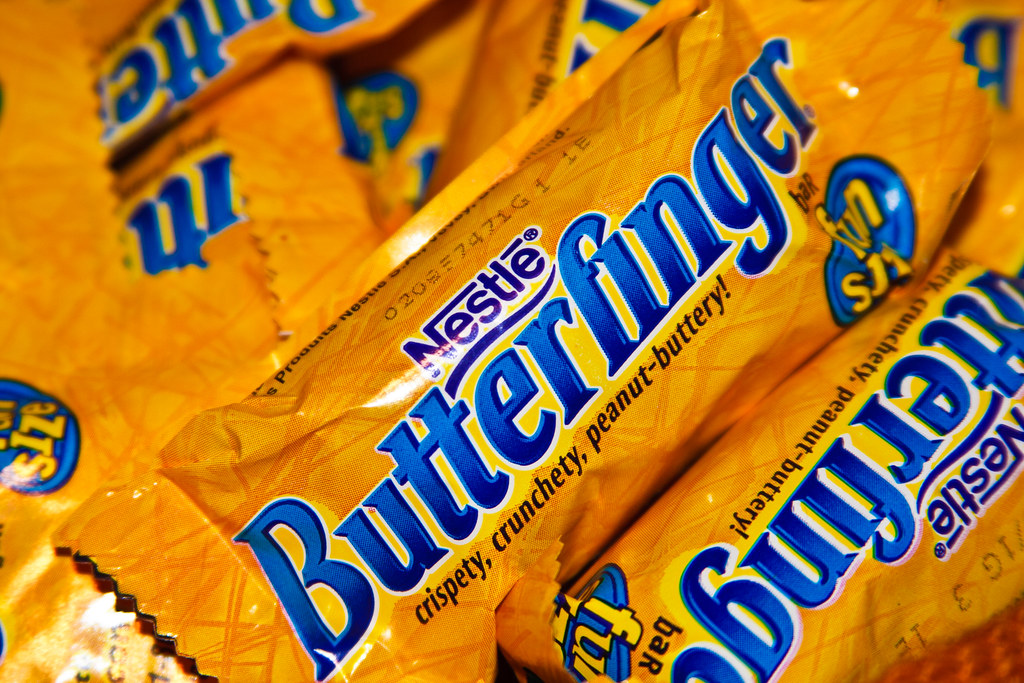
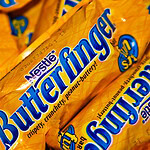
Butterfinger BBs
Butterfinger BBs were what happened when somebody looked at a Butterfinger bar and decided it needed to be easier to eat by the handful. Introduced in 1992, the little chocolate-covered balls packed that familiar crisp peanut-butter filling into a movie-theater-friendly size. Bart Simpson helped sell them in commercials, and the yellow packaging was easy to spot in the candy aisle. The problem, if you could call it that, was stopping once the bag was open. Butterfinger BBs disappeared in 2006, and later bite-sized Butterfinger products weren't identical to the originals. For anyone who remembers bringing a bag to the movies, the combination of chocolate, crunch, and cartoon advertising is pretty much a time machine.
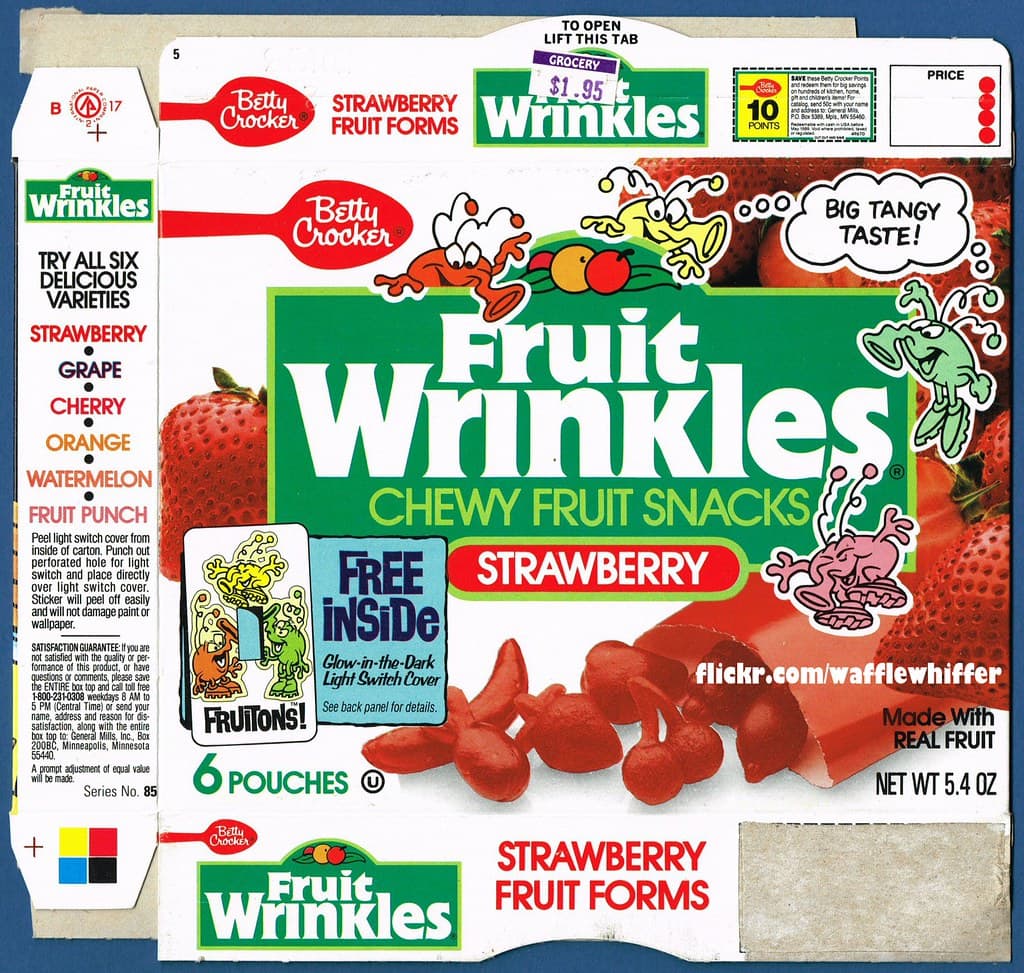
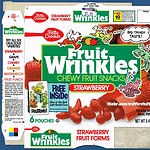
Fruit Wrinkles
Fruit Wrinkles looked a little odd compared with the bright, perfectly shaped gummies that filled store shelves later in the decade. These small, chewy fruit snacks were deliberately wrinkled, with advertising that made a joke of their appearance. They were sold during the late 1980s and into the early 1990s, when fruit snacks were becoming an entire category of lunchbox entertainment. Parents saw the fruit-focused marketing; kids saw a sweet treat that was easy to trade or finish before the bell rang. Fruit Wrinkles eventually disappeared, but their strange little shapes made them memorable. Sometimes the snacks that looked the least impressive were the ones you still remember decades later.
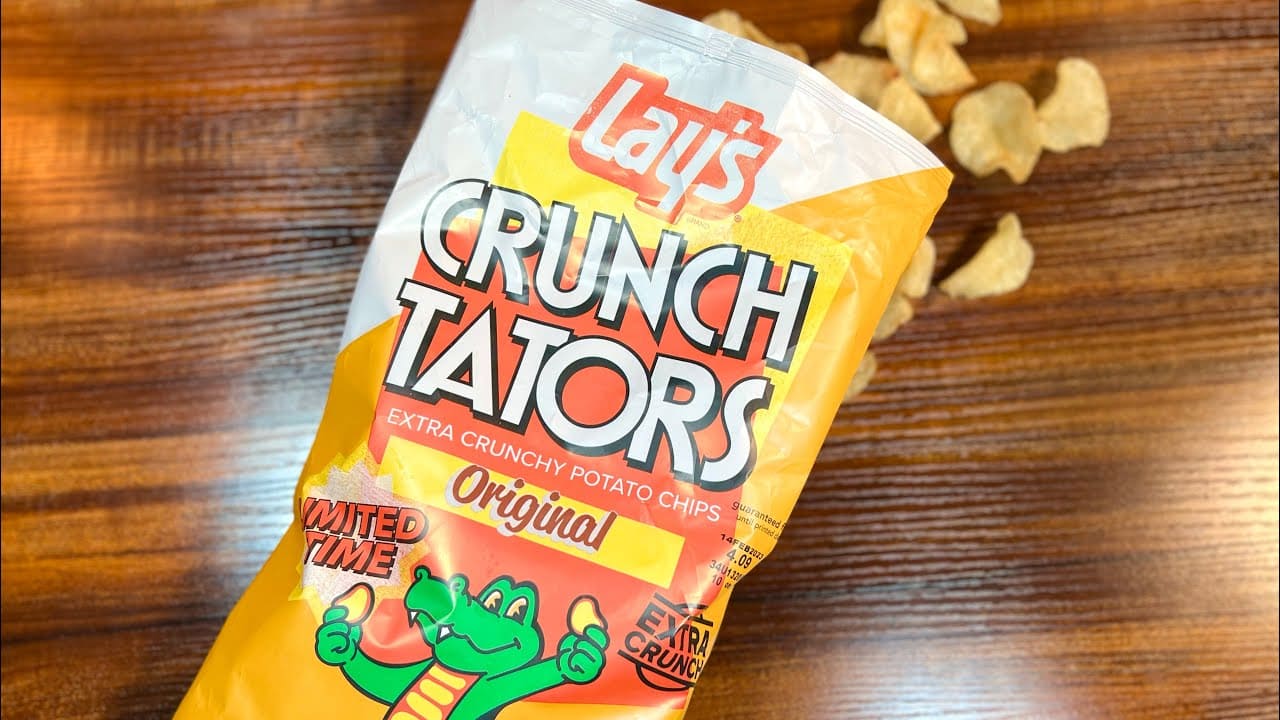
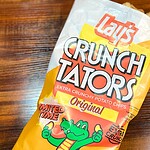
Crunch Tators
Crunch Tators were not shy about being crunchy. Frito-Lay's thick, heavily seasoned potato chips came in flavors such as Mighty Mesquite Barbecue and Hoppin' Jalapeño, with packaging that looked right at home on an early-1990s convenience-store shelf. The chips even got an unexpected bit of screen time in Home Alone, which means anyone who rewatches the movie can still spot a bag from a long-gone snack aisle. They eventually vanished from the regular lineup, leaving fans to compare every bold barbecue chip with the ones they remember. Crunch Tators had the kind of name that almost demanded you eat them loudly, preferably while sitting on the floor in front of the television.
Squeezit
Before twist-off sports bottles became ordinary, Squeezit made drinking fruit punch feel like a small event. You grabbed a brightly colored plastic bottle, popped or twisted open the top, and squeezed. The brand debuted in the 1980s but became a real lunchbox fixture in the 1990s, when flavor mascots with names like Silly Billy Strawberry and Berry B. Wild appeared on the packaging. The bottle was half the fun, although it also gave kids another way to make a sticky mess. General Mills discontinued the drink in 2001 as sales declined. For anyone who grew up with those squeezable characters, a modern juice pouch doesn't quite bring back the same cafeteria memories.
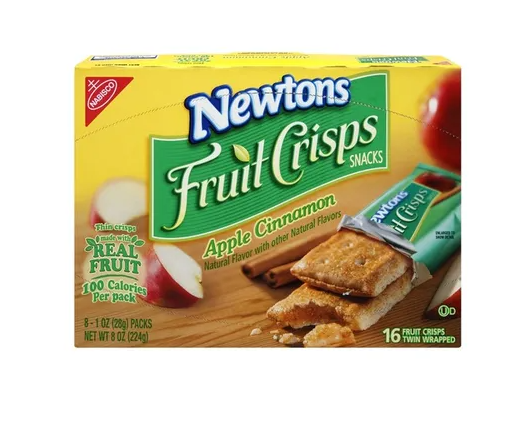
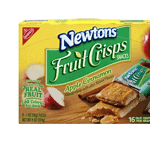
Nabisco Orchard Crisps
Nabisco's Orchard Crisps arrived in 1993 looking for a place somewhere between crackers and cookies. Their fruit-inspired flavors, including apple cinnamon and banana walnut, offered something different from the familiar cheddar, peanut butter, and chocolate options. The low-fat, low-sodium positioning also fit the snack marketing of the period. They didn't become a lasting fixture, but that's part of why people who tried them still remember the name. Orchard Crisps were the sort of oddball grocery-store discovery you might get once, decide you liked, and then have trouble finding again. Not every nostalgic snack was a blockbuster; some were small experiments that happened to make a lasting impression on the kids who brought them home.
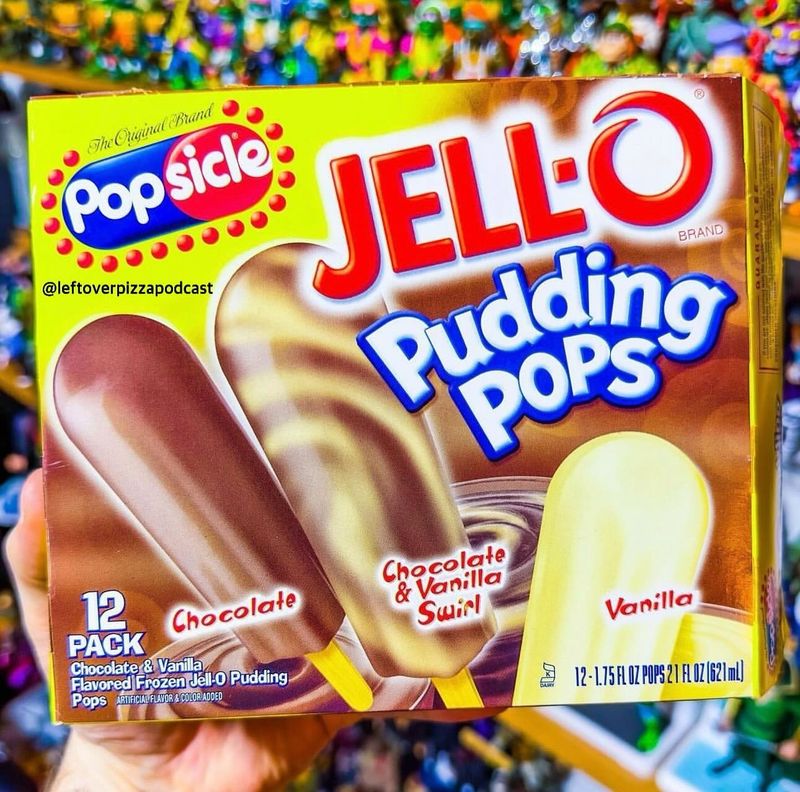
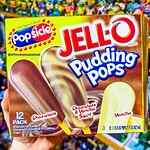
Jell-O Pudding Pops
A regular ice pop was fine, but Jell-O Pudding Pops felt like a proper dessert on a stick. Creamy chocolate, vanilla, and swirl varieties made them a freezer favorite, especially during the 1980s and early 1990s. They had a texture that wasn't quite ice cream and definitely wasn't ordinary frozen juice, which made them easy to recognize after the first bite. The original version gradually disappeared from stores; a different version returned under the Popsicle brand in the 2000s before disappearing as well. You can freeze pudding at home, of course, but that doesn't quite recreate the experience of pulling one of those individually wrapped treats from the freezer after a long, hot afternoon.
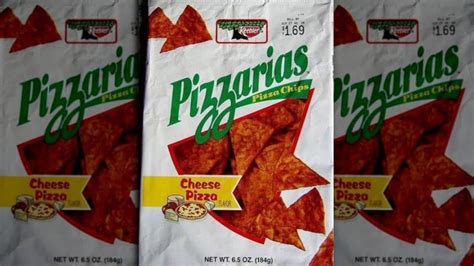
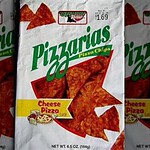
Keebler Pizzarias
If you remember opening a bag of Pizzarias after school, you probably remember the smell before anything else. Keebler introduced these pizza-flavored triangular chips in 1991, offering varieties such as Cheese Pizza, Pizza Supreme, and Zesty Pepperoni. Their light crunch and heavily seasoned coating made them stand out from everyday potato chips, even if nobody would have confused them with an actual slice of pizza. They fit perfectly with sleepovers, video-game nights, and afternoons when somebody's parents had stocked the pantry. Pizzarias disappeared around the turn of the millennium, and similar snacks have never quite settled the argument over whether any of them taste like the originals. The name alone still sends people back to the snack aisle.
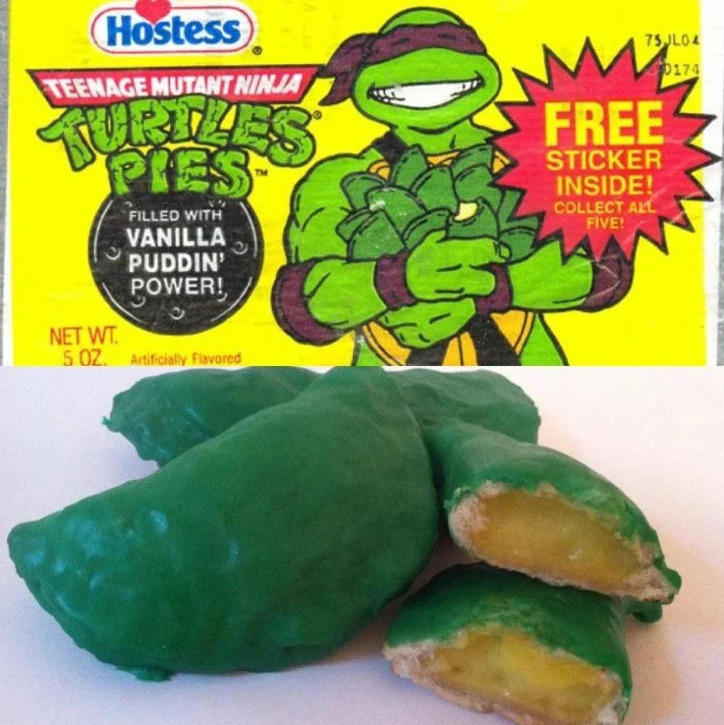
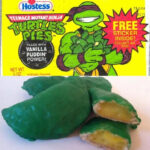
Hostess Teenage Mutant Ninja Turtles Pies
In 1991, it was almost impossible to escape the Teenage Mutant Ninja Turtles, and Hostess was happy to join the party. Its limited-edition Vanilla Puddin' Power Pies featured vanilla pudding wrapped in an almost cartoonishly green glazed pastry. The wrappers carried the Turtles, and the color was exactly the sort of thing that made kids beg for a snack while adults raised an eyebrow. The pies were a short-lived promotion, but they left behind a remarkably vivid memory: sugary green icing, a soft filling, and the feeling that a favorite cartoon had somehow made its way into the pantry. They may not have been gourmet desserts, but that was hardly the point in 1991.
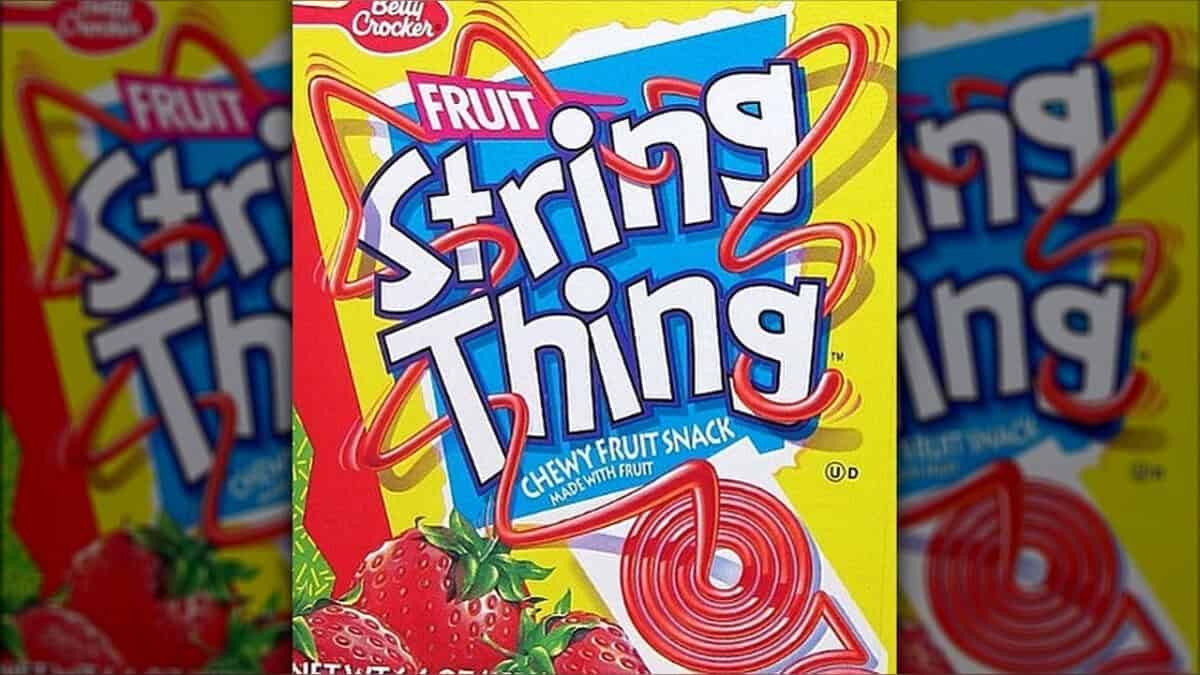
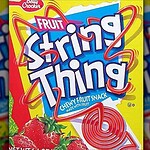
Fruit String Thing
Fruit String Thing turned snack time into a craft project, and that was entirely the appeal. Introduced in 1994, the chewy fruit-flavored strips were arranged in shapes on a backing sheet, ready to be peeled away, twisted, knotted, or stretched out before you finally ate them. They were deliciously impractical for a lunch period that always seemed too short. The snack lasted into the 2000s, but its particular brand of edible entertainment eventually disappeared. Kids today have plenty of fruit snacks to choose from, yet few require quite so much effort before the first bite. If you ever tried making a bracelet out of one instead of simply eating it, you understand why people still remember Fruit String Thing.
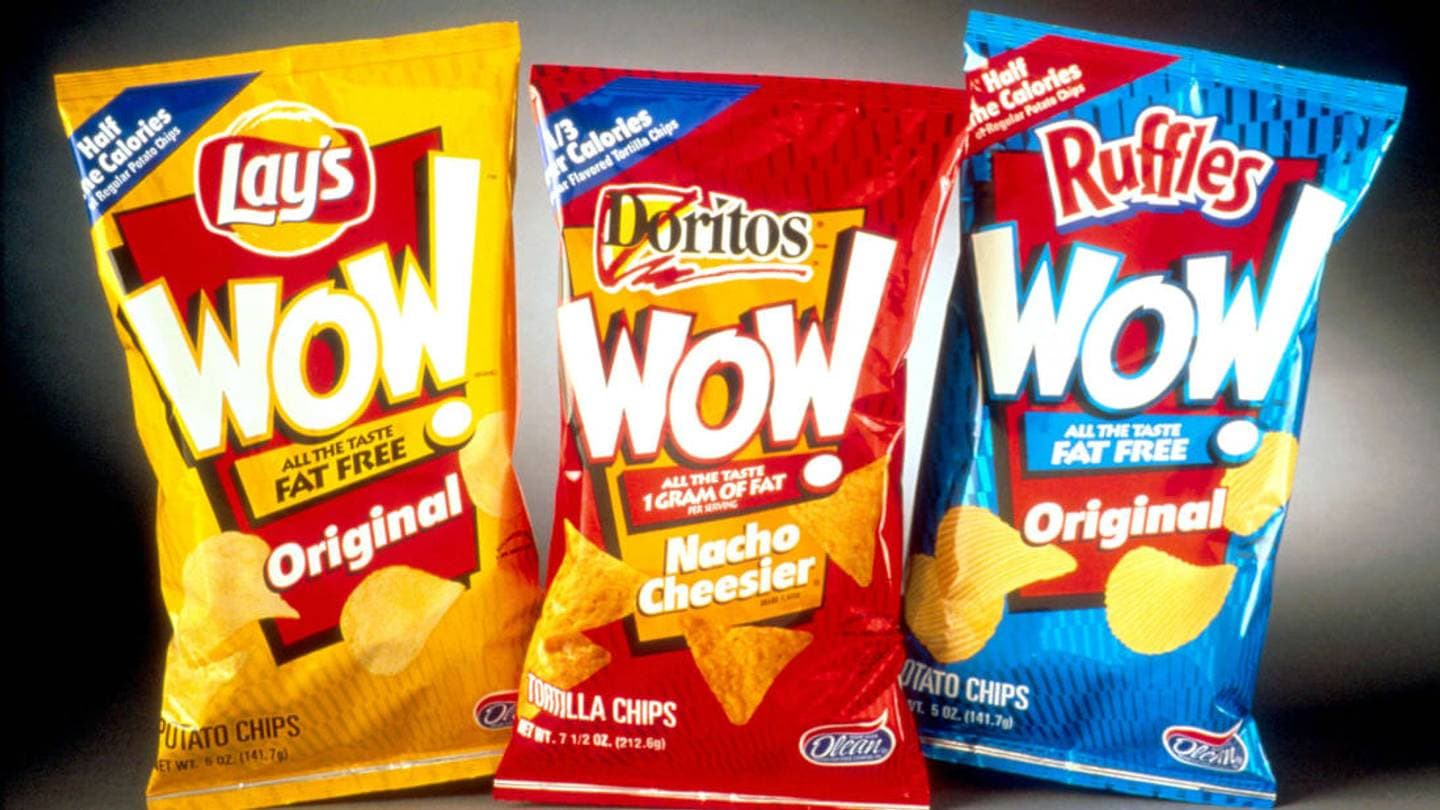
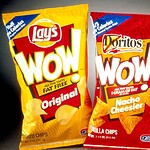
Frito-Lay WOW! Chips
The 1990s were obsessed with cutting fat from everything, including potato chips. Frito-Lay's WOW! line, introduced in 1998, promised a familiar salty crunch using olestra, a fat substitute that wasn't absorbed like ordinary dietary fat. It sounded like a snack-aisle miracle until reports of digestive side effects became part of the story. Packages originally carried an FDA-required warning, although the agency removed that labeling requirement in 2003. The chips were later sold under the Light name before the line eventually faded away. If you remember the bright WOW! bags, you probably also remember the jokes. Few snacks capture the contradictions of 1990s diet culture quite as neatly: all the chips, none of the fat, and quite a few questions.
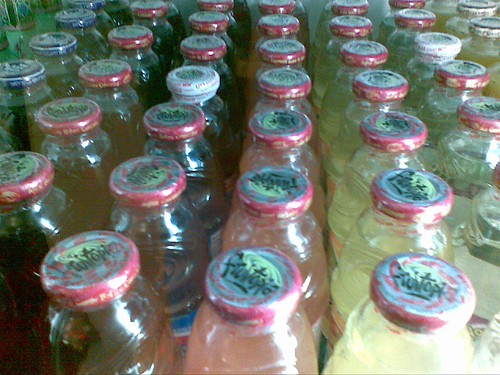
Fruitopia
Fruitopia wasn't just a drink; it was an entire 1990s mood. Coca-Cola launched the fruit beverage in 1994 with swirling colors and flavor names such as Strawberry Passion Awareness and Citrus Consciousness. It showed up in bottles, vending machines, and school cafeterias, making an ordinary fruit drink feel connected to the decade's alternative-culture moment. Its original American rollout faded as Coca-Cola shifted attention toward other brands, and much of the U.S. line was phased out in 2003. But Fruitopia isn't completely gone: Coca-Cola still sells it in Canada. For Americans who remember picking a flavor from a brightly colored vending machine, though, the original experience belongs to another era.
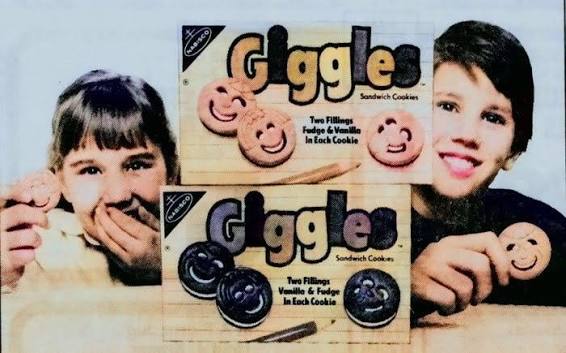
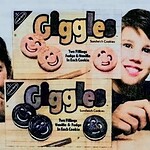
Nabisco Giggles Cookies
Before cookies were decorated with emojis, Nabisco sold Giggles, sandwich cookies with grinning faces pressed into the tops. Introduced in 1985, they came with vanilla and fudge fillings and looked almost too cheerful to eat. Almost. They were primarily a 1980s product and were being phased out around the beginning of the 1990s, which makes them a slightly earlier memory than some other snacks here. But anyone who got a few in a lunchbox probably remembers turning the cookie over to look at its face before taking a bite. The expressions and two-tone filling gave Giggles a personality of their own, even if their time on the grocery shelf turned out to be fairly short.
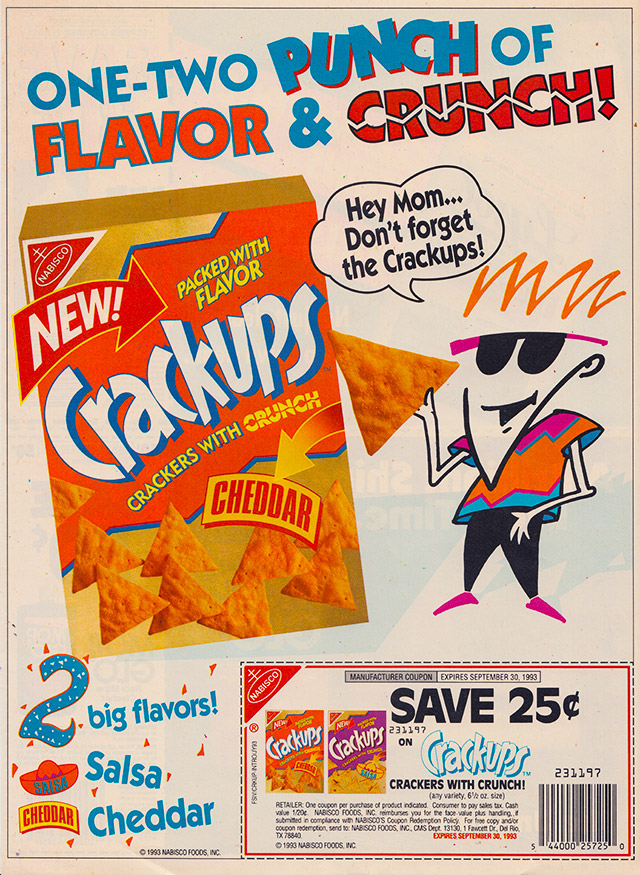
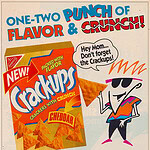
Nabisco Crackups
Crackups were Nabisco's attempt to make the humble cracker a little more interesting to teenagers. Introduced in 1993, the thin, triangular crackers came in cheddar and salsa flavors, with an attitude-heavy name and marketing that tried very hard not to sound like something your parents would buy. They even had a promotional connection to the movie Coneheads. Crackups weren't around for long, so you could easily have missed them entirely. But if you remember the box, it's hard not to picture the era of neon packaging and snack commercials that treated every new flavor like a major cultural event. Sometimes a forgotten product is a better snapshot of a decade than a famous one.
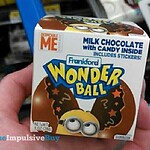
Nestlé Magic and Wonder Ball
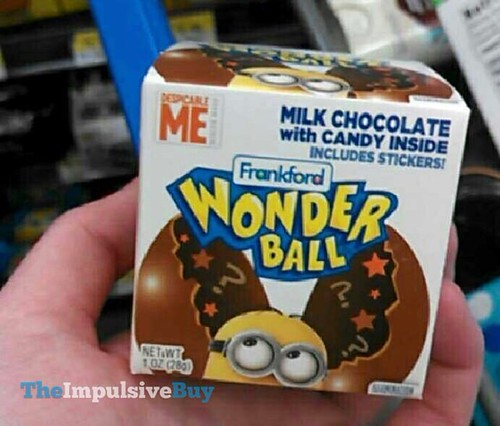
Few candy-aisle experiences matched the excitement of finding out what was hidden inside a chocolate ball. The original Nestlé Magic candy, introduced in 1997, contained a small toy inside a plastic capsule. Nestlé withdrew that version amid a legal and safety controversy, then brought the concept back around 2000 under the Wonder Ball name with candy inside instead of toys. The brand later changed hands and saw additional revivals, so it would be inaccurate to say the idea never returned. Still, the original surprise-toy version is a particular childhood memory. Half the fun was the chocolate; the other half was the possibility that the surprise inside might be better than whatever your friend got.
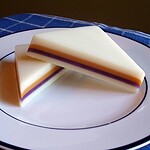
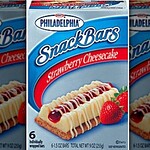
Philadelphia Cheesecake Snack Bars
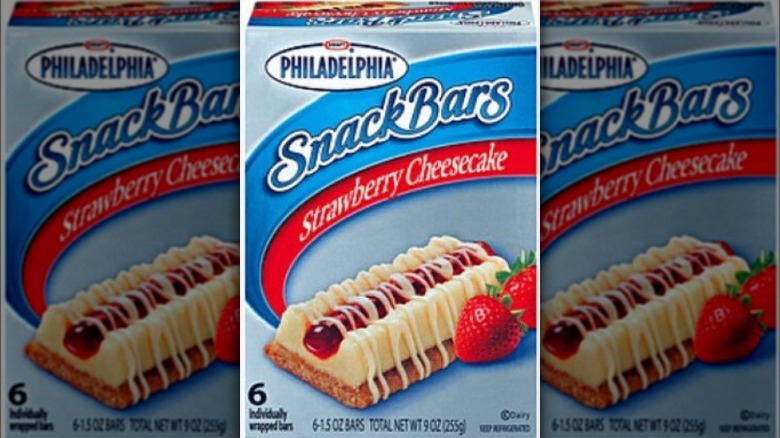
Philadelphia Cheesecake Snack Bars felt like the sort of treat somebody had smuggled out of the dessert menu and into the refrigerator. Built around a creamy cheesecake layer and a graham-style base, they came in several varieties, including fruit-topped options. The bars appeared around the turn of the millennium and became a 2000s grocery-store favorite rather than a strictly 1990s snack. They were convenient enough to eat straight from the package, though not exactly the kind of thing you wanted warming up in a backpack all afternoon. The original line eventually disappeared, leaving a surprisingly passionate group of fans who still ask why a ready-made cheesecake bar can't occupy a little space in today's refrigerated aisle.
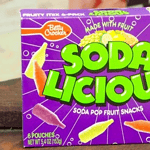
Sodalicious Fruit Snacks
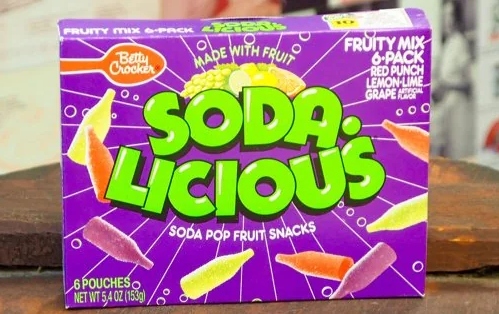
Sodalicious turned soda into something you could chew, which seemed like a perfectly reasonable invention in the 1990s. Betty Crocker introduced the fruit snacks in 1991 with miniature bottle and mug shapes and flavors inspired by soft drinks, including root beer and cherry cola. A special coating created a tingling sensation meant to suggest carbonation. In other words, they didn't just look like tiny sodas; they tried to act a little like them, too. According to General Mills, the fruity versions faded in 1995, while the soda flavors lasted until 1998. They were never going to replace a cold drink, but peeling open a Sodalicious pouch was exactly the sort of small lunchbox event that the decade did so well.
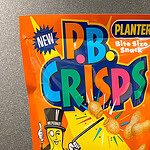
Planters PB Crisps
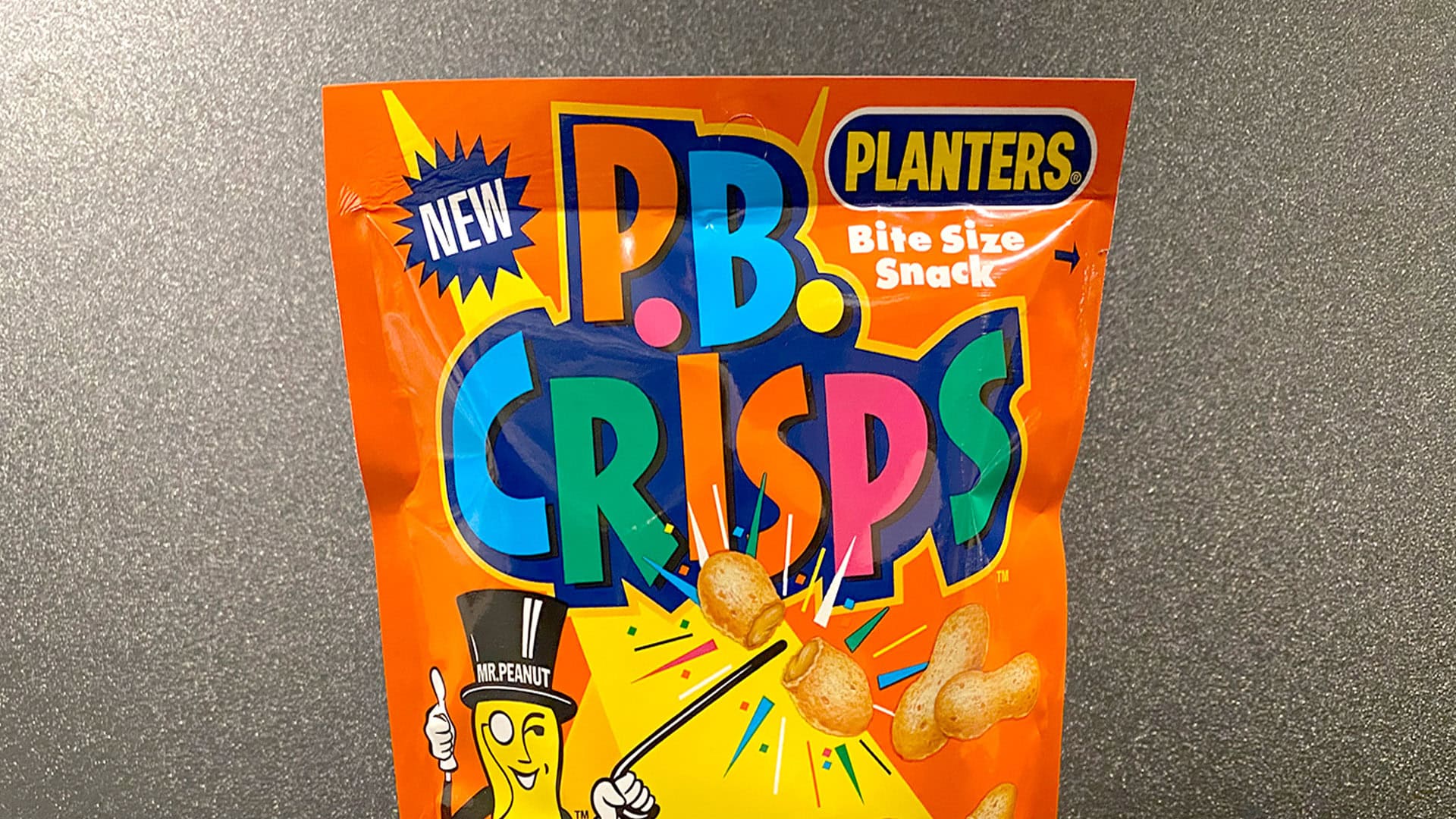
For some 1990s kids, the sound of a bag of PB Crisps opening was the beginning of a very good afternoon. Planters introduced the peanut-shaped snacks in 1992, pairing a crisp graham-cookie shell with a sweet peanut-butter filling. Chocolate and peanut-butter-and-jelly versions also joined the lineup. They were easy to eat by the handful, which probably explains why a bag rarely lasted as long as anyone intended. Planters says the product was discontinued in the 1990s because demand wasn't strong enough, although the people still campaigning for its return might disagree with that decision. More than three decades after their debut, PB Crisps are proof that the snacks you miss most aren't always the ones that sold the most.