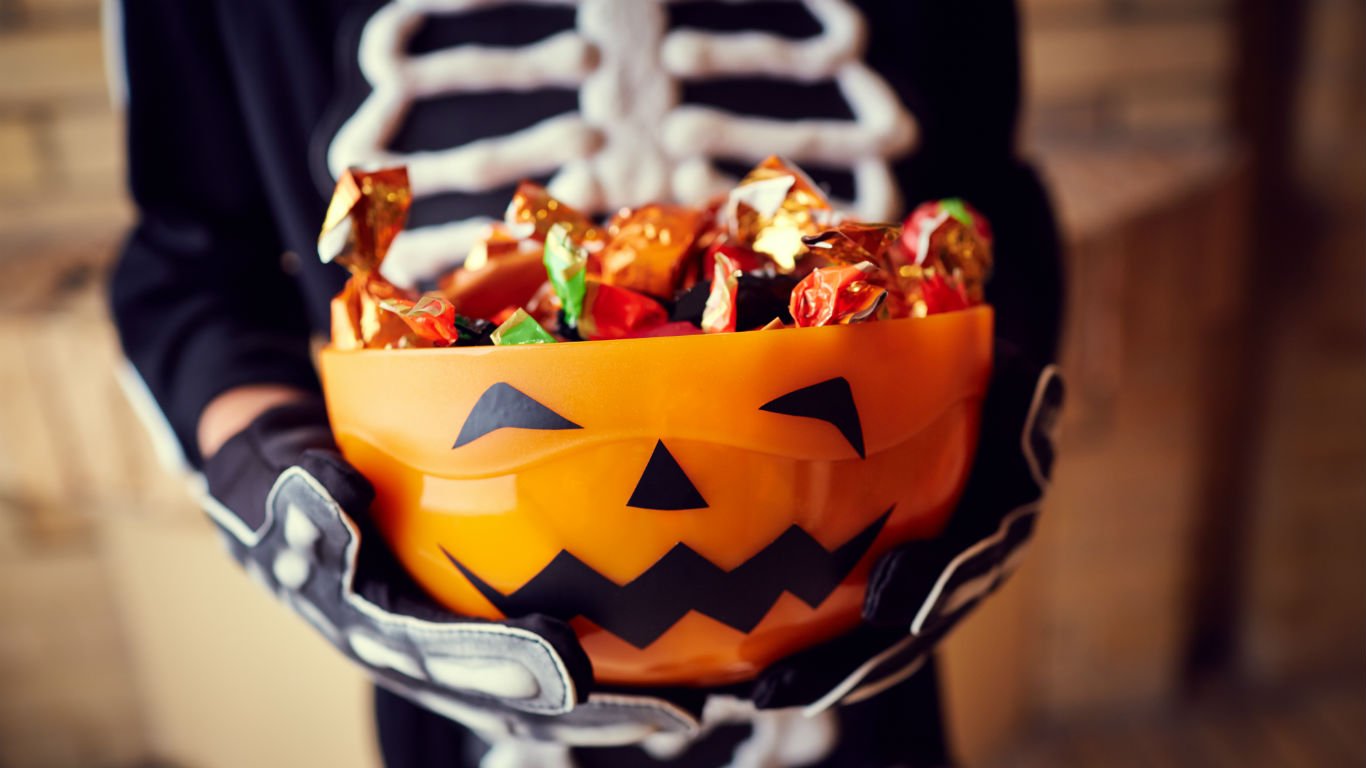
Halloween candy seems like it should be a fairly innocent subject, but some of America’s most familiar sweets led to controversy. While certain candies generate debates over their flavors or textures, others have been criticized for their ingredients, advertising, or histories. In some cases, the controversy is a matter of personal preference, while other debates involve real concerns about health and safety. These eight Halloween candies have led to more discussion than you might expect.
Candy Corn
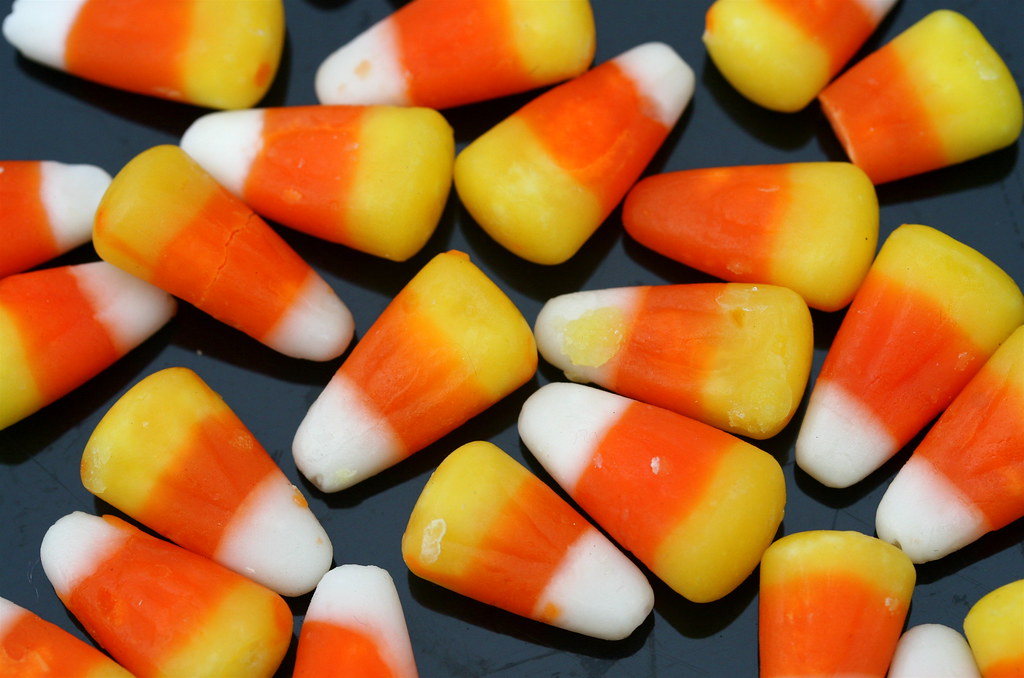
Candy corn actually might be the most divisive Halloween candy in America. Some people go nuts for its intense sugary flavor and nostalgic appearance, making sure to include it in the holiday every single year. Others say that the waxy texture makes them feel like they are eating a candle. The candy has existed since the nineteenth century, so obviously plenty of people like it, but it’s not hard to find a few guests at any Halloween party who will happily speak out against the old-school candy. Every October, social media fills with arguments about whether Candy Corn deserves its iconic seasonal reputation or is an odd creation that should have disappeared decades ago. Even its ingredients, which include sugar, corn syrup, and confectioner’s glaze, have led to plenty of deep discussion. Despite all the criticism, its devoted fans aren’t going anywhere.
Candy Cigarettes
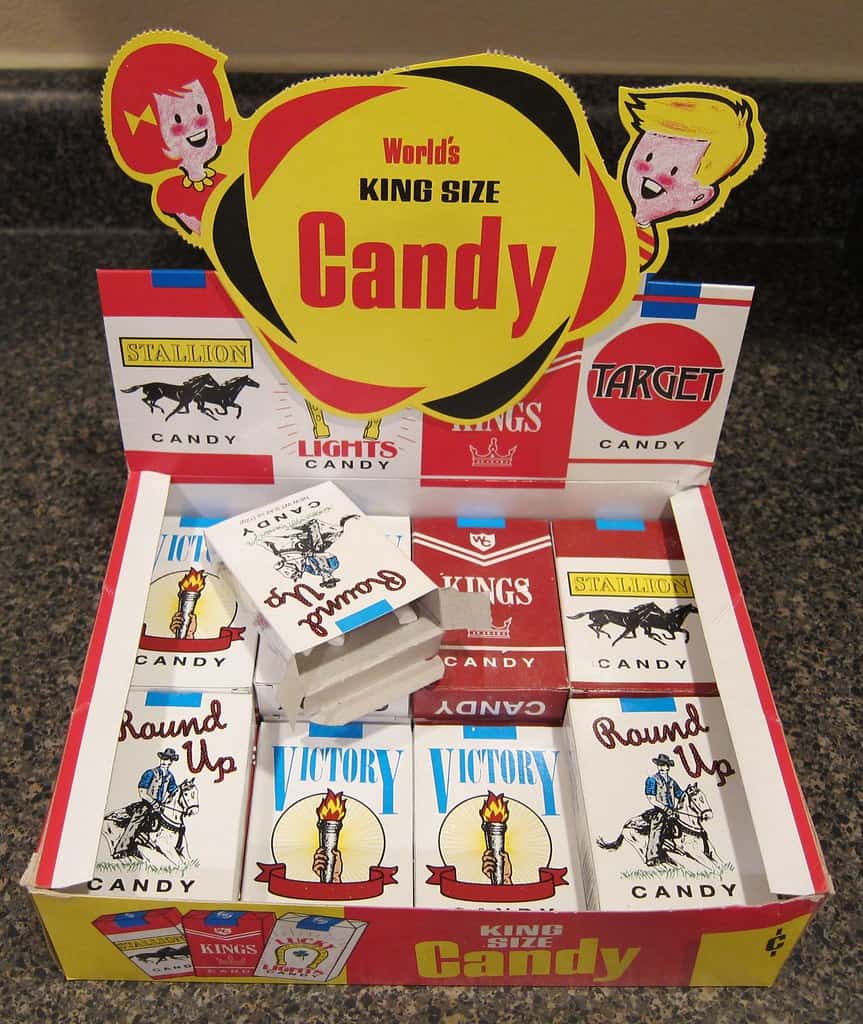
Candy cigarettes are controversial for obvious reasons, that somehow weren’t obvious until adults began questioning why anyone was giving pretend cigarettes to children. For generations, it was normal for children to buy little boxes of white sugar sticks meant to look like actual cigarettes. Some versions even came in packaging inspired by specific tobacco brands. Bubble gum varieties allowed kids to blow out powdered sugar in a sort of smoke-like way. As concerns about smoking increased, public health advocates questioned anything that normalized tobacco use. Several countries banned candy cigarettes, and some manufacturers got wise and started selling the same products under names like candy sticks. Their history raises important questions about how products are marketed to children.
Pop Rocks
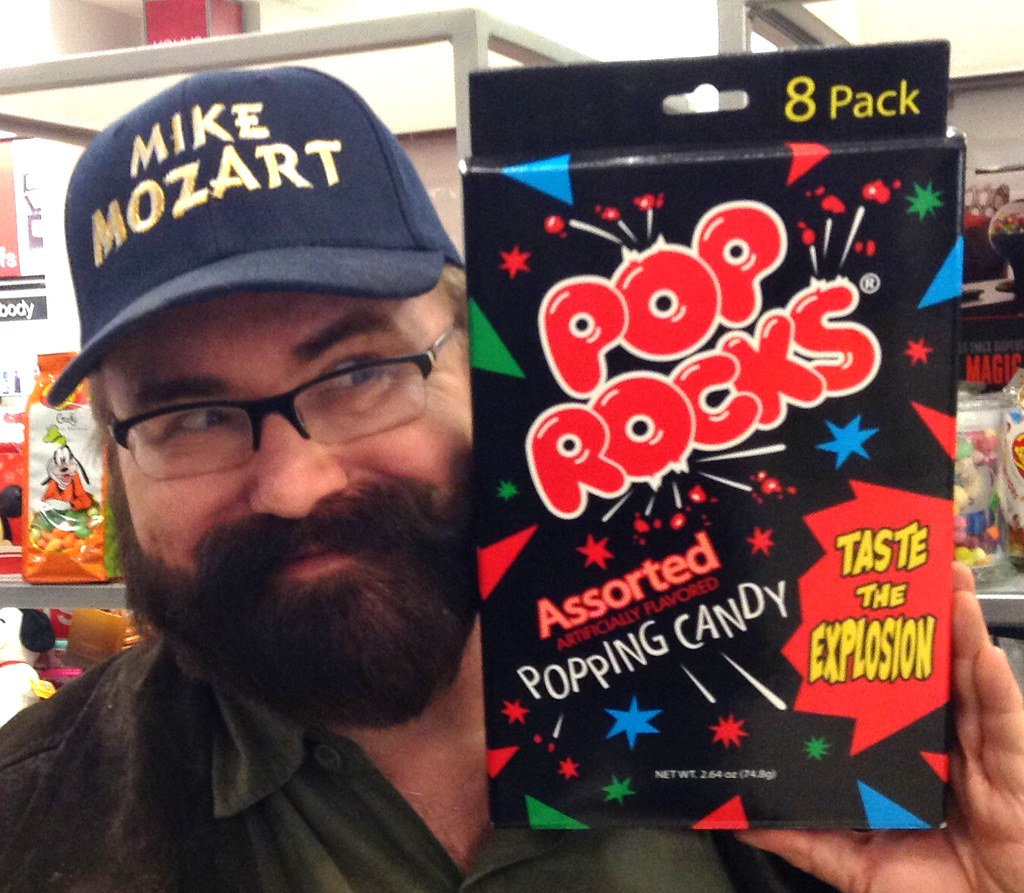
Pop Rocks became the subject of one extremely famous candy-related urban legend. According to the rumor, eating the popping candy while drinking Coke at the same time could cause a person’s stomach to explode. The most over-the-top versions of the story claimed that Mikey, the real-life child actor from the Life cereal commercials, had died of this sudden and tragic stomach combustion. Back then, Google didn’t exist, so people simply believed the stories might be true and made a mental note never to combine the two treats. The ridiculous rumor spread so widely that the manufacturer had to step in and reassure parents that their kids wouldn’t explode mid-snack. Pop Rocks work by releasing tiny pockets of pressurized carbon dioxide when they dissolve in the mouth, which has no correlation to soda or actual explosions. Even still, the candy’s reputation was shrouded in suspicion for years.
Necco Wafers
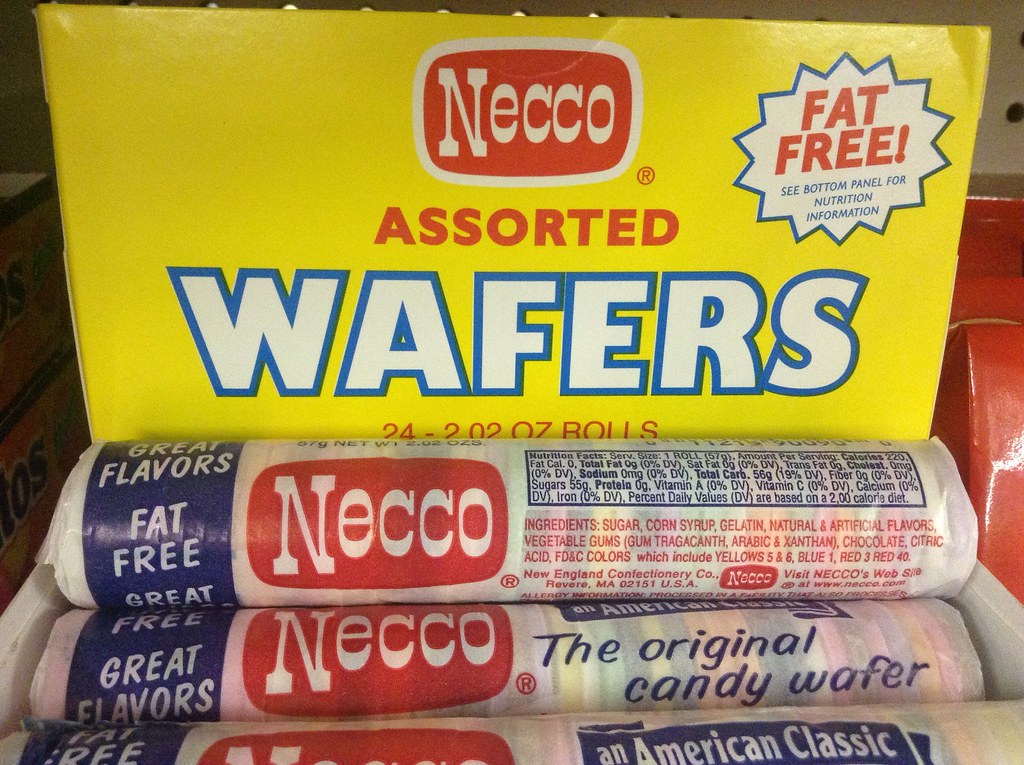
Like Candy Corn, Necco Wafers have inspired very strong opinions over the years. Though the sweets have been around since 1847, they are not universally loved. These thin, chalky discs come in multiple pastel colors and unusual flavors. While some people love them and their charming sense of nostalgia, many others say they taste more like flavored chalk than candy. The licorice flavor is especially criticized. When the original Necco company closed in 2018, true fans came out of the woodwork, worried that the old school candy was gone forever. Production eventually started again under a new owner, proving that even a chalky candy can have a dedicated following.
Circus Peanuts
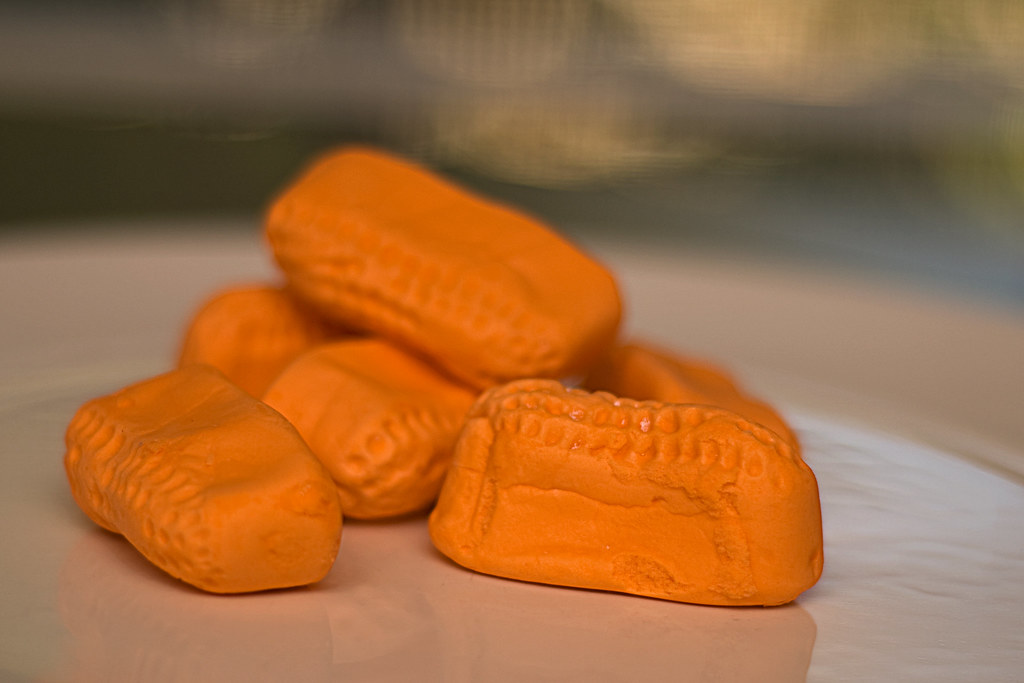
Circus Peanuts are one of the downright strangest candies to ever hit shelves. We’re not even sure how this one got past the planning stage. Despite their name and peanut-shaped appearance, the spongy, very orange candies are banana-flavored. Their highly unusual combination of marshmallow-like texture, vivid orange coloration, and surprise flavor has confused anyone who has ever tried them. It’s like the candy companies got together and decided to prank Americans. Some people just love the soft peanut-shaped oddities, while others would toss them straight into the trash if they popped up in their Halloween bucket. These candies are always likely to be a source of passionate disagreement.
Black Licorice
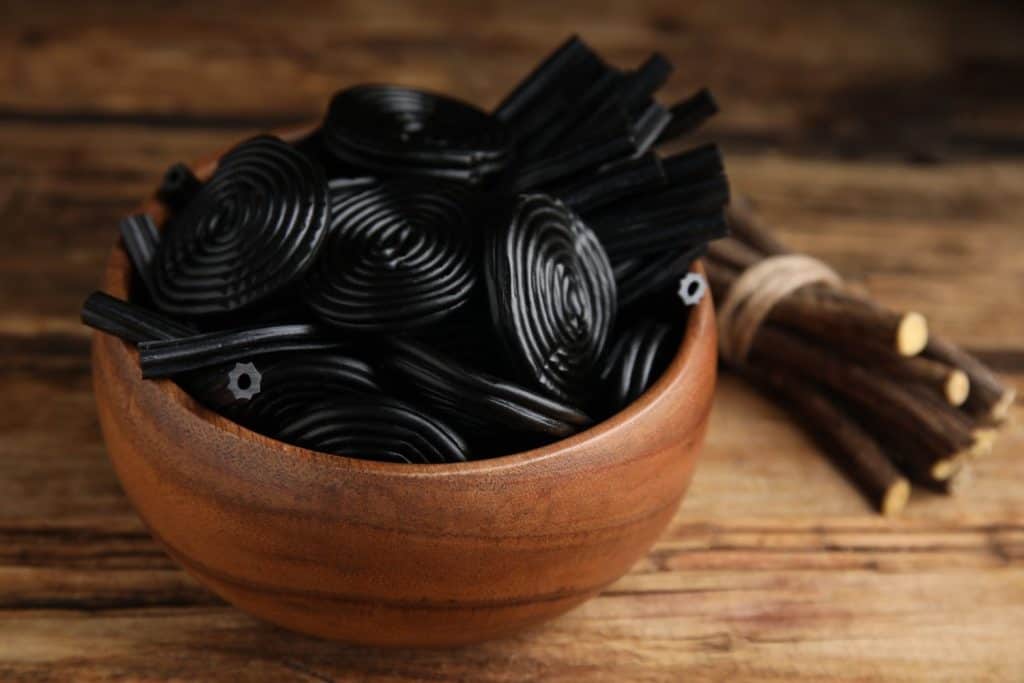
Black licorice has always been a divisive candy because people tend to have extremely strong opinions on the unique flavor. But its controversy goes beyond the fact that many people dislike it. Traditional black licorice has compounds that come from licorice root, including glycyrrhizin, which can affect the body’s potassium levels when consumed in high quantities. In 2020, a medical case report described a Massachusetts man who died after regularly eating lots of black licorice. The case gained national attention. It led to warnings about overeating, especially when it comes to older people or individuals with certain medical conditions. For most people, an occasional piece isn’t an issue, but no one wants to worry about dying while enjoying their favorite treat.
Sugar-Free Gummy Bears
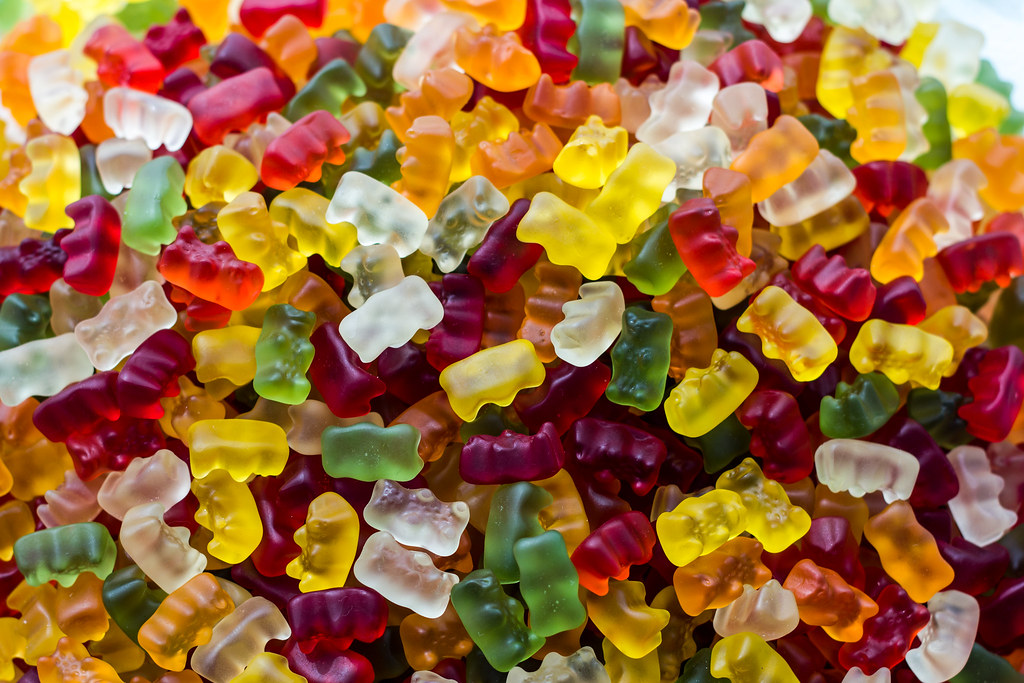
It’s hard to find a person that dislikes gummy bears. They seem like one of the least controversial candies out there. But certain sugar-free varieties have gotten a bad reputation. Some of these products use sugar alcohols, including maltitol, to add sweetness without using real sugar. Much to consumers’ dismay, eating large amounts of these ingredients can cause digestive problems like gas, bloating, and diarrhea. One now-notorious product, Haribo Sugar-Free Gummy Bears, was blasted all over the internet after customers had horrible experiences. The hilarious and sometimes horrifying reviews described their stomach woes. The stories became a cautionary tale about the importance of reading ingredient labels.
Peanut Butter Kisses
Peanut Butter Kisses are the old-fashioned Halloween candies wrapped in black and orange wax paper, and they have led to decades of complaints from disappointed trick-or-treaters. Decades ago, these chewy, peanut-butter-flavored candies were a common sight at Halloween parties across America. But it turns out very few children were actually excited to find them in their Halloween bucket, due to their dense texture and slightly off-putting flavor. Some unsuspecting consumers confuse them with more traditional taffy, only to discover an intense peanut-butter filling. Like other heavily hated candies, they have a small but loyal following. Despite how unappealing they are to many, there’s something undeniably Halloween-like about those black and orange wrappers.