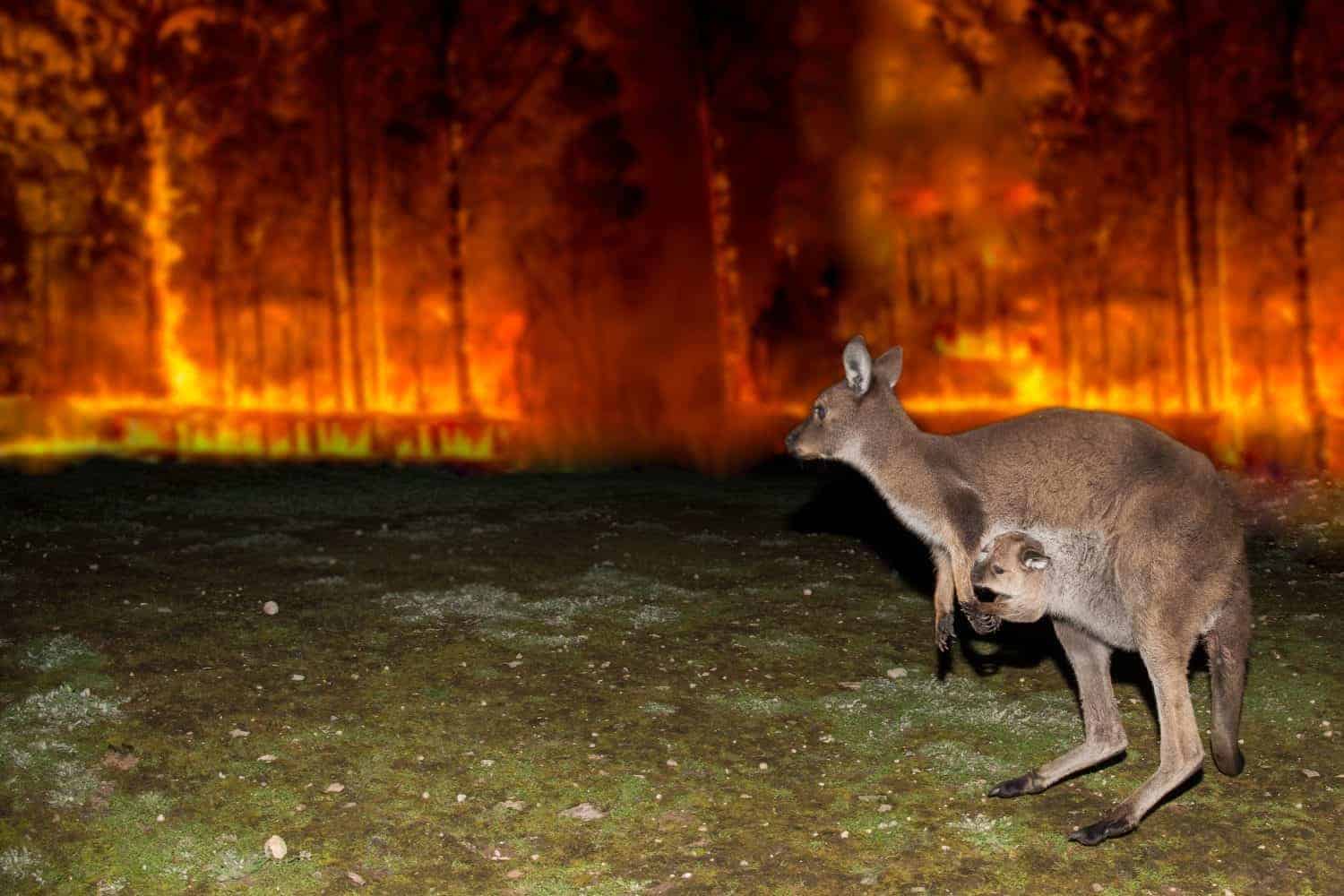
In America, wildfires are usually associated with places like California, but the global data tells a very different story. Some of the highest concentrations of fires are in Africa, where huge sections of wilderness burn during dry seasons. Satellite footage allows experts to monitor these fires and compare activity around the world. Using 2025 wildfire data from the Global Wildfire Information System, we tracked the countries with the highest number of recorded wildfires. African countries dominate the list. In fact, Australia and Brazil are the only two countries outside Africa to make the top eight. These places are extremely prone to wildfires.
Democratic Republic of the Congo
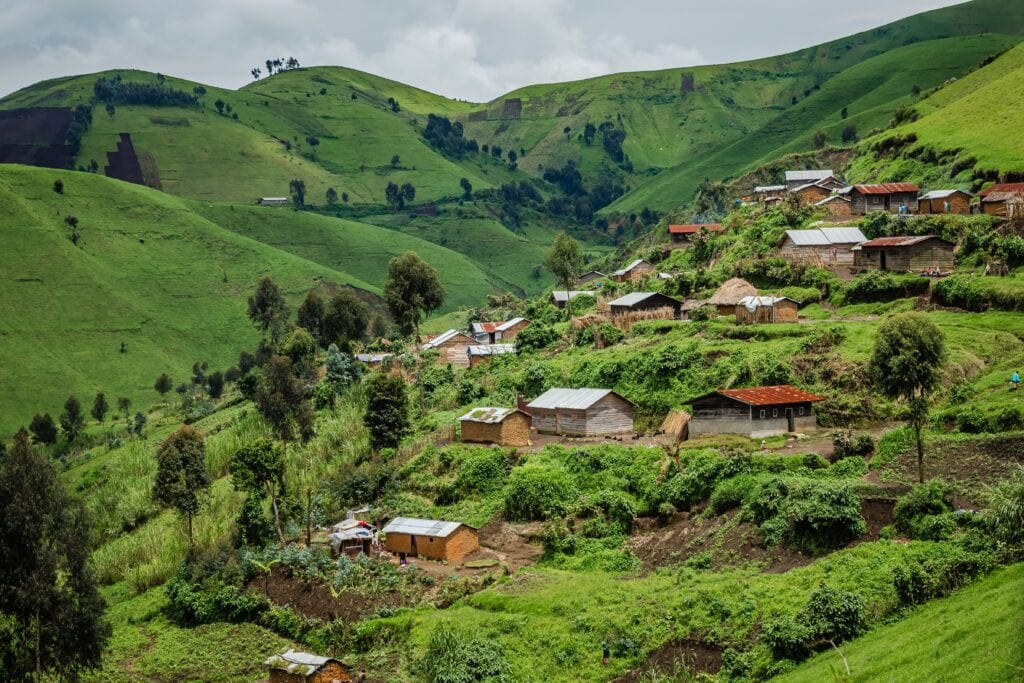
The Democratic Republic of the Congo recorded a whopping 79,000 wildfires in 2025, more than any other country. Its massive size and tropical climate help create these fires. While the country has a big portion of the Congo Basin rainforest, it also has savannas, grasslands, and agricultural fields. Most importantly, portions of the country have extreme dry seasons that leave vegetation vulnerable to fire. However, many fires are connected to land clearing and agriculture and do not result in the giant forest fires Americans are familiar with. Even so, relatively small fires can damage vegetation, negatively affect air quality, and threaten ecosystems. Almost 80,000 fires in a single country in a single year is hard to wrap your head around.
Angola
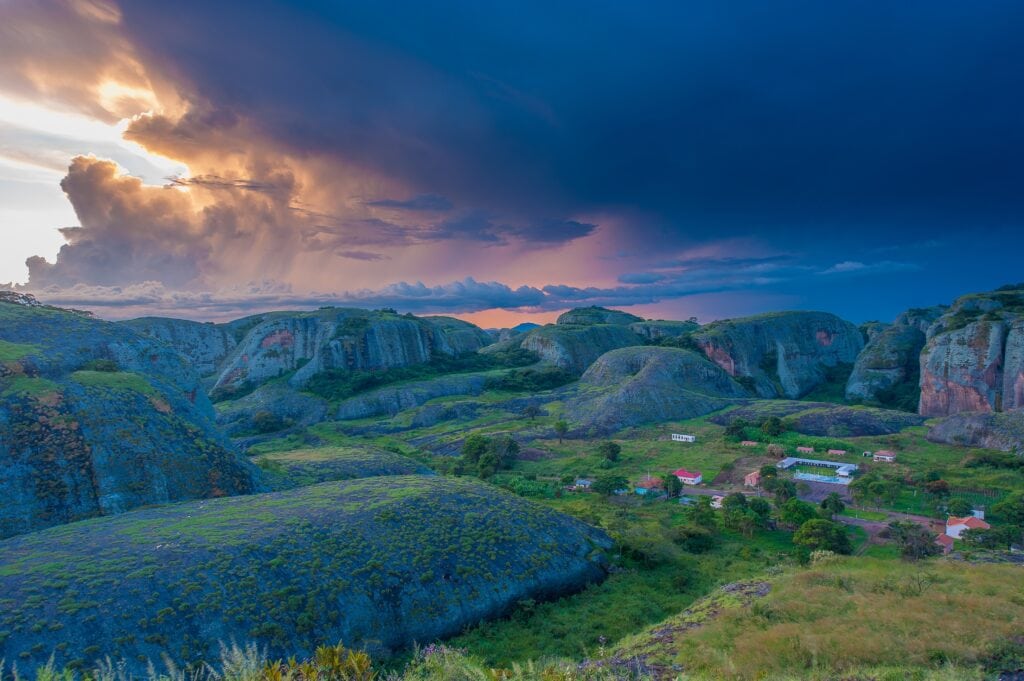
Angola recorded more than 62,000 fires in 2025, putting it near the very top of the list. Most of the country experiences distinct wet and dry seasons, meaning vegetation grows significantly before completely drying out. Once conditions become dry enough, fire can spread easily over enormous areas of savanna and forest. Some fires are actually set intentionally with the goal of clearing agricultural land, but others burn out of control. Unlike California and Australia, Angola doesn’t get much international media attention regarding its wildfires. Based purely on the number of fires, though, it is one of the world’s biggest fire hotspots.
Australia
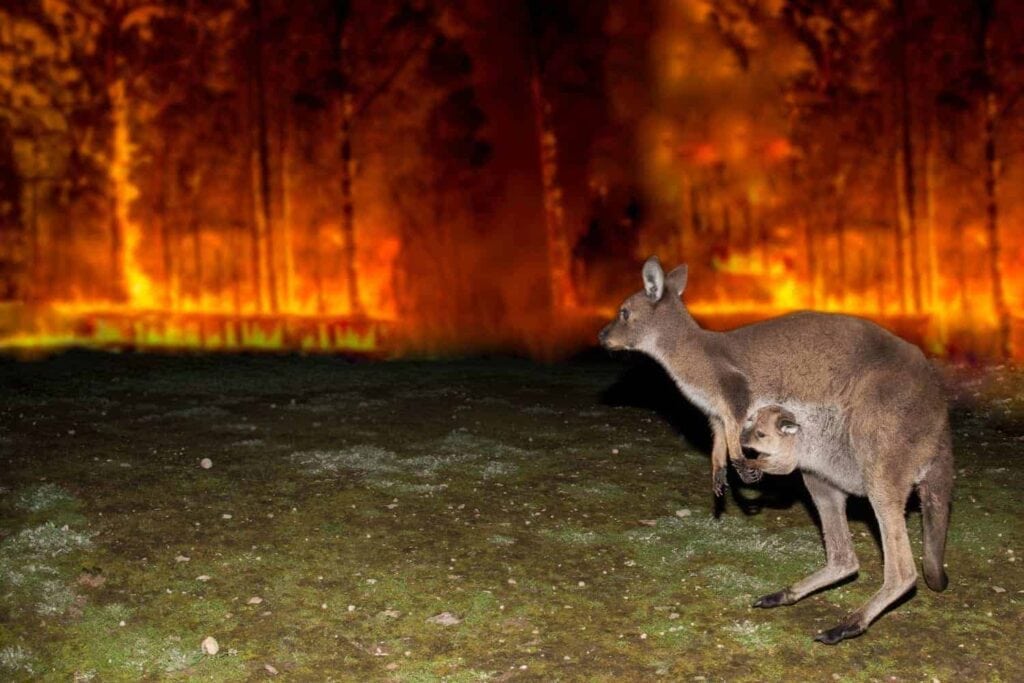
Australia’s relationship with fire is well known internationally. The country had more than 39,000 wildfires in 2025. These fires are the result of a host of factors mixed together: hot temperatures, drought, dry vegetation, and strong winds. Together, these conditions can create some spectacularly bad fires. Bushfires are a normal part of Australian life. In the past, fires have grown enormous and threatened both wildlife and entire communities. The fairly recent and devastating 2019–2020 Black Summer event received mass media attention. It proved just how destructive Australian bushfires can become under the right conditions.
Brazil

Brazil documented roughly 34,500 wildfires in 2025. In the large country, fires break out across several ecosystems, including the Amazon, Cerrado, and Pantanal. Unfortunately, human activity plays a major role in many of them. Land clearing and burning can expand into surrounding vegetation, especially during hot, dry seasons. Brazil is also super inconsistent when it comes to fire, swinging drastically from one year to another, with some seasons being way worse than others. Between 2016 and 2025, tens of millions of hectares burned across the country. These fires are, of course, an issue for locals, but because Brazil has some of the most biologically important landscapes on Earth, its fire problem has worldwide consequences.
Zambia
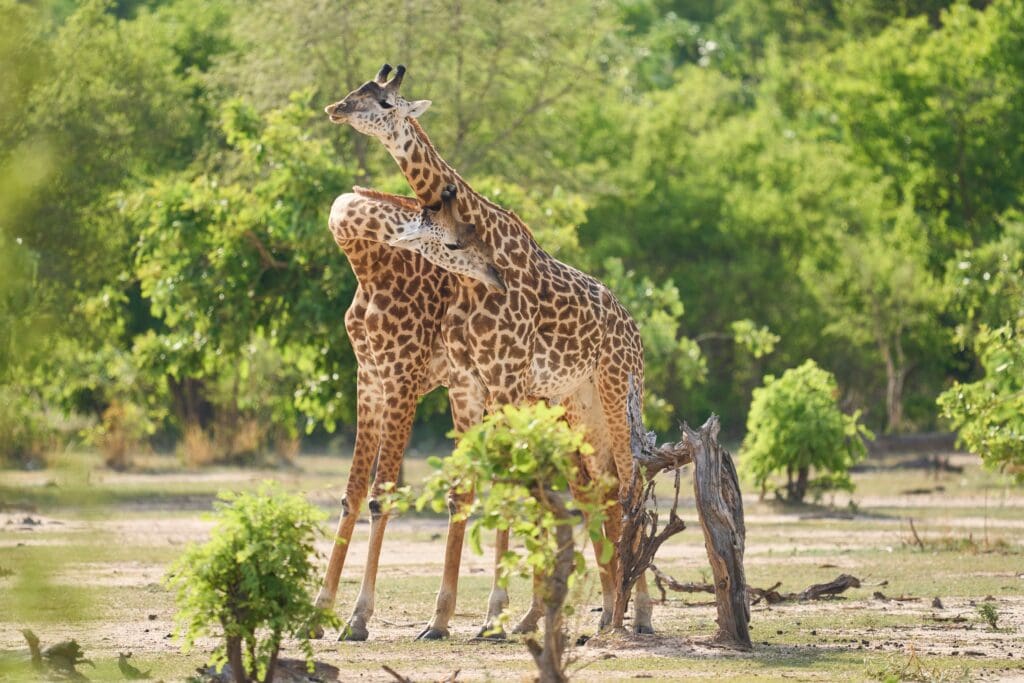
Zambia recorded more than 34,000 fires in 2025. The country’s long dry season turns acres and acres of grassland and woodland into fire fuel. Annual burning is also commonly used for farming and land management. These practices add considerably to the number of Zambia’s fires. Many are smaller than the massive wildfires that tend to make headlines in the States. However, their combined consequences can be huge. Zambia is a perfect example of how some of the world’s most fire-prone regions are rarely covered in American news.
Mozambique
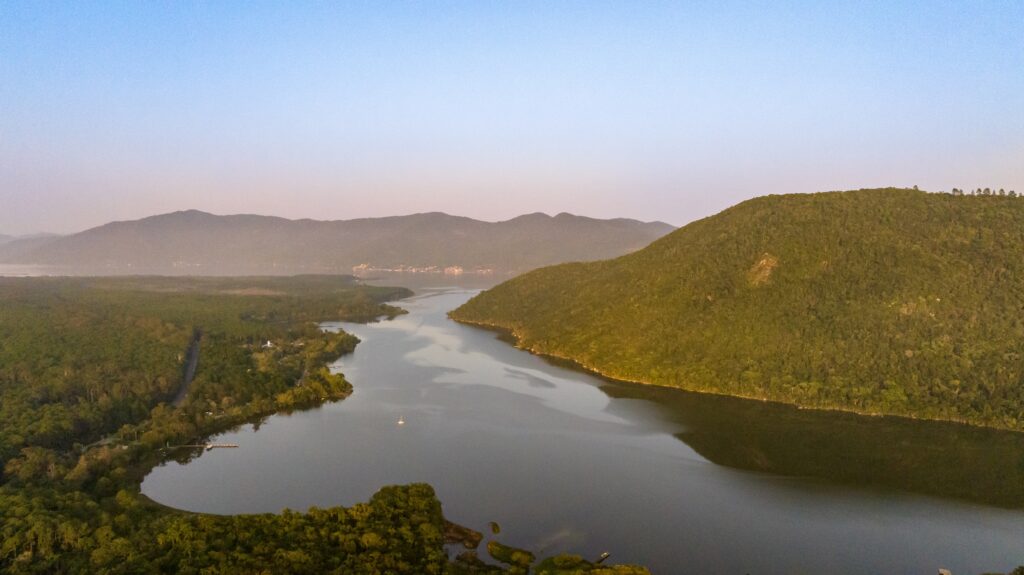
Mozambique had nearly 32,000 recorded fires in 2025. Like its African neighbors, the country has vast savanna and forested areas that become incredibly flammable during dry periods. Fire is used to clear fields, manage land, and prep plots of land for agricultural purposes. It is not uncommon for flames to escape their intended boundaries. When this happens, they can spread through vegetation quite quickly. Burning can affect wide stretches of land over the course of a single dry season. Satellite data shows just how common fire actually is in Mozambique.
South Sudan
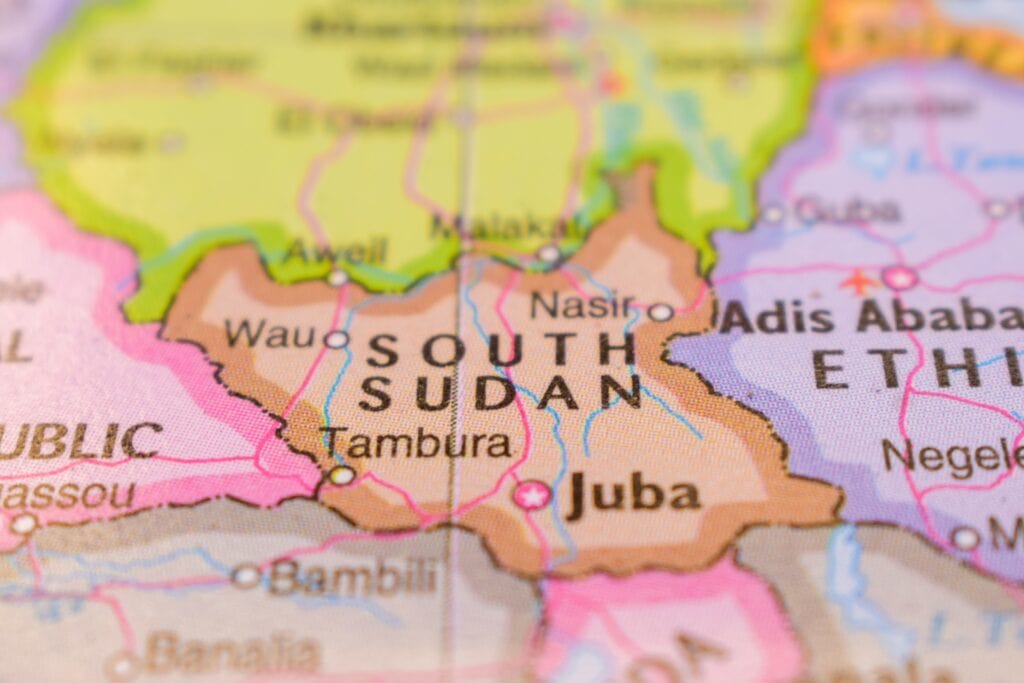
South Sudan had more than 30,000 fires in 2025. Vast areas of grassland and savanna often see drastic seasonal fluctuation, with lush vegetation turning extremely dry and highly flammable. Some of these fires are intentional, due to agriculture, grazing management, or hunting. But other fires can begin naturally or spread accidentally. Satellite imagery commonly shows widespread fire activity across this portion of Africa. While individual fires aren’t usually massive, the sheer number of them is remarkable. When the dry season arrives, fire becomes a major risk for communities.
Central African Republic
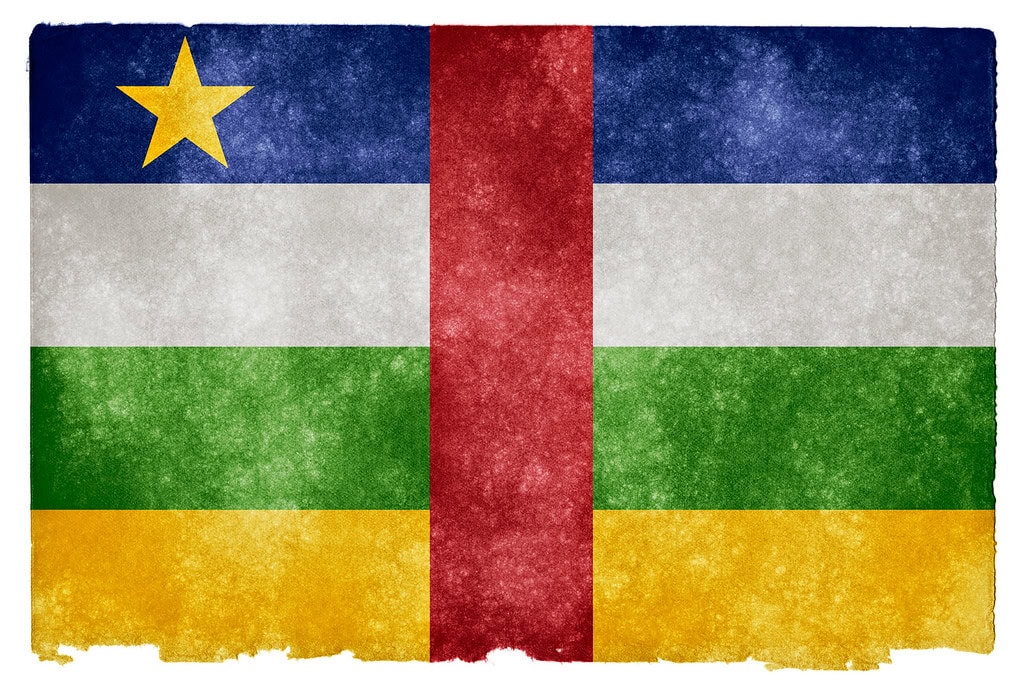
Finishing off the list is the Central African Republic, which had more than 20,000 wildfires in 2025. Its landscape is an interesting mix of tropical forest and open savanna, both of which have plenty of vegetation that can catch fire easily. Human-caused fires for agriculture and management are main sources of fire activity. As with neighboring countries, these fires aren’t the massive infernos shown on T.V. But when thousands of small fires stack up, they can affect an impressive amount of land.