In a recent landmark announcement, Anna Wintour revealed that she will step down later this year from her roles as Chief Content Officer at Condé Nast and Global Editorial Director of Vogue. At 75, Wintour is closing out an unmatched reign in fashion media that spans more than three decades. Her retirement marks the end of one of the most powerful and culturally influential editorial careers in modern history.
Wintour transformed Vogue and helped launch and shape the careers of some of the world’s most important designers, photographers, and models. Known for her signature bob and dark sunglasses, Wintour was both a tastemaker and an enforcer of high fashion’s aesthetic standards. But how much do you know about the details of her legacy?
247 Tempo explores Wintour’s legendary career, from her London upbringing and early days in magazine publishing to her tenure at Vogue. We’ll trace her impact on American fashion, digital media, editorial leadership, and cultural events like the Met Gala using multiple sources, including the New York Times and Vogue itself.
Anna Wintour Announces Her Departure

On June 26, 2025, Anna Wintour announced her retirement from Condé Nast after nearly 40 years at Vogue, 10 of which she served as global Chief Content Officer. While she still reserves editorial control over all publications moving forward, her mark will be missed, and Wintour’s legacy will continue to shape fashion media for decades to come.
Early Life in London
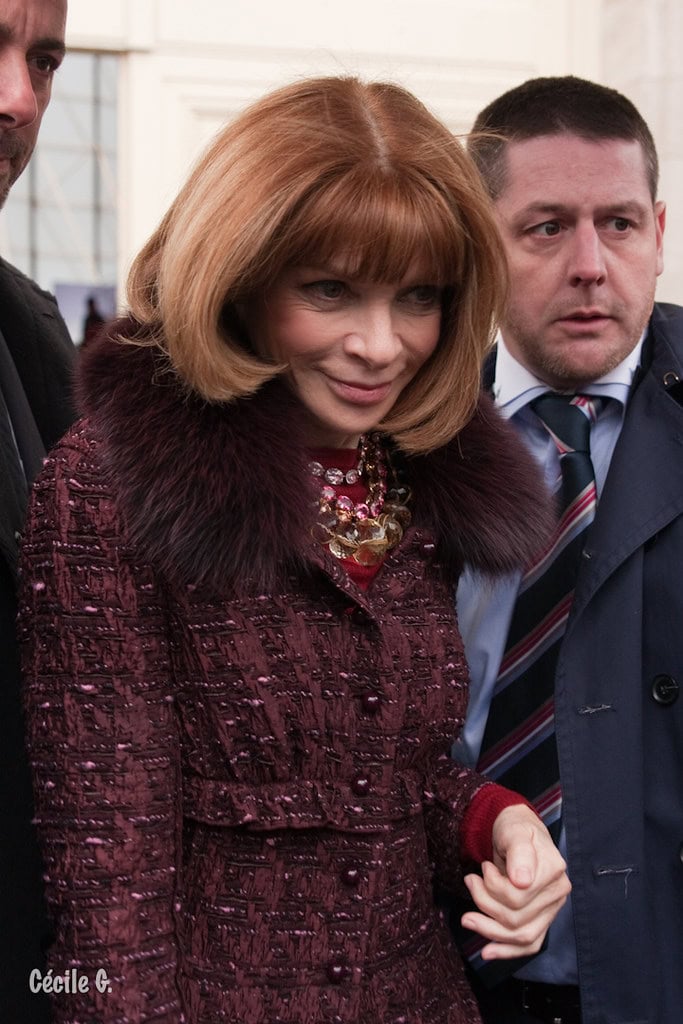
Anna Wintour was born in London in 1949. Her father, Charles Wintour, was the editor of the Evening Standard and encouraged her early interest in fashion journalism. She left school at 16 and entered the industry via a fashion boutique before landing editorial roles. Her sharp instincts and signature look were established early on, something that set her apart from others of her time.
Breakthrough in U.S. Publishing

Wintour moved to New York in the late 1970s and quickly rose through editorial ranks at some of the nation’s most important magazines, like Harper’s Bazaar. Her bold style and editorial confidence set her apart from her peers with ease. In 1988, she was appointed Editor-in-Chief of Vogue, replacing Grace Mirabella. That move launched a new era for fashion media.
Reinventing Vogue in the 1990s

Under Wintour, Vogue embraced a new trend of celebrity culture, placing stars like Madonna and Gwyneth Paltrow on its covers. She also elevated emerging designers like Marc Jacobs and John Galliano, names we still recognize today. Wintour shifted Vogue from an elite fashion magazine to a cultural institution, blending accessibility with aspirational fashion.
Championing American Fashion
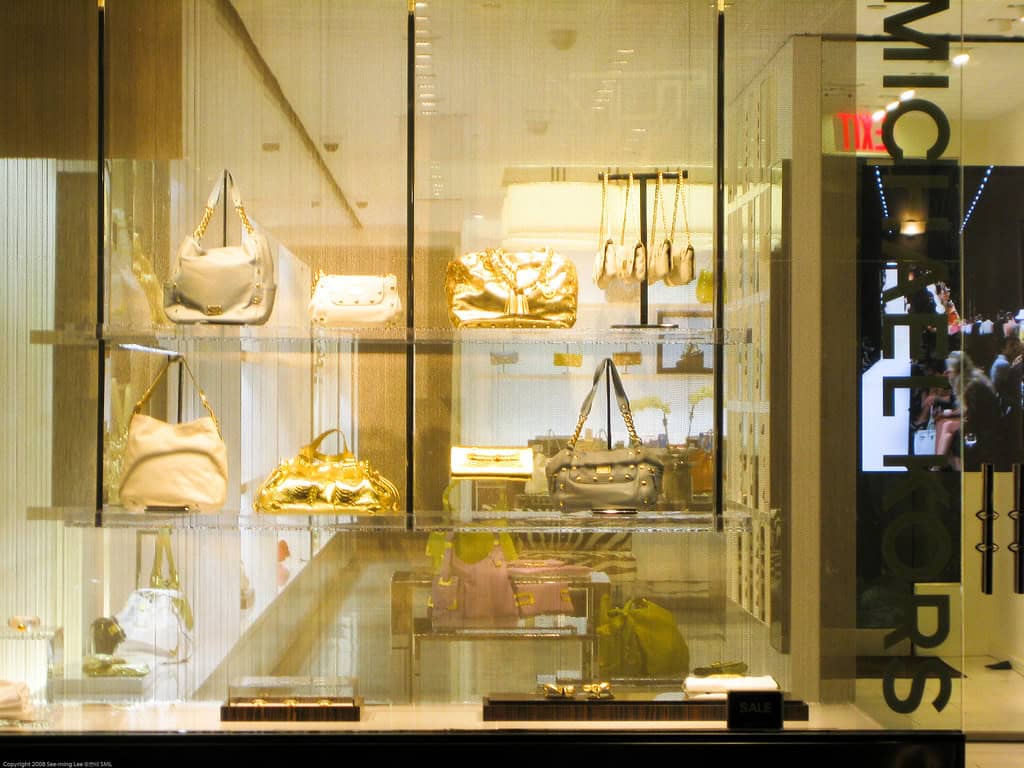
Wintour used her platform to support American designers, helping launch careers for additional names like Michael Kors, Proenza Schouler, and Thom Browne. She promoted the Council of Fashion Designers of America (CFDA) and used the Met Gala to spotlight U.S. talent. Her vision helped make New York Fashion Week a global must-attend event.
Icon of Personal Style
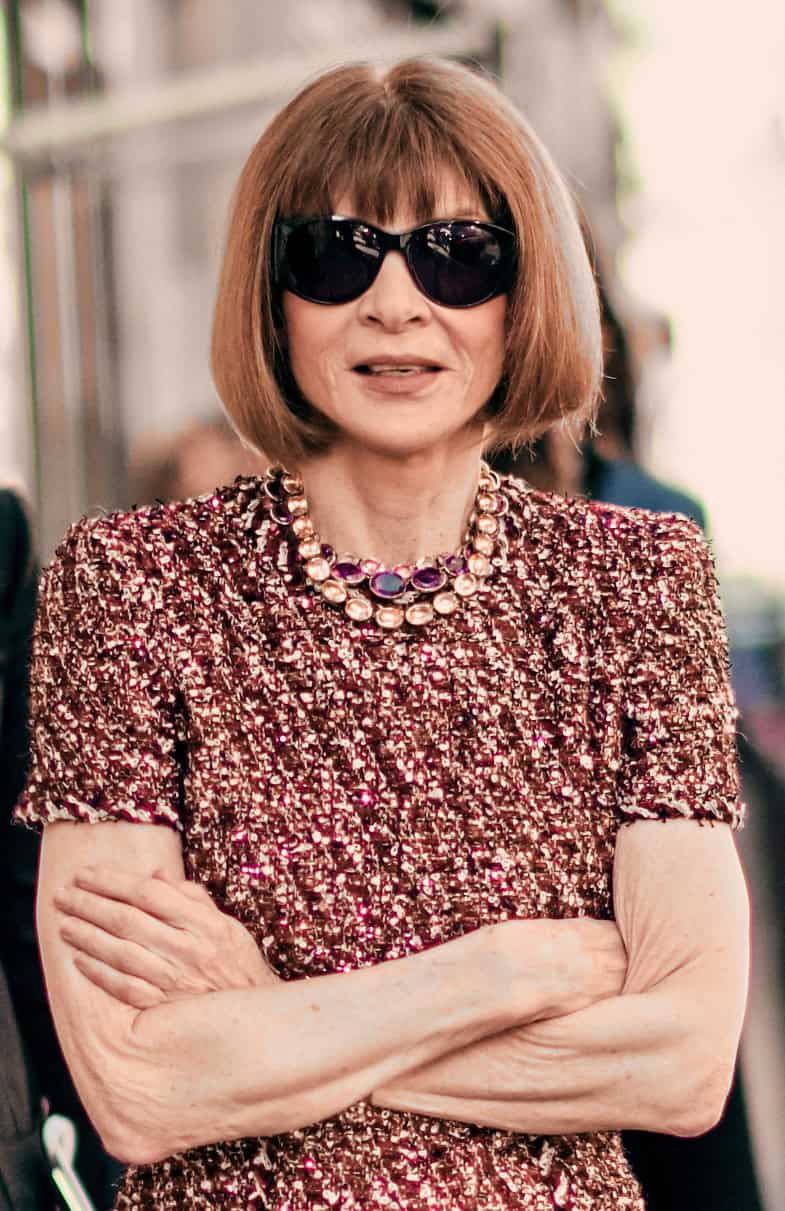
Wintour’s signature pageboy bob, sunglasses, and Chanel suits became synonymous with elite fashion; her style is deliberate, consistent, and instantly recognizable, timeless to this very day. She turned herself into a visual brand while remaining an editor with impeccable taste.
The Met Gala’s Power Broker

As co-chair of the Met Gala since 1995, Wintour turned the event into fashion’s biggest night. The gala became a fundraising juggernaut for the Metropolitan Museum of Art’s Costume Institute. Her guest list, seating arrangements, and themes shaped the event from day one. Wintour’s touch elevated the event to a global spectacle of wealth, celebrity, and, of course, fashion.
Embracing Digital Media

While often considered traditional, Wintour embraced digital transformation at Vogue, regarding it as necessary and something she could shape with ease. She oversaw the launch of Vogue.com, fashion videos, and social media campaigns. Her editorial judgment helped Vogue thrive in our era of social media.
Mentorship and Talent Spotting
Wintour is known for identifying and mentoring young talent, both in fashion and publishing. Designers like Alexander McQueen and Christopher Kane benefited from her early support, and she also cultivated future editors and creatives in-house at Vogue.
Criticism and Caricature

Wintour’s icy demeanor and commanding presence sparked criticism, including being the inspiration for the iconic film, The Devil Wears Prada. Her leadership style has been described as demanding and controlling, as well as completely unapologetic. However, many industry insiders credit her for high standards and editorial excellence.
Global Editorial Influence

In 2020, Wintour became Condé Nast’s Global Chief Content Officer, overseeing all magazines under this brand worldwide. This move consolidated editorial power under her leadership; the most notable companies were GQ, Allure, and Vanity Fair. Wintour influenced how fashion, politics, and culture intersect globally using this powerhouse of brands.
Navigating Fashion’s Reckoning

In the 2020s, Wintour faced calls to diversify Vogue and confront issues of racial equity in fashion. She acknowledged past shortcomings and pushed for more inclusive representation. Though criticized at times, she began making notable editorial and hiring changes, ensuring minority voices and bodies were better represented.
Honors and Recognition

Wintour has received numerous accolades, including a Damehood from Queen Elizabeth II in 2017. She’s been inducted into the American Society of Magazine Editors Hall of Fame and has countless awards within the fashion and editorial world.
Lasting Cultural Legacy

Anna Wintour leaves behind a legacy that transformed fashion journalism into a widespread cultural influence. She connected fashion with celebrity, politics, and art in ways never before imagined, changing how the public consumes beauty and style even today. Few figures have shaped fashion’s narrative as completely as her.
What’s Next After Wintour?

With her retirement, the fashion world speculates who might fill her shoes, if such a thing is even possible. The next leader of Vogue will inherit a global brand shaped almost entirely by one woman. Regardless of who comes next, Wintour exited Vogue on her own terms, just as she always insisted.