
Missing attribution
Sean Pavone / iStock via Getty Images
davidwilson1949 / BY 2.0
pawel.gaul / iStock via Getty Images

f11photo / iStock via Getty Images

Sean Pavone / iStock via Getty Images
pabradyphoto / iStock via Getty Images
Sean Pavone / iStock via Getty Images

Sean Pavone / Shutterstock.com
Public Domain / Wikimedia Commons

Sean Pavone / iStock via Getty Images

SNEHIT PHOTO / Shutterstock.com
marchello74 / iStock via Getty Images
vkbhat / E+ via Getty Images
Jacob Boomsma / iStock via Getty Images
DenisTangneyJr / iStock via Getty Images
Sean Pavone / iStock via Getty Images

Michael Warren / iStock via Getty Images

Kruck20/iStock.com
Brylie Oxley / BY-SA 3.0

Wikideas1 / CC0 1.0















20 U.S. Cities Where Retirees Are Living Their Best Lives
Retirement today comes with real challenges, especially for those living on fixed incomes. The cost of housing, access to healthcare, walkable outdoor spaces, and day-to-day convenience can make a major difference in quality of life after leaving the workforce. While no single city is perfect for everyone, data shows there are places across the United States where retirees consistently enjoy greater financial stability, better access to services, and a more comfortable pace of life.
To identify the best cities for retirees, 24/7 Tempo analyzed factors including cost of living and housing affordability, proximity to parks and trail systems, access to highly rated hospitals, and tax policies that favor retirees, such as low or no state income tax. We also reviewed recent reporting on retiree well-being and affordability to understand why certain cities continue to attract older Americans year after year.
In cases where affordability stands out, current cost-of-living figures are included to allow easy comparison between locations. While these cities offer more than just financial advantages, cost remains a critical consideration for most retirees. Together, these factors highlight places where retirees are not just getting by, but truly thriving in the next chapter of life.
Greenville, South Carolina
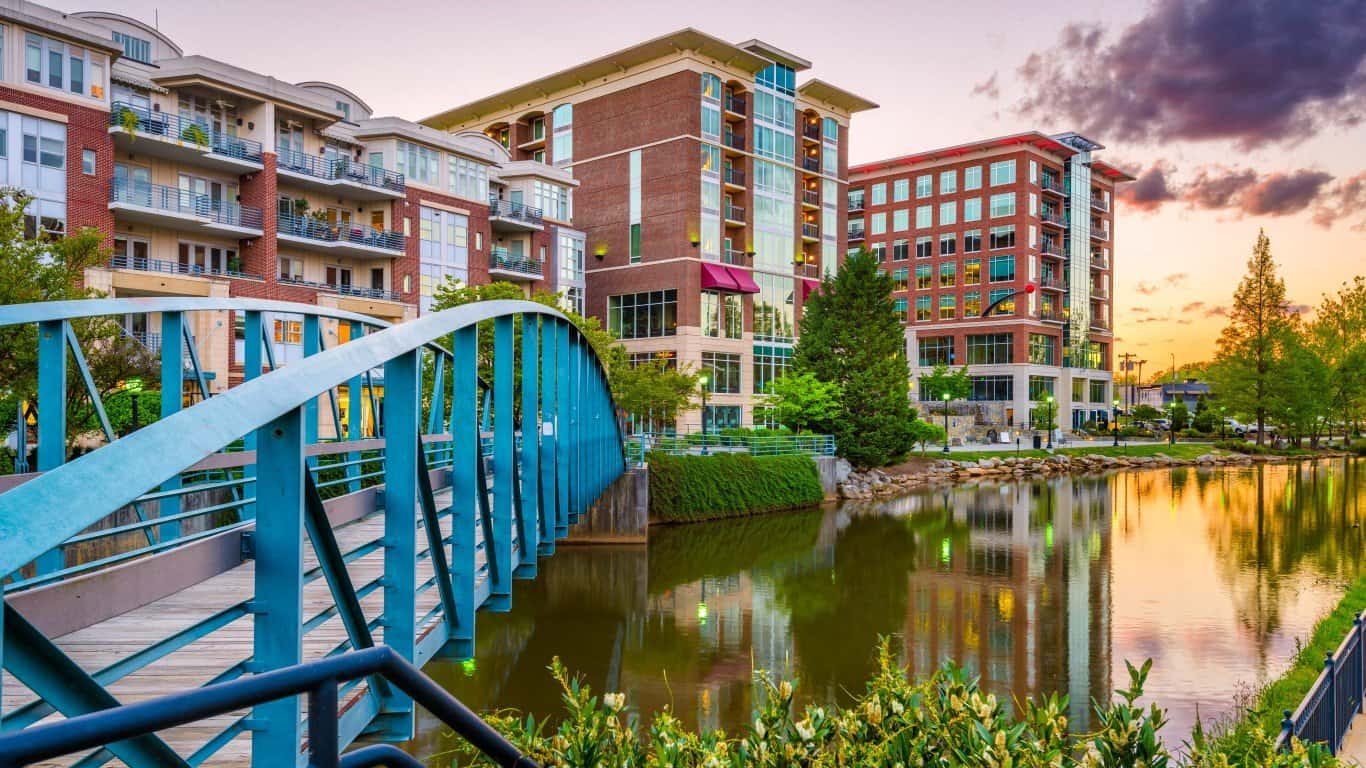
A revitalized downtown and miles of greenways make everyday errands feel like pleasant outings in aptly-named Greenville. The Swamp Rabbit Trail network stretches roughly 28 miles, linking parks, neighborhoods, and cafés where retirees stroll and enjoy the views.
Cost-wise, Greenville’s overall index sits around 91.3, roughly 8.7 percent below the U.S. average, giving solid breathing room for a fixed budget. Health care and specialists are accessible in the region, and day-trips to lakes and the Blue Ridge foothills are quick. This is an ideal town for retirees seeking outdoor access.
Knoxville, Tennessee
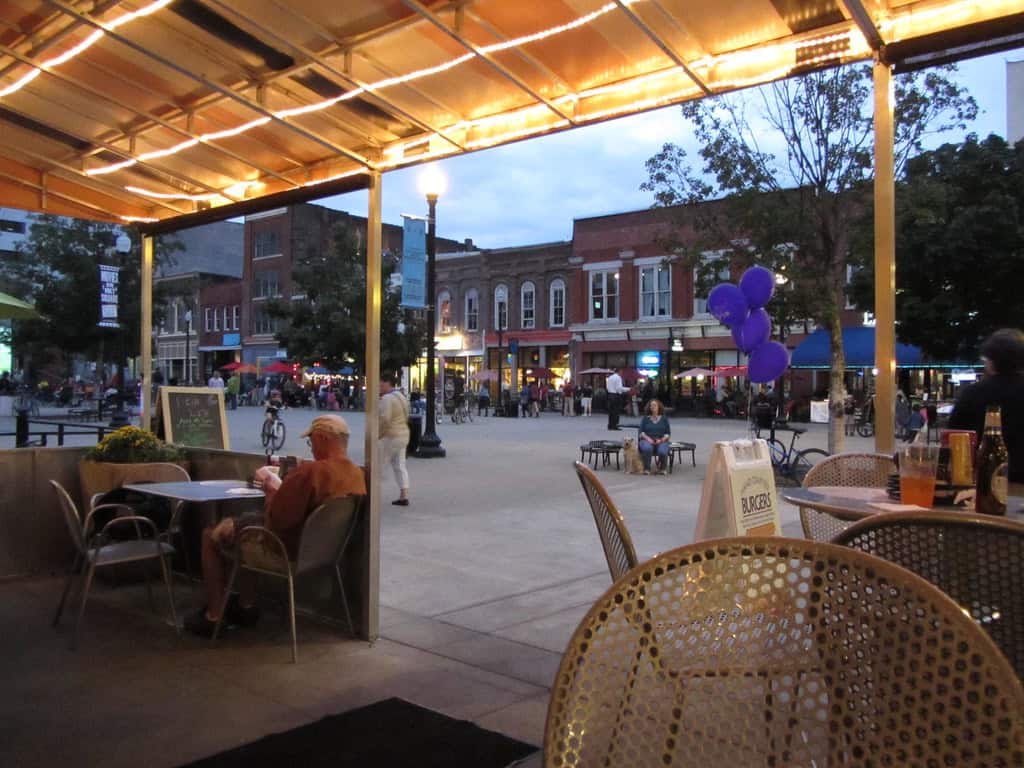
Smoky Mountain day trips are routine things in Knoxville, Tennessee, with trailheads for Great Smoky Mountains National Park about 45 to 60 minutes from town. Retirees like the college-town energy without the big-city hassle, plus the ample waterfront paths along the Tennessee River.
Affordability is real here, since Knoxville’s index is about 91.8, or 8.2 percent below the national average, and Tennessee has no state income tax on wages or retirement income. Medical access is broad for a mid-size metro, with major systems and clinics throughout. If you're seeking a college town, this is the one.
Pittsburgh, Pennsylvania
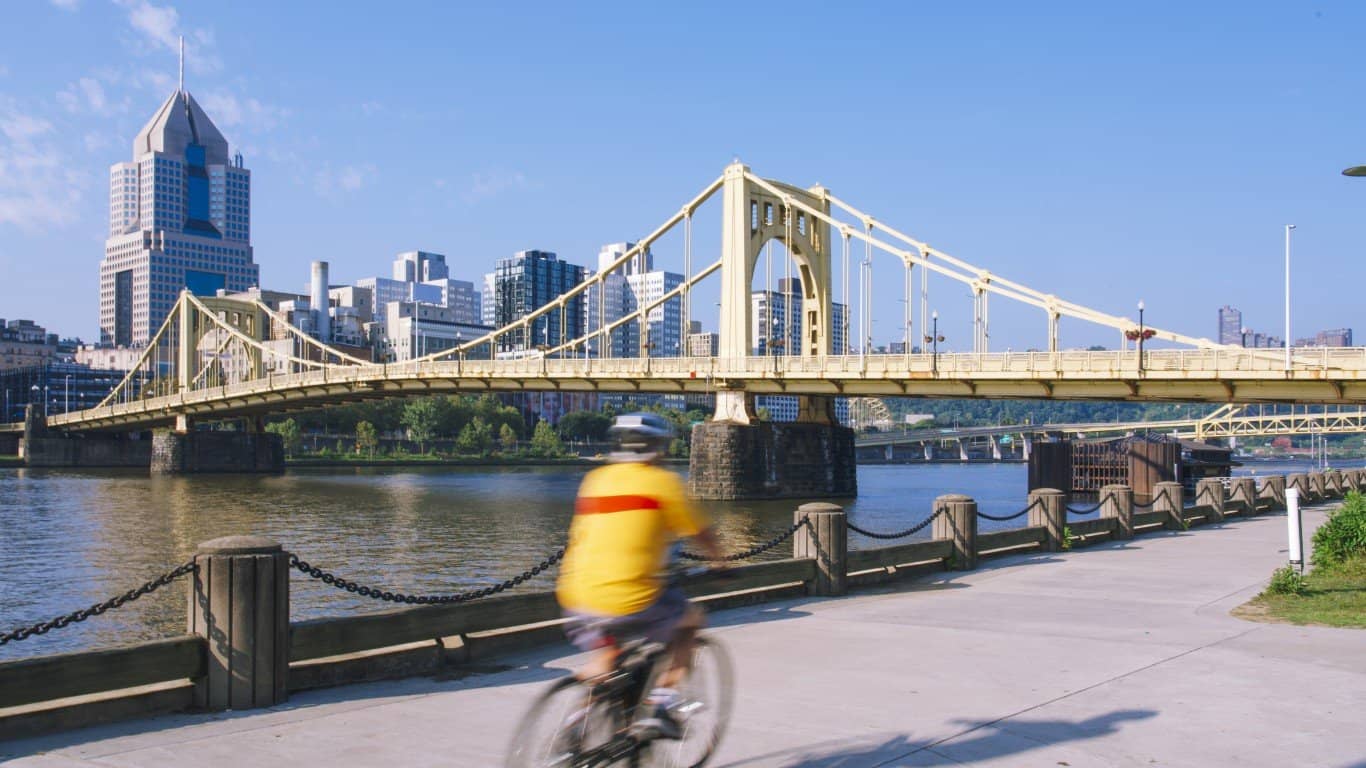
Riverfront living is what it's all about in Pittsburgh, with the 33-mile Three Rivers Heritage Trail running past stadiums, museums, and plenty of neighborhoods. UPMC anchors a robust care network, with flagship facilities highly ranked in state and national lists.
Despite so many amenities, the city’s cost-of-living index is about 91.8, roughly 8.2 percent below the U.S. average, leaving more for you to enjoy theater nights and grandkid visits. Hillside neighborhoods and transit options give you lots of ways to right-size without sacrificing culture, making this larger city the perfect fit for many retirees.
San Antonio, Texas
Mission trails, riverwalk strolls, and blue-sky winters set an easy rhythm in San Antonio, and new-home construction keeps inventory flowing. Affordability stands out here since San Antonio’s cost-of-living score sits around 91.3, about 8.7 percent below the U.S. average, and a typical home is listed near $254k.
Add Texas’s no-income-tax advantage, and you have room in the budget for travel, golf, and art classes, or whatever else you enjoy. A large medical ecosystem from academic centers to specialty clinics means care is close (and, hopefully, so are the grandkids).
Albuquerque, New Mexico
An outdoorsy day in Albuquerque, New Mexico can mean strolling along the Rio Grande in the morning and a 2.7-mile tram ride up the Sandias by sunset. The city’s cost-of-living score is about 92, or 8 percent under the U.S. average, with a typical home around $308k, depending on the home's size.
Dry air and blue skies appeal to retirees from wetter or colder climates, and the arts scene is far richer than its modest size suggests. University-anchored healthcare and VA services round out the essentials of this city, making it a great desert choice.
Des Moines, Iowa
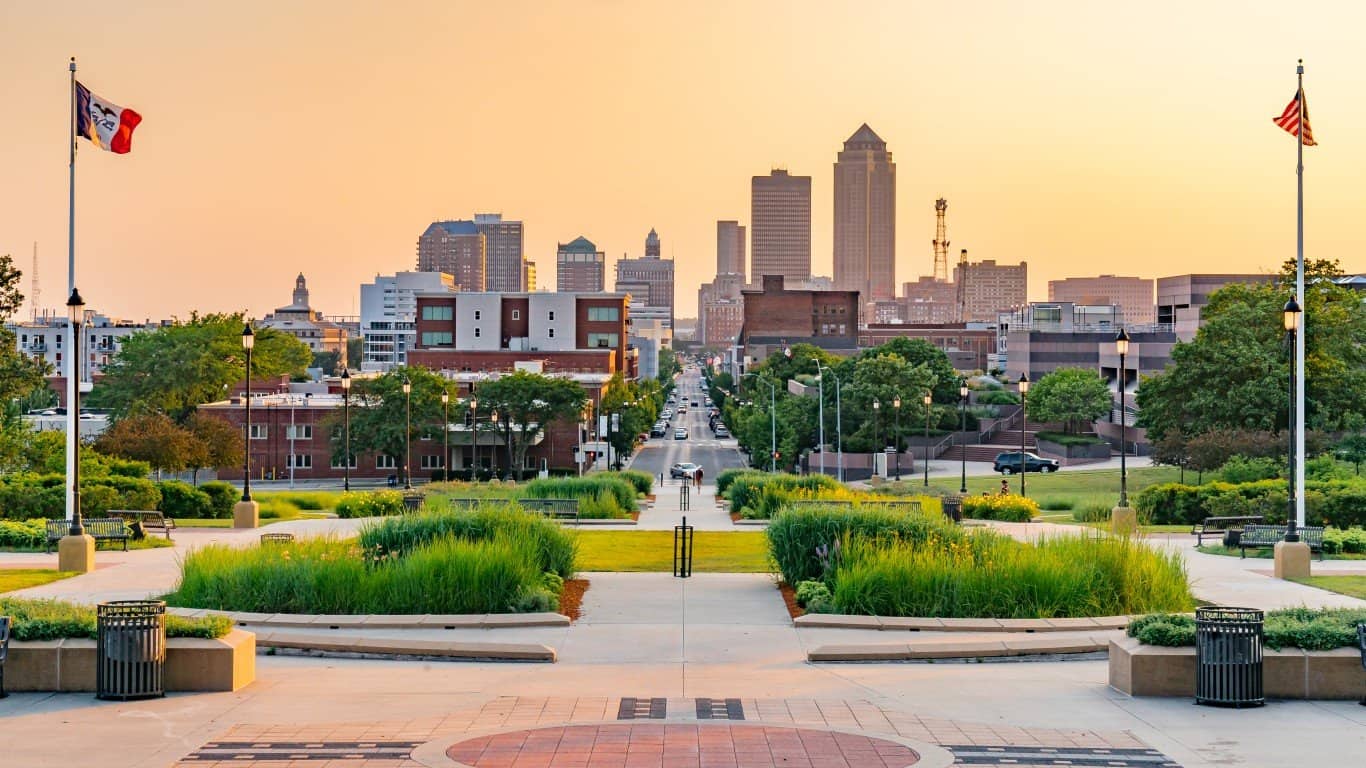
Des Moines often flies under the radar, despite the fact that it has so much to offer. Think tidy neighborhoods, big-city amenities, and Midwestern ease with easy costs to match. The overall index is about 86.6, roughly 13.4 percent under the U.S. average, which frees up cash for travel or hobbies.
Bike trails snake in and out of town, and festivals, markets, and theaters will keep your calendar pleasantly busy. Healthcare access is broad for the town's size, and waiting out the winters here is easy with everything else in consideration.
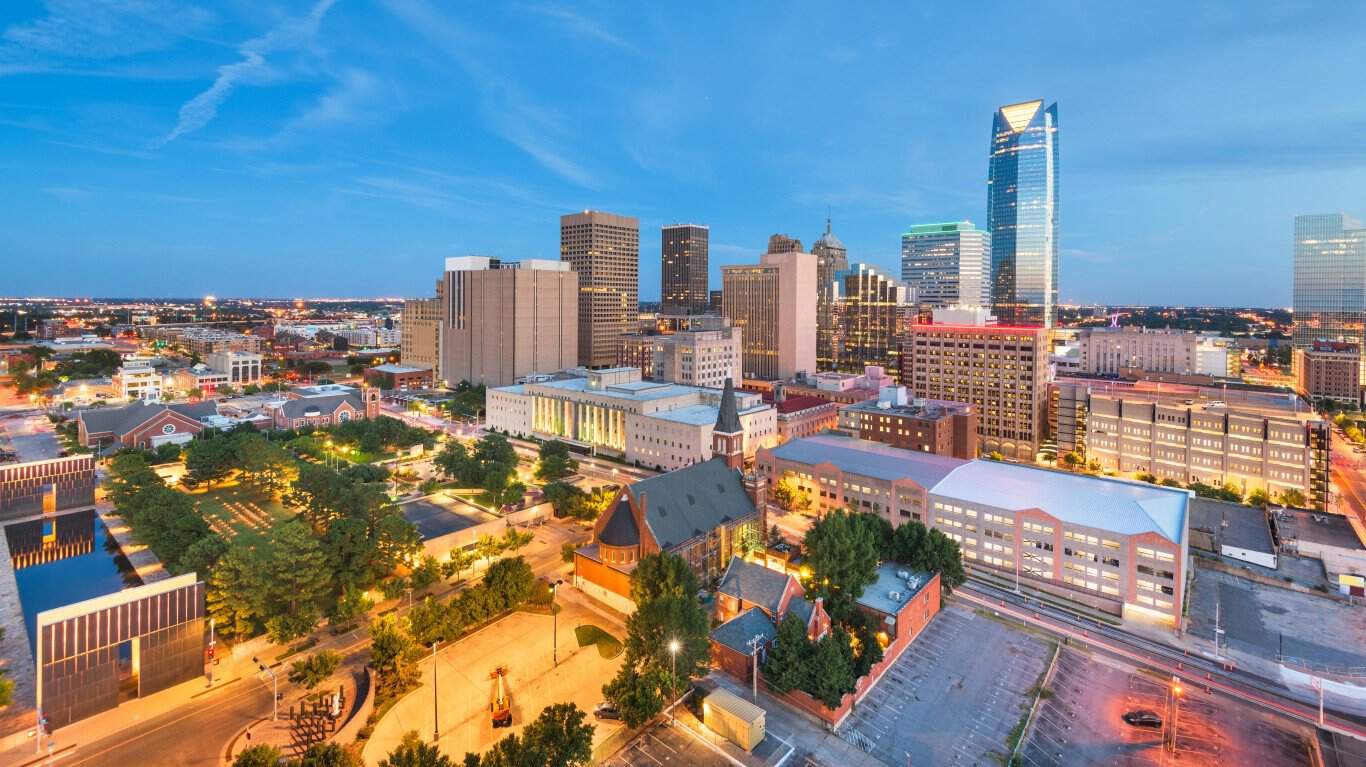
Oklahoma City, Oklahoma
Retirees who crave space, sunshine, and a low baseline spend find Oklahoma City checks nearly all of their boxes. The cost-of-living index hovers near 85.5, about 14.5 percent below the U.S. average, and median home values trail the national figure by a wide margin.
You will find a surprisingly rich arts scene in Oklahoma City, a growing riverfront park network, and walkable districts to explore at your own pace. Large hospital networks and suburban clinics streamline care, so you never need to worry should an emergency arise.
Omaha, Nebraska
Zoo afternoons, river walks, and a deep read in one of its many libraries or community centers give Omaha a cozy, connected feel. Budgets breathe easier here since the cost-of-living index is roughly 90.8, or 9.2 percent below the national average.
When it comes to ideal neighborhoods in this city, they range from historic to master-planned, so it is easy to downsize without feeling boxed in. While Nebraska may not have the greatest weather, the charm and uncrowded feel of this city help retirees feel comfortable year-round.
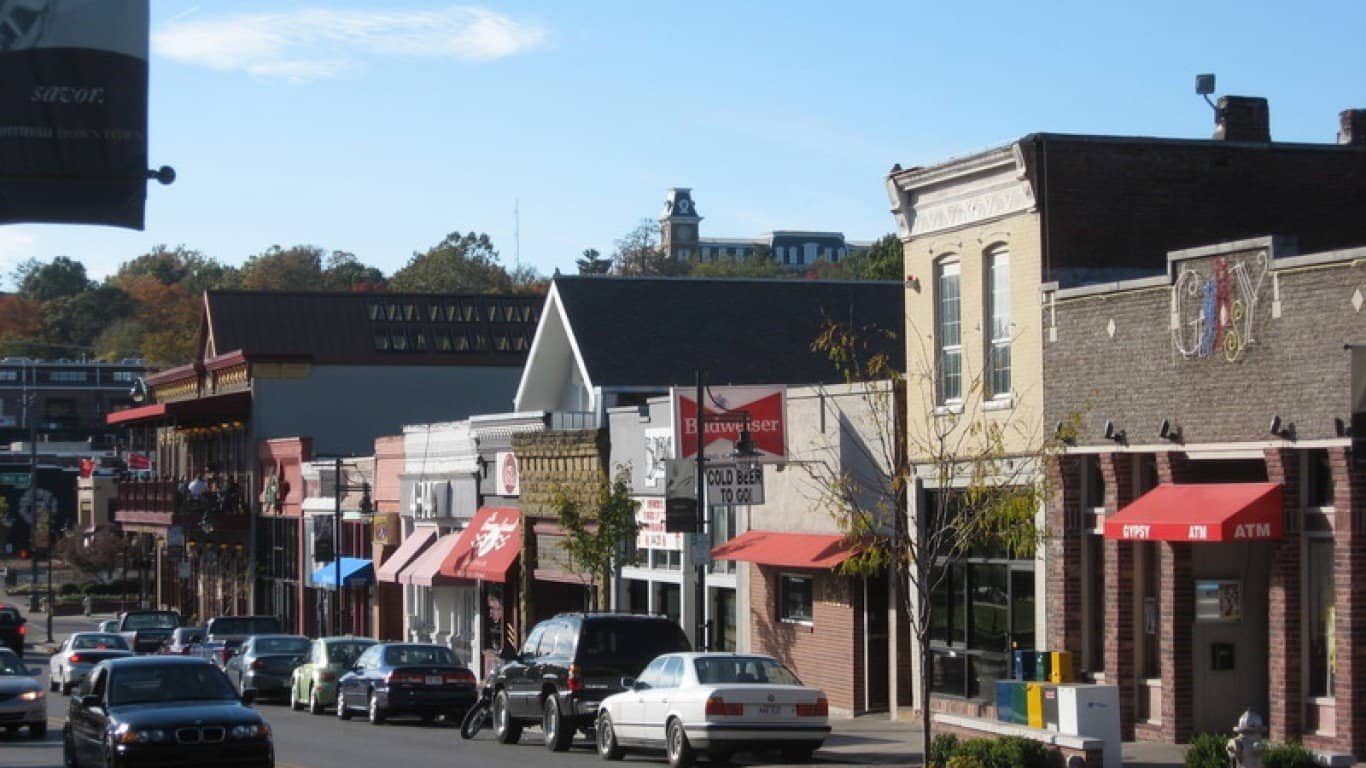
Fayetteville, Arkansas
Ozark scenery meets college-town spark in Fayetteville, Arkansas, and the 40-mile Razorback Greenway ties together seven communities for car-free riding and strolling. Prices stay comfortable in this smaller town, with an overall index around 89.8, about 10.2 percent under the U.S. average.
Breweries, galleries, and farmers’ markets are ample here, and fall color along nearby trails creates its own must-see season. Regional medical centers and clinics cover everyday and specialty care, and the small-town charm of this place help retirees from little cities feel right at home.
Tucson, Arizona
Morning hikes can start right in Tuscon's town center at Sabino Canyon, and Saguaro National Park bookends the city on the east and west for endless desert trails. Costs run a touch below average since the index is near 97, roughly 3 percent under the U.S. baseline, while sunshine and mountain views come standard.
If you get sick of the sunshine, there are plenty of indoor recreational places to enjoy in Tucson. Cultural life spans classical music to Sonoran food traditions, and winters are famously gentle; this place is popular among snowbirds, but why not spend the entire year here instead?
Grand Rapids, Michigan
Lake-effect summers and an art-loving downtown make Grand Rapids, Michigan an easy place to love. Retirees appreciate its crisp park systems, riverfront paths, and a healthcare hub that serves most needs without a long drive.
Four seasons aren't every retiree's favorite thing, but they also mean orchard trips and beach days paired with cozy winters and plenty of museum time when the rains come. Neighborhood choices are varied and special, with bungalows, condos, and quiet suburbs common enough to find something affordable.
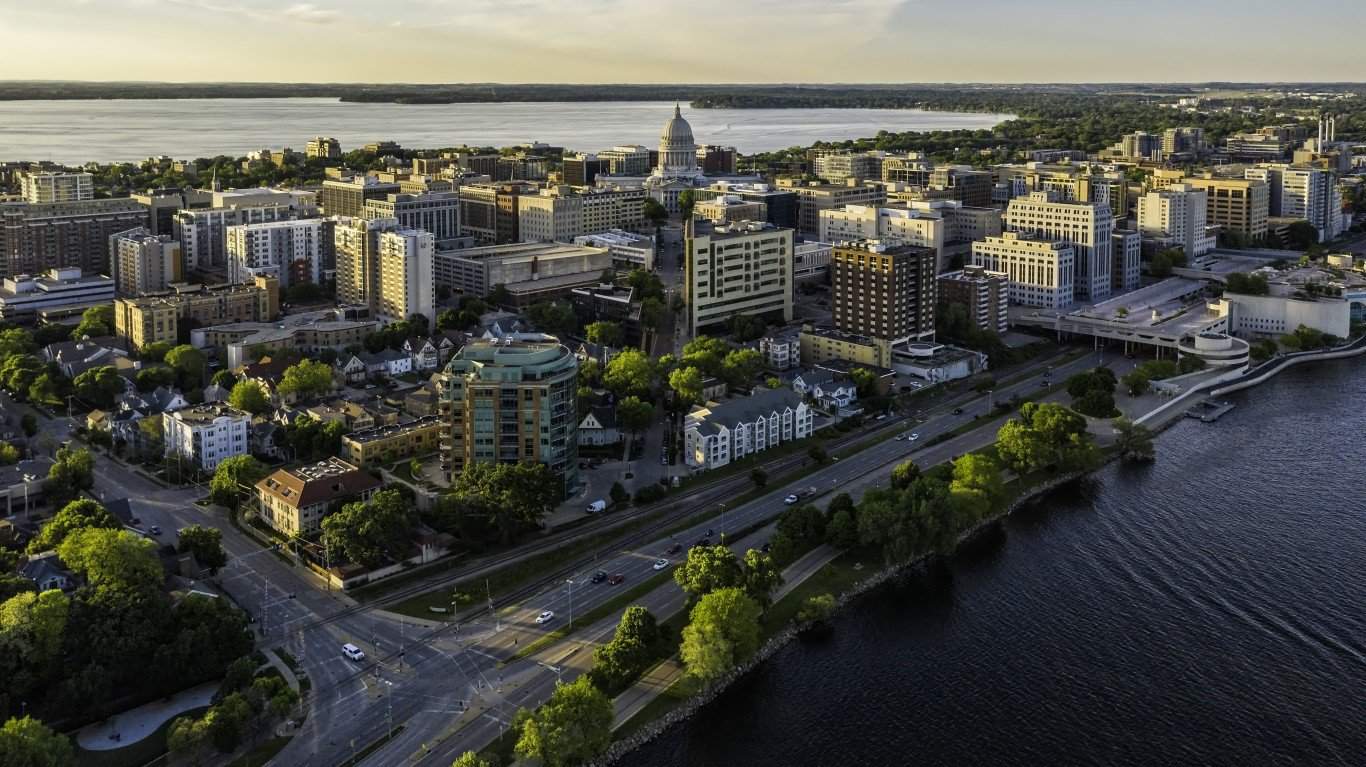
Madison, Wisconsin
Between Madison's many lakes, you will find miles of bike paths, farmers’ markets, and a lively arts calendar that stays fresh all year. Medical care is a standout in this city, since UW Hospitals have ranked number one in Wisconsin for the 14th straight year.
Taxes are not the lowest, but public amenities, libraries, and university programs help balance the ledger. Winters are real, but good gear and great coffee help. If you're not ready for snow, though, keep that in mind!
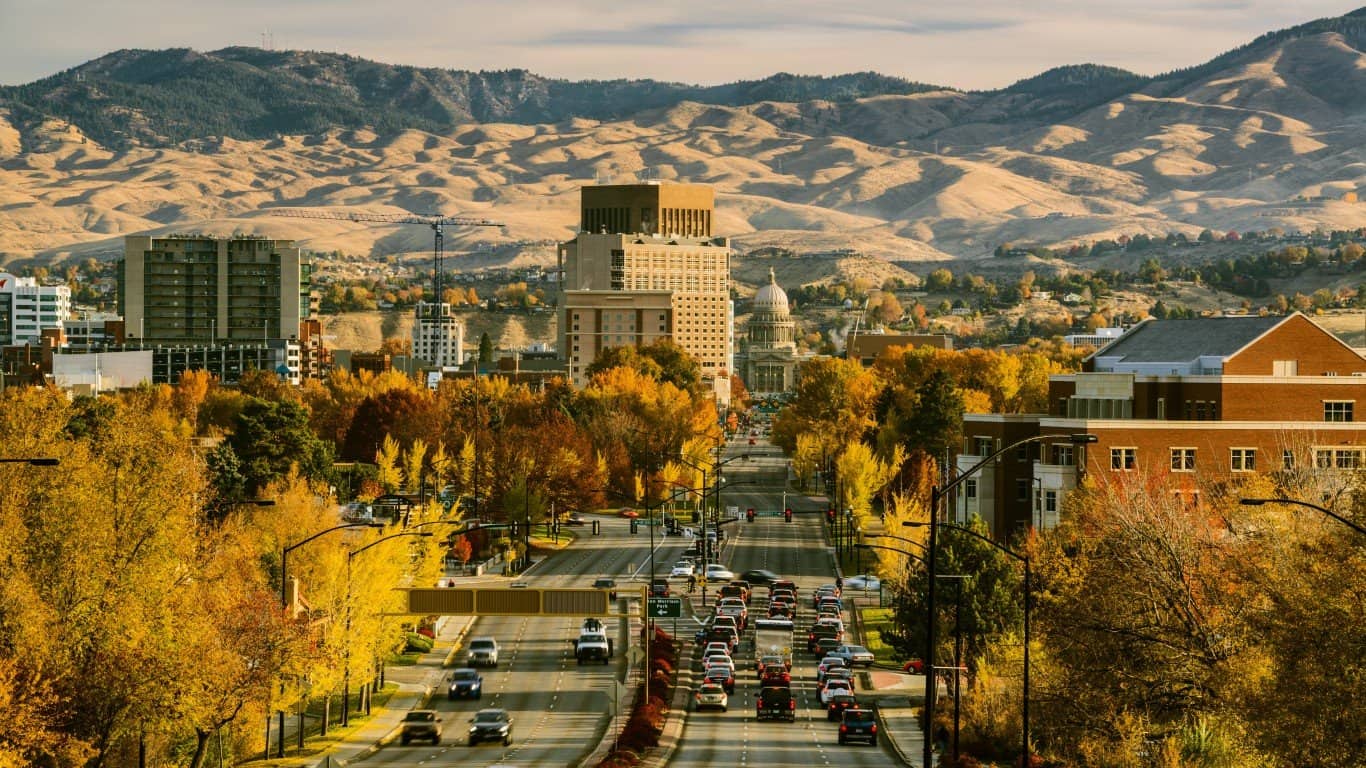
Boise, Idaho
Life tends to orbit the river in Boise since the 29-mile Boise River Greenbelt links parks, neighborhoods, and even breweries in a flat, bike-friendly route. Outdoorsy retirees mix urban walks with foothill hikes and day trips to hot springs. To be honest, Boise's a bad fit if you're not willing to get outside; it's begging residents to enjoy it every single day.
Healthcare access is anchored by St. Luke’s Boise, a consistently top-ranked hospital in the state. Plus, neighborhoods from the North End to East Boise give plenty of options for low-maintenance living. Just know there's gonna be snow from time to time, and likely more than you expect.
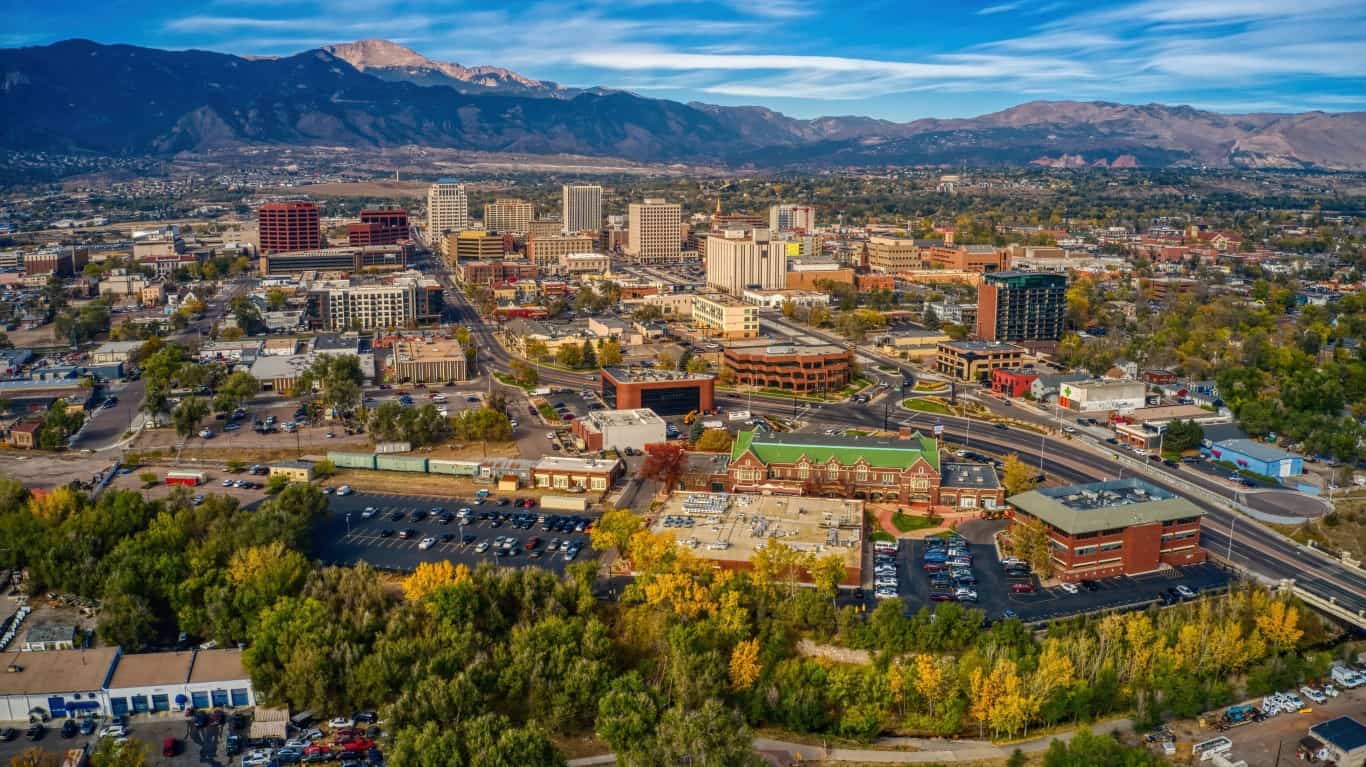
Colorado Springs, Colorado
Colorado Springs isn't the most affordable, but its beauty and amenities are well worth considering. Red rock spires at Garden of the Gods are free to visit and never really get old, and Pikes Peak looms for scenic drives or rail rides.
A large military presence and tourism keep services robust across town, from hospitals to its airports. Housing costs have climbed in recent years, but older neighborhoods and townhomes still offer reasonable picks. Blue-sky days and plenty of dry air seem to suit retirees trading humidity for mountain sun, so keep this in mind if it's what you've been waiting for.
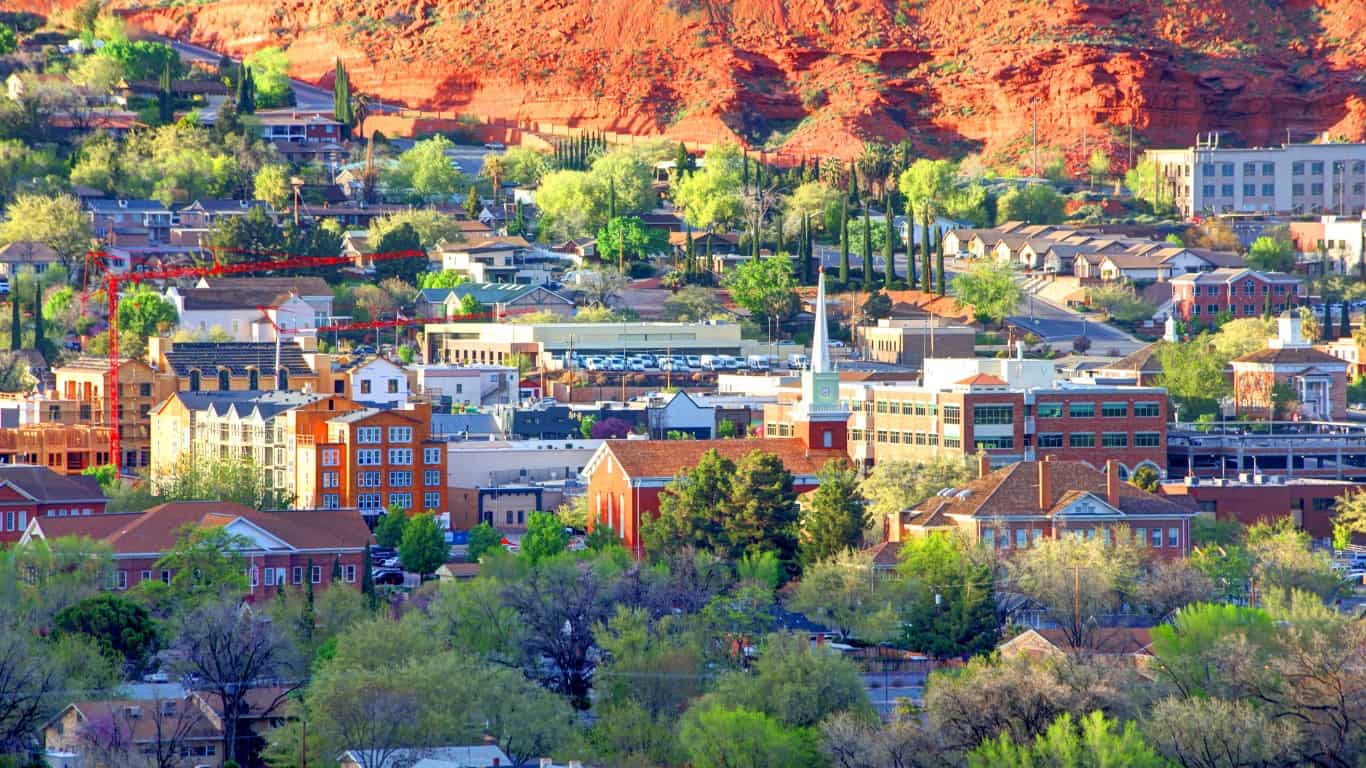
St. George, Utah
If a national park for your backyard is your dream, Zion sits about 42 miles away from St. George, Utah, with Bryce, the North Rim, and Lake Powell within a comfortable day-trip range. Golf courses, pickleball, and paved paths make low-impact activity easy year-round.
Summers run hot here, but dry heat plus early-morning routines keep things manageable. Healthcare is well covered for a city this size, and new neighborhoods are designed with low-maintenance living in mind. There will be cold winters, but the natural beauty surrounding St. George is hard to beat.
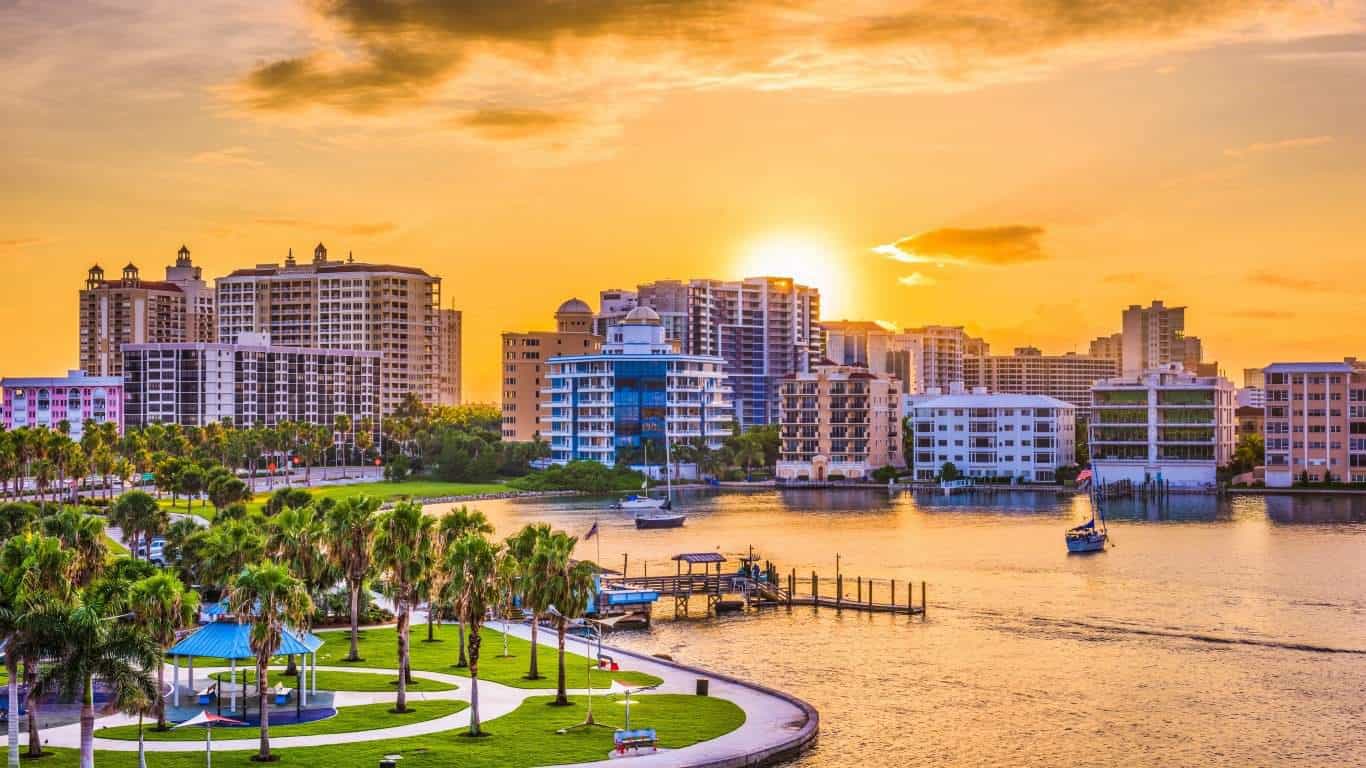
Sarasota, Florida
Powder-soft beaches, a strong arts scene, and walkable neighborhoods make everyday life in Sarasota feel resort-adjacent. On the practical side, Florida has no state income tax, and Sarasota Memorial Hospital posts strong showings on U.S. News lists, which reassures any retiree eyeing long-term care here.
Housing and insurance can be pricier here compared to any inland picks, but condo and 55-plus options help stabilize costs. Mornings on the Legacy Trail and sunsets at Siesta Key never really lose their charm, and you know the weather is perfect here.
St. Petersburg, Florida
While it's another Florida pick, St. Petersburg trades resort flash for livable sunshine. Seniors appreciate its bayfront paths, a compact downtown, and easy beach access without relocating to a remote barrier island.
With no state income tax, as previously mentioned, budgets can stretch and be used for dining, classes, and travel. Health systems across Tampa Bay give you plenty of specialist choices and newer facilities, so what are you waiting for?
Asheville, North Carolina
Five minutes after coffee, you can be cruising the Blue Ridge Parkway in Asheville, North Carolina, a perfect place to experience all four seasons. The food and arts scenes here are local and lively, and neighborhoods from North Asheville to Biltmore Village each have their own pace.
Costs are not the region’s cheapest, but bungalow-style homes, townhomes, and condos provide manageable maintenance. You may look into any 55 and older community housing options, as Asheville welcomes all.
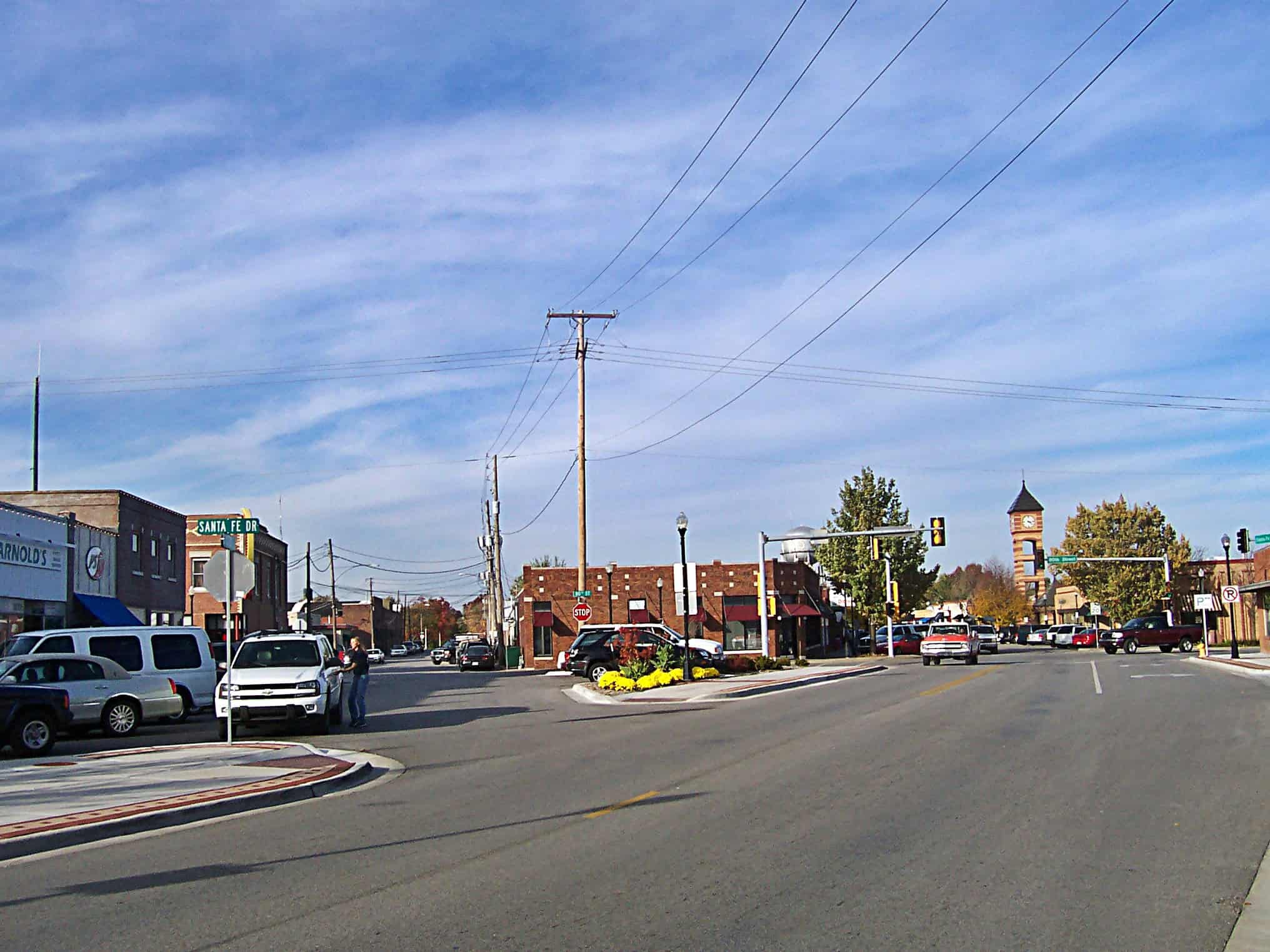
Overland Park, Kansas
Hiding just south of Kansas City, Overland Park is the second-largest city in the state. The broader Kansas City metro supplies big-league arts, sports, and airports without any of the daily congestion.
Costs here are moderate, property upkeep is straightforward, and single-level living options are plentiful in newer subdivisions. Health systems on both sides of the state line offer deep specialty coverage, so all you need to worry about is settling in.
Rochester, Minnesota
If top-tier medical access is your north star, Mayo Clinic sits right downtown in Rochester, Minnesota and leads national rankings year after year. The city feels engineered for stress-free living with skyways and subways that shield winter walkers, and trails and parks that fan out from the river. It's convenient rather than clinical, a rare balance to strike.
Common housing options include condos, townhomes, and low-maintenance single-families homes, with many quiet neighborhoods near clinics. Winters are brisk, but community programming and wellness resources are unusually robust for a city this size. Weigh all your options carefully, but know that retirees love living in each and every one of these cities.