Anthony Quintano / BY 2.0
Bernard Spragg / CC0 1.0
Courtesy of RKO Radio Pictures
Castles, Capes & Clones / BY-ND 2.0
Mastervideoshar.VN / Shutterstock.com

Roman Samborskyi / Shutterstock.com

Deagreez / iStock via Getty Images
Benoît Prieur, CC0, via Wikimedia Commons

Brian A Jackson / Shutterstock.com
Pixel-Shot / Shutterstock.com

Andrii Anna photographers / Shutterstock.com
Dean Drobot / Shutterstock.com
Studio Romantic / Shutterstock.com
nakaridore / Shutterstock.com

Ground Picture / Shutterstock.com
Body Stock / Shutterstock.com











15 Disney Park Rules and Traditions Behind the Magic
Disney parks are built to feel effortless. You ask for directions, a cast member points the way, the sidewalks look spotless, and the characters somehow never seem to have an off day. None of that happens by accident. Behind the cheerful greetings and perfectly timed parades is a whole set of standards that shape how the parks operate.
Some of those standards are written down in Disney's official appearance handbook. Others are guest-service habits passed along through training and years of working in the parks. And, as you might expect, a few popular stories have been exaggerated after being repeated on the internet for years. The Disney rules of 2026 are not always the ones people remember from decades ago.
From tattoos and beards to costume care, hidden codes and the famous two-finger point, here are 15 Disney cast-member rules and traditions worth knowing. Some are strict policies, others are well-established practices, and a couple have become myths that need clearing up. Together, they offer an interesting look at the work behind the magic.
The Show Must Go On
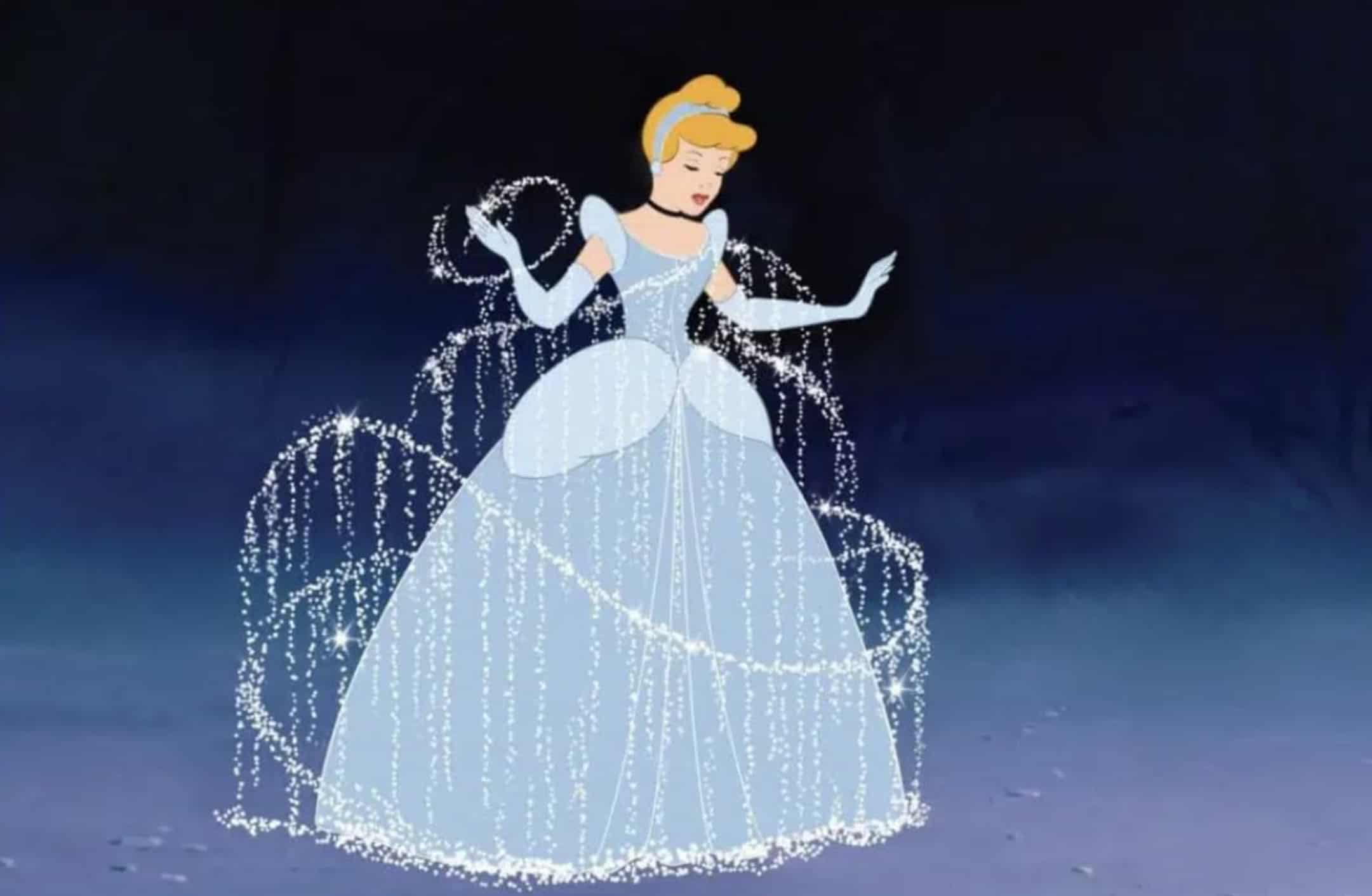
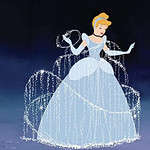
When someone dressed as Cinderella meets a family at Disney, the whole point is to make the encounter feel real. Character performers are expected to stay true to their roles during guest interactions, from how they speak to the way they pose for photographs. A character should not suddenly discuss a shift schedule or complain about the weather. But the old claim that no Disney employee can ever break character is an exaggeration. Most cast members are not portraying fictional characters at all, although their costumes and workplaces still fit a particular theme. And if a guest is hurt, frightened or in danger, safety comes before staying in character. Magic is great, but common sense wins every time.
They Are "Friends With" Disney Characters
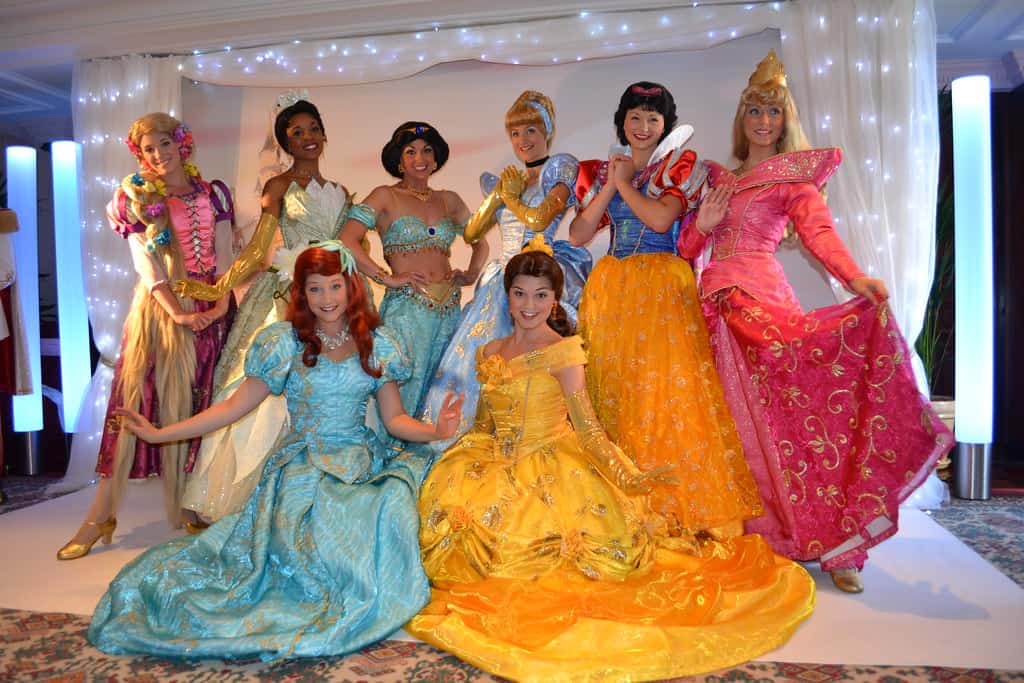
Ask a Disney performer about a princess they portray and you might hear that they are "friends with" that character. It is a long-running bit of park language that helps keep the illusion alive for guests, especially children. Former character performers have described avoiding phrases such as "I play Cinderella" while talking about their work, and some are careful about what they share publicly from behind the scenes. That does not mean every cast member is sworn to eternal secrecy about every role, but Disney expects performers to respect the experience they are hired to create. In a place where a five-year-old might truly believe they just met their favorite princess, the wording makes a difference.
Character Auditions Have Specific Requirements
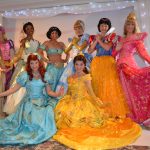
Playing a Disney princess is more complicated than putting on a gown and learning a few lines. Disney auditions for character performers can include movement exercises, improvisation and measurements to determine which costumes and roles fit a performer. Certain look-alike roles also require specific height ranges and a convincing resemblance to the character. Those details matter because guests should see a consistent character even when different performers work different shifts. The original article described a blanket weight requirement, but Disney's public audition guidance does not support that sweeping claim. Requirements vary by role, location and production, and candidates should rely on the current audition posting rather than an old chart circulating online.
Disney Calls Its Workers "Cast Members"
It might sound theatrical, but calling park employees "cast members" is one of Disney's oldest traditions. The idea is that the entire resort operates like a production, with public guest areas considered "onstage" and employee-only areas called "backstage." That language applies to far more than the people wearing giant character costumes. Ride operators, restaurant workers, merchandise staff and custodial teams all play a part in the guest experience. Disney still uses the word "employees" in ordinary business and legal contexts, so it is not a forbidden term. Inside the parks, though, "cast member" is more than a cute nickname. It helps explain why the company pays so much attention to seemingly small details that visitors may never notice.
The Famous Two-Finger Disney Point
If you have ever asked a Disney cast member for directions, you may have noticed a gesture involving two fingers or an open hand. The so-called "Disney point" is a well-known part of the parks' guest-service culture. The idea is to give directions clearly while avoiding a single-finger gesture that can seem abrupt or impolite in some settings and cultures. There is also an old story connecting the motion to Walt Disney's smoking habits, but that explanation is more legend than established policy. What is not supported is the absolute claim that pointing with one finger is universally forbidden across every Disney workplace. It is better understood as a common courtesy technique than a rigid rule for every possible situation.
Do Not Leave Guests Without an Answer
Imagine spending half an hour searching for an attraction, finally finding an employee and getting nothing more than "I don't know." Disney would rather that interaction end differently. Former cast members have described being encouraged to find the answer, ask another team member or direct the guest to someone who can help. That service-first approach is part of what makes the parks feel organized despite their enormous size. But there is an important distinction: we could not verify a current company-wide written ban on the three words "I don't know." The real expectation is to avoid shrugging off a guest's question. It is perfectly reasonable not to know everything about a resort. The difference is what you do next.
Cast Members Use Discreet Codes
A theme park can handle thousands of ordinary mishaps in a single day, and not all of them make for pleasant conversation. Former Disney cast members have described using short codes to communicate about cleanup situations without announcing the details to everyone waiting in line. One well-reported example is "Code V," used when someone has vomited and an area needs attention. Codes help employees communicate efficiently and spare nearby guests an unnecessarily graphic announcement. That does not mean the word "vomit" is universally banned, or that the same codes are used in every department and resort. Think of it as practical workplace shorthand, not a secret language that every cast member must memorize word for word.
Lost Children Are Taken Seriously
There is an old Disney expression suggesting that children are never lost, only separated from their parents. It is meant to sound reassuring, but it should not be mistaken for the actual safety procedure. Disney's published guest guidance explicitly discusses lost children and directs families to seek help from a cast member immediately. If a child cannot be reunited with their party right away, staff can escort them to a designated lost-persons location while the search continues. The important rule is not about avoiding a particular word. It is about responding calmly, following established procedures and getting families back together safely. Parents can help by photographing what their child is wearing before a busy park day.
Keeping the Parks Clean Is a Team Effort
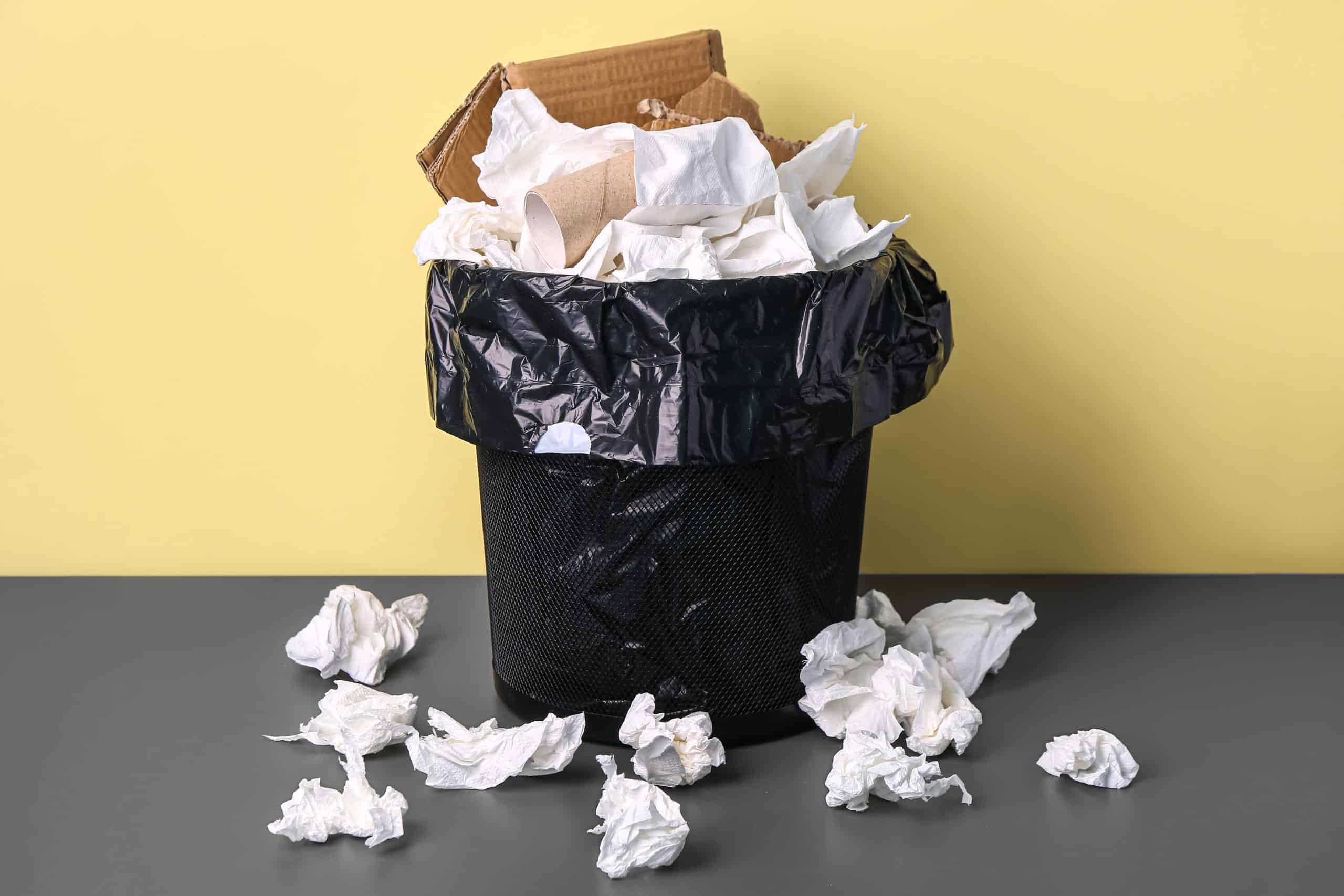
Disney employs dedicated custodial crews, but keeping the parks clean is not treated as someone else's problem. Former cast members describe an expectation that employees throughout the resort help when they notice ordinary litter. It is one of the little habits that contributes to the remarkable cleanliness visitors associate with Disney. That does not mean a princess should abandon a meet-and-greet to deal with a hazardous spill, or that every employee is trained to handle every kind of waste. Safety, appropriate equipment and job responsibilities still matter. But spotting a discarded wrapper and making sure it gets picked up fits the broader culture. The person who notices a small problem is encouraged to take some responsibility for solving it.
The Disney Scoop Is Real, but Bending Is Allowed
The "Disney scoop" is a familiar bit of theme-park lore, and former cast members have described learning a graceful way to collect a stray piece of litter without making a production out of it. Instead of stopping abruptly, they can bend and scoop in one smooth motion while continuing along their route. It keeps cleanup quick and relatively unobtrusive. Somewhere along the way, though, that technique turned into a story that employees are literally forbidden from bending down. That is not a credible blanket rule, and it would make plenty of everyday park jobs difficult. Cast members still bend, crouch and kneel when necessary, especially when helping guests or doing physical work. The scoop is a useful habit, not a law of gravity.
Eating Onstage Is Off-Limits
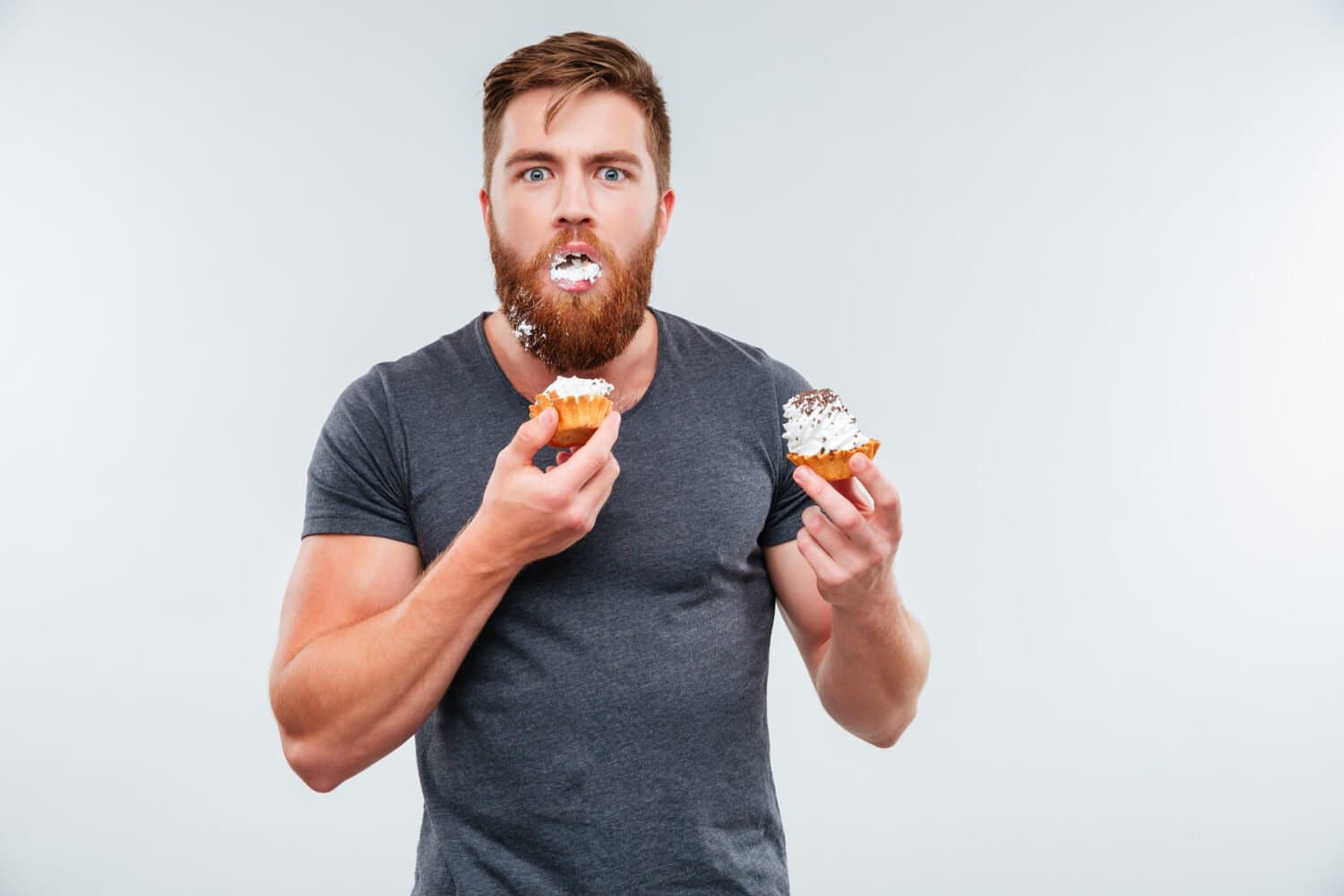
Disney's own appearance guide is unusually clear about this one: eating, smoking and chewing gum while "onstage" during work are prohibited. In Disney language, onstage means the public-facing areas where a cast member is part of the guest experience. Nobody wants an employee answering a question with a mouthful of lunch or leaning against a themed storefront while finishing a sandwich. That does not mean park employees never eat, of course. They take breaks and use designated backstage areas or other approved spaces. The distinction is between being on duty in front of guests and having a legitimate meal break. It is one of those rules that sounds fussy until you remember the immersive atmosphere Disney is trying to maintain.
Disney Costumes Are Company Property
A Disney costume is not something you can keep just because you like the way it looks. The company's appearance handbook makes clear that issued costume pieces remain Disney property and must be returned when requested or when employment ends. They also have to be worn correctly and kept in presentable condition. But the original claim that no cast member can ever take a costume home is false. Some positions allow or require employees to take certain issued clothing home between shifts, depending on local policies and job arrangements. A Disneyland-area labor agreement even addresses that possibility directly. Taking an approved costume home to care for it is one thing; wearing it to a party or treating it as a souvenir is something else entirely.
Tattoos Are Allowed, With Limits
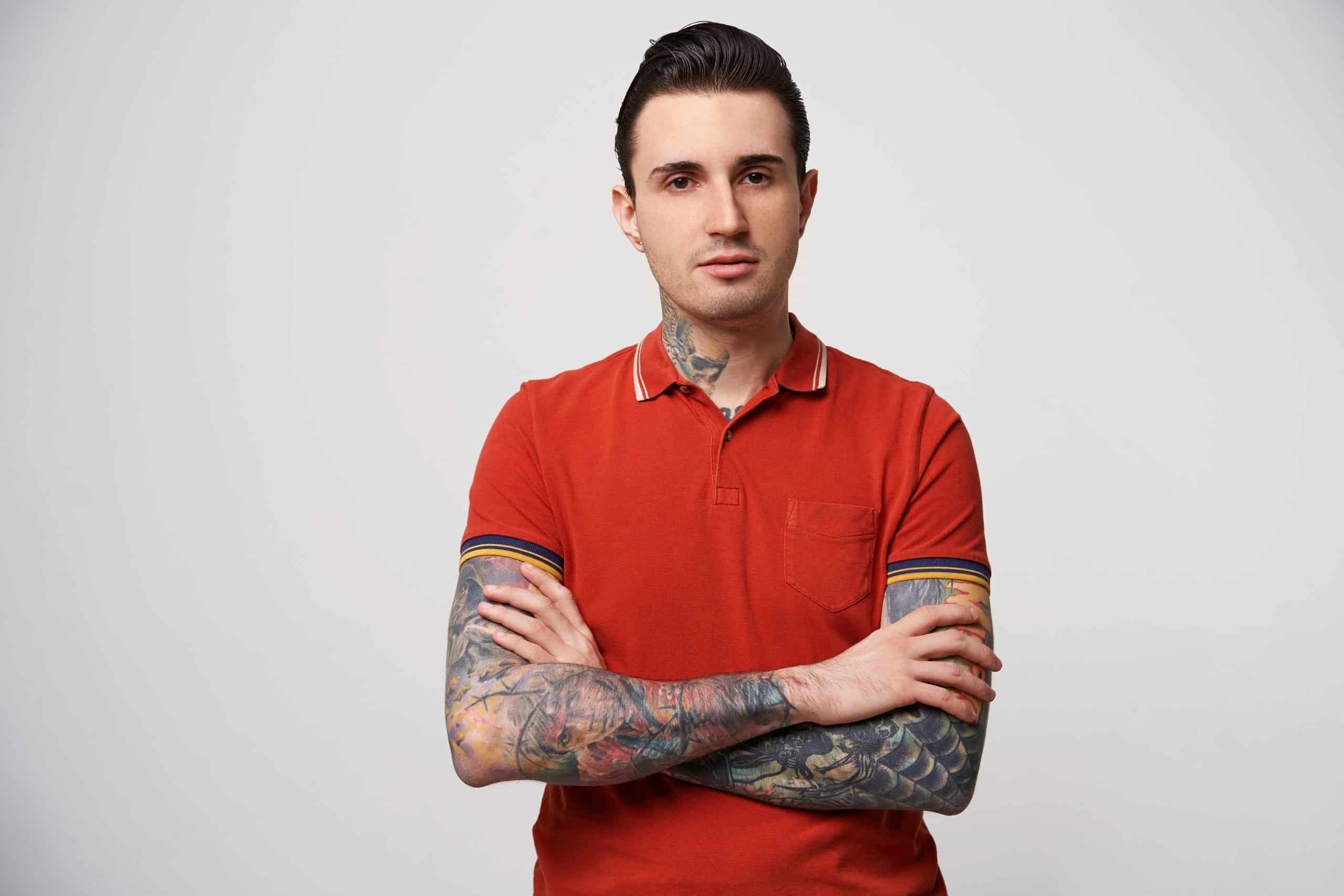
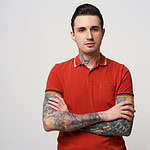
For years, Disney's famously strict appearance standards made visible tattoos a problem for would-be cast members. That changed when the company updated its Disney Look guidelines in 2021. The current handbook allows visible tattoos, with some significant limits. They cannot be on the face, head or neck, and an uncovered tattoo cannot be larger than the cast member's hand with the fingers held together. Larger tattoos on the arms can be covered using approved sleeves. Nudity, offensive wording and inappropriate imagery remain off-limits. In other words, having tattoos no longer automatically shuts the door on a park job. Disney has become more flexible about personal expression while still setting boundaries for the public-facing appearance it wants.
Nail Polish Does Not Have to Be Neutral
The old idea that Disney employees are restricted to clear or beige nail polish is no longer accurate. Under the Disney Look handbook, polish can be worn in one well-maintained solid color or in a French manicure style, provided it looks consistent. Charms and nail decals are not permitted, and fingernails generally cannot extend more than one-quarter inch beyond the fingertip. There is an important exception for some employees who handle or serve food: Disney's food and beverage guidance prohibits nail polish and artificial nails in those positions because of health and safety requirements. So a brightly colored manicure is not automatically a problem for every cast member, but the rules depend on the work being done.
Disney Has Loosened Its Beard Rules
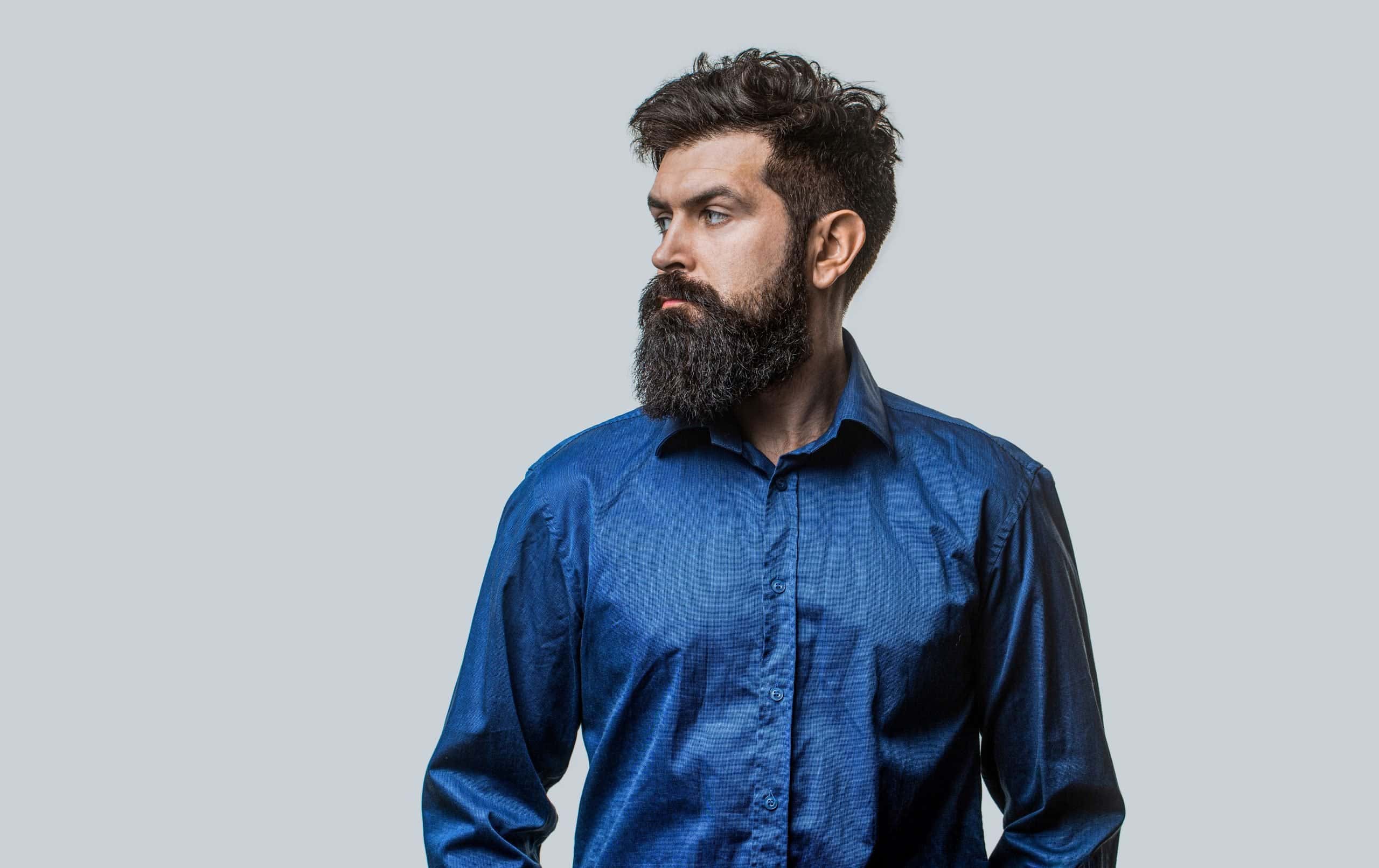
Disney once had a reputation for remarkably strict grooming requirements, including restrictions on facial hair that would surprise plenty of today's visitors. The current Disney Look guidance is considerably more relaxed. Beards and mustaches are permitted as long as they are clean, well maintained and neatly groomed. The handbook does not impose the old universal one-quarter-inch beard-length limit repeated in many articles. It even permits shaved lines or shapes in facial hair, provided they do not contain offensive words or symbols. Specific costumes, safety equipment and job assignments may still create additional practical requirements. But the broader point is simple: Disney has moved away from expecting every cast member to fit one narrow, old-fashioned image.