Missing attribution
Émile Cohl / Public domain
Winsor McCay / Public domain
Winsor McCay / Public domain
Winsor McCay / Public domain
Pat Sullivan / Public domain
Winkler Pictures / Public domain
Lotte Reiniger / Primrose Productions / CC BY-SA 4.0
Walt Disney / Public domain
Motion Picture News / Public domain
Phil Coale / Public domain
OswaldLR / Public domain
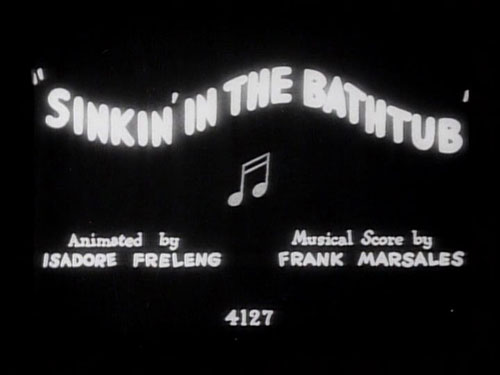
Hugh Harman und Rudolf Ising / Public domain
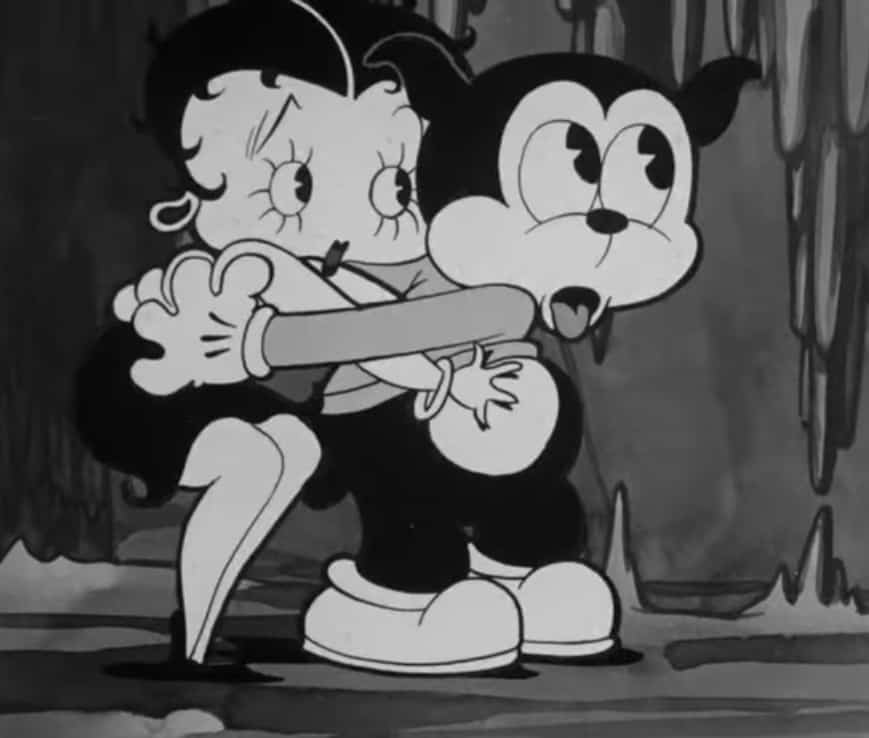
Fleischer Studios / Public domain
13 Early Cartoons That Changed Animation Forever
Animation did not appear overnight. Long before feature-length Disney movies, Saturday morning cartoons, or computer-generated films, artists were experimenting with ways to make drawings appear to move on a screen. Some of those early experiments lasted only a few minutes, but the techniques they introduced helped shape an entire industry.
The films below are not literally the 13 oldest cartoons ever made. Animated experiments existed before several of them. Instead, these are 13 important early cartoons and series that helped push animation forward, from hand-drawn transformation and character acting to synchronized sound, color, and the birth of some of the medium's most recognizable characters.
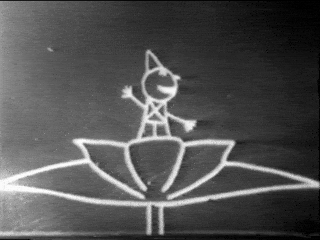
Fantasmagorie (1908)
Fantasmagorie was not the first animated film, but it remains one of the most important early examples of hand-drawn animation. French artist Émile Cohl filled the roughly two-minute film with constantly transforming line drawings, including a simple stick figure that morphs from one object or situation into another. Rather than merely making a drawing appear to move, Cohl showed how animation could ignore the physical rules of the real world and transform almost anything into something else.
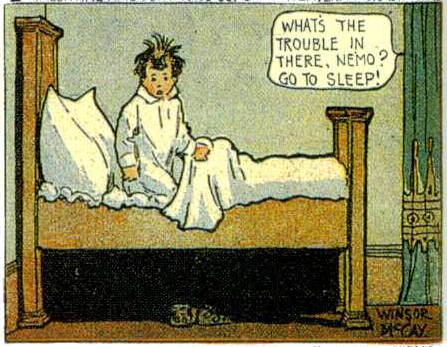
Little Nemo (1911)
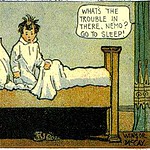
Newspaper cartoonist Winsor McCay made his first animated film with characters from his celebrated Little Nemo in Slumberland comic strip. Released in 1911, the full film runs about 11 minutes, although only around four minutes consist of animation. Those minutes were extraordinary for the period. McCay gave Nemo, Flip, Impie, and the Princess fluid movement, weight, and a sense of depth that earlier animated drawings rarely achieved. The animated portion was later hand-colored, adding another layer to McCay's already ambitious experiment.
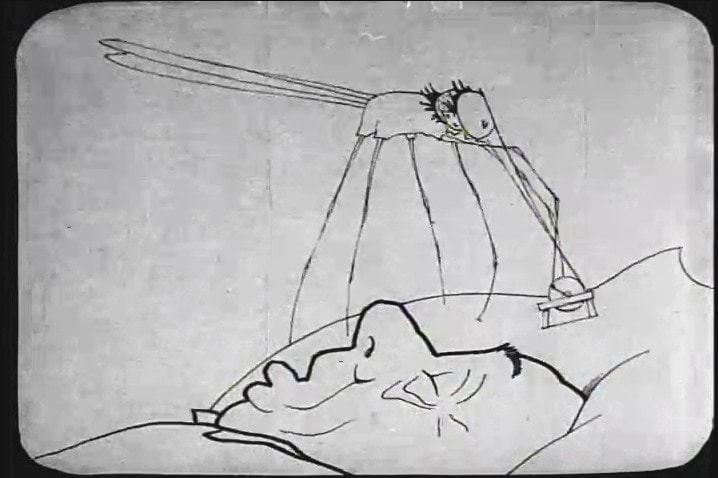
How a Mosquito Operates (1912)
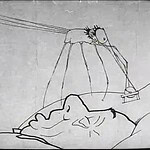
Winsor McCay followed Little Nemo with a much more focused story. How a Mosquito Operates centers on an enormous mosquito that finds a sleeping man and proceeds to drink so much blood that its abdomen swells to ridiculous proportions. The film was adapted from an idea McCay had previously explored in his Dream of the Rarebit Fiend comic work. More important than the gag itself was the mosquito's personality. Its movements and reactions helped demonstrate that an animated drawing could behave like a character rather than simply function as a visual trick.
Gertie the Dinosaur (1914)
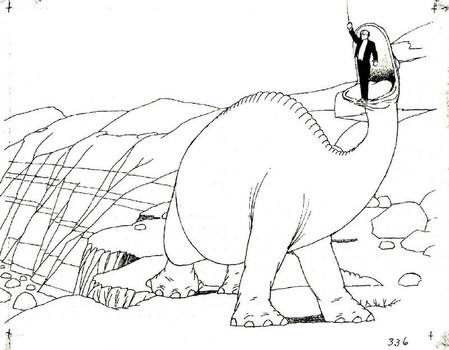
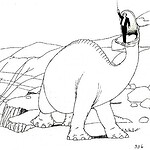
McCay pushed character animation even further with Gertie the Dinosaur. Instead of merely moving across the screen, Gertie appears curious, stubborn, playful, and occasionally mischievous. McCay originally incorporated the animation into his vaudeville act, interacting with Gertie as though she could understand his commands. A theatrical version combined the animation with live-action footage. Its influence has endured for more than a century, and the Library of Congress selected Gertie the Dinosaur for the National Film Registry in 1991.
Feline Follies (1919)
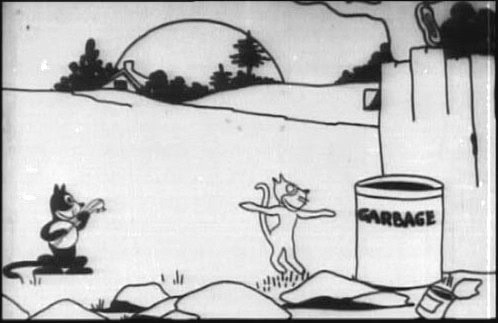
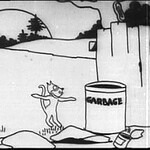
Feline Follies introduced audiences to the black cat who would soon become Felix the Cat, although he is called "Master Tom" in this first appearance. Produced by Pat Sullivan's studio, the short helped launch one of animation's first true superstar characters. Exactly who deserves credit for creating Felix has been debated for decades. Sullivan received the public credit, while animator Otto Messmer later maintained that he created and animated the character. Either way, Felix became a phenomenon during the 1920s and helped prove that audiences could become attached to a recurring animated personality.
Alice's Wonderland (1923)
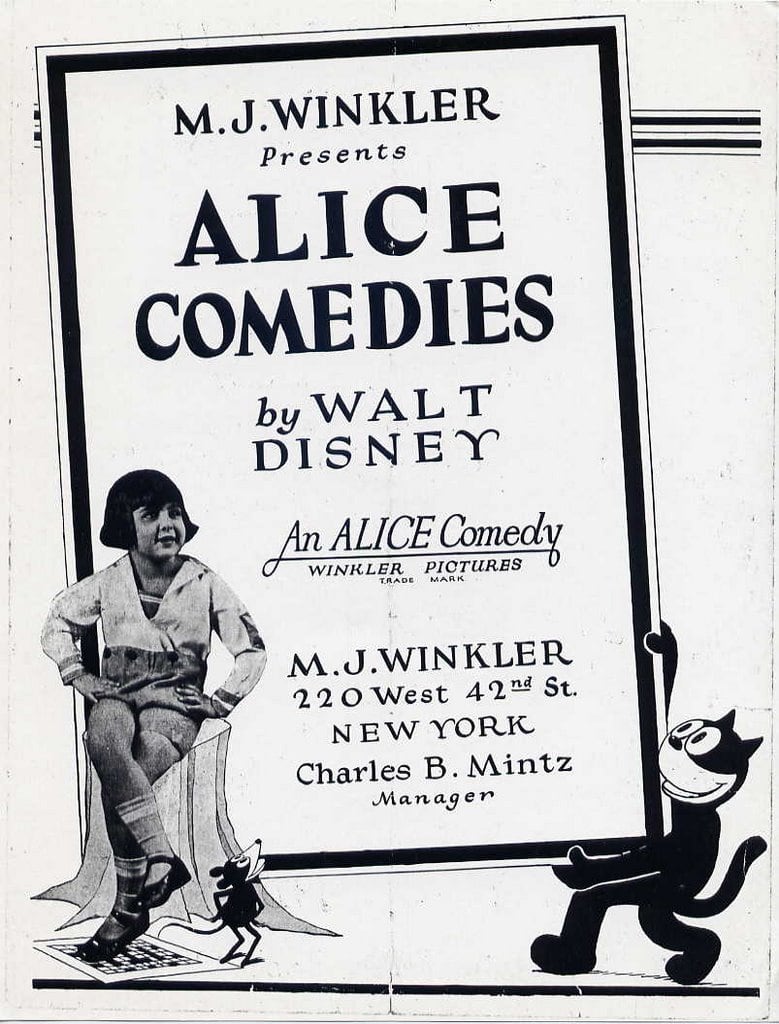
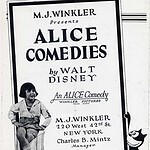
Before Mickey Mouse or Oswald the Lucky Rabbit, Walt Disney experimented with putting a real child into an animated world. Alice's Wonderland starred Virginia Davis as a young girl who visits an animation studio before dreaming herself into "Cartoonland." Disney completed the pilot in Kansas City in 1923, but it was never released as part of the subsequent series. Instead, it became the sales pitch that convinced distributor Margaret Winkler to finance the Alice Comedies. The resulting contract, signed in October 1923, effectively launched the studio that would become The Walt Disney Company.
The Adventures of Prince Achmed (1926)
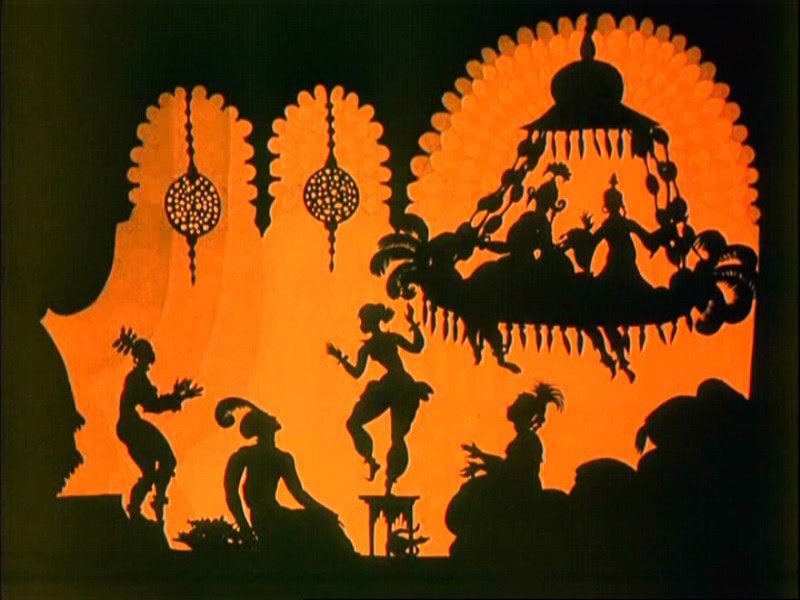
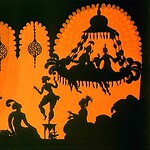
Lotte Reiniger's The Adventures of Prince Achmed is much more than another early cartoon. It is the oldest surviving feature-length animated film. An earlier Argentine feature, El Apóstol, was released in 1917 but is now lost. Reiniger created Prince Achmed using intricate cut-paper silhouettes photographed frame by frame against colorful backgrounds. Drawing on stories from One Thousand and One Nights, the film remains visually distinctive a century later and helped demonstrate that animation could sustain a feature-length fantasy rather than just a short novelty.
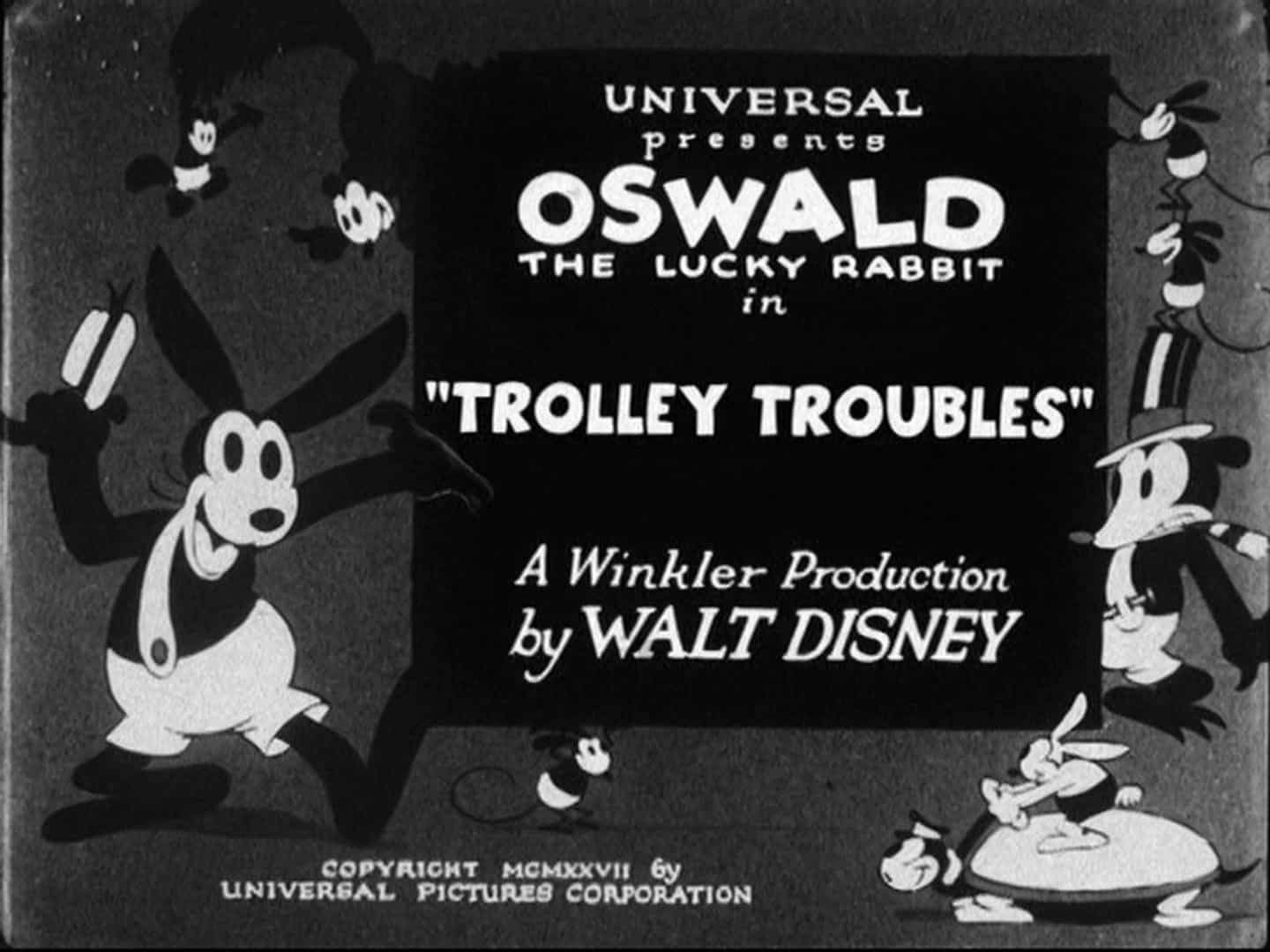
Trolley Troubles (1927)
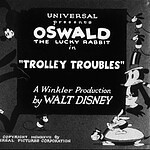
Trolley Troubles was the first Oswald the Lucky Rabbit cartoon released to theaters, arriving in September 1927. The short follows Oswald as he attempts to operate a trolley through an increasingly ridiculous series of obstacles. Walt Disney and his team produced 26 Oswald cartoons during their original run with the character. Disney eventually lost control of Oswald during a contract dispute with distributor Charles Mintz, a setback that directly preceded the creation of Mickey Mouse. In that sense, Oswald's importance extends far beyond his own short-lived place at the center of Disney animation.
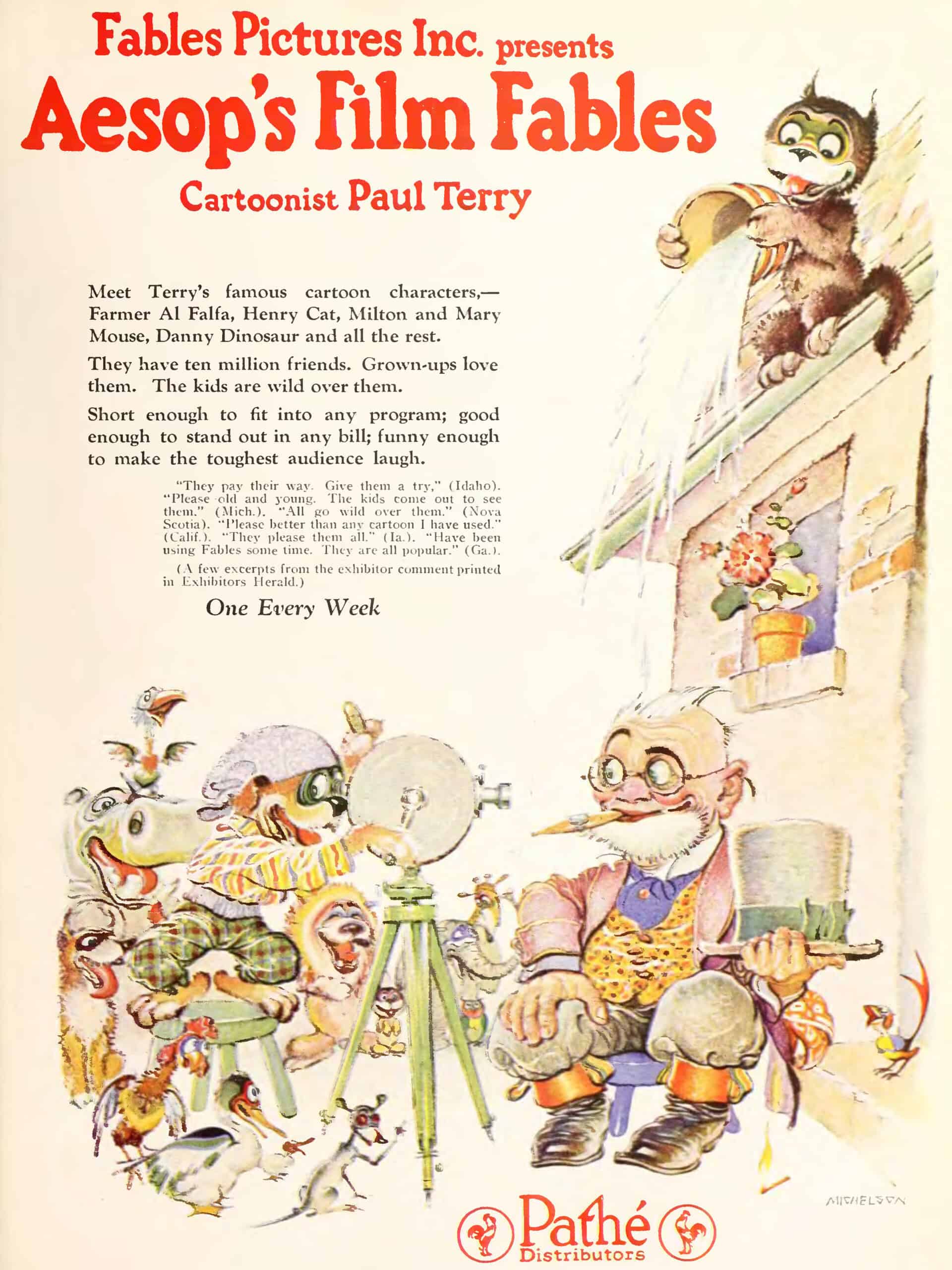
Dinner Time (1928)
Dinner Time tends to get lost in the shadow of the cartoon that arrived shortly afterward. Directed by Paul Terry and John Foster, the Aesop's Film Fables short used RCA's Photophone sound-on-film system and was publicly shown before Steamboat Willie. It was one of animation's earliest major experiments with synchronized recorded sound and even included limited spoken dialogue. Audiences were not nearly as enthusiastic about it as they would soon be about Mickey Mouse, but historically, Dinner Time is an important reminder that Disney was not the first animation studio experimenting with sound.
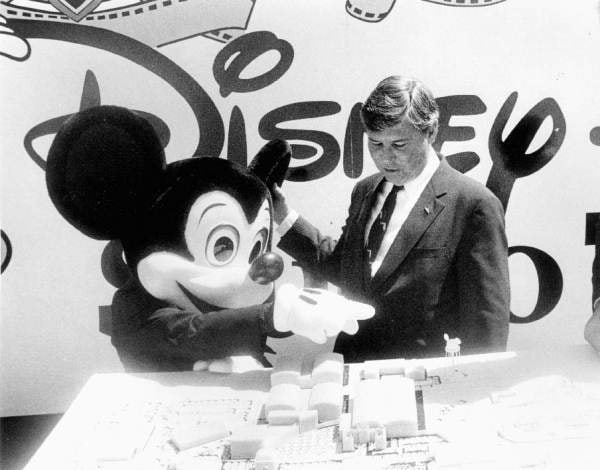
Steamboat Willie (1928)
Steamboat Willie did not invent sound cartoons, nor was it the first Mickey Mouse short produced. Walt Disney and Ub Iwerks had already worked on Plane Crazy and The Gallopin' Gaucho. What made Steamboat Willie different was its polished synchronization of animation, music, and sound effects. Released in New York on Nov. 18, 1928, it became the first Mickey and Minnie Mouse cartoon shown to the public and an immediate sensation. Its success helped push synchronized sound from an experiment toward an expectation in commercial animation.
Silly Symphonies (1929)
Disney's Silly Symphonies began with The Skeleton Dance in 1929 and eventually grew into a series of 75 shorts. Unlike the Mickey cartoons, each installment could use a different cast and story, allowing Disney's artists to experiment with music, color, movement, and new filmmaking techniques. The series became an animation laboratory. Flowers and Trees brought Disney into three-strip Technicolor in 1932, while the 1937 short The Old Mill showcased the studio's multiplane camera. Lessons learned during the series helped prepare Disney's artists for feature-length animation.
Looney Tunes: Sinkin' in the Bathtub (1930)
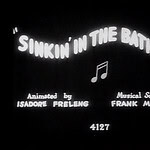
Disney had absolutely nothing to do with creating Looney Tunes. The Warner Bros. series began in 1930 with Sinkin' in the Bathtub, produced by animators Hugh Harman and Rudolf Ising and featuring their character Bosko. The title deliberately echoed Warner's music-driven branding, much as Disney had done with Silly Symphonies. Bugs Bunny, Daffy Duck, Porky Pig, and the other characters now synonymous with Looney Tunes would arrive later. What began with Bosko eventually grew into one of the most influential and enduring franchises in animation history.
Betty Boop: Dizzy Dishes (1930)
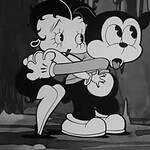
Betty Boop did not arrive fully formed. A precursor to the character made her first appearance in Fleischer Studios' Dizzy Dishes in August 1930 as a nameless, dog-eared nightclub singer opposite Bimbo. Audiences responded, and the Fleischers gradually transformed her into the fully human flapper audiences recognize today. By 1932, she was popular enough to headline her own series. Her provocative pre-Code personality was later toned down after Hollywood began strictly enforcing the Production Code in 1934, but Betty remained one of the most recognizable animated stars to emerge from the early sound era.