Missing attribution
Rob Crandall / Shutterstock.com
Vector/iStock.com
mtcurado / iStock via Getty Images
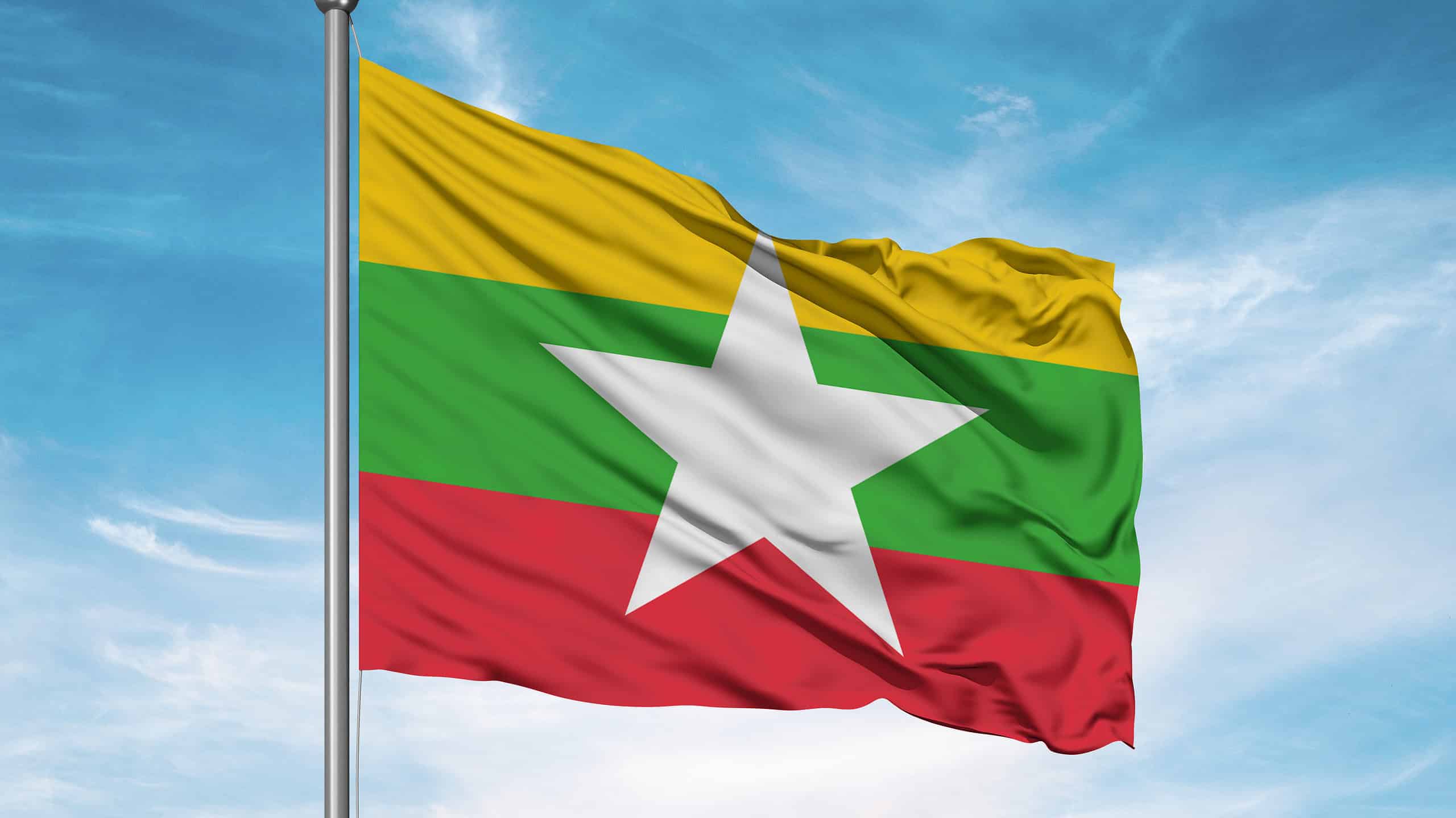
Design_Bank/Shutterstock.com
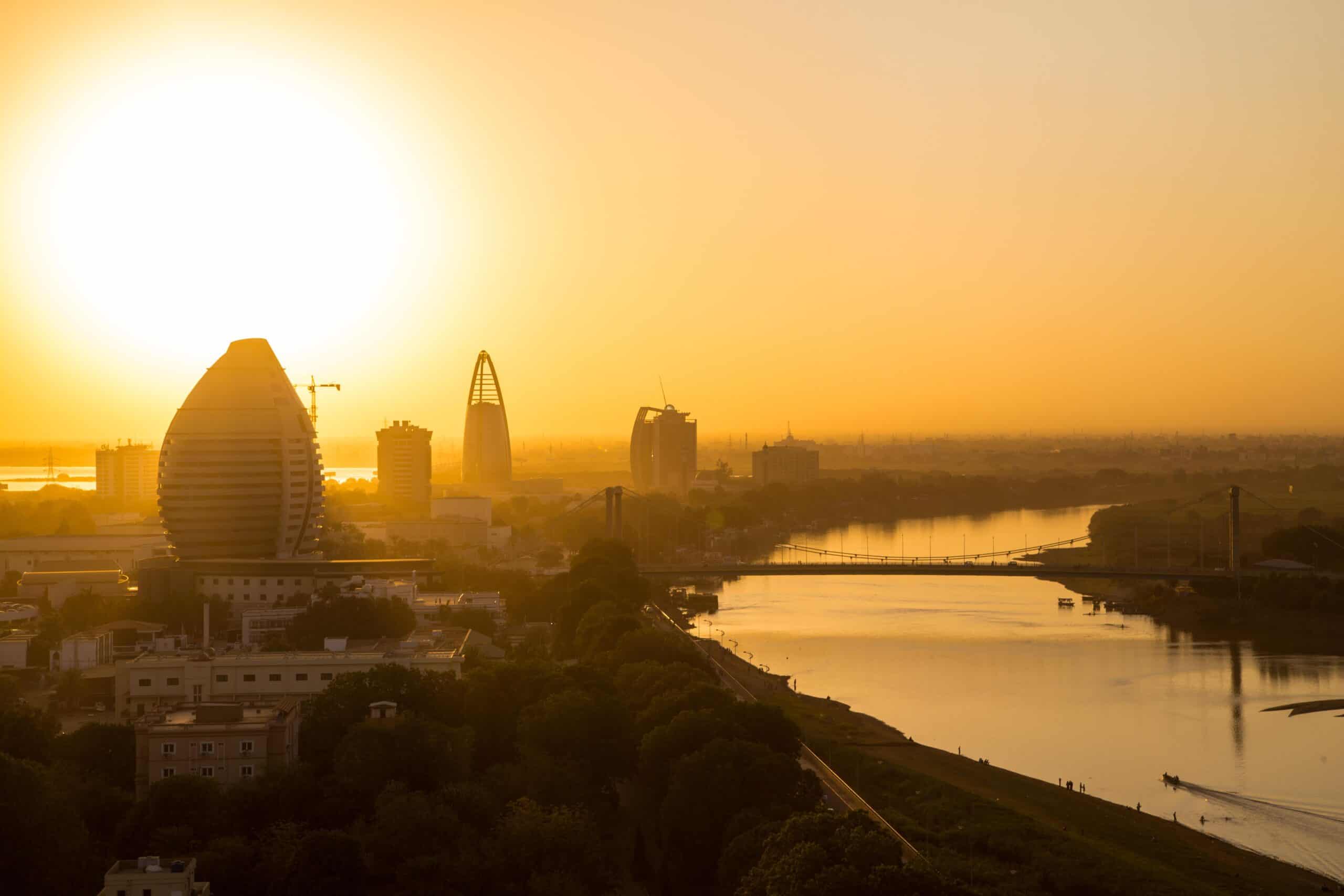
ferozeea / iStock via Getty Images
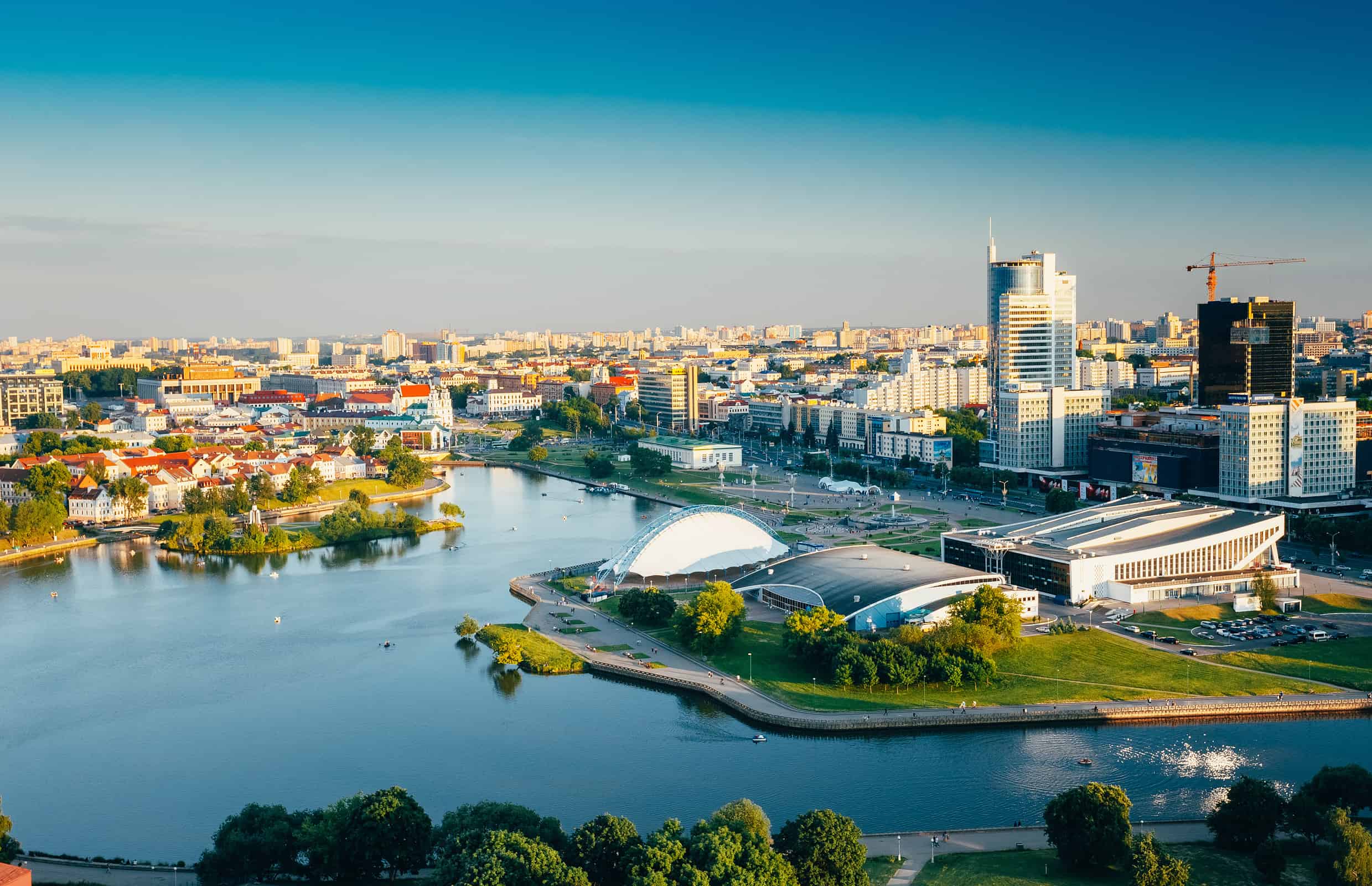
Ryhor Bruyeu/iStock via Getty Images
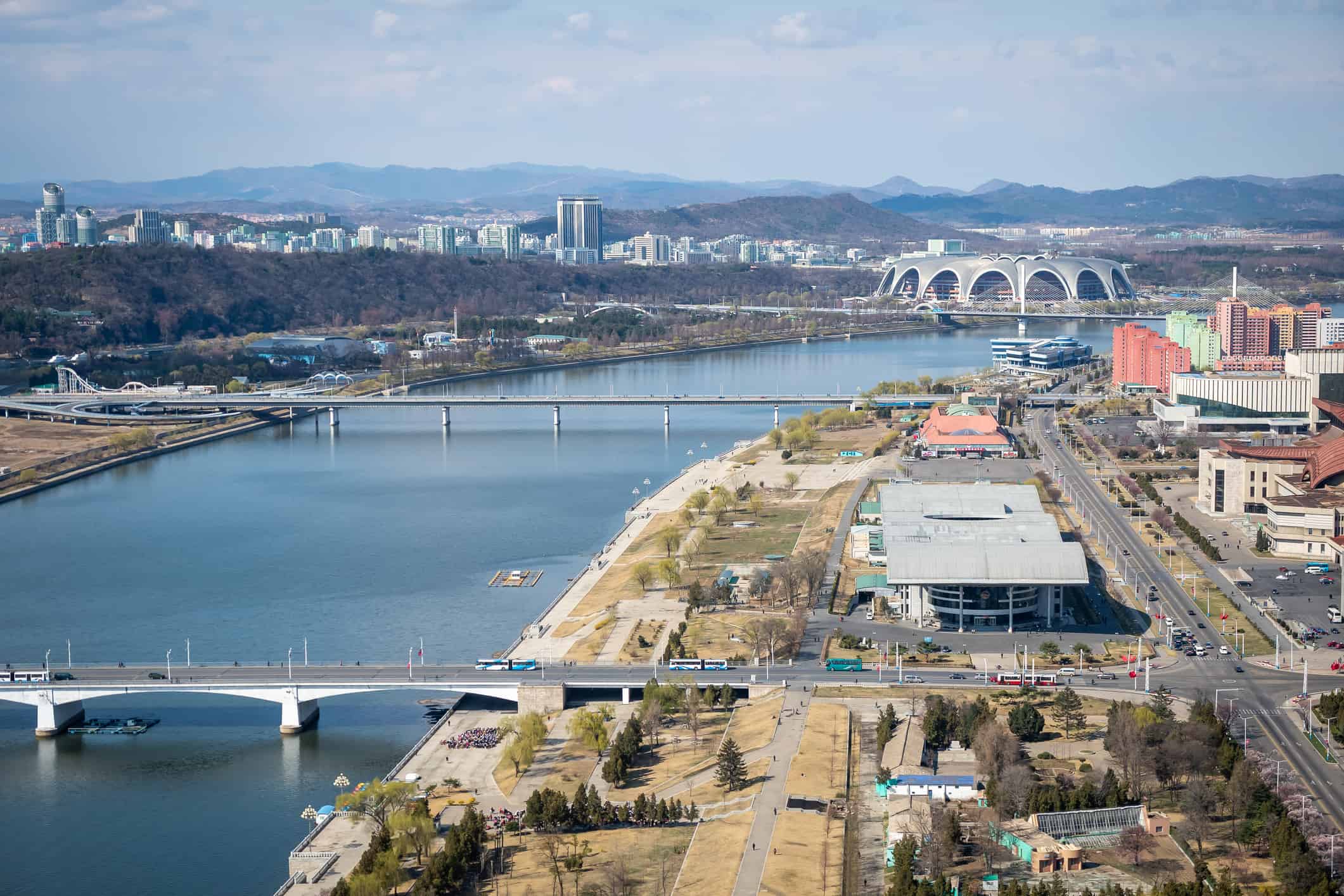
Rihui Huang/iStock.com
U.S. Navy
PredragLasica/Shutterstock.com
Steve Evans / Wikimedia Commons
BornaMir/iStock.com
scaliger/ via Getty Images

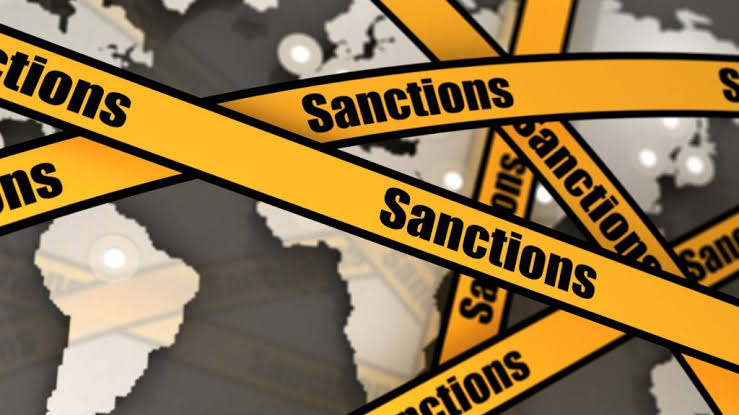
12 Countries Targeted by Sanctions and What Triggered Them
Wars, nuclear programs, military coups, political repression, and threats to regional stability have all triggered sanctions around the world. These 12 countries have been the focus of major sanctions measures or targeted sanctions programs, some stretching back decades and others created in response to much more recent crises.
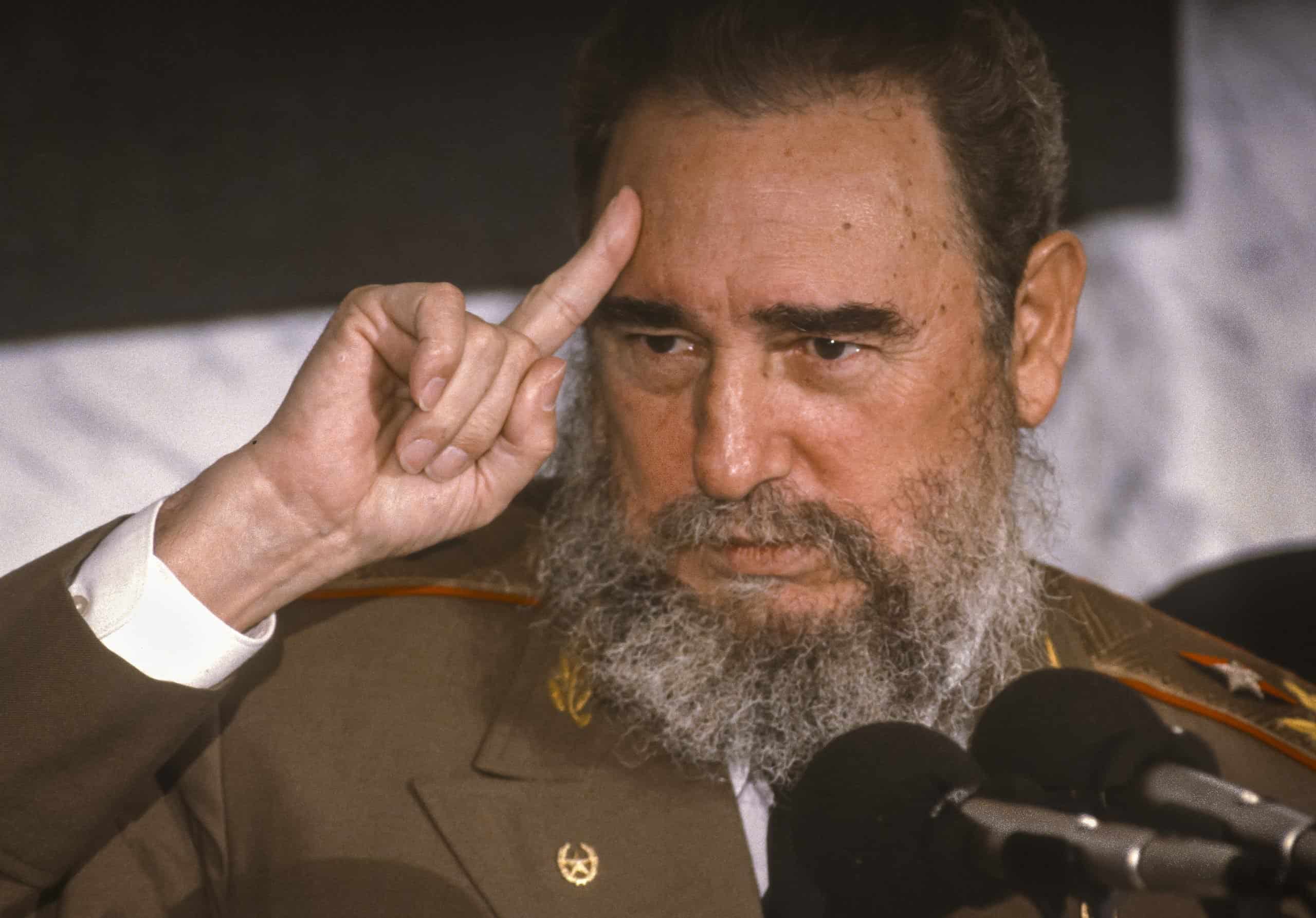
Cuba: More Than 60 Years of U.S. Sanctions
Modern Cuba became an independent republic in 1902 after centuries of Spanish rule and several years of U.S. occupation. Its political direction changed dramatically after Fidel Castro’s 1959 revolution, and relations with the United States deteriorated soon afterward. Cuba has since been subject to one of the longest-running U.S. sanctions systems in the world. Those restrictions remain active. In May 2026, Washington created a separate Cuba-related sanctions program that can target foreign persons operating in sectors including energy, defense, mining, financial services, and security, along with people or entities supporting the Cuban government or linked to serious human rights abuses or corruption.
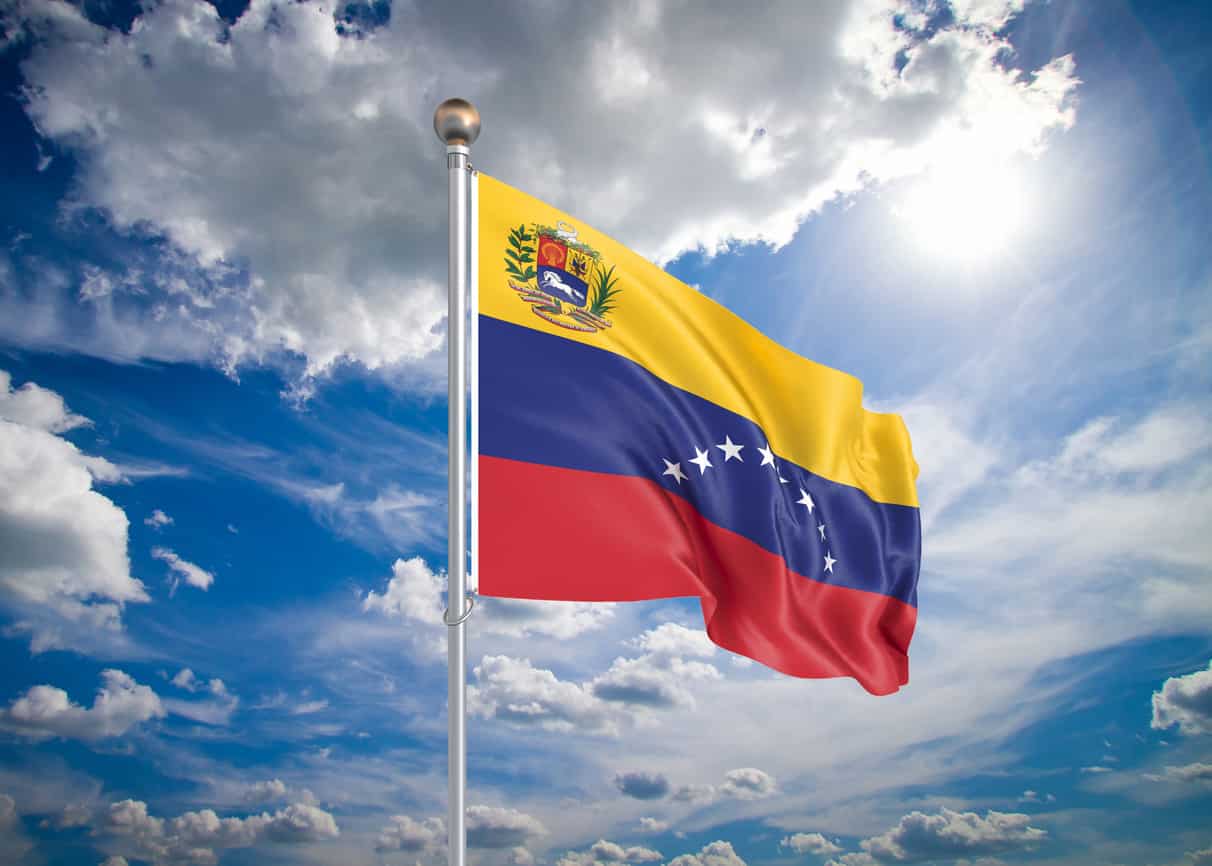
Venezuela: Sanctions Built Around Oil and Political Power
Venezuela has faced expanding U.S. sanctions for more than a decade. Early measures targeted individual officials, while later restrictions reached government financing, state-owned entities, and the country's enormous oil industry. The sanctions grew significantly between 2017 and 2019, and Venezuela remains covered by an active U.S. sanctions program in 2026, although OFAC has substantially expanded authorizations for certain oil, gas, minerals, banking, telecommunications, and investment-related activity.
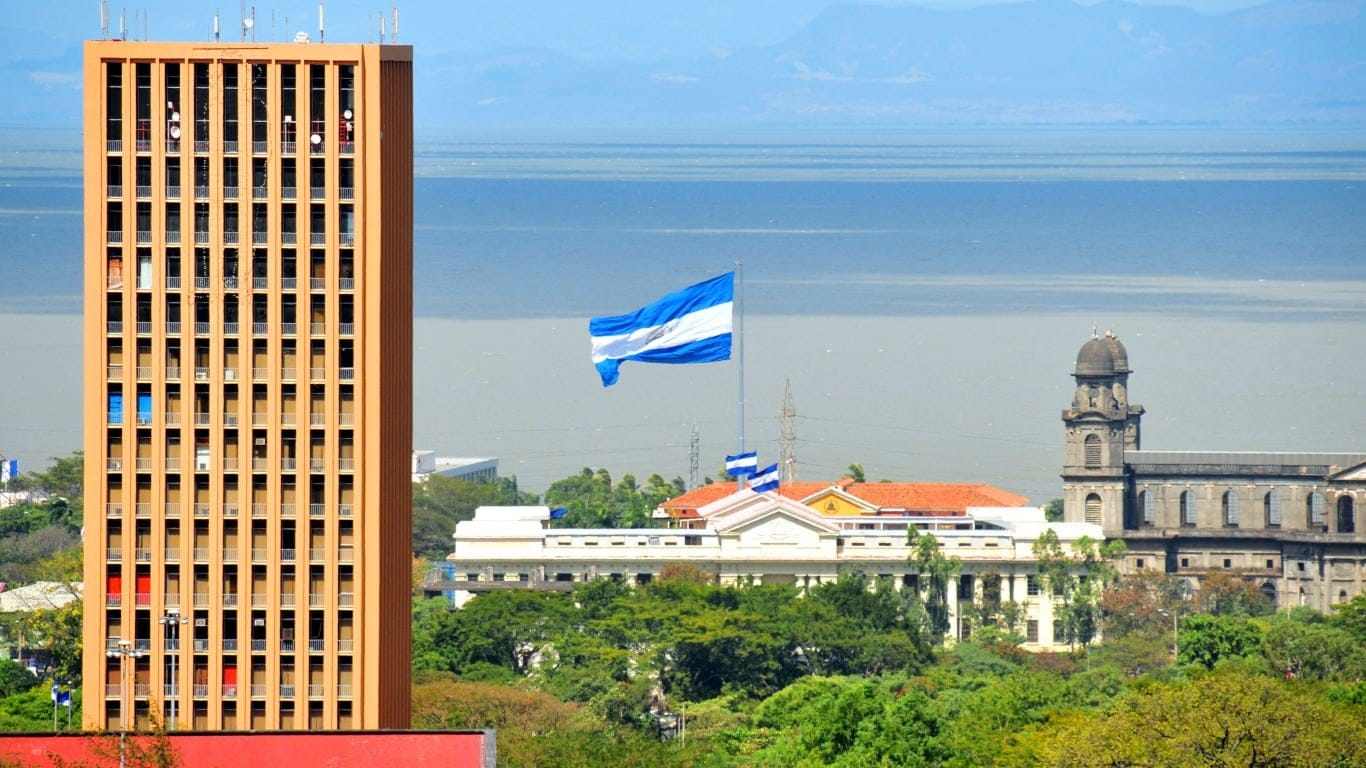
Nicaragua: Sanctions Amid a Long Political Struggle
Nicaragua declared independence from Spain in 1821 as part of the broader Central American independence movement and withdrew from the Federation of Central American States in 1838. Its modern history has included dictatorships, revolution, civil conflict, and repeated political crises. U.S. sanctions today primarily target government officials, businesses, and other individuals accused by Washington of involvement in repression, corruption, or actions undermining democratic institutions. Treasury expanded those measures again in 2026, including sanctions involving government officials, gold companies, and people connected to seizures of U.S.-owned property.
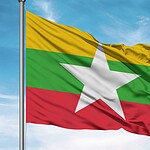
Myanmar: Sanctions After the Military Coup
Myanmar, also known as Burma, came under renewed international pressure after the military seized power in February 2021. The United States and other governments imposed sanctions targeting military leaders, military-linked businesses, and financial networks connected to the junta. U.S. sanctions remain active, although the measures are targeted rather than a blanket ban on doing business with the entire country.
Sudan: Sanctions From Darfur to a New Civil War
Sudan became independent in 1956 after decades of joint British and Egyptian control, but much of its modern history has been marked by coups, civil wars, and regional conflict. International sanctions have repeatedly focused on violence in Darfur and people accused of atrocities or obstructing peace. A newer U.S. sanctions authority was established after Sudan’s 2021 military takeover and the fighting that erupted between rival military forces in April 2023. The Sudan and Darfur sanctions program remains active, with additional designations issued as recently as 2026.
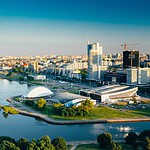
Belarus: Pressure From Both Home and Abroad
Sanctions against Belarus intensified after the disputed 2020 presidential election and the government's crackdown on opposition figures and protesters. They expanded further after Russia invaded Ukraine in 2022, with Belarus allowing Russian forces to use its territory and continuing to support Moscow. U.S. measures have targeted government officials, state-linked companies, and other entities connected to repression or support for Russia. Some restrictions were eased in 2026, however, when OFAC removed several Belarusian entities from its sanctions list, authorized additional transactions with Belinvestbank, and rescinded a directive covering the Ministry of Finance and Development Bank.
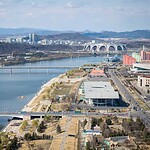
North Korea: Decades of Nuclear Sanctions
North Korea has lived under international sanctions for years because of its nuclear weapons and ballistic missile programs. The United Nations imposed major restrictions following the country's first nuclear test in 2006 and strengthened them after subsequent tests and missile launches. Sanctions now cover weapons, financial activity, trade, designated individuals and companies, while the United States has also targeted cyber operations and overseas IT-worker schemes used to generate money for the government.
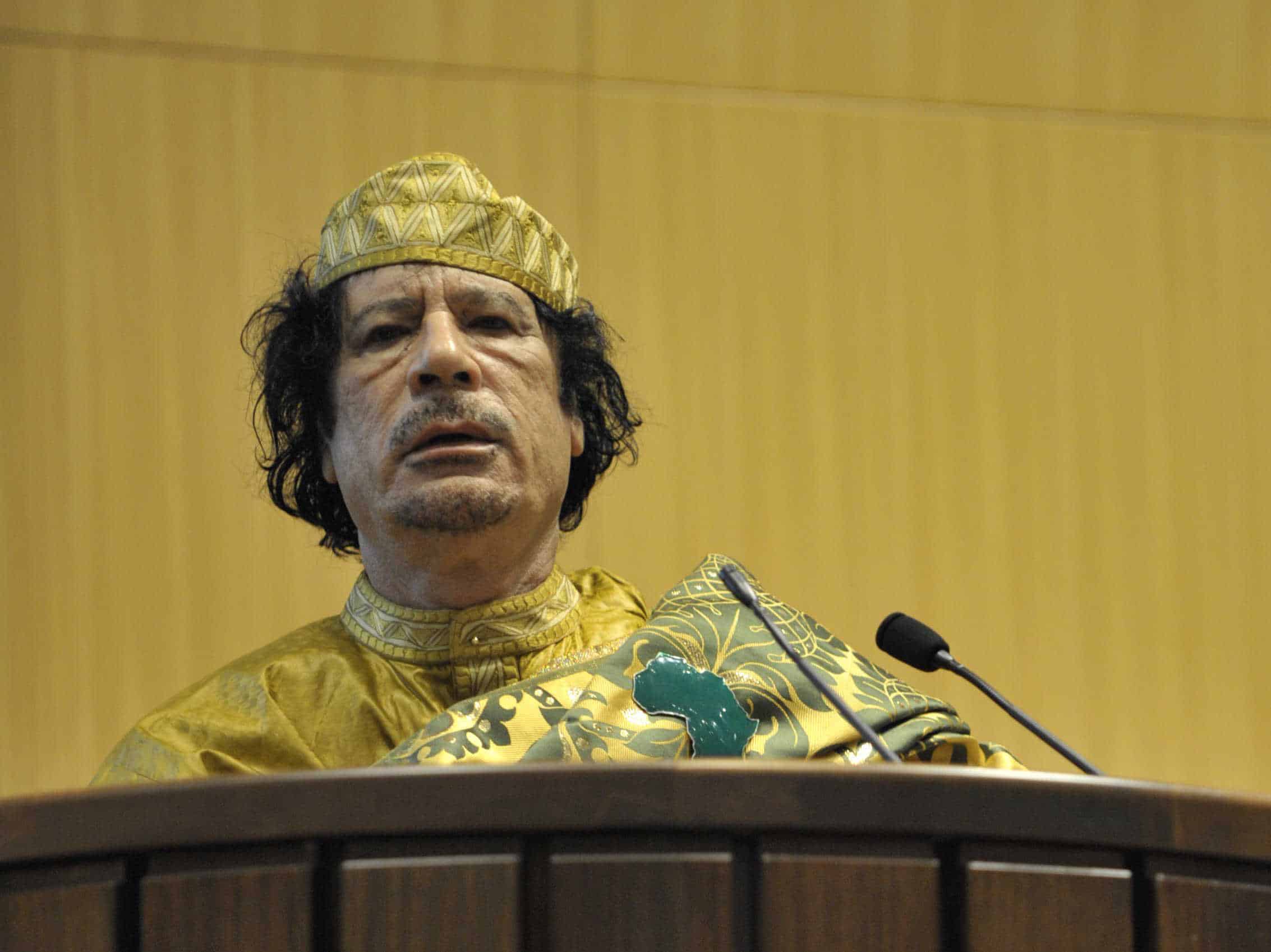
Libya: A Young Country With a Turbulent Modern History
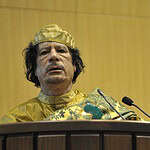
Libya became independent in 1951 following periods of Ottoman rule, Italian colonization, and Allied occupation during and after World War II. Its monarchy lasted less than two decades before Muammar Gaddafi and other military officers seized power in a 1969 coup. Libya later endured revolution, civil war, and years of political fragmentation. The United States still maintains a Libya sanctions program, although the restrictions are targeted rather than a blanket embargo against ordinary activity with the country. The program can block individuals and entities connected to threats to Libya’s peace, security, stability, or state assets.
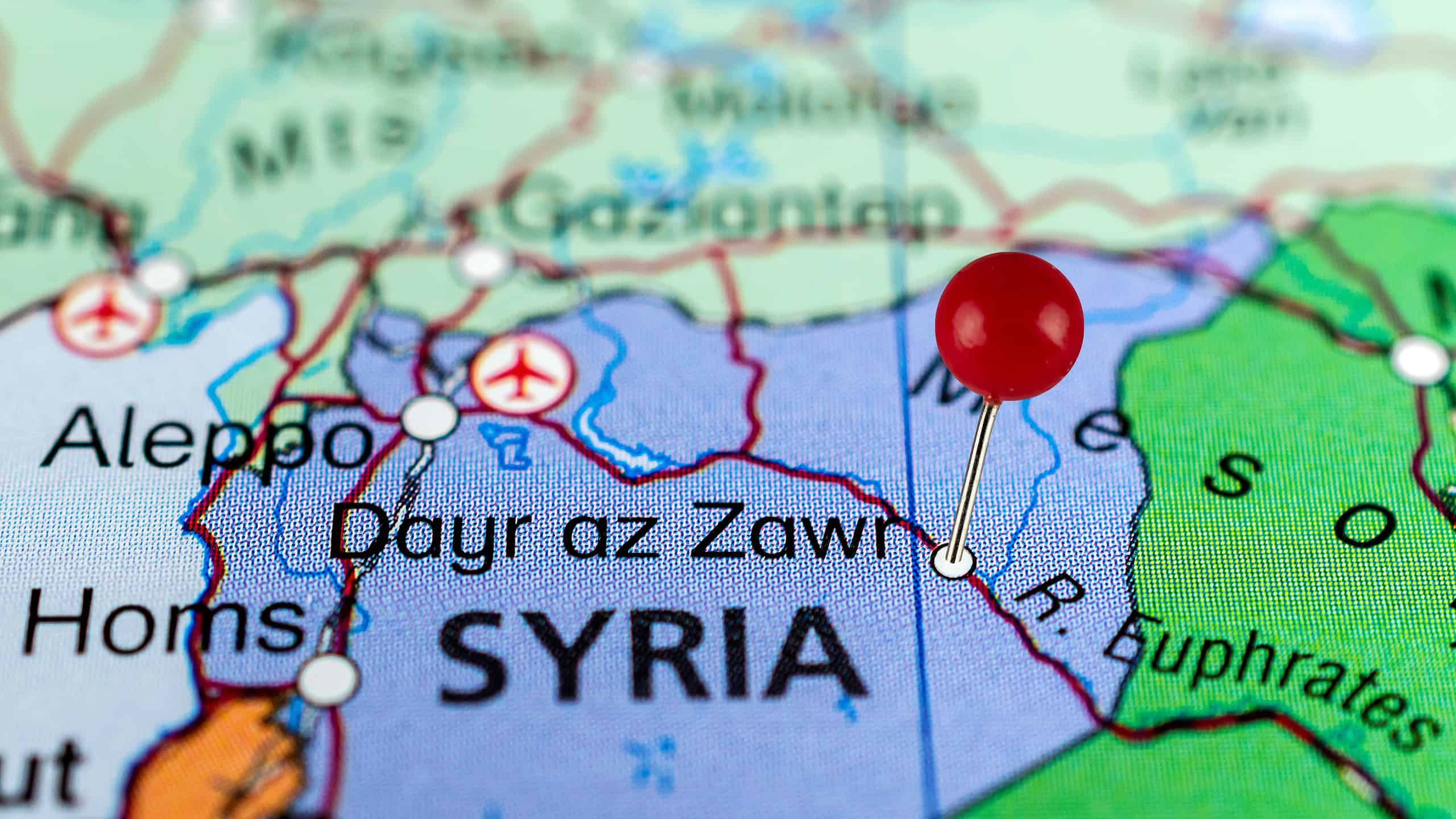
Syria: One of the Biggest Sanctions Stories Has Changed
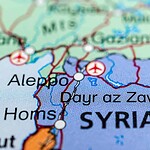
For years, Syria was one of the world's most heavily sanctioned countries as the United States, European Union, and others targeted Bashar al-Assad's government during the Syrian civil war. That picture changed dramatically after Assad's government fell in December 2024. The United States ended its broad Syria sanctions program effective July 1, 2025, while the EU lifted most economic sanctions that May. Targeted restrictions remain against Assad and associates, human-rights abusers, security threats, and other designated individuals and groups.
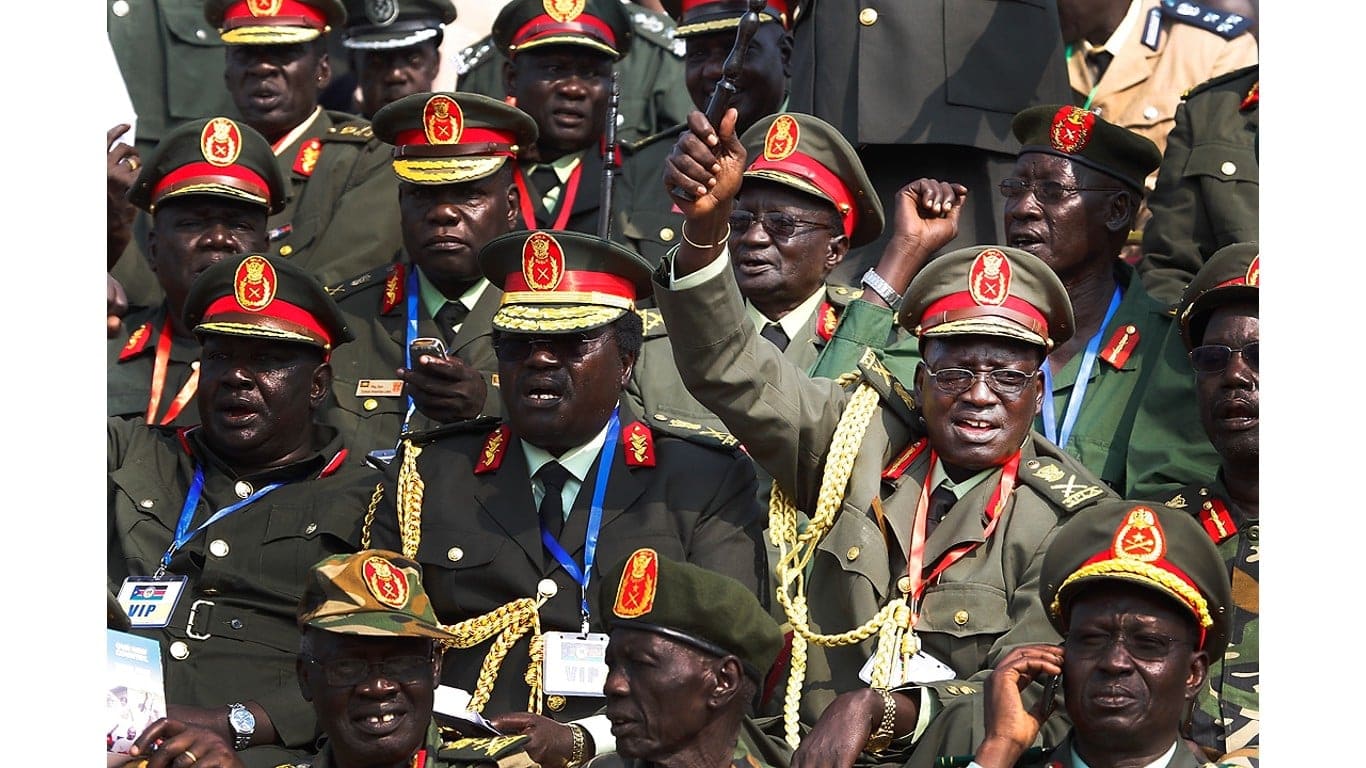
South Sudan: The World’s Newest Country Quickly Fell Into Conflict
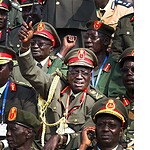
South Sudan became independent on July 9, 2011, after decades of conflict between northern and southern Sudan and a referendum in which voters overwhelmingly backed separation. Independence made it one of the world's youngest sovereign states, but fighting broke out between rival political and military factions only a few years later. The United States created a South Sudan sanctions program in 2014 that allows sanctions against people accused of threatening the country's peace, security, or stability. Those restrictions remain in force and have targeted political and military figures rather than South Sudan as a whole.
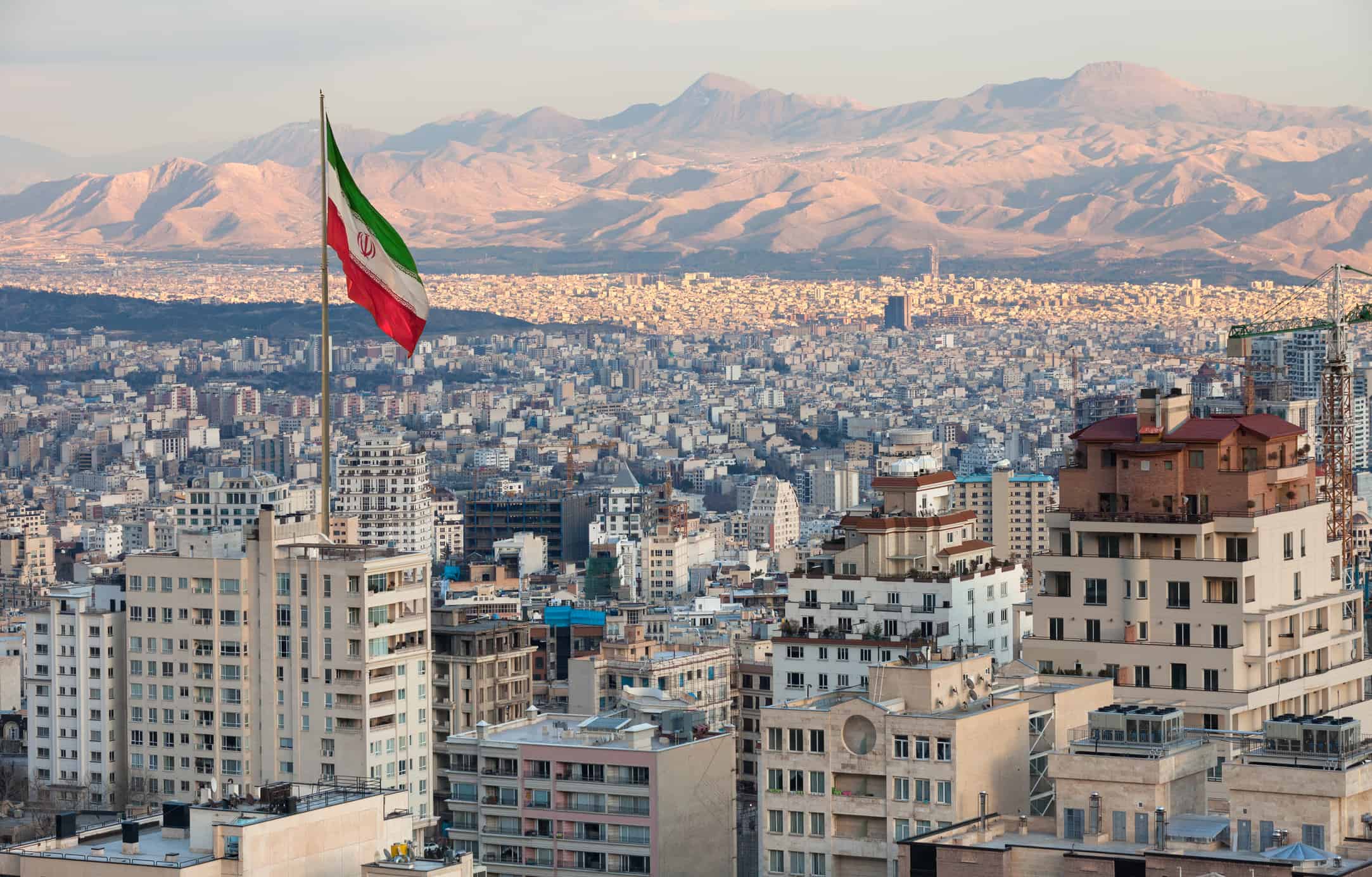
Iran: More Than Four Decades of Economic Pressure
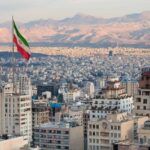
U.S. sanctions against Iran date back to the 1979 hostage crisis, when Iranian government assets were frozen following the seizure of the U.S. Embassy in Tehran. The sanctions system has expanded and changed repeatedly since then, with restrictions involving Iran's financial, petroleum, petrochemical, military, nuclear, missile, and other sectors. Iran remains the subject of an extensive U.S. sanctions program, with additional measures still being announced in 2026.
Russia: Sanctions on an Extraordinary Scale
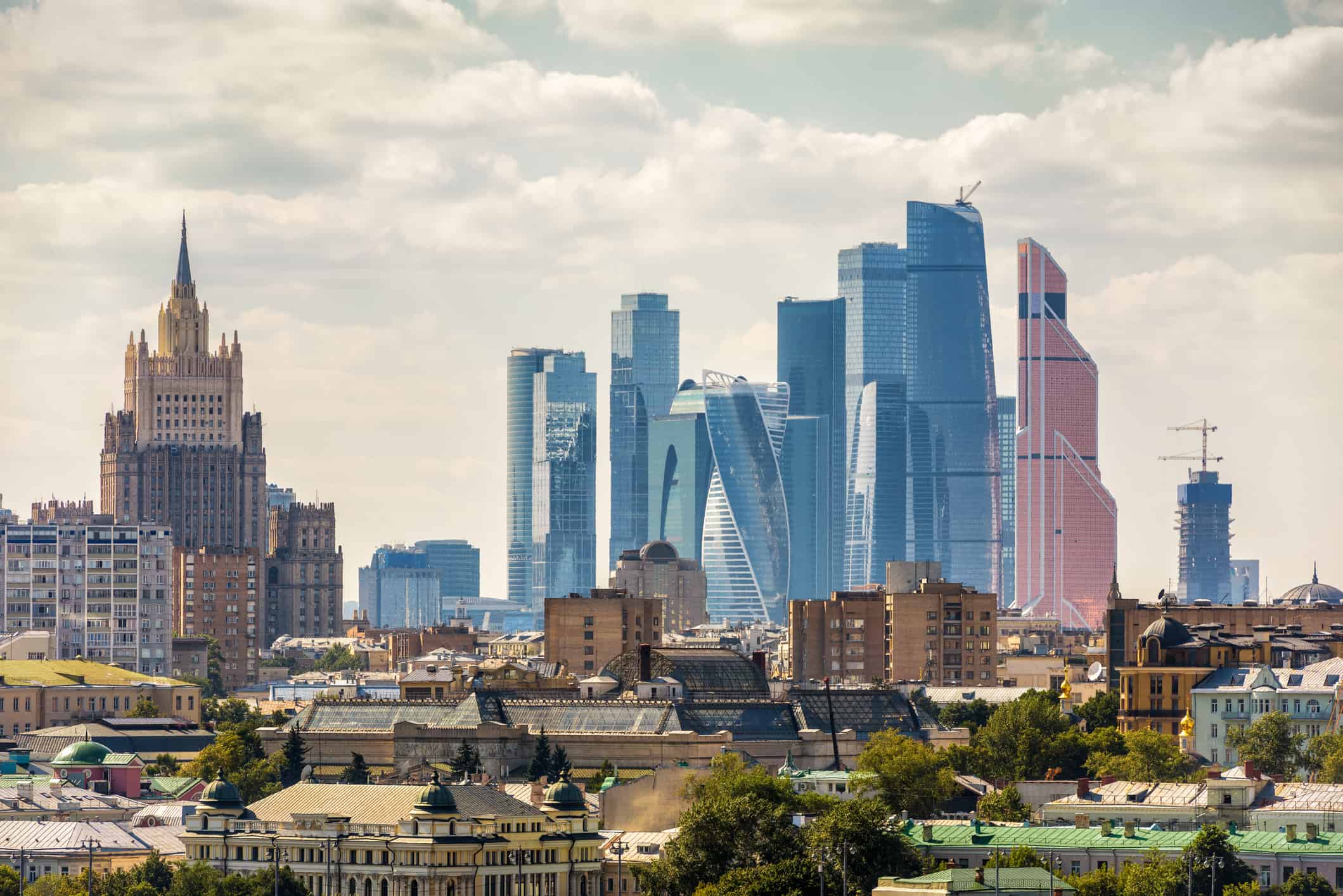
Russia was already under significant sanctions after its 2014 seizure and annexation of Crimea, but the pressure increased enormously following its full-scale invasion of Ukraine in February 2022. The United States, European Union, United Kingdom, Canada, and other governments have targeted Russian banks, energy companies, military suppliers, technology imports, officials, oligarchs, and other parts of the economy. The EU was still expanding its sanctions in 2026, adopting its 21st package in July and extending major economic restrictions through July 2027.