Courtesy of Warner Bros.

DFree / Shutterstock.com

Kathy Hutchins / Shutterstock.com

Tinseltown / Shutterstock.com

Michael Ochs Archives/Getty Images

Denis Makarenko / Shutterstock.com

Rich Fury / Getty Images

Tinseltown / Shutterstock.com

DFree / Shutterstock.com

Photo by Vinnie Zuffante/Getty Images

Kathy Hutchins / Shutterstock.com

s_bukley / Shutterstock.com

lev radin / Shutterstock.com


12 Classic Comedies That Hit Very Differently Today
Comedy has a funny habit of aging faster than almost any other genre. A joke that packed theaters 20 or 40 years ago can land very differently when audiences revisit it today. Sometimes the problem is a stereotype. Sometimes it is the way a movie treats consent, gender, race, or sexuality. And sometimes the entire joke depends on an assumption society has simply moved past.
That does not automatically make these movies bad, nor does it mean nobody could make an edgy comedy today. In several cases, the uncomfortable material was intentionally satirical even when the execution now feels dated. What has changed is the conversation around it.
Here are 12 famous comedies that can feel very different when watched through modern eyes.
White Chicks (2004)
White Chicks follows FBI agents Kevin and Marcus Copeland, played by Shawn and Marlon Wayans, as they try to protect wealthy sisters from a kidnapping plot. When the sisters refuse to attend a Hamptons event after a minor car accident, the agents impersonate them instead. That means two Black men spend much of the movie disguised as young white women, with the comedy leaning heavily into stereotypes about race, gender, wealth, and early-2000s celebrity culture. One memorable singalong scene also gets its joke from the white characters enthusiastically singing a racial slur in a rap song. The movie still has a devoted following, but those jokes invite a very different conversation now.
American Pie (1999)
American Pie helped define the late-1990s teen comedy, following four high school friends determined to lose their virginity before graduation. Its raunchiness was the entire point, including one notorious encounter involving an apple pie. The scene that has aged much more seriously involves Nadia, an exchange student whom Jim secretly broadcasts over a webcam while she changes clothes in his bedroom. The stream is shared with classmates without her knowledge. What the movie treats primarily as an embarrassing teenage disaster would now raise immediate issues of privacy and consent. Plenty of the movie remains funny, but that subplot lands considerably harder today.
Tropic Thunder (2008)
Tropic Thunder is satire piled on top of satire. A group of self-important actors making a Vietnam War movie are dropped into the Southeast Asian jungle, where they unknowingly encounter a real drug-trafficking gang. The most debated performance belongs to Robert Downey Jr. as Kirk Lazarus, an Australian method actor who undergoes a fictional pigmentation procedure to play a Black soldier. The joke is aimed largely at Hollywood actors who take their craft to absurd extremes, and the movie repeatedly calls Lazarus out through Brandon T. Jackson's character. Even so, putting a white actor in dark makeup would generate immediate controversy now. Remarkably, Downey received an Academy Award nomination for the performance.
The Toy (1982)
The premise of The Toy is deliberately uncomfortable. Richard Pryor plays Jack Brown, an unemployed journalist working as a janitor in a department store owned by wealthy businessman U.S. Bates. When Bates lets his spoiled son choose anything in the store, the boy chooses Jack. Jack initially refuses, but eventually accepts a large payment to spend the week as the child's live-in companion. The film ultimately criticizes the idea that wealth can buy people and relationships, but there is no getting around the racial imagery of a rich white family treating a Black man as something that can be purchased. That makes the comedy considerably more complicated to watch four decades later.
Superbad (2007)
Superbad is built around teenage boys saying inappropriate things and making spectacularly bad decisions. Seth, Evan, and Fogell spend most of the movie trying to obtain alcohol for a graduation party while hoping the night will finally improve their nonexistent sex lives. Some of the language and the boys' early assumptions about alcohol making romance easier sound particularly ugly now. Interestingly, the movie itself eventually pushes back on those ideas. Evan refuses to sleep with an intoxicated Becca because he does not want her to regret it, while Jules rejects a drunken Seth. The comedy is still crude, but it gives its characters more of a moral course correction than the original premise suggests.
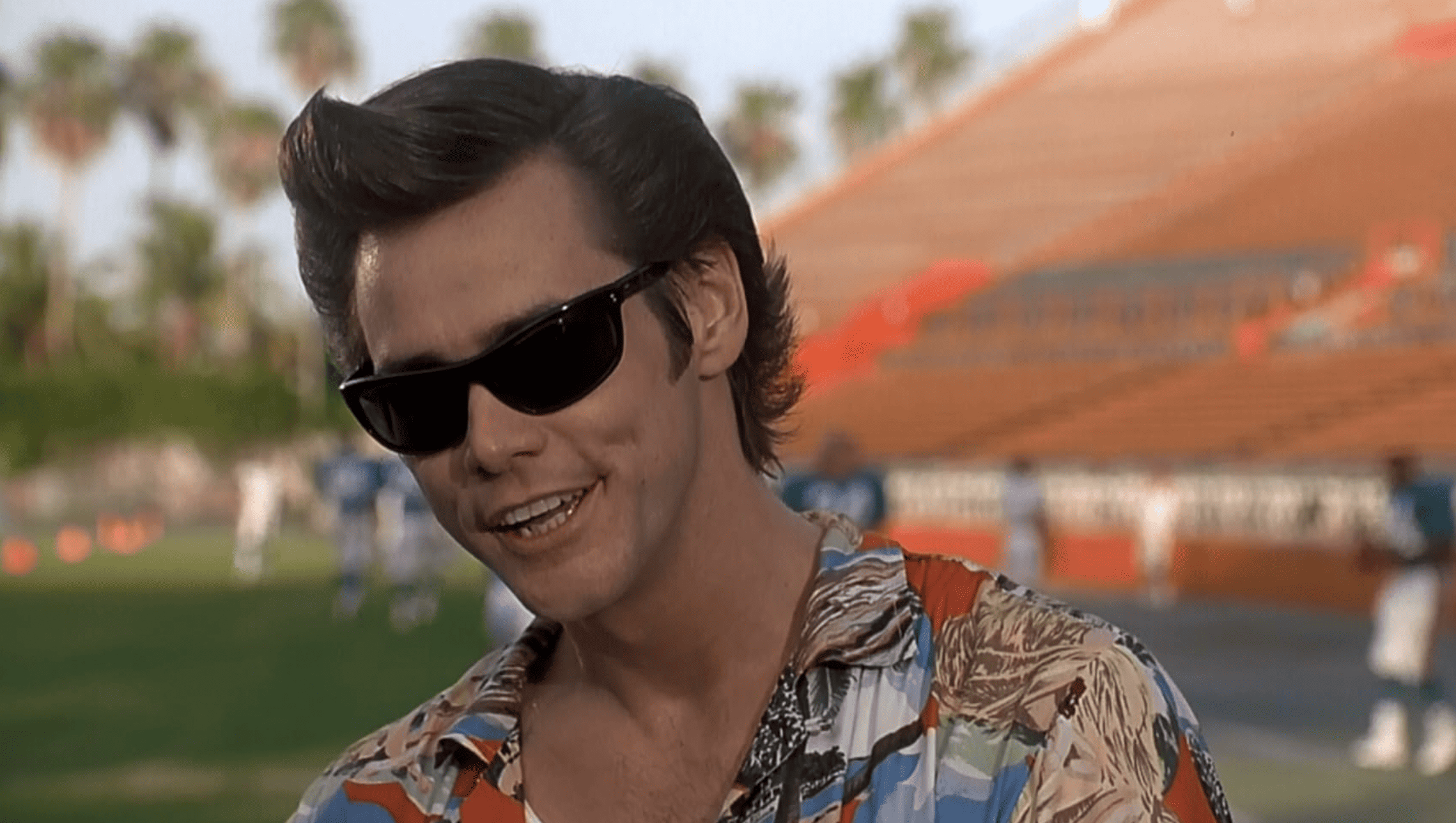
Ace Ventura: Pet Detective (1994)
Jim Carrey's performance in Ace Ventura: Pet Detective helped turn him into one of the biggest comedy stars of the 1990s. Most of the movie's absurd physical humor still works exactly as intended. Its ending is another story. The villain, police lieutenant Lois Einhorn, is revealed to be former Miami Dolphins kicker Ray Finkle living as a woman. The revelation is played for disgust, with Ace and other characters reacting dramatically after learning about Einhorn's identity. What audiences once largely encountered as an outrageous final gag is now frequently criticized for turning a transgender-coded character and the idea of attraction to that character into the punchline.
Heathers (1989)
Heathers was dark even by 1989 standards. Winona Ryder plays Veronica Sawyer, a teenager who falls in with the dangerous J.D., played by Christian Slater. What begins as a vicious satire of high school cliques escalates into murders that are staged as suicides. Eventually, J.D. develops a plan to blow up the school and make the deaths look like a mass suicide. The film is not celebrating any of this. Its entire identity comes from pushing teen-movie conventions into absurdly bleak territory. Still, decades of real-world school violence have changed the emotional weight of jokes involving bombs, guns, and dead students in ways the filmmakers could not have anticipated.
Mr. Mom (1983)
Mr. Mom is less offensive than simply very much a product of its era. Michael Keaton plays Detroit auto engineer Jack Butler, who loses his job while his wife, Caroline, returns to the workforce. Jack suddenly becomes responsible for their children and household, and much of the early comedy comes from watching a grown man struggle with laundry, grocery shopping, school drop-off, and basic domestic routines. The movie eventually gives Jack genuine respect for how much work goes into running a household. What has aged is the assumption that a father handling those responsibilities is inherently strange enough to build an entire comedy around. Today, "dad takes care of his own children" is considerably less exotic.
Miss Congeniality (2000)
Sandra Bullock's Gracie Hart is a capable but socially awkward FBI agent who goes undercover at a beauty pageant after the bureau receives a threat against the event. The basic premise still works just fine. What feels more dated is the transformation comedy. Gracie is introduced as someone who supposedly needs to be taught how to dress, walk, eat, smile, and behave like a conventionally attractive woman before anyone can imagine her passing as a pageant contestant. The movie ultimately lets Gracie remain herself and become friends with the women she initially dismisses. Still, some of the humor depends on the old idea that a woman who prefers practical clothes and rough manners requires a makeover before everyone can recognize her appeal.
Revenge of the Nerds (1984)
This may be the hardest movie on the list to defend as harmless 1980s raunch. The nerds are supposed to be sympathetic underdogs fighting cruel jocks, but some of their revenge crosses serious lines. They secretly install cameras to spy on women, and Lewis later wears another man's costume and mask while having sex with that man's girlfriend, who believes she is with her boyfriend. The movie treats her eventual approval as a happy ending rather than confronting the deception. Decades later, co-writer Steve Zacharias said he regretted both the hidden-camera sequence and the sex scene and rewrote the latter when developing a musical adaptation. That's about as definitive an "aged badly" verdict as you can get.
Blazing Saddles (1974)
It is easy to describe Blazing Saddles as a movie packed with material modern studios would avoid, but that misses what Mel Brooks was doing. The Western spoof stars Cleavon Little as Bart, a Black sheriff deliberately appointed to a racist frontier town in hopes that his presence will drive the residents away. The movie uses racial slurs constantly, but overwhelmingly puts them in the mouths of idiots, villains, and bigots. Brooks and his writers, including Richard Pryor, were openly satirizing racism and old Hollywood Western clichés. The language would make an unchanged version difficult to market today, but treating the movie itself as racist ignores who the actual targets of its jokes are.
Sixteen Candles (1984)
John Hughes' Sixteen Candles remains an enormously influential teen comedy, but two elements have become particularly difficult to ignore. Exchange student Long Duk Dong is written as an exaggerated Asian stereotype, complete with an accent used for laughs and a gong sound effect accompanying his appearances. Then there is Caroline, Jake Ryan's extremely intoxicated girlfriend. Jake lets Ted take her home while she is barely conscious, and the movie later implies that Caroline and Ted may have had sex even though neither clearly remembers what happened. Star Molly Ringwald has herself revisited the film's treatment of women and consent, making Sixteen Candles a prime example of loving an old movie while still recognizing what has not aged well.