Courtesy of Paramount Pictures
Courtesy of United Artists
Courtesy of Continental Distributing

Courtesy of Paramount Pictures
Courtesy of Warner Bros.

Courtesy of RKO Radio Pictures

Courtesy of Warner Bros.
Courtesy of Columbia Pictures
Courtesy of Twentieth Century Fox

2024 Getty Images / Getty Images Entertainment via Getty Images
Courtesy of Miramax
Courtesy of DreamWorks Distribution

Courtesy of Columbia Pictures
Courtesy of Columbia Pictures
Courtesy of Zenith International Films
Courtesy of A24
Courtesy of Universal Pictures Home Video

Courtesy of New Line Cinema
Courtesy of USA Films

Courtesy of Sony Pictures Classics
Courtesy of Fine Line Features










20 Directorial Debuts That Were Hard to Top
Some filmmakers need a few movies to figure out what they want to say. Others arrive with a debut so good that the rest of their career becomes an unfair comparison. That doesn't mean their later work is bad. Far from it. Some of the directors on this list went on to make several classics. But there's something about that first big swing, before audiences and studios knew exactly what to expect, that can be awfully hard to repeat.
We're talking about feature-film debuts, not a director's first short, music video, television episode, or student project. And 'best' is a matter of opinion, not something an Oscar or a box-office receipt can settle. You may prefer 'Network' to '12 Angry Men' or 'Almost Famous' to 'Say Anything...' and have a perfectly good argument. Still, these 20 movies made a remarkable first impression, and each has a legitimate case for remaining its filmmaker's finest work.
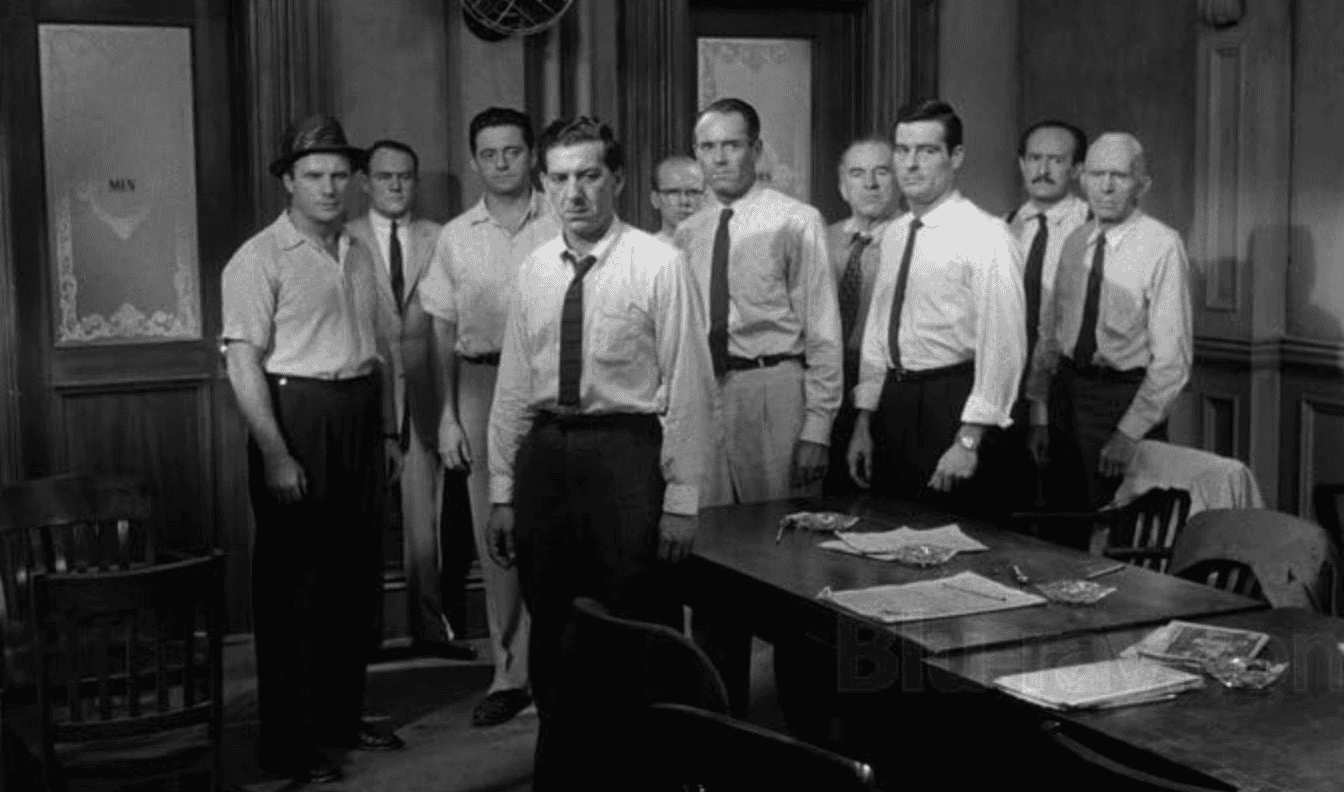
12 Angry Men - Sidney Lumet (1957)
Give Sidney Lumet one jury room, 12 increasingly frustrated men, and a murder trial, and he will keep you glued to the screen for an hour and a half. That's the trick behind '12 Angry Men,' his first theatrical feature after years in television. Henry Fonda plays the lone juror unwilling to rush toward a guilty verdict, and every conversation raises the pressure a little more. Lumet later gave us 'Serpico,' 'Dog Day Afternoon,' and 'Network,' so calling this his best is a serious argument. But few movies have done so much with so little space.
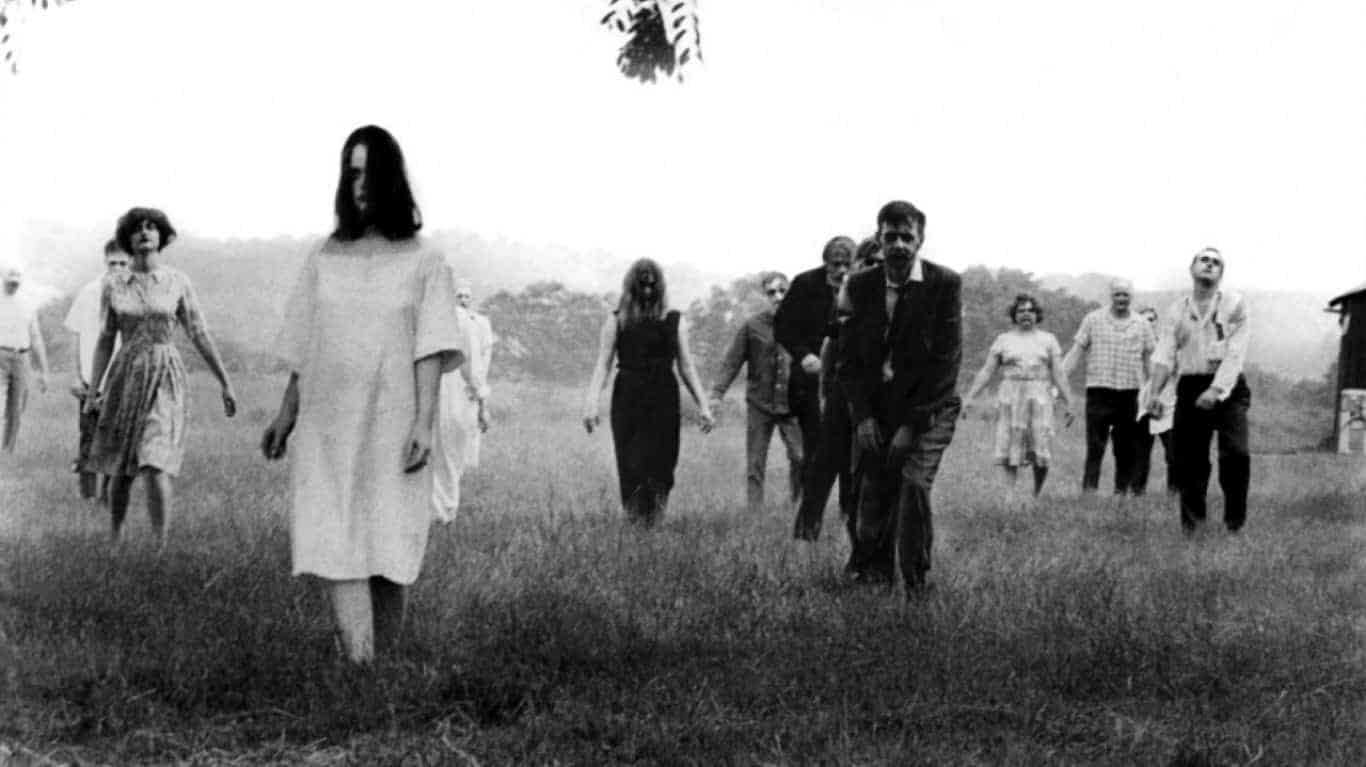
Night of the Living Dead - George A. Romero (1968)
Zombie movies existed in different forms before George A. Romero came along, but 'Night of the Living Dead' helped write the rulebook for the modern version. A group of strangers barricades itself inside a Pennsylvania farmhouse while the dead gather outside. The rough black-and-white photography and low-budget production make it feel unsettlingly immediate, and the human conflicts are nearly as frightening as the creatures. Romero later made the excellent 'Dawn of the Dead,' among other horror films. Still, his first feature remains one of the bleakest and most influential opening statements in the genre.
Ordinary People - Robert Redford (1980)
Robert Redford was already a major movie star when he stepped behind the camera, but 'Ordinary People' proved he had more to offer than a familiar face. The story follows a suburban family struggling with grief and guilt after the death of one son, with Timothy Hutton, Mary Tyler Moore, and Donald Sutherland delivering painfully believable performances. Redford avoids easy answers, letting uncomfortable conversations do the heavy lifting. The film won four Academy Awards, including Best Picture and Best Director, beating 'Raging Bull' in the Best Picture race. Redford directed other fine films, but this one remains remarkably hard to shake.
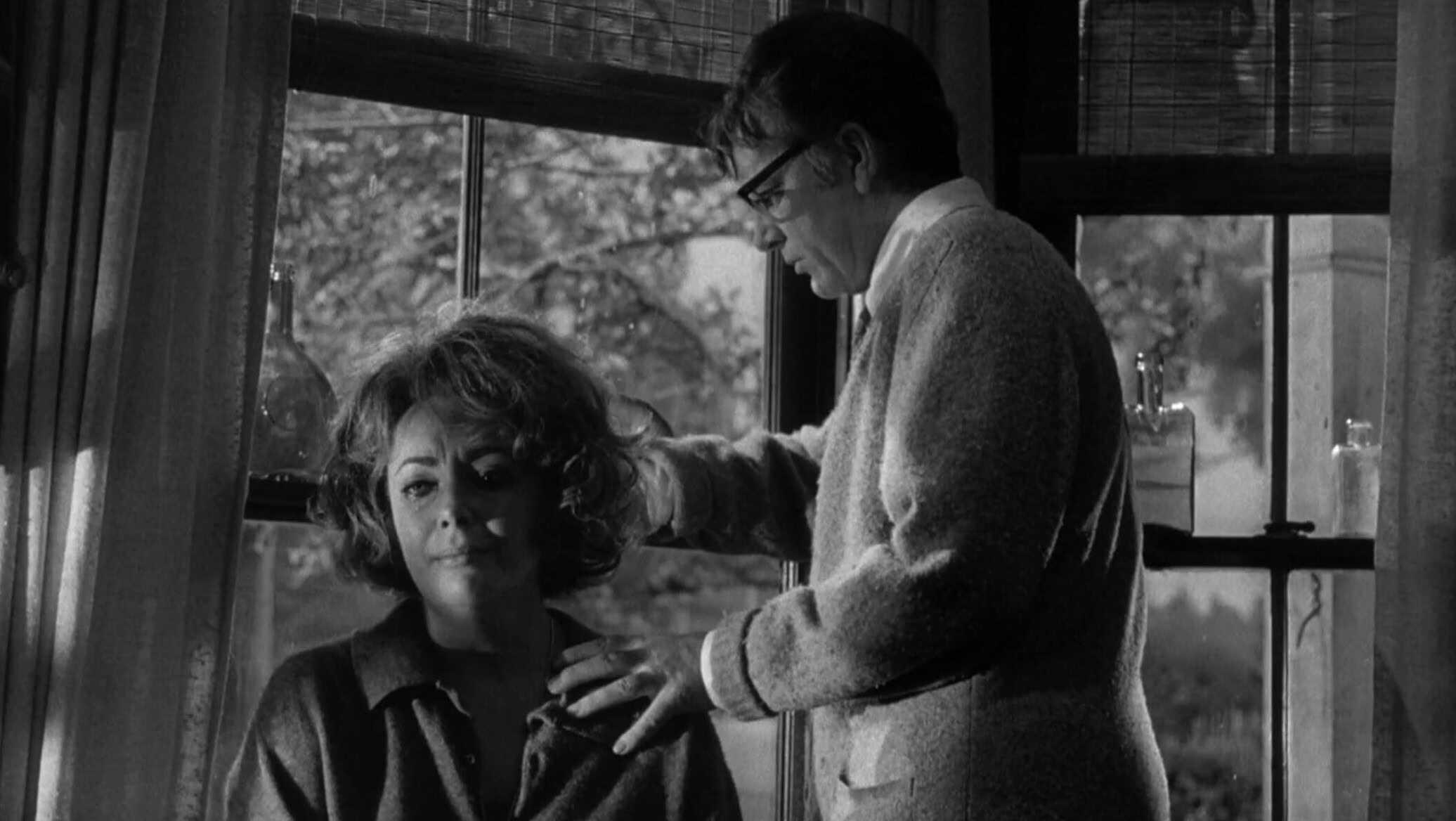
Who's Afraid of Virginia Woolf? - Mike Nichols (1966)
If you've ever been trapped at a dinner party that went sideways, at least it probably wasn't this bad. Mike Nichols made his feature directing debut with an adaptation of Edward Albee's play, starring Elizabeth Taylor and Richard Burton as a married couple who turn an evening with guests into a vicious emotional battle. The dialogue is sharp, the performances are ferocious, and practically every laugh has a sting attached. Nichols followed it with 'The Graduate' just a year later, which makes the 'best debut' argument especially competitive. Even so, this is a remarkably confident first film.
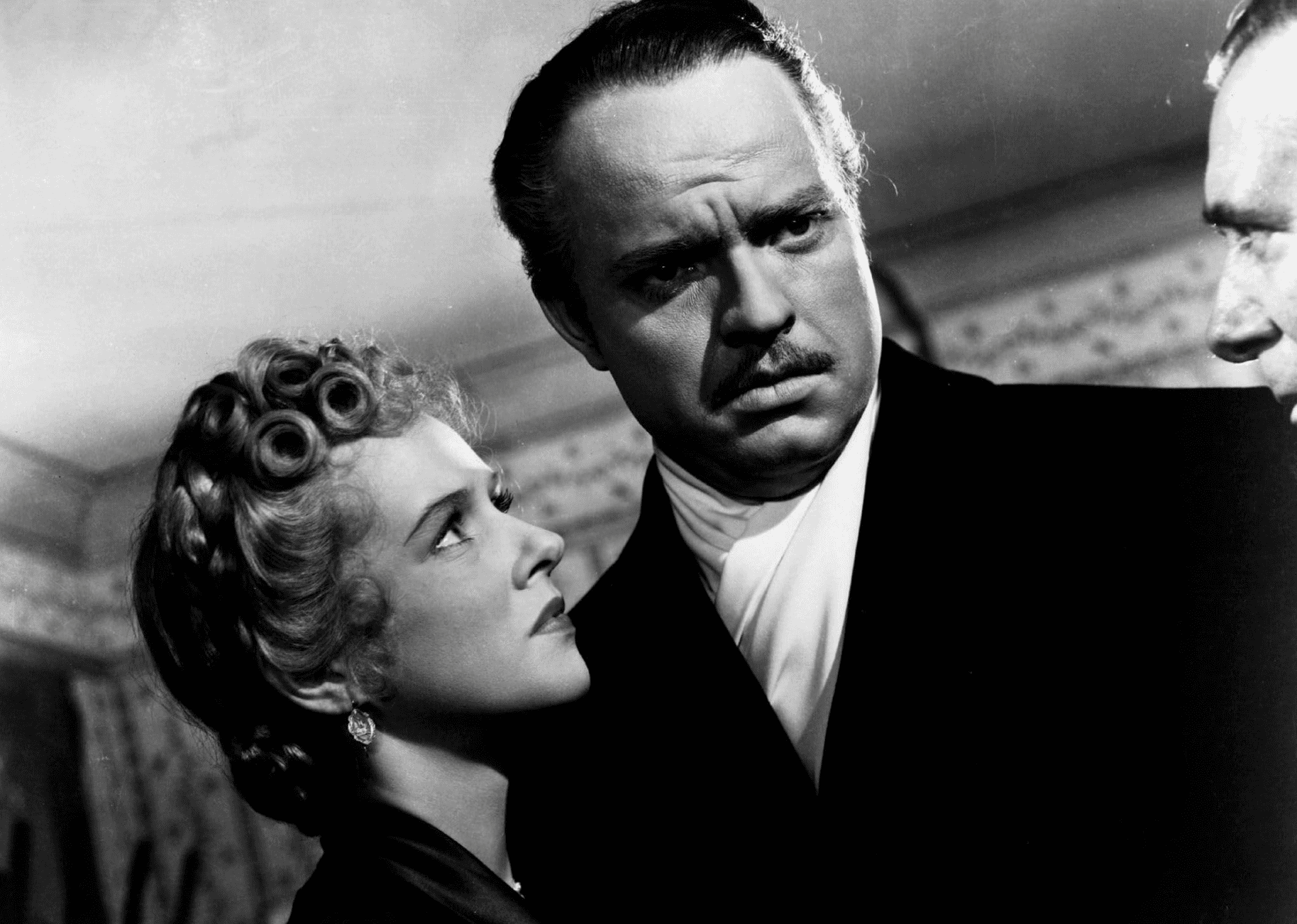
Citizen Kane - Orson Welles (1941)
Most directors would be delighted to make one movie as influential as 'Citizen Kane.' Orson Welles did it on his first feature. The film pieces together the life of newspaper magnate Charles Foster Kane through conflicting memories, ambitious camera work, and a story that refuses to hand the audience a simple answer. Its deep-focus compositions and unusual structure still turn up in film classes for good reason. Welles went on to make other major works, including 'The Magnificent Ambersons' and 'Touch of Evil.' But when your debut is regularly discussed among cinema's greatest achievements, the bar gets absurdly high.
The Maltese Falcon - John Huston (1941)
John Huston's first film as a director wasn't the first screen version of Dashiell Hammett's detective story. Hollywood had already taken two runs at it. But the 1941 'Maltese Falcon' is the version that stuck. Humphrey Bogart's Sam Spade gets pulled into a maze of lies, double-crosses, and people who all seem to want the same mysterious statuette. Huston keeps the story moving while giving the characters room to reveal just how slippery they are. He later directed 'The Treasure of the Sierra Madre' and 'The African Queen,' but this debut remains a film-noir benchmark.
Easy Rider - Dennis Hopper (1969)
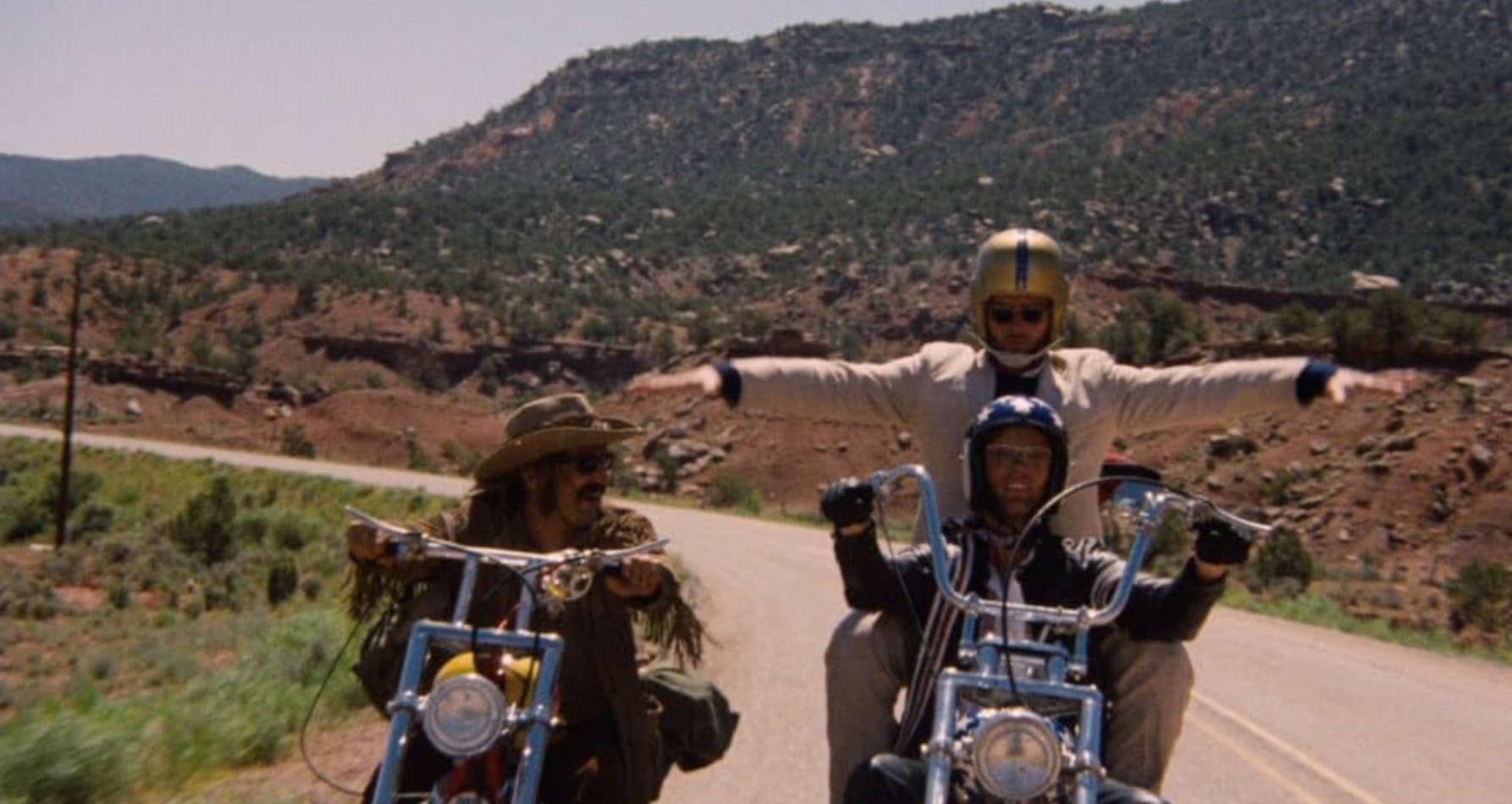
On the surface, 'Easy Rider' is about two bikers riding across America. Underneath, it's about a country having a pretty serious argument with itself. Dennis Hopper directed and starred alongside Peter Fonda, with Jack Nicholson making an unforgettable appearance along the way. The music, open roads, casual conversations, and sudden ugliness capture the contradictions of the late 1960s without pretending there's an easy solution. Hopper directed other films afterward, but nothing else in his feature-directing career had quite the same cultural impact. Not bad for a first time behind the camera on a feature.
Say Anything... - Cameron Crowe (1989)
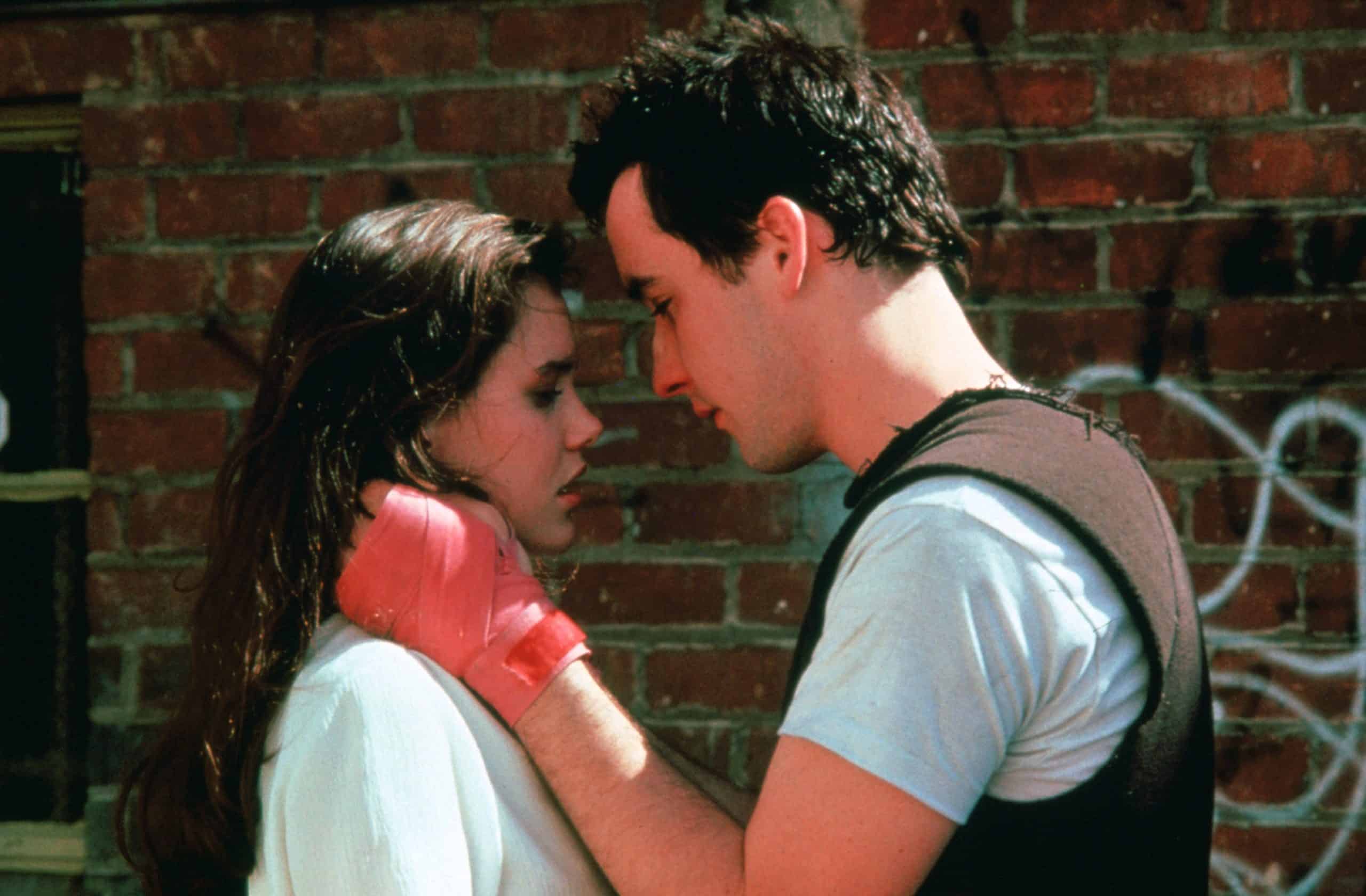
Before Cameron Crowe gave us 'Jerry Maguire' and 'Almost Famous,' he directed a romance that understood how awkward and enormous first love can feel. In 'Say Anything...,' John Cusack's Lloyd Dobler falls for Ione Skye's Diane Court, and their relationship runs straight into real-world complications. Yes, there's the famous boombox scene, but the movie works because of the little moments before and after it: the uncertainty, the humor, and the fear of getting something important wrong. Crowe has made bigger movies, but his first feature might be his sweetest and most emotionally honest.
Get Out - Jordan Peele (2017)
Jordan Peele was best known for comedy before he made 'Get Out,' a debut that proved he could make audiences laugh and squirm at the same time. Daniel Kaluuya plays Chris, a young Black man visiting his white girlfriend's family, where the smiles are just a little too fixed and every conversation seems to have something unpleasant underneath it. Peele mixes suspense, satire, and pointed observations about racism without letting the movie become a lecture. He won the Academy Award for Best Original Screenplay, then followed up with 'Us' and 'Nope.' Those have plenty of admirers, but 'Get Out' remains a tough act to follow.
Clerks - Kevin Smith (1994)
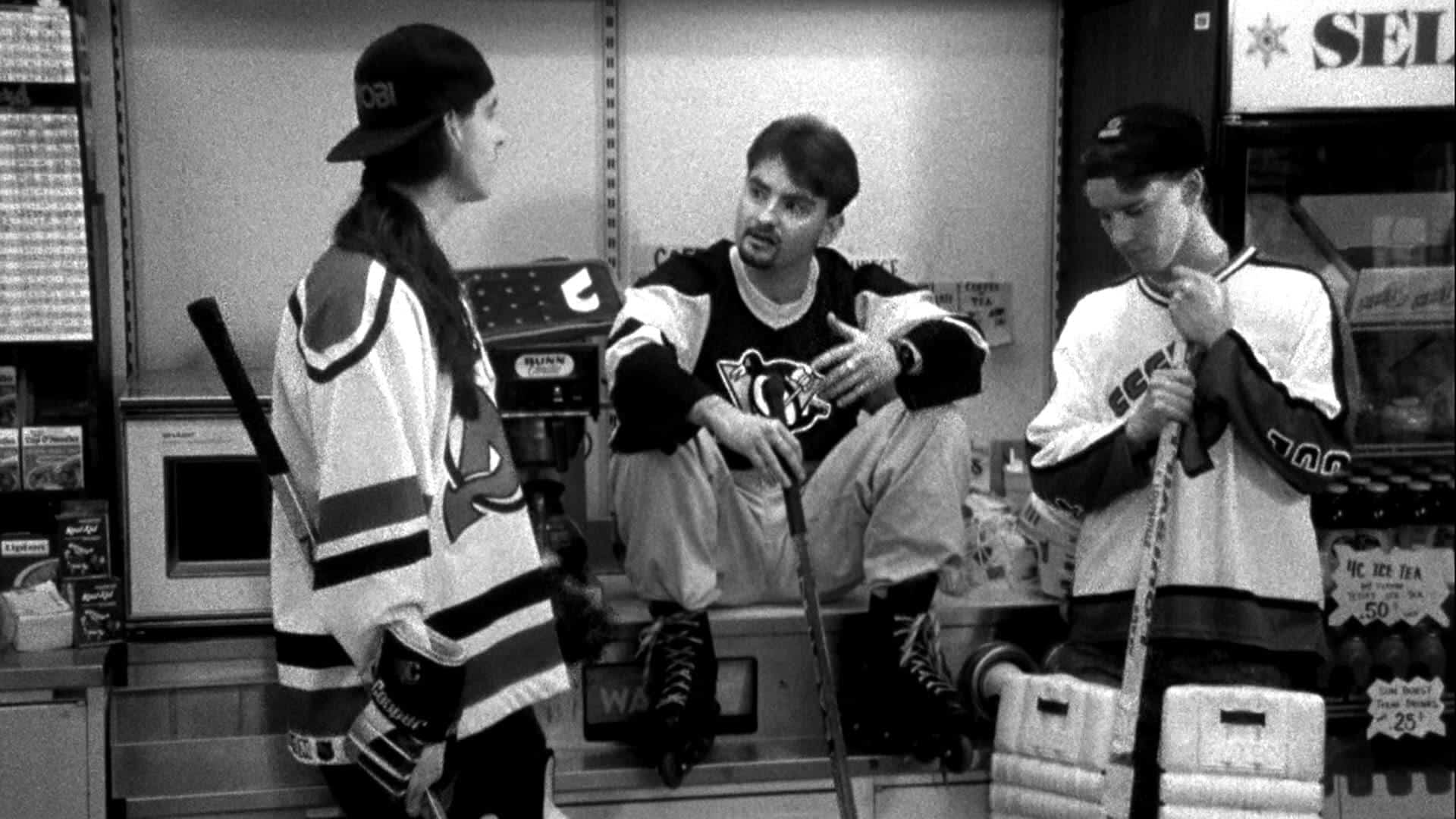
There's nothing especially glamorous about spending a day behind a convenience-store counter. That's exactly why Kevin Smith's 'Clerks' works. Shot in black and white on a tiny budget, his first feature follows Dante and Randal as they complain about work, relationships, customers, and just about everything else. The jokes are rude, the conversations wander, and somehow the whole thing feels like a recognizable slice of everyday life. Smith later made 'Chasing Amy,' 'Dogma,' and more adventures with familiar characters. But 'Clerks' has the scrappy charm of a filmmaker who had plenty to say and wasn't waiting for permission.
American Beauty - Sam Mendes (1999)
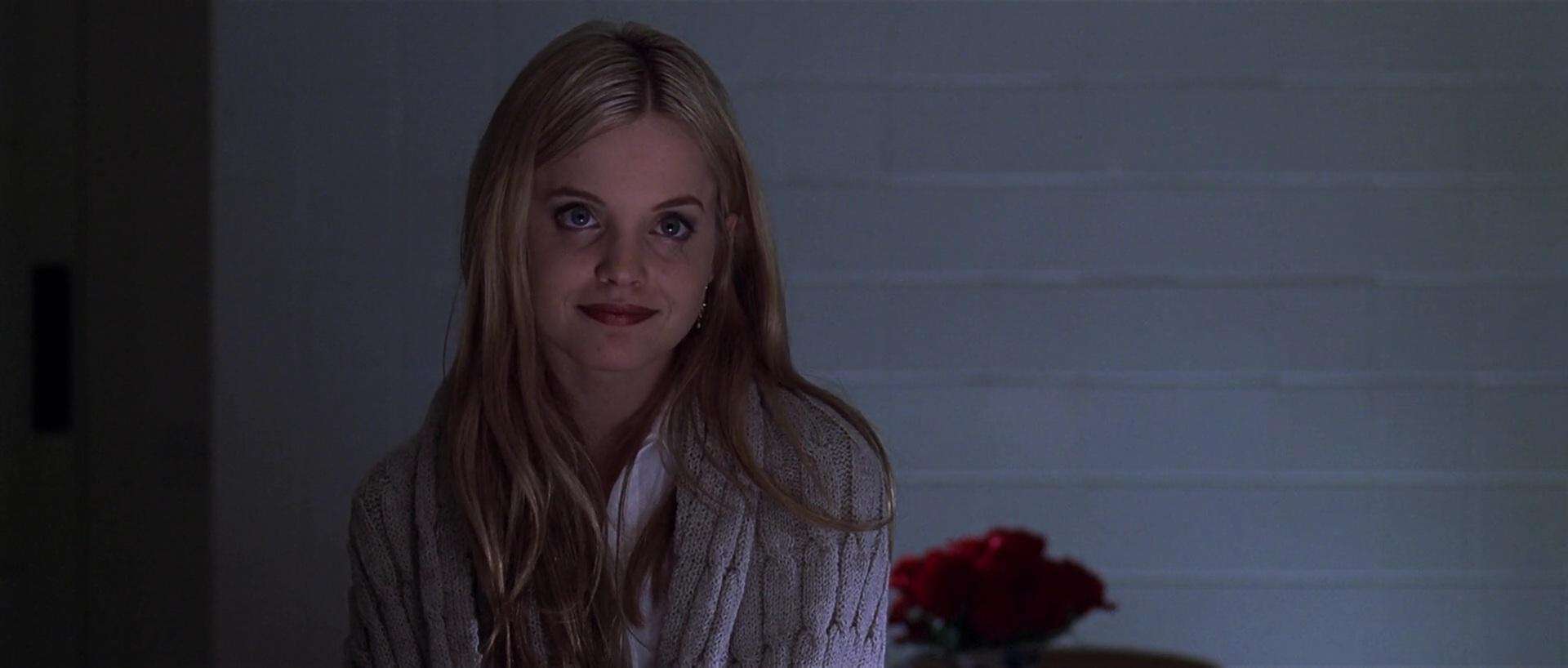
Sam Mendes came from the theater and walked straight into Oscar history with his first feature, 'American Beauty.' The dark suburban satire follows Lester Burnham, played by Kevin Spacey, as he unravels his carefully arranged middle-class life. The film won five Academy Awards, including Best Picture and Best Director. Some of its attitudes and story choices have aged less comfortably than its awards haul might suggest, and Mendes later directed formidable films such as 'Road to Perdition,' 'Skyfall,' and '1917.' Still, the debut's confidence, visual style, and willingness to make its characters deeply unpleasant remain difficult to ignore.
Boyz n the Hood - John Singleton (1991)
John Singleton didn't ease into filmmaking. With 'Boyz n the Hood,' he delivered a deeply personal story about friendship, family, and violence in South Central Los Angeles. Cuba Gooding Jr., Ice Cube, and Morris Chestnut play young men whose futures are shaped by choices they make and circumstances they didn't choose. Laurence Fishburne brings the film's moral center as a father determined to guide his son. Singleton's debut earned him two Oscar nominations. At 24, he became the youngest Best Director nominee and the first Black filmmaker nominated in that category. He made more films afterward, but this one remains his defining work.
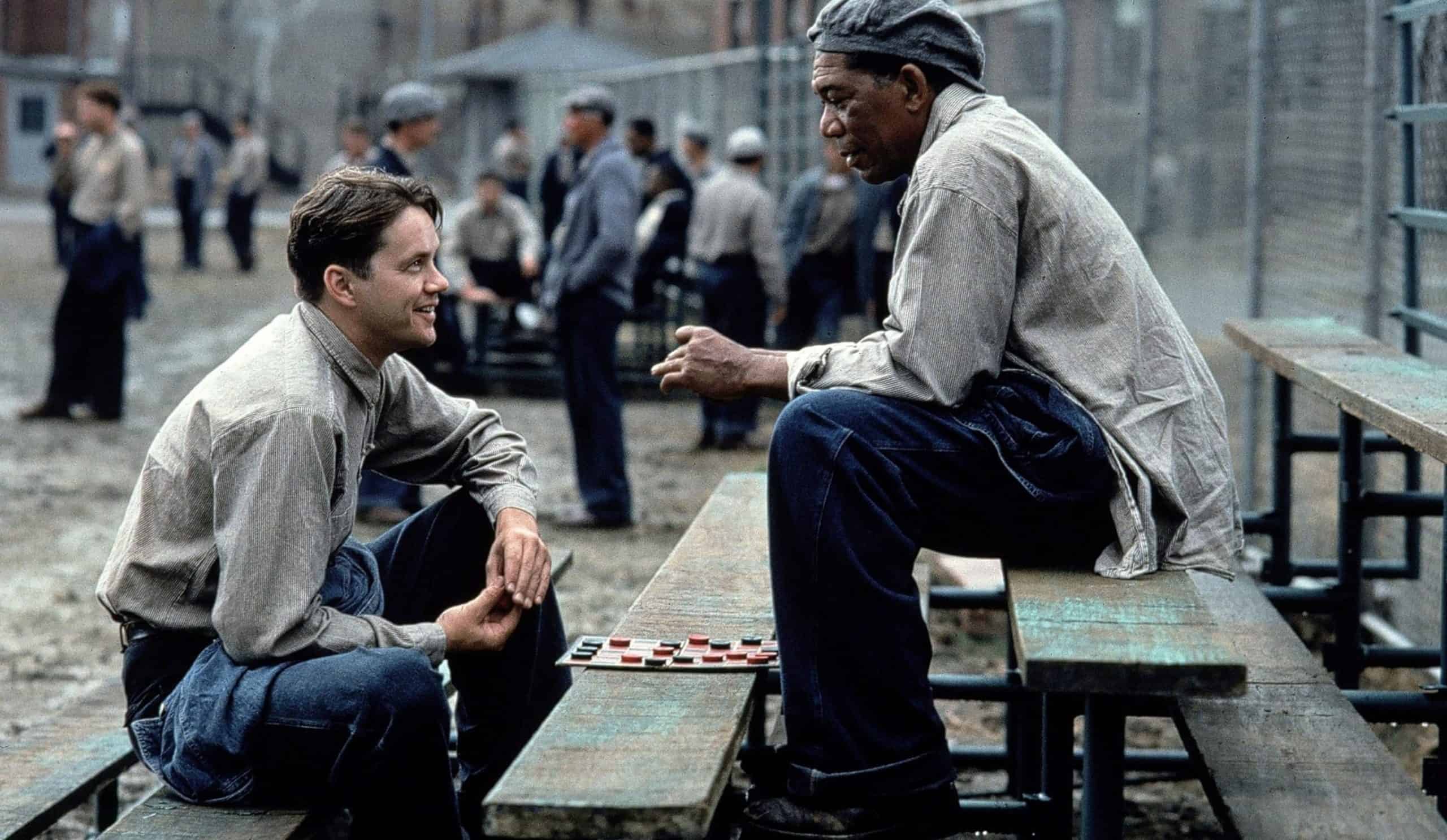
The Shawshank Redemption - Frank Darabont (1994)
Few movie friendships have stayed with audiences like Andy Dufresne and Ellis 'Red' Redding. Frank Darabont's theatrical feature debut, adapted from a Stephen King novella, follows the two men through years inside Shawshank prison, finding hope and humanity in a place built to strip both away. Tim Robbins and Morgan Freeman give the story its emotional backbone, while Darabont refuses to rush the payoff. The movie received seven Oscar nominations but won none. It later became a beloved fixture of television and home viewing. Darabont also directed 'The Green Mile' and 'The Mist,' but 'Shawshank' remains an awfully strong case for his best.
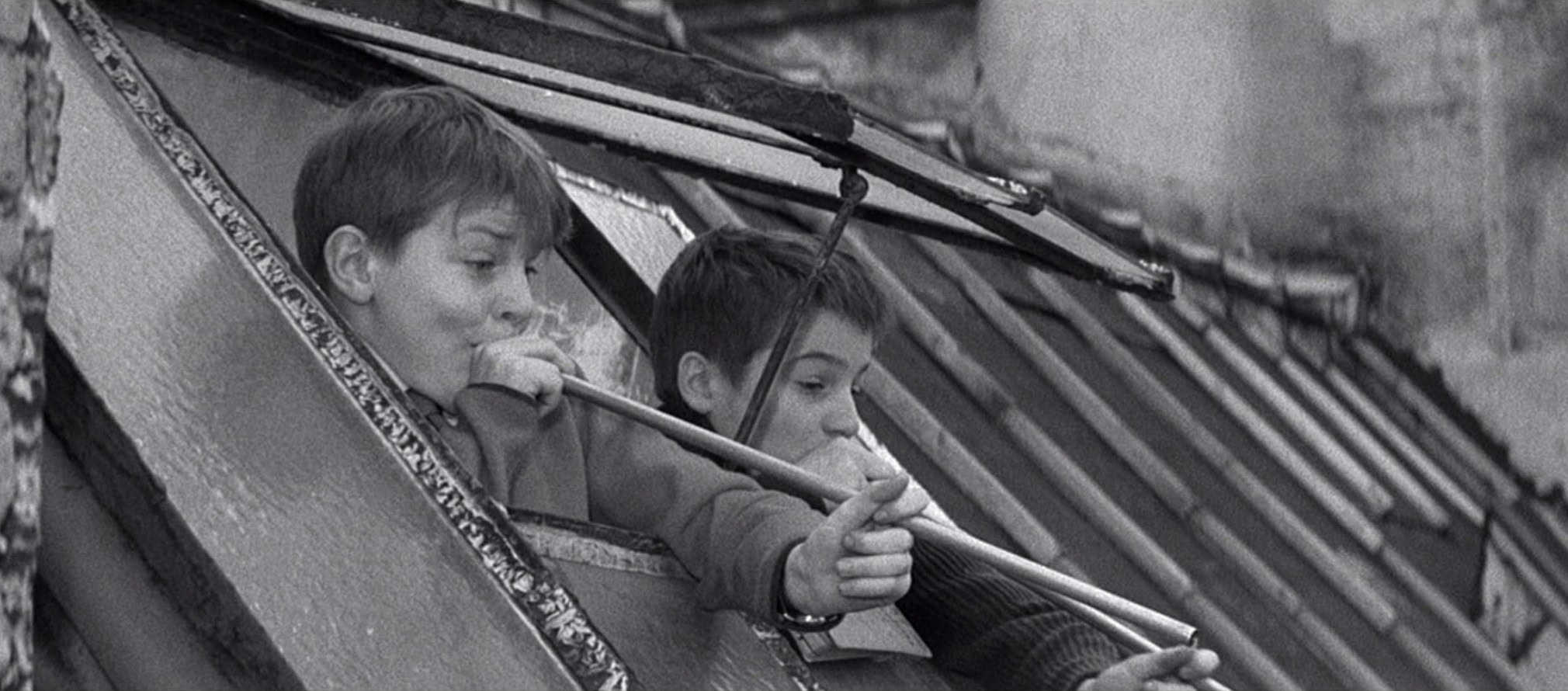
The 400 Blows - Francois Truffaut (1959)
A kid gets into trouble at school, struggles at home, and discovers that the adults around him aren't particularly interested in hearing his side. That sounds simple enough, but Francois Truffaut turned it into one of cinema's great coming-of-age stories. 'The 400 Blows' follows Antoine Doinel, played by Jean-Pierre Leaud, through a version of Paris far removed from tourist postcards. The story draws in part on Truffaut's own childhood and helped launch the French New Wave. He later made 'Jules and Jim' and other acclaimed films, but the honesty of this debut is hard to improve upon.
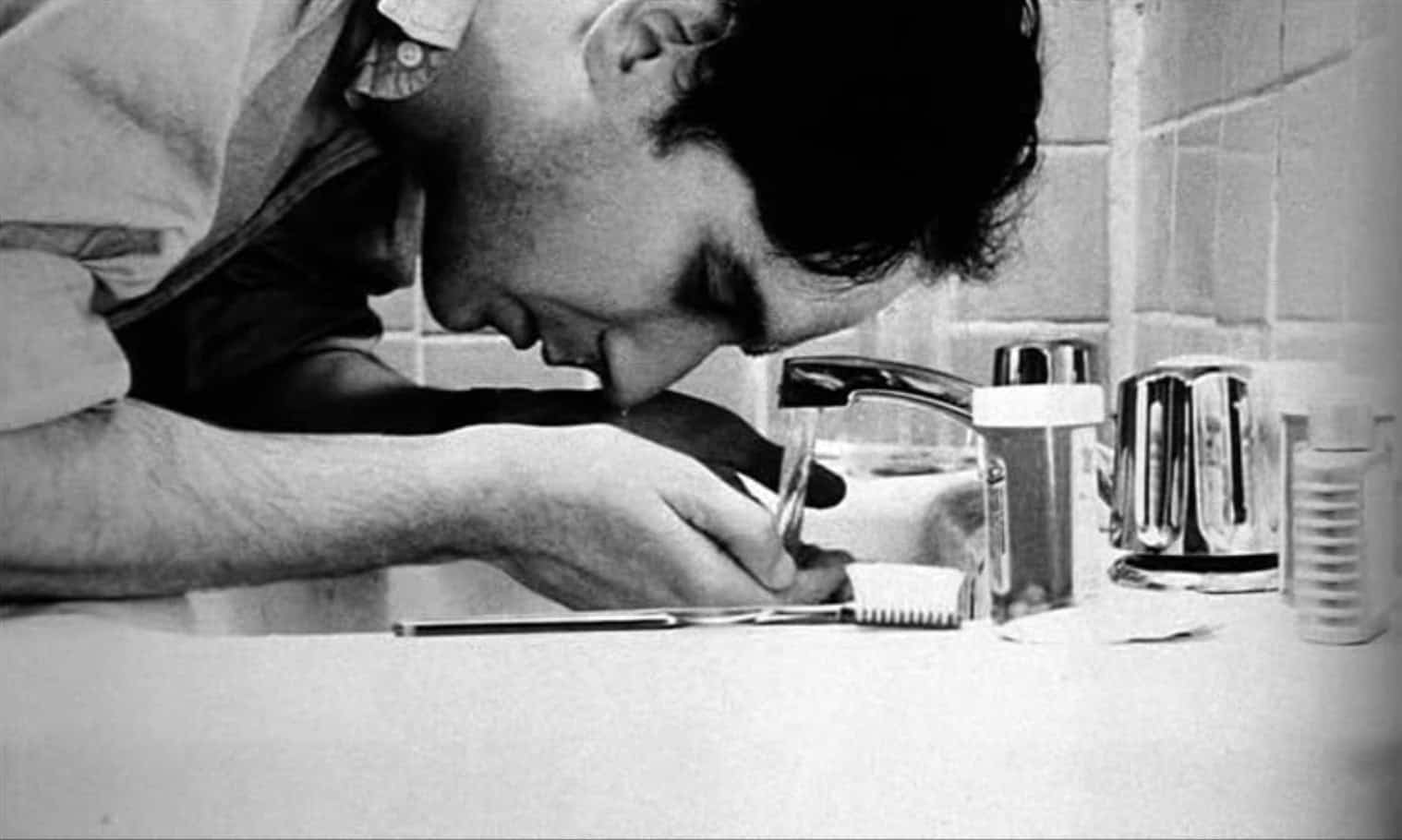
Pi - Darren Aronofsky (1998)
Most people see numbers and reach for a calculator. The mathematician at the center of Darren Aronofsky's 'Pi' sees patterns that might explain everything, and the search is tearing him apart. Shot in harsh black and white, the low-budget thriller squeezes paranoia, obsession, religion, and financial intrigue into a relentlessly uneasy experience. The jagged editing and pounding soundtrack make even a quiet room feel dangerous. Aronofsky later made 'Requiem for a Dream,' 'The Wrestler,' and 'Black Swan,' all of which have their champions. But 'Pi' already contains the restless energy that would define his career, without a wasted minute.
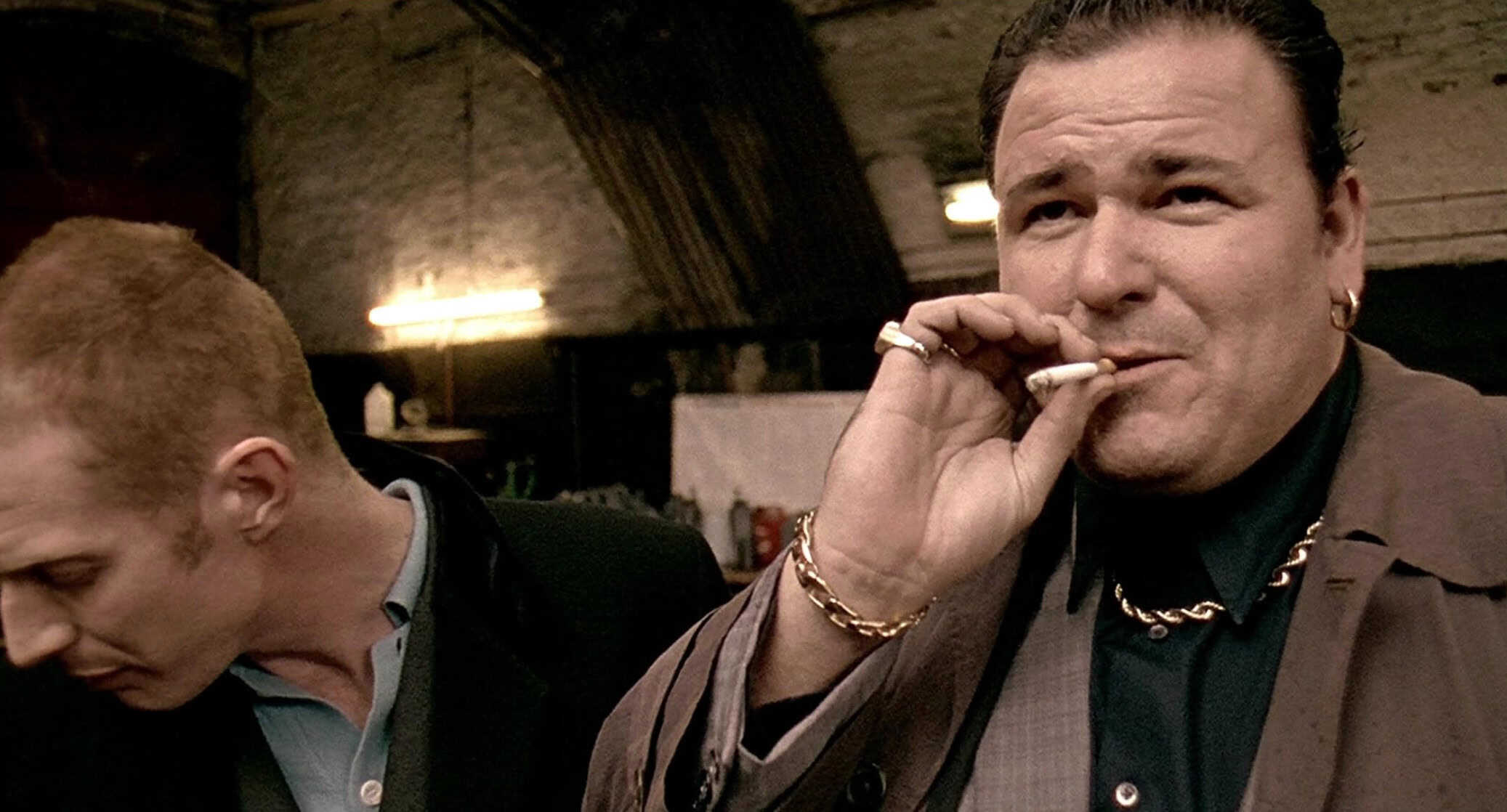
Lock, Stock and Two Smoking Barrels - Guy Ritchie (1998)
Guy Ritchie didn't invent the British crime caper, but his first feature gave it a serious jolt of caffeine. 'Lock, Stock and Two Smoking Barrels' follows a group of friends whose bad gambling decision snowballs into an increasingly ridiculous web of crooks, guns, money, and misunderstandings. The quick editing, sharp dialogue, and overlapping schemes make the chaos fun to untangle. Ritchie refined that style with 'Snatch' and later tackled everything from Sherlock Holmes to big-budget action. Still, there's something especially entertaining about the original, when the tricks felt fresh and the movie seemed delighted to be getting away with them.
The Evil Dead - Sam Raimi (1981)
Five friends, an isolated cabin, and a very bad decision involving an ancient recording. That's all Sam Raimi needed to launch one of horror's most inventive franchises. 'The Evil Dead' throws its limited budget straight onto the screen, with wild camera moves, practical effects, and a sense of escalating panic that rarely lets up. Raimi later pushed the comedy further in 'Evil Dead II' and went on to direct 'A Simple Plan' and the 'Spider-Man' films. You can make a case for several of those as his finest. But his first widely released feature has a raw, anything-goes energy that's almost impossible to manufacture.
Being John Malkovich - Spike Jonze (1999)
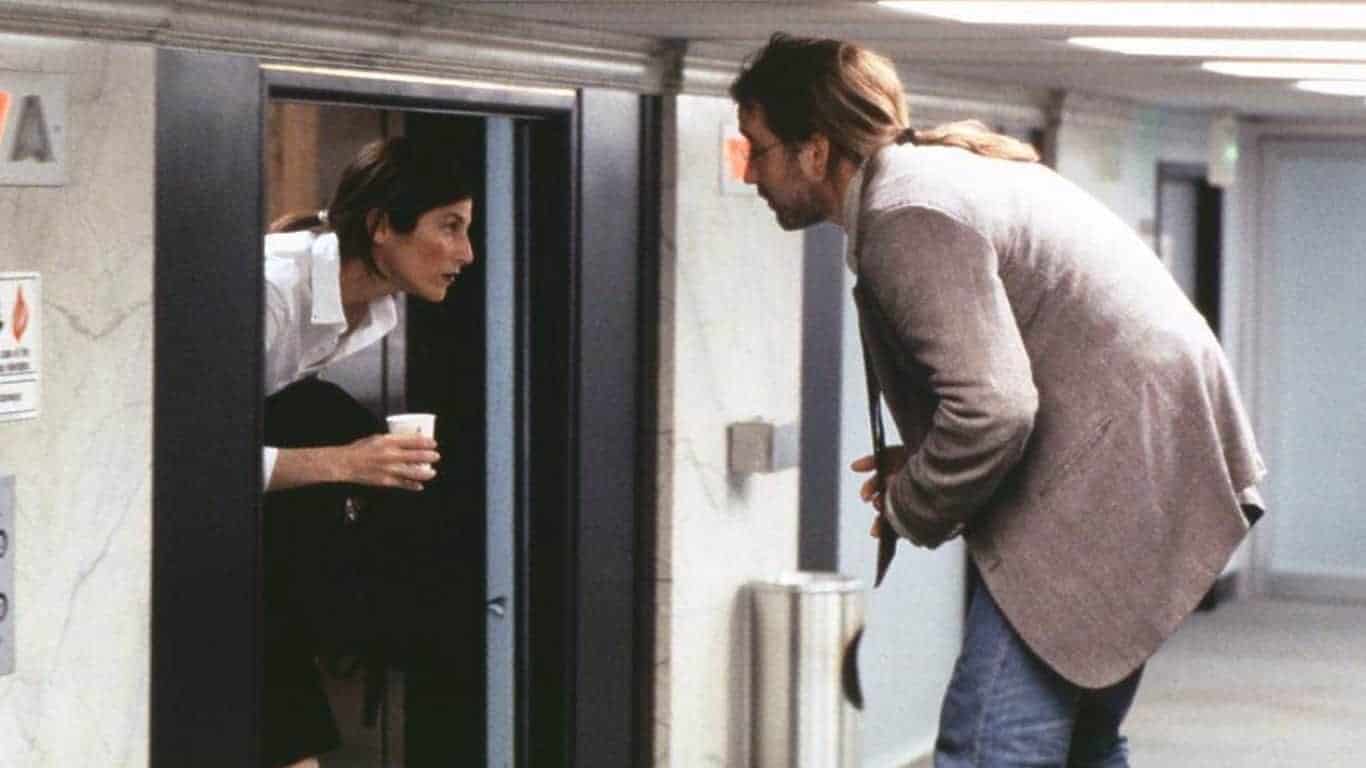
The premise sounds like a joke someone came up with at 2 a.m.: a struggling puppeteer discovers a portal that lets people spend a few minutes inside actor John Malkovich's head. Somehow, director Spike Jonze and screenwriter Charlie Kaufman turned that idea into a funny, disturbing, surprisingly thoughtful movie about identity and control. John Cusack, Cameron Diaz, and Catherine Keener commit completely to the absurdity. Jonze later directed 'Adaptation.' and 'Her,' both excellent in very different ways. But this first feature is so wonderfully strange that there's still little else quite like it.
The Lives of Others - Florian Henckel von Donnersmarck (2006)
A surveillance thriller doesn't need car chases to get under your skin. Set in East Germany in 1984, 'The Lives of Others' follows a Stasi officer monitoring a playwright and his partner, gradually confronting the human cost of the work he's been ordered to do. Ulrich Muhe's restrained performance gives the film its uneasy power, and the tension comes from watching people make choices that could ruin their lives. Florian Henckel von Donnersmarck won the Oscar for Best Foreign Language Film with this feature debut. His later films haven't displaced it in the minds of many admirers, and it's easy to see why.
Gummo - Harmony Korine (1997)
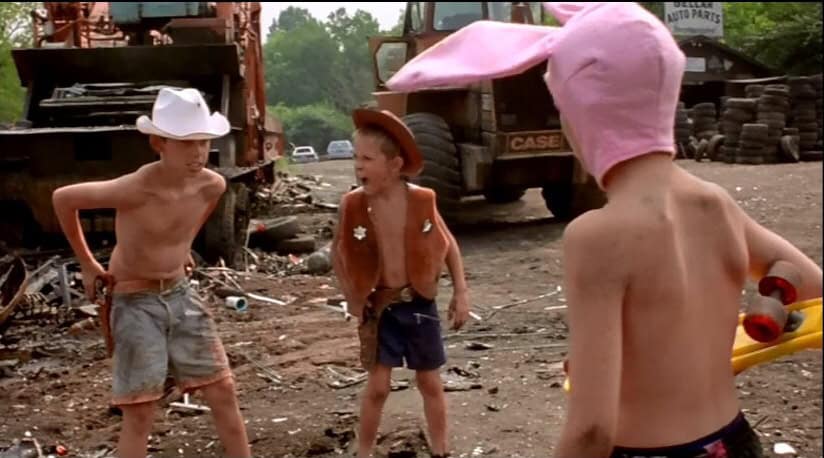
Some debuts announce a director's style immediately. 'Gummo' practically dares you to keep watching. Harmony Korine's first feature is a loose collection of unsettling, sometimes darkly funny scenes set in an Ohio town scarred by a tornado. Rather than follow one tidy plot, the film drifts among residents, odd encounters, and uncomfortable details. It's not for everyone, and it isn't trying to be. Korine later made films including 'Spring Breakers' and 'The Beach Bum,' but 'Gummo' remains a particularly uncompromising expression of his interests. Whether you love it or can't stand it, forgetting it is the harder part.