Hollywood pours billions of dollars into movies every year, yet so much of what reaches theaters feels strangely familiar. Audiences get another sequel, another reboot, or another franchise installment shaped by marketing plans and committee meetings. The budgets may be bigger, but the personality, originality, and sense of purpose often feel smaller.
Meanwhile, movies released before 1996 continue to find new audiences on streaming platforms. People still quote them at dinner tables, recommend them to friends, and stop scrolling whenever they appear. They did not need endless cinematic universes or a trail of sequels to remain relevant. They simply had memorable characters, sharp writing, confident direction, and stories worth revisiting.
These ten films are at least 30 years old, but they have aged better than many recent blockbusters. In fact, we would gladly watch any of them again before buying a ticket to most of what is playing at the multiplex in 2026.
Goodfellas (1990)
Martin Scorsese’s crime epic follows Henry Hill from wide-eyed teenager to federal informant, with a pace that modern gangster films have been copying ever since. From the narration to the wall-to-wall needle drops. Every choice is intentional. There’s no sequel being set up. No overarching multiverse either.
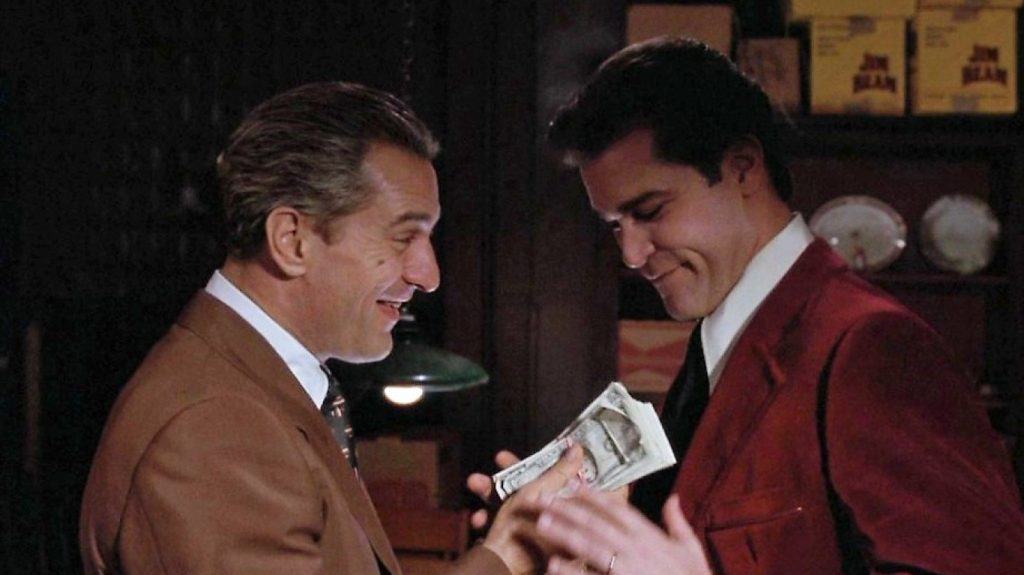
There are no cartoonish bad guys dressed in expensive suits. These are people who care about Sunday gravy and getting the right table at the right restaurant. Ray Liotta, De Niro, and Joe Pesci give three of the best performances in the American film industry. This is the benchmark studios measure against when they talk about prestige crime drama.
The Silence of the Lambs (1991)
The film took all five main Oscars, Best Picture, Director, Actor, and Actress, something that had only happened twice before in Oscar history. The movie is scary because it builds dread through character, not the jump scares and computer graphics.
Clarice Starling, portrayed by Jodie Foster, is one of the greatest heroes in screen history. Her conversations with Anthony Hopkins as Hannibal Lecter are effective because both actors are doing something real. Hopkins is more low-key than you might remember from the movies, which is what makes him scary to begin with. The modern horror tries to create this atmosphere through loud soundtracks and huge budgets. It doesn’t work.
Schindler’s List (1993)
Steven Spielberg filmed it in black and white, declined a fee for his work as a director, and stated in later interviews that he could not bear to watch it for many years following its completion. This movie depicts Oskar Schindler, a German industrialist who used his factory connections to protect more than a thousand Jewish workers from Nazi death camps during World War II.
The thing about this movie that sets it apart from contemporary prestige movies is the fact that this movie does not have to tell you how to understand the movie. It relies on the viewer’s own emotions, rather than the score telling you what you should feel every thirty seconds. Modern awards-season films dream of having this kind of impact.
Jurassic Park (1993)
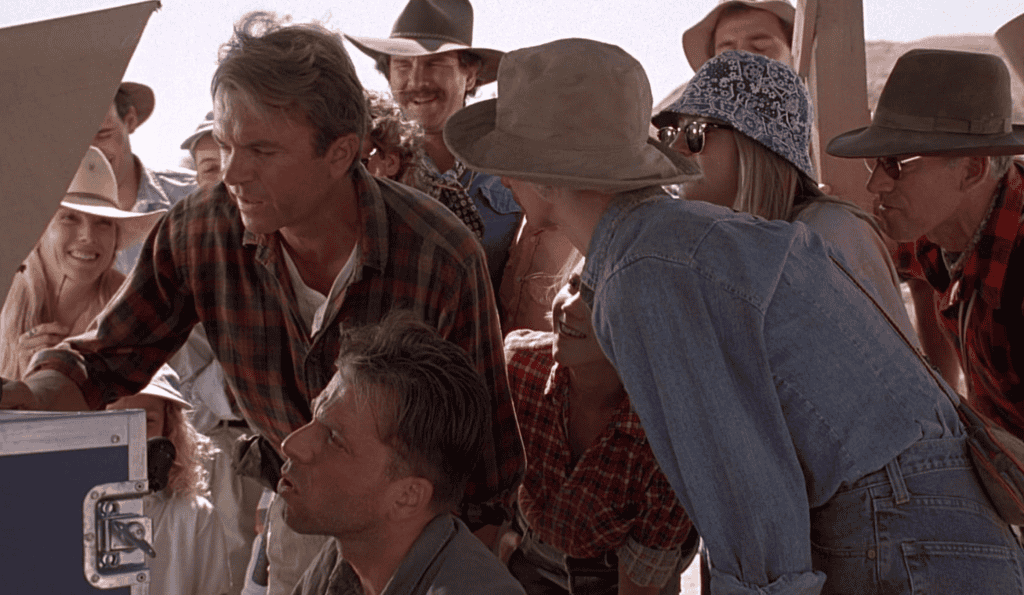
Now for the bit that still surprises people: there’s only about fifteen minutes of dinosaur footage in the film. Spielberg combined practical animatronic creatures with early computer-generated imagery in a manner that still beats most full-CGI blockbuster films produced thirty years later.
The dinosaurs in the film appear more realistic compared to the video-game quality of creatures in so many modern films. It all comes down to weight and shadows. ILM ensured that the creatures cast real shadows and displaced real water.
The plot follows a tighter arc than most summer blockbusters today. There’s an introduction, there’s danger, there’s a resolution, and no post-credits scene.
Groundhog Day (1993)
Bill Murray plays a self-absorbed weatherman who gets stuck in an endless cycle of the same day in Punxsutawney, Pennsylvania. That is all there is to the story. There are no villains. No action set-piece. No final act reversal that invalidates everything previously established. The film’s confidence in its own idea is remarkable, especially by today’s standards.
Such a straightforward notion would be developed into a franchise nowadays. The streaming series would have to take the first few episodes to build its lore around the time loop. But Groundhog Day simply tells its story while hitting its emotional beats.
The Shawshank Redemption (1994)
In 1994, Shawshank was deemed a flop, making just $16 million off a $25 million budget before leaving theaters. And then came the seven Oscar nominations, cable, home video, and an odd phenomenon: people continued to watch the movie and share it with other people. Soon enough, in the early 2000s, it climbed to the top of IMDb’s user ratings and remains there to this very day.
Tim Robbins plays a banker who is convicted of a murder that he didn’t commit. His friend on the inside is Morgan Freeman’s lifer. Both deliver performances that feel all too real. The Shawshank Redemption proves that when a movie is truly good, audiences find it long after the algorithm moves on.
Pulp Fiction (1994)
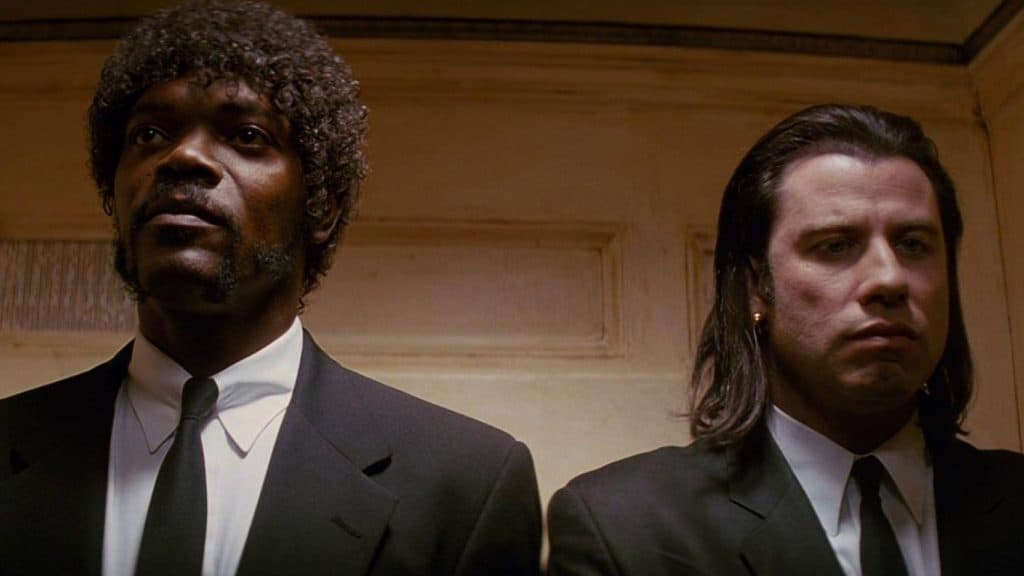
Tarantino’s second movie came out in 1994 and instantly changed what studio executives thought audiences would sit through. No linearity, lengthy dialogue sequences not at all related to the story, and an ensemble of character actors giving career-best performances. They never greenlit this movie thinking it would turn out the way it did.
One wonders if a movie like this can be produced in today’s market. Pulp Fiction is the product of a studio briefly letting the filmmaker do exactly what he wanted to do.
Se7en (1995)
David Fincher’s thriller saw two detectives chasing after a serial killer who had modeled his murders after the seven deadly sins. There isn’t a single place in the movie that hasn’t been filmed to look as though it is decaying from within.
Modern thrillers try to copy the style of Se7en and fail because they confuse style with technique. Fincher created tension through pacing. That’s not style. The final act has become one of the most discussed moments of the decade because Fincher refused to give the audience what it expected. Although we all know, a part of us still thinks about it: What’s in the box?
Heat (1995)
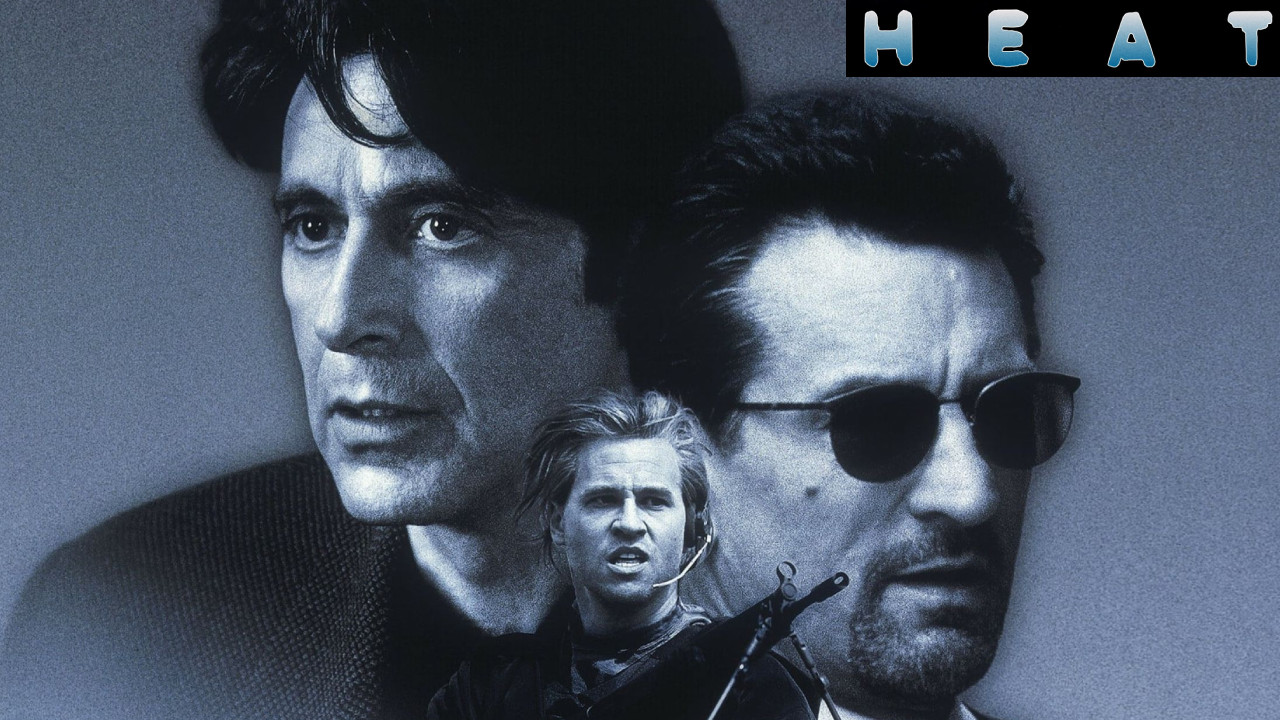
Michael Mann’s crime film put Al Pacino and Robert De Niro on screen together for the first time, and treats that as significant as it is. The coffee shop scene between the two men, a detective and the criminal he’s been hunting, runs about five minutes and contains no action at all. Just conversation. It’s one of the best scenes of the decade.
Heat is a nearly three-hour-long movie that earns its respect by treating both sides of its conflict with equal seriousness. That kind of adult crime drama, mid-budget and focused on the characters instead of pure spectacle, is almost entirely gone from theaters now.
Braveheart (1995)
The historical epic made by Mel Gibson on the life of William Wallace, which garnered five Oscars including the Best Picture award, features some of the most viscerally effective battle sequences ever filmed. The magnitude of such battles has come through location shooting and thousands of extras, not green screen.
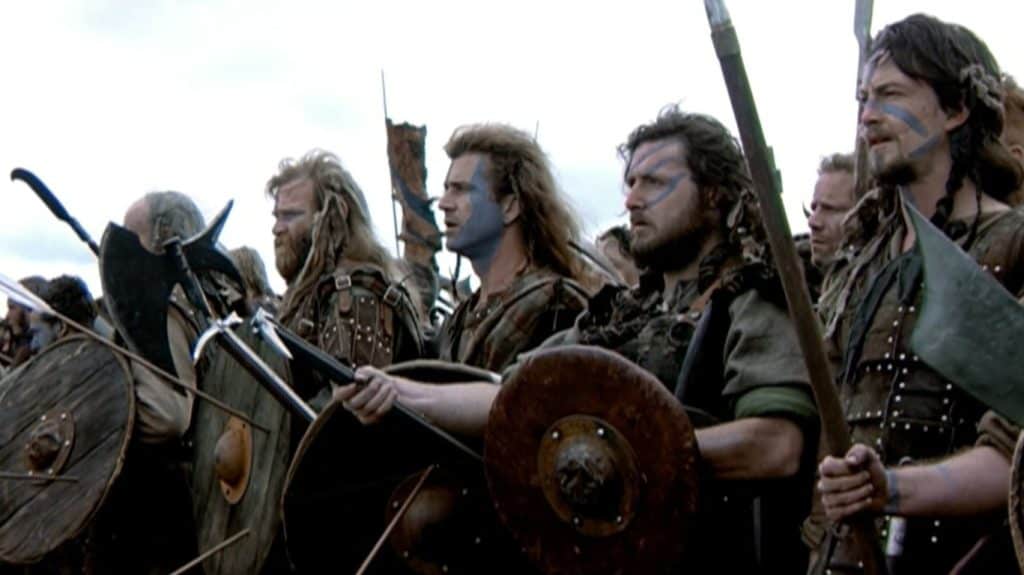
What makes this work even beyond the spectacular action scenes is how the director is patient with the first act of the movie. Gibson dedicates almost an hour to setting up the life and losses of Wallace before he goes into the war. Modern-day epics very rarely give themselves that luxury. By the time the fighting starts, you have a reason to care, which is why the battle scenes land so hard. It’s a structural choice that seems obvious in retrospect and that almost nobody is making anymore.