
Andrew Clemente
artisteer/iStock via Getty Images
Upyanose/iStock via Getty Images

Ed-Ni-Photo/iStock via Getty Images

Y-Osawa/iStock via Getty Images
HoaiPT/iStock via Getty Images
DeluXe-PiX/iStock via Getty Images
artisteer/iStock via Getty Images

carlosrojas20/iStock via Getty Images
Zeferli/iStock via Getty Images
tab1962/iStock via Getty Images
kynny/iStock via Getty Images











11 Countries That Produce the Most Beer in the World
Beer may be simple at its core, but the scale at which some countries produce it is anything but small. From massive lager operations in China and the United States to centuries-old brewing traditions across Europe, billions of gallons of beer flow out of breweries around the world every year.
According to the latest BarthHaas Report, global breweries produced about 1.896 billion hectoliters of beer in 2025. One hectoliter equals 100 liters, so we're talking about an almost ridiculous amount of beer. Worldwide output actually slipped 0.7% from the previous year, but some major brewing countries continued to grow.
This ranking is based on production, not how much beer people drink per person. Using the latest 2025 figures, these are the 11 countries brewing more beer than anywhere else.
11. South Africa: 38 Million Hectoliters
South Africa just misses the global top 10, but it comfortably leads Africa in beer production. The country produced about 38 million hectoliters in 2025, an increase of 2.7% from the previous year. Africa was also the only continent where overall beer production increased significantly during the year. South Africa has a long commercial brewing tradition, and South African Breweries traces its roots to 1895 and the launch of Castle Lager in Johannesburg. More than 130 years later, the country remains by far Africa's biggest beer producer.
10. United Kingdom: 38.9 Million Hectoliters
The pub is practically a British institution, so seeing the United Kingdom among the world's largest beer producers should not come as much of a surprise. British brewing helped popularize styles including pale ale, porter, stout, and bitter, while traditional cask ale remains a distinctive part of the country's beer culture. The U.K. produced about 38.9 million hectoliters in 2025, enough to hold the final spot in the world's top 10. It is a mature beer market, but centuries of brewing history have clearly not disappeared.
9. Spain: 41.1 Million Hectoliters
Wine may get more international attention, but Spain is also a serious beer-producing country. Its breweries produced about 41.1 million hectoliters in 2025, making Spain the second-largest producer in the European Union behind Germany. Familiar Spanish brands include Mahou, Estrella Galicia, Cruzcampo, and San Miguel. Beer also fits naturally into the country's bar and tapas culture, where a small cold glass can be as common a sight as a bottle of wine.
8. Japan: 43.2 Million Hectoliters
Sake may be Japan's most internationally famous alcoholic drink, but the country also has a major modern beer industry. Commercial brewing began taking shape during the 19th century, with the government-backed Kaitakushi Beer Brewery opening in Sapporo in 1876. Today, names such as Asahi, Kirin, Sapporo, and Suntory are recognized far beyond Japan. The country produced about 43.2 million hectoliters of beer in 2025, although output fell by more than one million hectoliters from the year before.
7. Vietnam: 43.5 Million Hectoliters
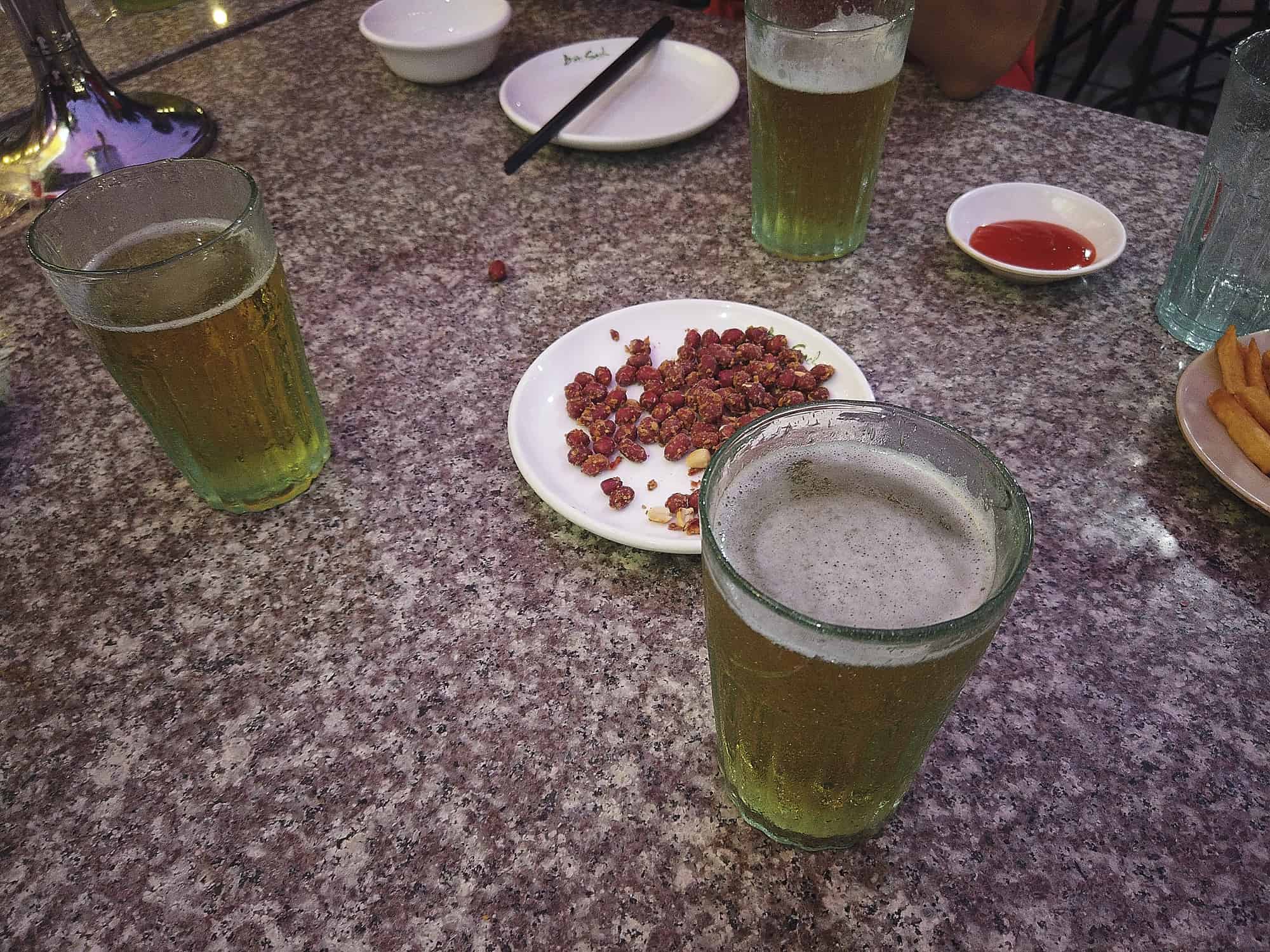
Vietnam narrowly produced more beer than Japan in 2025, finishing seventh worldwide at about 43.5 million hectoliters. The country's modern brewing industry developed under French colonial influence, but Vietnam has long since built a beer culture of its own. Major names include Bia Saigon and Bia Hanoi, while fresh, inexpensive bia hơi remains a familiar sight at casual drinking spots, particularly in northern Vietnam. Production declined from the previous year, but the country's sheer output still puts it comfortably among the world's brewing heavyweights.
6. Germany: 79.2 Million Hectoliters
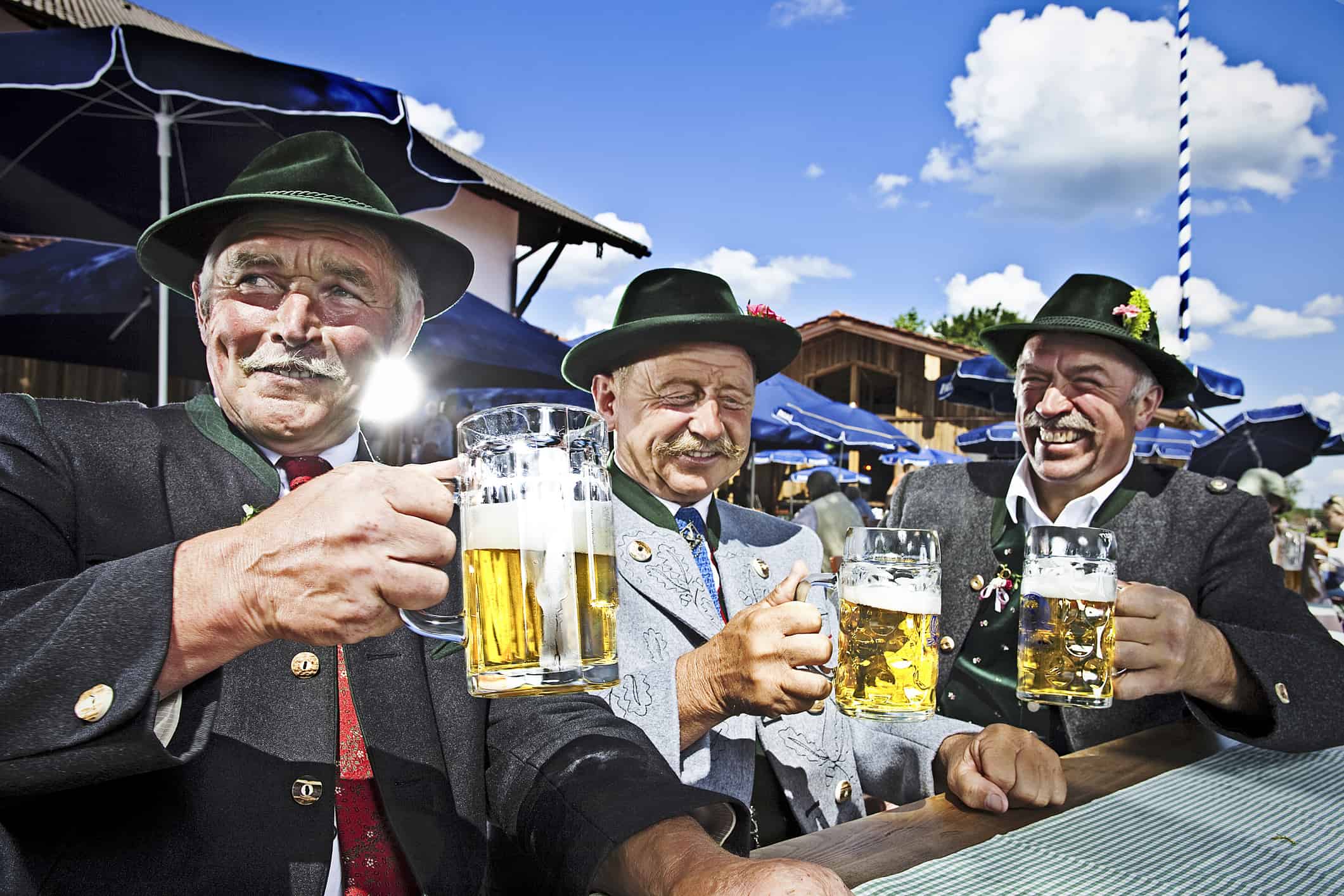
Germany and beer have been linked for centuries, from regional breweries and beer gardens to Oktoberfest. The country's famous 1516 Bavarian brewing ordinance, commonly known as the Reinheitsgebot, specified barley, hops, and water as the ingredients to be used in beer. Germany remains Europe's second-largest producer behind Russia, but 2025 was a rough year for the industry. Output fell 5.6% to about 79.2 million hectoliters, dropping below 80 million for the first time in the modern BarthHaas data series.
5. Russia: 90.1 Million Hectoliters
Russia may be more closely associated internationally with vodka, but its beer industry operates on an enormous scale. Breweries produced about 90.1 million hectoliters in 2025, keeping Russia fifth in the world and ahead of every other European country. Baltika remains one of the country's best-known brewing names. The Russian brewing business has undergone significant ownership changes in recent years, but production remains high enough that there is a considerable gap between Russia and sixth-place Germany.
4. Mexico: 147.9 Million Hectoliters
Mexican beer has become a global business, with brands including Corona, Modelo, Pacifico, and Tecate familiar to drinkers around the world. Domestic production reached roughly 147.9 million hectoliters in 2025, up about 2% from the previous year. That left Mexico just a few million hectoliters behind third-place Brazil. The country's brewing tradition has European roots, but Mexican lagers have developed an identity of their own and now make up one of the most internationally recognizable parts of the country's beverage industry.
3. Brazil: 151.1 Million Hectoliters
Brazil holds onto third place, producing roughly 151.1 million hectoliters of beer in 2025. That was a 2.5% increase from the year before, bucking the slight decline in global production. The country's commercial beer industry expanded rapidly during the 19th century, and familiar names including Brahma and Antarctica date back to that era. Light, cold lagers remain a major part of modern Brazilian beer culture, which makes plenty of sense in a country where warm weather and outdoor socializing are part of everyday life in many regions.
2. United States: 174.9 Million Hectoliters
The United States has everything from enormous national brewing companies to thousands of smaller independent breweries producing just about every style imaginable. That variety adds up to a staggering amount of beer. U.S. breweries produced approximately 174.9 million hectoliters in 2025, second only to China. That number actually represents a sizable decline, with production falling 5.2% from the previous year. Even after that drop, the U.S. still brewed nearly 24 million hectoliters more than third-place Brazil.
1. China: 353.6 Million Hectoliters
No country comes particularly close to China. Its breweries produced about 353.6 million hectoliters of beer in 2025, accounting for 18.7% of worldwide production. That means China brewed slightly more than twice as much beer as the United States. Major brands include Snow and Tsingtao, while the sheer size of the domestic market helps explain the country's commanding lead. Chinese production slipped slightly from the previous year, but with a gap of nearly 179 million hectoliters between first and second place, China remains in a league of its own.