It’s allergy season, but 2025 is also a year for the common cold. Cold and flus are at an all-time high, making it difficult to discern what your symptoms are trying to tell you. If you’re reaching for the tissues every minute these days, this article’s for you.
While one of these culprits is produced by a viral infection, the other is a response to allergens. One takes a while to fully develop while the other shows up uninvited at the first sniff of pollen. Luckily, you have treatment options for both so you don’t have to suffer through them. But they still linger, depending on the presence of allergens or how long it takes your body to fight off an infection.
In both cases, your body is put through the ringer. However, understanding the differences between seasonal allergies and the common cold can help you find the remedy that takes you from exhausted to functional. While a common cold requires your patience for only a couple of days, seasonal allergies may require your patience for months on end.
To put this list together of the differences between seasonal allergies and a cold, 247 Tempo reviewed a few sources, including Healthline and WebMD, which touch on the symptoms of each condition, highlighting their differences.
This post was updated May 27, 2025 to reflect additional information.
Difference 1.: The Onset

When it comes to the onset of seasonal allergies, the triggers are the allergens you’re exposed to. For example, once spring rolls around and pollen is in the air, seasonal allergies kick up immediately. There is no latency.
Difference 1.: The Onset

With a common cold, the onset is a bit different. You may be exposed to a virus from another person but you won’t feel the effects of the common cold right away. It’s not like you start sneezing once you’re exposed to a virus. Instead, the common cold develops kind of slowly over the course of a few days.
Difference 2.: The Duration

Seasonal allergies last for as long as you are exposed to the allergens. This is why many people refer to spring and summer as allergy seasons. Many people are allergic to pollen. However, you may be allergic to other allergens that cause allergy flare-ups. These allergy symptoms persist until the allergen is no longer present.
Difference 2.: The Duration
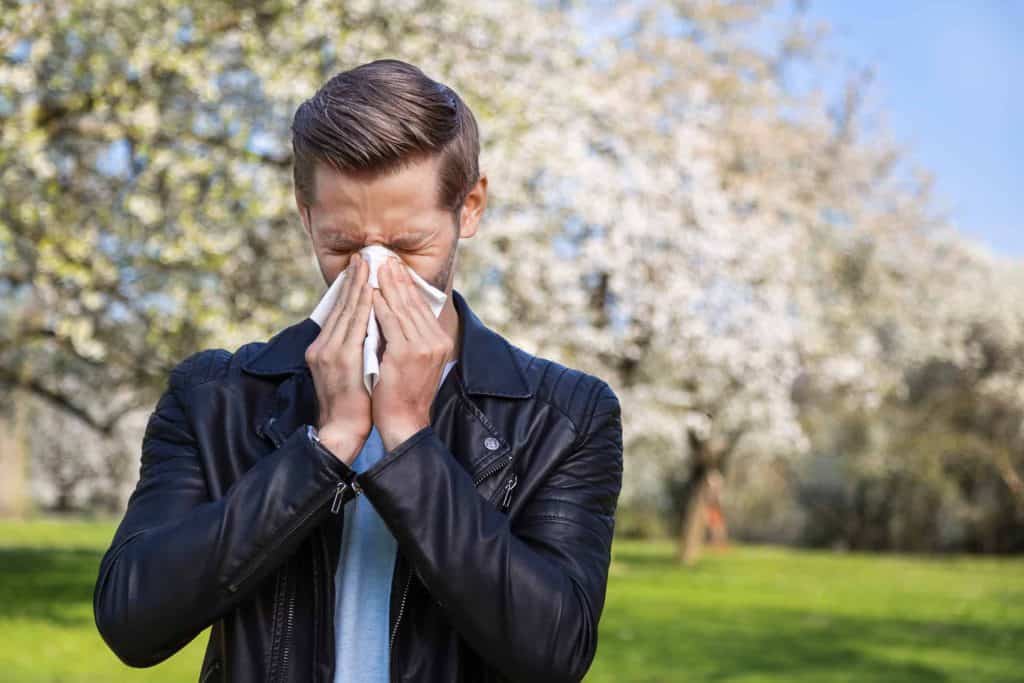
With the common cold, there is an end date. Typically, a regular cold lasts for up to 10 days. During this period, you experience several symptoms, including sneezing, but they resolve after your body has had a chance to fight back against the virus.
Difference 3.: Fever Presence

When you are experiencing the symptoms of seasonal allergies, you know that a fever isn’t one of them. You might feel uncomfortable, sneeze a lot, and feel fatigued, but your body isn’t fighting an infection. Therefore, there is no fever present with seasonal allergies.
Difference 3.: Fever Presence

With a common cold, on the other hand, there is a viral infection that your body is fighting against. One of the methods by which your body fights infection is by producing a fever. Typically, this is just a mild fever during the common cold that subsides rather quickly.
Difference 4.: Potential Causes

Allergies aren’t caused by a virus and instead are triggered by certain allergens. For some people, it’s pollen. For others, it might be pet dander. The presence of mold or dust can also trigger allergies. While some people are only allergic to a specific allergen, others are allergic to several different allergens that can kick off allergy symptoms.
Difference 4.: Potential Causes

Neither pet dander nor pollen causes the common cold. The common cold isn’t caused only by one virus. According to the Centers for Disease Control and Prevention, “The common cold can be caused by a number of different viruses, including rhinoviruses, para influenza, and seasonal coronaviruses.”
Difference 5.: Nasal Discharge

For seasonal allergies, there may be some nasal discharge (especially when you’re sneezing a lot). This nasal discharge tends to be clear and extremely watery. In some cases, you may not have a fair warning before it starts clearing out of your nose.
Difference 5.: Nasal Discharge

With a common cold, there is also nasal discharge but it’s a little bit different in color and consistency. Although it might start off on the clearer side, as your cold progresses, you may notice that the nasal discharge has a thicker consistency and changes color. It ends up more of a yellow or green-tinted goop.
Difference 6.: The Type of Cough

Another difference between allergies and the common cold is the type of cough you experience. Since you’re dealing with post-nasal drip, you’re likely to develop more of a dry cough.
Difference 6.: The Type of Cough

However, if you have a cold, your cough isn’t dry. It tends to be more of a wet cough because you’re also producing phlegm. When this occurs, it’s important to clear it all out as it comes. Since coughing can be persistent during a common cold, you may also experience sleep disturbances. Ultimately, medication and cough drops can help to alleviate this discomfort until it eventually subsides.
Difference 7.: The Itching Symptoms

With seasonal allergies, there are a host of symptoms, including itchiness. This itchiness can present in the eyes, nose, and throat areas. With this constant feeling, you may find yourself needing extra tissues or extra meds to combat the discomfort.
Difference 7.: The Itching Symptoms

When you have the common cold, you’re not dealing with itching. It’s simply not a symptom of a viral infection. Although you don’t experience the itchy feeling, you may experience watery eyes, which also call for extra tissues.
Difference 8.: Sneezing Frequency

With both allergies and the common cold, you’re likely to experience sneezing. However, when you are dealing with allergies, the sneezing is so frequent that it leads to fatigue. You may find yourself feeling completely exhausted after sneezing so many times in a row.
Difference 8.: Sneezing Frequency

When you have the common cold, sneezing is not nearly as frequent as when you have allergies. However, because you are producing nasal discharge and you have phlegm, the experience of sneezing may feel more severe. Plus, you may also have a headache, which only exacerbates the discomfort.
Difference 9.: The Expected Symptoms

With seasonal allergies, you have several symptoms to expect. Along with an itchy nose, throat, and eyes, your eyes may also get red and watery. Fatigue usually comes as a result of all the sneezing and you might experience a mild sore throat. When you have allergies, you don’t typically deal with body aches or fever and your lymph nodes don’t get swollen.
Difference 9.: The Expected Symptoms

With a common cold, you have other symptoms that go beyond the symptoms related to allergies. Although you don’t experience itchiness, it is common for people to experience fatigue during the days they’re under the weather. You’re more likely to experience a sore throat as well as body aches.
When you’re sick, you may also notice that your lymph nodes get swollen right around the neck area. You can also expect to produce both nasal discharge and phlegm while your body recovers. Coughing may be the last symptom to subside about a week after the initial cold.
Difference 10.: The Type of Treatment

Seasonal allergies respond to several treatment options. Some people rely on over-the-counter antihistamines but others may seek out a more semi-permanent route like allergy injections.
Difference 10.: The Type of Treatment

With a common cold, you can also access over-the-counter medications like pain relievers and decongestants to help alleviate the discomfort you feel. Ultimately, however. you have to ride out the common cold and let your body do what it does best — get you back into a healthy state.