The villains we loved to hate and the heroes we rooted for on Saturday morning cartoons were all voiced by people we had seen before somewhere else, and we never even knew it. A sitcom dad. A rock legend. A filmmaker who made some of the most serious art of the 20th century.
They were not characters that you would think would be in the credits of any Saturday morning cartoon. In almost every instance, we would never even see these people in the credits because the credits rolled too quickly for us. The next episode was already starting, and we were already on our second bowl of cereal. Some of these pairings are so unlikely that they still feel like some inside joke when you first hear them, but every one is real.
Jaleel White Voiced Sonic the Hedgehog
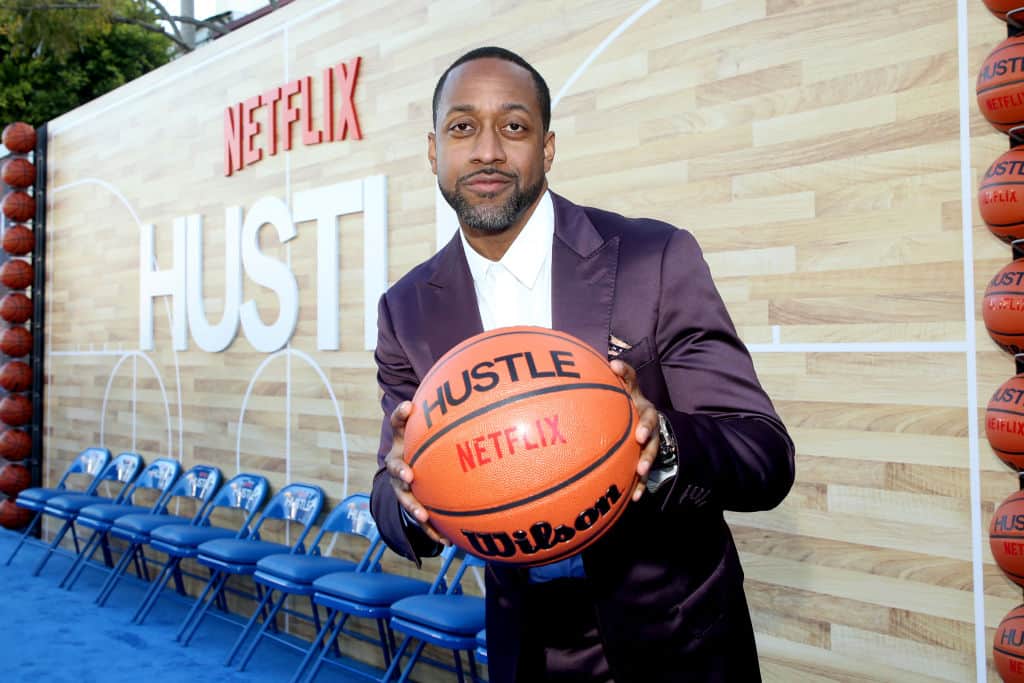
Most people recognize Jaleel White as Steve Urkel, the clumsy neighbor who was almost always at home on the set of Family Matters between 1989 and 1998. Most viewers may not be aware of the fact that during some of this time, White had a second job nobody knew about.
When he was just 16, he voiced two separate Sonic cartoons in the same year: the ABC Saturday morning series Sonic the Hedgehog, and the syndicated Adventures of Sonic the Hedgehog, both debuting in 1993. He did so again in 1999 when Sonic the Hedgehog featured in another cartoon series called Sonic Underground.
The casting feels odd because Urkel was a clumsy boy who was always sincere and talked with a nasally voice, while Sonic was the cool guy with an attitude of sarcasm who never stood in one place for too long. This attitude was successfully portrayed by White, who managed to hide from a whole generation of kids that the same kid from TGIF was behind the voice.
James Avery Voiced Shredder in Teenage Mutant Ninja Turtles
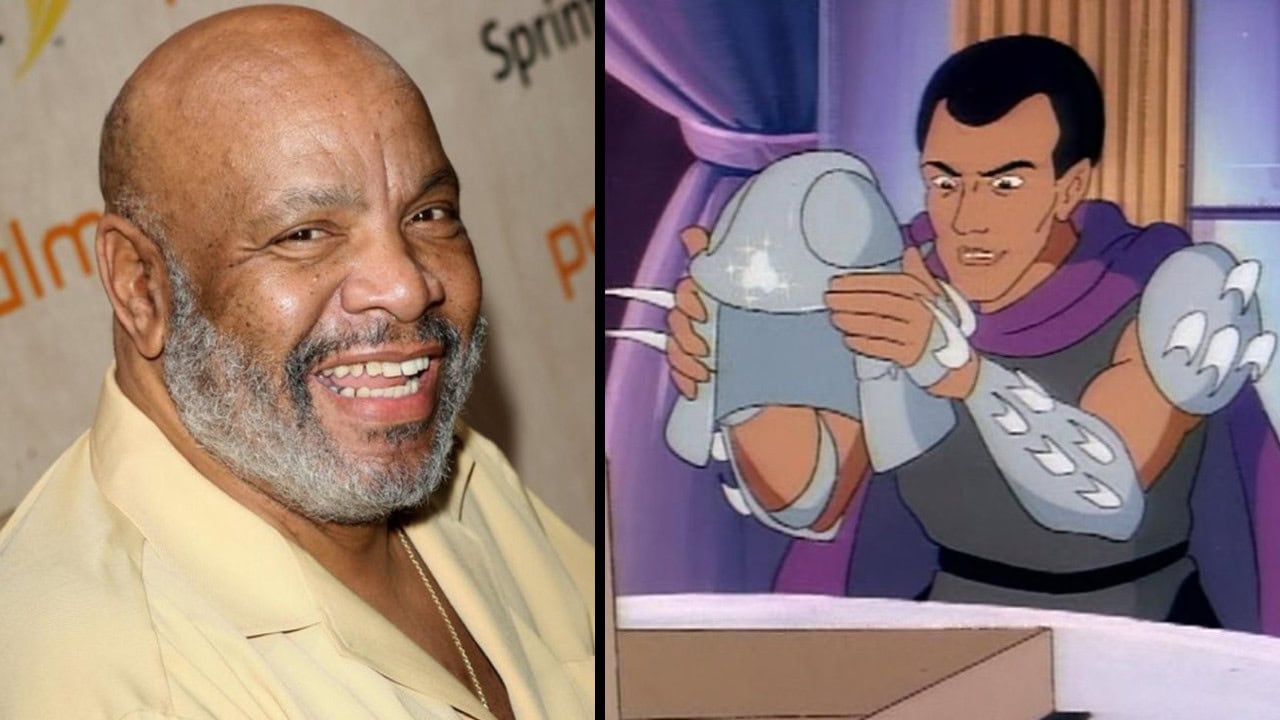
If you watched The Fresh Prince of Bel-Air growing up, you know him as Uncle Phil, who could always be counted on to bring the entire household back into harmony with his warm, booming voice. What you didn’t know was that he was using his time away from work to give voice to one of the most iconic villains in cartoon history.
Avery voiced the character of Shredder from 1987 through 1994 in the first seven seasons of Teenage Mutant Ninja Turtles, appearing in 125 episodes. Uncle Phil would lecture Will Smith about personal responsibility. Shredder would lecture Bebop and Rocksteady about yet another failure to kill off four teenage turtles living in a sewer. The voice he used for both of these roles was identical. Avery later recalled how fortunate he was to get the part and described recording sessions with the complete cast as being like “going to a party every other day.”
Fergie Voiced Charlie Brown’s Little Sister
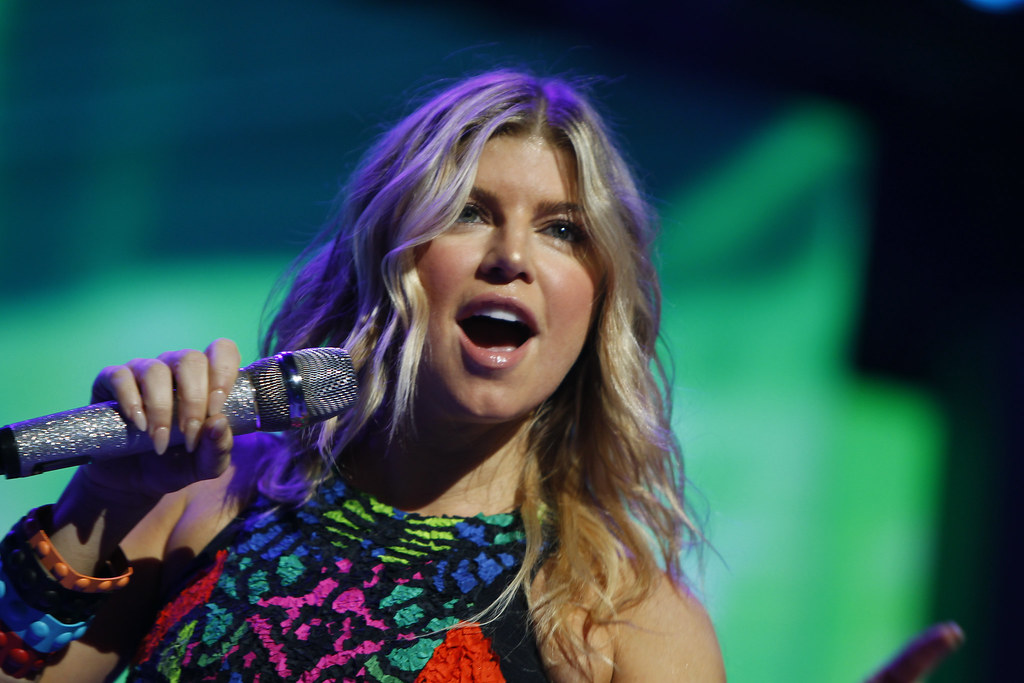
Before the Black Eyed Peas, Stacy Ferguson was already a child performer looking to make herself a career in Hollywood. One of Ferguson’s roles in the 1980s was that of the recurring performer on Kids Incorporated, the Disney Channel variety show. But she also picked up an even more iconic gig as the voice of Sally Brown, Charlie Brown’s sister, in three Peanuts television specials, all produced in the mid-1980s.
Sally Brown was a specific kind of character. Dramatic, slightly needy, but really sweet underneath. Ferguson lent her a voice perfectly fitting into the world of Peanuts. The casting made sense at the time because she was exactly the right age and had the right delivery. Ferguson went on to become one of the biggest pop artists of the early 2000s, and very few people connected her to Sally Brown.
John Ritter Voiced Clifford the Big Red Dog
John Ritter spent most of his career playing flustered, good-natured men who were always slightly in over their heads. His portrayal of Jack Tripper on Three’s Company carried that same likable energy through everything he did afterward, and at the very end of it, he took up a job that seemed tailor-made for him: the voice of Clifford, the giant red dog featured in the PBS show Clifford the Big Red Dog.
From 2000 until his untimely death in 2003, Ritter voiced the lead character in the first few seasons of the show. Clifford was earnest and a little baffled, which honestly doesn’t sound that different from Jack Tripper. The show aired on PBS as part of their educational programming block, and parents watched it while never realizing that the voice coming out of that giant red dog was Jack Tripper’s.
Tom Petty Voiced a Recurring Character on King of the Hill
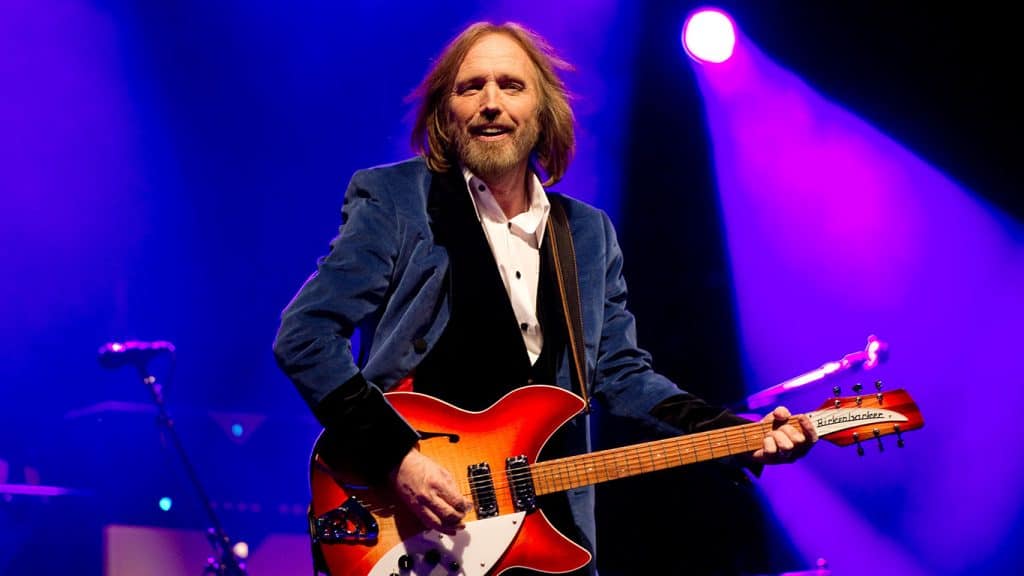
The character of Lucky appeared in King of the Hill as a creation of showrunner John Altschuler. He’s a slacker and was even described by Altschuler as someone who looks like “Tom Petty without the success.” This description made Judge consider whether Petty would be interested in voicing him.
He asked. Petty said yes and came for the table read. According to Mike Judge, “just killed it.” What’s more, Petty did something unexpected: he told the producers that any time they wanted him back, they could call. He really meant it too. Petty voiced Lucky in 28 episodes and became one of the most steady guests on the show. Lucky was unhurried and relaxed, and that’s how Petty played him. Most viewers just accepted him without ever wondering who was behind the drawl.
Orson Welles Spent His Final Days Voicing a Transformer
By 1985, Orson Welles had made Citizen Kane, spent the better part of forty years doing exactly what he wanted regardless of what Hollywood thought, and was, by most reports, not doing well. His final recorded performance, on October 5, 1985, was as Unicron, a colossal Transformer who fed off devouring worlds. He passed away five days later.
Director Nelson Shin stated that Welles arrived in a wheelchair and that his voice needed extensive editing. Regardless, Unicron comes through as a very threatening character, which can be attributed either to Orson Welles’ capability or to the engineers’ skill. In any case, the last thing one of cinema’s greatest filmmakers recorded for posterity was a robot that eats planets.
LeVar Burton Voiced a Planet Guardian for Six Years
LeVar Burton pops up over and over again in any recollection of your childhood. That is if you grew up in the 80s and 90s. LeVar Burton hosted Reading Rainbow from 1983 to 2006 and played Geordi La Forge on Star Trek: The Next Generation from 1987 until 1994. What often goes unmentioned is that LeVar Burton also voiced Kwame, the Earth-powered leader of the Planeteers in Captain Planet and the Planeteers, between 1990 and 1996.
Kwame was the moral center of the team, a teenager from Ghana, whose power was the element of Earth. He appeared in 113 episodes as a hero trying to save the planet together with four other teenagers from all over the world. And he did it with the same calmness and determination that LeVar Burton brought to his character of Geordi La Forge. If you were a kid in the early 1990s, LeVar Burton was reading you books on PBS on weekdays and saving the planet on Saturdays. He didn’t get much rest.
Flea from the Red Hot Chili Peppers Voiced the Wild Kid in The Wild Thornberrys
Donnie Thornberry was one of the most unusual characters Nickelodeon ever created. He was a feral child met by the Thornberry family in Borneo, who spoke only in incomprehensible gibberish and moved about the jungle like an animal. The character was effective because whoever was behind him committed completely. That person was Flea, the bassist of the Red Hot Chili Peppers.
Flea voiced Donnie from the very beginning of the series in 1998 till its end in 2004, participating in almost 70 episodes and even in the movie that was released in 2003. Not a single comprehensible word came out of his mouth. All the sounds produced by Donnie were improvisational noises, including babbling, and hooting. Flea is not someone who does anything halfway, and Donnie was a character who required maximum commitment to minimum coherence. The band reached the peak of its popularity exactly in those years, which made the anonymity of the casting all the more surprising.
Michael Jackson Secretly Guest-Voiced on The Simpsons
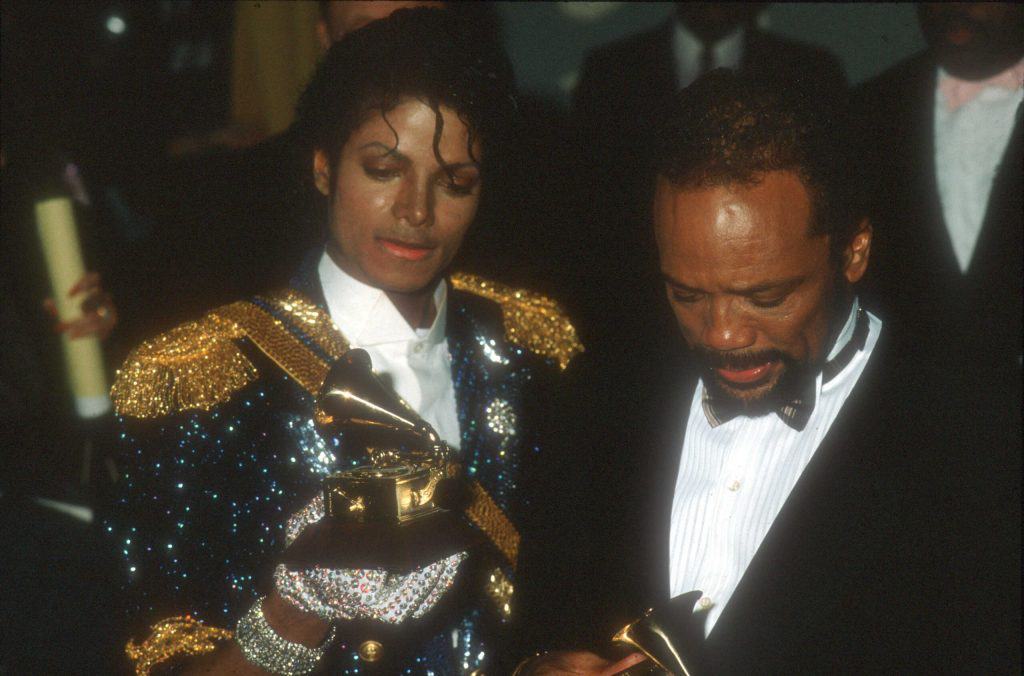
In 1991, Michael Jackson called The Simpsons. He was a fan and wanted to appear in an episode. The result was an iconic episode entitled “Stark Raving Dad.” Jackson’s appearance was credited only under the name John Jay Smith. The character he voiced was a huge white man called Leon Kompowsky. He was locked in an insane asylum and claimed to be Michael Jackson, while speaking in Jackson’s actual voice.
For years, people believed that a man called John Jay Smith did an impressive Michael Jackson impersonation for a much-loved episode. Michael Jackson co-wrote a birthday song for Lisa called “Lisa, It’s Your Birthday.” Jackson gave it to the show without asking for any credits. He wanted to participate without making it a celebrity event. That’s one of the reasons why the episode worked as well as it did.
Jeff Goldblum Went From The Fly to a Captain Planet Villain
Jeff Goldblum became known in the mid-1980s when he portrayed a scientist slowly turning into an insect in David Cronenberg’s movie The Fly (1986). He then appeared as a human-alien in Earth Girls Are Easy (1988). Goldblum was developing his own niche as an actor who played characters undergoing strange transformations in offbeat science fiction movies. But he also went on to become the voice of Verminous Skumm, one of the villains of Captain Planet and the Planeteers’ rotating roster.
Verminous Skumm was a rat-human hybrid with the ability to control rodents. He stood for the urban decay and destruction that Captain Planet opposed. The choice made sense. Goldblum already made two movies in which he transformed into a creature of some sort. Playing one in a cartoon was, at that point, a fairly natural next step.