
Flywheel Publishing

Tom Fawls/Shutterstock.com

Phonlamai Photo/Shutterstock.com

Roman Samborskyi/Shutterstock.com
Wlad74/Shutterstock.com

Rawpixel.com/Shutterstock.com

killa1/Shutterstock.com

NMK-Studio/Shutterstock.com

IrinaK/Shutterstock.com

New Africa/Shutterstock.com

Stockr/Shutterstock.com











10 Careers That Prove College Isn’t the Only Path
For years, a four-year college degree was treated like the default ticket to a solid career. The job market is a lot more complicated than that. Some well-paying careers rely on apprenticeships, technical programs, certifications, licensing, or intensive on-the-job training instead of a bachelor’s degree.
That does not make these jobs easy shortcuts. Several require years of training, demanding exams, unusual schedules, or highly specialized skills. What they do show is that college is only one route into a rewarding career, and some of the alternatives may be more lucrative than many people realize.
Air Traffic Controllers Can Earn Six Figures Without a Four-Year Degree
Air traffic control is one of the clearest examples of a high-paying career that does not follow the traditional four-year-college route. The median salary is $144,580, and controllers working at major facilities carry enormous responsibility as they keep aircraft safely separated and moving through some of the busiest airspace in the country.
The catch is that the path is anything but easy. Applicants face a selective FAA hiring process, training at the FAA Academy in Oklahoma City, and additional supervised training on the job. There are also age requirements for most new applicants. The degree requirement may be lower, but the standards certainly are not.
Elevator Installers Earn More Than Most People Realize
Elevator work rarely comes up when people talk about six-figure careers, which is part of what makes the pay so surprising. The median salary for elevator and escalator installers and repairers is $106,580, with experienced workers in high-paying markets capable of earning considerably more.
Most workers enter through a paid apprenticeship rather than a four-year degree. The training is lengthy and highly technical, covering electrical systems, machinery, safety, maintenance, and repair. It is a hands-on trade with real physical demands, but it can also lead to strong wages without taking on four years of college tuition.
Cybersecurity Has More Than One Way In
Cybersecurity is often grouped with degree-heavy technology careers, but employers do not all use the same hiring formula. The median salary for information security analysts is about $124,000, and some workers break into the field through certifications, technical training, self-study, or related IT experience rather than a traditional computer science degree.
CompTIA Security+ is one of the better-known entry-level certifications, although a certificate by itself is not a guaranteed ticket to a job. Experience, practical skills, and additional credentials can matter just as much. For people willing to keep learning, cybersecurity is one of the more flexible technology career paths on this list.
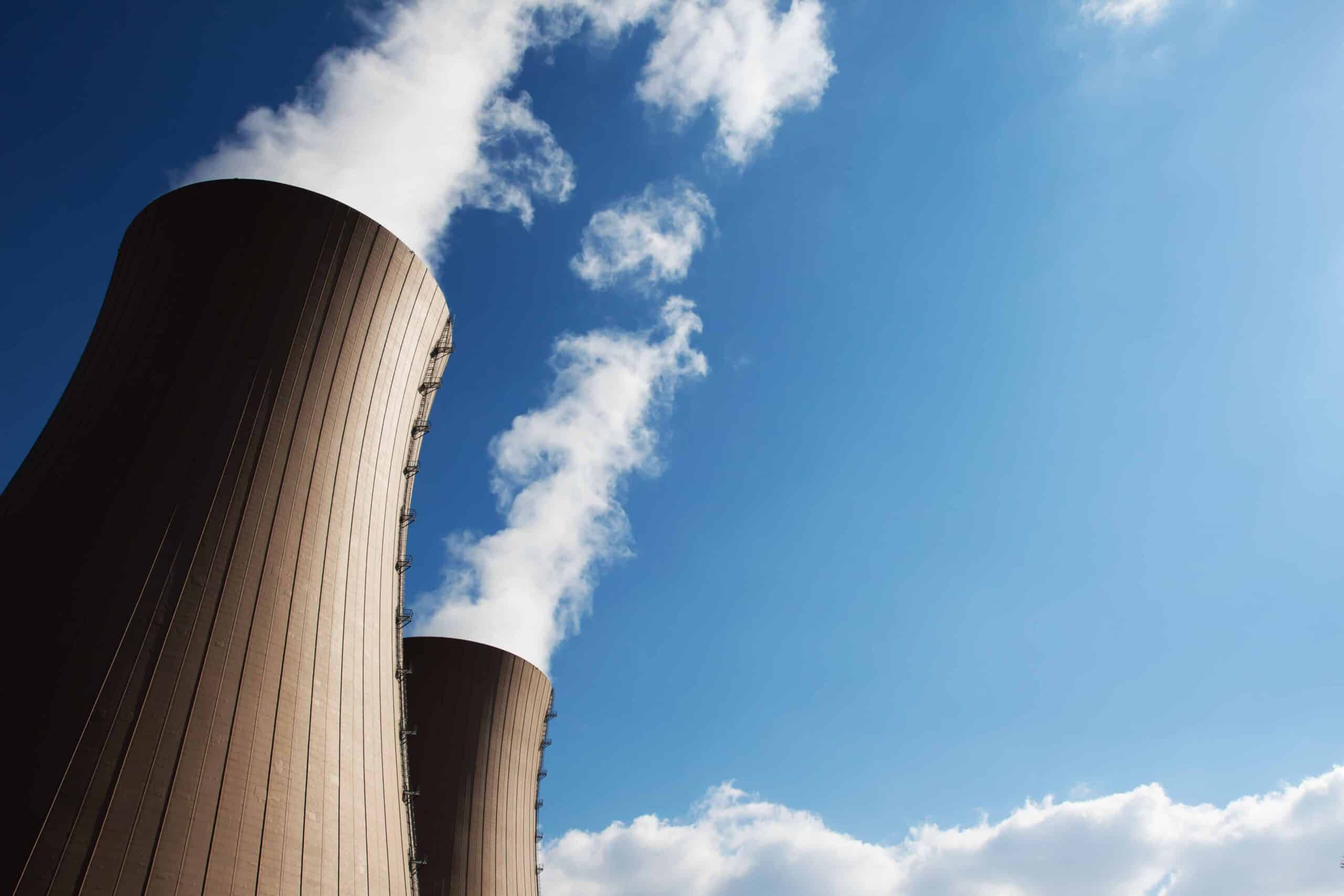
Nuclear Reactor Operators Follow a Different Training Path
The job title sounds like something that should require an advanced physics degree, but nuclear reactor operators often enter the field through a very different path. A high school diploma, extensive employer training, and Nuclear Regulatory Commission licensing can be part of the route, while some operators arrive with experience from the Navy’s nuclear program.
Pay can exceed $100,000, but the responsibility behind that salary is substantial. Operators monitor and control complex systems, follow strict procedures, and must meet demanding licensing and training standards. It is less about collecting college credits and more about proving that you can master a tightly regulated technical job.
UX Design Can Reward Skill Over Credentials
User experience design is one of the careers where a strong portfolio can sometimes carry as much weight as a diploma. Employers want to see whether a candidate can research users, solve design problems, explain decisions, and turn that thinking into websites, apps, or digital products people can actually use.
There are several nontraditional ways to build those skills, including certificate programs, bootcamps, and self-directed portfolio work. Some employers still prefer or require a degree, so this is not a universal shortcut. Still, UX design stands out because demonstrated ability can open doors that would be closed in more credential-driven professions.
Respiratory Therapy Offers a Two-Year Route Into Health Care
Respiratory therapists work with patients who have trouble breathing, from people dealing with asthma or COPD to critically ill patients on ventilators and premature infants who need respiratory support. It is serious clinical work, but the usual education path is shorter than the four-year route required for many other health care careers.
An associate degree and the required professional credentials can lead into the field, with pay commonly falling around the $75,000 to $80,000 range cited for this career. For someone who wants a hands-on medical job without committing to a bachelor’s program first, respiratory therapy offers a very different way into health care.
Court Reporting Turns a Specialized Skill Into Serious Pay
Court reporting is easy to overlook until you see what the job actually requires. Reporters create real-time records of trials, hearings, and depositions using stenography or related technology. The highest-paid workers can earn well into six figures, especially in busy legal markets and specialized freelance work.
The tradeoff is a steep learning curve. Training programs can take several years, and professional certification may require extremely fast, highly accurate transcription. Reaching speeds around 225 words per minute is no small feat. It is a specialized skill path rather than a traditional four-year academic one.
Power Plant Operators Keep the Grid Running
Power plant operators help control the systems that generate the electricity people use every day, and the compensation reflects the responsibility. The median salary is $103,600, while the typical entry path can begin with a high school diploma followed by extensive technical training from an employer.
The work is not built around a nine-to-five schedule. Plants operate around the clock, so nights, weekends, and rotating shifts can come with the territory. It is another example of a career where specialized training and operational skill can matter more than a bachelor’s degree.
Funeral Directors Take a Less Traditional Career Route
Funeral service is not a career most people casually consider, but it combines business responsibilities, detailed planning, and emotionally demanding work with families during some of the hardest moments of their lives. The field also tends to be less sensitive to the economic swings that affect many other industries.
Licensing rules vary by state, but the path commonly includes mortuary science education and an apprenticeship rather than a standard four-year degree. Pay often falls in the $60,000 to $70,000 range, with higher earning potential for experienced managers and funeral home owners.
Wind Turbine Technicians Are Entering a Fast-Growing Field
Wind turbine technicians work hundreds of feet above the ground maintaining and repairing the equipment that turns wind into electricity. The occupation is projected to grow dramatically over the coming decade, making it one of the fastest-growing career paths in the country.
Training often comes through a one- or two-year technical program rather than a bachelor’s degree. Median pay is $62,580, with experienced technicians capable of earning considerably more. The work is physical, technical, and definitely not for anyone uncomfortable with heights, but the demand makes it one of the more interesting alternatives to a traditional college path.