
Allergies are frustrating and can also be potentially deadly if you aren’t careful. This is why World Allergy Day is so important.
World Allergy Day lands on July 8. The World Health Organization (WHO) and the World Allergy Organization (WAO) have partnered to create this international day to raise awareness about allergies, including their symptoms and statistics.
Allergies are incredibly common, especially pollen and seasonal allergies. In the U.S. alone, 1 in 3 adults and about 1 in 4 children have some kind of allergy, including seasonal, food, or eczema.
For some people, allergies cause some discomfort, while for others, it’s more serious, leading to death if not treated quickly. Peanuts, for instance, are one of the most common causes of food-related allergy deaths because they cause anaphylaxis.
Seasonal allergies aren’t as intense. Instead, seasonal allergies (pollen, grass, etc.) cause skin rashes, sneezing, and breathing problems.
For this slideshow, we reviewed medical resources and credible websites to gather information on the worst cities in the U.S.S. and countries for allergy goers. Click through the slideshow for more information on allergies to celebrate World Allergy Day.
The Worst U.S. Cities for Seasonal Allergies

Are you curious to see if your city is one of the worst for seasonal allergies? Listed are the 10 worst cities for seasonal allergy sufferers, according to the Asthma and Alley Foundation of America.
Wichita, Kansas

- Population: 396,119
- Pollen Seasons: March to June (trees and grass) and September to November (weeds)
New Orleans, Louisiana

- Population: 364,136
- Pollen Seasons: February to June (trees), April to September (grasses), and August through November (weeds and mold)
Oklahoma City, Oklahoma
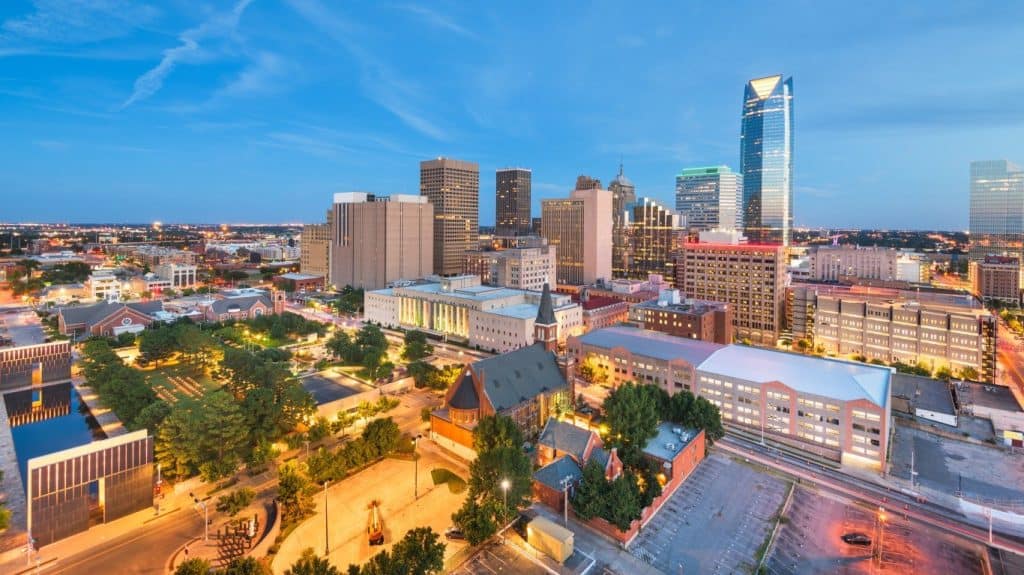
- Population: 702,767
- Pollen Seasons: March to June (trees), May to September (grasses), and August to November (weeds and mold)
Tulsa, Oklahoma

- Population: 413,066
- Pollen Seasons: March to June (trees), May to July (grasses), and June to August (weeds and mold)
Memphis, Tennessee

- Population: 618,639
- Pollen Seasons: February to April (trees), April to June (grasses and mold), and June to October (weeds)
Little Rock, Arkansas

- Population: 203,842
- Pollen Seasons: February to May (trees), April to June (grasses), and July to October (weeds)
Raleigh, North Carolina
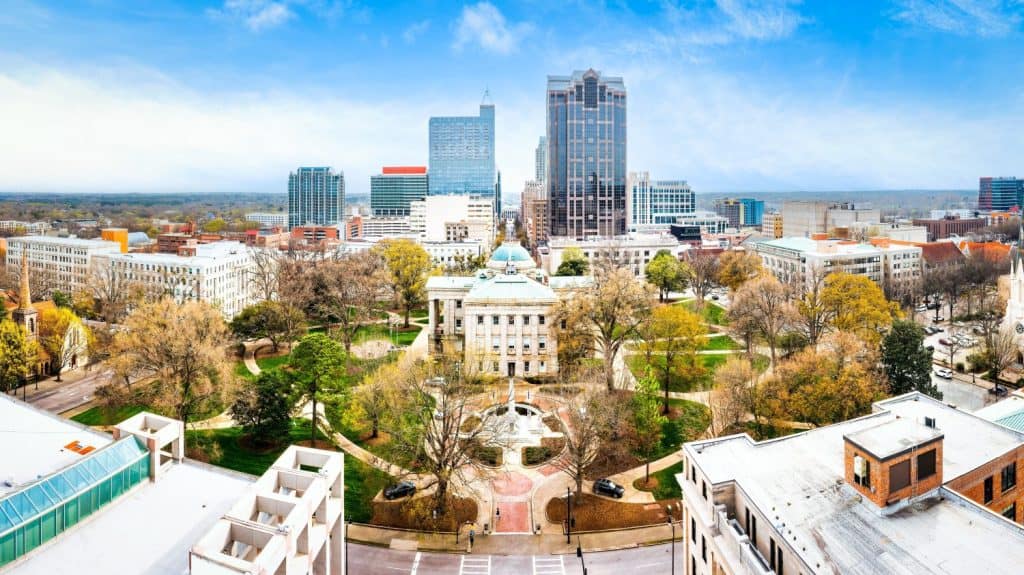
- Population: 482,295
- Pollen Seasons: February to April (trees), April to July (grasses), and September to November (weeds)
Richmond, Virginia
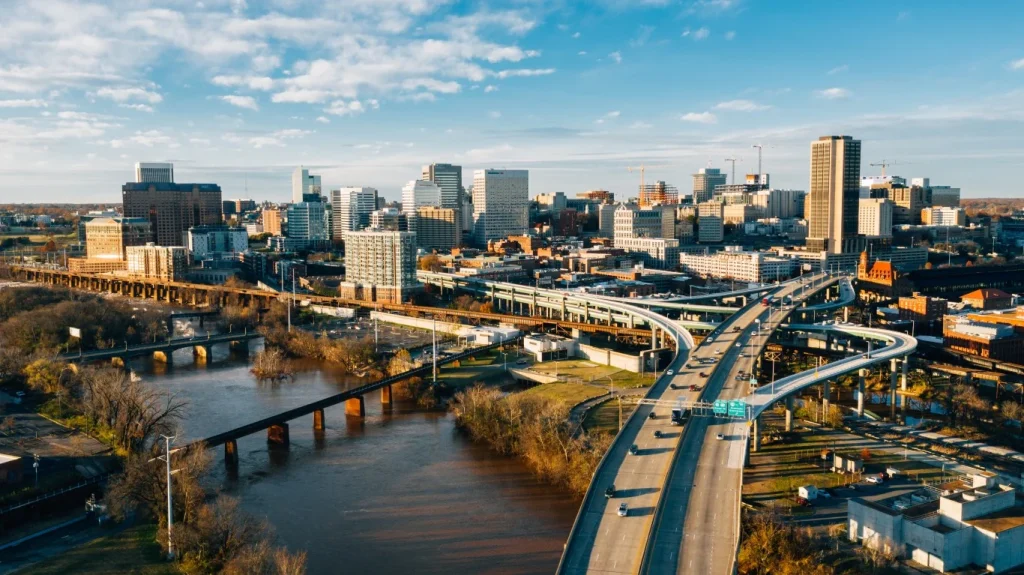
- Population: 229,247
- Pollen Seasons: February to May (trees), May to August (grasses), August to November (weeds), and Year-round (mold)
Greenville, South Carolina
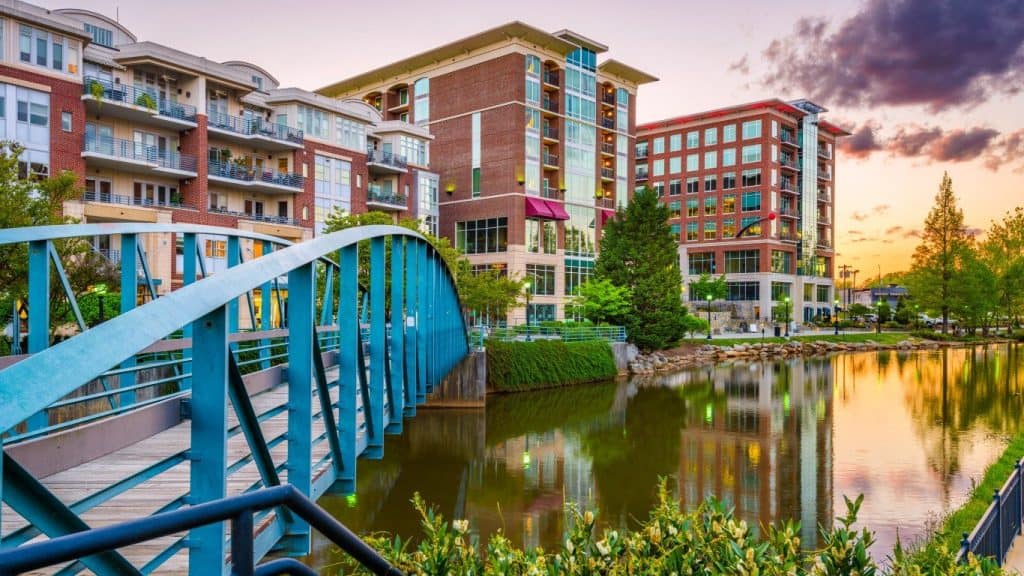
- Population: 72,824
- Pollen Seasons: February to June (trees), May to July (grasses), and September to late November (weeds)
Greensboro, North Carolina

- Population: 302,296
- Pollen Seasons: February to June (trees), May to July (grasses), and September to November (weeds)
The Worst Places to be With Seasonal Allergies

Now that we’ve discussed a few of the worst places for seasonal allergy sufferers let’s discuss the general areas to avoid.
Grass Meadow

If you suffer from pollen allergies, you’ll need to avoid standing directly in a grassy field or meadow – at least not before taking medications. Grass pollen attaches quickly to clothes too, meaning you’ll walk away and still may suffer.
Windy Days

The wind feels so good when it goes through your hair, but during peak pollen seasons, the wind can make your allergies worse.
Dusty Spaces

Dust and mold allergies cause similar effects as seasonal pollen allergies. If you suffer from dust and mold allergies, avoid areas with excessive dust, such as garages, basements, and attics.