
Parkerman & Christie from San Diego, USA / BY 2.0

vxla / BY 2.0
kudryavtsev / iStock
from my point of view / Shutterstock.com
SaucyGlo / BY 2.0

bhofack2 / iStock via Getty Images

kurmanstaff / BY 2.0

arnold | inuyaki / BY 2.0
Parkerman & Christie from San Diego, USA / BY 2.0
IslandLeigh / iStock via Getty Images

SnapAdik / BY-ND 2.0

Pest15 / BY-SA 2.0
Dietmar Rauscher / Shutterstock.com

moonlightbulb / BY 2.0
The Image Party / Shutterstock.com

Michael Rivera / BY-SA 4.0

KLSbear / iStock via Getty Images

stu_spivack / BY-SA 2.0

jeffreyw / BY 2.0






These Popular Dishes Have Quietly Disappeared From Menus
Menus are always evolving, with many restaurant staples vanishing without fanfare, leaving future generations surprised that any of these dishes were ever common. But just how many dishes have we done away with over the years, and are they truly missed by those who once tried them? These lost menu items detail our history of changing food trends and just how much we don't think of what once went on our plates.
247 Tempo brings you some famous dishes that you can rarely find on menus these days, for one reason or another. We'll tell you why it was popular, when it was popular, and if it will ever be popular on our plates again. Sources for this piece include Smithsonian Magazine, Eater, Saveur, and regional newspaper archives covering restaurant trends and disappearing foods across the 20th and 21st centuries.
Baked Alaska
In the mid-20th century, Baked Alaska was the kind of dessert that made an entrance, complete with flames; there's nothing better than a meal served on fire. Diners loved the blend of cake, ice cream, and meringue, but the complexity eventually fell out of favor. These days, it pops up mainly at retro-inspired restaurants or as a special designed to make a splash.
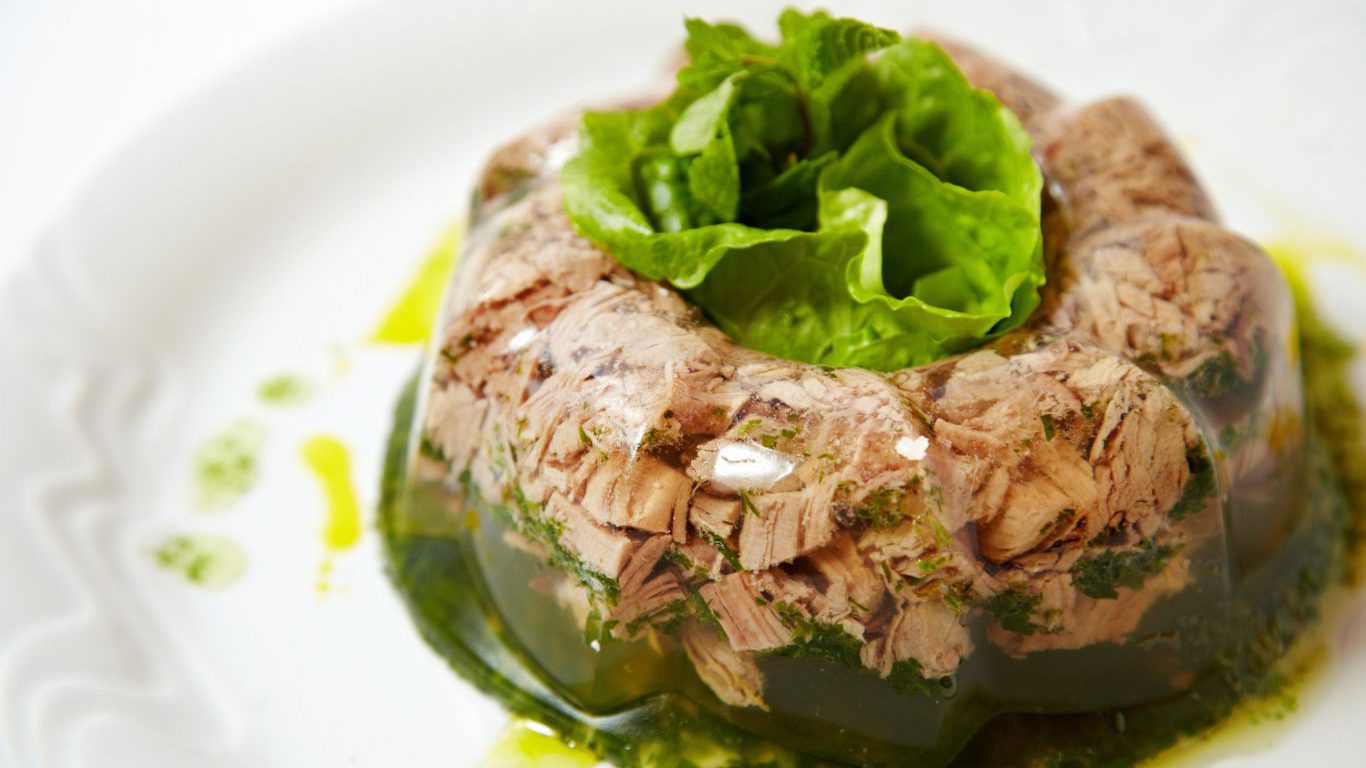
Aspic
Gelatin molds filled with meats or vegetables were once the centerpiece of fashionable dinner parties, for some reason. Their glossy wobble seemed modern at the time, but changing tastes made them unappealing; just look at it. Today, aspic is mostly remembered as an oddity from old cookbooks rather than something people crave, and it's unlikely to make much of a comeback.
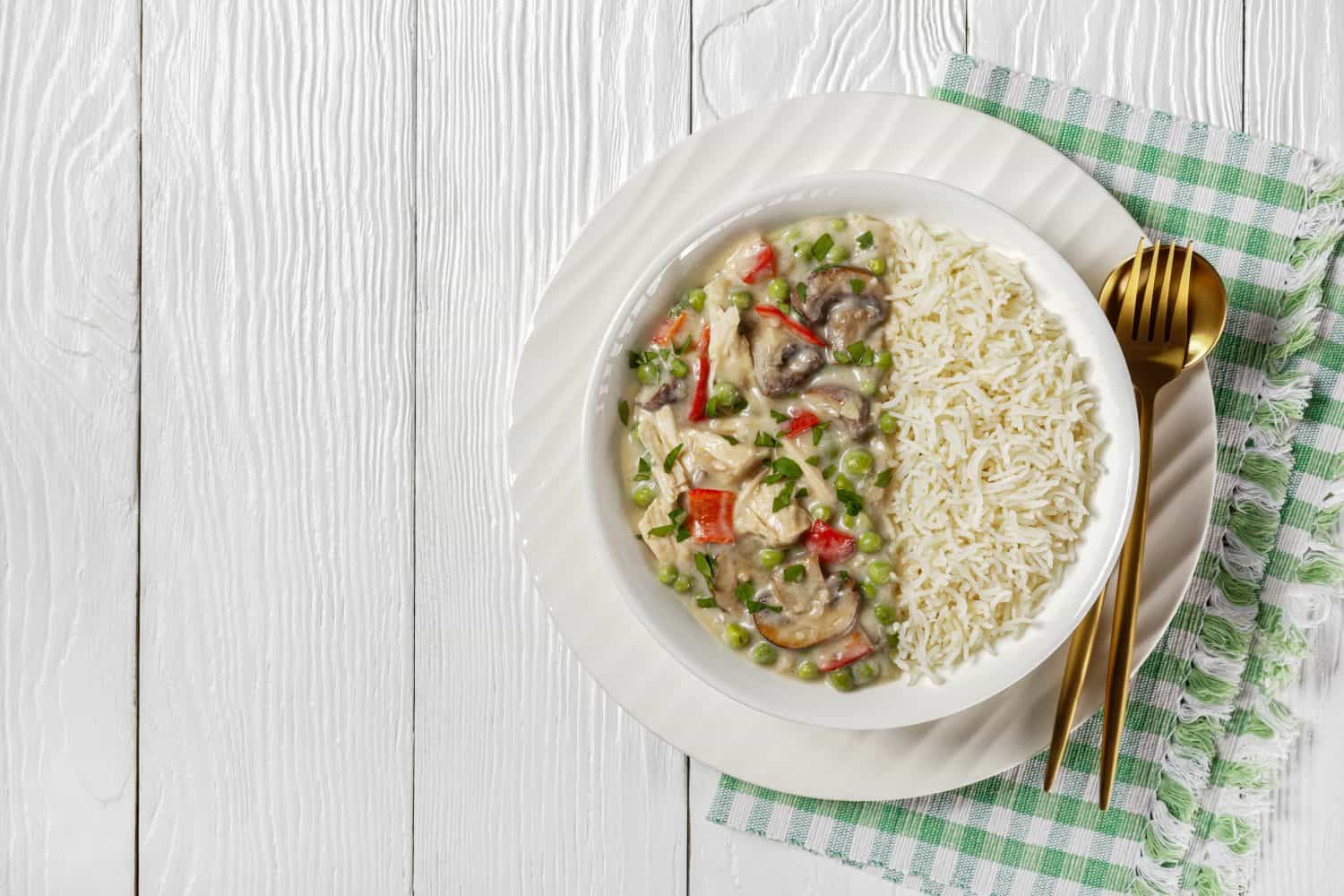
Chicken à la King
Hotel dining rooms across America championed Chicken à la King a few decades back, serving creamy chicken with peppers and mushrooms over toast or grains. It faded fast as lighter and more global cuisine began dominating menus; the plainness of it grew dull. While older generations remember it warmly, many younger diners have never heard of it, nor care to try it.
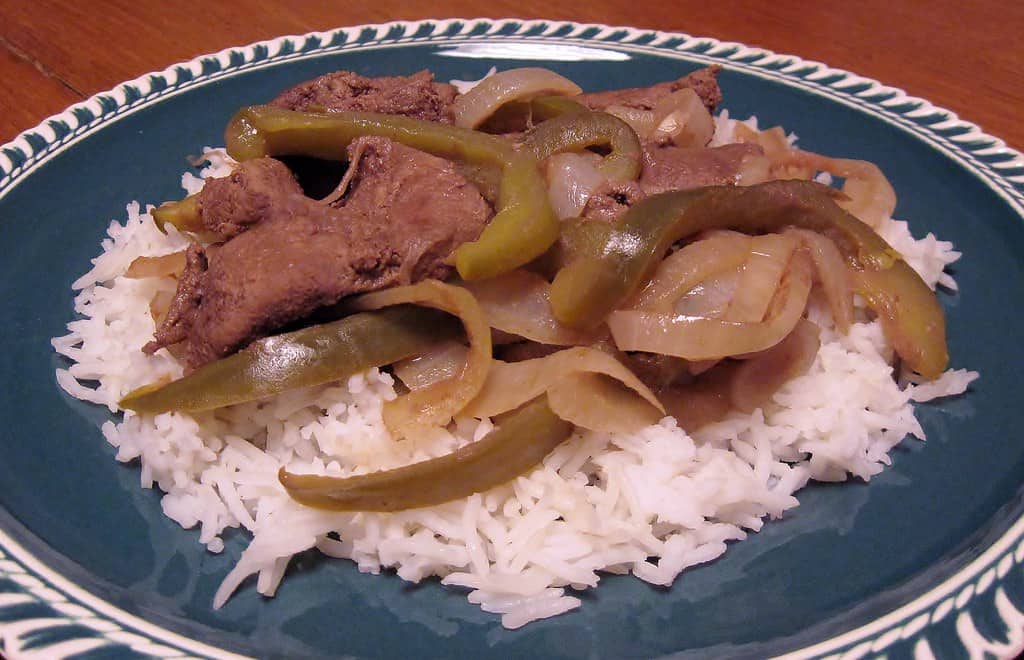
Liver and Onions
Across diners nationwide, liver and onions represented affordability and nutrition to countless guests. Declining taste for organ meats eventually made it less desirable, and restaurants moved on. For those who grew up with it, the dish still carries a sense of comfort, though it rarely appeals to new audiences. However, with the advent of organ meat returning, this dish may in fact make a comeback.
Oysters Rockefeller
Originating in New Orleans in the 1800s, Oysters Rockefeller symbolized indulgence with its rich, baked presentation; fresh oysters are covered in herbs, bread crumbs, and cheese. As oyster consumption waned and seafood trends shifted toward freshness, its popularity sank. A few historic spots still serve it, but it feels like a relic, replaced in favor of raw oysters.
Veal Oscar
Steakhouses once elevated veal by topping it with crab and hollandaise in the dish known as Veal Oscar. While delicious and fancy, rising veal prices and growing awareness of animal welfare issues led to its decline. It’s now remembered as a heavy, over-the-top plate that is easily replicated without any baby calves needing to suffer.
Poached Pears in Red Wine
Elegant poached pears in red wine were prized for their striking color and refined presentation, and iterations of this concept still exist. Over time, however, the dessert began to feel overly fussy compared to trendier options like lava cakes. Today, it retains charm and helped inspire poaching other fruits in fine dining settings, though not often in the home.
Beef Wellington
Wrapped in pastry and cooked to showcase perfectly pink beef, Beef Wellington was once a showpiece for restaurants and parties alike. Its complicated preparation and high failure rate made it impractical in busy kitchens, and any home cook who attempted it felt disappointed by the results. While still celebrated and occasionally made when adventurous cooks have the time, it rarely appears on everyday menus anymore.
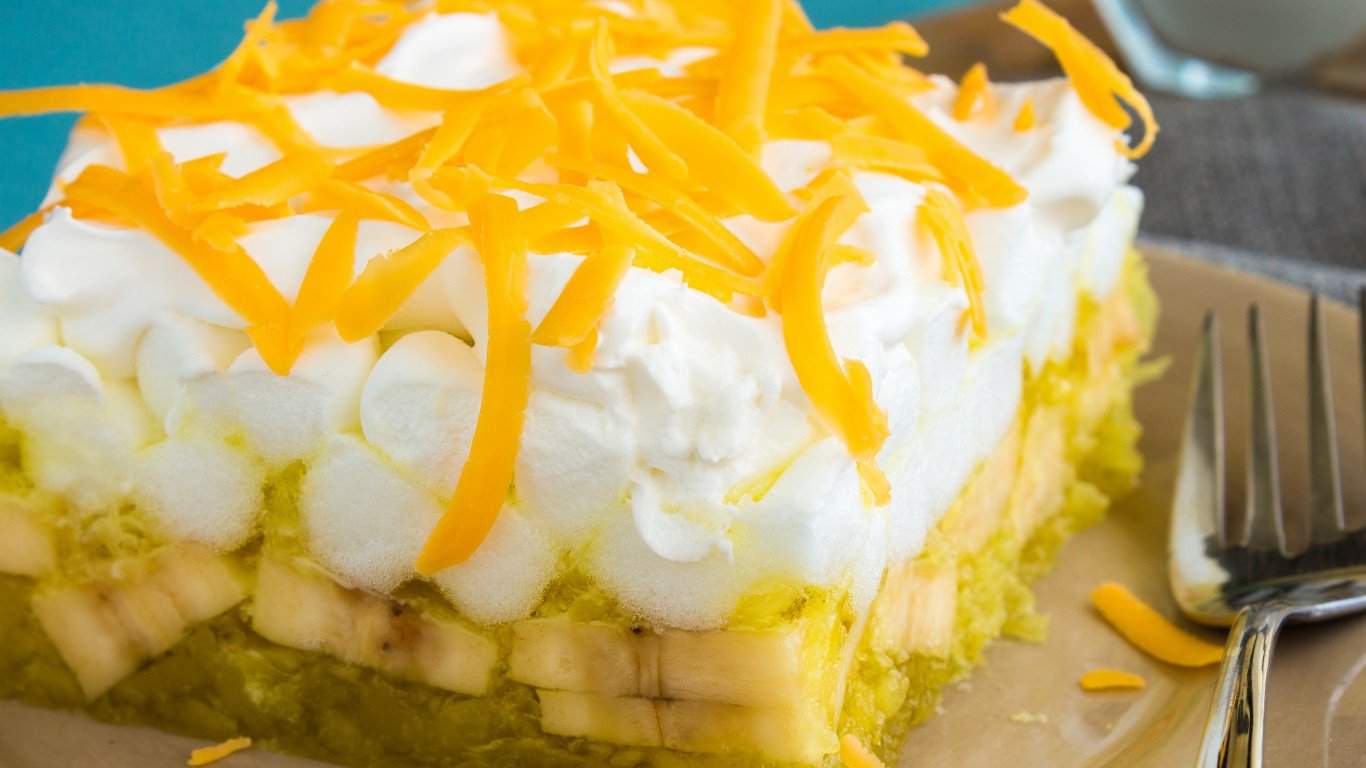
Jell-O Salad
Mid-century potlucks and cafeterias relied heavily on colorful Jell-O salads packed with fruit, marshmallows, or even vegetables. Changing food culture eventually made them look garish and unappealing, especially considering just how much sugar is packed into one. The dish now lives on as kitschy, with Jell-O shots far more palatable these days.
Surf and Turf
Pairing lobster with steak defined luxury in the 1960s and ’70s, when Surf and Turf was a restaurant must-have. Diners eventually began to see it as cliché and overpriced, despite the tasty cuts of meat you can get with it. Today, the two items remain popular individually but are only paired in fine dining settings or on other, much rarer occasions.
Deviled Ham Spread
Cheap, tangy, and easy to spread on sandwiches, deviled ham was once a staple of lunch counters and homes, coming in cans for convenience. As processed meats fell out of favor, restaurants quietly phased this dish out, leaving it solely to school lunches. The spread survives in canned form today, though, and it's worth a try if you don't mind its metallic meat flavor.
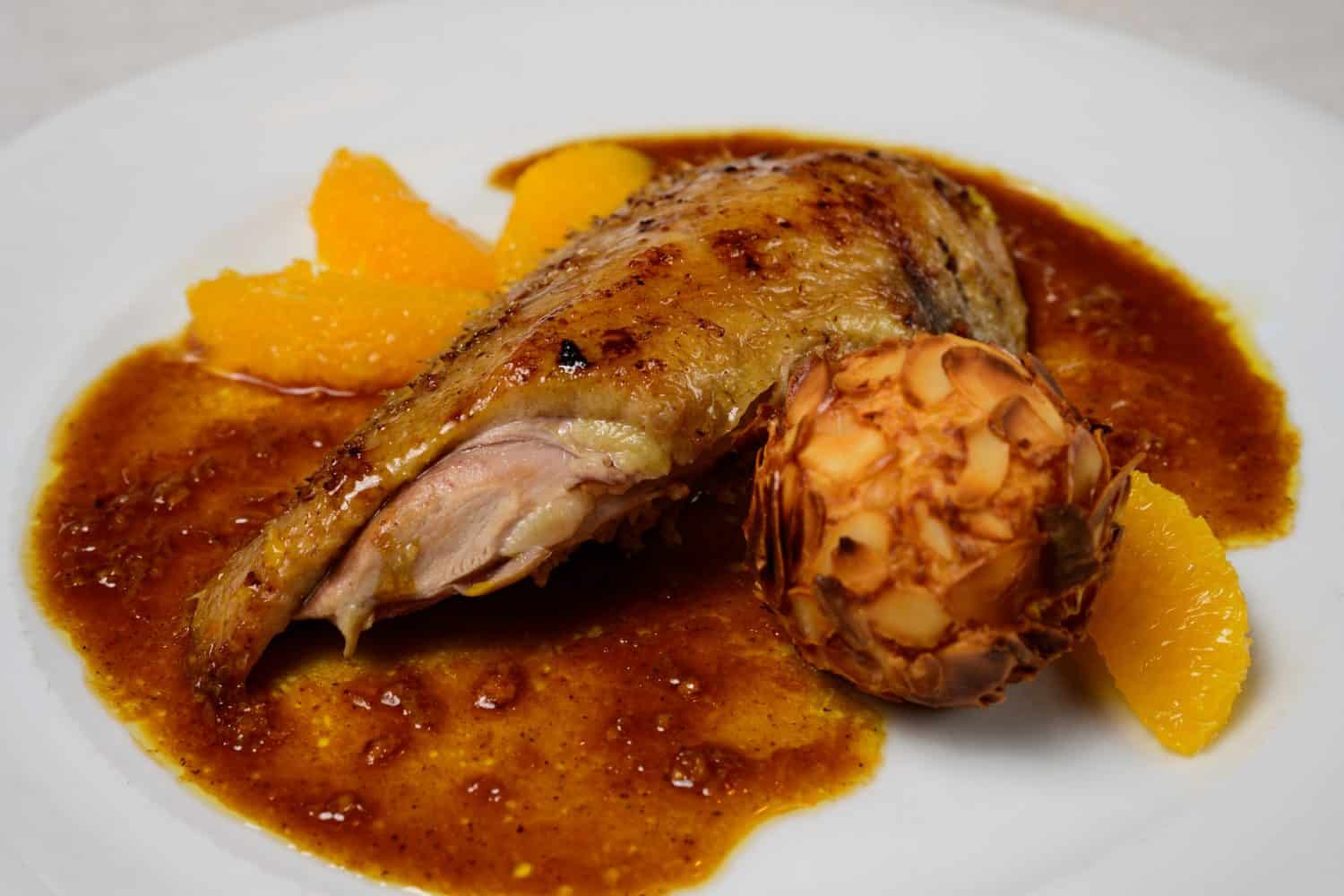
Duck à l’Orange
French-inspired Duck à l’Orange once thrived during mid-20th-century fine dining, where sweet citrus sauces felt sophisticated and new. However, health-conscious diners later turned away from its richness, and chefs embraced fresher, more innovative approaches. Now, it’s mostly riffed on and transitioned into other, more elevated dishes.
Stuffed Tomatoes
Menus of the 1960s often included stuffed tomatoes filled with breadcrumbs, rice, or cheese. While delicious and worth making at home with fresh heirloom varieties, they came to seem bland and dated compared to trendier sides.
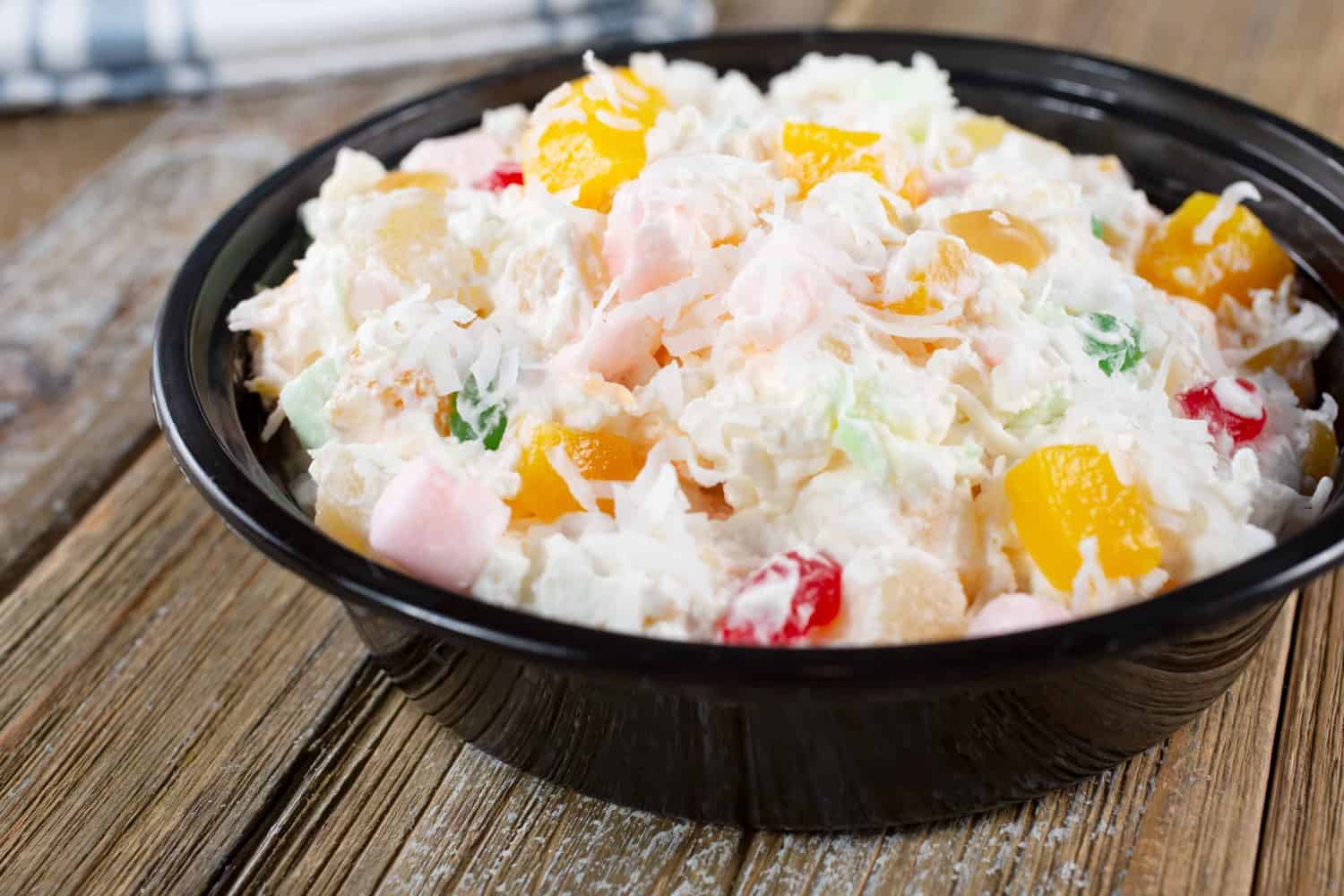
Ambrosia Salad
Simply known as ambrosia at most dining tables, this sugary mix of fruit, marshmallows, and coconut once defined holiday tables, church potlucks, and cafeteria trays. As palates shifted, the overly sweet flavor profile lost its appeal entirely, which is why it carries a kitsch reputation and nothing more.
Veal Parmigiana
Italian-American restaurants used to serve veal parmigiana alongside spaghetti. Just like the last dish we mentioned that used veal, costs and controversy phased this dish out. Chicken parm remains a favorite, though, so we have veal parm to thank for it.
Shrimp Cocktail
For decades, shrimp cocktail was the ultimate appetizer in banquet halls and steakhouses. But its oversaturation was its downfall in many ways, and changing seafood preferences lessened its appeal. It still surfaces, but many prefer their shrimp in other ways nowadays.
Lobster Newberg
Cream, brandy, and lobster made Lobster Newberg an icon of indulgent 20th-century dining, much like Surf and Turf. As diners drifted away from heavy seafood dishes, its popularity collapsed, and no other dish has really replaced it.
Corned Beef Hash
Once the definition of a hearty, affordable breakfast, corned beef hash filled countless diner plates. Eventually, demand waned as people favored fresher, less processed meats on their breakfast tables, or simply started skipping breakfast entirely. It still has loyal fans, including restaurants that have served it for decades, but it doesn’t dominate menus or receive requests the way it once did.