stockcreations / Shutterstock.com
page frederique / Shutterstock.com
istetiana / Shutterstock.com
bonchan / iStock via Getty Images
Ahanov Michael / Shutterstock.com
monkeybusinessimages / Getty Images
stockcreations / Shutterstock.com

Jay Ondreicka / Shutterstock.com
WhiteYura / Shutterstock.com

RLSPHOTO / iStock / Getty Images Plus
Kritsana Laroque / Shutterstock.com
Dietmar Rauscher / Shutterstock.com
AS Foodstudio / Shutterstock.com
Mironov Vladimir / Shutterstock.com
DronG / Shutterstock.com
hadasit / Shutterstock.com
L.F / Shutterstock.com
yingko / Shutterstock.com
Slow Walker / Shutterstock.com
olgakr / Getty Images
Monkey Business Images / Shutterstock.com
Talukdar David / Shutterstock.com


Fine Dining Classics We Rarely See On Restaurant Menus Anymore
How society eats has changed. With time at a premium for most, gone are the days of leisurely fine dining where people relax over a multi-course meal. People are busier than ever. Not only do some barely have time to sit down and eat, but when they do, they aren't opting for Terrapin à la Maryland or deviled lamb kidneys on toast.
This is most notable on menus, where today, they are more streamlined with fewer options than in the past, and now prefer to highlight seasonal ingredients and sustainability. Many dishes we rarely see on menus were overly complex, or too rich and heavy. Others simply faded out due to lack of popularity. These are the meals we hardly ever see on the average restaurant menu in our modern era.
This post was updated June 18th, 2025, to reflect additional information.
Coquilles St. Jacques
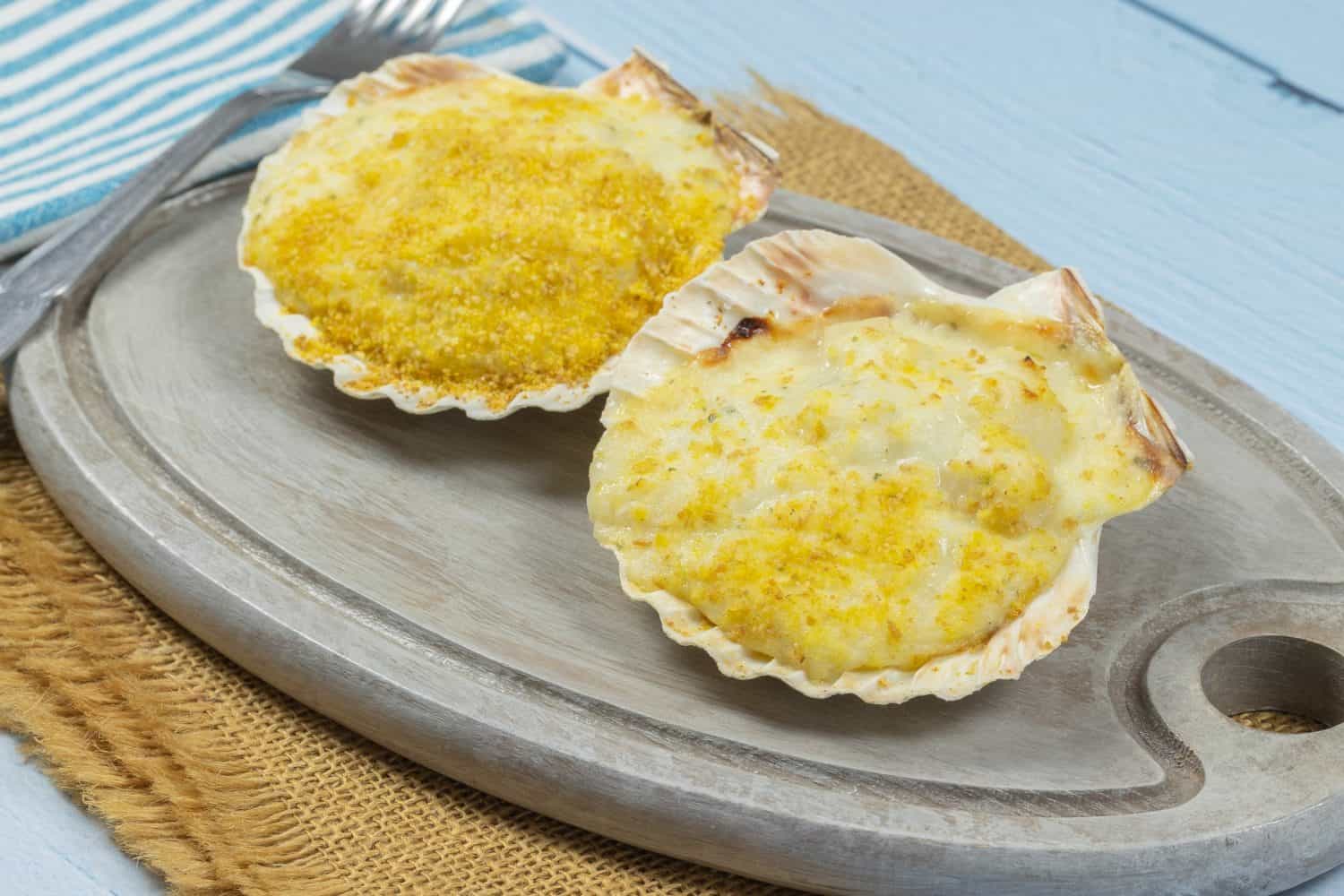
Coquilles St. Jacques is a classic French dish featuring scallops served in a creamy sauce flavored with mushrooms and wine. It was often presented in a scallop shell with a cheesy breadcrumb topping.
Fricandeau of Veal
Another classic French dish, Fricandeau of Veal starts with a lean cut of veal such as the loin, fillet, or round. The cut is larded (inserted with thin strips of fat) and slowly braised before being sliced and served with a rich sauce.
Consommé
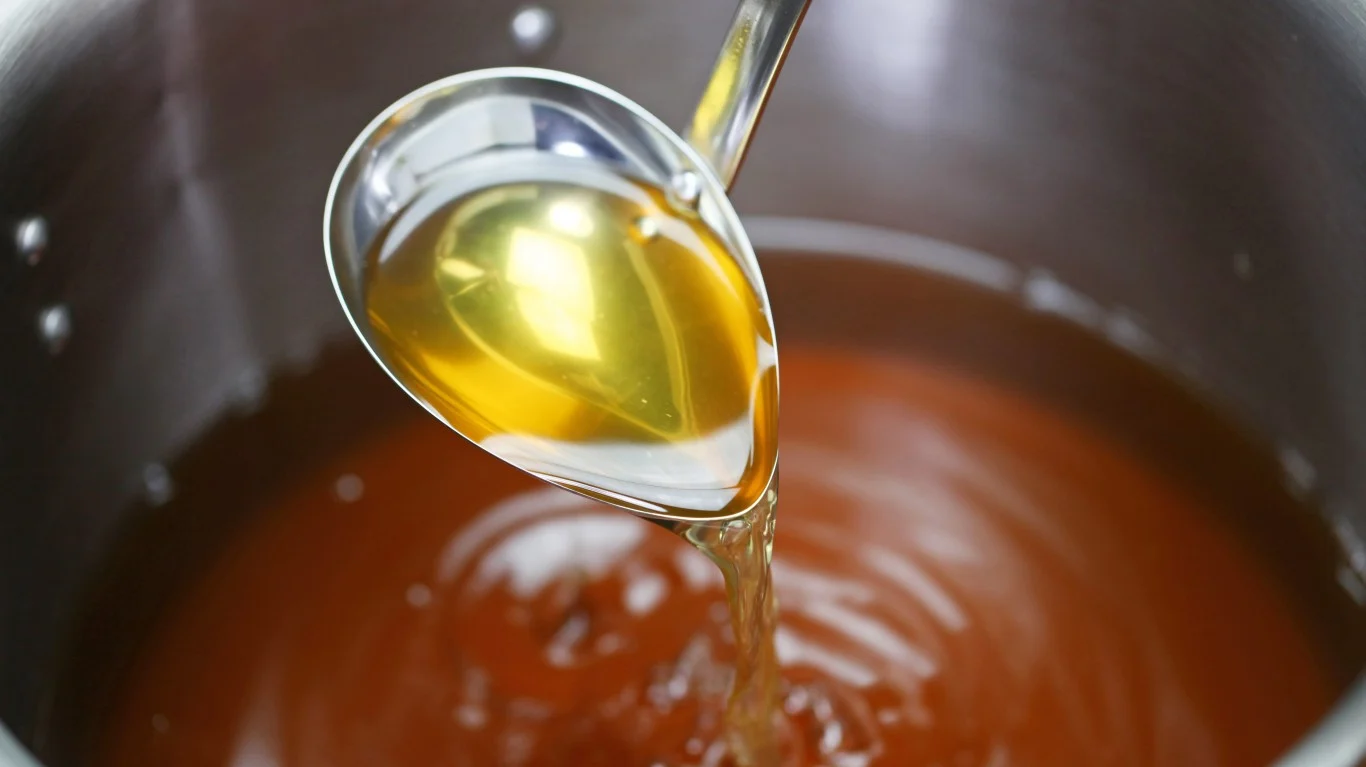
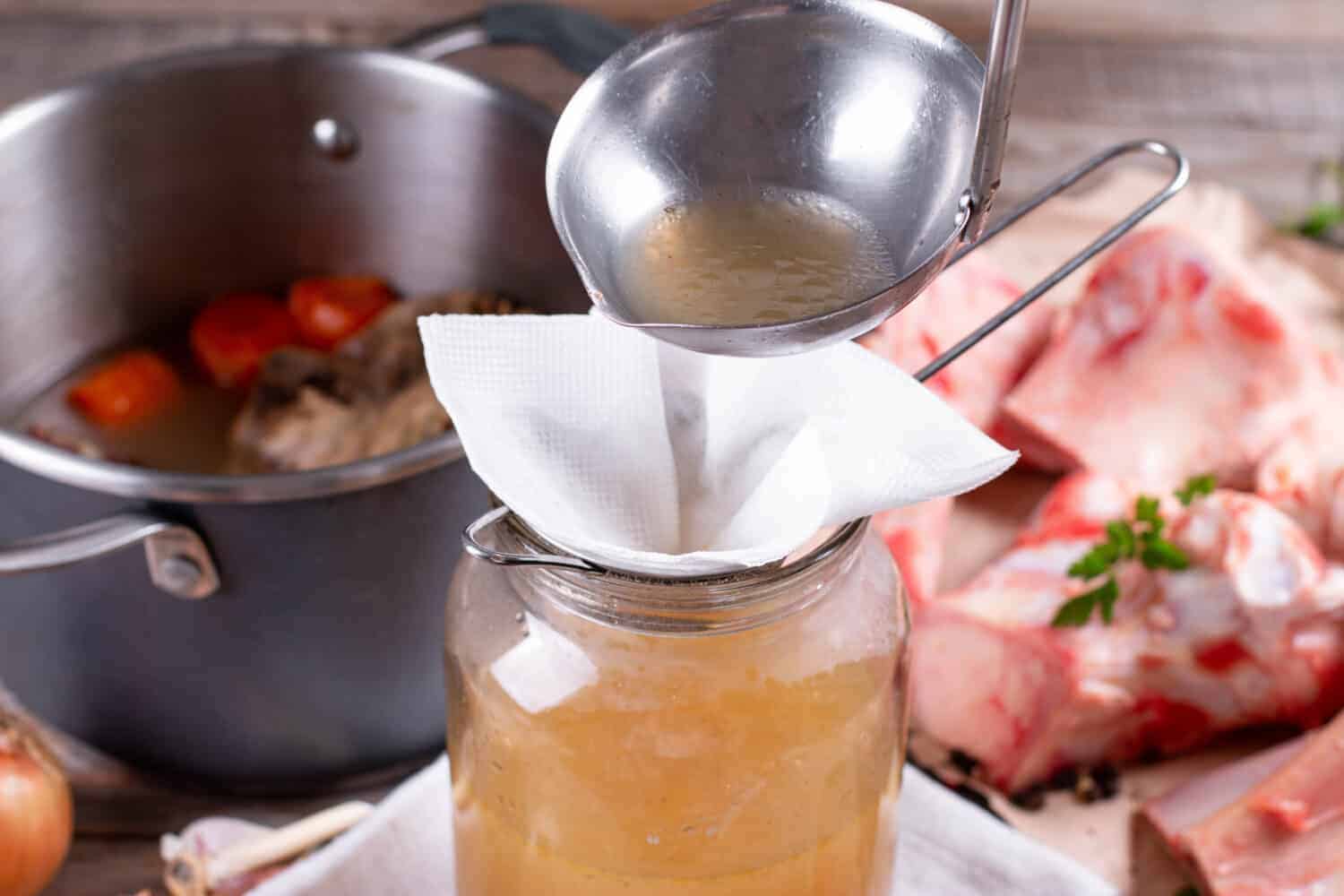
A staple of classical French cuisine, consommé used to be a standard first course. Today it isn't seen very often outside of fine French restaurants. It's made by meticulously clarifying a rich stock, resulting in a clear, concentrated liquid with a deep, refined flavor.
Looking through old menus you'll find countless variations including Olga, Fermier, Renaissance, Madrilene, Royale, Andalouse, Rivoli, and Presbourg, each with their own different recipe or embellishments.
Beef Tea
The old-timey equivalent of bone broth, beef tea is a broth made by simmering beef for a long time, usually with just salt as a seasoning. As opposed to being eaten with a spoon like a soup it was usually served in a teacup (hence the name). It's nourishing, restorative, and easily digested, making it a comforting and nutritious broth.
Oxtail Soup
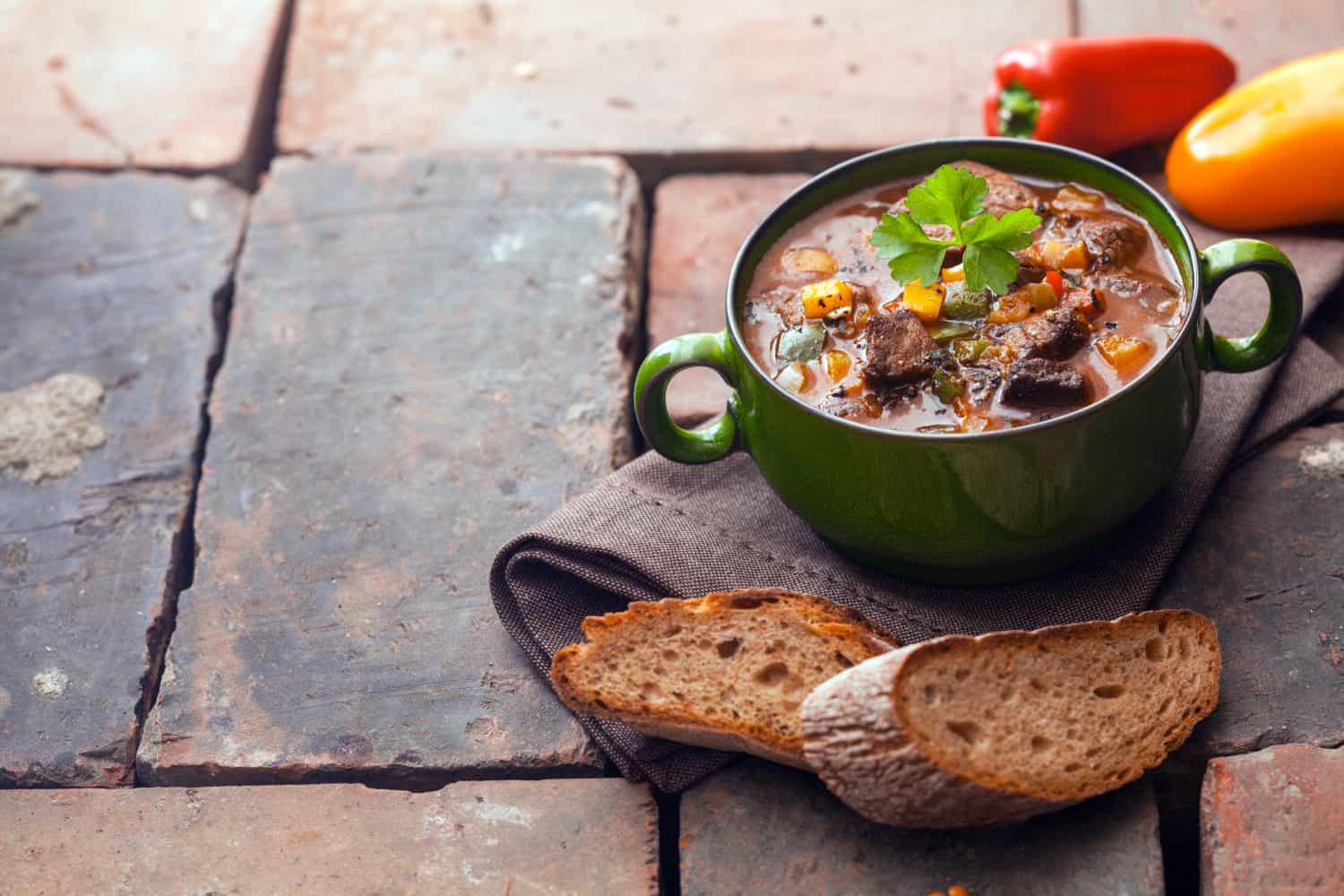
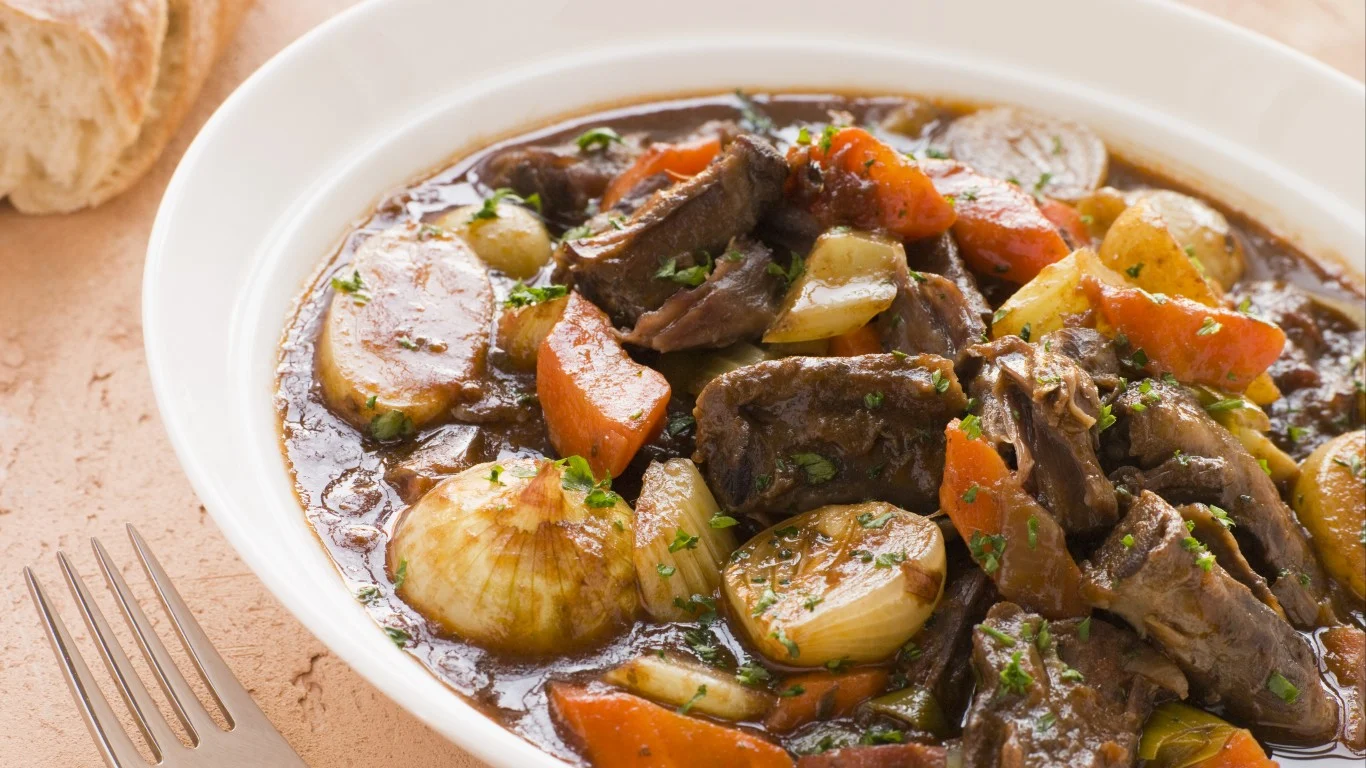
Oxtail soup was once a restaurant menu mainstay, but it's one you really don't see anymore. The dish is made by slowly simmering oxtails and vegetables, usually in a tomato-based broth.
Petite Marmite
A traditional and comforting classic French soup, Petite Marmite translates to "little pot" in English. The name refers to the pot in which it's usually prepared and served. It's made with a combination of meats (usually chicken, beef, veal, and sometimes marrow bones), vegetables (including leeks, carrots, turnips, celery, and onions), and herbs, all simmered together into a rich and nourishing broth.
Terrapin à la Maryland
One interesting entree that appeared on a lot of menus, especially East Coast ones, was terrapin. Terrapin is a small, hard-shell turtle. It used to be considered a real delicacy in the late 19th and early 20th centuries.
The meat was traditionally served in a stew called Terrapin à la Maryland, in which the stewed and shredded meat is cooked in a rich, creamy broth thickened with flour or breadcrumbs and finished with a generous amount of sherry or Madeira. Sometimes, for extra effect, the dish would be served in its own shell. Overfishing led to the dish's decline.
Roasted Game Birds
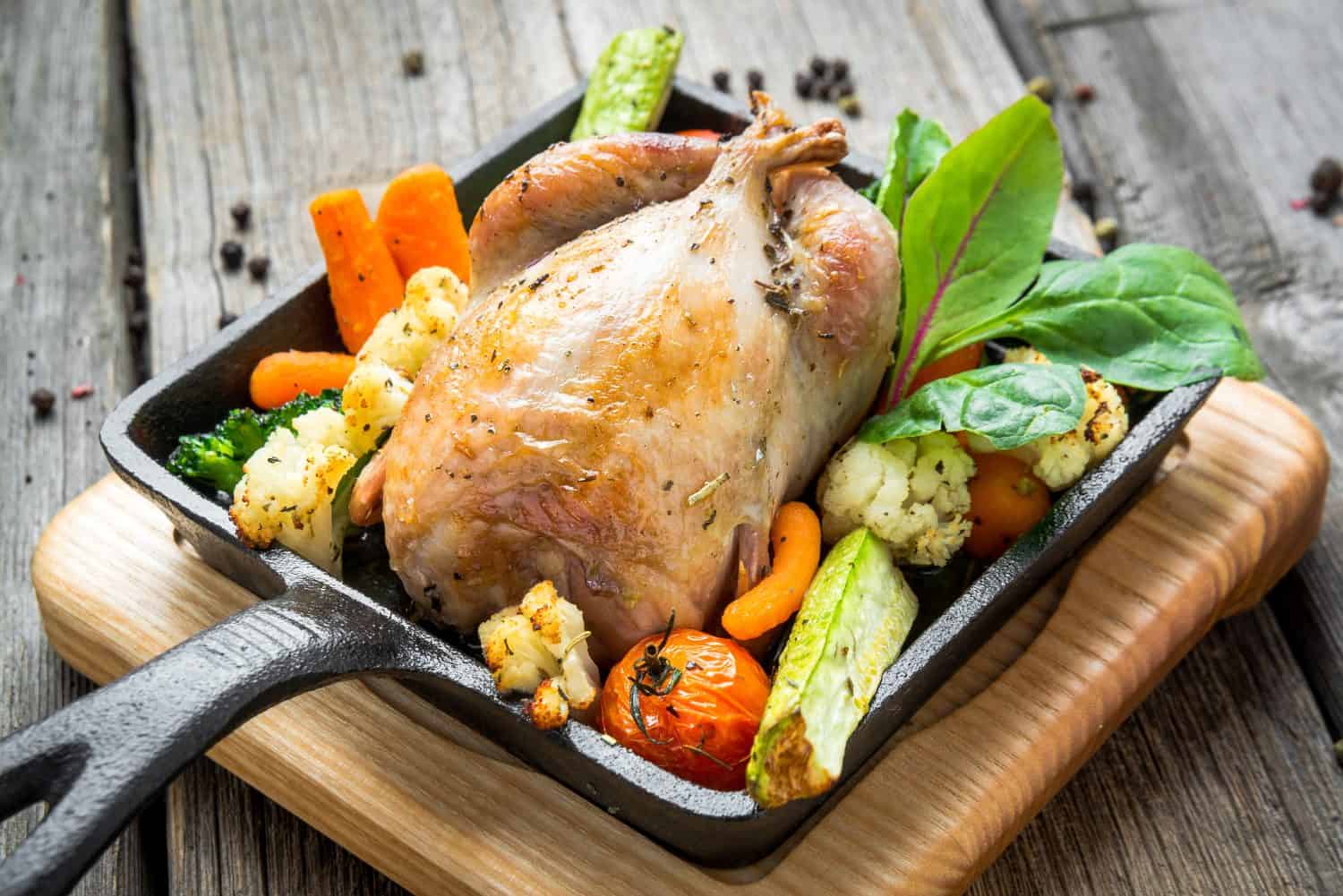
Along with your standard chicken, turkey, lamb, and prime rib, the "roasts" section of the menu used to include a whole lot of game birds. Sometimes they would be in a category of their own. It wouldn't be unusual for six or more varieties of game birds to be on the menu at a high-end restaurant.
Options included squab, snipe, plover, pheasant, guinea fowl, and several varieties of duck, including mallard, canvasback, and teal.
Lobster à l'Américaine
Luxurious and indulgent, Lobster à l'Américaine is a real French showstopper. It's made by simmering a lobster or lobster tail in a rich sauce made with tomatoes, brandy, white wine, aromatics, and plenty of cream. It's traditionally served on a platter with the lobster arranged on top of the sauce.
Calf's Head Vinaigrette
Calf's Head Vinaigrette is a French classic, usually served as an appetizer as part of a cold buffet spread. The dish is made by cleaning and simmering a calf's head until the meat (like the cheeks and tongue) is tender and can be easily removed. It's served cold, topped with fresh herbs and a bright, mustardy vinaigrette.
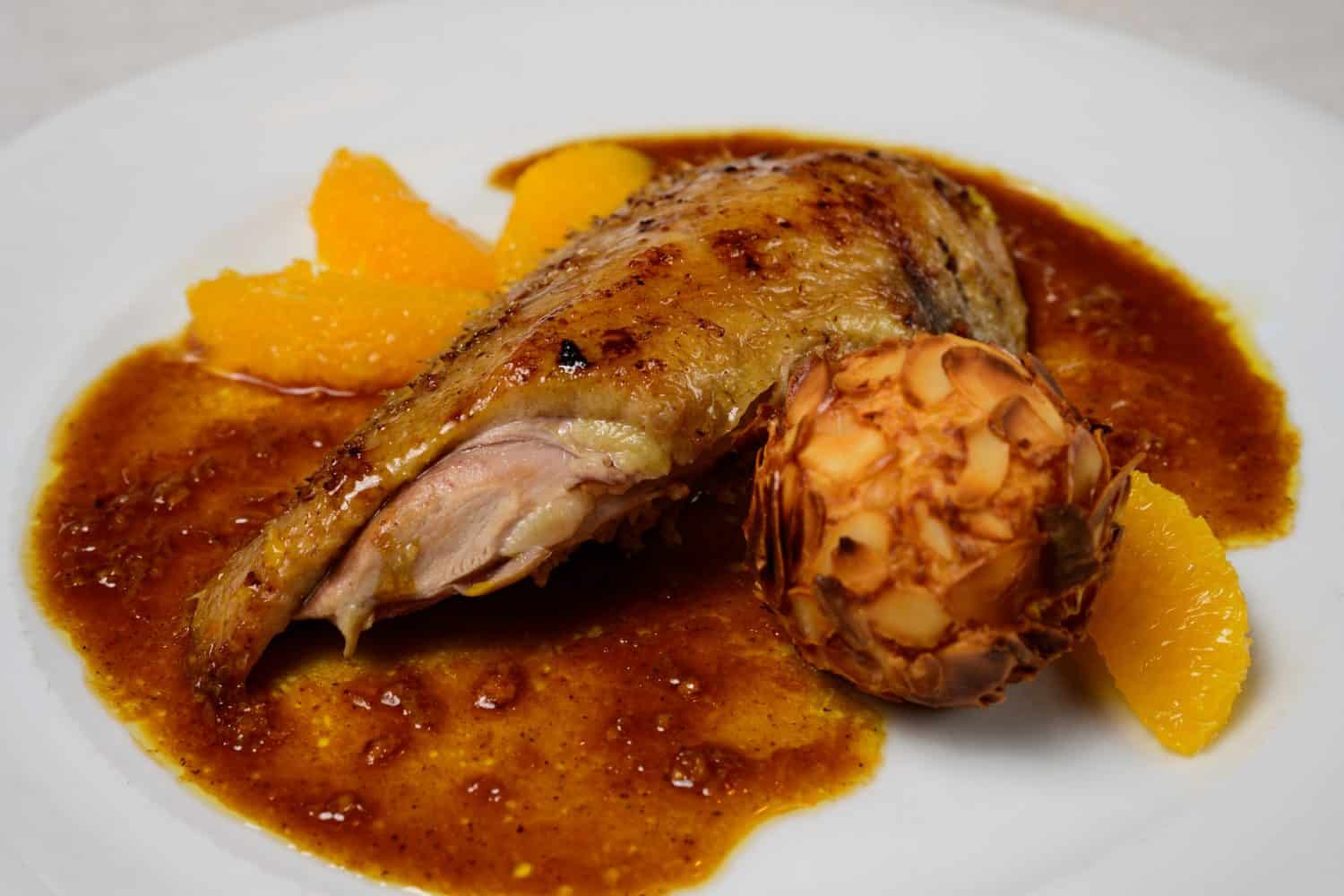
Duck Bigarade
A precursor to the more famous duck à l'orange, Duck Bigarade, is lighter, less sweet, and a little more bitter than its more famous cousin. To make the dish, duck breast is sliced thin and topped with a rich sauce made with demi-glace or Sauce Espagnole mixed with Seville orange juice, a little vinegar, and some Grand Marnier.
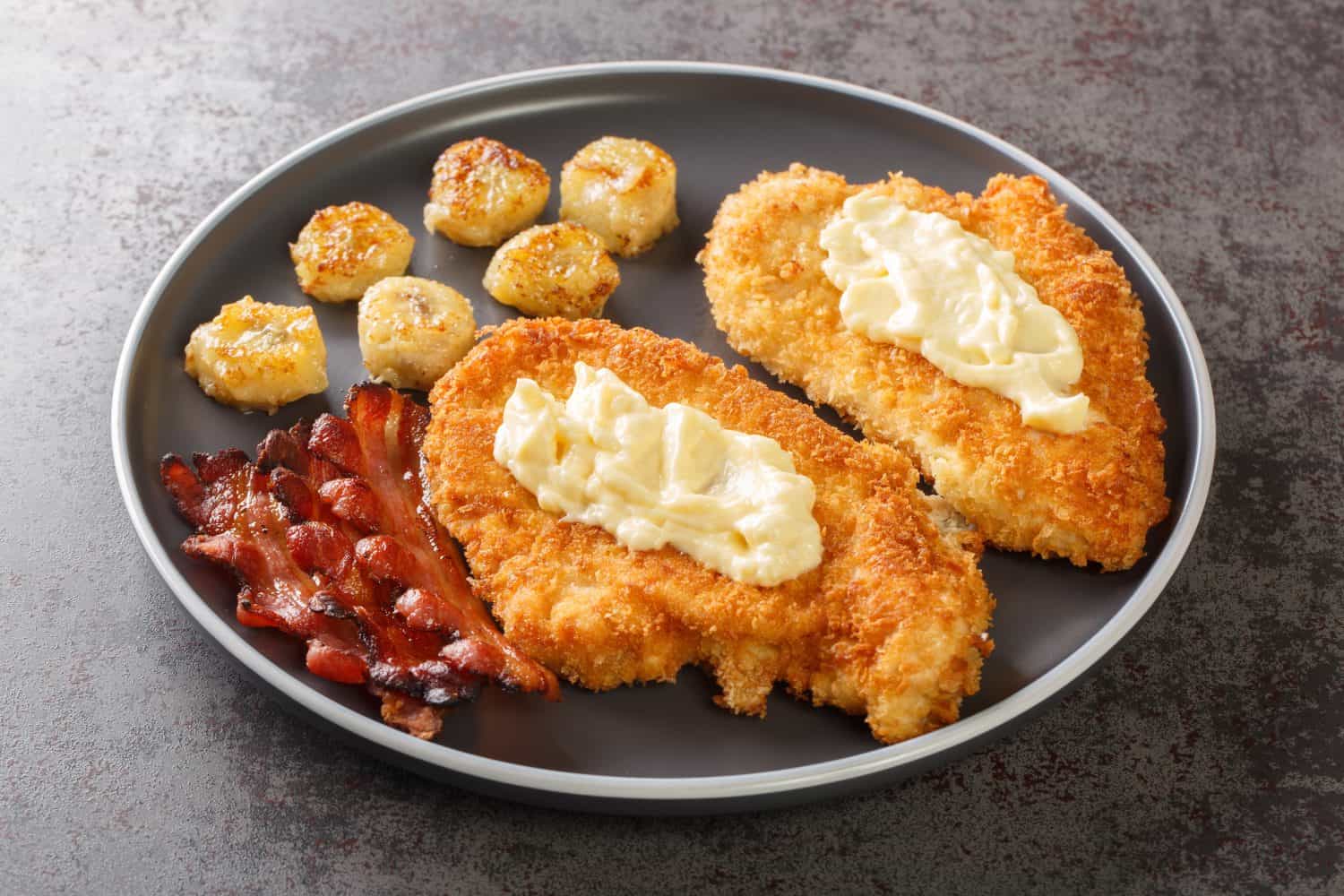
Chicken a la Maryland
A classic chicken dish that originated in Maryland in the late 1900s, this dish is a rare non-French classic. Chicken a la Maryland is fried chicken (either bone-in pieces or boneless breasts) that's topped with a creamy gravy. It is served alongside bananas that have been sliced and fried until caramelized.
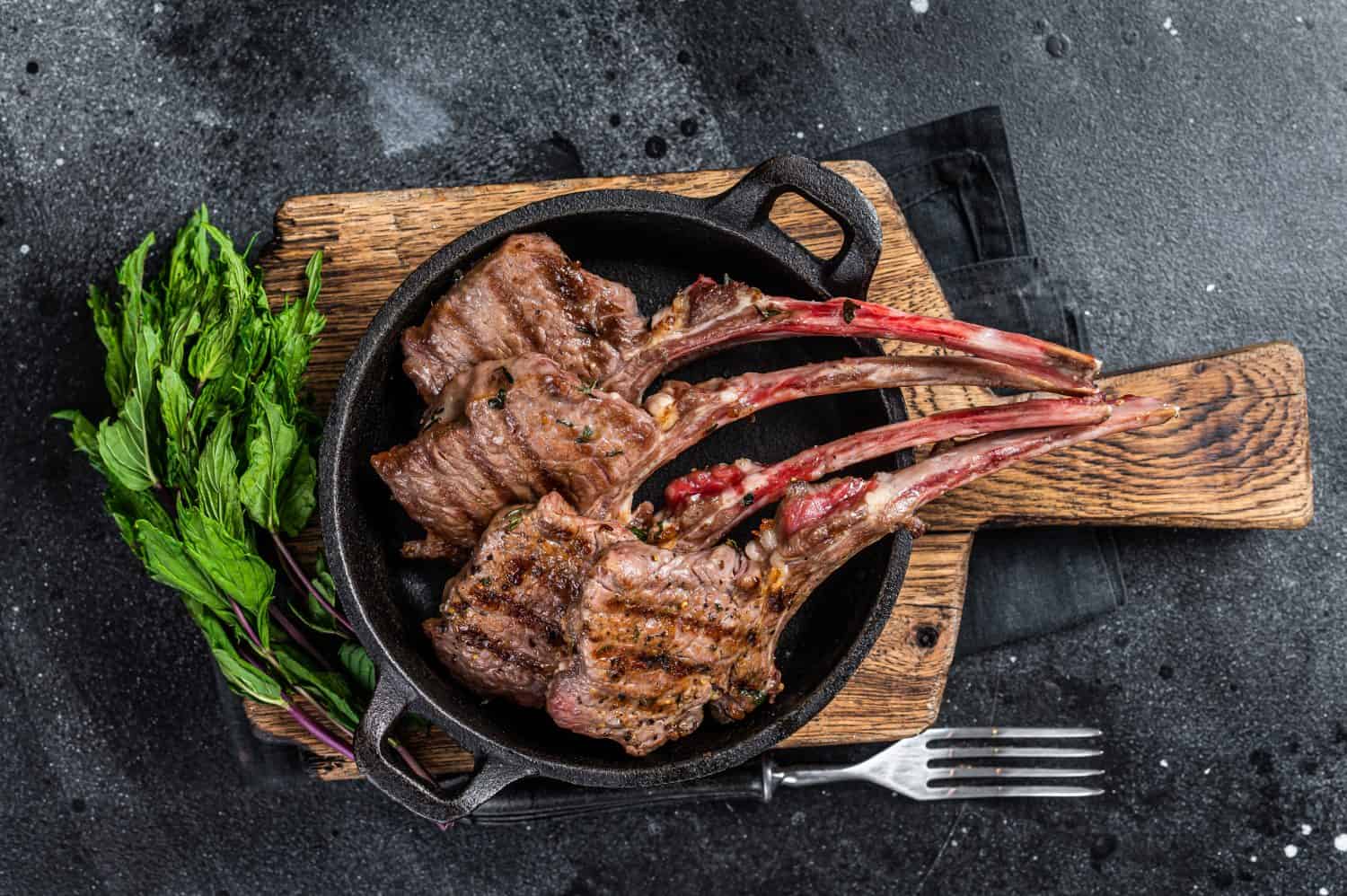
Mutton Chops
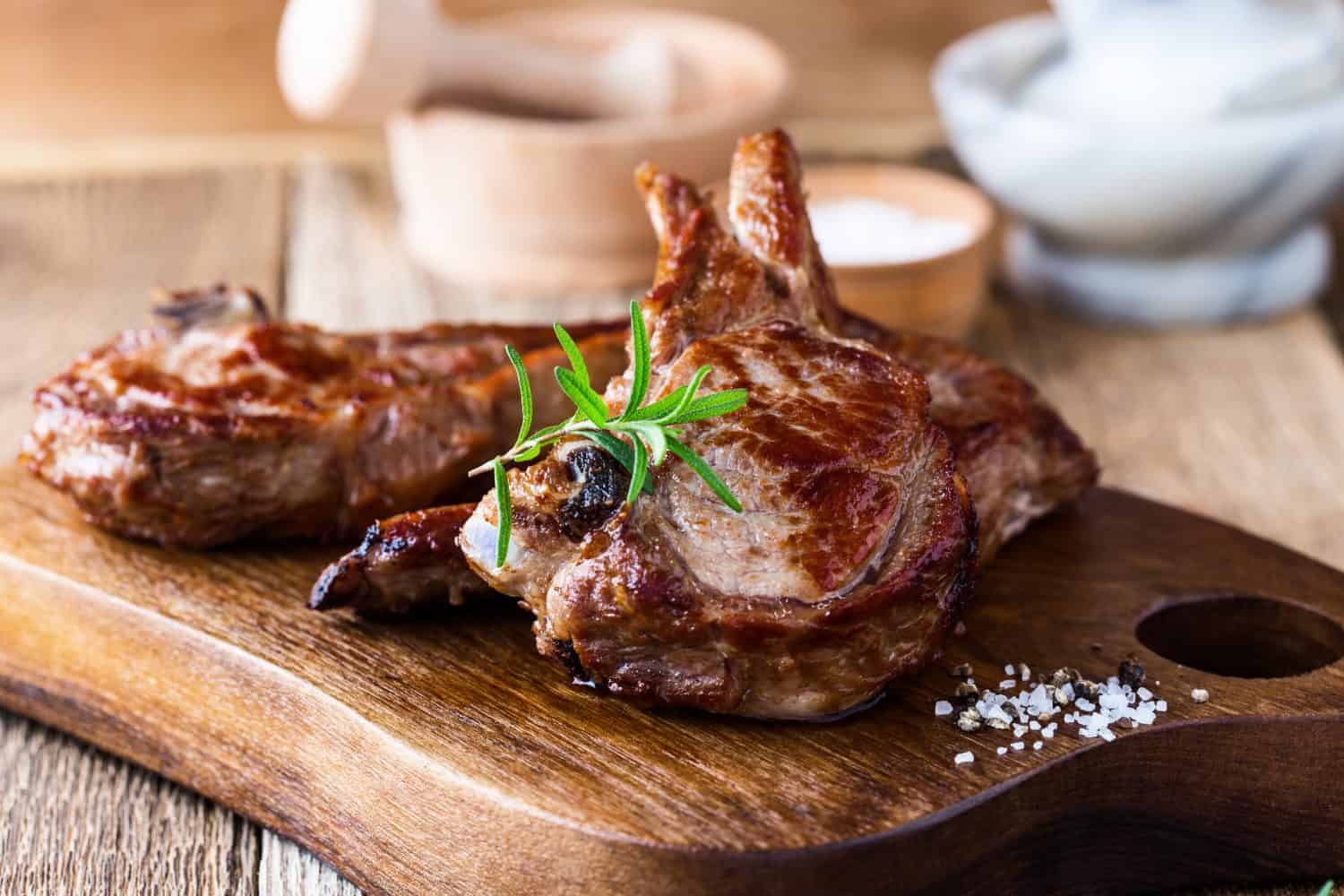
Another once-popular addition under the "roasts" section, mutton chops used to be much more popular than they are today. Mutton is the meat of an adult sheep, and it has a strong, gamey flavor and a relatively tough texture. It's fallen out of fashion in favor of the less gamey, more tender lamb.
However, it occasionally appears on menus at restaurants like traditional Kentucky barbecue joints and New York's Keens Steakhouse.
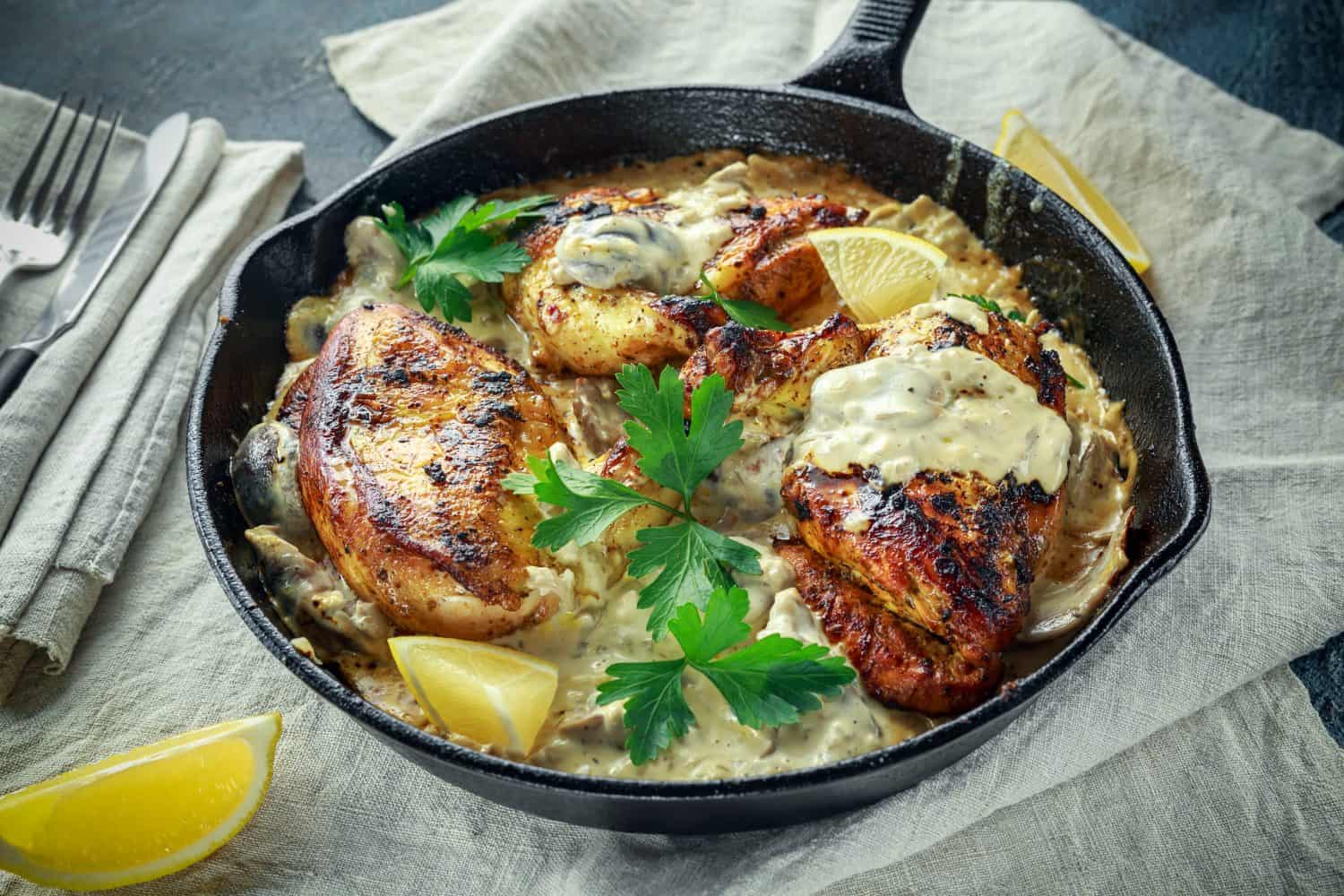
Supreme of Chicken Gismonda
"Supreme of chicken" was once quite common on menus. It gets its name from suprême de volaille, which is a boneless, skin-on chicken breast with the wing drumette still attached. It's also called an airline or Statler-cut chicken breast. In this classic Italian-inspired preparation, the breasts are served with a sauce made with white wine, lemon, capers, and butter.
Galantine of Chicken
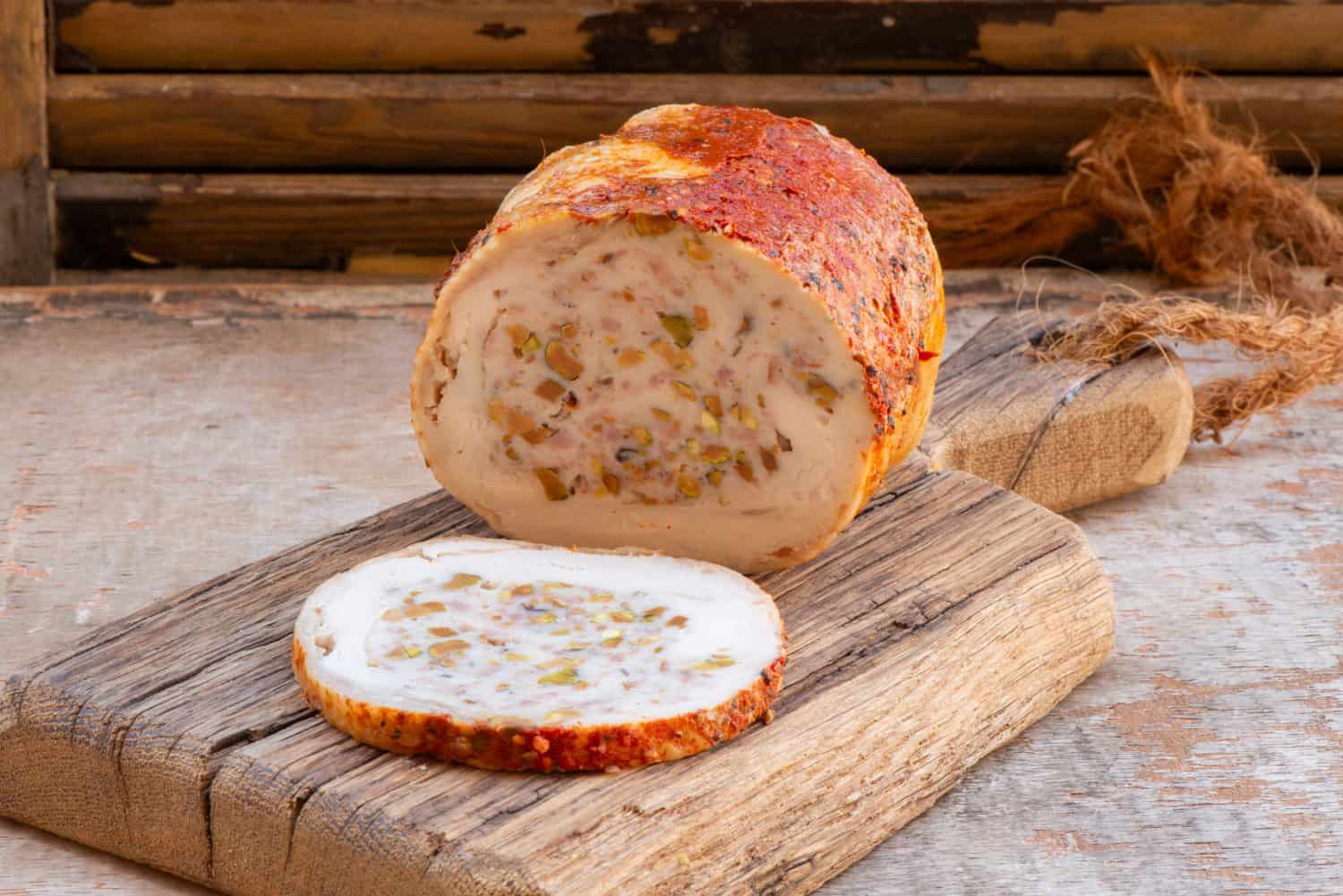
This classic cold French dish used to frequently appear in the "cold buffet" menu section. Galantine of Chicken is made according to a complicated, technique-heavy process in which a whole chicken is carefully deboned and rolled up with a stuffing usually made with breadcrumbs, herbs, spices, other meats including ground pork or veal, and sometimes nuts and dried fruits.
It is then rolled into a cylinder, tied, poached, and cooled. The Galantine of Chicken is served thinly sliced with traditional charcuterie accompaniments like sliced bread, mustard, and cornichons.
Braised Ox Tongue
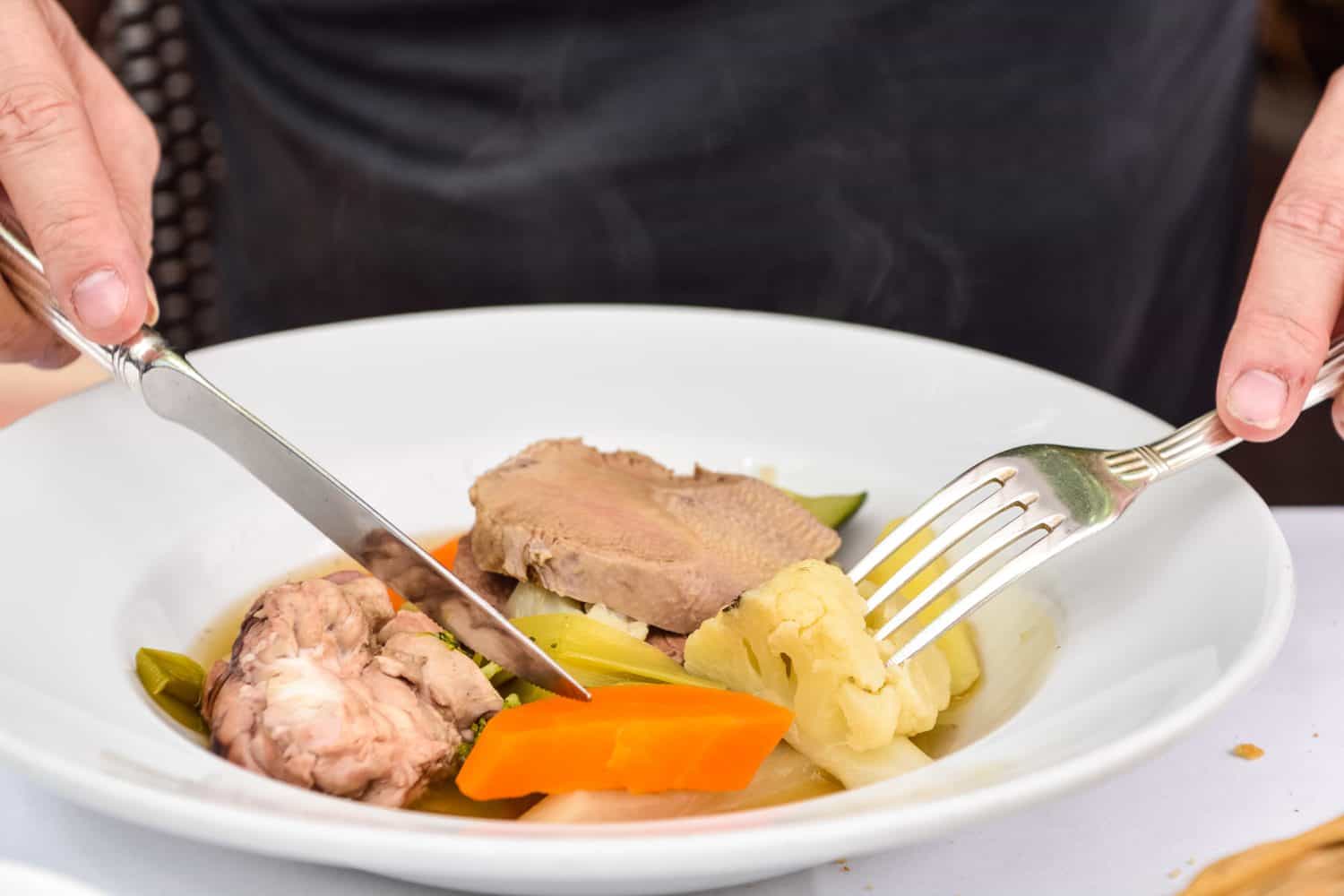
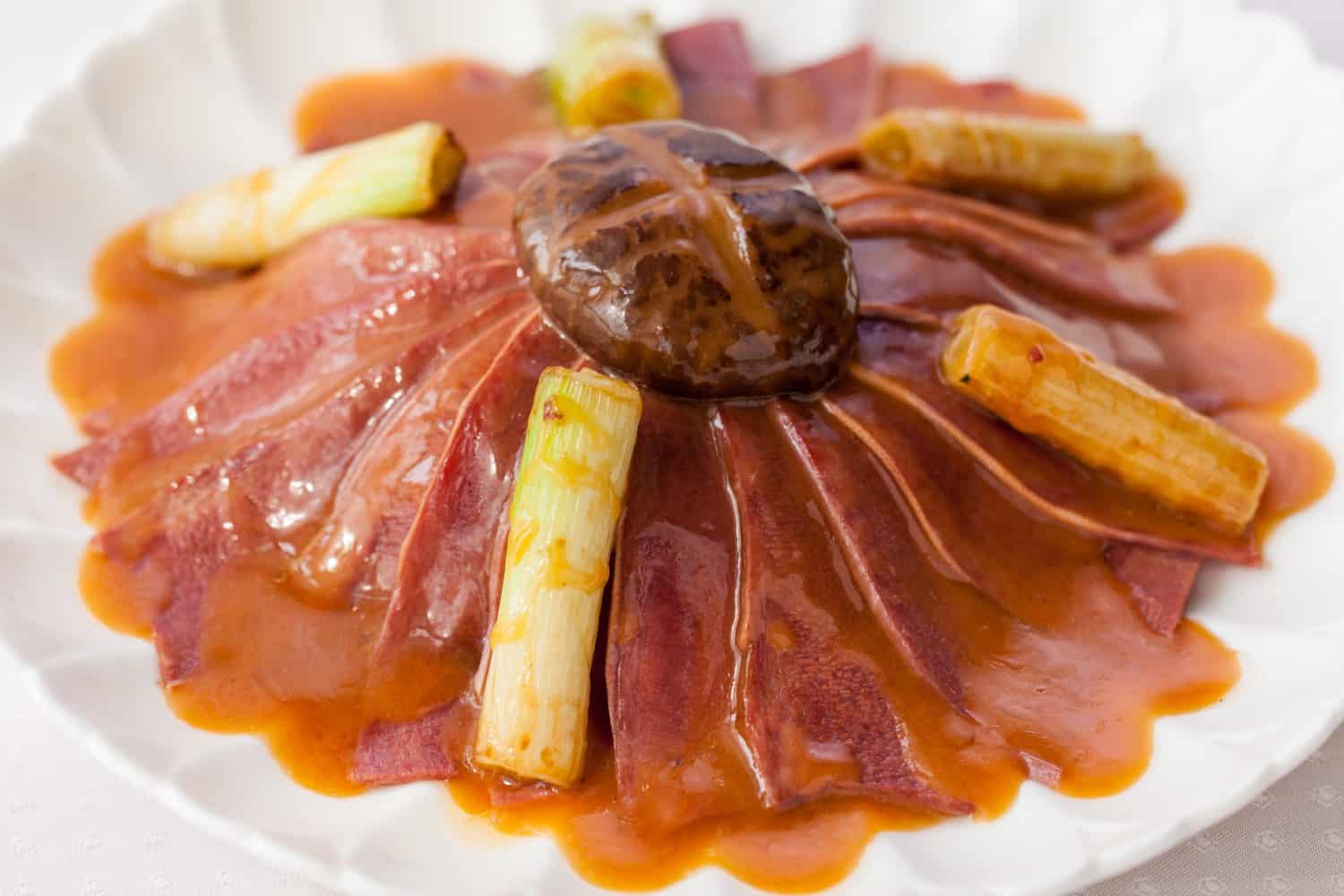
Beef tongue isn't seen much outside of Jewish delis and taquerias these days. However, it used to be a popular entree. Similar to pot roast, the whole tongue would be slowly braised until tender, sliced, and served with vegetables and a rich sauce made with the cooking liquid.
Ham Steak with Glazed Pineapple
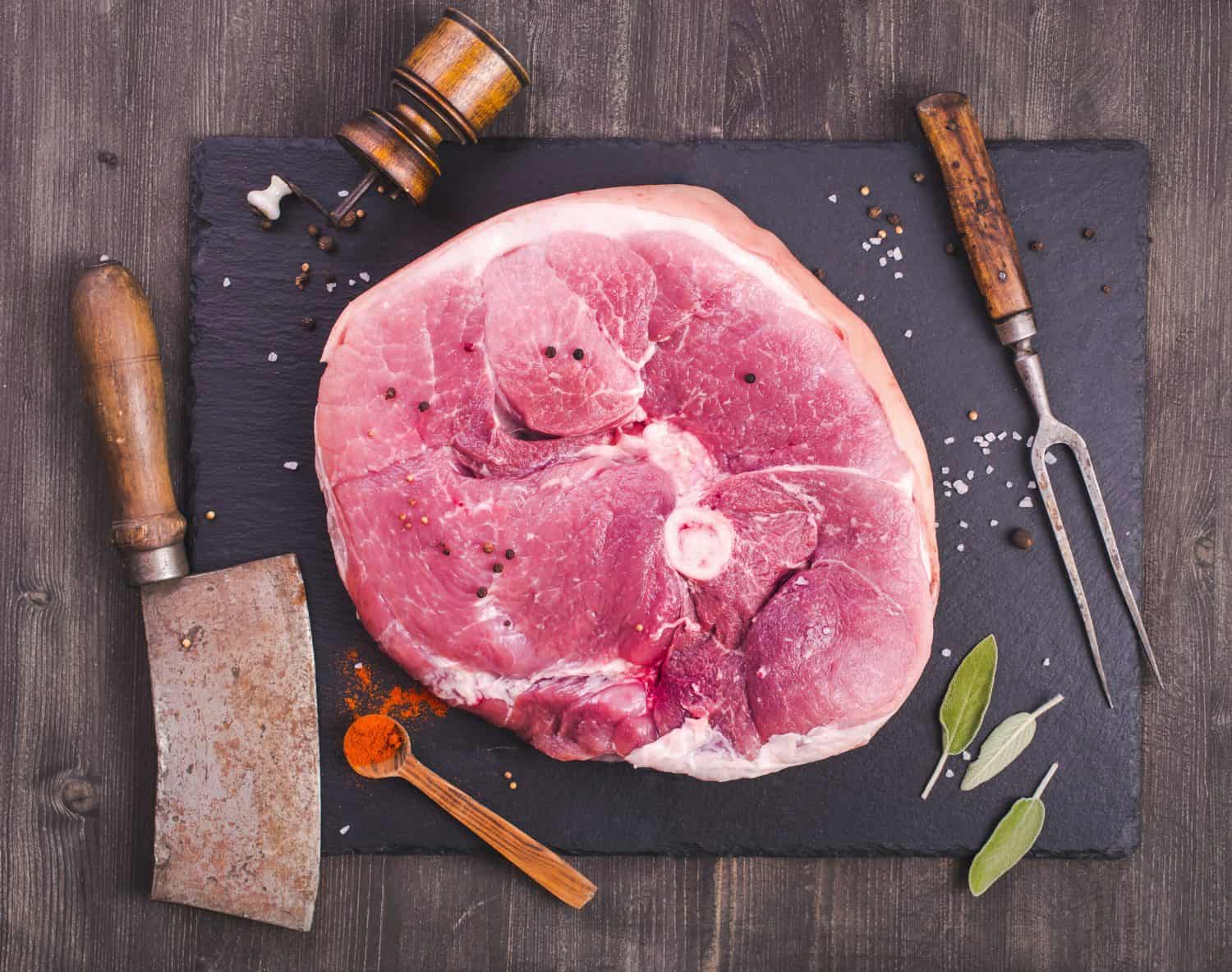
Usually thought of as a midcentury diner classic, ham steak with glazed pineapple wasn't uncommon on fine dining menus in the early part of the 20th century. This dish is just what you're imagining: a thick slice of pan-fried ham, topped with a sweet sugar-glazed pineapple.
Broiled Mushrooms on Toast
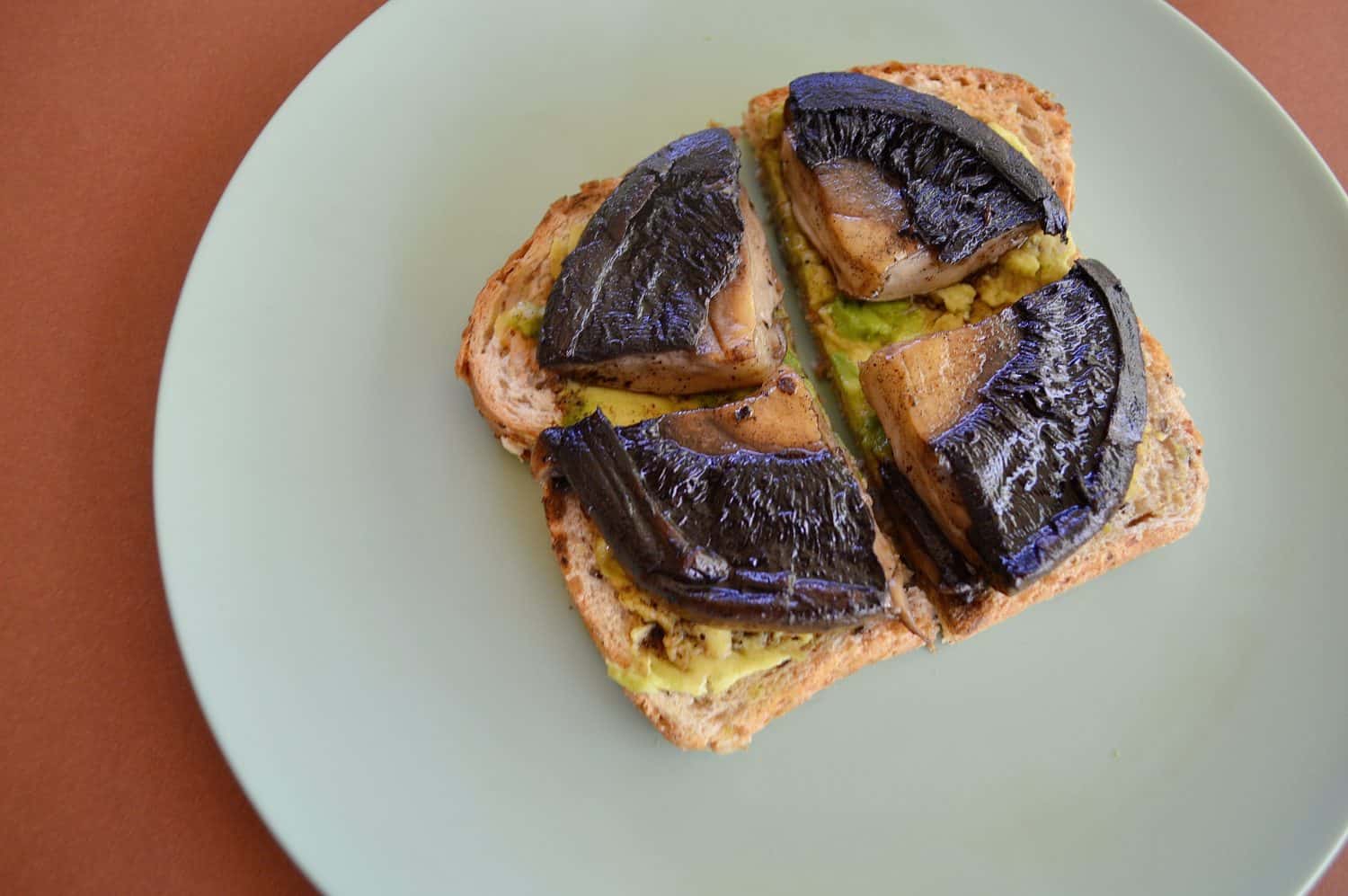
A simple appetizer or vegetable side dish, this old-school dish is just what it sounds like. Button mushrooms, usually quartered and broiled, are served atop toast points, typically garnished with herbs.
Cold Boned Capon Aux Truffes
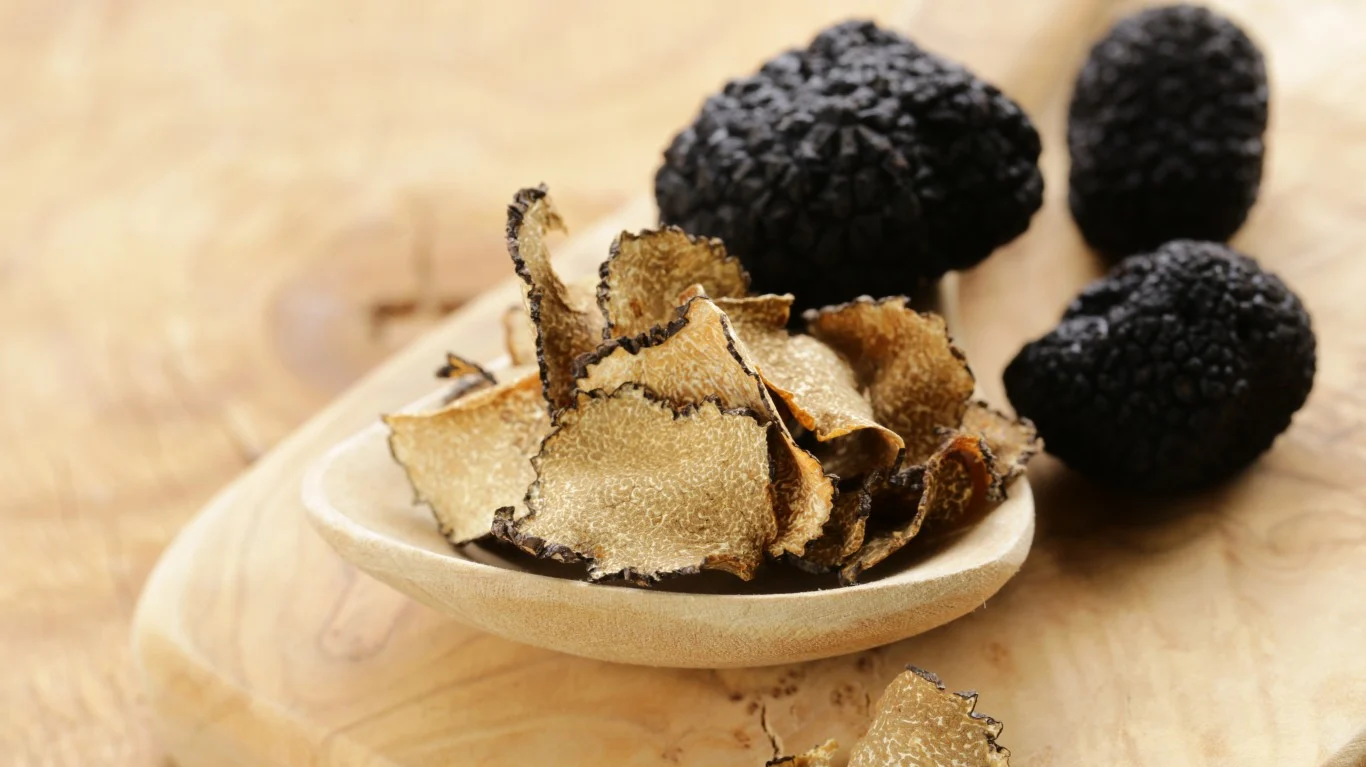
An elegant and luxurious French dish similar to a galantine, this labor-heavy dish starts with a capon, or a castrated rooster. It's carefully deboned, rolled up with a filling of ground meat, breadcrumbs, and plenty of truffle (and maybe even some foie gras), poached, cooled, and sliced. It's usually served with a salad and crusty bread, and perhaps some more fresh truffles shaved on top.
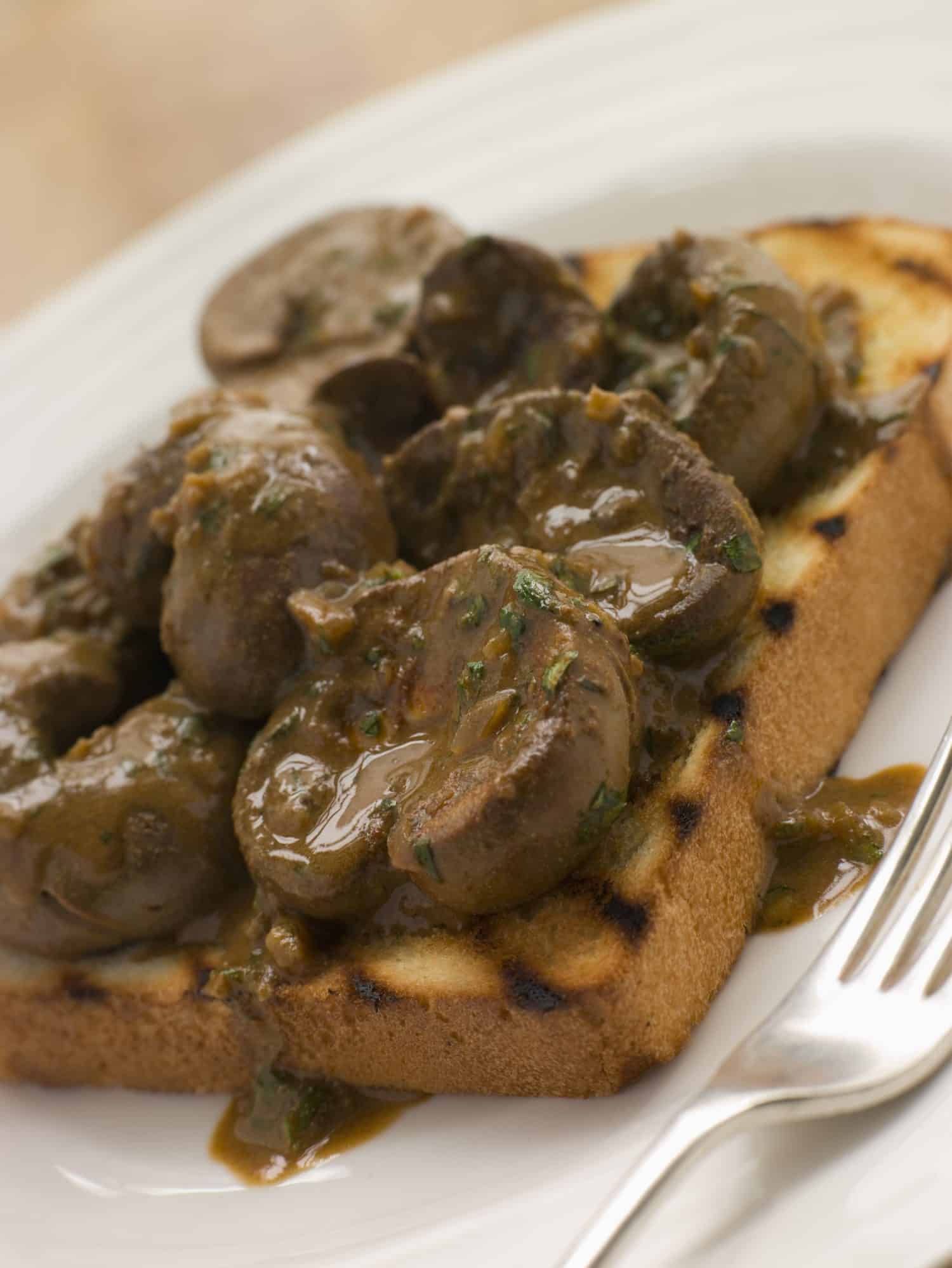
Deviled Lamb Kidneys on Toast
As mentioned, offal dishes like kidney used to be a lot more popular than they are today. So did meats served on top of toast, which served to soak up sauce or juices. The term "deviled" implies a tangy, spicy sauce.
This dish tops halved or quartered fresh lamb kidneys that have been cleaned and pan-fried to medium with a richly-flavored sauce made with ingredients such as mustard, Worcestershire sauce, vinegar, butter, and spices like cayenne pepper or paprika.
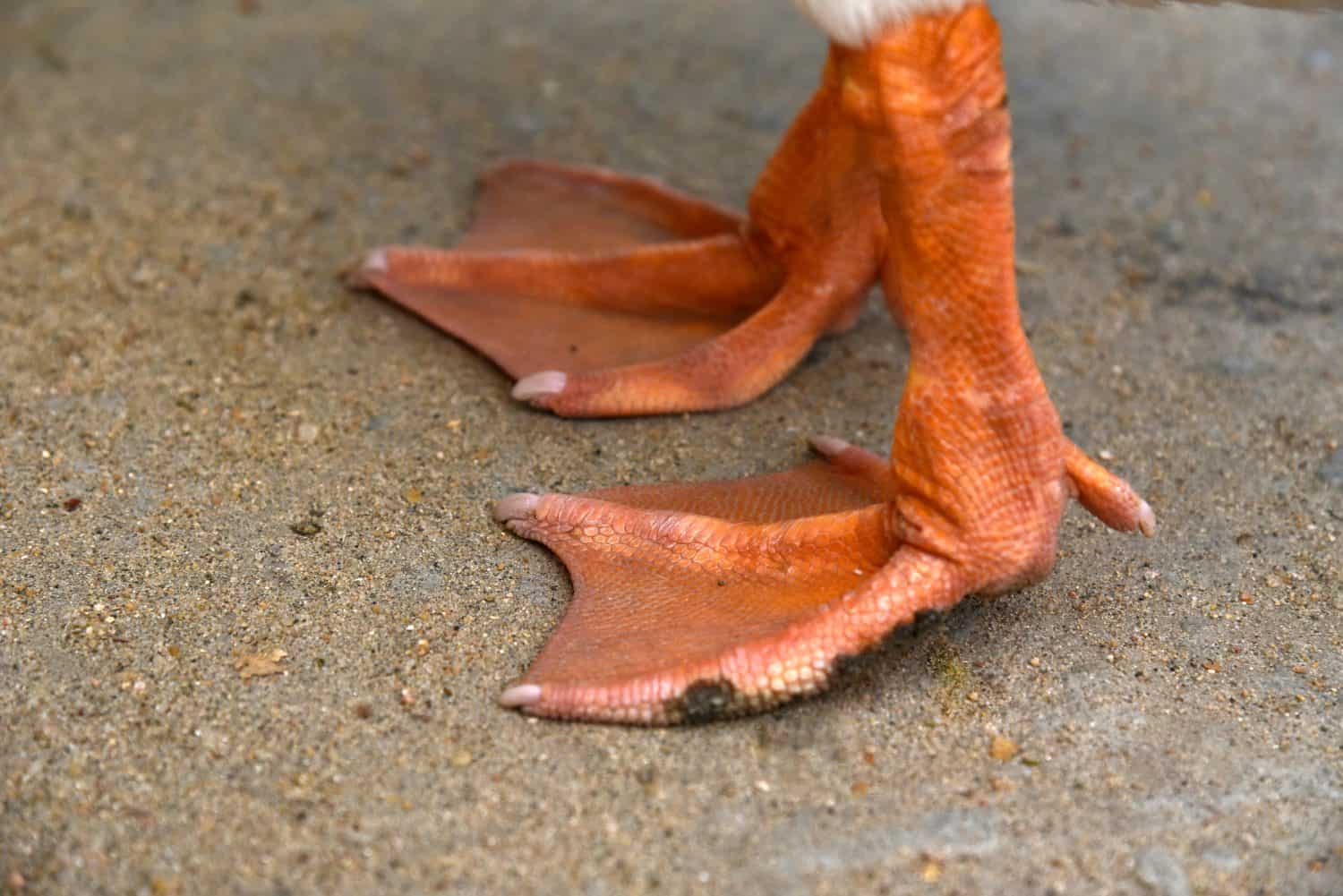
Goose Feet à la Poulette
Yes, goose feet used to be eaten far more often than they are today. Think of them similar to how duck feet and chicken feet are very popular in Asian cultures. They're slowly simmered until nearly falling apart, with a chewy texture that's largely skin and collagen.
"A la poulette" means that they're served with a sauce that's commonly served alongside poultry dishes; it's made with chicken stock that's enriched with cream of egg yolks and flavored with lemon juice, parsley, and sometimes mushrooms. Like chicken feet, goose feet could now be considered one of the world's most bizarre foods.