Professional wrestling is a spectacle built on larger-than-life characters, dramatic storytelling, and intense rivalries that keep fans on the edge of their seats. But, contrary to popular belief, not every champion is beloved. These “heels,” or villains, are just as vital to the wrestling world as their heroic counterparts.
Over the decades, some wrestlers have elevated villainy to an art form. These figures have defined eras and sparked unforgettable feuds. Many have turned crowd disdain into long-term success, proving that being hated is not just a risk but often a deliberate career strategy. In some cases, the most hated champions are the ones who made wrestling history.
Today, 247 Tempo explores the most hated wrestling champions of all time, from the golden age of television wrestling to today’s modern icons. Let’s dive in now.
Triple H: Wrestling’s Ultimate Heel

Triple H has earned the title of the most hated professional wrestling champion of all time, having won the ‘Most Hated Wrestler of the Year’ award eight times between 1999 and 2014. He was notorious for his backstage influence, manipulative storylines, and using his executive power in WWE to elevate himself unfairly.
The Origins of Heel Heat
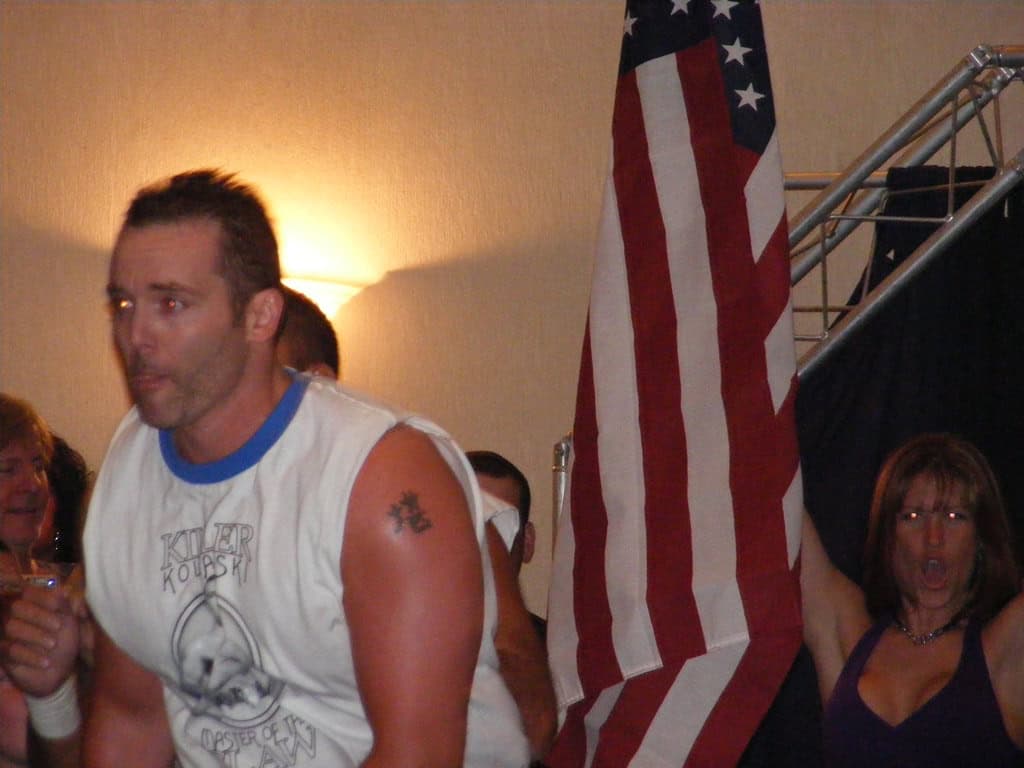
Wrestlers like Killer Kowalski and The Sheik helped lay the groundwork for what it meant to be a truly hated figure in professional wrestling. Their aggressive in-ring styles and blatant disrespect for fans earned them widespread infamy. These early villains set the tone for decades of wrestling storytelling based on conflict and betrayal.
Ric Flair: The Arrogant Antagonist
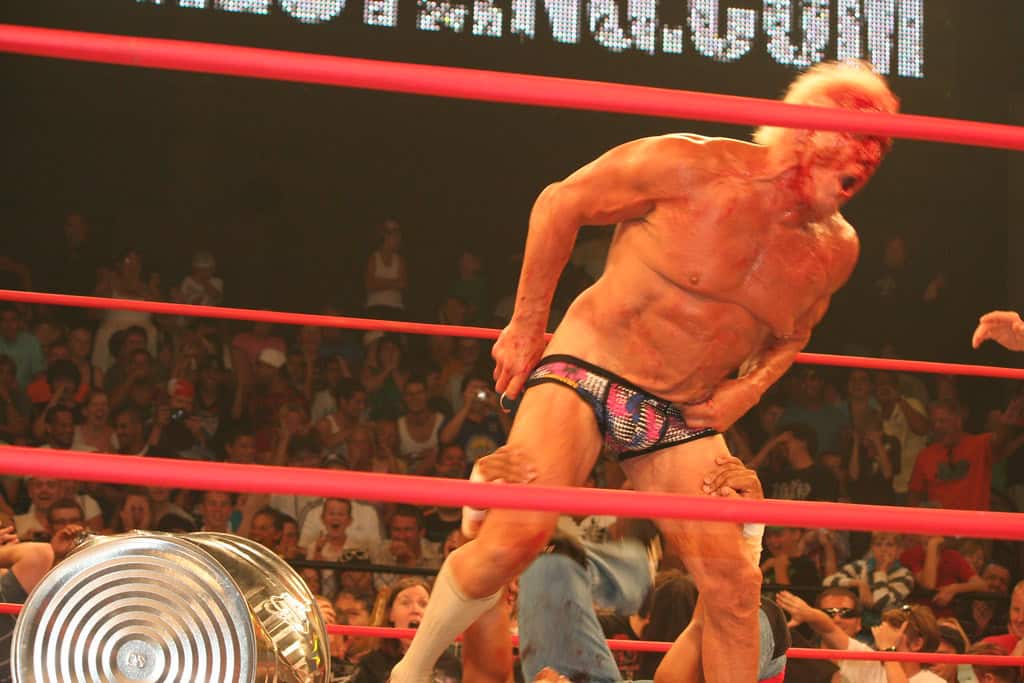
Ric Flair, known for his flamboyance and arrogance, was as hated as he was loved during his career. He won the ‘Most Hated Wrestler of the Year’ title several times due to his over-the-top persona and relentless cheating. Flair relished playing the heel, often infuriating audiences across territories, shaping the heel archetype in modern wrestling.
The Rise of Hollywood Hogan
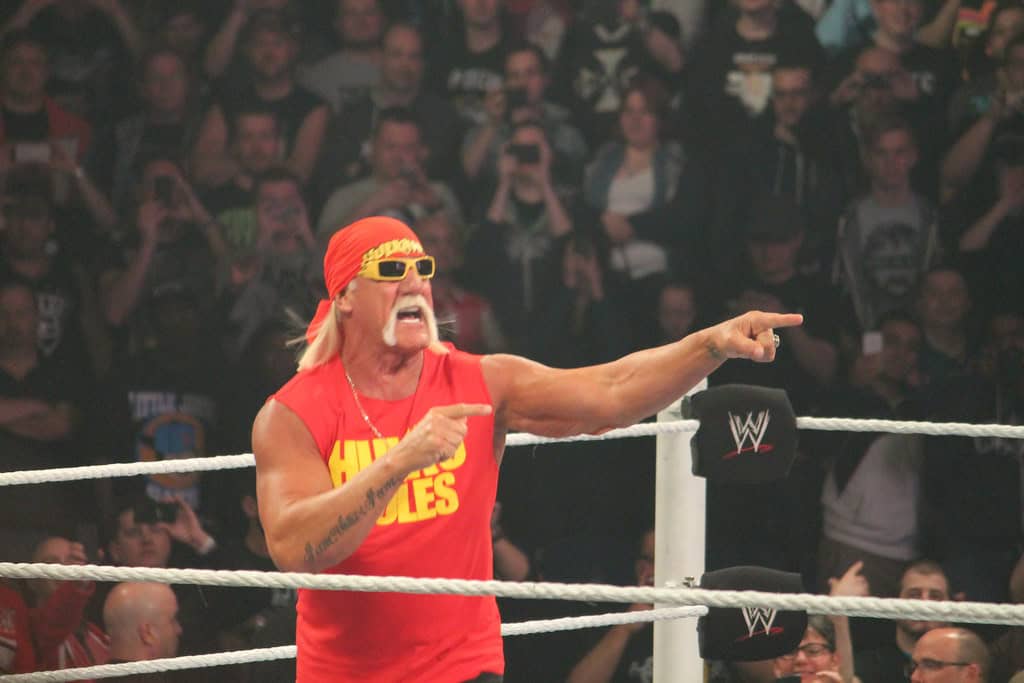
When Hulk Hogan reinvented himself as ‘Hollywood Hogan’ in the mid-1990s, it shocked fans and transformed him into one of wrestling’s biggest villains. As the leader of the nWo, he embraced egotism, cheating, and dirty tactics, discarding his ‘real American’ image. This heel turn is still considered one of the most impactful in wrestling history.
Edge: The Rated-R Superstar

Edge leaned into villainy with gusto, becoming one of WWE’s most despised champions in the mid-2000s. His ‘Ultimate Opportunist’ gimmick, frequent cheating, and feuds with beloved stars like John Cena kept him in the fans’ crosshairs. He was booed everywhere he went, yet his charisma made him must-watch television.
The Reign of JBL

John ‘Bradshaw’ Layfield’s transformation into a wealthy, arrogant bully turned him into one of wrestling’s most reviled champions. His long WWE Championship reign in the mid-2000s featured interference, cheating, and constant ridicule of his opponents. Fans despised his entitled persona and his politically charged promos.
Vince McMahon: The Corporate Villain

Though not always an in-ring competitor, Vince McMahon’s role as the ruthless boss made him one of the most hated figures in wrestling history. His feuds with Stone Cold Steve Austin and others highlighted his manipulative and authoritarian tendencies. He represented the system keeping fan favorites down, drawing immense crowd hostility.
CM Punk: Cult Hero or Villain?
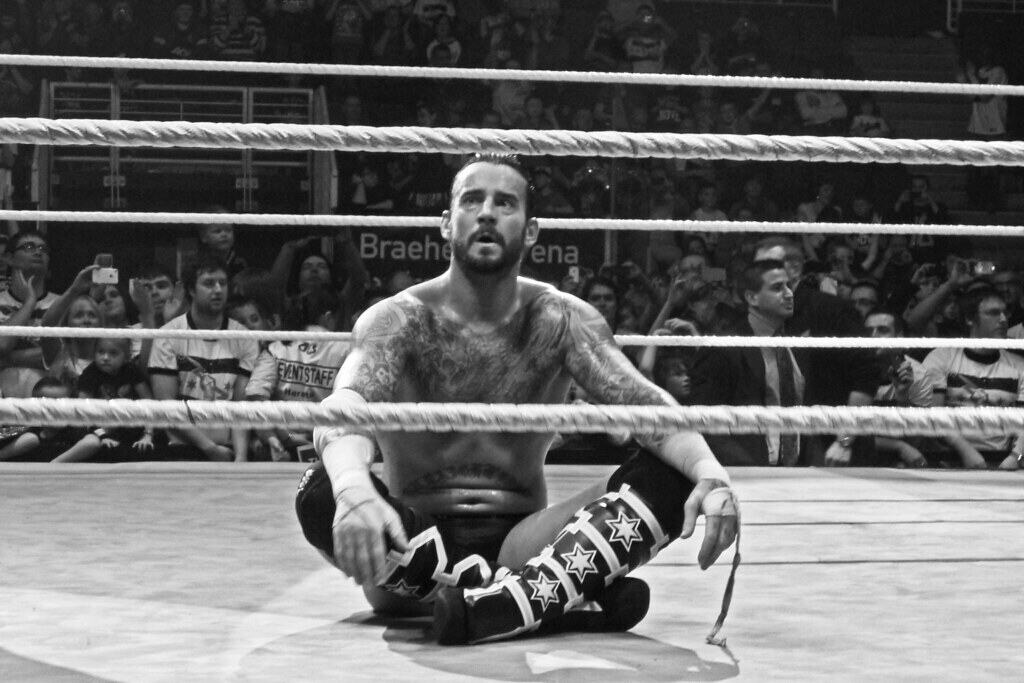
CM Punk walked a fine line between hero and heel throughout his WWE tenure. His infamous ‘pipe bomb’ promo turned heads and blurred reality with storyline. Later, his arrogant and self-righteous persona made him a polarizing figure, earning him hatred as well as admiration.
Seth Rollins: The Architect of Betrayal
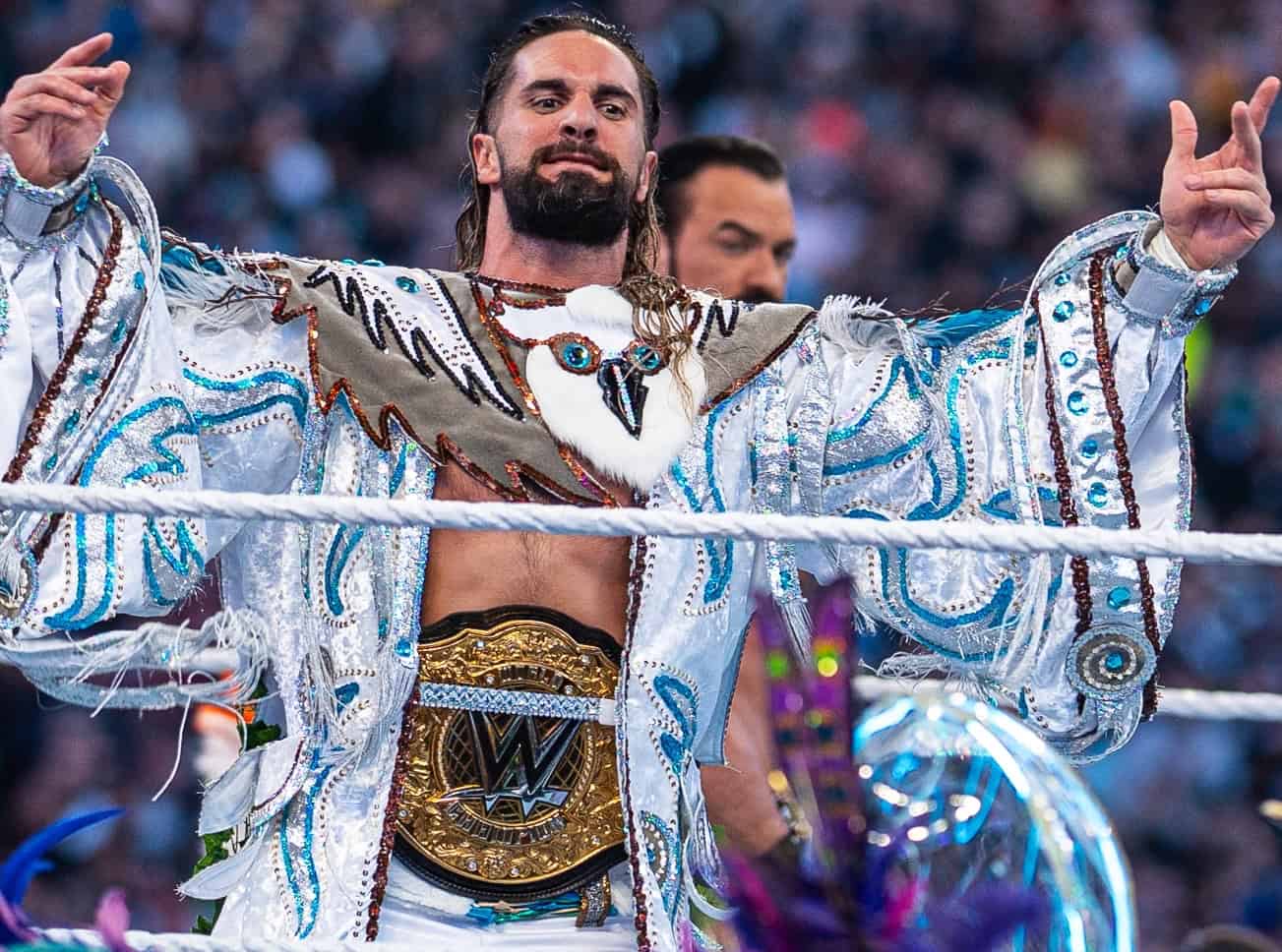
Seth Rollins’ betrayal of The Shield marked his transition into one of WWE’s most despised stars. His alignment with The Authority and constant championship interference made him a lightning rod for boos. Fans viewed him as a sellout and a snake, but his athleticism kept him relevant. His heel work defined a key era in WWE storytelling.
Roman Reigns: From Rejection to Dominance

Initially pushed as a face, Roman Reigns faced significant fan backlash due to perceived favoritism. WWE’s persistent efforts to make him the company’s top star backfired, turning crowd sentiment against him. His eventual turn as a dominant heel ‘Tribal Chief’ earned respect and boos alike.
MJF: The Modern-Day Villain

AEW’s MJF has quickly become one of the most authentically hated wrestlers of his generation. With unfiltered promos and unapologetic arrogance, he embraces classic heel tropes and reinvents them for modern audiences. His refusal to break character enhances his credibility as a true villain.
The Miz: WWE’s Mouthiest Heel

The Miz has spent much of his career antagonizing fans and fellow wrestlers alike. His arrogance, constant bragging, and willingness to cheat have made him one of WWE’s most enduring heels. He thrives on being disliked, turning every boo into fuel for his character. The Miz’s mic skills and consistency have made him a fixture among wrestling’s top villains.
Randy Orton: The Apex Predator
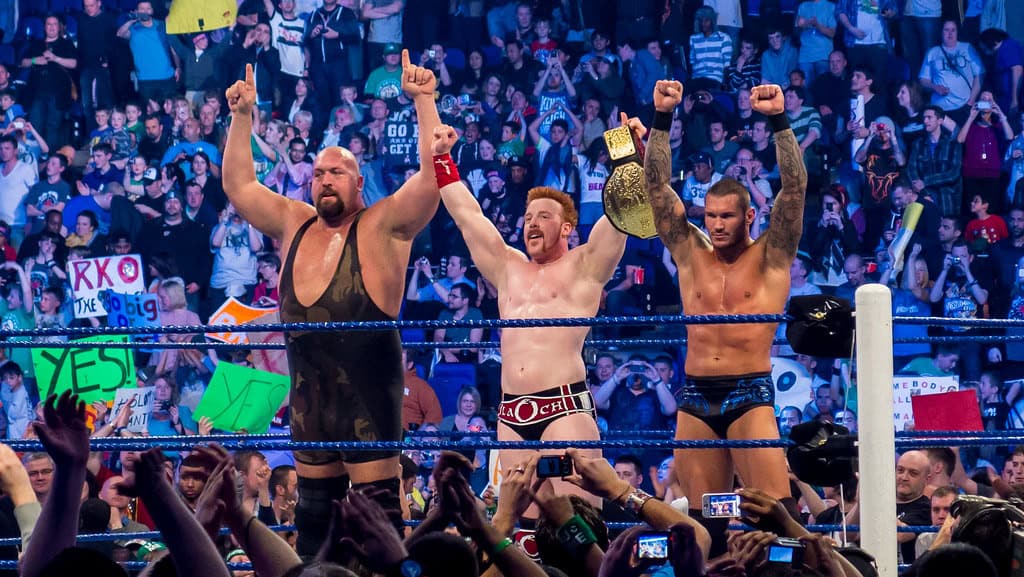
Randy Orton’s calculated and cold persona has earned him widespread hatred at various points in his career. He has betrayed tag partners, attacked legends, and manipulated his way into championships. His longevity and mastery of heel tactics are a testament to his talent.
Chris Jericho: Master of Reinvention

Chris Jericho has played both face and heel, but his villainous runs often stand out. From his days as an egotistical ‘Ayatollah of Rock ‘n’ Rolla’ to his recent ‘Painmaker’ persona, he has drawn ire across promotions. Jericho’s adaptability keeps him relevant as well as frequently loathed.
Conclusion: The Art of the Heel

Professional wrestling thrives on conflict, and hated champions are often the lifeblood of storytelling in the industry. These wrestlers have mastered the role, elevating both themselves and the fan favorites they oppose. These heels provoke emotion, drive narratives, and ensure wrestling stays unpredictable and exciting.