A.S. Zain/Shutterstock.com
Mimadeo/Shutterstock.com
Digital Vision./DigitalVision via Getty Images
samuel howell/iStock via Getty Images
Torgado/Shutterstock.com
U.S. Army / Public Domain
Michael Vi/Shutterstock.com
o:MAXIM ZHURAVLEV/iStock.com
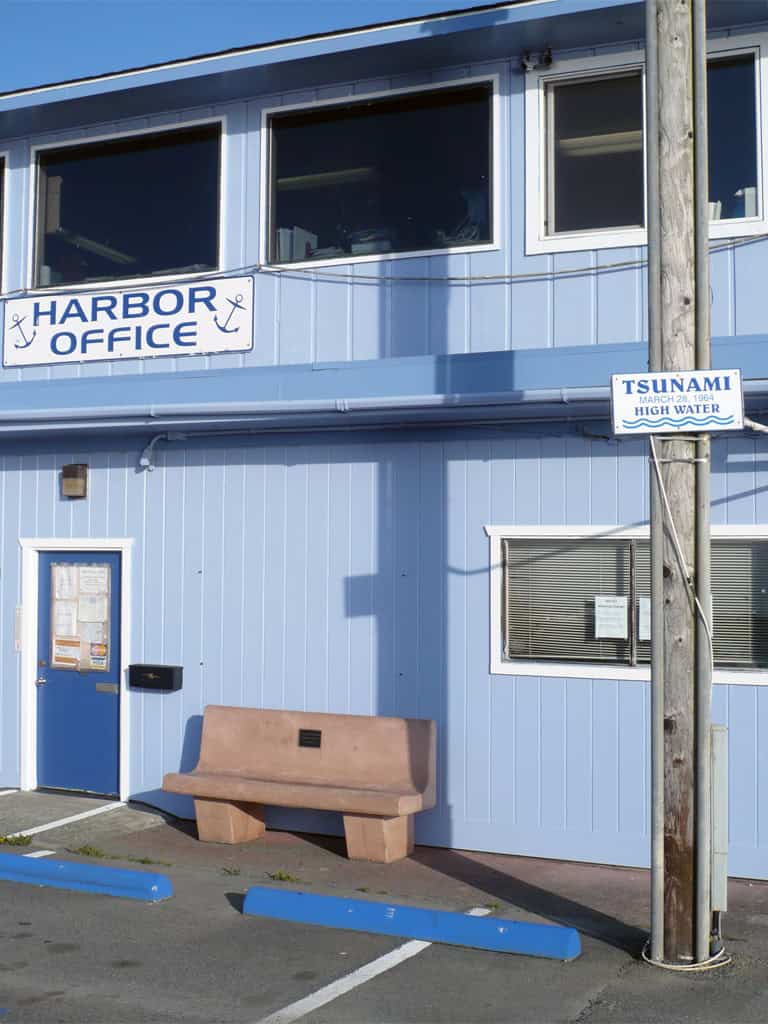
Ellin Beltz / Public Domain
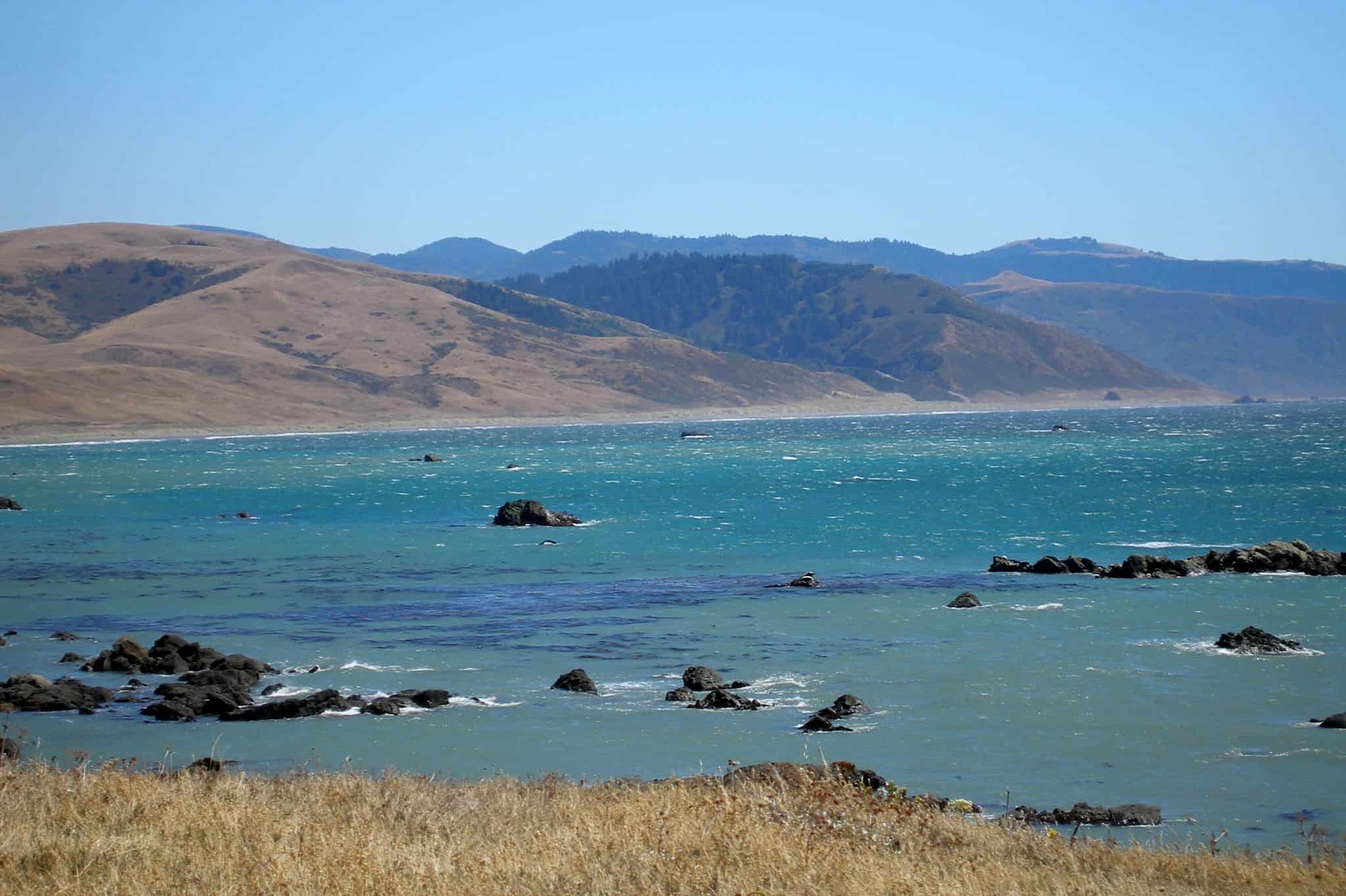
paulhami / CC BY-SA 2.0
The California Tsunami That Destroyed Nearly 300 Homes and Buildings
Tsunamis are among the most destructive natural disasters on Earth because they can travel across entire oceans before slamming into a coastline. A wave triggered thousands of miles away can still arrive with devastating force, especially in places where the shape of the seafloor and harbor can amplify the water as it comes ashore.
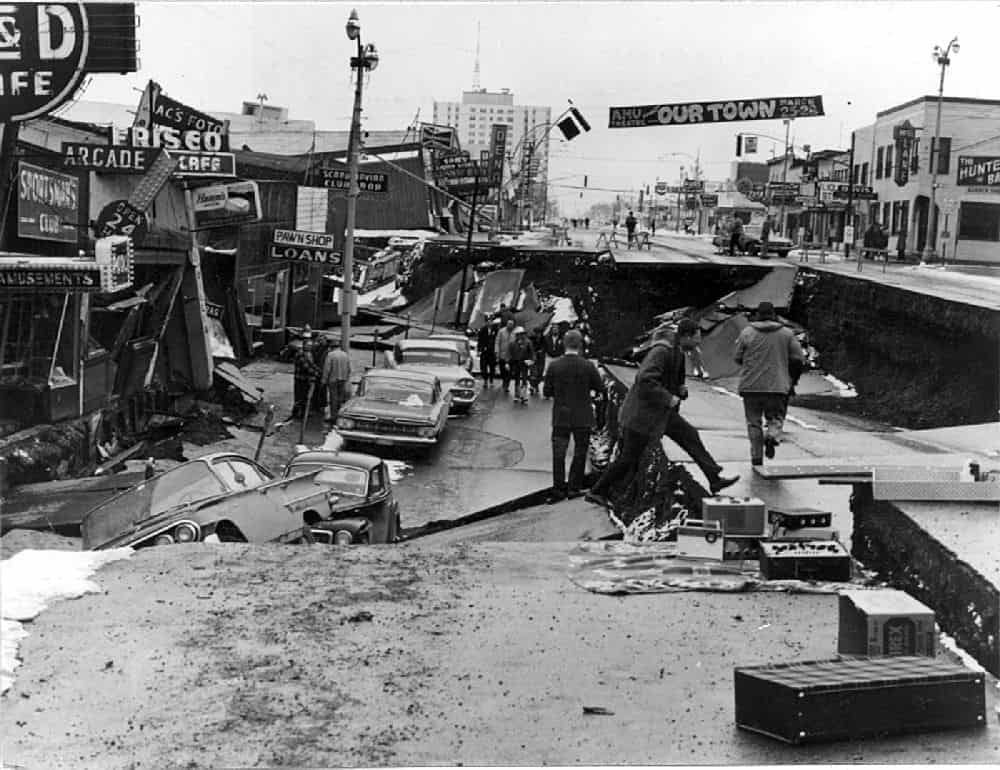
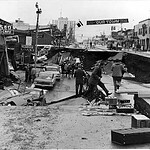
California has seen its share of dangerous tsunamis, but no event in the state’s recorded history compares to what happened in Crescent City in 1964. After a massive 9.2-magnitude earthquake struck Alaska, a series of waves crossed the Pacific and hit the Northern California coast. The disaster killed 11 people in Crescent City, damaged or destroyed 29 city blocks, and left more than 289 homes and buildings destroyed.
The scale of the destruction reshaped Crescent City’s downtown and made the small coastal community one of the most closely watched tsunami hot spots in the United States. Here’s what happened during the most destructive tsunami in California history, and why this city remains so vulnerable today.
How Common Are Tsunamis in California?
- It’s hard to tell exactly how many tsunamis occur in California every year. Most of them are so small, they aren’t considered. In the last few hundred years, there have been about 80 tsunamis significant enough to record.
- While any coastal part of California can be hit, the northern part of the state is the most at risk. Tsunamis from Japan and Alaska both eventually hit the northernmost part of California.
What Other States Are Prone to Tsunamis?
- The Pacific Ocean is where most underwater earthquakes, and therefore tsunamis, occur. This means that states in the western United States are the most at risk. Besides California, this includes Washington, Alaska, and Oregon. Hawaii also faces some risks, as well as American territories.
- The East Coast are also potentially at risk for tsunamis, though there is a far smaller chance.
What Was the Biggest Tsunami to Hit California?
- There was a large tsunami in California in 2011, and while that one was destructive, it wasn’t the biggest.
- The biggest, but not necessarily the worst, earthquake hit California in Crescent City, 20 miles south of Oregon. Four tidal waves ended up hitting Crescent City just before midnight. Other cities nearby were affected, but not as badly. For example, the Bay Area was also impacted.
Other Areas Affected by the Crescent City Tsunami
- While Crescent City, California, was the final destination, it wasn’t the only state to suffer from the tsunami. Southeast Alaska, British Columbia, Oregon, and Washington were all hit and suffered damage to some degree.
- This isn’t even close to the first tsunami in Crescent City. Since 1933 alone, over 32 tsunamis of varying sizes have hit the city. Thankfully, all but five of them have been minor.
When?
- This large tsunami hit California on March 28, 1964. The tsunami was a result of the 1964 Alaskan earthquake, which took place a day earlier. This massive earthquake measured 9.2–9.3 on the Richter Scale and is the strongest earthquake ever recorded in North America.
When? (Cont.)
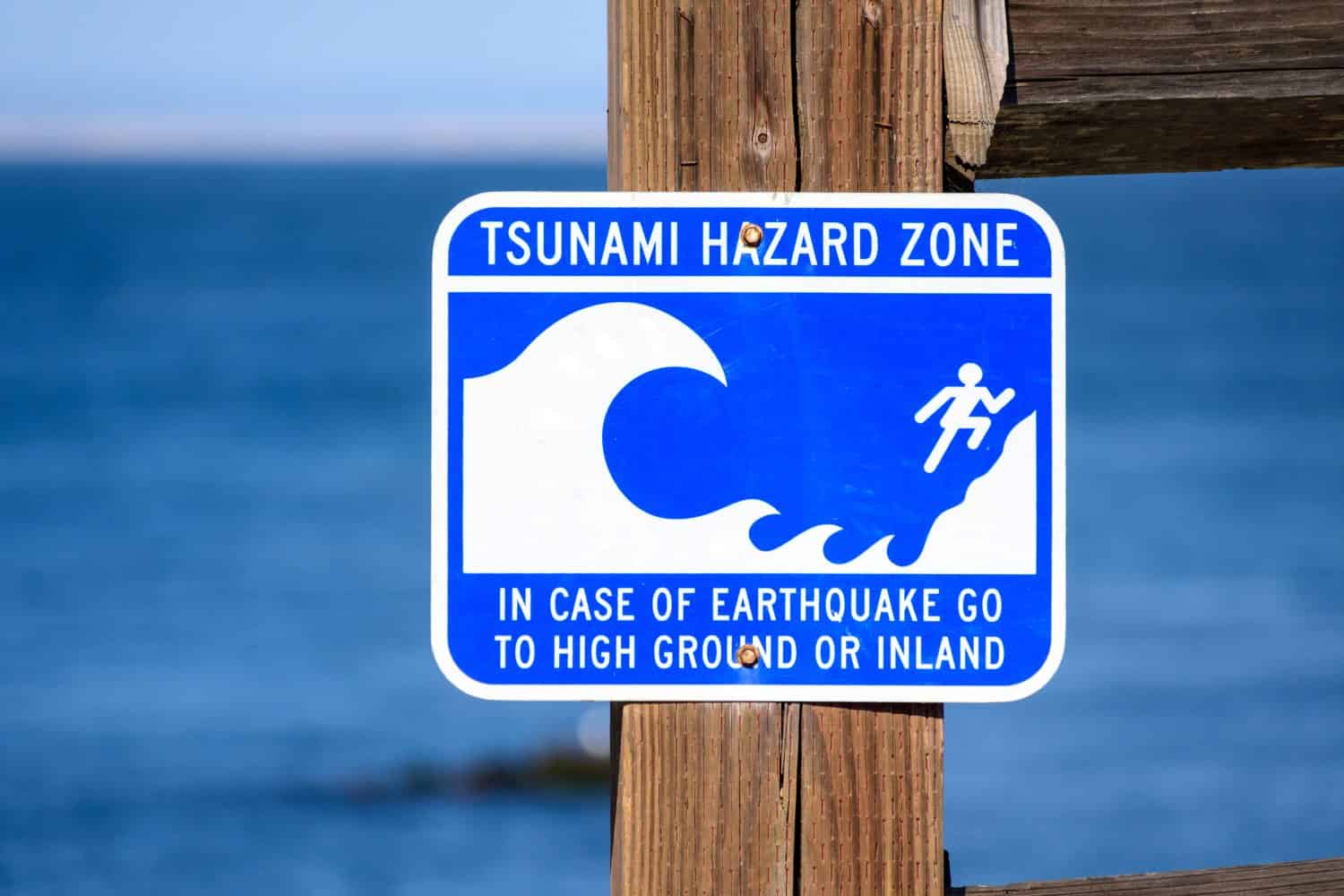
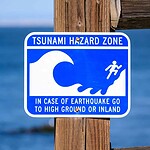
- Since the tsunami hit, Crescent City and California as a whole have upgraded their warning systems for natural disasters. Crescent City now has a siren-based tsunami warning system, evacuation maps, and posted signs along evacuation routes.
- Crescent City is among several communities in California that have been recognized as “TsunamiReady” by the National Weather Service’s TsunamiReady program.
Size?
- The earthquake in Alaska that sent the tsunami waves rushing toward Crescent City, California, was of a magnitude of 9.2. The wave was also fast. The earthquake happened in the middle of the night in less than five hours, around midnight local time, and the earthquake was hitting the city.
How Bad Was the Aftermath?
- Not only was the tsunami that hit Crescent City the worst in California’s history, but it also has the record for being the worst tsunami to hit the West Coast in recorded history.
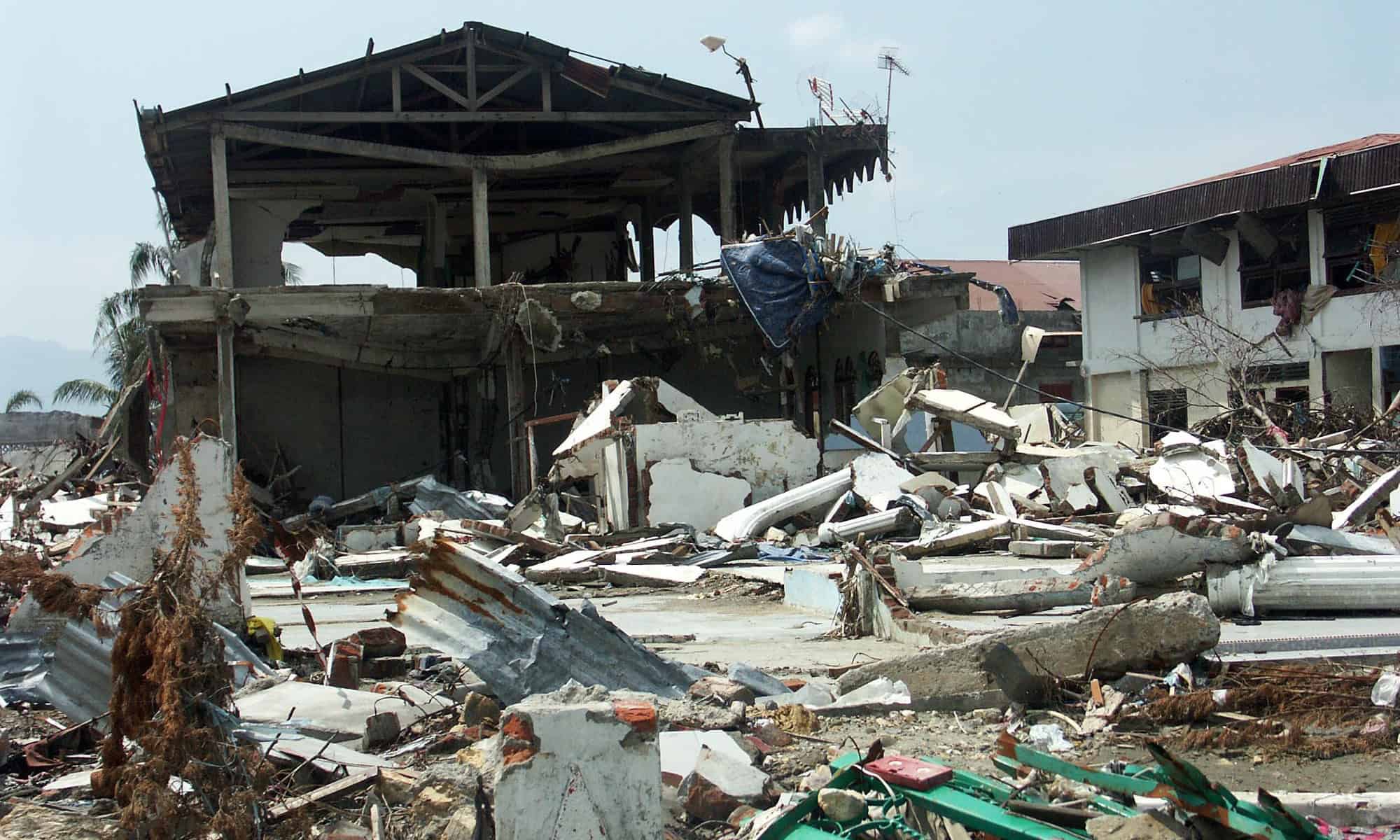
- The tsunami had waves that crested at 21 feet high. Over 29 blocks of the city were completely ruined, including 289 buildings and homes. The waves were so forceful that some houses were pushed right off their foundations.
- In total, 11 to 13 people died from the tsunami in California, with 10 to 11 of them in Crescent City. However, much of the downtown had to be rebuilt, and hundreds of people were left homeless.
The Tsunami of 1700
- Before that tsunami, the worst one might have been in January 1700. Based on oral history and geologic evidence of the surrounding area, there might have been one in California, near what is now Cape Mendocino, that was an 8 or a 9 in magnitude. This wave ran from California to Japan.